Getting a patent granted should feel like crossing the finish line. But for most founders, it feels more like the start of a new race. You now have something real to protect, something investors care about, and something rivals will watch closely. The problem is that once the patent is granted, the costs do not fade away and the strategy does not end. If anything, this is the moment when every choice either keeps your patent strong or quietly weakens it. Many founders do not know what to do next. They feel the pressure of maintenance fees, foreign filings, and new product updates that shift the invention over time. They want to spend less, stay lean, move fast, and still keep what they earned.
Why Your Post-Grant Year Matters More Than You Think
The first year after your patent is granted shapes everything that follows. It decides how much you spend, how much strength your patent keeps, and how much control you have over the market you are building.
Most founders think the work is done once the patent office says yes, but that moment is more like a signal that the real strategy phase starts now. This year is when you set the tone for how your patent will support your business rather than distract from it.
By moving with intention, you can avoid waste, stay ahead of competitors, and make sure your patent becomes an asset that grows with the company instead of one more line item you forget to manage.
Understanding the Hidden Pressure Points
Your granted patent creates new responsibilities that do not show up on day one but begin to appear with time. Maintenance fees, foreign deadlines, investor questions, roadmap shifts, and early signs of competitor movement all begin to form under the surface.
Ignoring these pressure points usually leads to one outcome: you end up reacting when something is already on fire. A better approach is to get ahead of them before they become problems.
This year is when you map every important date related to your patent, from fee deadlines to foreign filing cutoffs. When these moments are tracked early, the entire year becomes calmer.

You get space to think, budget, and choose instead of rushing. This alone can save thousands of dollars and prevent painful mistakes that force you into expensive filings or emergency legal work.
PowerPatent helps founders keep all these dates organized automatically, giving you a clear dashboard instead of scattered notes. You can explore how that works at https://powerpatent.com/how-it-works.
Connecting Your Patent to Market Reality
A granted patent only holds value if it supports where your business is heading. Many founders keep the patent in a folder and forget that the market around them is shifting every month.
What customers want changes. Competitors move into nearby spaces. New features roll out. Investors ask for proof of technical advantage. All of these signals matter, and you need to align your patent with them.
This year is the moment to compare your granted claims with your product roadmap. You can sit down with your technical lead or your co-founder and review what you plan to ship in the next twelve months.
Then ask a simple question: does the granted patent protect the core of what you plan to sell?
If not, you still have time to file continuation applications, extensions, and new filings that keep your protection in line with your product.
This is how smart companies build patent families that grow with them instead of becoming fossils the moment the technology shifts.
Spotting Weakness Before Competitors Do
Your patent is a shield, but only if you find weak spots early. Competitors usually look for openings long before they challenge a patent. They study what they can design around and where you may have left gaps.
If you identify those same gaps before they do, you can close them with small strategic moves that cost far less than fighting later.
This year gives you the right window to review your claims with clarity. You do not need a legal background.
You only need to translate each claim into plain language and ask whether a smart engineer at a rival company could work around it. If the answer is yes, you still have time to strengthen your position with a continuation or an improvement filing.
PowerPatent makes it easy to generate these follow-up filings quickly by pulling from your original work, your models, and your technical notes. You can see how that workflow operates here: https://powerpatent.com/how-it-works.
Turning Your Patent Into a Business Asset
When founders learn to treat a patent like part of the business engine, everything becomes smoother. Investors see that you are thinking ahead. Customers feel safer choosing your solution.
Partners view your technology as something stable and defensible. Your team understands where your competitive edge truly lives.
All of this starts in the first year after the grant because this is when you set the habits that shape the value of your patent long term.
This period is ideal for building a simple patent story that you can share. It is a short explanation, in plain words, about what your patent protects and why it matters for the product you sell.
This story makes it easier to pitch, hire, raise capital, and negotiate with bigger companies. It also gives you a way to keep your team aligned on what must stay proprietary and what can be shared.
Controlling Costs Without Losing Strength
One of the biggest fears founders have is spending too much on patents without seeing a clear return.
The good news is that the first year after the grant gives you the best chance to cut costs while still keeping strength. When you know which countries matter for your business, you can skip the ones that do not.
When you understand your deadlines early, you avoid rush fees. When you track changes in your product, you only file follow-ups that you truly need. When you monitor competitor movement, you protect the zones that actually matter.
The post-grant year is where smart cost control meets strategic thinking. Founders who plan ahead end up spending less because they are choosing from a place of clarity.
And with the right tools, you do not need a large legal budget or a big team to stay organized. PowerPatent gives you the visibility, structure, and support to manage all of this with confidence. You can explore that process here: https://powerpatent.com/how-it-works.
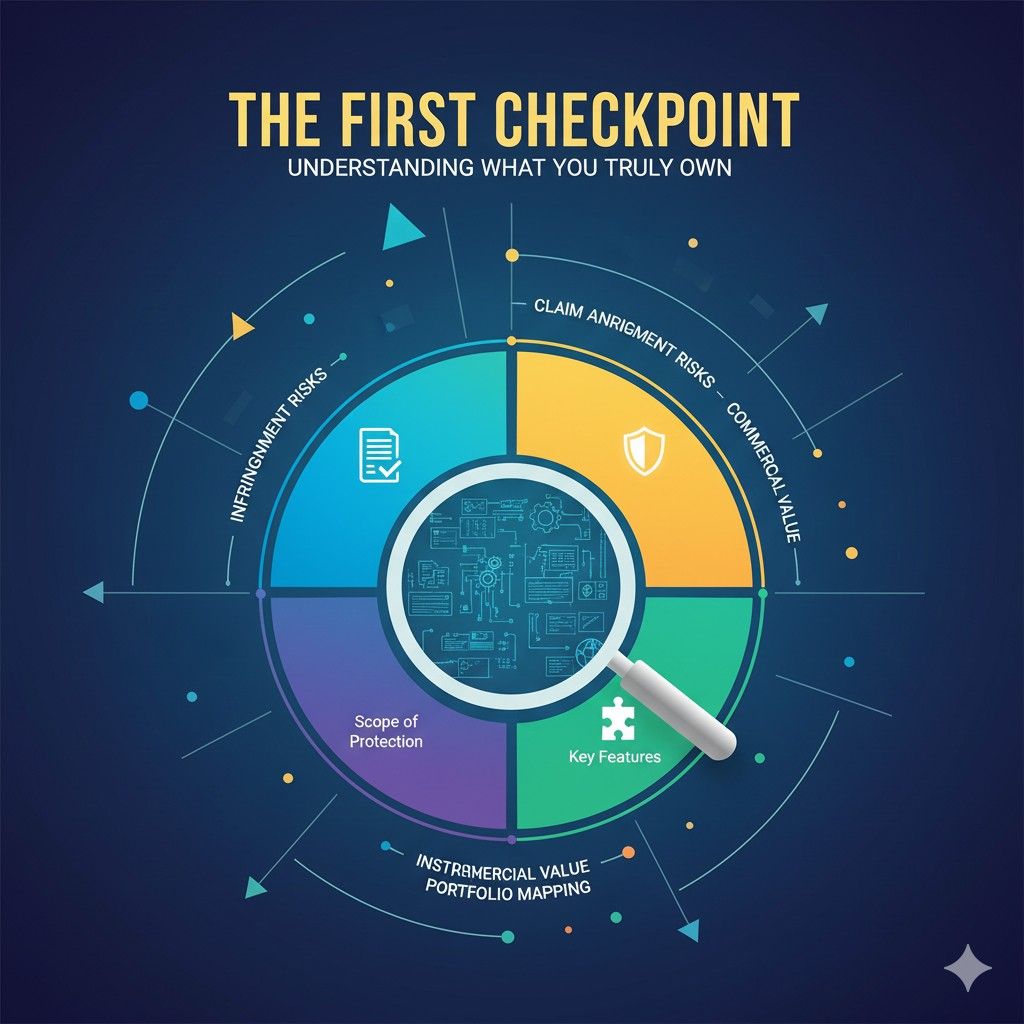
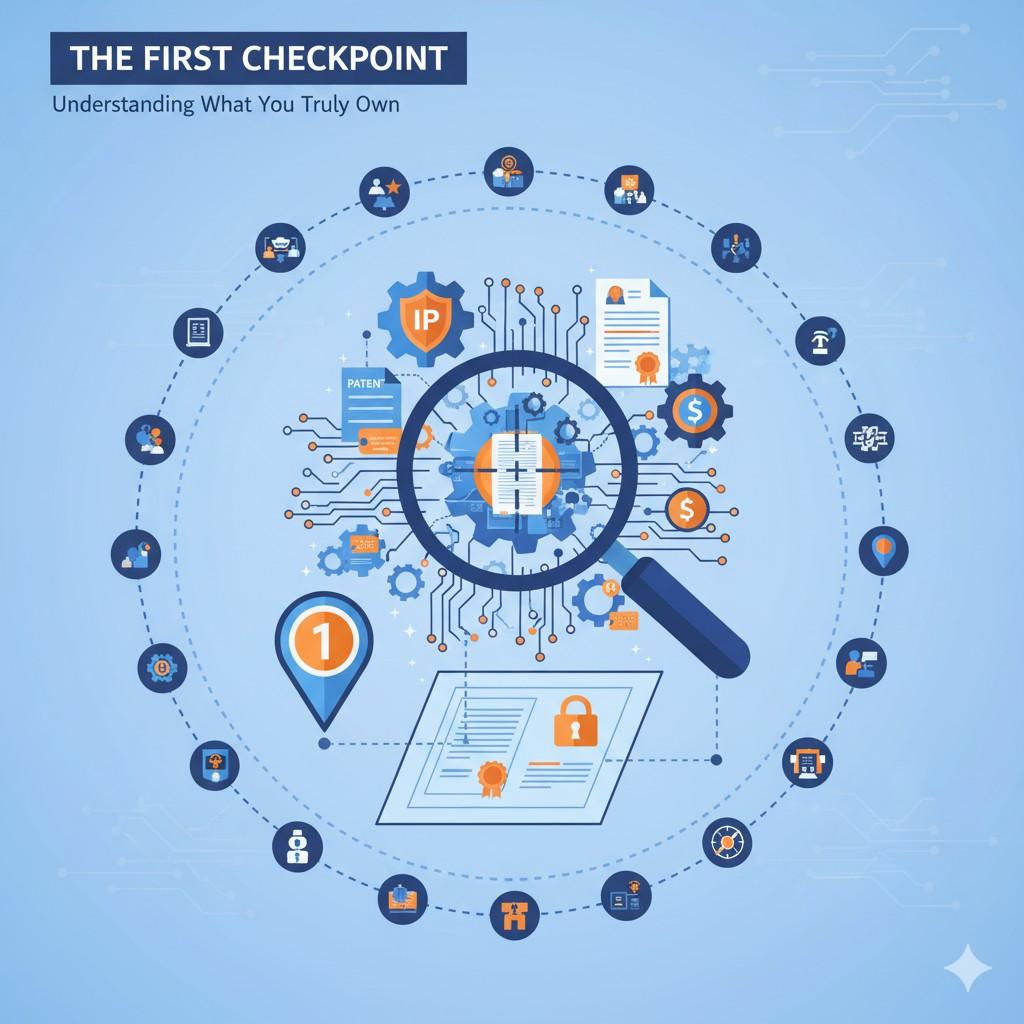
The First Checkpoint: Understanding What You Truly Own
The moment your patent is granted, most founders feel a mix of relief and momentum. You now have something official, something real, something you can point to when talking with investors, partners, and customers.
But the truth is that many founders do not fully understand what the patent actually protects.
They remember what they filed. They remember the early drafts. They remember the pitch deck version of the invention.
What they often do not realize is that the patent that gets granted can look very different from the patent they originally submitted.
Words shift. Claims tighten. Scope changes. Entire sections get reframed to pass examination. And unless you study the final version with clear eyes, you may be relying on assumptions instead of facts.
This first checkpoint is all about clarity. It is about knowing exactly what you own so you can make smart decisions for the next twelve months. This is the foundation of everything else you will do with your patent.
Without this clarity, you end up overspending, under-protecting, or missing chances that would have made your position far stronger.
Getting Comfortable With Your Claims
Every founder should start by reading their granted claims in plain language. Not in legal form. Not in the structure the patent office uses. But in simple words you can explain out loud.
Your claims are the fence around your invention. They decide how far your protection reaches and what exactly counts as infringement. If you do not translate them into everyday language, you never get a real sense of their strength.
This simple exercise helps you see your patent the same way your competitors will see it. They will not care about the legal phrasing. They will care about what they can build without crossing your boundaries.
When you can explain your claims clearly, you can also evaluate how tight or loose those boundaries are. You can judge whether someone could easily design around your idea.
And if you notice gaps, you can still use this year to file follow-up applications that close those gaps without major cost or delay.
Translating claims used to require sitting with an attorney for hours, but modern tools make this easier. PowerPatent helps break down complex claim language into clear summaries so founders can understand scope without guesswork.
That clarity can save you from expensive surprises. You can explore how that works here: https://powerpatent.com/how-it-works.
Matching Your Patent to Your Real Product
Once you understand what your patent protects, the next step is matching it to what you are actually building.
Startups evolve fast. The product you pitched when you filed the patent may not be the product you are shipping now.
You may have changed features, added new systems, or shifted your entire direction to match customer needs.
This happens all the time, and there is nothing wrong with it. But it means your patent may no longer protect the exact version of your solution that is heading to market.
This checkpoint is your chance to compare your current roadmap to your granted claims and ask a simple but powerful question: does this patent still cover the beating heart of what we sell?
If the answer is no, you still have time. The post-grant window is perfect for filing continuation applications that extend your protection.
A continuation lets you use your original filing date while adjusting the claims to match your latest product. This is how the strongest startups build growing patent families that evolve with their technology, instead of becoming outdated by year two.
You do not need a full legal team for this. All you need is a clear map of what you are building. When you overlay your features, data flows, algorithms, and system behavior against your granted claims, the gaps reveal themselves.
Once you see those gaps, you can decide whether to fill them, shape around them, or adjust your roadmap to stay covered.
PowerPatent gives founders tools to connect their code, models, and product architecture to their patent filings so they can spot these gaps automatically. You can see that process at https://powerpatent.com/how-it-works.
Finding the Real Strength of Your Patent
Every patent has areas of power and areas of softness. It is rare for a patent to be strong across every single claim. Some claims will be broader and harder for competitors to avoid.
Others will be narrower and easier to work around. This is normal. But you need to know where the real strength sits.
This first year is the right moment to identify your strongest claim. This is usually the one that covers the essential technical leap that sets your solution apart. If someone copies that specific feature, they are likely infringing.
Once you know which claim holds the most weight, you can focus your business strategy around it.
You can highlight it to investors. You can build messaging around it. You can anchor follow-up filings to it. You can train your team to understand why it matters.
Just as important is knowing which claims are weaker. These are not worthless. They can still help you block imitations or create friction for competitors.
But knowing the difference between strong and weak claims helps you invest wisely.
You avoid wasting time enforcing claims that will not hold up. You avoid spending money defending boundaries that are too narrow. You avoid putting investor emphasis on claims that may not matter long term.
This clarity becomes your compass for the rest of the year. It sets the tone for your protection strategy and gives you a far more realistic sense of what your patent can and cannot do.
Preparing for Competitor Reaction
Competitors often study your patent the moment it becomes public. They look for ways to work around it. They look for clues about where your technology is heading.
They look for openings they can exploit. If you understand your patent better than they do, you stay ahead. But if you do not take time to understand what you truly own, they may spot weaknesses before you do.
The good news is that this first year gives you an advantage. You can use this time to anticipate how a smart engineer or product team at a rival company might respond. If there is a design-around path that seems too easy, this is your chance to close it.
You can use a continuation to expand your coverage. You can explore a new filing that captures a related feature. You can shift your roadmap slightly to stay inside your strongest protection zone.
When you make these moves early, you protect yourself for years. When you delay, you often lose the chance forever.
That is why this first checkpoint matters. It turns your patent from a static document into a living strategy that pushes your advantage forward.
Setting Yourself Up for Cost Control
Understanding your patent at this stage also saves you money. When you know which claims matter most, you avoid wasting resources on unnecessary filings.
When you know which parts of your patent truly align with your product, you avoid paying for foreign filings that cover ideas you no longer use. When you know where your weaknesses lie, you can make small targeted adjustments instead of large expensive overhauls later.
Most founders who overspend do it because they never took time to understand what they actually owned. They simply kept filing or maintaining everything.
But founders who slow down for this checkpoint end up spending far less while keeping far more strength.
This is one of the reasons PowerPatent was built: to help founders understand their patent in a practical, product-focused way so cost and strategy always stay aligned.
You can see how that works at https://powerpatent.com/how-it-works.
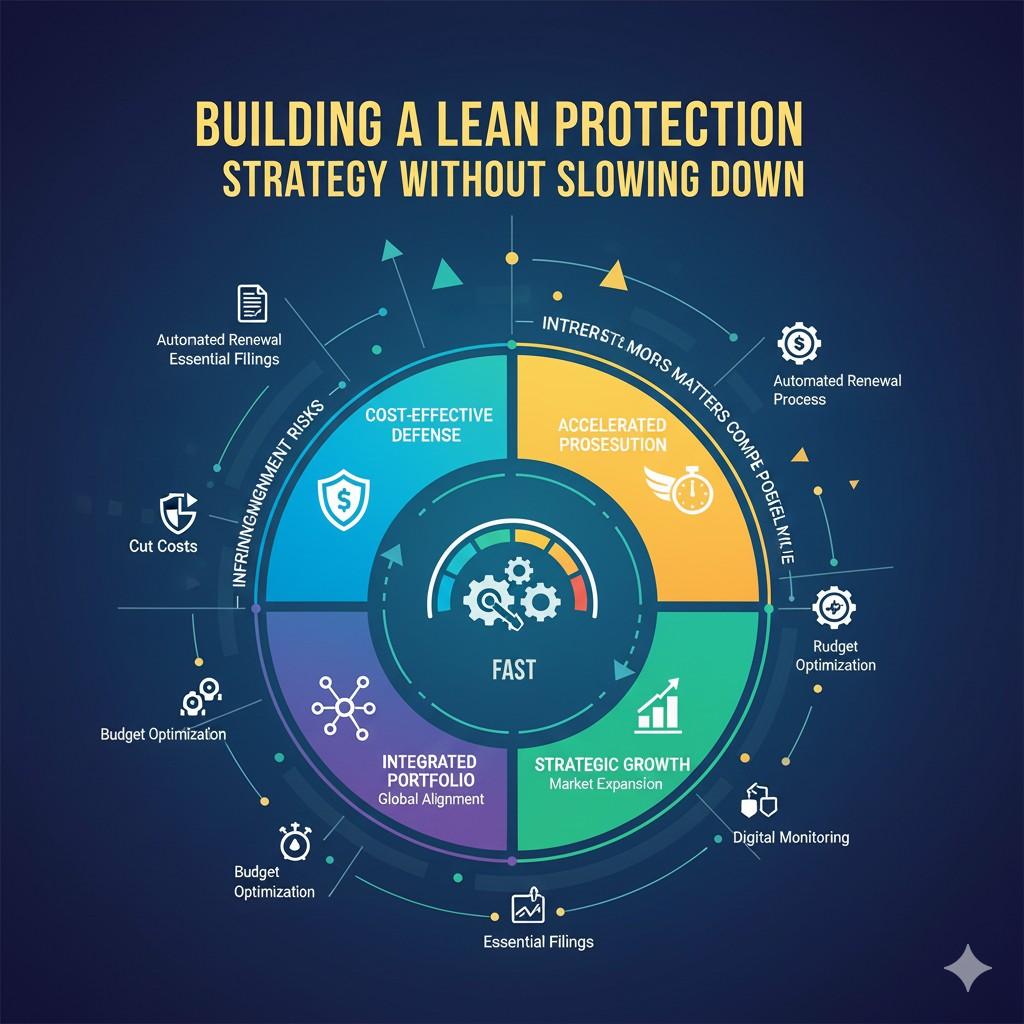
Building a Lean Protection Strategy Without Slowing Down
This part of your post-grant year is where strategy meets speed. You already have the granted patent in hand, and you understand what it covers. Now the goal is to build a protection plan that fits the pace of your startup, not the pace of traditional legal work.
Most founders assume that protecting their invention after grant means spending a lot, filing everywhere, and slowing their team down with layers of process. But the smartest companies do the opposite.
They protect only what matters, move fast, and build a strategy that feels like part of the workflow instead of a burden. When you build a lean protection plan, you keep your patent strong without letting it take over your time or budget.
Turning Your Patent Into a Strategic Guide
A lean strategy begins with treating your granted patent like a guide, not a trophy. It should shape where you focus and what you ignore.
When you know what your patent truly protects, you can decide which features deserve deeper protection, which ones are safe to leave open, and which ones should be kept internal to avoid revealing unnecessary details.
This shift alone helps you avoid waste, because you start thinking about protection as a targeted move rather than a blanket one.
Your patent becomes a reference point for every new idea the team creates. When a new feature is being planned, you can compare it to your existing claims and ask a simple question: does this fall inside our protection zone? If yes, you move forward with confidence.
If no, you decide whether it is important enough to file a follow-up patent. Most founders do not realize how much money they waste on filings that do not align with real business value.
But when you use your granted patent as the anchor, you get a filter that keeps everything lean and aligned.
Modern tools make this much easier. PowerPatent lets teams link their product ideas, technical notes, and system diagrams directly to the claims they already own.

This gives founders a clear way to see which ideas strengthen their protected position and which ideas fall outside. You can see how that works here: https://powerpatent.com/how-it-works.
Building a Clear Boundary Map
Every strong protection strategy is built on a simple idea: you need to know where your edges are. A boundary map is not a legal diagram.
It is a practical view of what you control, what you do not control, and what you want to control next.
Most founders never build this map because they assume it requires advanced legal experience. But in reality, it only requires clarity about your product and your claims.
Your boundary map begins with the core part of your invention. This is usually the key algorithm, design, process, or system behavior that makes your solution different. This is the heart of your moat. From there, the boundary expands outward.
You identify the secondary parts that support the main idea. Some of those parts may be covered by your granted patent, while others may not. When you can see this layout clearly, you begin to understand which edges are vulnerable.
The goal is not to protect every edge. That would create too much complexity and too much cost. The goal is to protect the edges that matter most for your competitive position.
When you know which part of your invention is most likely to attract copycats, those are the places worth defending.
Everything else can be left alone, improved quietly, or used internally without filing. This keeps your strategy tight and efficient rather than scattered.
Aligning Patents With Your Product Cadence
Startups move quickly. The product shifts. New features appear. Old ones disappear. Customers request changes that reshape your architecture.
If your patent strategy does not move at the same speed, you end up with filings that no longer match reality or protection that lags behind your innovation.
A lean protection strategy keeps your filings aligned with your product cadence so you never fall out of sync.
The key is to connect your product roadmap to your filing priorities. If you know which features will roll out in the next year, you can decide early which ones deserve protection.
This gives you time to file before launch rather than scrambling later. And because you decide early, you can reuse technical details and diagrams from your earlier patent to build continuations.
This saves time, cuts costs, and keeps everything consistent.
The first year after grant is the perfect period to create this rhythm. Instead of treating patents as isolated events, you treat them as checkpoints that match your startup’s build cycles.
When new features reach a certain level of maturity, you evaluate whether they strengthen your protected position. If they do, you capture them. If not, you move forward without slowing down. This keeps your roadmap fast and your protection tight.
PowerPatent was designed with this exact problem in mind, helping teams generate follow-up applications directly from working materials and code.
This keeps the filing process clean and aligned with the real pace of development. You can see exactly how that works here: https://powerpatent.com/how-it-works.
Protecting Without Oversharing
One of the biggest mistakes founders make after their patent is granted is revealing too much.
Every time you publish technical details, release documentation, share architecture, or open-source part of your stack, you give competitors clues about how to work around your boundaries.
A lean protection strategy helps you protect what you have while sharing only what you truly need to share.
This does not mean hiding everything. It means knowing the difference between public-facing details and internal advantage. Your granted patent already reveals enough to competitors.
You do not need to reveal more. Before releasing technical notes or API updates, it helps to review whether the details expose new implementation techniques that are not covered by your patent.
If they do, you still have time to file a continuation or a quick follow-up patent before publishing.
This is a simple habit that keeps your edge intact. When you build this into your workflow, you stop losing protection by accident.
You keep your power, control your narrative, and avoid giving away the parts of your system that competitors can easily copy.
Keeping Your Legal Spend Predictable
A lean protection strategy is not just about saving money. It is about making sure your spend is predictable and tied directly to business value.
When your filings match your product, when you know your boundaries, and when you protect only what matters, your costs stop jumping around.
You know when filings will happen, why they happen, and what they are protecting. This helps you create clean budgets that investors respect and founders can manage.
Predictability also removes stress. You avoid sudden fees, surprise deadlines, and emergency filings. Your team works calmly because they know what to expect. You stay in control because your strategy is in harmony with your business.
PowerPatent helps founders keep their post-grant strategy lean by showing clear timelines, cost forecasts, and filing suggestions that match the company’s direction.
You can see how it works here:
https://powerpatent.com/how-it-works.
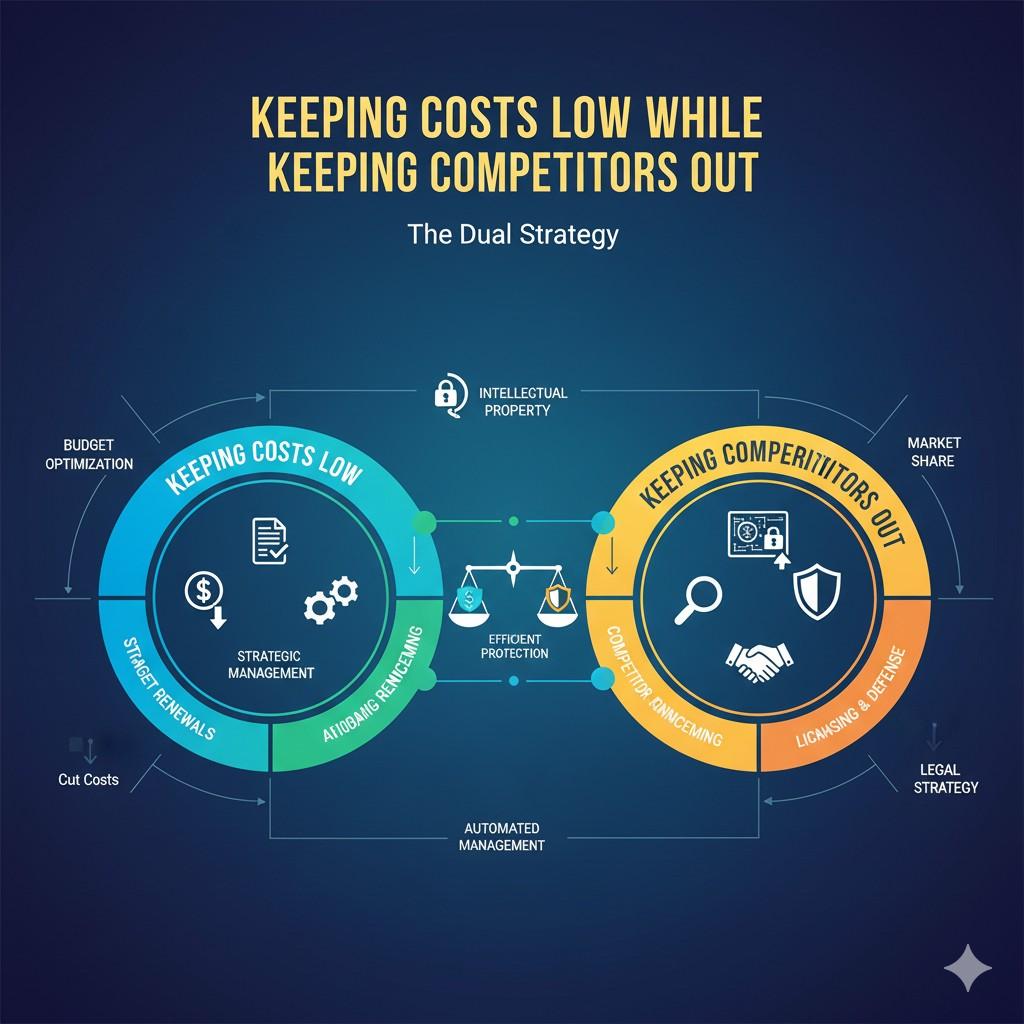
Keeping Costs Low While Keeping Competitors Out
This part of your post-grant year is all about balance. You want to keep your patent strong, but you also want to stay lean. You want to keep competitors away, but you do not want to burn your entire budget doing it.
Most founders believe these goals clash with each other, but they actually work together when you move with clarity.
The smarter your strategy, the less you spend. The more focused your protection, the harder it becomes for competitors to copy you. This section shows how to guard your position with confidence while keeping your financial runway healthy.
Making Every Dollar Serve a Purpose
The strongest post-grant strategies start with a simple mindset: spend only on what strengthens your position. Not everything needs to be filed. Not every continuation is necessary.
Not every country deserves coverage. When you look at your patent and your product through this lens, you begin to see where your spending truly matters.
The first step is reviewing your granted patent and comparing it with your current roadmap.
If your product has evolved, you do not need to redo the entire patent. You only need to protect the pieces that give you real advantage.
This focused approach saves thousands of dollars because you stop filing out of habit and start filing with intention. When you know the real technical edge of your solution, you only protect that edge and ignore everything that does not move your moat forward.
PowerPatent helps founders identify these priority zones by connecting technical documents, code, and system details to the parts of the patent that actually matter.

This helps you make decisions based on real insight instead of guesswork. If you want to explore this workflow, you can do so here: https://powerpatent.com/how-it-works.
Choosing Countries Based on Strategy, Not Fear
Foreign filings are one of the biggest cost drivers after your patent is granted. It is easy to feel pressure to file everywhere because you see global potential for your product.
But the truth is that most startups never need worldwide coverage. A lean, focused approach lets you protect your invention without draining your cash.
You can begin by asking which countries represent real commercial opportunity. These are the places where you will actually sell your product, reach customers, or form partnerships.
You can also include countries where manufacturing or supply chain operations take place, because those zones matter for competitive risk. If a country does not fall into either category, you likely do not need to file there.
A strategic approach means protecting markets, not the entire world. When you decide early, you avoid expensive rush fees and unnecessary filings.
You also make sure that the countries you choose match your revenue path rather than your imagination. This gives you stronger protection with far less cost.
Watching Competitors Without Overspending
A strong patent is only useful if you know how the competitive landscape is shifting around it. But monitoring competitors does not require expensive research firms or constant legal analysis.
What you need is a simple habit: check the market regularly for signs that another company is moving close to your protected territory.
The first year after your patent grant is the moment competitors usually test the edges. They release features that look familiar. They update their architecture.
They demo capabilities that feel similar to what you patented. When you catch these moves early, you can decide whether to strengthen your claims, file a continuation, shift your roadmap, or prepare for a potential conversation with the other company.
A lean approach means focusing on signals rather than noise. You do not need to watch every competitor. You only need to track the ones who build similar technology or target your same customers.
When you understand their direction, you can adjust your protection without overspending or filing blindly.
PowerPatent gives founders a simple way to connect competitor intelligence to their patent strategy.
When a rival’s product shifts, you can quickly check whether it touches the boundaries of your claims. You can explore that capability here: https://powerpatent.com/how-it-works.
Keeping Your Team in Sync So Nothing Slips
One of the most common causes of unnecessary legal fees is misalignment inside the team. A product update goes out without review. A technical document gets published too early.
A new feature launches with no protection. Each of these mistakes forces rushed filings, emergency legal work, or last-minute changes that inflate cost and weaken strategy.
A lean protection plan includes a simple internal habit: before major releases, check whether the change affects your protected zone.
This habit keeps you in control and prevents accidental disclosures. The team does not need to understand patent law.
They only need a clear workflow: when something meaningful changes, the founder or technical lead checks whether it falls under existing claims. If not, you can decide whether to file before releasing details.
This approach keeps your entire team aligned without slowing down the build process. It also prevents expensive mistakes that come from publishing sensitive ideas before securing them.
Preparing Early for Maintenance Fees
Maintenance fees often surprise founders because they appear years after the patent is granted. But the first year is the perfect time to plan for them. When you know exactly when fees are due and how much they cost, you can budget confidently.
This alone helps you control spending and avoid unexpected financial pressure.
Planning early also gives you room to decide whether the patent should stay alive at every fee stage. Some patents remain essential. Others become less critical as your product evolves.
When you track your maintenance fees early, you avoid paying for patents that no longer support your goals.
PowerPatent gives founders automatic fee calendars so nothing sneaks up. This brings predictability and clarity into a process that often feels scattered. You can explore how that works here: https://powerpatent.com/how-it-works.
Staying Strong Without Becoming Reactive
A lean strategy only works when it gives you control. The moment you start reacting to deadlines, emergencies, or competitor surprises, costs rise and quality drops.
But when you build your protection plan around calm, deliberate moves, you stay ahead. Every filing is intentional. Every decision is backed by product and market insight. Every dollar supports real strength.
This is how startups protect themselves without letting patents slow them down. This is how founders keep control over their invention while keeping budgets predictable.
And this is how you build an IP foundation that grows with your company instead of dragging behind it.
Wrapping It Up
The entire post-grant year is about turning your patent from a simple document into a working part of your business. This is the moment when you shift from being reactive to being intentional. You understand what you own, you know how it connects to your roadmap, and you have a clear path for keeping costs low without letting competitors get too close. The more you move with clarity, the more power your patent gives you. What felt confusing at first now becomes a simple rhythm your team can follow. As you wrap up this first year, your strategy becomes lighter, faster, and easier to manage.
Leave a Reply