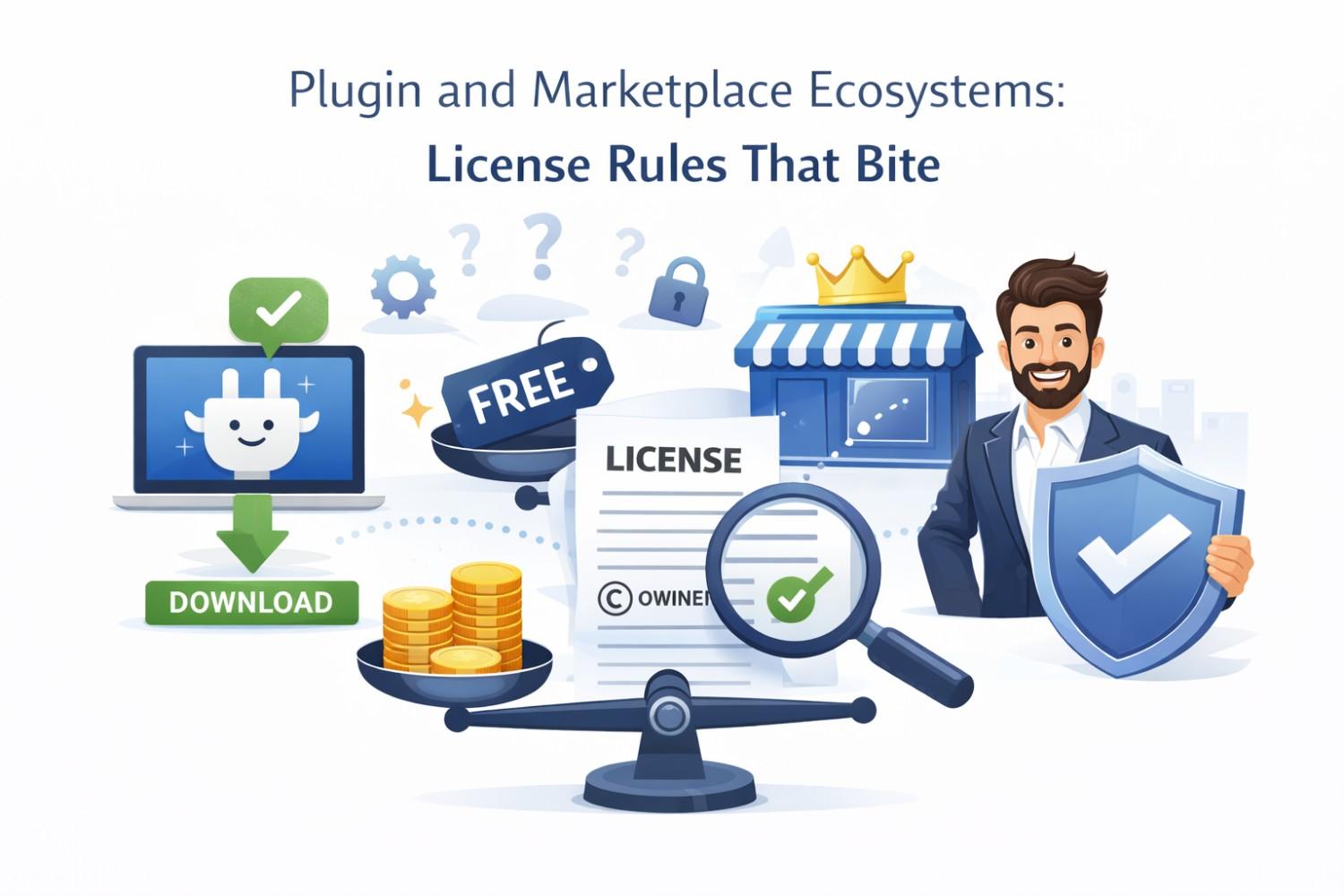
Most founders love plugins and marketplaces because they feel like free speed. You add a plugin, flip a switch, and your product grows faster. But hidden inside those plugins are license rules that can quietly take control of what you build. These rules do not knock on the door. They sit there, waiting, until you raise money, get traction, or try to file a patent.
Why Plugins Feel Free but Are Never Free
Plugins feel like shortcuts. They promise speed, features, and polish without the cost of building from scratch. For a founder trying to ship fast, that promise is hard to resist.
But the real cost of plugins rarely shows up on a credit card. It shows up later, when your product works, your users care, and you realize someone else has a say in what you built.
This section is about understanding that hidden cost early, while you still have leverage and options.
The Illusion of Zero Cost
When a plugin says it is free, what it usually means is that money is not the currency. Control is.
Most plugin licenses are written to protect the plugin maker, not you. They are designed to let you use the tool while quietly limiting what you can claim as your own later.
The danger is not that you are doing something wrong. The danger is that you are doing something normal without knowing the trade you are making.
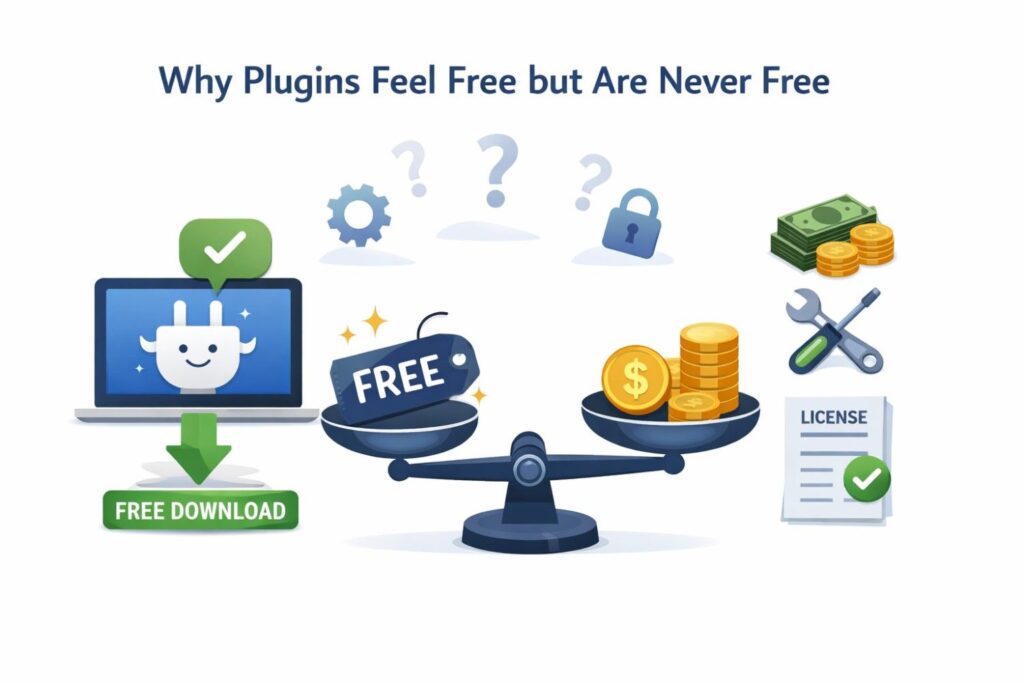
A founder sees free and thinks low risk. In reality, free often means the rules matter more, not less.
Speed Today, Friction Tomorrow
Plugins shine in the early days because they remove friction. You get to demo faster, test ideas sooner, and impress users with features that would have taken months to build alone. That speed is real and valuable.
The problem starts when speed turns into dependency. The more your core product relies on a plugin, the more that plugin’s license begins to shape your business.
You may find limits on how you can scale, where you can deploy, or how you can protect your invention.
A smart move early on is to treat every plugin like borrowed time. Ask yourself how hard it would be to remove it later. If the answer is painful, that plugin deserves extra attention before it becomes part of your core system.
Ownership Is Not Always Obvious
Many founders assume that if they wrote the code around a plugin, they own the result. That feels logical. But licenses do not always follow logic. They follow text, and that text is often broad.
Some licenses give the plugin creator rights over anything built using their tool. Others restrict how your product can be sold or licensed.
A few even claim rights to improvements or feedback, which can overlap with patent claims later.
This is where founders get surprised. Not because they ignored the rules, but because they never expected the rules to reach that far.
How Licenses Shape Patent Rights
Patents are about ownership and control. Licenses are also about ownership and control. When those two collide, licenses usually win.
If a plugin license says you cannot claim exclusive rights to derivative works, that can weaken or block your ability to patent features built on top of it. Even if your idea is novel, the license can create doubt about who really owns what.
This does not mean you should avoid plugins. It means you should understand which parts of your system you want to protect and make sure those parts are not legally tied to someone else’s terms.
This is exactly the kind of issue PowerPatent helps founders spot early, before it becomes expensive to fix. You can explore how that works at https://powerpatent.com/how-it-works.
The Silent Spread of License Terms
One of the most dangerous things about plugin licenses is how quietly they spread. A single plugin can pull in other libraries, each with its own rules. Over time, your product becomes a web of hidden agreements you never actively chose.
Founders rarely track this because there is no immediate pain. Everything works. Customers are happy. Investors are excited. Then due diligence starts, and suddenly every dependency matters.
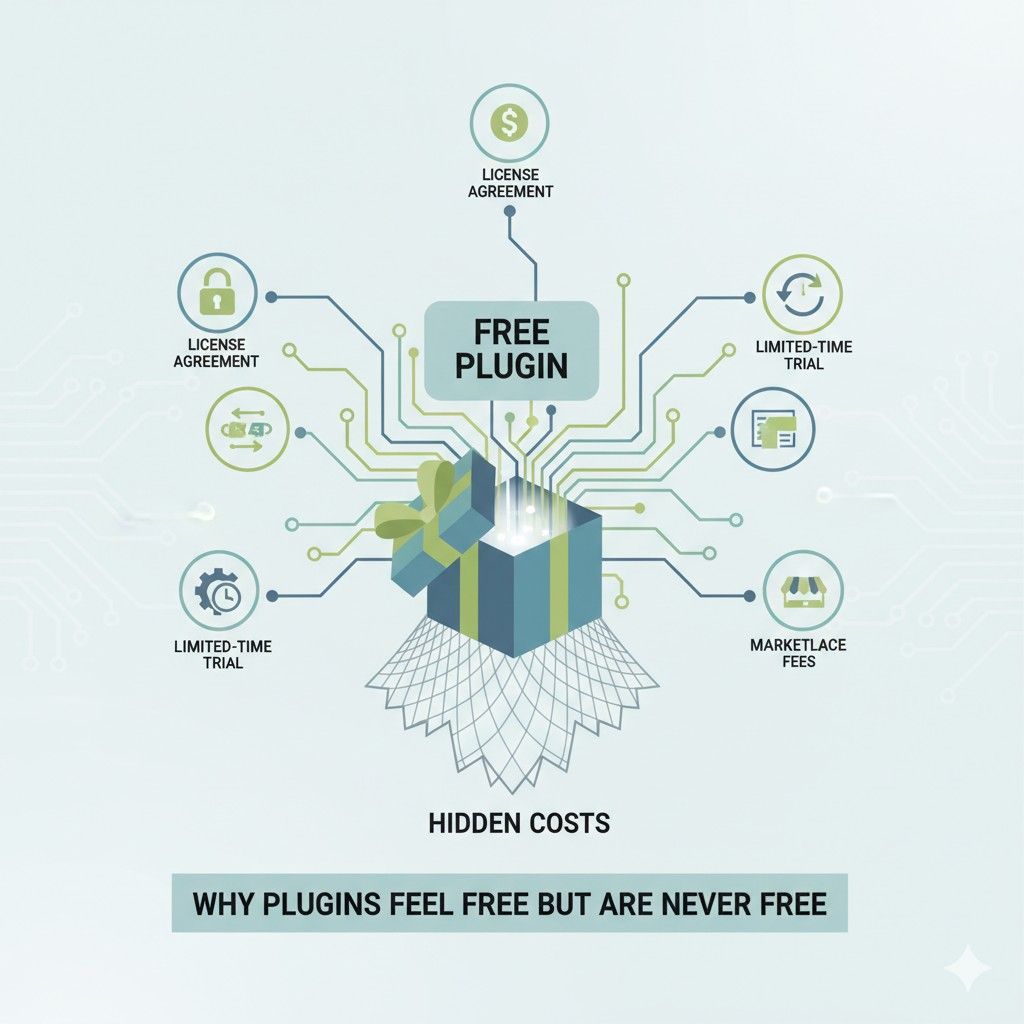
A practical habit is to document why each plugin exists in your system and what would happen if it disappeared. This simple exercise forces you to see which tools are helpers and which ones are silent gatekeepers.
Free Tools and Strategic Blind Spots
Free tools create blind spots because they feel harmless. Paid tools trigger scrutiny. Free tools slip through.
This is where experienced founders slow down just enough to ask better questions. Not legal questions, but product questions. Does this plugin define my product, or just support it?
Could I explain my core idea without mentioning this tool? If not, that tool is not just a helper. It is part of your invention.
Once you see that clearly, your decisions change.
Building with Intent, Not Fear
The goal is not to build scared. Fear kills momentum. The goal is to build with intent.
Intent means knowing which parts of your product must stay clean and owned, and which parts can safely rely on outside tools. It means choosing plugins that support your vision without boxing it in.
Founders who do this well treat licenses as design inputs, not afterthoughts. They design their architecture with future ownership in mind, even while moving fast.
Turning Awareness into Action
Awareness only matters if it leads to action. The most effective founders take small steps early rather than big fixes later.
They keep core logic separate from third-party tools. They avoid deeply embedding plugins into features they might want to patent. They revisit license terms when a feature starts to feel important, not when it is already critical.
And when they are unsure, they get help from people who understand both technology and patents, not just one or the other. That blend is rare, and it is the reason PowerPatent exists.
If you want to move fast without losing control of what you are building, now is the right time to think about this. You can see how PowerPatent supports founders through these exact decisions at https://powerpatent.com/how-it-works.
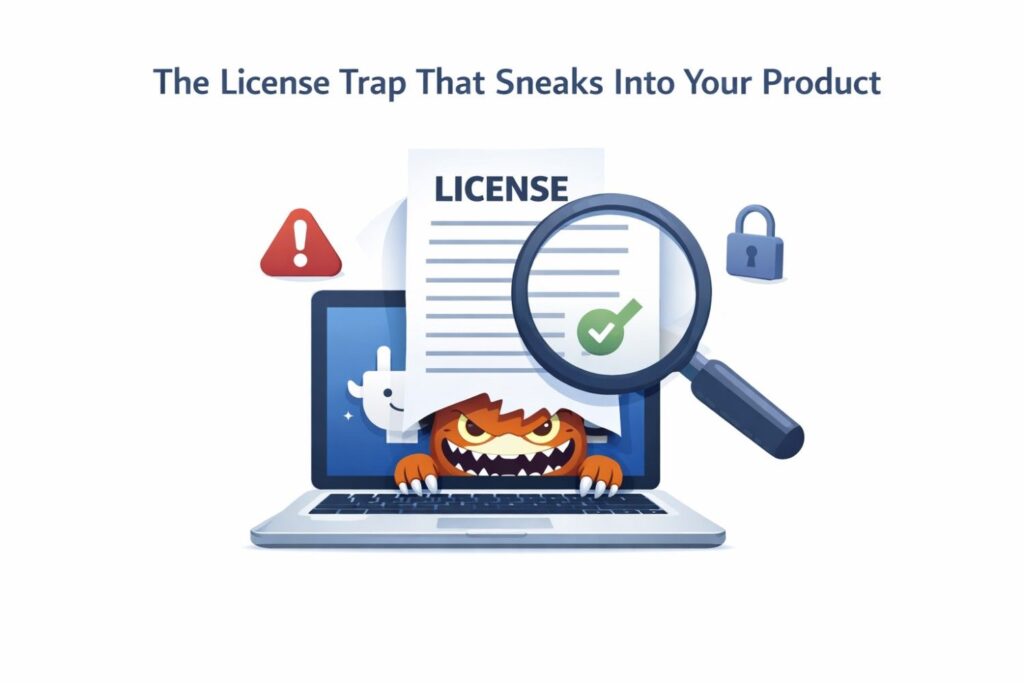
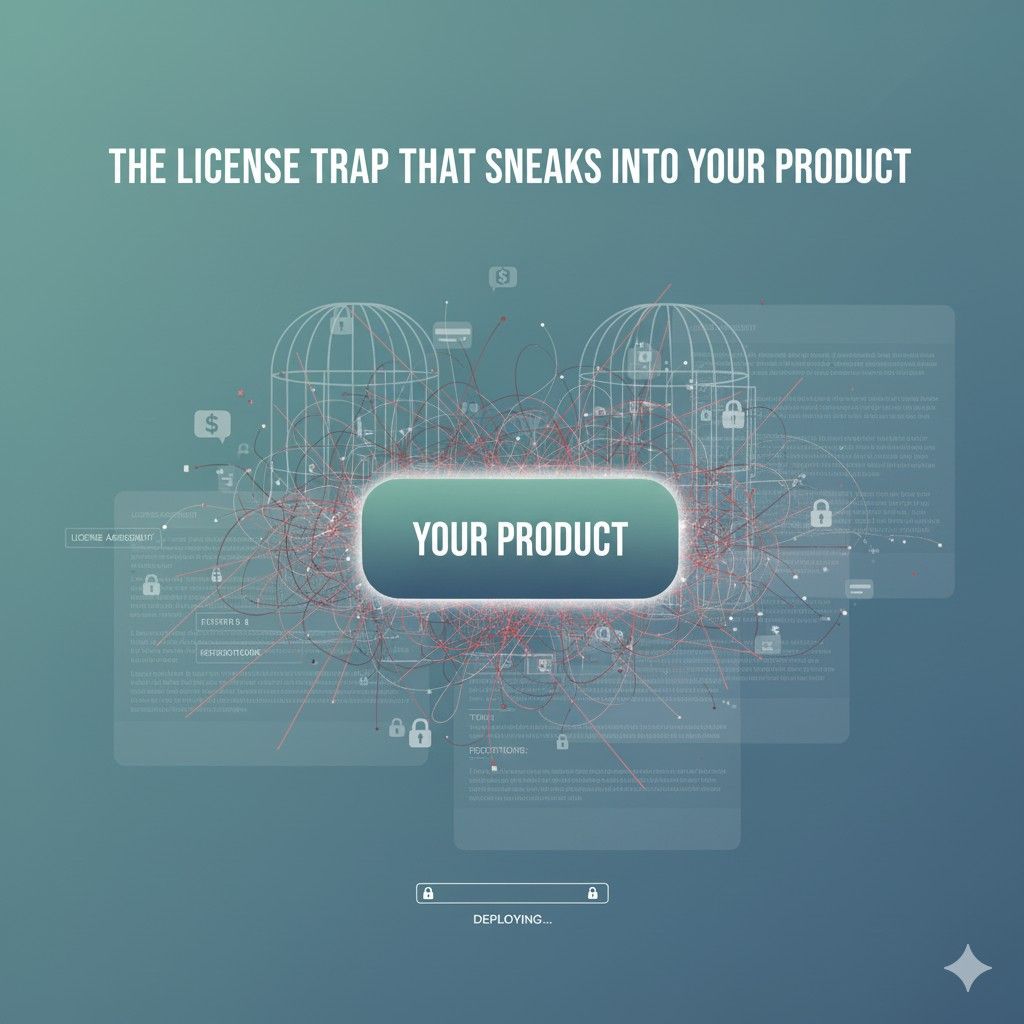
The License Trap That Sneaks Into Your Product
License traps are not dramatic. They do not break your build or crash your app. They work quietly, over time, by shaping what you are allowed to do once your product matters.
By the time most founders notice them, the product is already successful, which makes the trap much harder to escape.
This section explains how those traps form, why they are easy to miss, and how to design your product so you stay in control even as you move fast.
How Traps Form Without Bad Intent
Most license traps are not created to hurt you. They exist because plugin creators want to protect their own work. They want credit, control, or upside if their tool becomes part of something big.
The issue is that their goals and your goals are not always aligned. You want freedom to grow, sell, patent, or pivot.
They want limits that keep their tool from being copied or replaced. The license becomes the place where those goals collide.
Because nothing breaks at first, the collision goes unnoticed.
The Problem with Default Terms
Default license terms are written for the average user, not for a startup building defensible technology. They assume casual use, not core dependency.
When founders accept defaults without review, they are often agreeing to rules that do not fit their future plans.
This is especially risky when your product’s main value lives in how things are connected rather than in a single feature. Licenses often reach across connections, integrations, and workflows, which is where modern startups shine.
The trap is not the term itself. The trap is assuming the term does not apply to you.
When Convenience Becomes Commitment
At first, a plugin is a convenience. It saves time. Then it becomes part of your architecture. Eventually, it becomes something you cannot easily remove.
That shift from convenience to commitment is where license traps lock in. Once a plugin is deeply woven into your system, the cost of replacing it is no longer technical.
It is strategic. It affects roadmaps, deadlines, and sometimes investor trust.
Founders who avoid this trap make a habit of revisiting early choices once a feature proves valuable. They treat success as a signal to recheck assumptions, not as a reason to ignore them.
Hidden Claims Over Derivative Work
One of the most common traps lives in derivative work language. This is where a license claims rights over anything built using the plugin, not just the plugin itself.
For a founder, this feels abstract until it is not. If your most valuable feature relies on that plugin, the license may give someone else a claim to part of that value.
Even uncertainty around that claim can scare off partners or slow down a patent filing.
The safest approach is to make sure your core ideas can stand alone, even if a plugin supports them. That separation is not just technical. It is legal and strategic.
Feedback Clauses That Reach Too Far
Many licenses include feedback clauses that sound harmless. They ask for suggestions, bug reports, or improvement ideas. What they often also ask for is the right to use that feedback without limits.
If your team improves a plugin in ways that overlap with your own innovation, those improvements can fall into a gray zone. Over time, that gray zone can swallow ideas you assumed were yours.

Founders who pay attention here draw clear lines between internal innovation and external contribution. They share feedback carefully and keep breakthrough ideas inside the company walls.
Marketplace Rules That Override Your Plans
Marketplaces often come with their own licenses layered on top of plugin terms. These rules can control pricing, distribution, branding, and even customer relationships.
The trap appears when your go-to-market strategy depends on a marketplace whose rules were never designed for venture-scale growth. What felt like a growth channel becomes a constraint.
Smart teams plan for graduation. They ask early how they would reach customers if a marketplace changed its rules or raised its fees. That mindset keeps the marketplace in its place as a tool, not a gatekeeper.
Why Due Diligence Finds What Founders Miss
Investors and acquirers look at licenses differently than builders. They are not impressed by speed alone. They look for clean ownership and clear rights.
During due diligence, every dependency gets questioned. Any unclear license term becomes a risk factor. Even if the risk never turns into a lawsuit, it can slow deals or lower valuations.
Founders who prepare for this early turn due diligence into a formality instead of a stress test. They know which licenses matter and why they chose them.
Designing Products That Stay Clean
Clean products are not plugin-free. They are intentional.
Intentional design means isolating third-party tools from your core logic. It means documenting why each external dependency exists. It means making sure your main invention does not collapse if a license changes.
This kind of design does not slow teams down. It speeds them up by reducing future rewrites and legal surprises.
Turning Traps into Non-Issues
License traps only work if you do not see them. Once you understand where they hide, they lose most of their power.
Founders who win here do not become license experts. They build awareness into their process. They involve the right help early, especially when a feature starts to feel important.
This is where a platform like PowerPatent fits naturally into the workflow. It helps founders connect technical decisions to ownership outcomes, without dragging them into legal complexity.
If you want to see how that works in practice, you can explore it at https://powerpatent.com/how-it-works.
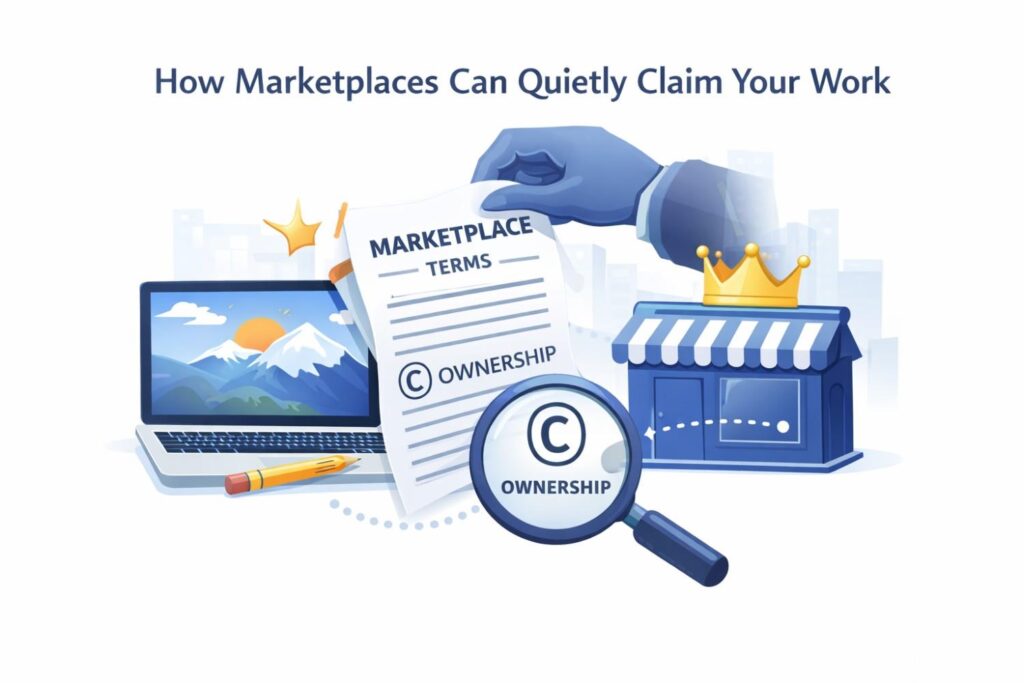
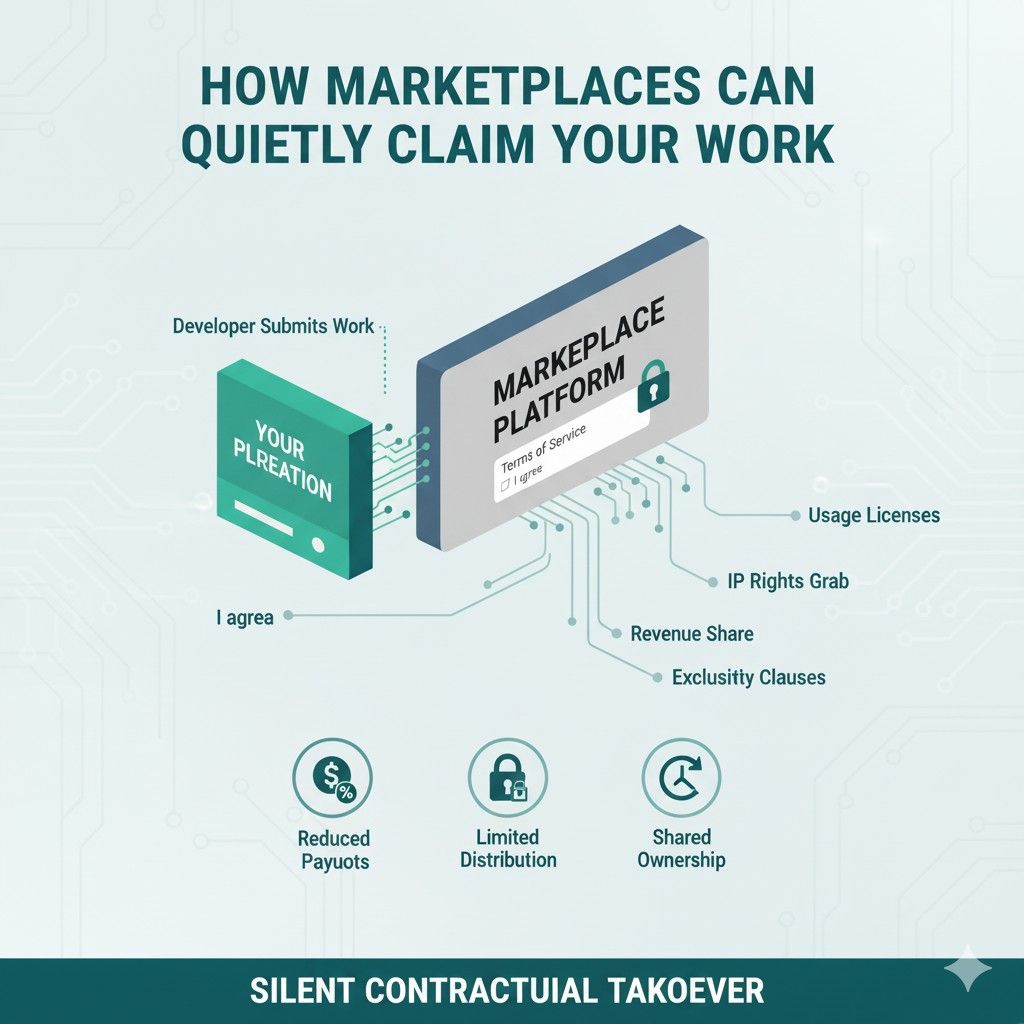
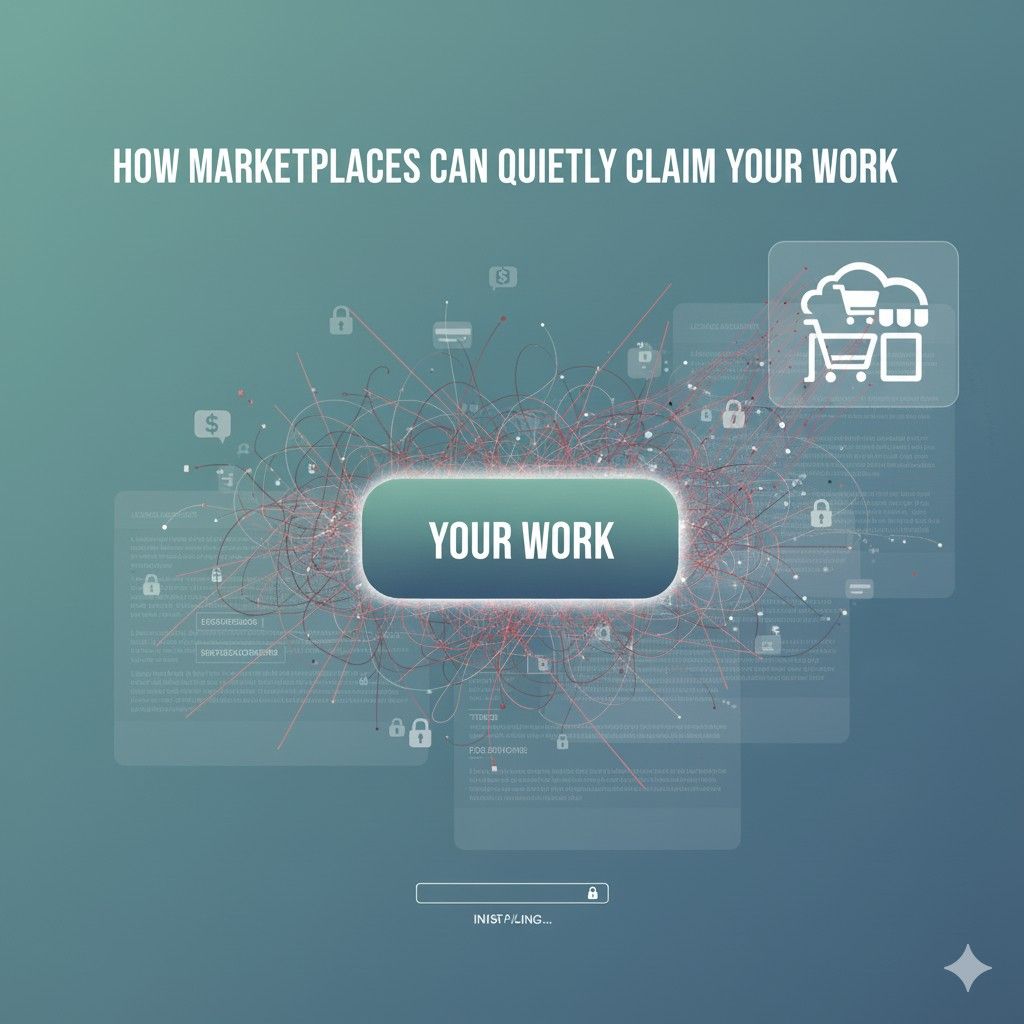
How Marketplaces Can Quietly Claim Your Work
Marketplaces feel like opportunity. They bring users, trust, and distribution in one clean package. For a startup, that can feel like a gift. But marketplaces are not neutral.
They are businesses with their own goals, and their rules are designed to protect those goals first.
This section looks at how marketplaces slowly shape ownership, how they can reach deeper into your product than you expect, and how founders can stay in control while still using them to grow.
The Comfort of Built-In Demand
Marketplaces lower the hardest barrier in startups, which is getting attention. When you list a plugin or app inside a popular ecosystem, you tap into demand that already exists. That comfort can make founders relax their guard.
The danger is subtle. When distribution is easy, terms feel less important. You are focused on adoption, reviews, and growth. Meanwhile, the marketplace agreement is setting the boundaries of what you can do next.
Founders who stay safe enjoy the demand without forgetting who owns the door.
Platform Rules That Reach Past Distribution
Many marketplace terms go far beyond listing and payment. They often include rules about how your product can work, how it can be priced, and how it can evolve.
Some platforms restrict features that compete with their own roadmap. Others limit how you can contact users or move them off the platform. Over time, your product begins to orbit the platform’s interests instead of your own.
The key is recognizing that a marketplace is not just a sales channel. It is a layer of governance over your product.
Clauses That Touch Your Intellectual Property
Marketplaces sometimes include rights to use, copy, or promote your work in very broad ways. These clauses are often framed as marketing permissions, but the language can stretch further.
If a marketplace can reuse parts of your product, your data, or your interface, that can blur ownership lines. Even if nothing bad happens, the uncertainty alone can weaken your ability to protect your invention later.
Founders who care about patents pay close attention to these clauses. They want clean stories about who owns what, without shared claims or vague permissions.
The Risk of Building to Fit the Market
When a marketplace becomes your main growth engine, it can start shaping how you build. Features get prioritized based on platform guidelines. Roadmaps bend to policy updates.
This feels efficient, but it can quietly shift your product away from its original vision. You are no longer just building for users. You are building for approval.
Strong founders notice this shift early and correct it. They make sure their core value still lives outside the marketplace rules.
Data Access and Control Issues
Marketplaces often control user data. You may see usage, but not identities. You may know behavior, but not intent.
This can limit how you learn, improve, and build defensible insights. Data is often the hidden engine behind strong patents and strong products. When that data is filtered or restricted, your innovation potential shrinks.
Founders who plan ahead design their systems so critical learning does not depend on marketplace access alone.
Exit Scenarios Change the Stakes
Marketplace terms matter more when exits come into view. Acquirers look closely at how dependent your business is on a single platform. They ask what happens if the rules change.
If your product cannot survive outside the marketplace, your leverage drops. If your IP is entangled with platform terms, deals slow down.
Founders who want clean exits think about independence long before they need it.
Growing Without Giving Away the Core
The best use of marketplaces is strategic, not total. They are tools for reach, not foundations for ownership.
Smart teams decide early what part of their product is safe to expose and what part must stay protected. They treat the marketplace as a surface layer, not the engine.
This approach keeps growth strong without letting control slip away.
Making Marketplaces Work for You
Marketplaces are not enemies. They are powerful allies when used with intent.
Founders who win here read terms with a product mindset, not a legal one. They ask how each rule affects future growth, ownership, and protection. They design escape paths before they need them.
This is also where connecting product decisions to patent strategy pays off. PowerPatent helps founders see how marketplace choices affect long-term protection, without slowing down execution.
You can learn more about that approach at https://powerpatent.com/how-it-works.
What Smart Founders Do Before It’s Too Late
Smart founders are not the ones who avoid risk. They are the ones who see risk early and shape it.
When it comes to plugins and marketplaces, the difference between pain and control is timing. Once your product is big, your options shrink. Before that, almost everything is fixable.
This final section focuses on the quiet habits and decisions that keep founders in charge of what they build.
They Treat Ownership as a Product Feature
Great founders think about ownership the same way they think about performance or reliability. It is not a legal task pushed to the side. It is part of building something real.
They ask simple questions during development. Would this feature still be ours if this tool disappeared? Could we explain this invention without naming a platform? Those questions guide architecture choices in powerful ways.
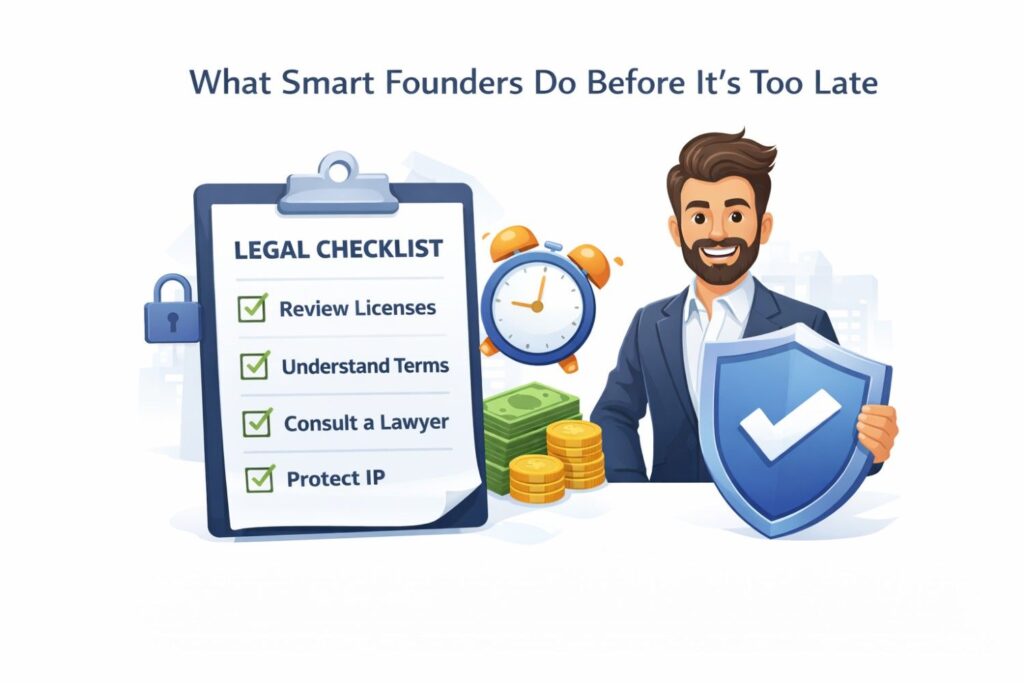
This mindset keeps surprises away later.
They Separate Core Ideas from Supporting Tools
Smart teams draw invisible lines inside their product. On one side is the core idea, the thing that makes the product special. On the other side are helpers, tools, and accelerators.
The core stays clean. Helpers can change.
This separation does not require complex systems. It requires awareness. When something starts to feel central, it gets treated differently. That is often the moment when founders revisit licenses or adjust design.
They Recheck Decisions When Things Work
Many mistakes happen after success, not before it. A feature takes off, users love it, and suddenly it is the heart of the product.
Smart founders see success as a signal to pause and review. They look at dependencies that were harmless early on and ask if they are still safe. This habit turns growth into clarity instead of chaos.
It is far easier to adjust when momentum is on your side.
They Keep a Clear Story of What They Own
Ownership is not just about reality. It is also about narrative. Investors, partners, and acquirers want a clean story they can understand quickly.
Founders who prepare for this keep simple records of why tools were chosen and how they fit into the product. They can explain where the innovation lives and why it is protected.
This clarity builds confidence long before anyone asks for it.
They Avoid Over-Sharing Innovation
Sharing feedback and ideas feels collaborative, and often it is. But smart founders know the difference between helpful feedback and giving away insight.
They share bugs, not breakthroughs. They contribute improvements that do not define their edge. This keeps innovation inside the company where it belongs.
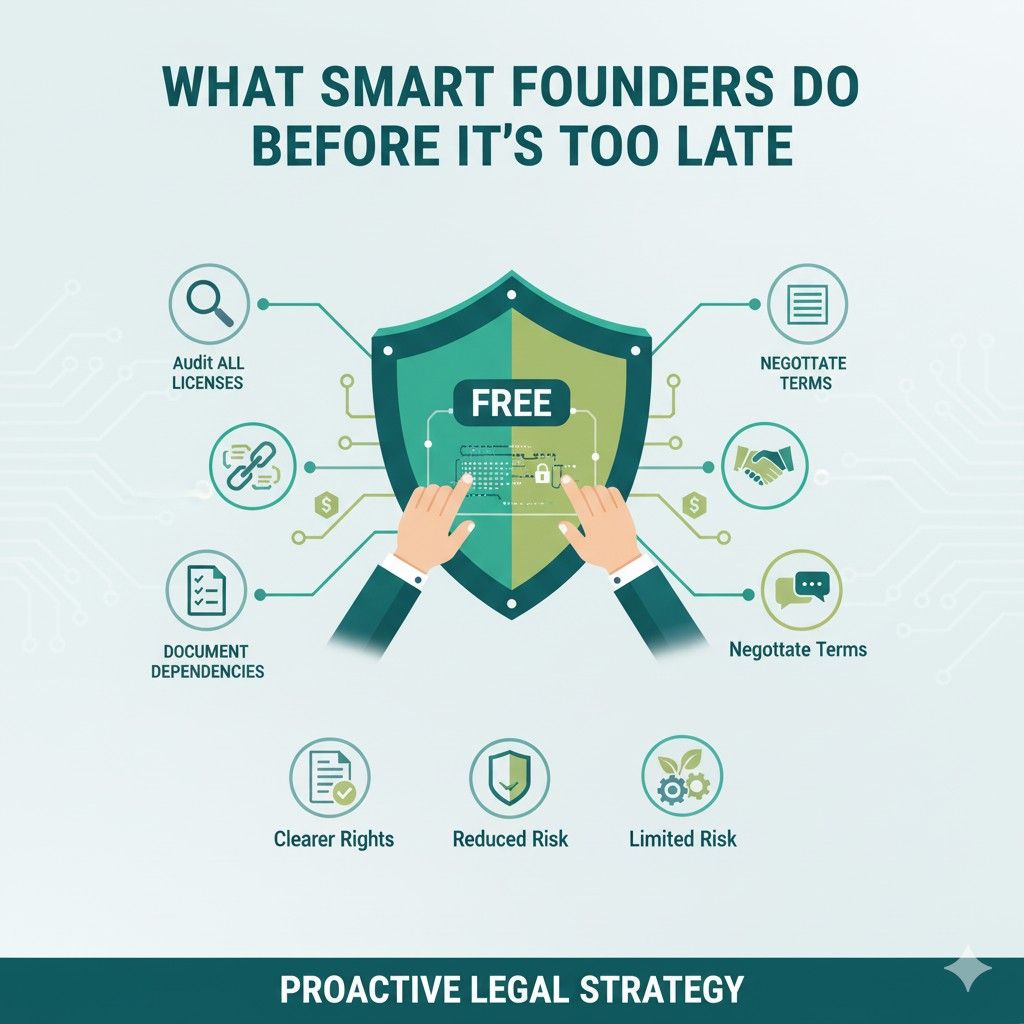
It is a small discipline with a big payoff.
They Plan for Change, Not Perfection
No one gets every license choice right from day one. Smart founders do not aim for perfection. They aim for flexibility.
They design systems that can evolve. They leave room to swap tools. They avoid hard locks where possible.
This flexibility turns future problems into manageable tasks instead of crises.
They Connect Product Choices to Patent Strategy Early
Patents are strongest when they reflect real products, not rushed fixes. Founders who think about patents early do not file too soon. They design better.
They notice which parts of the system are unique. They protect those parts. They avoid tying them to external rules that weaken claims.
This connection between building and protecting is where many startups stumble.
It is also where PowerPatent provides the most value, by guiding founders through these decisions in plain language, backed by real attorneys. If you want to see how that works in practice, visit https://powerpatent.com/how-it-works.
They Act Before They Are Forced To
The biggest difference between stressed founders and confident ones is whether they acted by choice or by pressure.
Acting early gives you options. Acting late gives you costs.
Smart founders look ahead just enough to stay free. They move fast, but they move with intent. That is how they build products that last and protect the value they create.
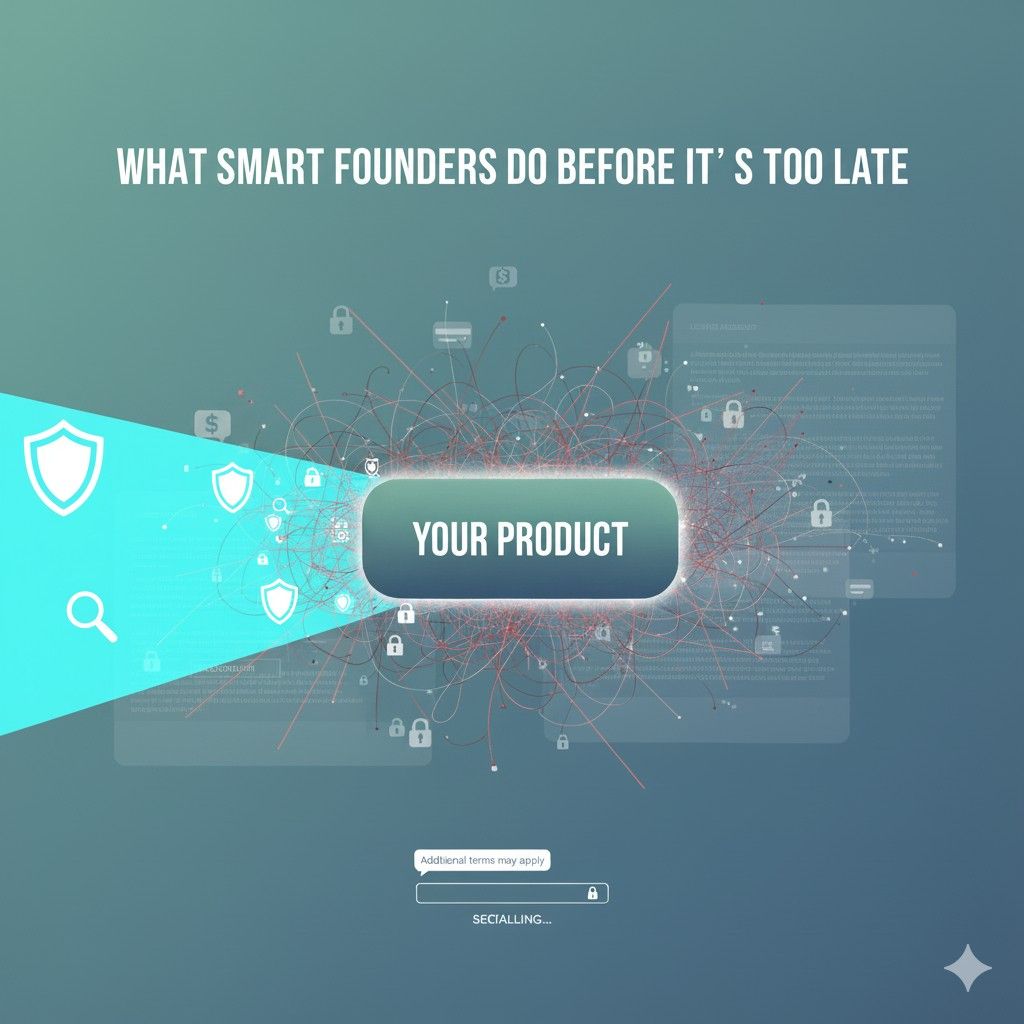
If you want to build with that kind of confidence, now is the right time to take a closer look at your plugins, your marketplaces, and your ownership story.
PowerPatent exists to make that process simple, fast, and founder-friendly. Learn more anytime at https://powerpatent.com/how-it-works.
Wrapping It Up
Plugins and marketplaces are not mistakes. They are some of the most powerful tools founders have today. They help teams move faster, test ideas sooner, and reach users that would otherwise take years to find. The problem is not using them. The problem is forgetting that every shortcut comes with rules.
Those rules do not feel important at the start. They only become visible when your product works, when your ideas matter, and when someone else wants to know who really owns what you built. By then, the cost of ignoring them is much higher.
Leave a Reply