Most startups think risk lives in code, servers, or cash. It often does not. It lives in contracts you signed too fast and vendors you trusted too easily. One bad clause. One missed audit. One unclear ownership line. That is all it takes for your company to lose control of what it built. Vendor and OEM risk is quiet. It does not crash your system. It shows up later, when you raise money, sell the company, or face a legal threat. That is when someone asks a simple question: Do you actually own this? If the answer is unclear, everything slows down or falls apart.
The Hidden Cost of Vendor Dependence
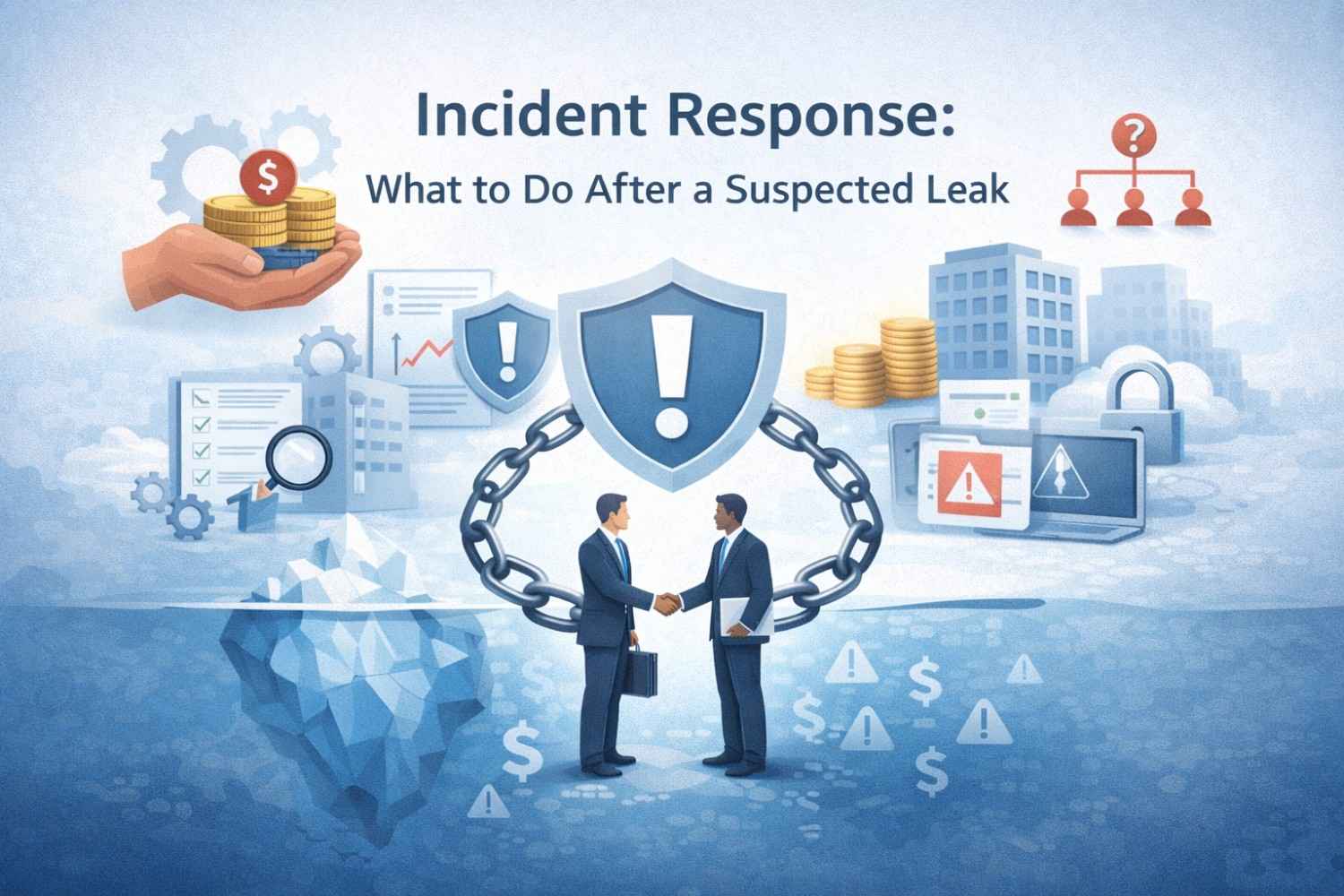
Vendor dependence becomes most dangerous after a suspected leak. When something goes wrong, speed and control matter more than anything else.
If vendors sit between you and your systems, your data, or your logs, every response slows down.
This section explains how hidden dependence weakens incident response and what smart companies do to regain control before damage spreads.
When You Do Not Own the First Hour
The first hour after a suspected leak is critical. Decisions made during that window shape outcomes for weeks or even years. Vendor dependence often means you do not own that hour.
If logs, alerts, or access controls sit with a third party, you must wait. You file a ticket. You send an email.
You hope someone responds fast. During that time, attackers may still be inside, data may still be moving, and evidence may be fading.

A practical move is to ensure you have direct access to logs and monitoring, even if a vendor manages the system. Shared visibility preserves speed when it matters most.
Vendors Do Not Feel Your Urgency
For your company, a leak is an emergency. For a vendor, it is one of many issues in a queue. This mismatch creates risk during incident response.
Vendors may follow their internal process, not your timeline. They may escalate slowly or wait for confirmation before acting. That delay can expand the impact of a breach.
Businesses should define incident response expectations in advance. Even simple language about response times and priority during security events can shift behavior when pressure hits.
Limited Access Limits Investigation
After a suspected leak, understanding what happened is essential. Vendor dependence can block that understanding. If you cannot see system behavior directly, you rely on summaries instead of facts.
This makes it harder to answer basic questions. What was accessed? When did it start? Has it stopped? Without clear answers, response becomes guesswork.
Companies should test their investigative access before an incident. If you cannot trace activity end to end without vendor help, that is a risk worth fixing early.
Evidence Control Shapes Outcomes
Incident response is not only technical. It is legal and business-driven. Evidence matters. Logs, records, and system states may later support disclosures, negotiations, or defenses.
When vendors control evidence, you depend on their accuracy and timing. That dependence can weaken your position if questions arise later.
A strategic step is to ensure evidence retention and access rights are clear. You should be able to preserve and review data independently during an incident.
Vendor Tools Can Delay Containment
Containment stops damage. Vendor-managed tools sometimes make containment slower. You may need approval to shut down systems, rotate keys, or block access.
Each approval step adds friction. Attackers do not wait for permission.
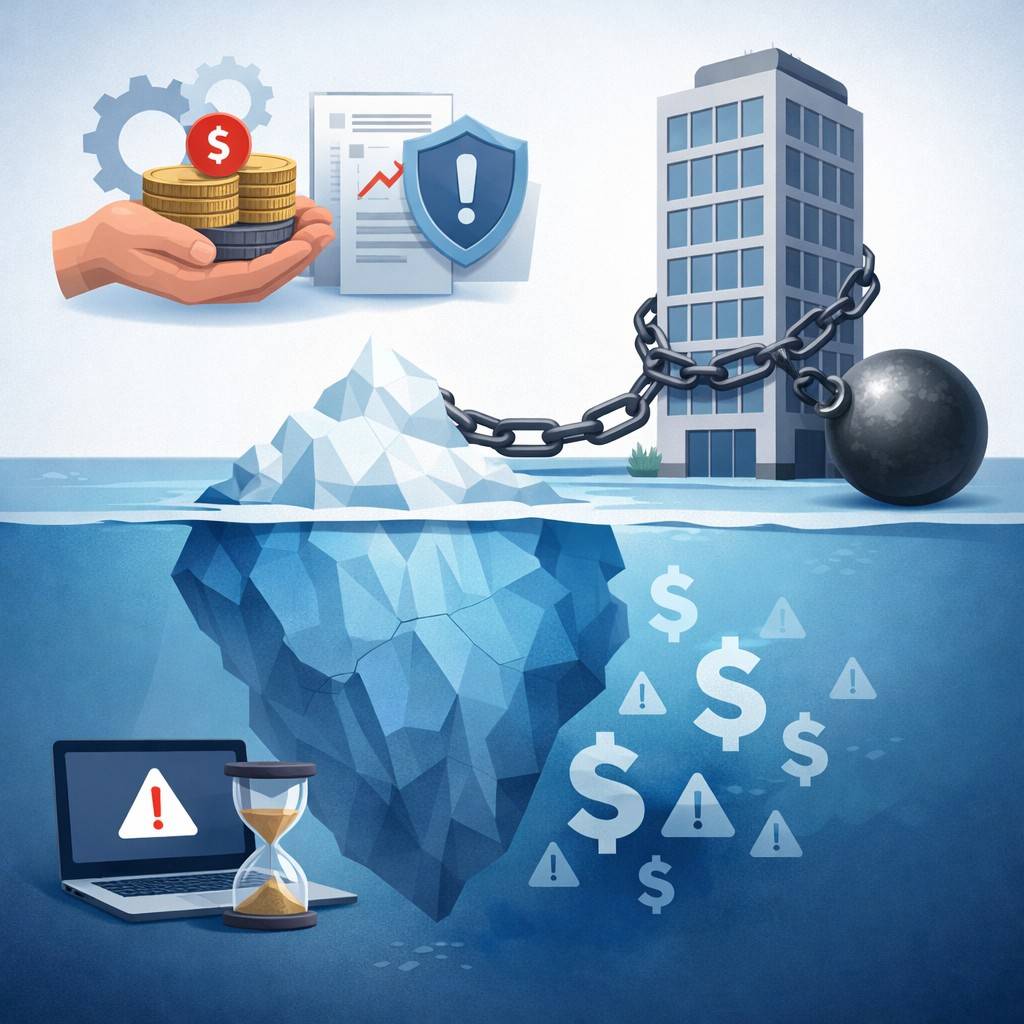
Businesses should identify which actions they can take immediately without vendor approval. Pre-approved emergency actions reduce hesitation and protect assets.
Communication Breakdowns Multiply Risk
During an incident, clear communication matters. Vendor dependence adds layers. Messages pass through account managers, support teams, and internal systems.
Important details can get lost or delayed. Confusion grows. Decisions slow.
Companies should establish direct technical contacts for emergencies. Knowing exactly who to call and how to reach them reduces chaos when clarity is needed most.
Recovery Depends on Control
After containment, recovery begins. Systems must be cleaned, restored, and trusted again. Vendor dependence can slow recovery if you cannot act independently.
You may wait for patches, fixes, or confirmations. Meanwhile, business impact continues.
A strong approach is to maintain internal capability for core recovery tasks, even if vendors support daily operations. Independence speeds return to normal.
Trust Erodes When Answers Are Slow
Customers, partners, and investors expect answers after a suspected leak. Vendor dependence can make those answers slow or incomplete.
Uncertainty damages trust more than bad news delivered clearly. If you cannot explain what happened because you are waiting on a vendor, confidence drops.
Preparing clear reporting paths and internal summaries helps maintain trust even when full details take time.
Planning for Dependence Without Eliminating It
Vendor dependence is not always bad. It enables speed and scale. The risk comes from unexamined dependence during crises.
Smart companies plan for incidents with vendors in mind. They assume something will go wrong and design response paths that minimize friction.

That planning turns dependence into a managed risk instead of a hidden liability.
Ownership Gaps That Surface During Growth
Growth has a way of exposing problems that were easy to ignore early on. When a company is small, ownership gaps feel theoretical. During rapid growth or right after a suspected leak, those gaps become very real.
This section explains how growth pressures bring hidden ownership issues to the surface and how companies can close those gaps before they limit response and recovery.
Growth Forces Questions You Cannot Avoid
As companies grow, more people start asking harder questions. Investors, partners, customers, and regulators all want clarity. After a suspected leak, those questions arrive fast and demand precise answers.
Who owns the data? Who controls the systems? Who is responsible for what went wrong? If ownership is unclear, confidence drops immediately.
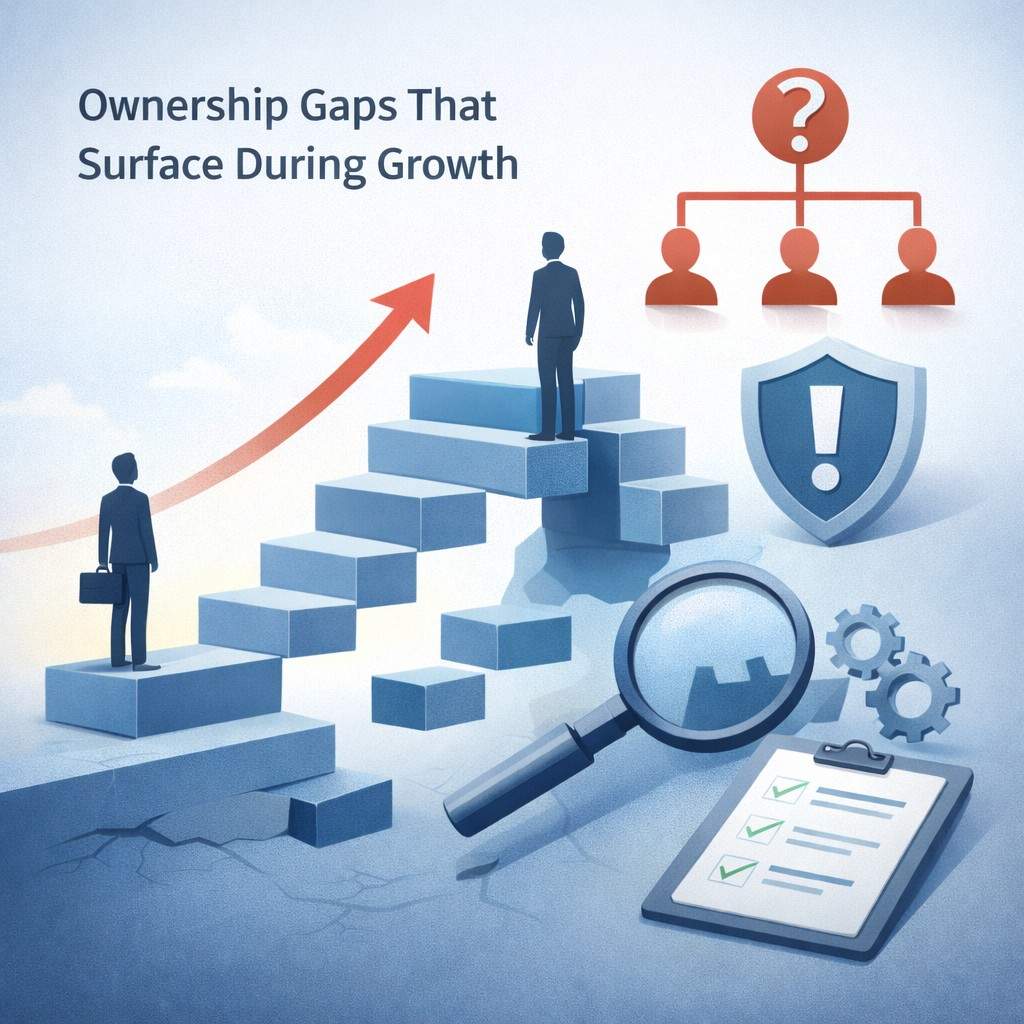
A strong move is to prepare ownership narratives before growth forces them. Knowing how to explain control in plain language makes response smoother under pressure.
Scaling Increases the Blast Radius
Growth multiplies impact. A leak that might affect a few users early on can affect thousands or millions later. Ownership gaps magnify that damage.
If multiple vendors touch the same data or systems, responsibility becomes blurred. During incident response, teams may waste time debating boundaries instead of acting.
Clarifying ownership boundaries as systems scale helps teams move decisively when something breaks.
Data Ownership Becomes a Central Risk
Early products often treat data as fuel, not an asset. During growth, data becomes core value. After a suspected leak, its ownership defines obligations and exposure.
If vendors store, process, or analyze data without clear ownership terms, response becomes complicated. You may not know who must notify, who can access, or who can delete.
Companies should map where data lives and who controls it as they grow. That map becomes critical during incidents.
Infrastructure Growth Hides Control Drift
As infrastructure grows, control can drift away from internal teams. Vendors may manage environments, updates, or access without close oversight.
Over time, internal knowledge fades. When an incident occurs, teams scramble to understand systems they no longer fully control.
Regular reviews of infrastructure ownership and access help prevent this drift from becoming dangerous.
Team Growth Exposes Knowledge Gaps
Growth brings new hires. New teams rely on documentation and shared understanding. Ownership gaps become obvious when no one can answer basic questions.
After a suspected leak, confusion spreads fast if knowledge is fragmented. Teams duplicate effort or miss critical steps.

Documenting ownership and responsibility as part of onboarding reduces chaos during incidents.
Regulatory Attention Follows Scale
Larger companies attract more scrutiny. After a leak, regulators look closely at control and ownership. Gaps that were tolerated early may now be violations.
Vendor-managed systems complicate compliance if ownership is unclear. Regulators care less about who built the system and more about who controls it.
Preparing for this scrutiny early protects growth momentum later.
Customer Trust Depends on Clear Control
As customer bases grow, trust becomes fragile. After a suspected leak, customers want assurance that the company understands and controls its systems.
Ownership gaps make responses sound uncertain. That uncertainty erodes trust faster than the incident itself.
Clear ownership allows confident communication, even when details are still emerging.
Growth Without Review Creates Legacy Risk
Rapid growth often skips review. Contracts, systems, and vendor relationships accumulate. Over time, they form legacy risk.
After a suspected leak, that legacy risk slows response. Teams must untangle years of decisions under pressure.
Scheduling ownership reviews during growth phases prevents legacy risk from piling up.
Turning Growth Into an Opportunity to Close Gaps
Growth is not just a risk. It is an opportunity. New funding, new teams, and new processes create moments to fix old issues.
Smart companies use growth milestones to revisit ownership and vendor dependence. They treat scaling as a chance to strengthen foundations.
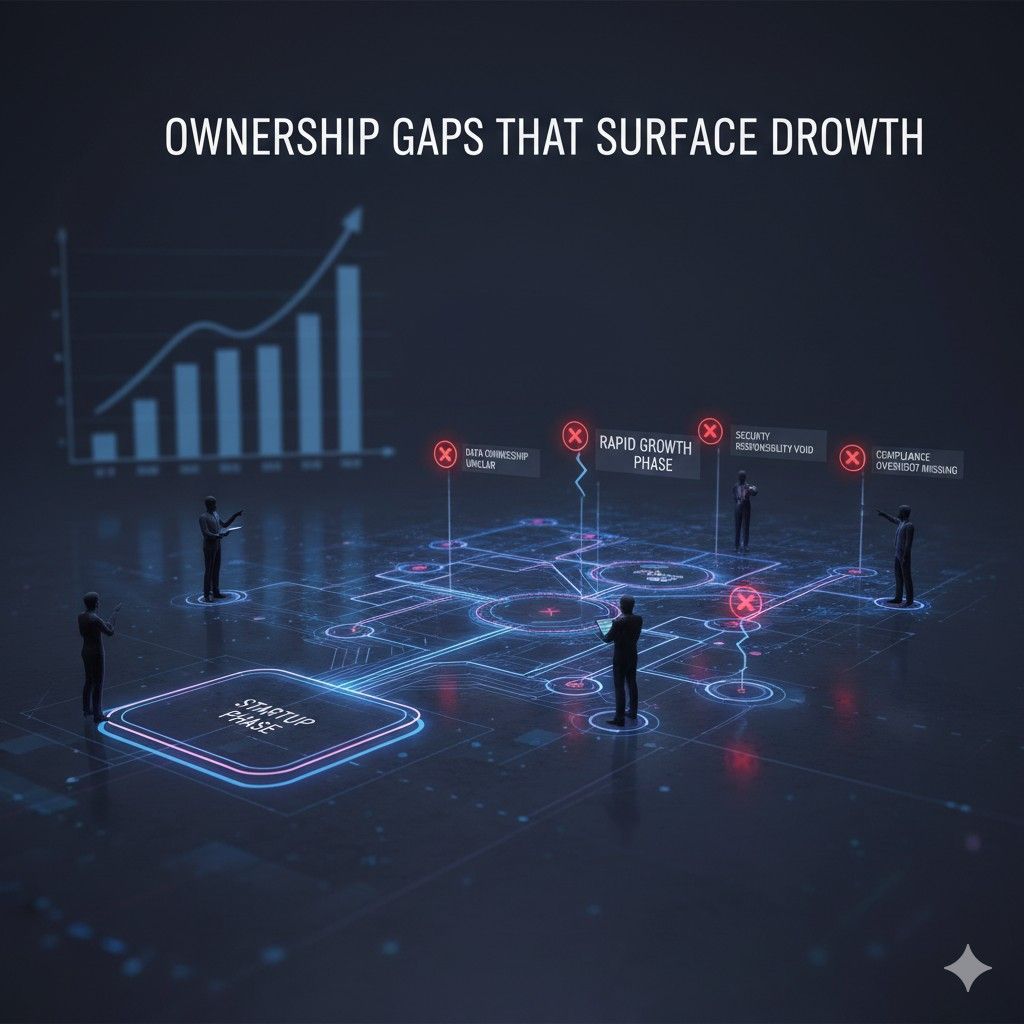
That approach turns growth into resilience instead of fragility.
Turning Vendor Relationships Into Long-Term Strength
Vendor relationships do not have to be a weakness during incident response. In fact, when designed correctly, they can become a force multiplier.
The difference lies in how intentionally those relationships are built, managed, and revisited over time.
This section goes deep on how businesses can reshape vendor relationships so that when a suspected leak happens, vendors accelerate recovery instead of slowing it down.
Vendors Reflect the Structure You Give Them
Vendors respond to structure. If a relationship is loose, informal, and undocumented, their response during an incident will mirror that looseness. If expectations are clear, response improves dramatically.
Many companies assume vendors will rise to the occasion in a crisis. In reality, vendors fall back on whatever structure already exists. If security response was never discussed, it will not suddenly become sharp under pressure.
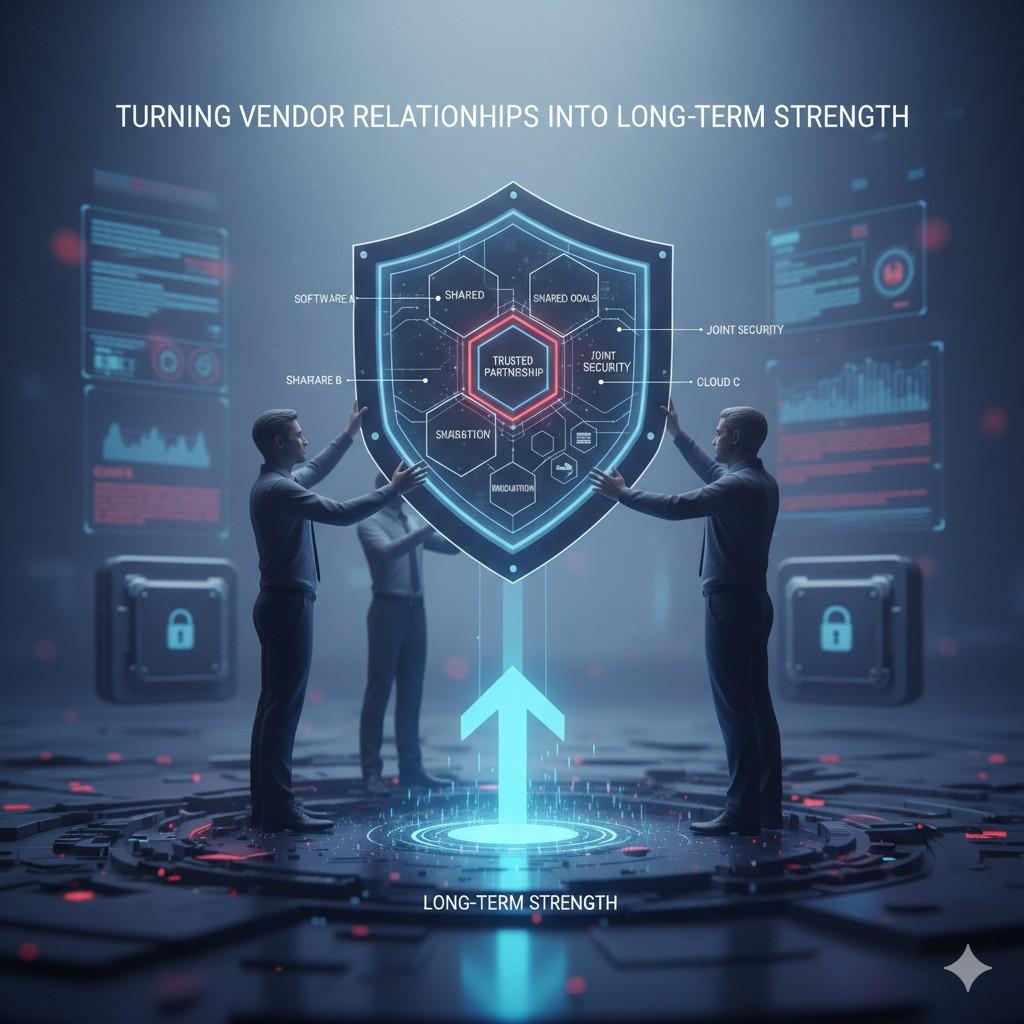
Businesses should design vendor relationships with stress in mind, not comfort. How the relationship behaves when things go wrong matters far more than how it feels when things are calm.
Shared Success Creates Faster Response
Vendors act faster when their success is clearly tied to yours. If incident outcomes affect renewal, reputation, or future work, urgency increases.
This does not require threats. It requires alignment. When vendors understand how critical their role is to your business, they prioritize differently.
A strategic move is to openly explain business impact to vendors before incidents occur. Context creates commitment.
Security Is a Relationship, Not a Clause
Many companies believe adding a security clause solves vendor risk. Clauses matter, but relationships matter more.
If vendors do not understand your security posture, expectations, and tolerance for risk, clauses sit unused. During a suspected leak, interpretation replaces action.
Regular security conversations build familiarity. Familiarity reduces hesitation. When an incident hits, teams who have spoken before move faster together.
Vendors Should Know Your Incident Playbook
Incident response playbooks often live internally. Vendors remain outsiders until something breaks. That separation slows everything down.
When vendors understand how you respond, who leads, and how decisions are made, coordination improves. They know when to act and when to wait.
Sharing high-level response flow with vendors before incidents turns them into participants instead of obstacles.
Testing Relationships Before They Matter
Most companies test systems but not relationships. Incident response exercises often exclude vendors. That is a missed opportunity.
When vendors are included in simulations, gaps surface early. Communication delays, access issues, and authority confusion become visible.
Testing together builds muscle memory. It also signals seriousness. Vendors who know they will be tested tend to prepare better.
Transparency Builds Trust Under Pressure
During a suspected leak, trust determines speed. Vendors who feel informed and respected are more likely to act decisively.
Hiding information out of fear often backfires. Partial context leads to cautious behavior. Caution creates delay.

Providing vendors with clear, honest information during incidents helps them align actions with your goals.
Understanding Vendor Constraints Improves Planning
Vendors have constraints. Legal review, internal escalation, and policy checks are real. Ignoring them leads to frustration.
Smart companies learn these constraints in advance and plan around them. They identify which actions require approval and which do not.
This understanding allows teams to design response paths that minimize bottlenecks instead of discovering them mid-crisis.
Long-Term Vendors Accumulate Risk and Value
The longer a vendor relationship lasts, the more value and risk it holds. Over time, vendors gain deep knowledge of systems, data, and processes.
That knowledge can speed response or slow it, depending on how it is managed. If knowledge is shared and documented, it strengthens resilience. If it remains siloed, it creates dependence.
Regular knowledge sharing turns long-term vendors into assets instead of single points of failure.
Vendor Accountability Improves With Measurement
What gets measured gets managed. Vendor performance during normal operations is often tracked. Performance during incidents is not.
Tracking response times, clarity, and effectiveness after incidents creates accountability. It also improves future outcomes.
Even informal reviews help vendors understand expectations and improve over time.
Incident Reviews Should Include Vendors
After an incident, many companies run internal reviews and move on. Vendors are left out. That limits learning.
Including vendors in post-incident reviews surfaces systemic issues that internal teams may miss. It also strengthens the relationship through shared improvement.
This turns incidents into investments instead of pure losses.
Designing Exit Paths Strengthens Collaboration
Paradoxically, clear exit paths strengthen vendor relationships. When both sides understand how transitions would work, fear decreases.
During incidents, vendors sometimes worry about blame or replacement. That fear slows cooperation.
Clear exit expectations reduce defensiveness and encourage openness when problems arise.
From Dependence to Partnership
The strongest companies do not eliminate vendor dependence. They transform it into partnership.
Partnership means shared goals, shared understanding, and shared responsibility during hard moments. That does not happen by accident.
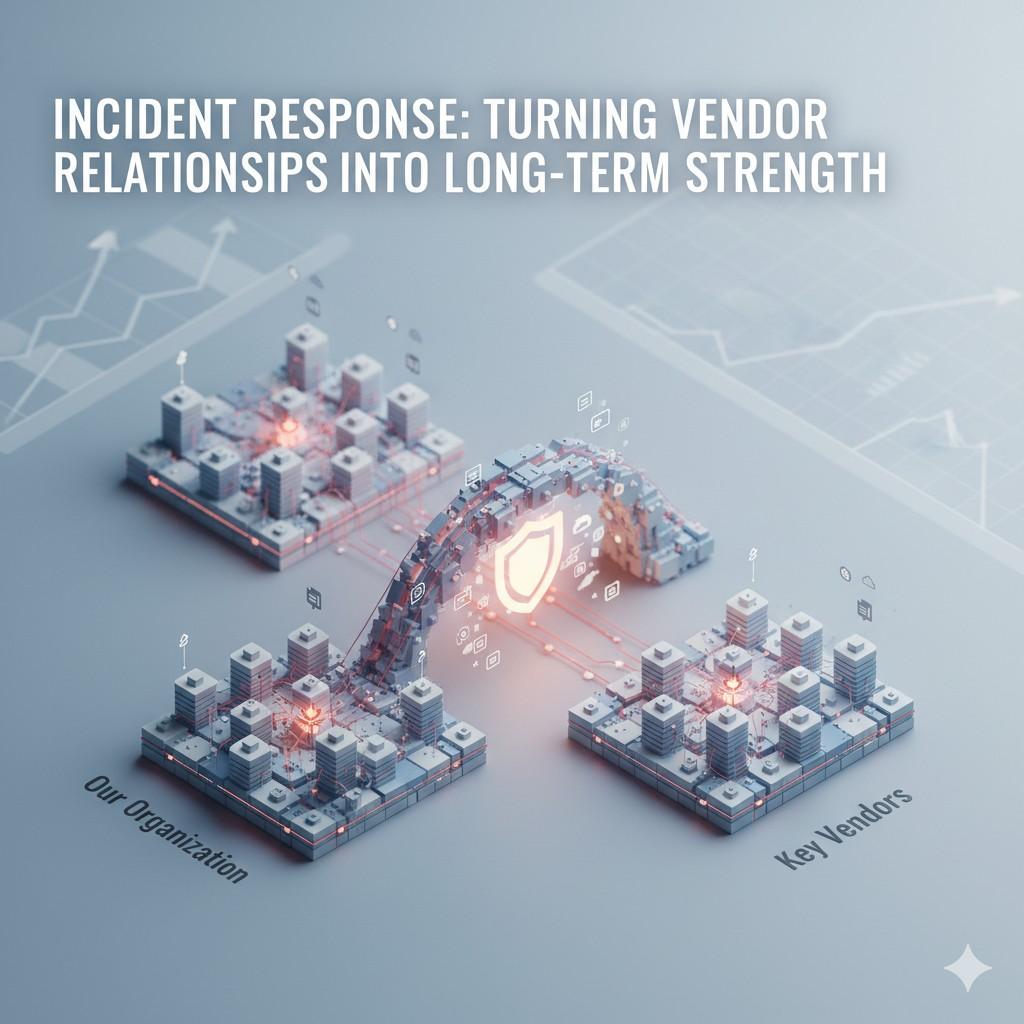
It is built deliberately, through structure, communication, and repetition.
When a suspected leak occurs, these partnerships show their value. Response is faster. Decisions are clearer. Recovery is smoother.
Building Incident-Ready Ownership From Day One
Incident-ready ownership is not a policy or a checklist. It is a way a company thinks and operates.
When something feels wrong, when alarms go off, or when a suspected leak appears, teams do not have time to debate who owns what.
They need to move. This section goes even deeper into how ownership, when designed early and reinforced often, becomes the backbone of fast, confident incident response.
Ownership Removes Emotional Drag During Crises
Incidents create stress. Stress slows thinking. When ownership is unclear, stress multiplies. People worry about overstepping, blame, or making the wrong call.
Clear ownership removes that emotional drag. Teams act because they know it is their role. They do not wait for permission or consensus. This clarity keeps response focused on outcomes instead of fear.
Designing ownership with human behavior in mind is just as important as technical design.
Ownership Creates Muscle Memory
When teams repeatedly operate within clear ownership boundaries, response becomes instinctive. This is muscle memory.
During incidents, teams fall back on what they have practiced. If ownership has been clear in calm moments, it stays clear under pressure.
Regular use of ownership structures in everyday operations reinforces this muscle memory long before incidents occur.
Ownership Reduces Overreaction and Underreaction
Unclear ownership leads to extremes. Some teams overreact, shutting down too much too fast. Others underreact, waiting too long.
Clear ownership creates balanced response. Decisions are made by those with context and authority. This leads to proportionate action.
Balanced response limits damage without creating unnecessary disruption.
Ownership Anchors Accountability Without Blame
After incidents, teams need to review what happened. Ownership clarity allows accountability without blame.
When roles are defined, teams can examine decisions objectively. Learning replaces defensiveness.
This culture of ownership strengthens future response and builds trust internally.
Ownership Supports Confident External Communication
External communication during incidents is delicate. Stakeholders want honesty and control.
When ownership is clear, messaging is consistent. Leaders speak with confidence because they understand what is owned and controlled.
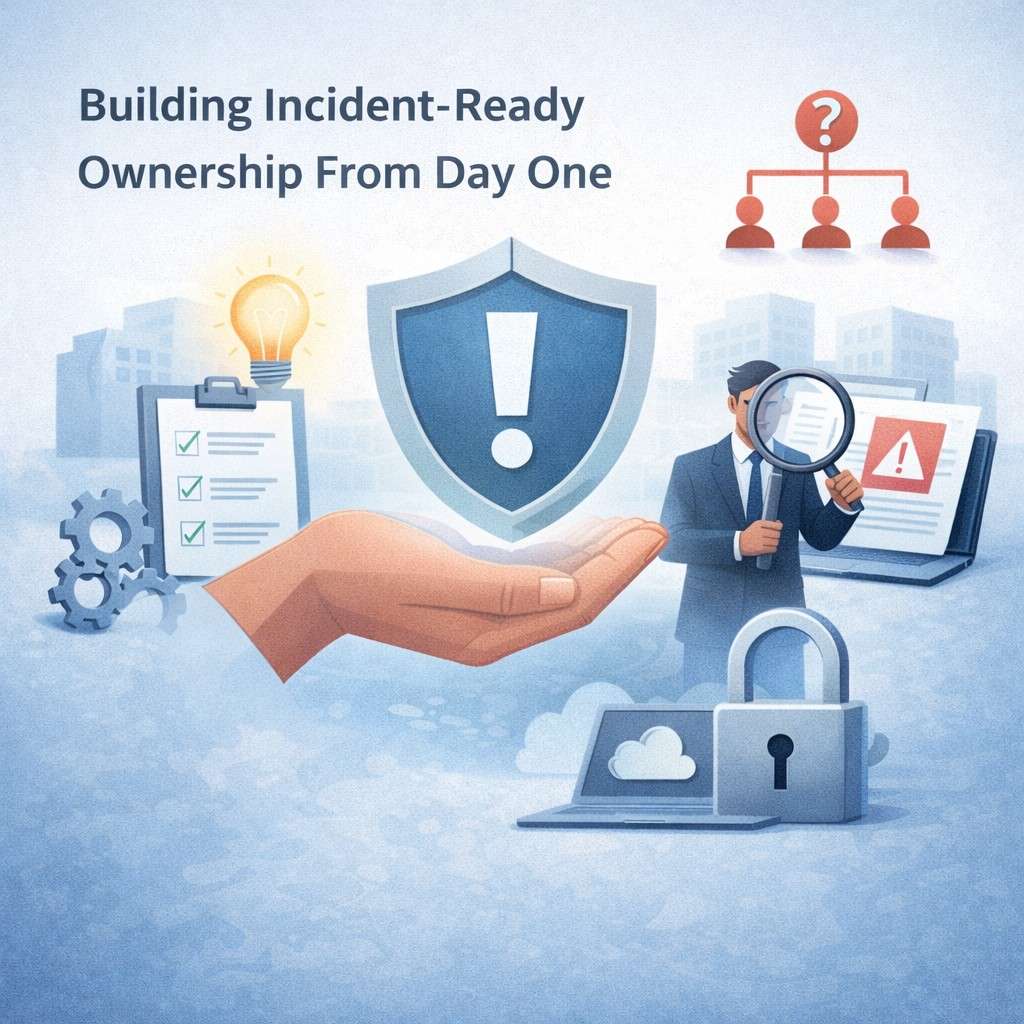
This confidence preserves trust even when incidents are serious.
Ownership Strengthens Vendor Collaboration Under Stress
Vendors respond better when ownership boundaries are clear. They know when to act and when to support.
Clear ownership reduces conflict during incidents. Vendors are less likely to hesitate or push back.
This turns vendor relationships into stabilizers rather than sources of friction.
Ownership Evolves With the Business
Ownership is not fixed. As products evolve, ownership must evolve too.
Regular reassessment keeps ownership aligned with reality. This prevents gaps from forming unnoticed.
Treating ownership as a living system ensures readiness as complexity grows.
Ownership Informs Investment and Architecture Decisions
Incident-ready ownership influences architecture choices. Systems are designed with control points in mind.
Investments favor tools and platforms that support internal control during emergencies.
This foresight reduces future dependence and risk.
Ownership Shapes Company Culture
Ownership clarity sends a cultural signal. It tells teams that responsibility and trust matter.
Teams empowered with ownership take initiative. They care about outcomes.
This culture improves not only incident response but overall execution.
Ownership Is the Difference Between Chaos and Control
When incidents hit, some companies scramble. Others move with purpose.
The difference is ownership. Clear, practiced, and reinforced ownership turns chaos into control.
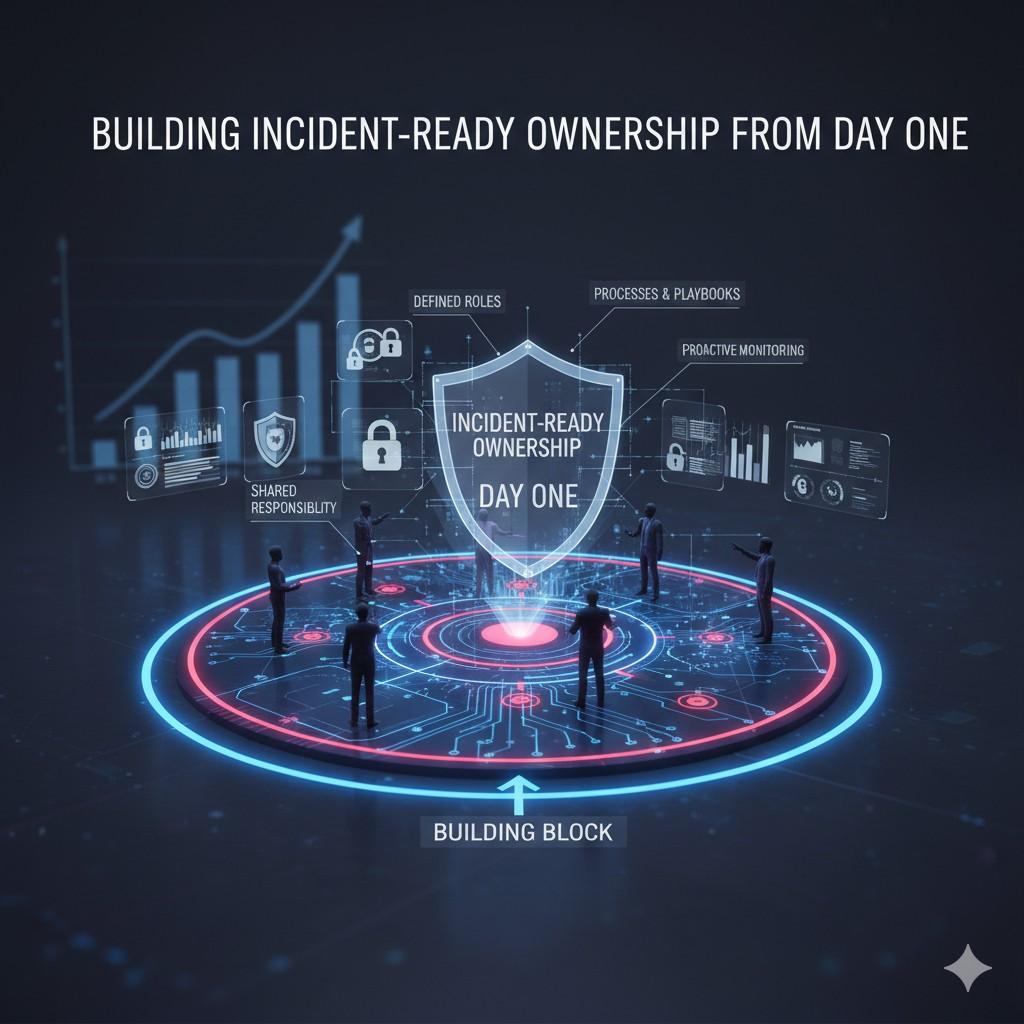
Building incident-ready ownership from day one is not extra work. It is foundational work that pays off when it matters most.
Wrapping It Up
Incident response does not fail because teams lack skill or effort. It fails because control is unclear when it matters most. Vendor dependence, ownership gaps, and rushed early decisions all surface at the same moment, usually after a suspected leak, when pressure is highest and time is shortest. Companies that respond well are not reacting for the first time. They have already decided who owns what, who can act, and how vendors fit into the picture. That clarity removes hesitation. It keeps emotions from driving decisions. It allows teams to focus on containment, recovery, and trust instead of internal confusion.
Leave a Reply