Author: Aindrila Mitra
-
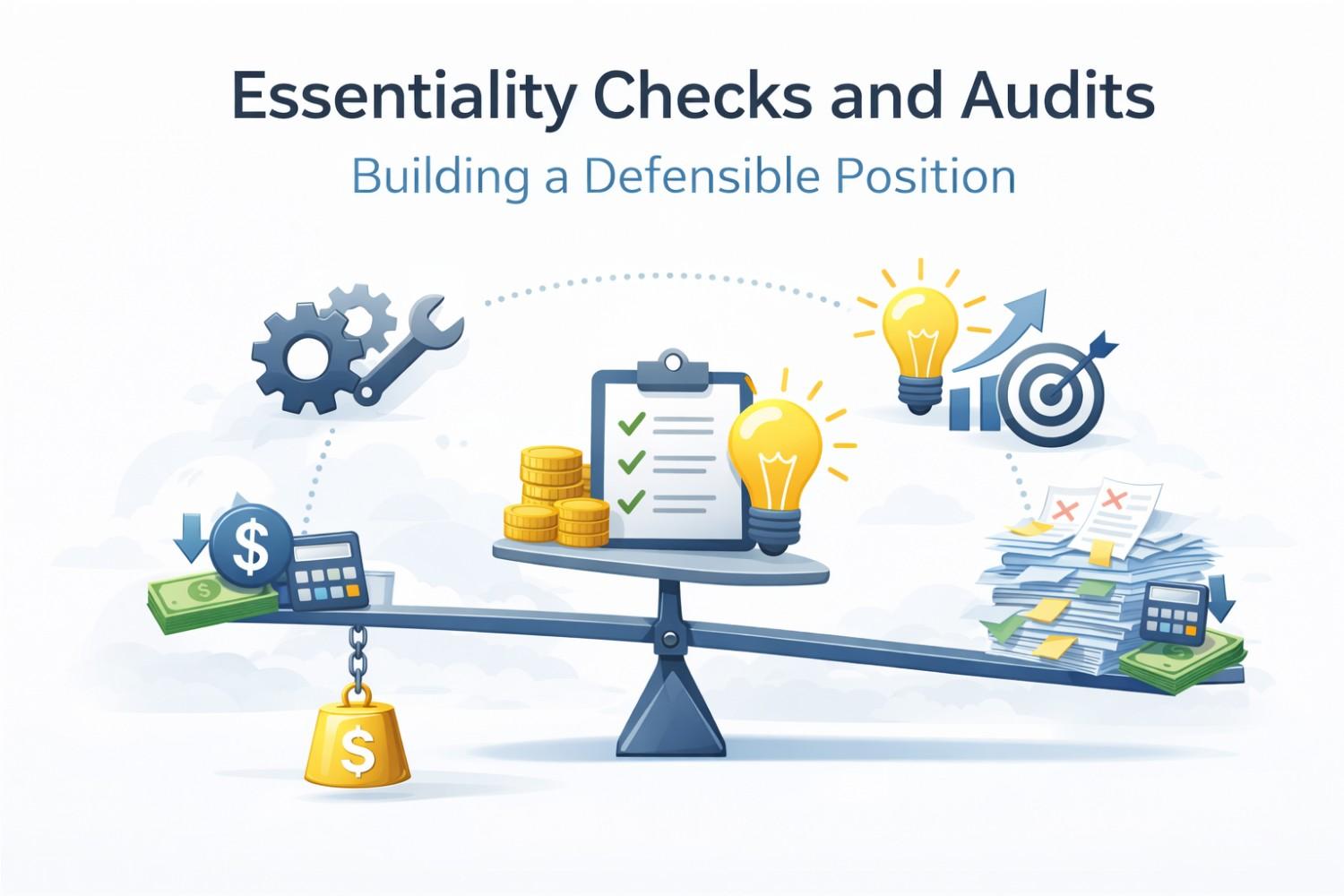
Essentiality Checks and Audits: Building a Defensible Position
Most founders do not lose IP because their idea was weak.They lose it because they never checked what really mattered. Essentiality checks and audits sound heavy and slow. They are not. At their core, they are simple questions asked early, while you still have control. What part of what you built truly matters? What parts…
-
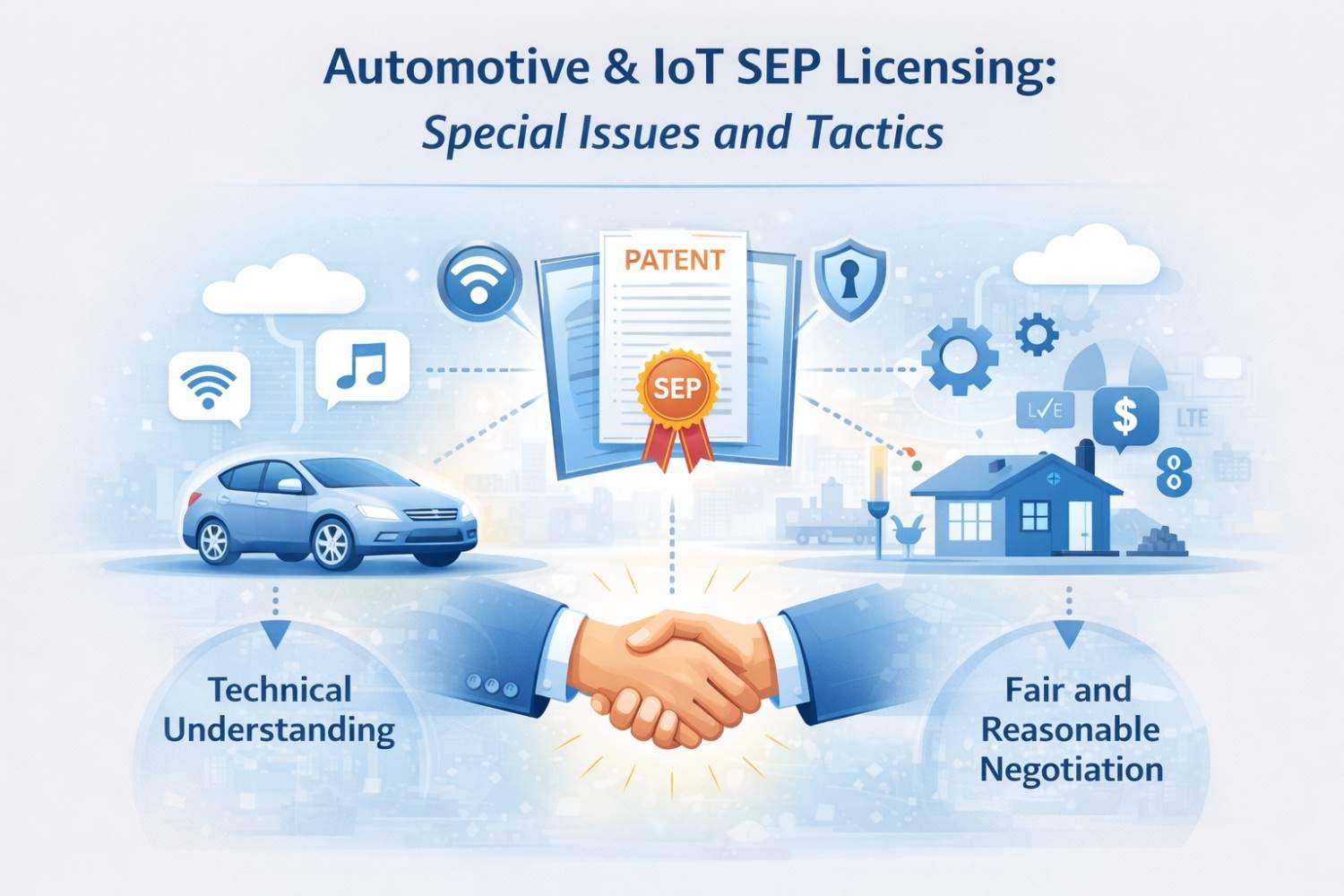
Automotive & IoT SEP Licensing: Special Issues and Tactics
Cars are no longer just machines. They are moving computers. Sensors, chips, wireless links, and software now run almost every part of a modern vehicle. The same is true for IoT devices. From smart meters to factory robots, everything talks, listens, and updates over the air.This change created massive value. It also created massive patent…
-
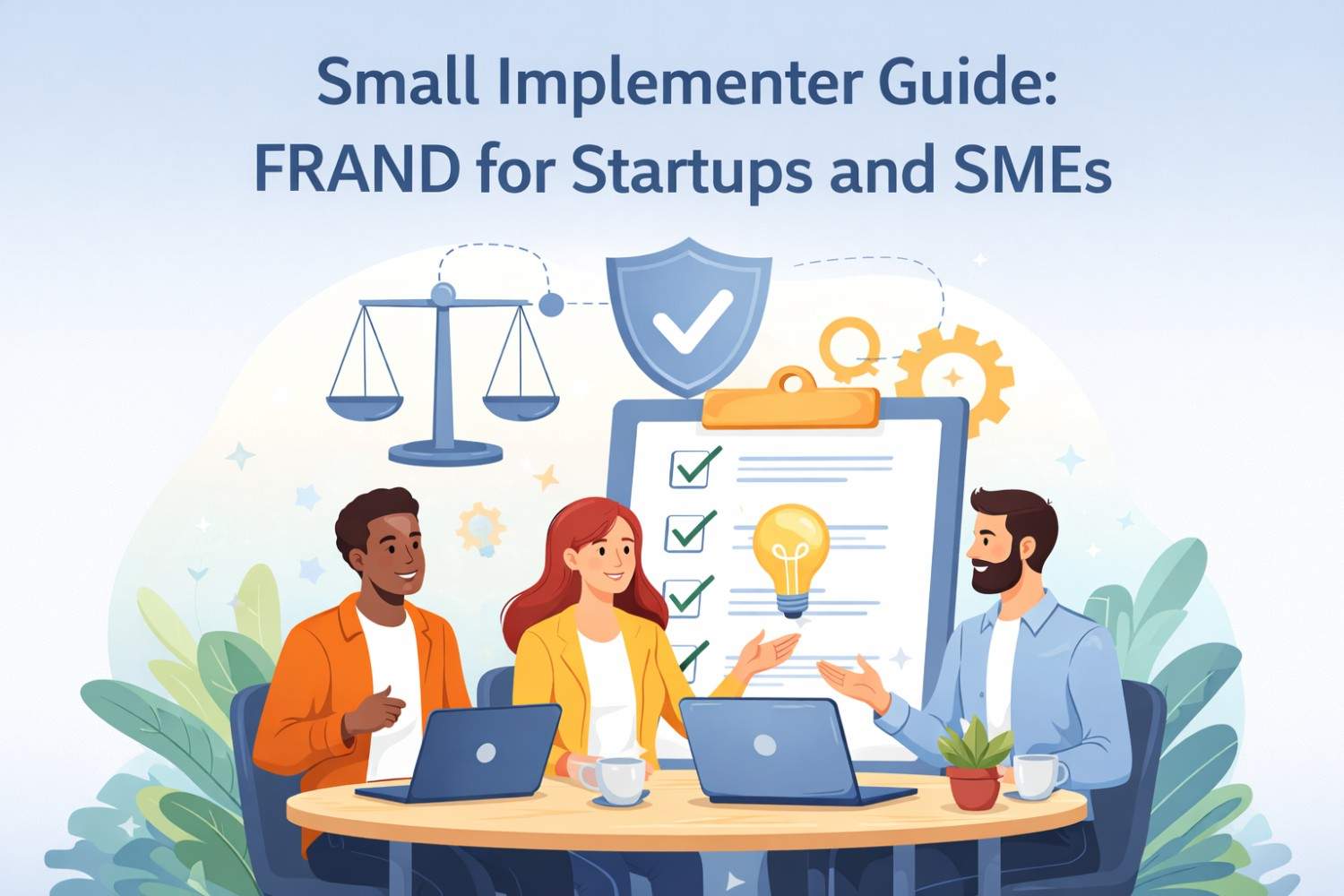
Small Implementer Guide: FRAND for Startups and SMEs
If you are building a real product and plan to sell it at scale, you will run into patents you do not own. Some of those patents are tied to industry standards. That is where FRAND shows up, often without warning. Most founders hear the word only when there is already a problem. This guide…
-

NDAs, Term Sheets, and Most-Favored-Nation in FRAND Deals
If you build technology, your ideas are valuable long before they turn into revenue. The moment you talk to a partner, investor, or large company, your leverage starts to change. This is where NDAs, term sheets, and FRAND promises quietly shape your future. Most founders sign these papers fast and move on. That is a…
-
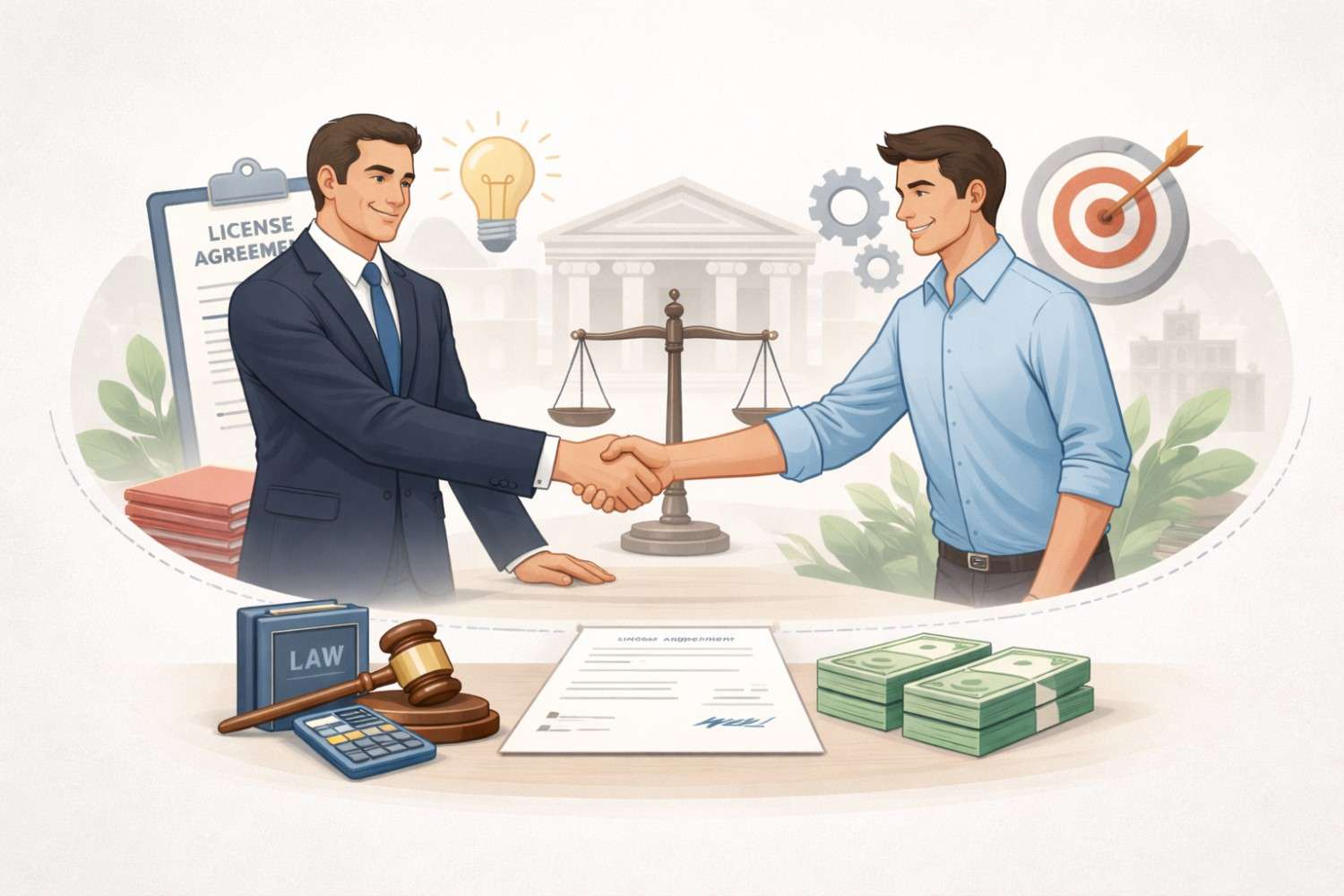
Willing Licensor vs Willing Licensee: Good-Faith Negotiation Playbook
Most patent disputes do not begin in a courtroom but in a simple exchange that sets the tone for everything that follows. One party says they are open to a license, the other pushes back, and in that moment the labels of “willing licensor” and “willing licensee” quietly start to form. Courts care deeply about…
-
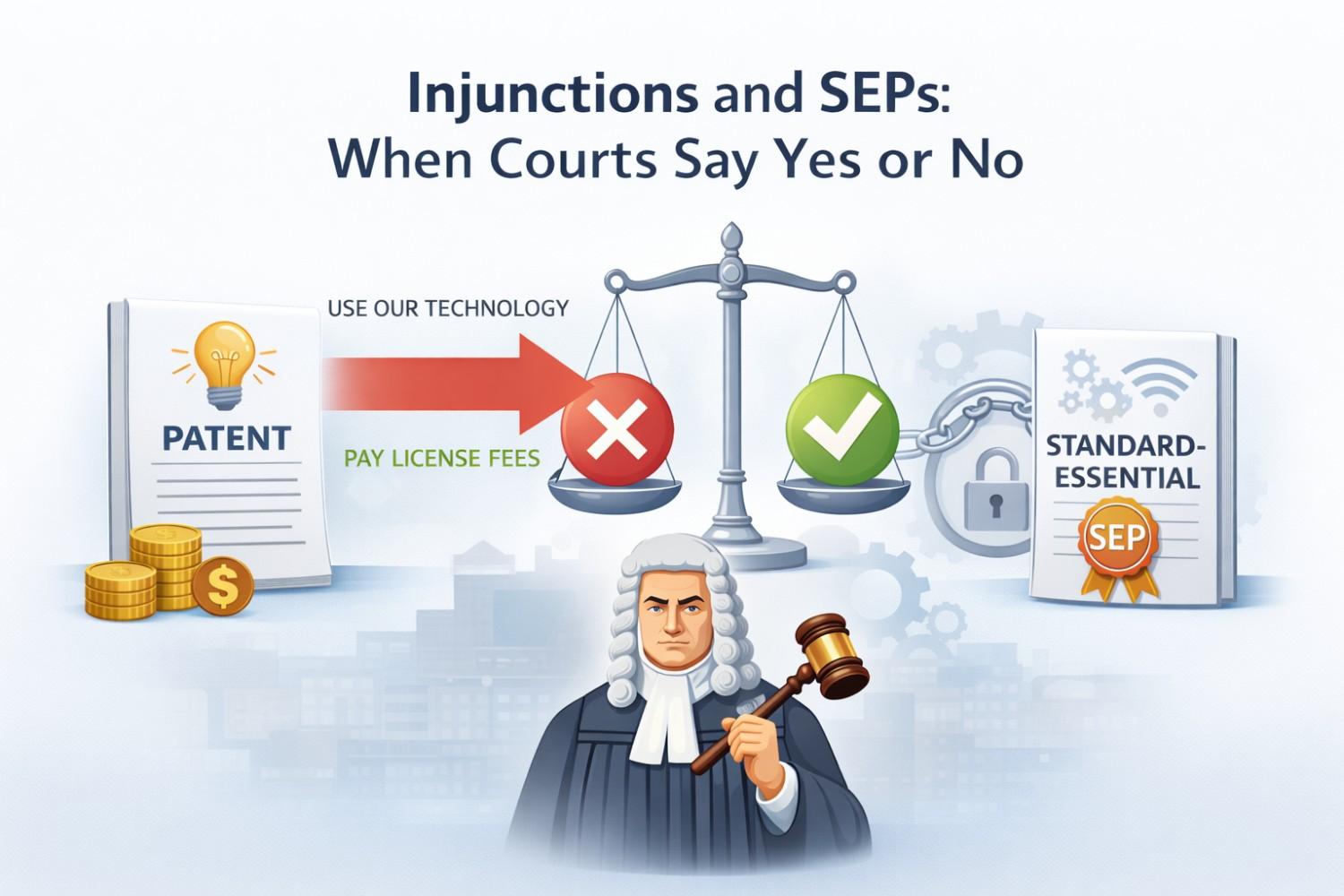
Injunctions and SEPs: When Courts Say Yes or No
Let’s start with the hard truth. If your tech becomes part of a standard, your patent can turn into either a gold mine or a paperweight. The difference often comes down to one simple word: injunction. An injunction is when a court tells someone to stop using your invention. Full stop. No more sales. No…
-
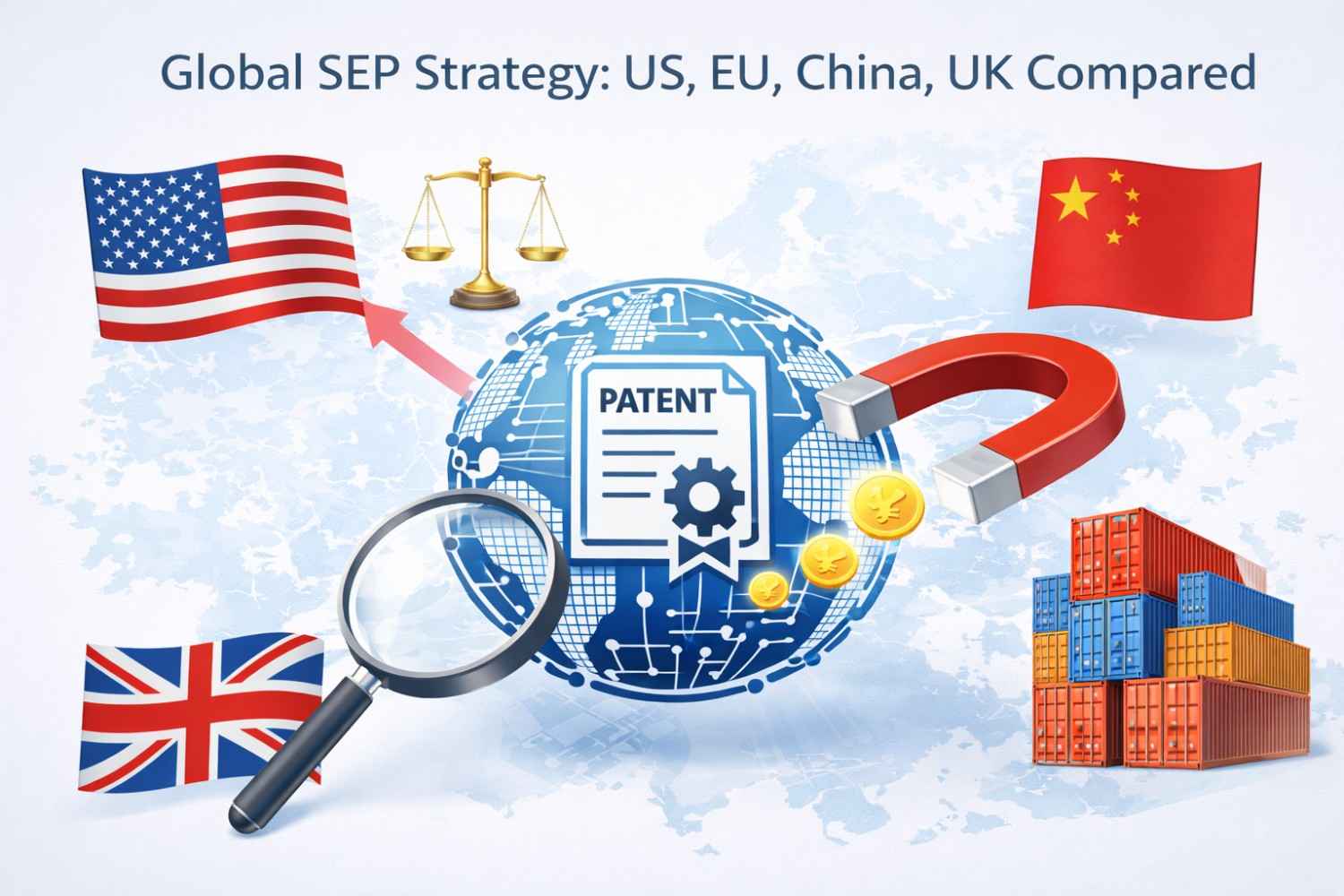
Global SEP Strategy: US, EU, China, UK Compared
Standard Essential Patents decide who gets paid and who gets pushed around. If you are building anything that touches networks, chips, video, audio, or connectivity, SEPs are not optional. They shape leverage, revenue, and even survival. One bad move can lock you into weak deals for years. One smart move can turn your tech into…
-

Patent Pools 101: Avanci, MPEG LA, and When to Join
If you are building real tech, not slides, not ideas, but working systems that touch standards like wireless, video, or connectivity, patent pools will show up in your world whether you like it or not. Most founders hear about them too late. Usually when a letter lands in their inbox and suddenly patents feel scary,…
-
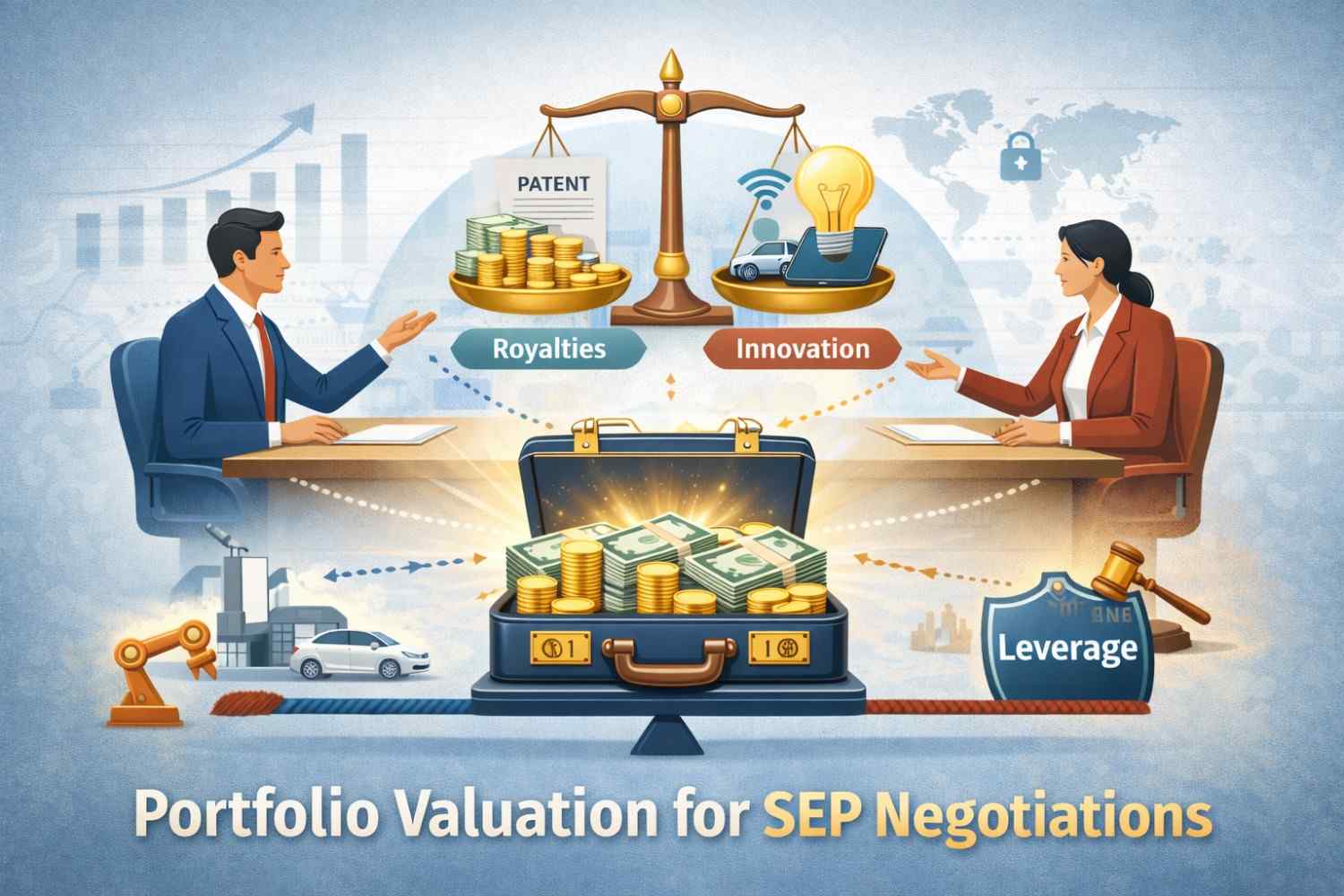
Portfolio Valuation for SEP Negotiations
If your company works with standards like 5G, Wi-Fi, or video, your patents can quietly be worth a lot of money. Not someday. Right now. The problem is that most founders do not know how that value is measured, or how to defend it when real negotiations start. That is what this article is about.…
-
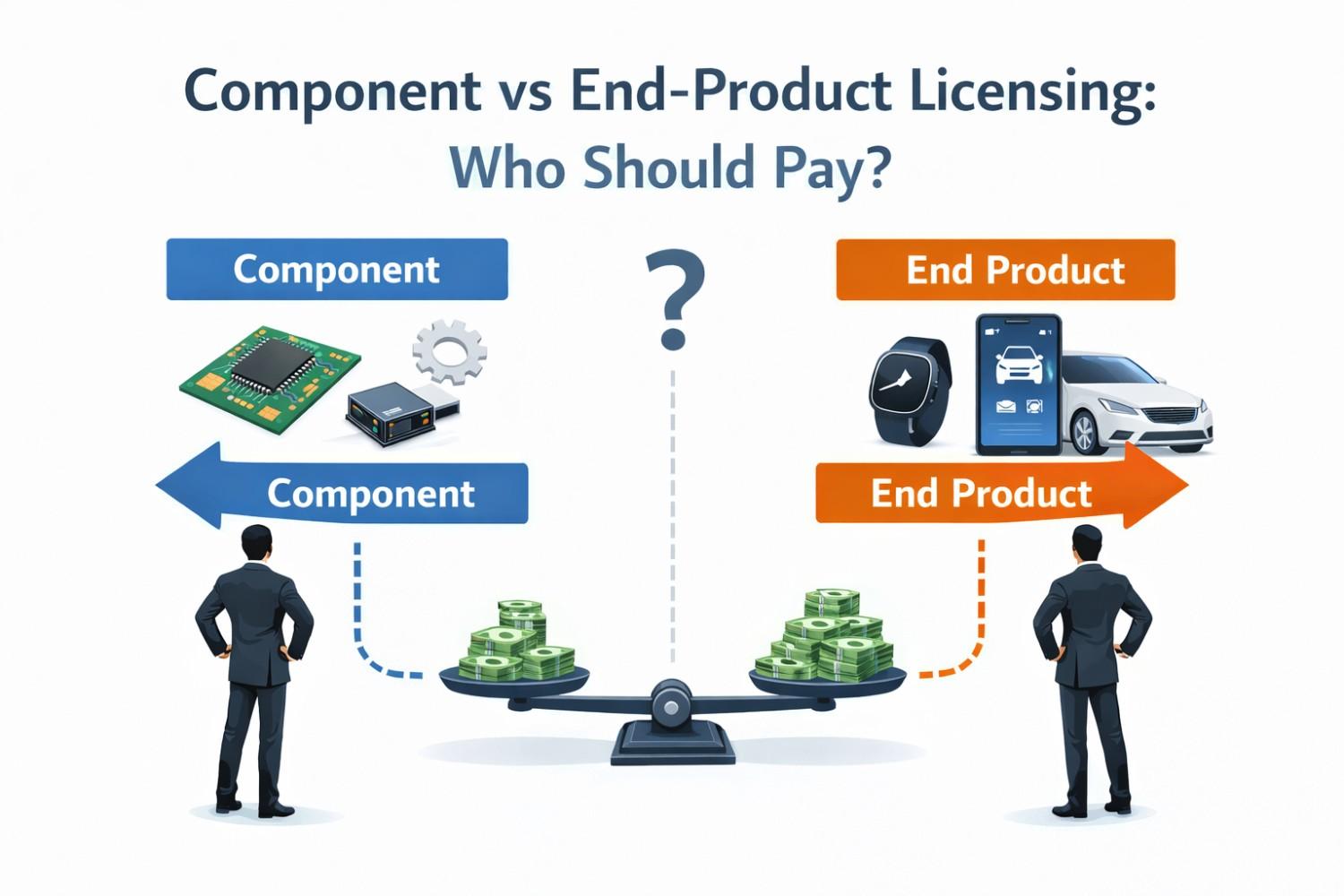
Component vs End-Product Licensing: Who Should Pay?
If you are building a core piece of tech that other products depend on, one quiet decision can shape your entire future: do you charge the maker of the component or the seller of the final product? This choice affects how much leverage you have, how easy it is to get paid, and whether your…