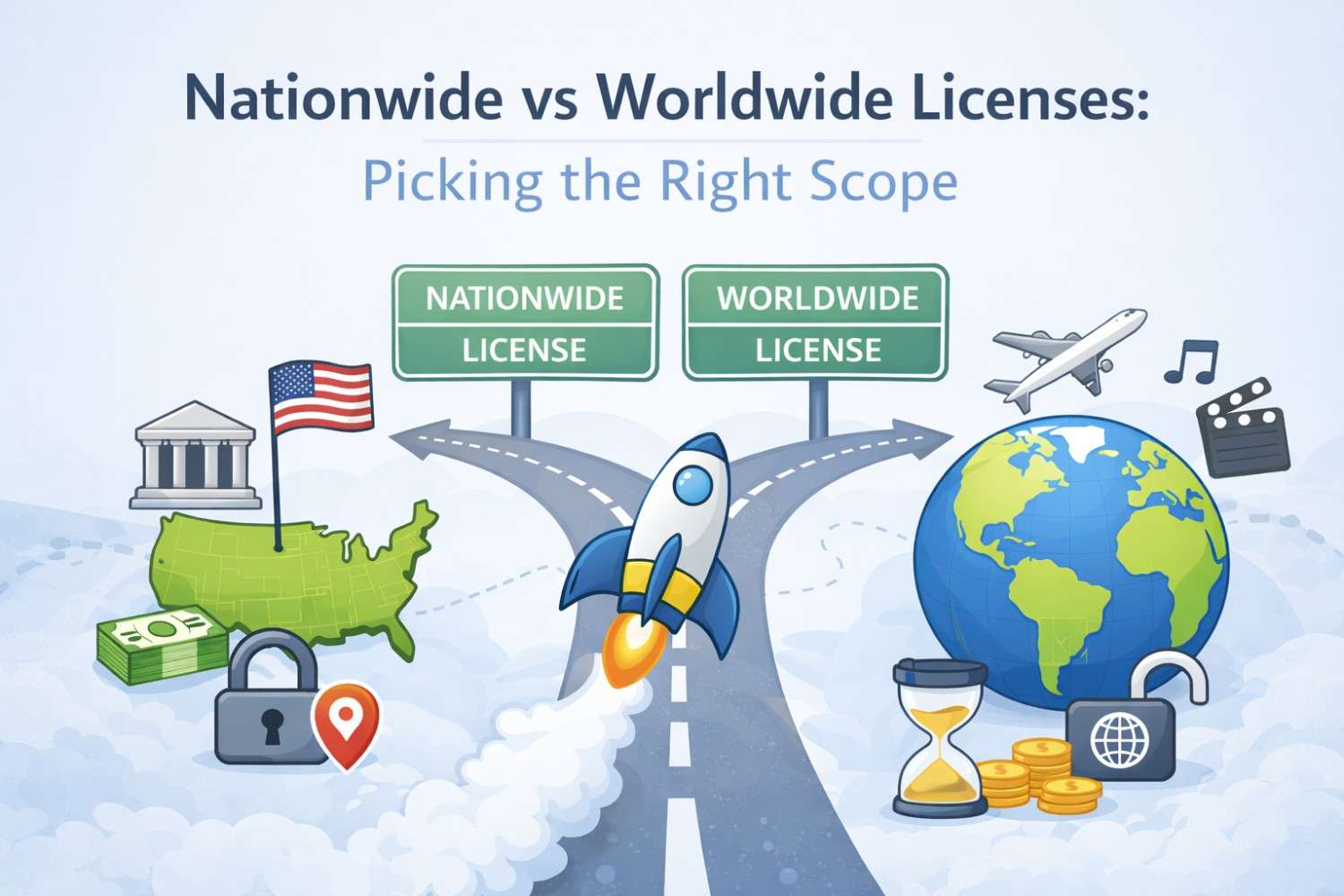
Let’s get straight to it. If you are building something new, the size of your license matters just as much as the idea itself. Choose too small, and you box yourself in. Choose too big, and you may waste time, money, and leverage you did not need to give up. This choice can shape your startup’s future in quiet but powerful ways. Most founders rush past this step. They should not.
What a License Scope Really Controls (And Why Founders Get It Wrong)
A license scope is not just a line in a contract. It is a quiet control system for your business. It decides where value can flow, who can touch your technology, and how much freedom you keep as you grow.
Many founders think license scope is only about geography. That is the first mistake. Geography is only the surface. The real impact sits deeper and shows up later, often when it is too late to fix.
This section breaks down what a license scope truly controls and why smart founders slow down here, even when everything else is moving fast.
License Scope Decides Who Really Owns the Future
At first glance, a license feels harmless. You are not selling your company. You are not giving away your patent. You are just letting someone use your technology. But scope decides how much of your future you are handing over.
A nationwide or worldwide scope can quietly shift leverage. If someone can use your invention everywhere you plan to grow, they may become your strongest competitor using your own work.
Founders often miss this because they focus on today’s deal instead of tomorrow’s market. The scope you choose should match the future you want, not just the revenue you need this quarter.
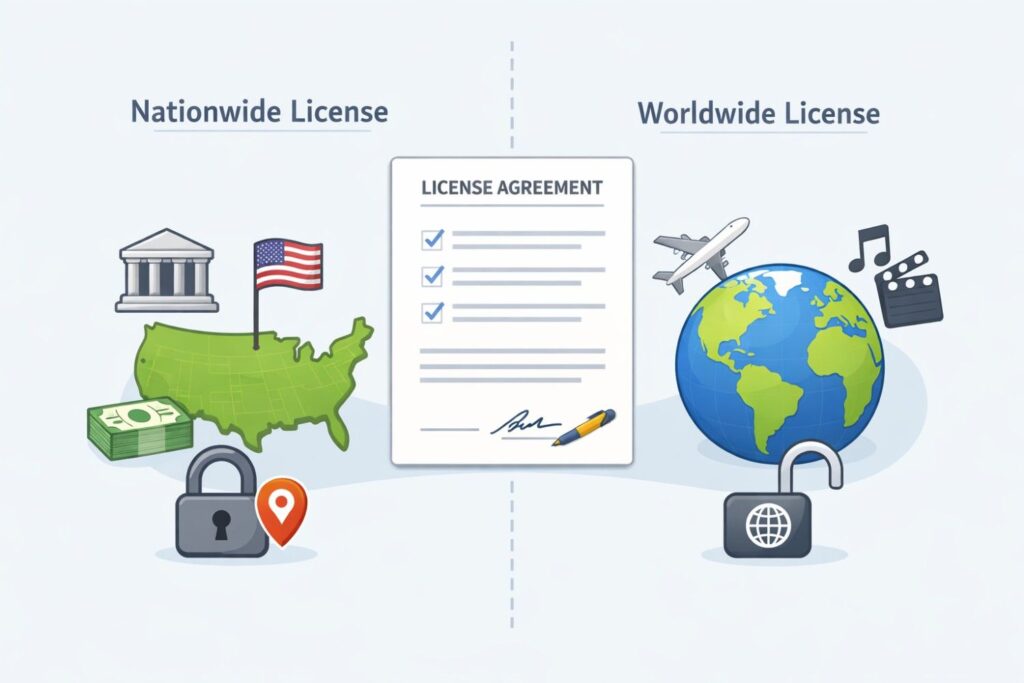
The most practical move is to pause and map where your product will realistically be sold in the next three years.
Not dreams. Real paths. If the license scope is larger than that map, you are likely giving away optional growth for no reason.
Scope Controls How Fast You Can Expand
Expansion speed matters. If you lock your technology into a broad license early, you may slow yourself later. A worldwide license can limit where you can launch, who you can partner with, and how you raise money.
Investors look closely at license scope. They want to know if you still control your own engine. If a license already covers key regions, expansion becomes harder and valuation can suffer.
Founders often learn this during due diligence, when changing scope is expensive or impossible.
A strong strategy is to keep scope tight at first and expand only when there is a clear benefit. You can always grant more rights later. You cannot easily take them back.
Geography Is About Markets, Not Maps
Many founders think nationwide means safe and worldwide means aggressive. That thinking is outdated. Geography should follow market reality, not political borders.
If your customers are all in one region, a nationwide license may already be too large. If your industry is global by nature, a worldwide license may be unavoidable but still needs limits tied to use or industry.
The mistake is assuming geography alone defines risk.
A smarter approach is to ask where real users are today and where real buyers will be tomorrow.
Scope should follow revenue paths, not assumptions. This keeps control aligned with growth instead of working against it.
Scope Shapes Negotiation Power Over Time
License scope is one of the strongest negotiation tools you have. When you give it away early, you lose future bargaining chips. Founders often trade wide scope for short-term comfort without realizing its long-term cost.
If a partner truly needs global rights, they will still need them later. That means you can negotiate again, often from a stronger position once your product has traction. Starting small keeps leverage in your hands.
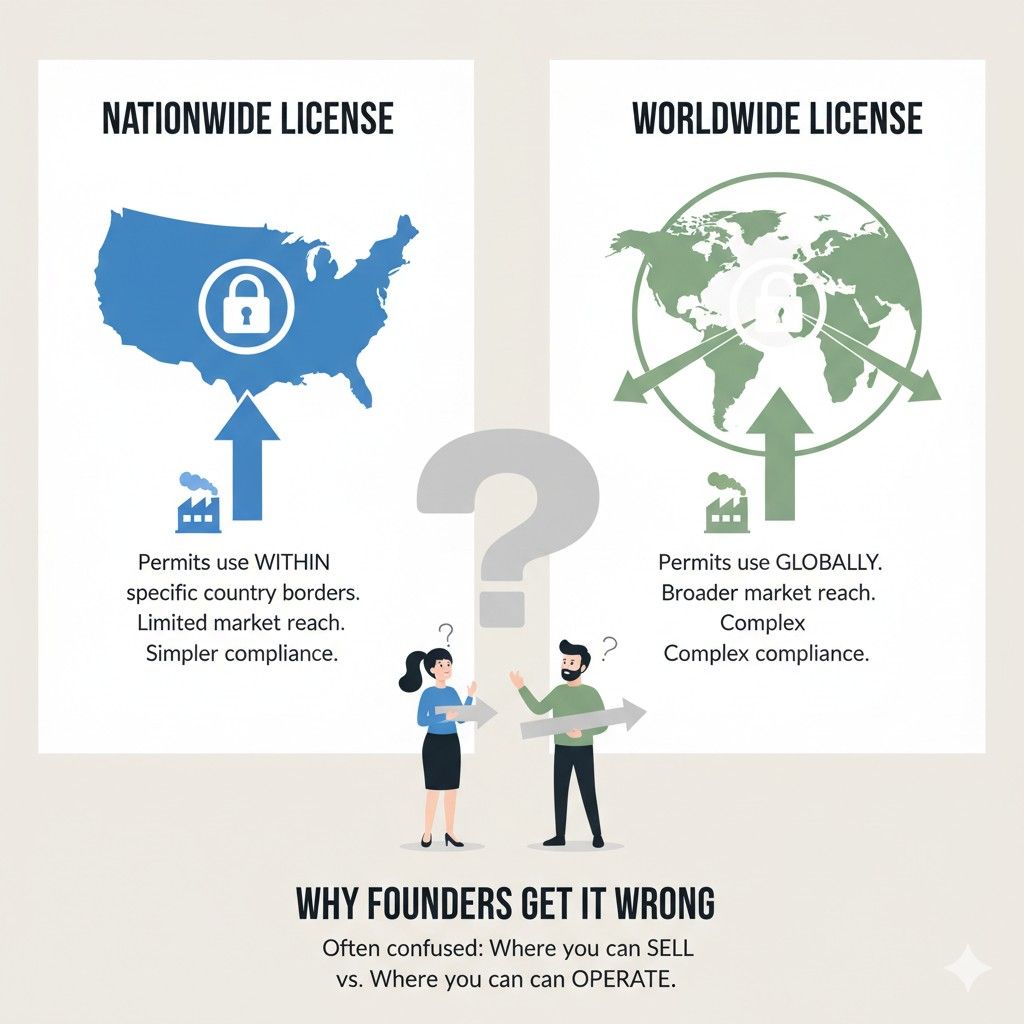
A practical move is to treat scope as something that unlocks value over time. Tie expansion of scope to clear milestones like revenue, usage, or market entry. This keeps incentives aligned and protects your upside.
Why Founders Confuse Licensing With Selling
One reason founders get scope wrong is emotional. Licensing feels like selling progress. It feels like a win. But licensing is not an exit. It is a relationship.
A wide scope creates dependency. Your growth becomes tied to someone else’s behavior. If they move slow, you move slow. If they change direction, your options shrink.
Strong founders treat licenses as tools, not trophies. They design them to serve the business, not ego. That means keeping scope precise, purposeful, and reversible when possible.
Scope Affects Your Ability to Raise Capital
This part surprises many teams. License scope can affect funding more than revenue. Investors want clean paths to scale. A worldwide license granted too early can create doubts about who really controls the product.
If an investor sees that key regions are already licensed out, they may worry about limited upside. Even if revenue exists, the growth ceiling feels lower. This can change terms or kill a deal entirely.
Founders who plan to raise capital should design license scope with future investors in mind. Ask how the deal looks on a slide, not just in a contract.
Scope Is a Strategic Decision, Not a Legal Detail
The biggest mistake founders make is treating scope like paperwork. It is not. It is strategy written in legal form.
A good scope choice supports focus, speed, and leverage. A bad one creates friction, regret, and hidden limits. The difference often comes down to whether the founder paused long enough to think beyond the first deal.
This is where having the right tools and guidance matters. Platforms like PowerPatent are built to help founders think through these decisions early, before mistakes become permanent.

If you want to see how this works in practice, you can explore it here: https://powerpatent.com/how-it-works
When a Nationwide License Is the Smartest Move You Can Make
A nationwide license often sounds small to founders who think big. That instinct is natural. Startups are built on ambition. But smart growth is not about grabbing everything at once.
It is about choosing moves that protect momentum while keeping doors open. A nationwide license can be one of those moves when used with intent.
This section explains when a nationwide scope is not a compromise, but a strategic advantage that keeps you fast, flexible, and in control.
Why Nationwide Does Not Mean Limited
Many founders hear nationwide and think local. That is not how markets work anymore.
A nationwide license can still cover millions of users, massive revenue, and strong brand presence. In many industries, one country alone represents a full business.
The mistake is assuming that worldwide scope equals ambition and nationwide scope equals fear. In reality, nationwide scope often reflects clarity.

It shows that you know where your market is today and that you are not trading future options for early comfort.
When your product solves a problem that is deeply tied to local rules, culture, or infrastructure, nationwide coverage may already be the most powerful position you can hold.
Using Nationwide Scope to Stay Focused
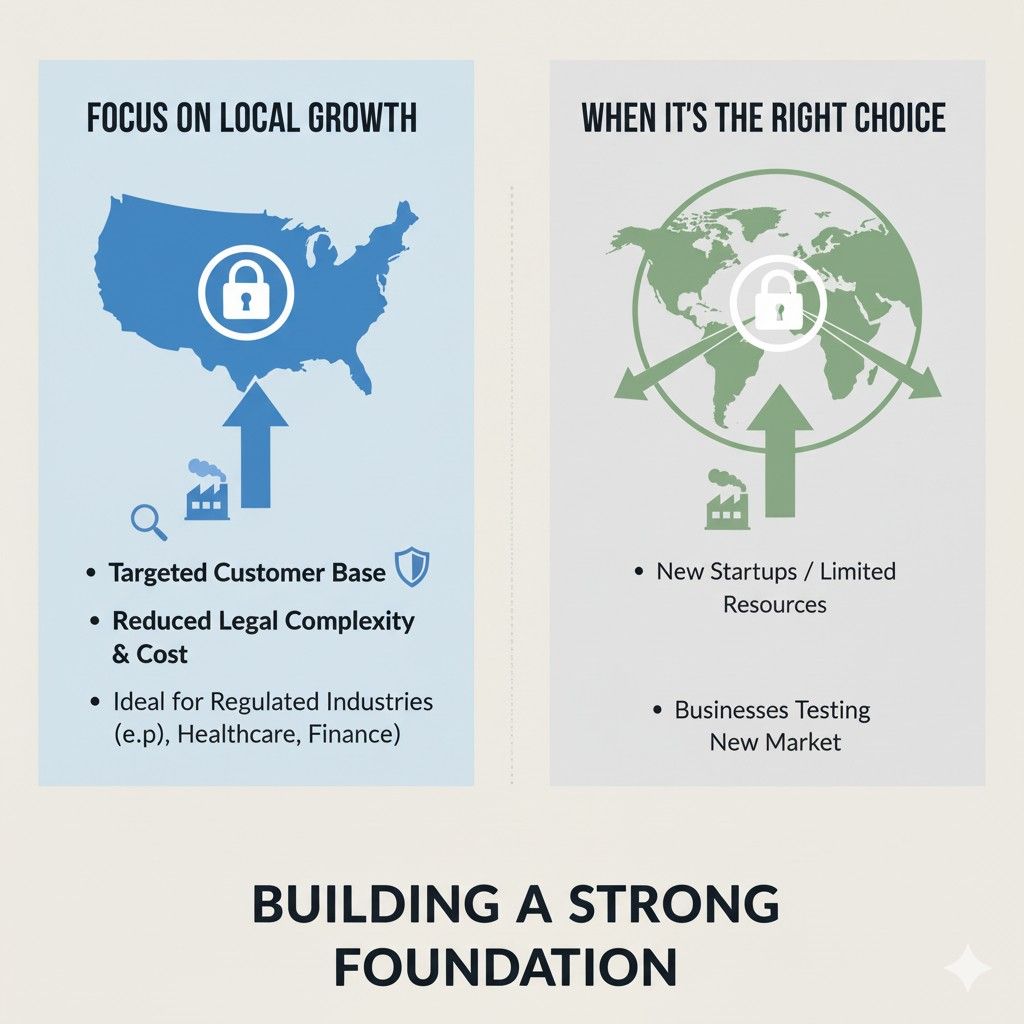
Focus is a startup’s strongest weapon. A nationwide license helps protect that focus. It keeps you from being pulled into markets you are not ready to serve and partnerships that distract your team.
When scope is limited, your roadmap stays clean. Your sales story stays simple. Your product decisions stay aligned with real users instead of hypothetical ones. This clarity compounds over time.
Founders who choose nationwide scope often move faster because they are not juggling global edge cases or partner demands from regions they barely understand.
Nationwide Scope as a Testing Ground
One of the smartest uses of a nationwide license is as a proving phase. It allows you to test real demand, pricing, and adoption without locking in global commitments.
If the product works nationally, you gain evidence. Evidence gives leverage. When it comes time to expand scope, you are no longer guessing. You are negotiating from proof.
A practical move here is to treat nationwide scope as a deliberate first chapter. Design the license so expansion is possible later, but only when the business case is clear and the value has increased.
How Nationwide Scope Protects Your Negotiating Power
Negotiation power comes from what you still control. A nationwide license keeps key rights in your hands. That matters more than most founders realize.
When partners ask for worldwide rights early, it is often for convenience, not necessity. If you give them everything upfront, you lose the ability to trade scope for better terms later.
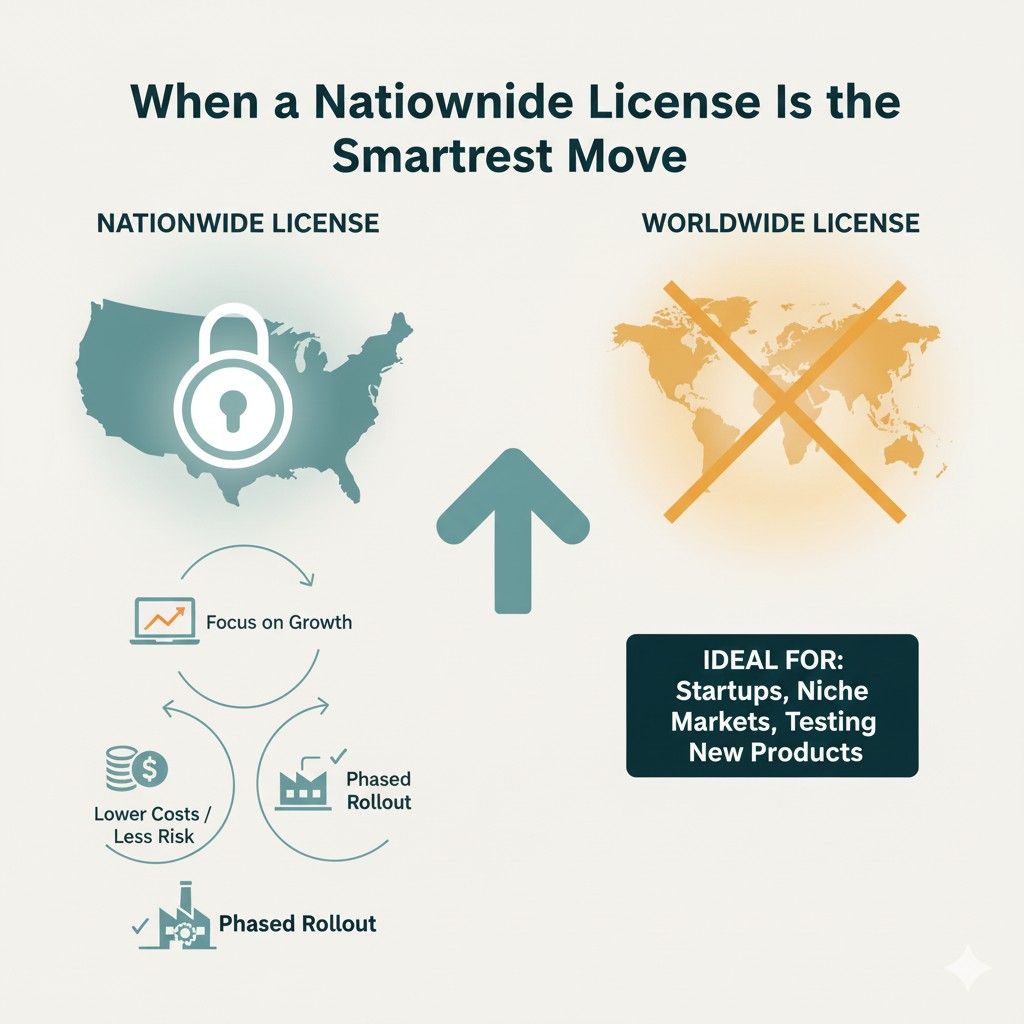
By keeping scope nationwide, you create a reason to revisit the deal. Future expansion becomes a new conversation with new value on the table. This can lead to better pricing, stronger commitments, or deeper partnerships.
Aligning Nationwide Scope With Real Customer Behavior
Customers do not adopt products evenly across the globe. They cluster. They move through networks. They follow trust patterns.
A nationwide license lets you align with how customers actually behave. You can refine messaging, improve onboarding, and strengthen retention in one market before copying mistakes elsewhere.
This reduces risk. It also creates a repeatable playbook. When you do expand, you expand with confidence instead of hope.
Nationwide Scope and Investor Confidence
Investors like control. They like clean ownership paths and clear growth stories. A nationwide license often reads as disciplined rather than cautious.
It shows that you did not give away the store early. It shows that future expansion is still available. It signals that you understand how licensing affects long-term value.
For many investors, this is reassuring. It makes your company easier to fund and easier to scale.
When Nationwide Scope Becomes a Defensive Move
In some cases, nationwide scope is not about growth. It is about defense. If your technology could be misused or copied, limiting scope reduces exposure.
A worldwide license increases the number of places where things can go wrong. Enforcement becomes harder. Oversight becomes weaker. Risk spreads thin.
Nationwide scope keeps risk contained. It allows you to monitor use closely and step in early if problems arise. For early-stage companies, this control can be the difference between survival and chaos.
Making Nationwide Scope Work Long Term
Nationwide scope only works if it is intentional. It should be paired with clear language about future expansion, performance expectations, and boundaries of use.
Founders who win with nationwide licenses think ahead. They design scope as part of a longer strategy, not a one-time deal. This is where having the right support matters.
PowerPatent helps founders structure licenses and patents in ways that support growth without locking them into bad decisions.
If you want to see how founders use it to stay fast and protected, you can explore it here: https://powerpatent.com/how-it-works
That covers when nationwide scope is the smart move. Next, I can go deep into why worldwide licenses often look attractive but hide serious costs that founders only see later.
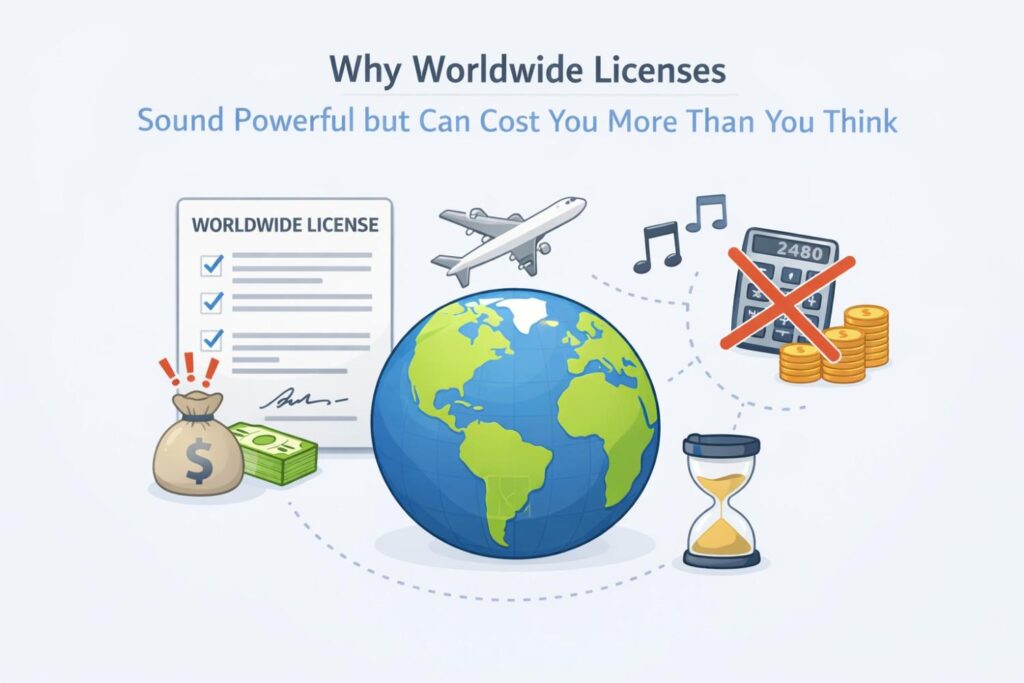
Why Worldwide Licenses Sound Powerful but Can Cost You More Than You Think
Worldwide licenses have a certain shine. They sound bold. They sound big. They sound like success.
For many founders, granting worldwide rights feels like proof that their invention matters on a global scale. That feeling is real, but it can also be misleading.
This section looks at worldwide licenses without romance. Not to say they are always wrong, but to show why they demand much more thought than most founders give them.
The Emotional Pull of Going Global
Founders build with vision. When someone asks for worldwide rights, it can feel like validation. It feels like the market sees what you see. That emotional high can cloud judgment.
The problem is that emotion does not protect leverage. A worldwide license can lock you into decisions made before your product, team, or market was ready. What felt exciting in the moment can quietly limit you later.
The smartest founders slow down here. They separate the feeling of being global from the reality of being prepared for it.
Worldwide Scope Often Solves the Other Side’s Problem
A worldwide license is usually more useful to the licensee than the licensor. It removes friction for them. One agreement. One territory. No future negotiation.
That convenience comes at your cost. You absorb the risk while they gain flexibility. If they underperform in certain regions, you may not be able to step in. If they pivot away, those markets may sit unused.
Before agreeing to worldwide scope, ask yourself who it really benefits and whether you are being paid for that benefit.
The Hidden Cost of Lost Optionality
Optionality is the ability to choose later. Worldwide licenses remove optionality early. Once rights are granted globally, your ability to adapt shrinks.
Markets change. Products evolve. New use cases appear. A worldwide license assumes you already know how all of that will play out. You rarely do.
Founders often regret worldwide scope when new opportunities arise in regions they no longer control. What could have been a new revenue stream becomes a closed door.
Worldwide Scope Can Slow You Down
It sounds backwards, but worldwide licenses can slow growth. When rights are spread everywhere, coordination becomes harder. Decisions take longer. Conflicts increase.
You may need approval to launch features in certain markets. You may face limitations based on how the license is interpreted abroad. These small frictions add up.
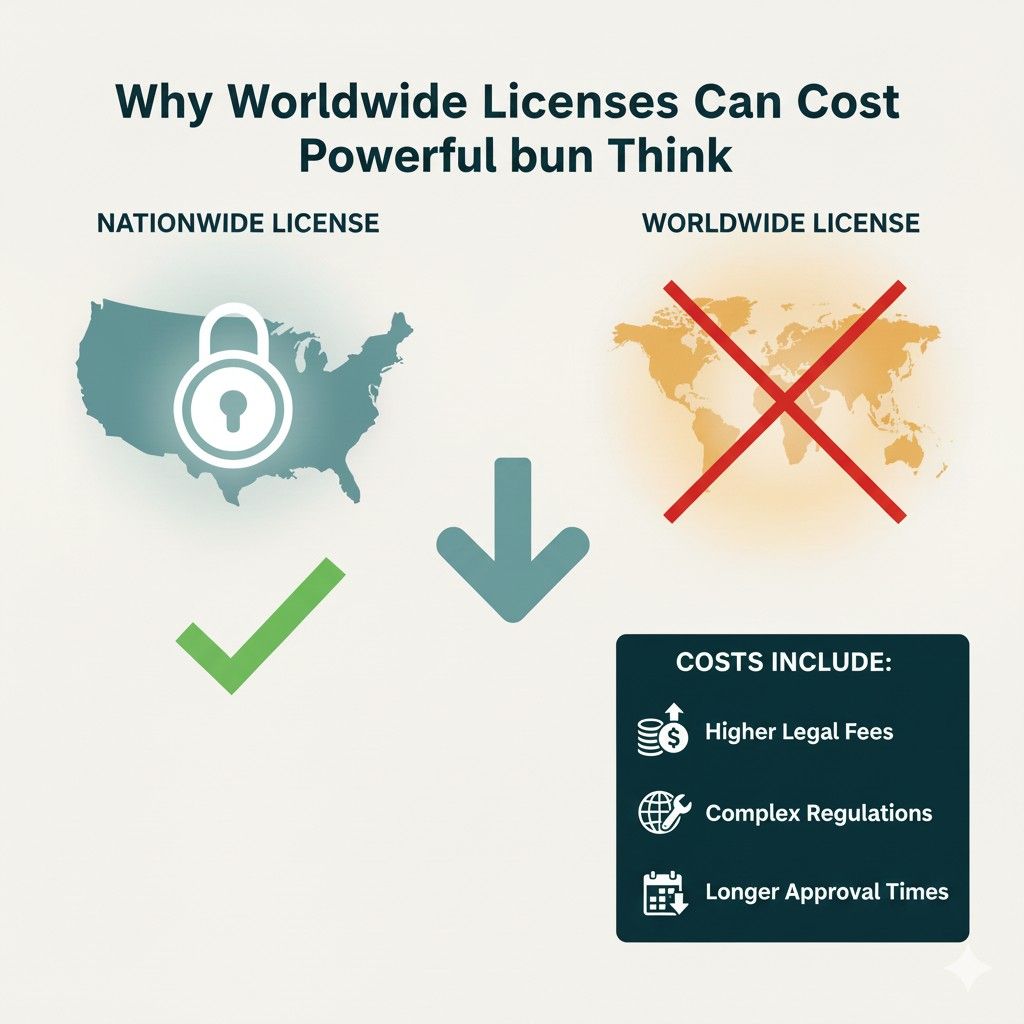
For startups that thrive on speed, this drag can be deadly. Growth should feel lighter as you scale, not heavier.
Enforcement Gets Harder Than Expected
Enforcing rights is easier when scope is contained. Worldwide licenses multiply complexity. Different countries mean different rules, expectations, and enforcement realities.
If a problem arises in one region, solving it can take time, money, and energy you do not have. Early-stage companies are rarely equipped for global enforcement.
Founders often underestimate this until it happens. By then, the scope is already set.
Worldwide Scope and Revenue Illusions
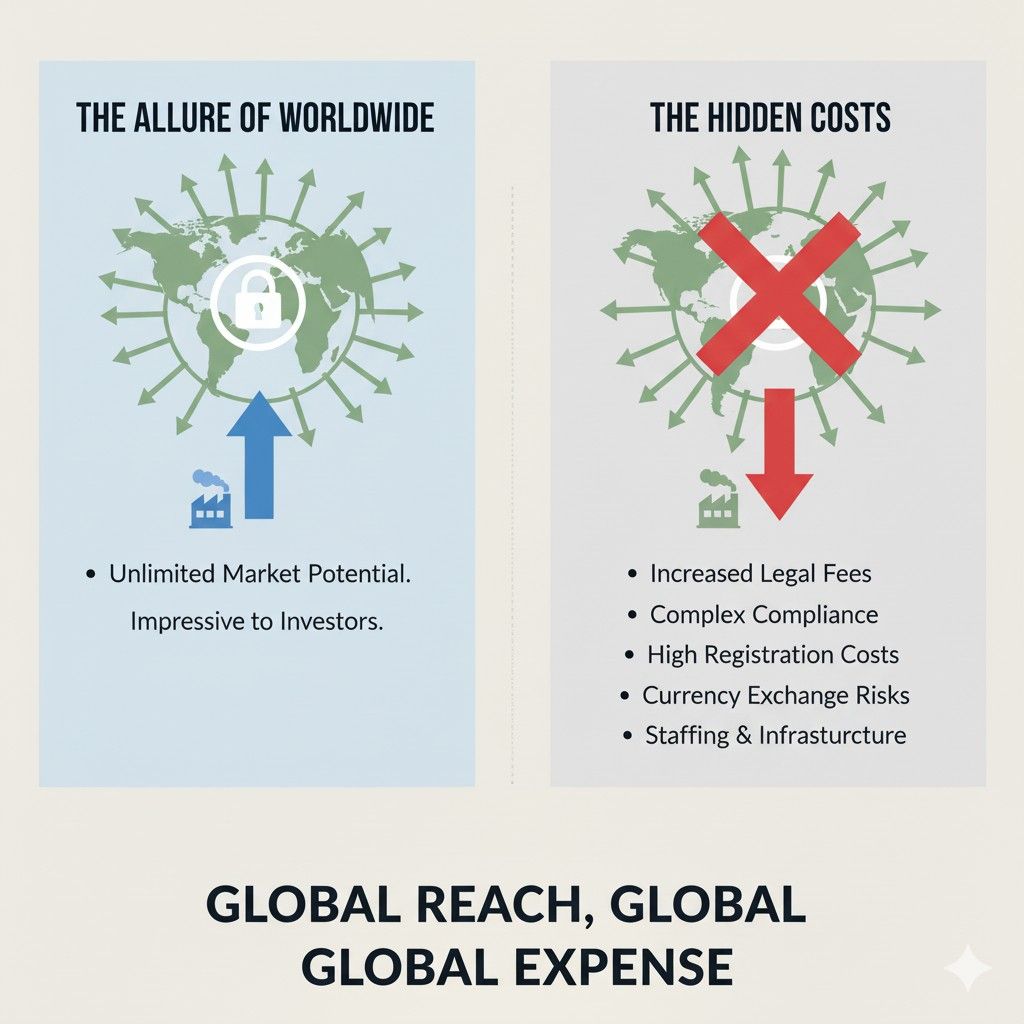
Worldwide licenses sometimes come with bigger upfront checks. That can be tempting. But upfront money is not the same as long-term value.
If global rights limit future deals, partnerships, or spin-offs, the total cost may be far higher than the initial gain. Founders should look beyond the first number and consider what they are trading away.
A strong rule of thumb is to compare the one-time benefit against the lifetime value of keeping control. If the math feels fuzzy, that is a warning sign.
When Worldwide Licenses Actually Make Sense
There are cases where worldwide scope is the right move. If your product is instantly global by nature, if enforcement risk is low, and if compensation truly reflects the value of global control, it can work.
The key is intention. Worldwide scope should be a conscious choice backed by clear strategy, not a default setting or an emotional reaction.
Founders who succeed with worldwide licenses design strong guardrails. They limit fields of use, set performance expectations, and build in review points. Without these, worldwide scope is often more burden than benefit.
Designing Worldwide Scope Without Losing Control
If worldwide scope is unavoidable, it must be structured carefully. Control can still exist inside a large geography if the license is tight in other ways.
This is where many founders struggle. They focus only on territory and forget about usage, timing, and accountability. These elements matter even more when geography is wide.
PowerPatent helps founders think through these tradeoffs early, using software and attorney insight to avoid deals that feel good now but hurt later. You can see how that works here: https://powerpatent.com/how-it-works
The final step is knowing how to choose the right scope without slowing down your startup or killing momentum.
How to Choose the Right License Scope Without Slowing Down Your Startup
Choosing license scope is one of those decisions that feels heavy because it touches everything at once. Growth, money, control, speed, and future plans all collide here.
The mistake founders make is treating this like a legal task that needs to be finished quickly. In reality, it is a business decision that deserves clear thinking, not rushed answers.
This section is about how to decide with confidence, without overthinking, and without putting your startup in slow motion.
Start With How Your Business Actually Grows
Every startup has a growth shape. Some grow city by city. Some grow industry by industry. Some grow through a single large customer before expanding outward. License scope should follow that shape.
Instead of asking how big the license should be, ask how your business will move in the real world over the next two to three years. Where will sales come from first. Where will support matter. Where will learning happen fastest.
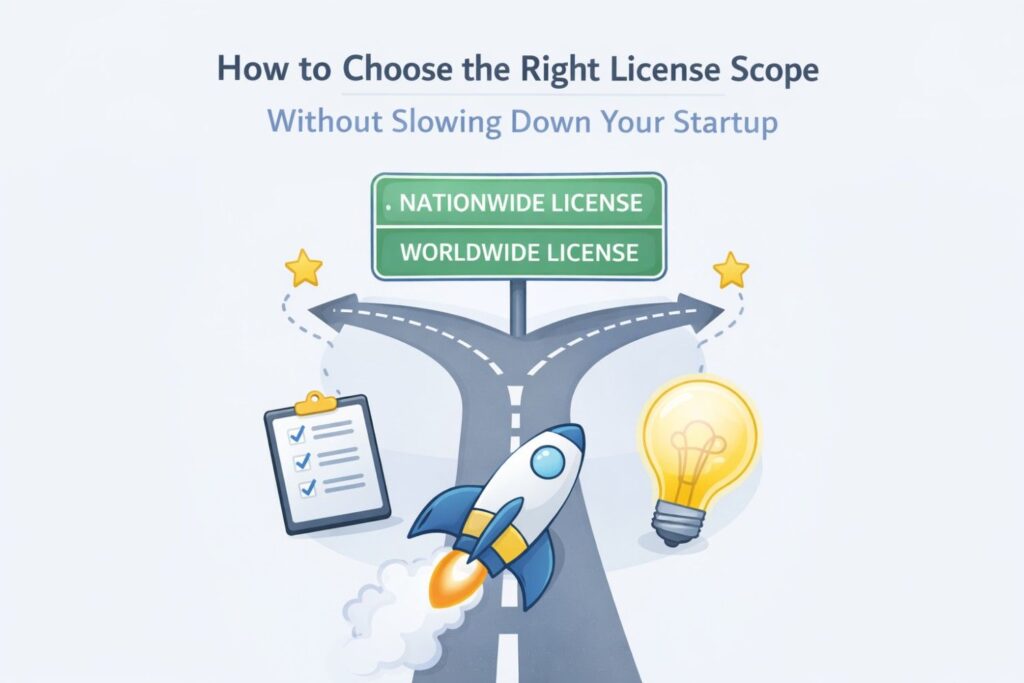
When scope matches growth, friction disappears. When it does not, every step feels harder than it should.
Think in Phases, Not Forever
Founders often feel pressure to get it right forever. That pressure leads to overreaching. The truth is that most good license strategies are phased.
You do not need to decide your global future today. You need to decide what makes sense now and what options you want to protect for later. Scope can grow as the company grows. That is not weakness. That is design.
A useful mindset is to treat scope like a door, not a wall. You want it open enough to move forward, but not so wide that you lose control of what comes next.
Use Scope to Buy Time and Clarity
Early-stage startups trade in learning. Every month teaches you something new about your product and your market. License scope should support that learning, not freeze it.
When scope is smaller, you buy time to understand how your technology is used, who values it most, and where it fits best. That clarity is worth more than broad promises made too early.
Founders who use scope this way make fewer painful changes later because they waited until reality caught up with vision.
Align Scope With Team Capacity
A quiet factor in scope decisions is team strength. Supporting a worldwide license requires systems, processes, and attention that many startups simply do not have yet.
If your team is lean, your scope should reflect that. There is no benefit in granting rights you cannot manage or monitor. Overextension shows up as stress, mistakes, and missed opportunities.
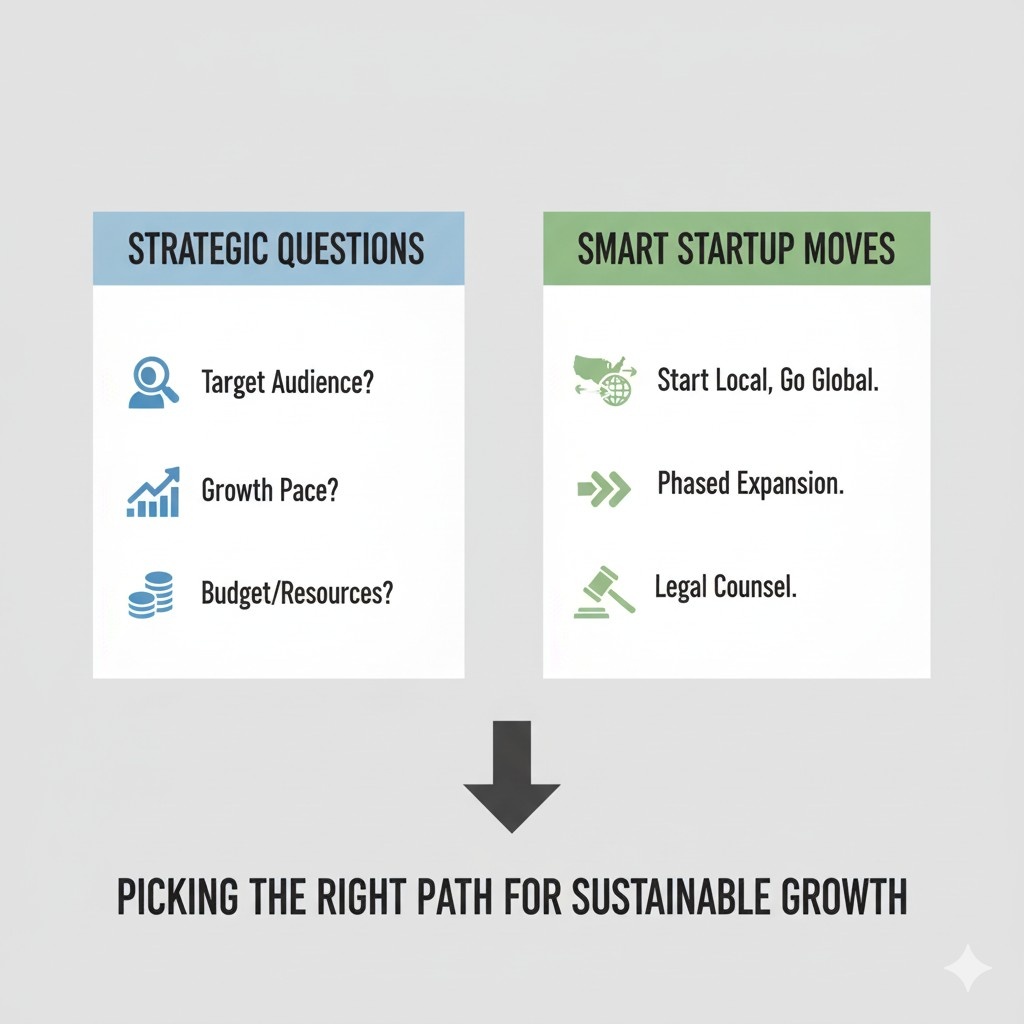
Choosing the right scope is also about respecting what your team can realistically handle without burning out.
Design Scope to Attract, Not Scare, Investors
License scope lives longer than most pitch decks. Investors will read it carefully. They will ask who controls what and where growth can still happen.
A clean, thoughtful scope signals maturity. It tells investors that you understand leverage and long-term value. It reassures them that future markets are not already spoken for.
If raising capital is part of your plan, scope should make your story easier to tell, not harder to explain.
Avoid Copying What Other Companies Did
Founders often look sideways. They hear that a big company did a worldwide deal and assume that is the right move. Context matters more than comparison.
That company had different leverage, timing, and goals. Their scope made sense for them, not necessarily for you.
The right scope is the one that fits your product, your stage, and your risk tolerance. Anything else is guesswork.
Make Scope a Business Tool, Not a Legal Checkbox
The biggest shift founders can make is this. Stop thinking of license scope as legal language and start thinking of it as a steering wheel.
It guides where you can go and how fast you can get there. Used well, it keeps you balanced. Used poorly, it pulls you off course.
This is why founders who care about speed and control choose tools that help them think strategically without drowning in complexity.
PowerPatent was built for this exact moment. It helps founders protect their inventions, design smarter patents, and make licensing decisions that support growth instead of slowing it down.
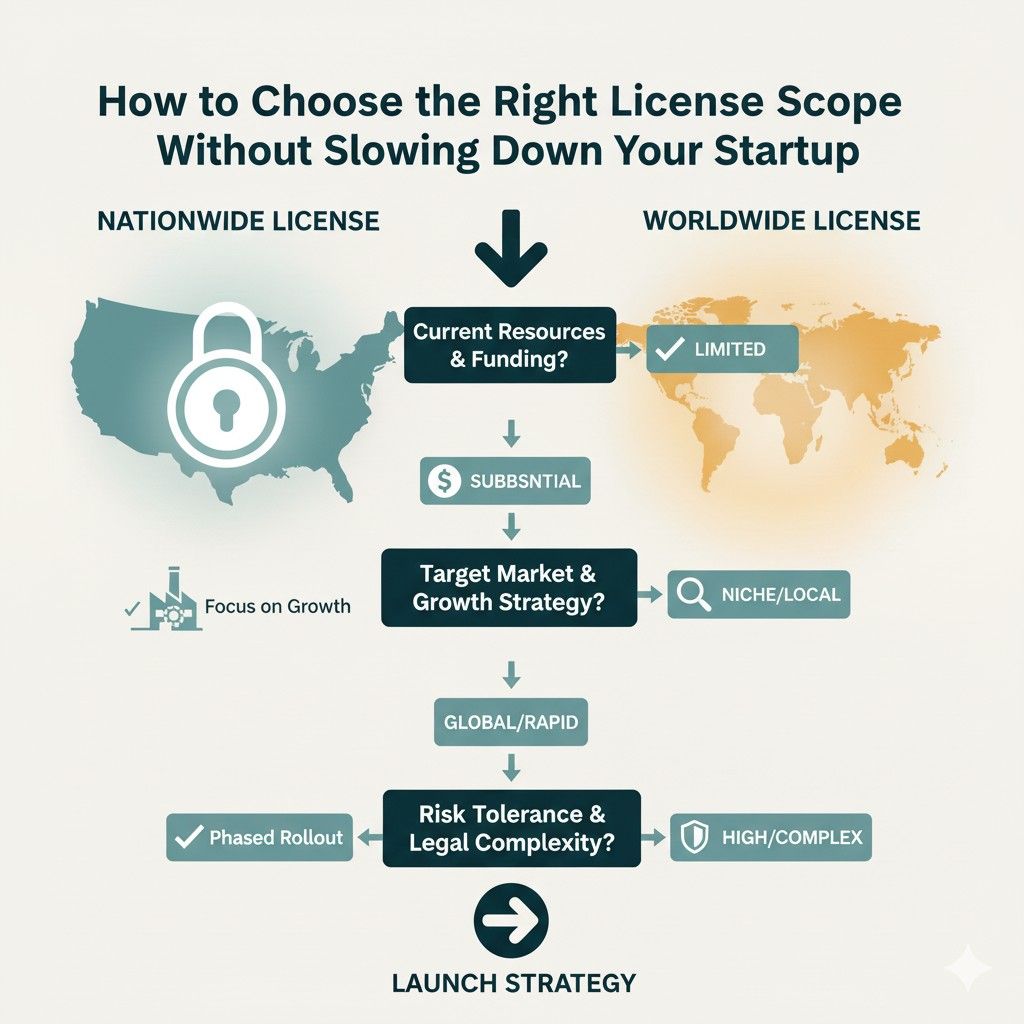
It combines software clarity with real attorney insight, so you can move fast without guessing.
If you want to see how founders use PowerPatent to make better scope decisions early, you can explore it here: https://powerpatent.com/how-it-works
Wrapping It All Up
License scope is not about being big or small. It is about being right. Nationwide and worldwide licenses are tools. Neither one is automatically good or bad. What matters is whether the scope you choose supports the business you are actually building, not the one you imagine in a perfect future. The wrong scope can quietly take away options, slow growth, and weaken your position without you noticing until much later. The right scope does the opposite. It protects momentum, keeps leverage in your hands, and lets your company grow on its own terms.
Leave a Reply