
If you are building something new, the question is not if you should protect it. The real question is how. Every strong product has a secret inside it. That secret might be code, a system, a method, or a way of doing things that others cannot easily copy. The moment you share your product with the world, that secret is at risk.
This is where most founders get stuck.
You hear people say, “Just keep it secret.” Others say, “File a patent as fast as you can.” Both sides sound confident. Both sides are often wrong. The truth is simpler, but it takes clear thinking to see it.
What a Trade Secret Really Is (and Why Most Teams Get It Wrong)
A trade secret sounds simple on the surface. You keep something quiet, and that silence keeps you safe. Many founders stop thinking right there. That is where the trouble begins.
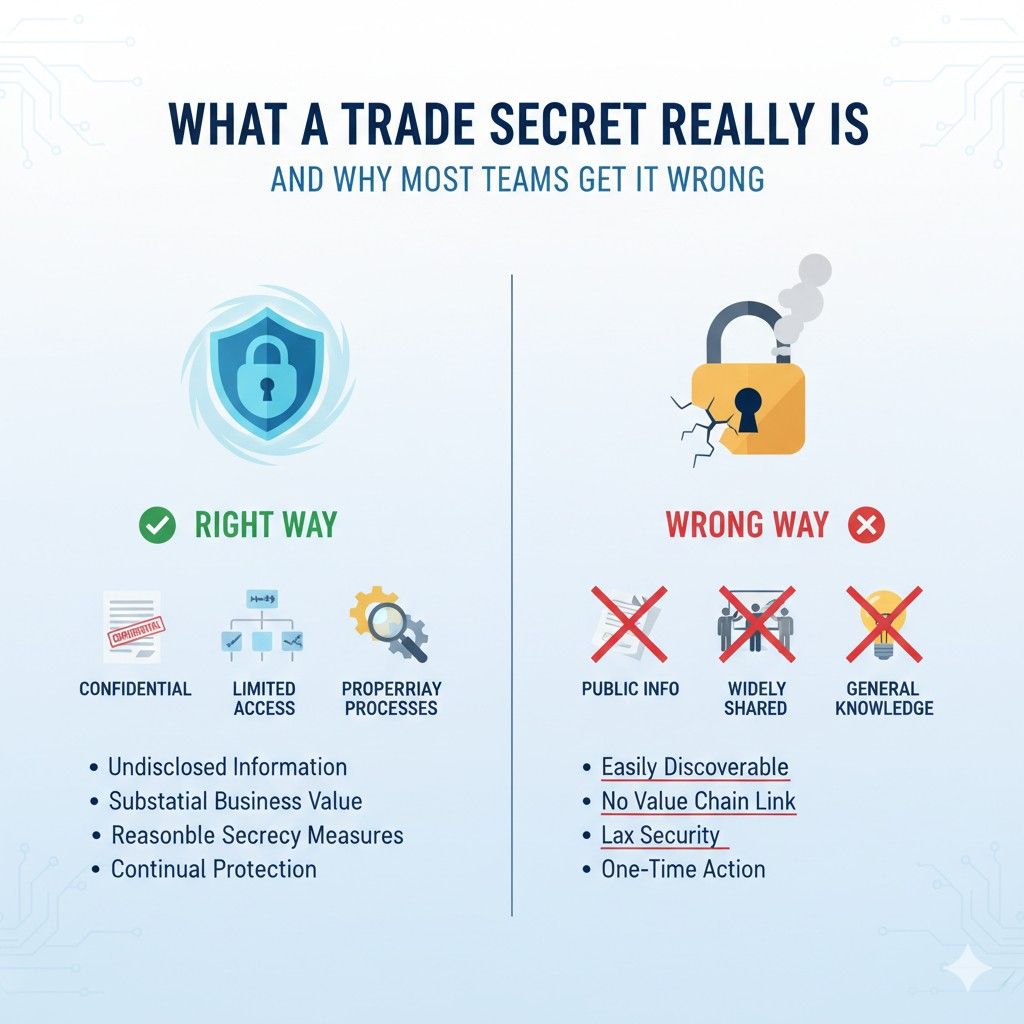
A trade secret is not just something you do not talk about. It is a business choice that needs care, rules, and daily habits to work at all.
Most teams believe they have trade secrets. Very few actually do. The gap between belief and reality is where value quietly leaks away.
A trade secret is a system, not a thought
A trade secret is only real when it lives inside a system. If the protection exists only in your head, it does not exist at all.
Courts do not protect ideas because you meant to keep them secret. They protect secrets that a company actively treats like secrets.
This means access is limited, sharing is controlled, and there is proof that the company took steps to protect the information. Without that structure, the secret becomes just another idea floating around.
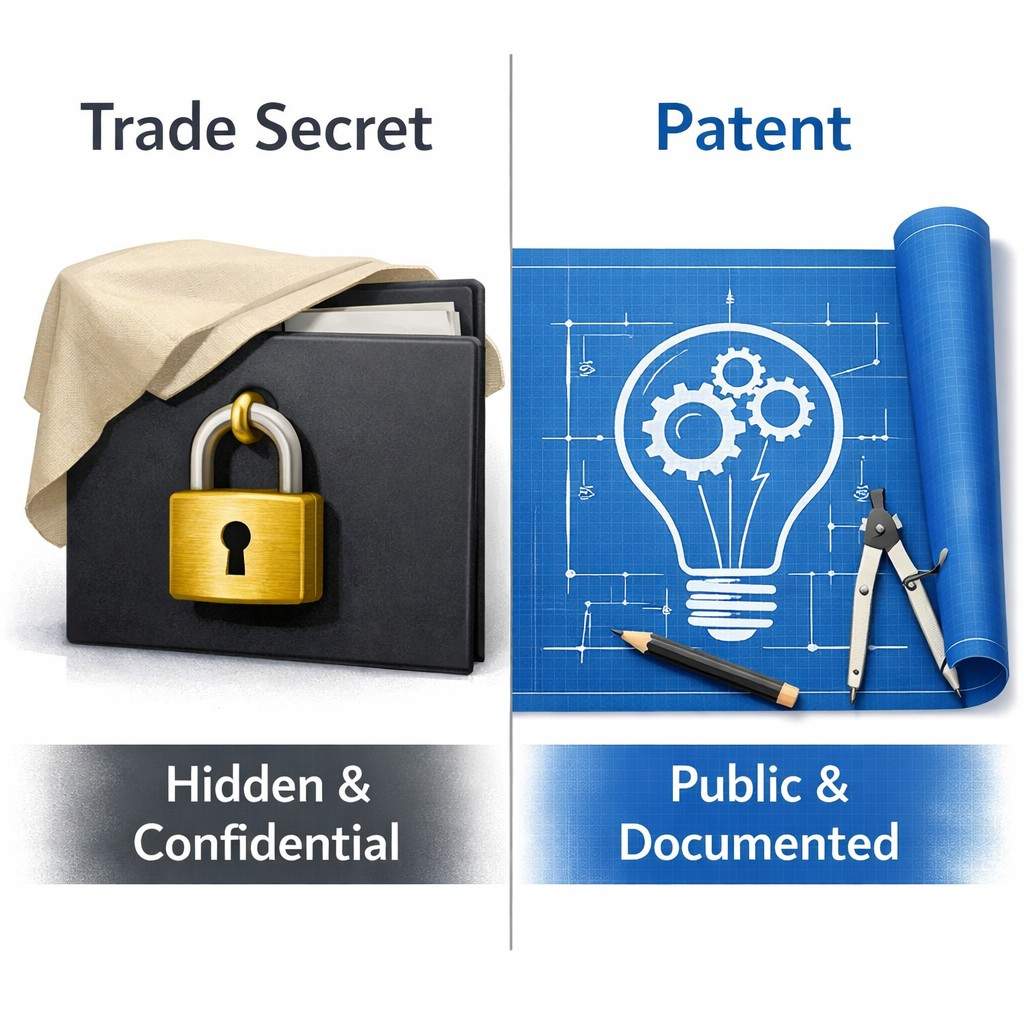
If you want to rely on trade secrets, your first action should be to write down what the secret actually is.
Not in detail, but in scope. You should know exactly what part of your product must stay hidden for the advantage to exist.
Why secrecy breaks down as companies grow
Trade secrets often work well when a company is small. A few people, one room, fast feedback. The moment the team grows, secrecy starts to crack. New hires need context.
Partners want details. Customers ask questions. Each conversation chips away at the wall.
Growth creates pressure to explain how things work. That pressure is where secrets slip out without anyone noticing.
The practical move here is to decide early which parts of your product can be shared safely and which parts must never leave the room. If everything is treated the same, nothing is protected.
The false comfort of internal trust
Founders often say they trust their team. Trust is good. Trust is also not protection. Employees leave. Contractors move on. Advisors talk. None of this requires bad intent for damage to happen.
Trade secret law cares less about trust and more about behavior. Were there clear rules? Was access limited? Were expectations clear?
A simple but powerful step is to assume that every person who touches your product will someday leave.
Design your access and documentation with that future in mind. If that thought makes you uncomfortable, your secret is already fragile.
When code feels secret but is not
Software teams often believe their code is automatically a trade secret.
This is a common and costly mistake. Code that ships to users, runs on their machines, or can be inspected is not secret in practice, even if it is hard to read.
Once your product is live, you should assume that a smart competitor can study it. If your advantage disappears once someone understands how it works, trade secret protection is not enough.
The right move is to ask a hard question early. If a skilled engineer had six months to study our product, could they rebuild the core idea? If the answer is yes, secrecy alone is a weak shield.
The danger of talking too early
Many teams lose trade secret protection before they even know it existed. Demos to investors, pitches to partners, early sales calls, and casual conversations can all expose key details.
The risk is not that someone steals your idea on the spot. The risk is that you can no longer claim it was secret in the first place.
A smart habit is to practice explaining your product at two levels. One level explains the value clearly.
The other level explains the mechanics. The mechanics should stay internal unless you are fully comfortable losing secrecy forever.
Trade secrets and speed do not always mix
Trade secrets reward control. Startups reward speed. These two forces often fight each other. When speed wins, rules get skipped. When rules get skipped, secrecy fades.
If your company moves fast, you must decide whether you can realistically maintain secrecy over time. If protecting the secret slows down hiring, sales, or partnerships, the cost may be higher than expected.
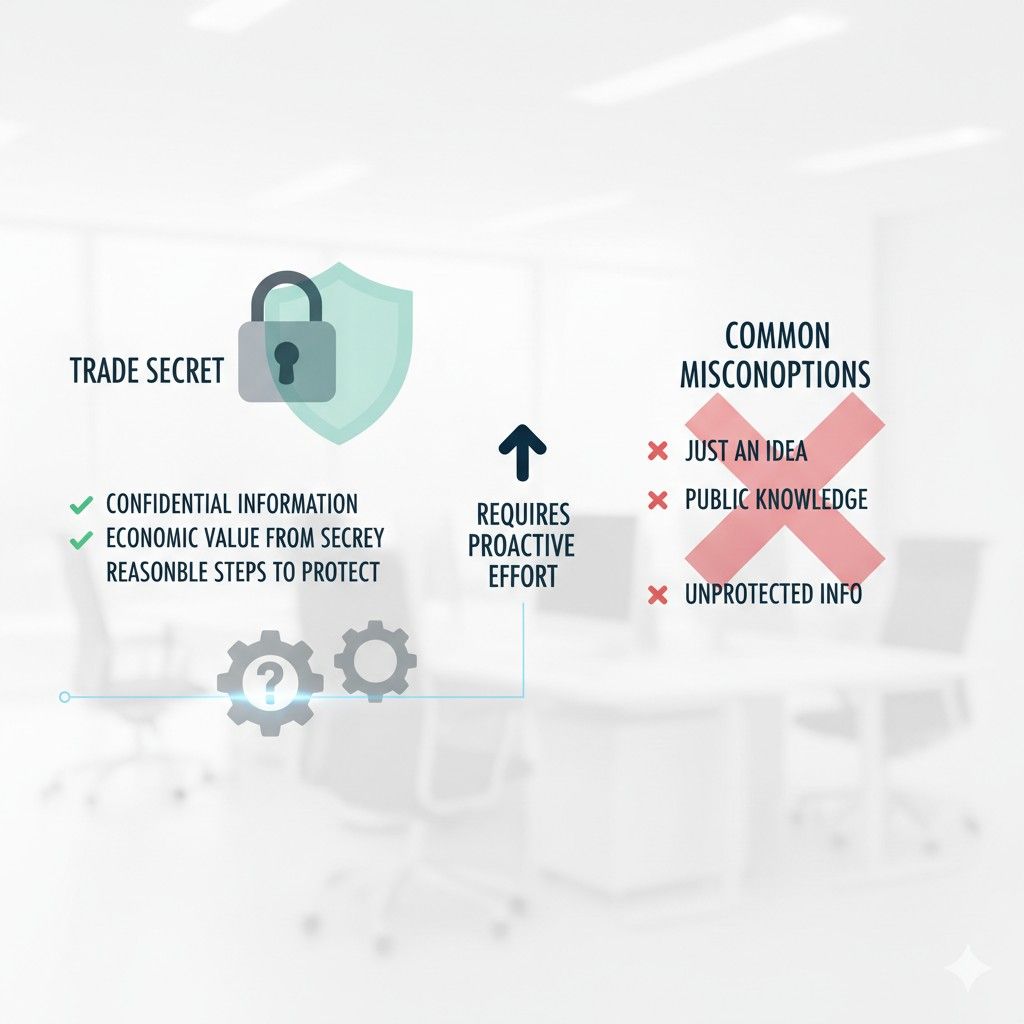
This is where many teams quietly shift without realizing it. They think they are still relying on trade secrets, but their behavior says otherwise. That gap leaves them exposed with no backup.
The moment a trade secret stops working
Trade secrets fail the moment someone else figures out the same thing on their own. There is no warning. There is no appeal. If a competitor builds the same method without copying you, your protection disappears.
This is the biggest strategic risk of relying only on secrecy. You do not control the outcome. You only control your silence.
If your product solves a clear problem in a clear way, chances are someone else is thinking along similar lines. In those cases, secrecy buys time, not safety.
Using trade secrets on purpose, not by accident
Trade secrets work best when they protect details, not the entire product. Internal processes, tuning methods, data handling tricks, and operational shortcuts are strong candidates.
The actionable move is to separate your product into layers. Some layers can be visible. Some layers should stay buried. Trade secrets belong in the buried layers where copying is hardest and proof of theft is clearest.
When used this way, trade secrets are powerful. When used as a blanket strategy, they often fail silently.
Why many teams outgrow trade secrets
As companies mature, the need for outside trust grows. Customers want guarantees. Partners want clarity. Acquirers want certainty. Trade secrets do not show well on paper.
At some point, your business may need protection that survives disclosure. This is where many founders wish they had acted earlier.
Trade secrets are not wrong. They are just limited. Knowing those limits early gives you options later.
This is exactly why many modern teams pair secrecy with patents instead of choosing only one.

If you want to understand how that works in practice, PowerPatent helps founders build protection that grows with their product, without slowing them down. You can explore how it works at https://powerpatent.com/how-it-works.
What a Patent Actually Gives You (Beyond the Paper)
Many founders hear the word patent and picture a framed document on a wall. Something slow. Something expensive. Something that lawyers care about more than builders.
That image is outdated and incomplete. A patent is not a trophy. It is a tool. When used well, it changes how others treat your product, your company, and your future.
This section is about what patents really do in the real world, not what people assume they do.
A patent is about control, not bragging
At its core, a patent gives you control. Not control over who thinks of ideas, but control over who can use a specific way of doing something. That control exists even if others fully understand how your product works.
This is the key difference from trade secrets. With a patent, you can explain your product openly and still keep protection. You can sell, partner, raise money, and grow without constantly hiding details.
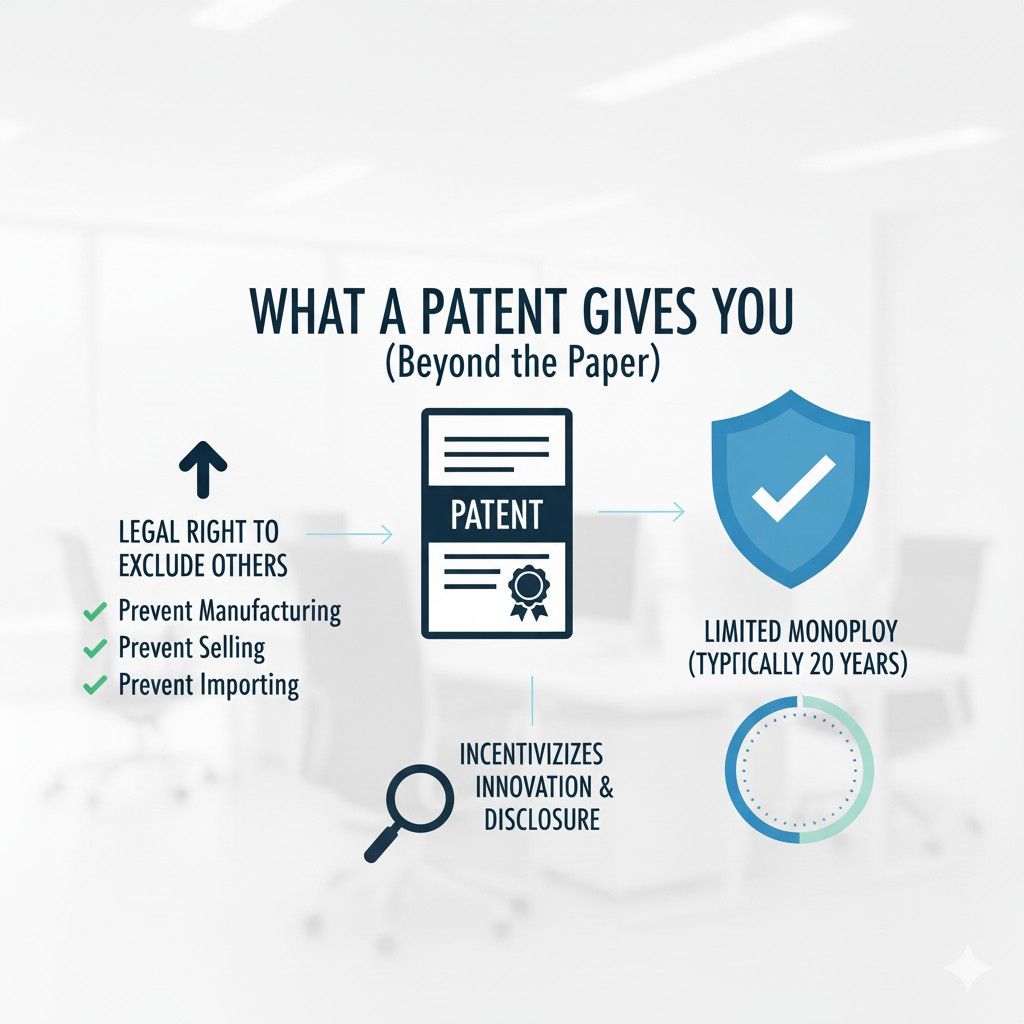
For a business, control creates leverage. Leverage shows up in negotiations, pricing power, and long-term confidence.
Why patents are not just for big companies
Many startups believe patents are only useful once you are big. In reality, patents matter most when you are small. When you are small, you have fewer resources to fight copycats.
A patent acts as a quiet shield that prevents fights before they start.
Competitors are less likely to copy something when they know you have clear ownership. Investors feel safer backing you. Partners take you more seriously.
Patents reduce friction long before they ever appear in a courtroom.
The fear of disclosure is often misunderstood
One of the biggest fears founders have is that patents require you to give everything away. This fear keeps many teams stuck in secrecy mode even when it hurts them.
Yes, patents involve disclosure. But disclosure does not mean vulnerability. It means clarity. You explain what you invented in a structured way that still defines clear boundaries around what others cannot do.
In practice, this allows you to talk about your product without fear. You can demo confidently. You can publish content. You can sell without dancing around key details.
Patents protect the idea behind the code
Code changes. Products evolve. What matters is the idea underneath. A strong patent focuses on the method, the system, or the approach that makes the product work, not the exact lines of code.
This is where many teams get it wrong. They assume patents must describe every detail. In reality, the goal is to protect the core insight in a way that covers many future versions.
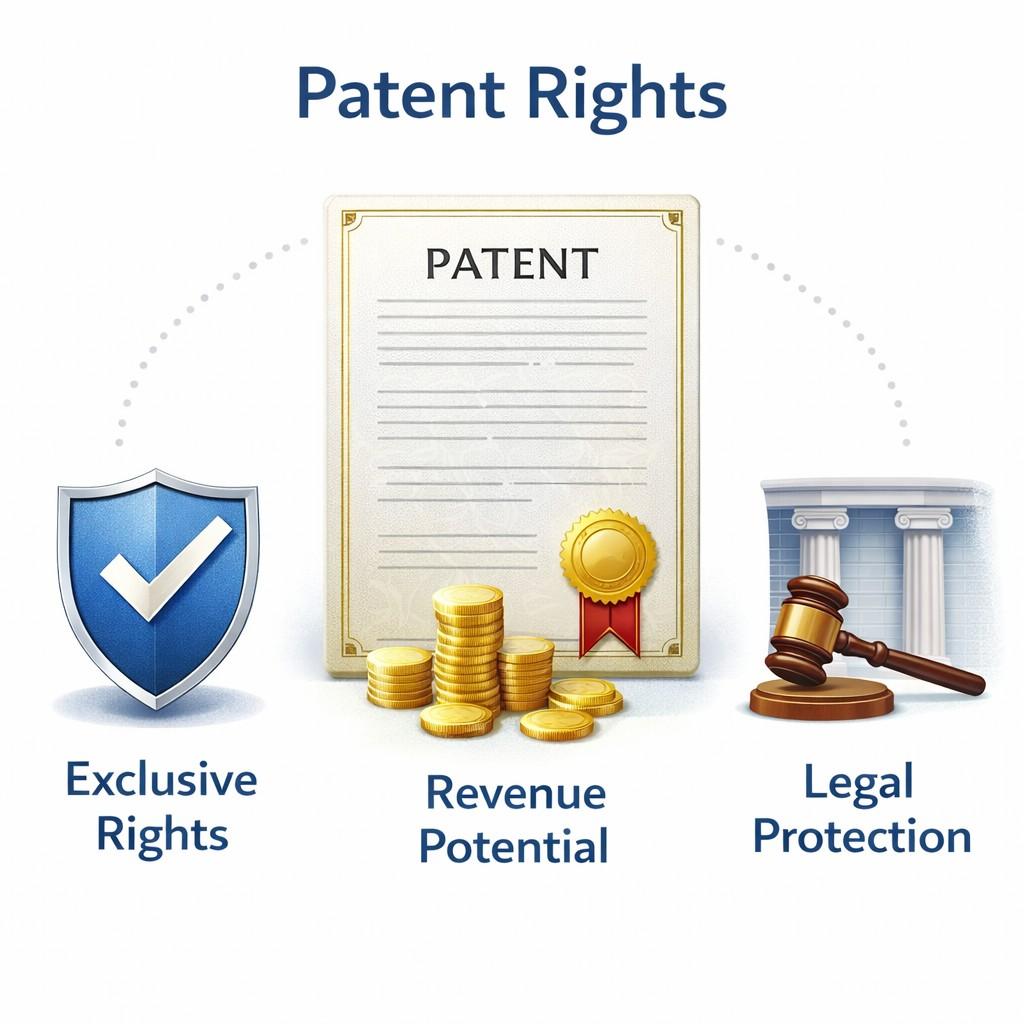
The actionable insight here is to step back from implementation details and ask what problem your product solves in a new way. That answer is often the heart of a strong patent.
Timing matters more than perfection
Founders often delay patents because they want the product to be finished first. This delay can quietly destroy options. In many countries, once you publicly share your idea, you lose the ability to patent it later.
The smart move is not to wait for perfection. It is to file when the core idea is clear, even if the product is still evolving.
Modern patent strategies are designed to move with your product, not freeze it in time. Early action gives you flexibility instead of locking you in.
Patents change how investors see risk
Investors do not expect startups to be perfect. They do expect founders to think ahead. A patent signals that you are building something defensible, not just something fast.
This does not mean having dozens of patents. It means having at least one clear stake in the ground that says this space is yours.
That signal often matters more than founders realize, especially in crowded markets where differentiation is hard to see from the outside.
The myth that patents slow you down
Old-school patent processes were slow. That reputation still lingers. Today, technology-driven approaches have changed what is possible.
When done right, patent work runs in parallel with building, not instead of it. You do not pause your roadmap. You capture it.
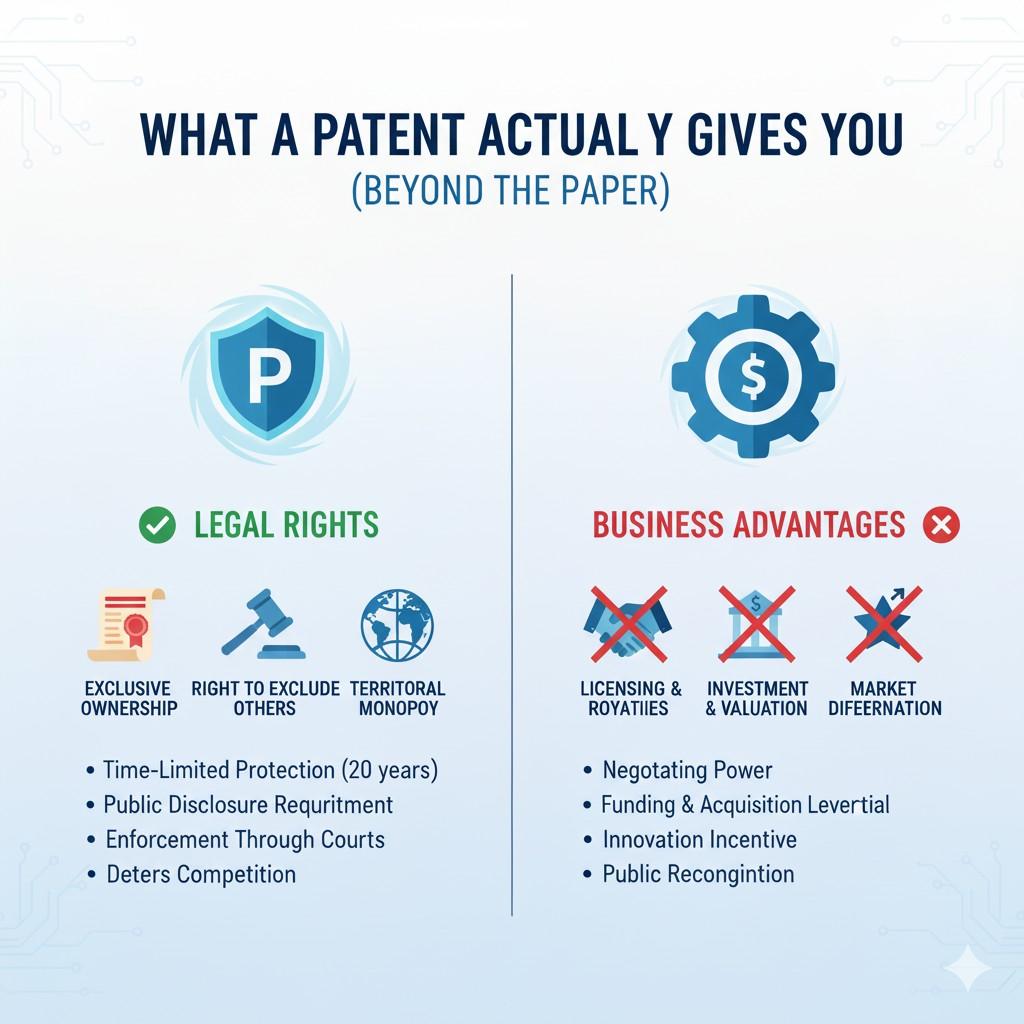
The practical takeaway is to treat patents as part of product development, not a legal task you save for later. When aligned properly, they reinforce each other.
Patents as a long-term asset
A product can fail. A pivot can happen. A market can change. A well-written patent often survives all of that.
This is why patents are considered assets. They can be licensed, sold, or used to enter new markets. They create optionality that goes beyond the current version of your company.
Founders who think this way design patents that grow with their vision, not just their current feature set.
When patents make the most sense
Patents are especially powerful when your advantage can be explained, when others could reach similar solutions, and when you plan to operate in the open.
If your business requires trust, scale, or collaboration, patents remove fear from those conversations. They allow you to say yes more often without risking everything.
This is why many strong teams choose patents not because they love paperwork, but because they love momentum.
Building patents without losing focus
The final concern many founders have is distraction. The key is choosing tools and partners that respect your time and speak your language.
Patent protection should feel like progress, not a pause. It should give you confidence, not confusion.

PowerPatent was built for founders who want that balance. Software speed with real attorney oversight. Clear steps instead of long delays. You can see how it works at https://powerpatent.com/how-it-works.
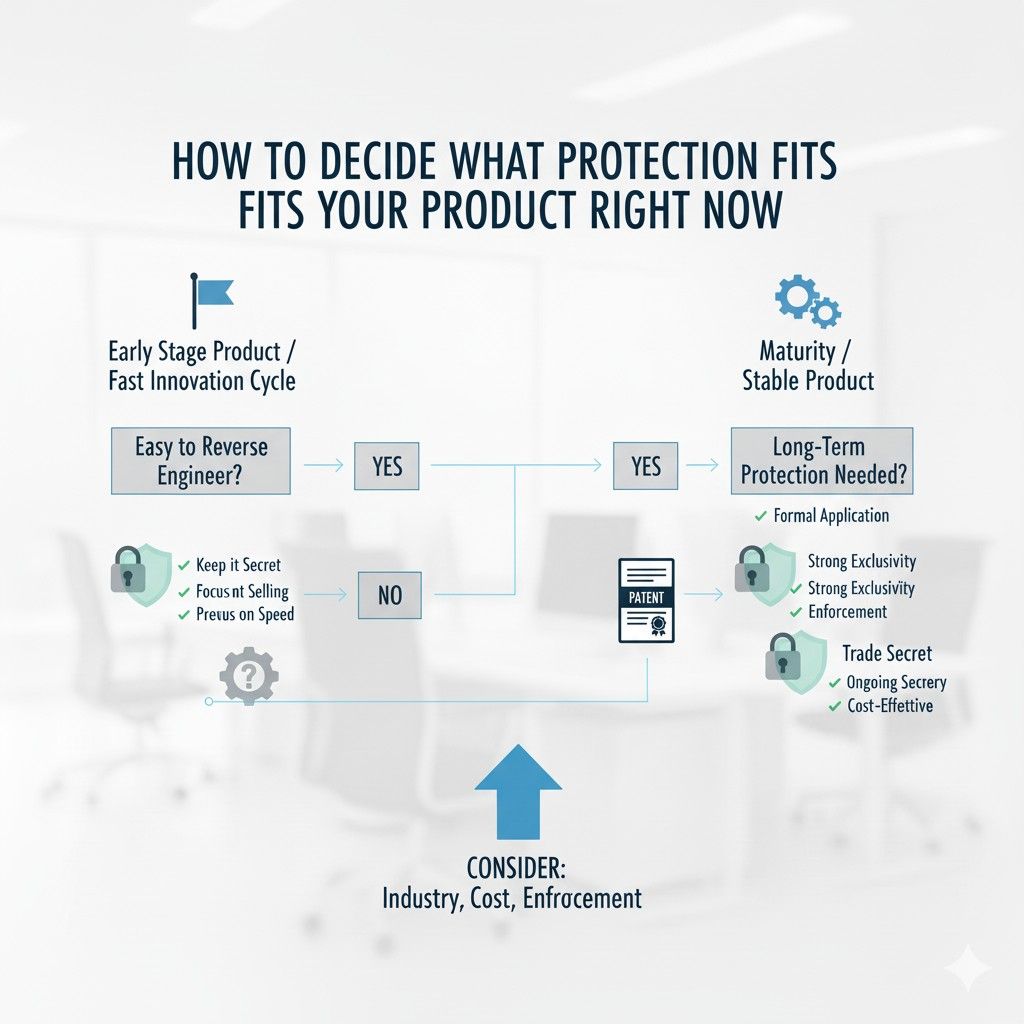
How to Decide What Protection Fits Your Product Right Now
Choosing between trade secrets and patents is not about picking the “better” option. It is about choosing the right tool for the stage you are in, the product you are building, and the risks you are most likely to face.
Many founders make this decision emotionally. The best founders make it strategically.
This section will help you make that choice with clarity instead of guesswork.
Start with how your product creates value
Every product has a core reason it matters. Sometimes that reason is obvious. Sometimes it hides under layers of features. Protection should focus on that core, not the surface.
If your value comes from something users can see, touch, or interact with directly, secrecy will struggle.
The more visible the value, the harder it is to keep it hidden. In these cases, patents often make more sense because they protect value even when everyone can see how the product works.
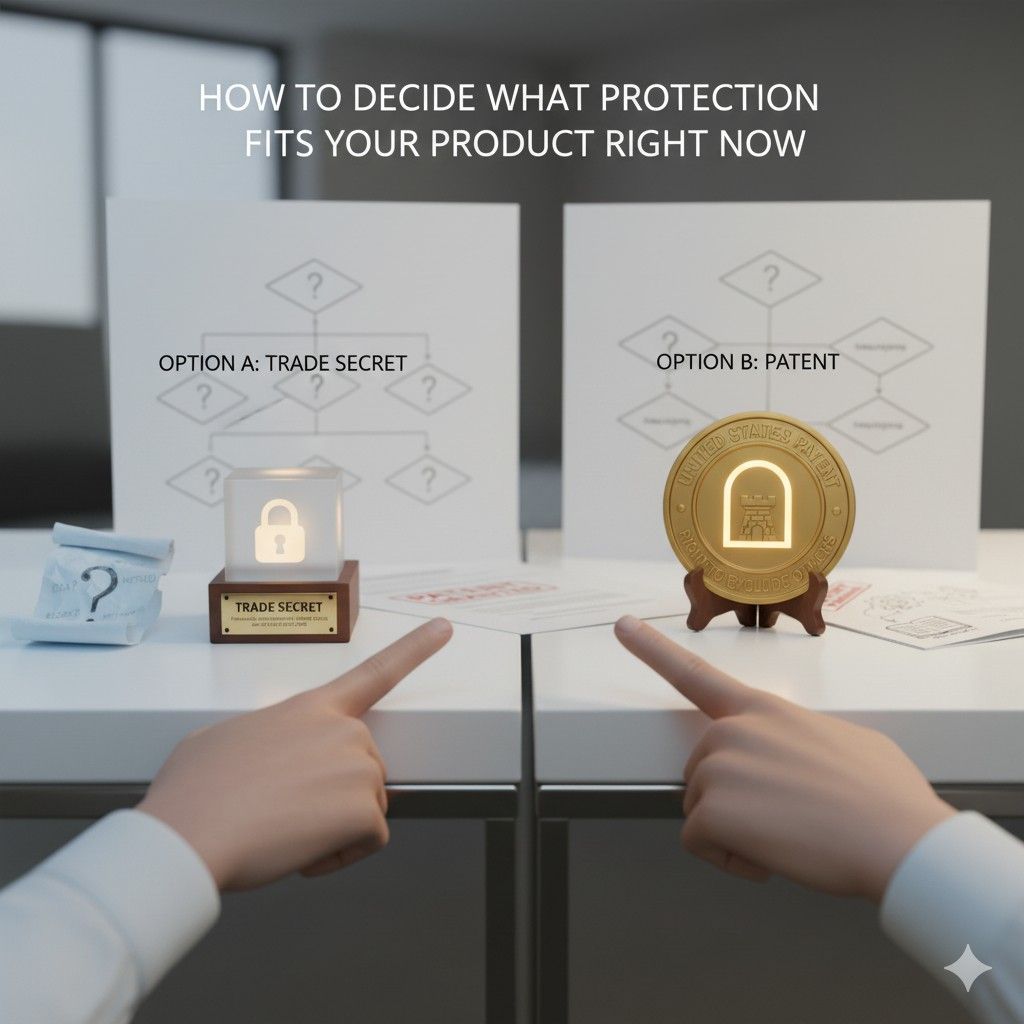
If your value lives behind the scenes, inside internal processes or data flows that never leave your systems, trade secrets can be effective. The key is being honest about where the real advantage lives.
Look at how easy copying would be
Some products are hard to copy even when fully visible. Others are surprisingly easy to rebuild once the idea is understood. This difference should drive your decision more than cost or tradition.
If a smart competitor could rebuild your product after watching a demo or reading a blog post, secrecy is fragile. Patents provide protection even when copying is technically simple.
If copying requires deep access, long learning curves, or internal data, secrecy can buy real time. The question is not whether copying is possible, but how likely it is and how fast it could happen.
Consider how open you need to be to grow
Growth often requires openness. Sales need explanations. Partnerships need trust. Hiring needs clarity. If your business model depends on these things, hiding details becomes a tax on growth.
Patents remove that tax. They allow you to speak freely while still owning the space.
If your growth path allows for tight control and limited sharing, trade secrets can work longer. But most startups eventually need to open doors to move forward.
Think about where you want to be in two years
Protection decisions should not be made only for today. They should support where you are going.
If you plan to raise serious capital, enter regulated markets, or become an acquisition target, formal protection matters more. These paths reward clarity and ownership.
If you are experimenting, iterating, and still searching for product-market fit, early patents can still help, but they should be flexible and aligned with your direction.
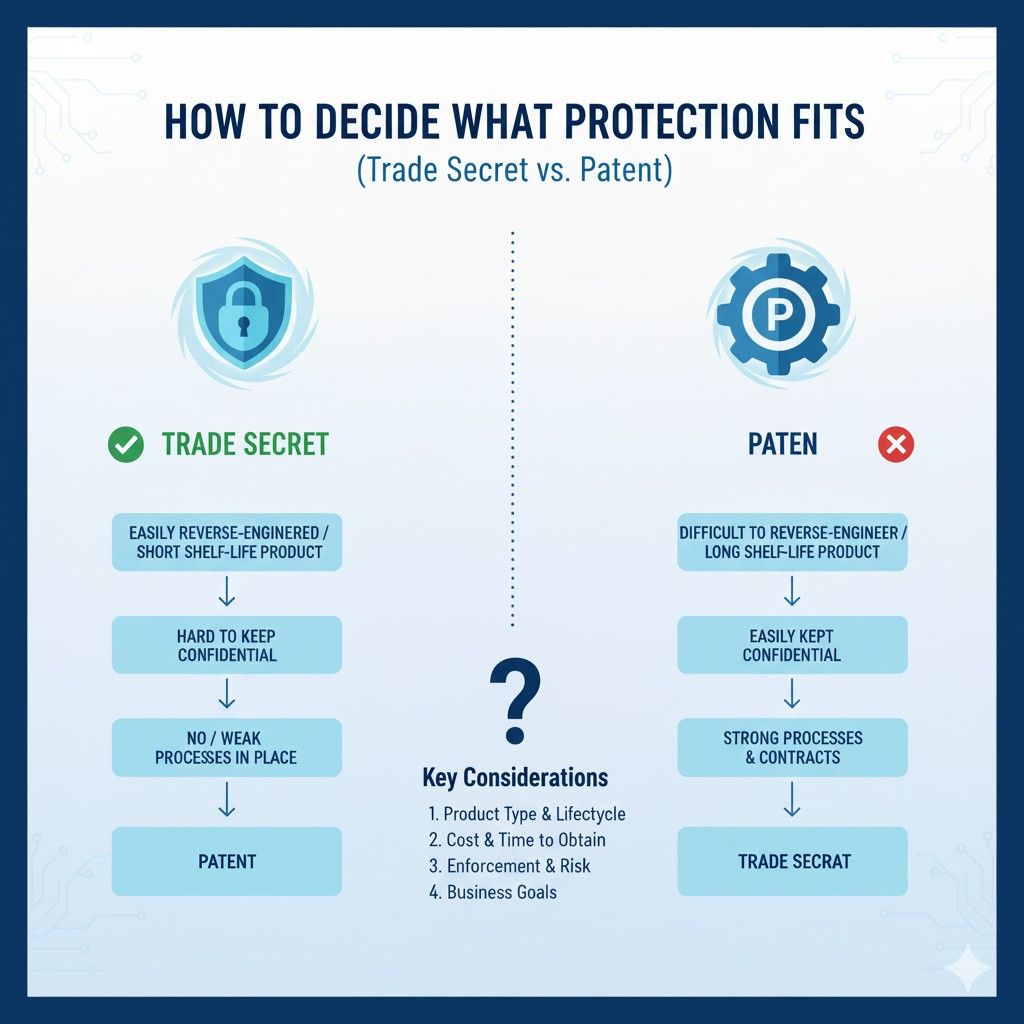
The key is not to delay thinking. It is to choose an approach that leaves doors open instead of closing them.
Understand that doing nothing is also a decision
Many founders avoid choosing. They stay quiet. They hope speed alone will protect them. This is rarely a winning strategy.
Silence does not stop competitors. It only limits you.
Even a simple first step, like filing early protection or defining what must stay secret, is better than drifting without a plan.
Using both is often the smartest move
This is the part most people miss. Trade secrets and patents are not enemies. They are complements.
Many strong companies patent the core idea while keeping specific details secret. This gives them protection at multiple levels. If someone copies the idea, the patent helps.
If someone tries to reverse engineer the process, secrecy still adds friction.
This layered approach works especially well for technical products that evolve over time.
Make protection part of your build process
The best teams do not treat protection as a legal chore. They treat it as part of product design.
As you build new features, ask what makes them hard to copy. Decide whether that difficulty comes from secrecy or ownership. Capture those insights while they are fresh.
This habit turns protection into a byproduct of building, not a distraction from it.
Avoid the common timing mistake
Waiting until launch is often too late. Waiting until revenue is common, but risky. Waiting until a competitor appears is almost always a mistake.
The right time is when the core idea is clear enough to explain but still early enough to shape the outcome.
Modern tools make early action practical without slowing teams down.
Choosing confidence over fear
The best protection decisions are calm ones. They are not driven by panic or pressure. They are driven by understanding.
When you know what you are protecting and why, the path becomes clearer.
If you want help making that decision without jargon or delays, PowerPatent was built for founders like you.

It helps you move fast, stay focused, and build real protection that grows with your product. You can see how it works at https://powerpatent.com/how-it-works.
Wrapping It Up
By now, one thing should be clear. Trade secrets and patents are not about rules. They are about choices. And those choices shape how freely you can build, share, and grow what you are creating. Trade secrets work when your advantage can stay hidden and when your team can realistically control access over time. They reward discipline, silence, and tight systems. They can be powerful, but they are fragile. The moment the secret slips or someone else arrives at the same idea, the protection can vanish without warning.
Leave a Reply