Author: PowerPatent Content Team
-
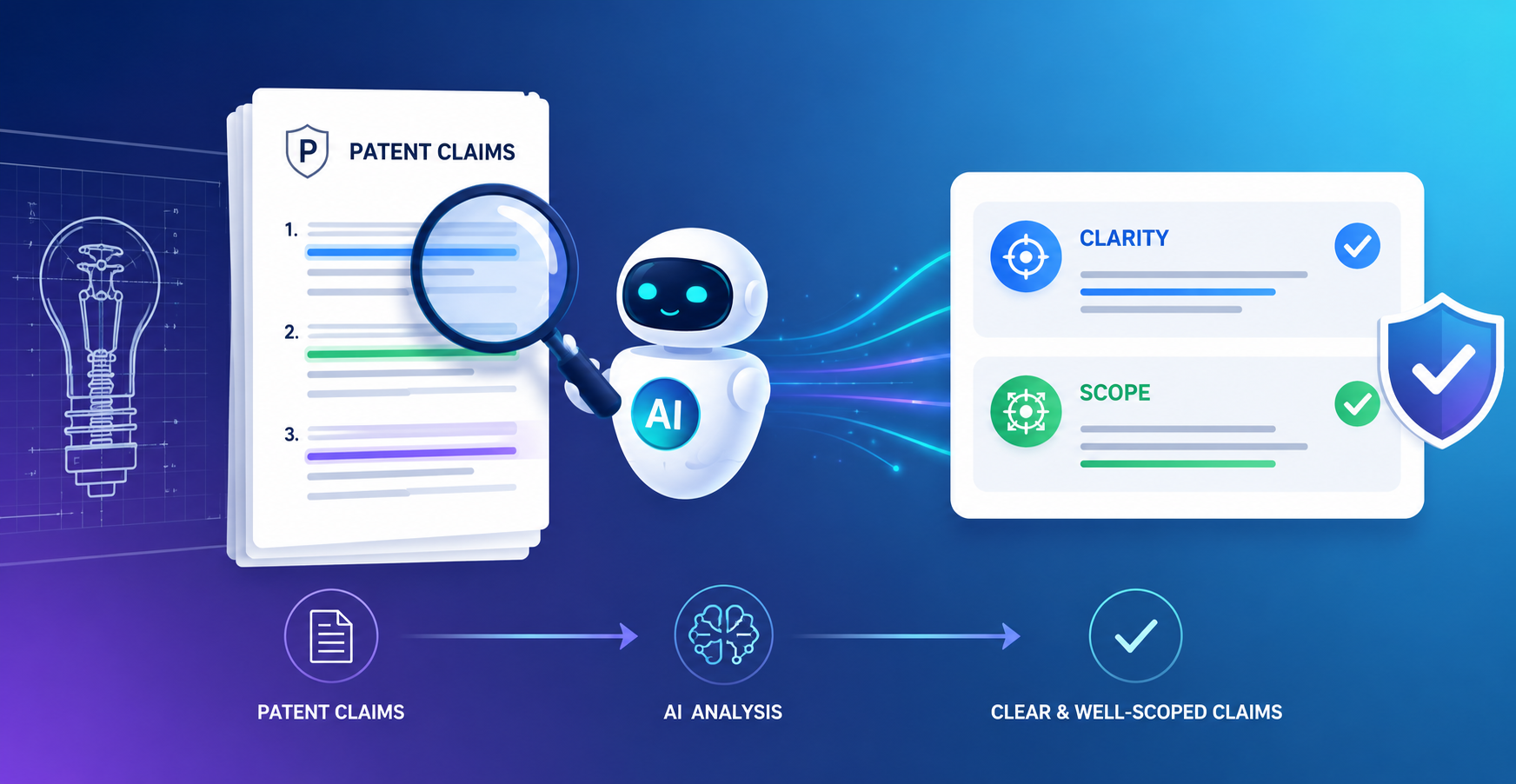
How AI Helps Review Patent Claims for Clarity and Scope
Patent claims are the part of a patent that says what your invention protects. If the claims are too narrow, others may work around them. If they are too broad, they may get rejected or become weak later. If they are unclear, your team may waste time, money, and energy trying to fix problems that…
-
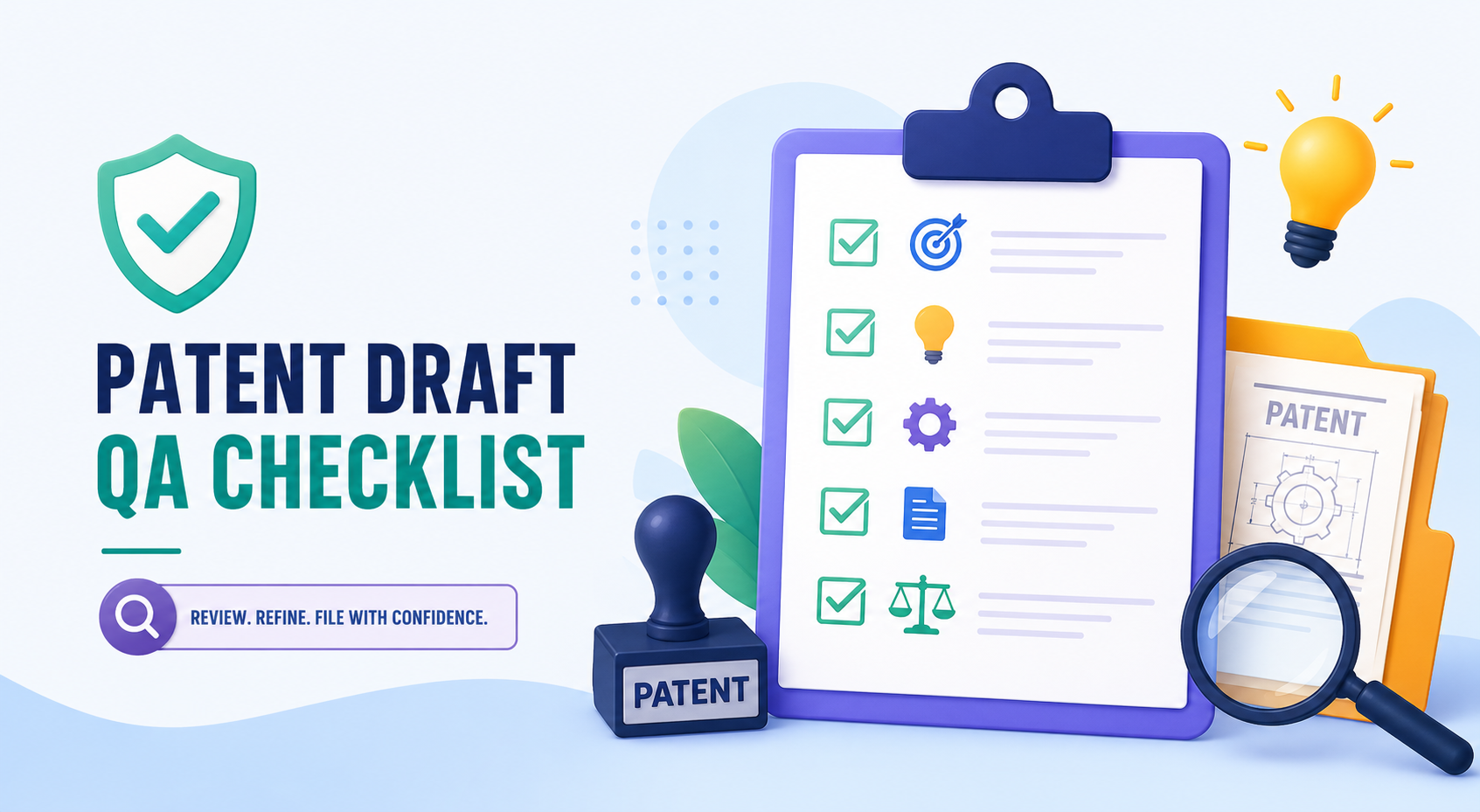
Patent Draft QA Checklist: What to Review Before Filing
A patent draft is not something you should rush out the door. Before filing, you want to slow down for one smart step: a clean QA review. This is where you check if the draft truly explains your invention, protects the real value, and avoids small mistakes that can cause big problems later. Start by…
-
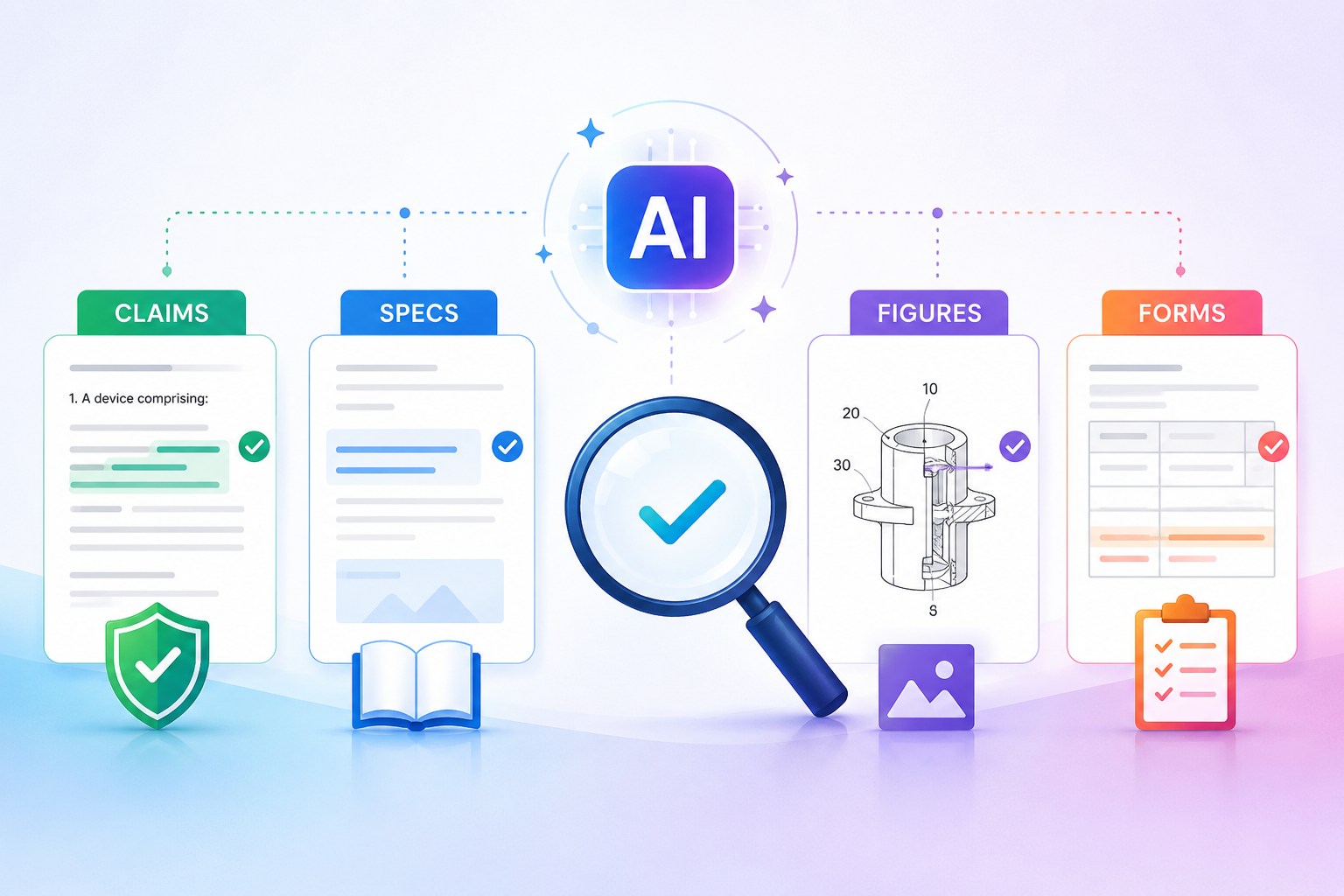
AI for Patent Proofreading: Claims, Specs, Figures, and Forms
A patent can protect the heart of what your team is building. But one small mistake can slow things down, weaken your filing, or create stress later. That is why proofreading matters. PowerPatent brings smart AI tools together with real patent attorney oversight, so you can move faster without guessing. You can see how it…
-
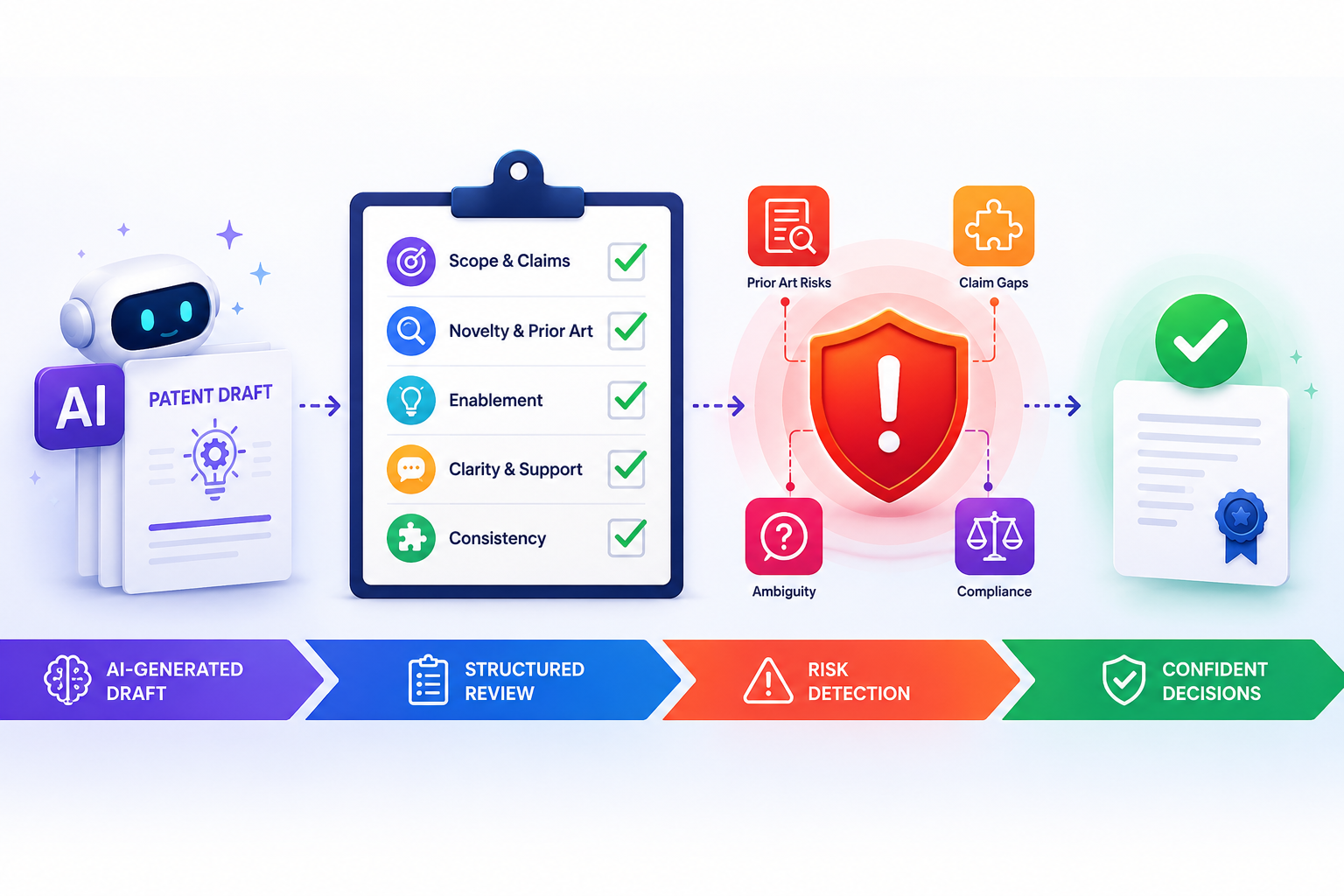
How to Review AI-Generated Patent Drafts Without Missing Risks
AI can help you draft faster. It can spot ideas, shape claims, and turn rough notes into a clean first version. But speed is not the same as safety. A patent draft can look polished and still hide big risks. At PowerPatent, we believe AI should speed up patent work, not replace careful review. Smart…
-
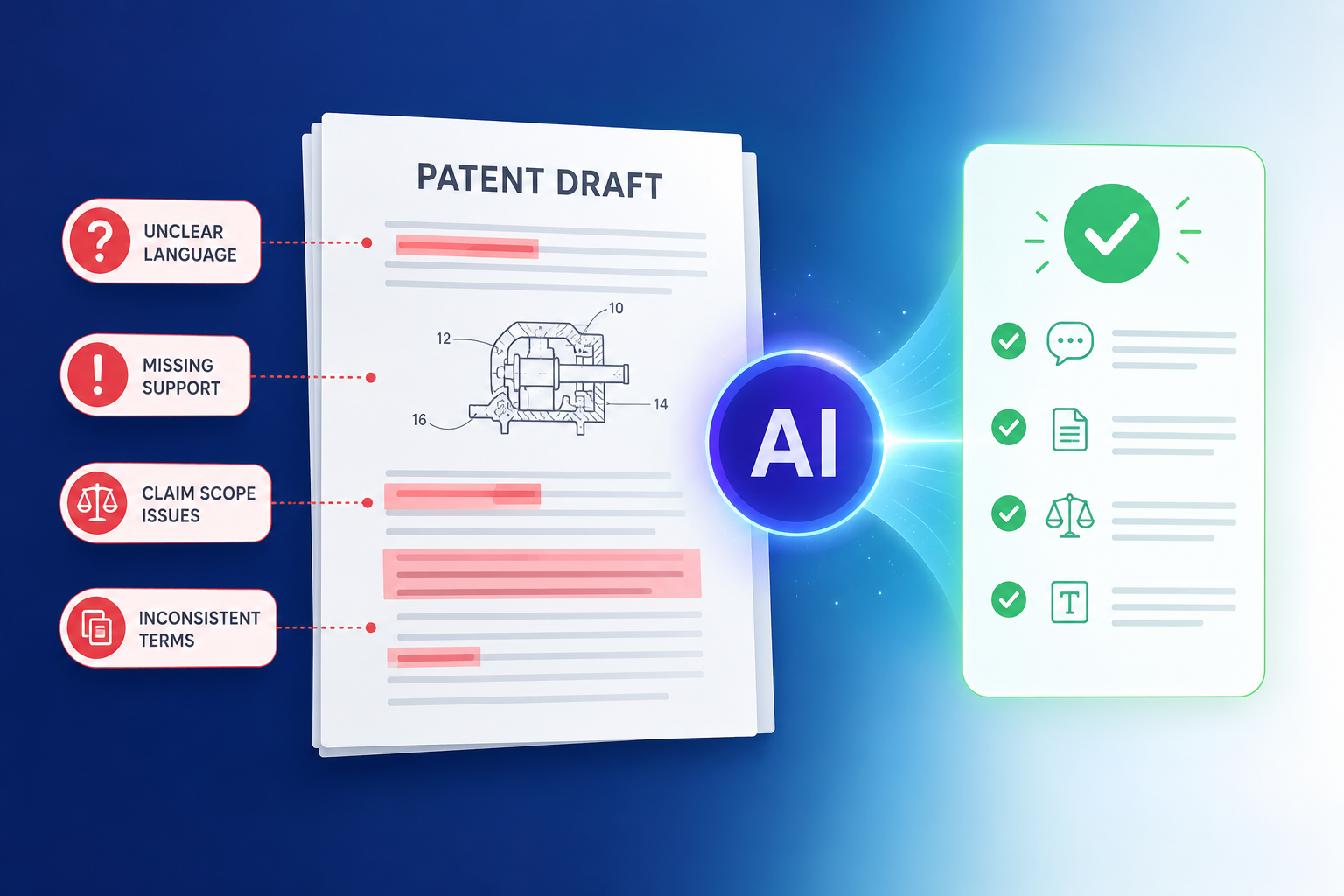
Common Patent Drafting Errors AI Can Catch Fast
A patent draft is not just a stack of words. It is the story of your invention, the map of how it works, and the shield that may protect your startup later. PowerPatent brings smart AI tools together with real attorney oversight, so your invention can move from idea to stronger patent draft with less…
-
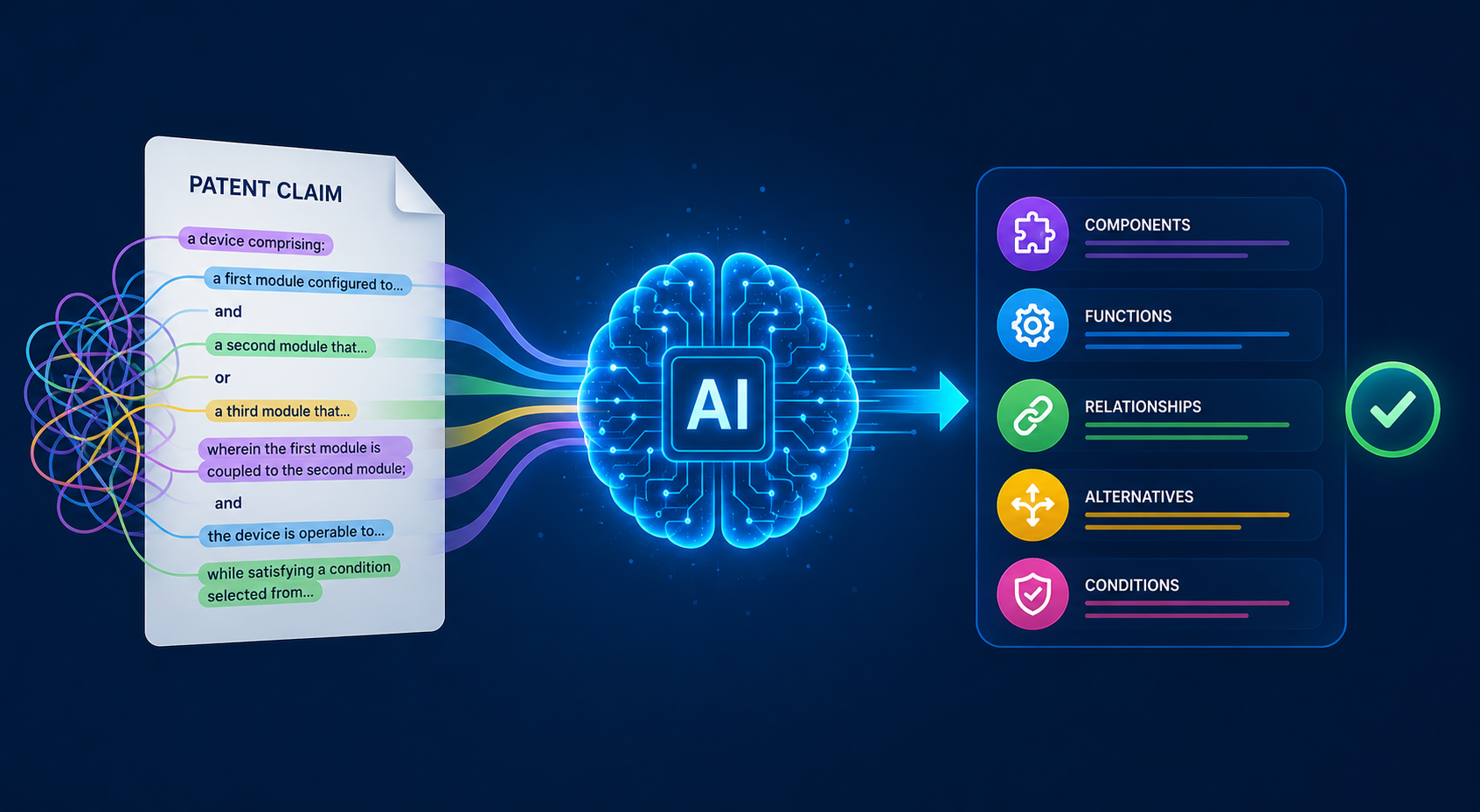
How AI Handles Complex Multi-Limitation Patent Claims
A strong patent claim is not just one big idea. It is often a chain of small parts that work together. Each part matters. Each step matters. Each limit in the claim can decide what is protected, what is left open, and what a competitor may try to work around. Multi-limitation claims are hard because…
-
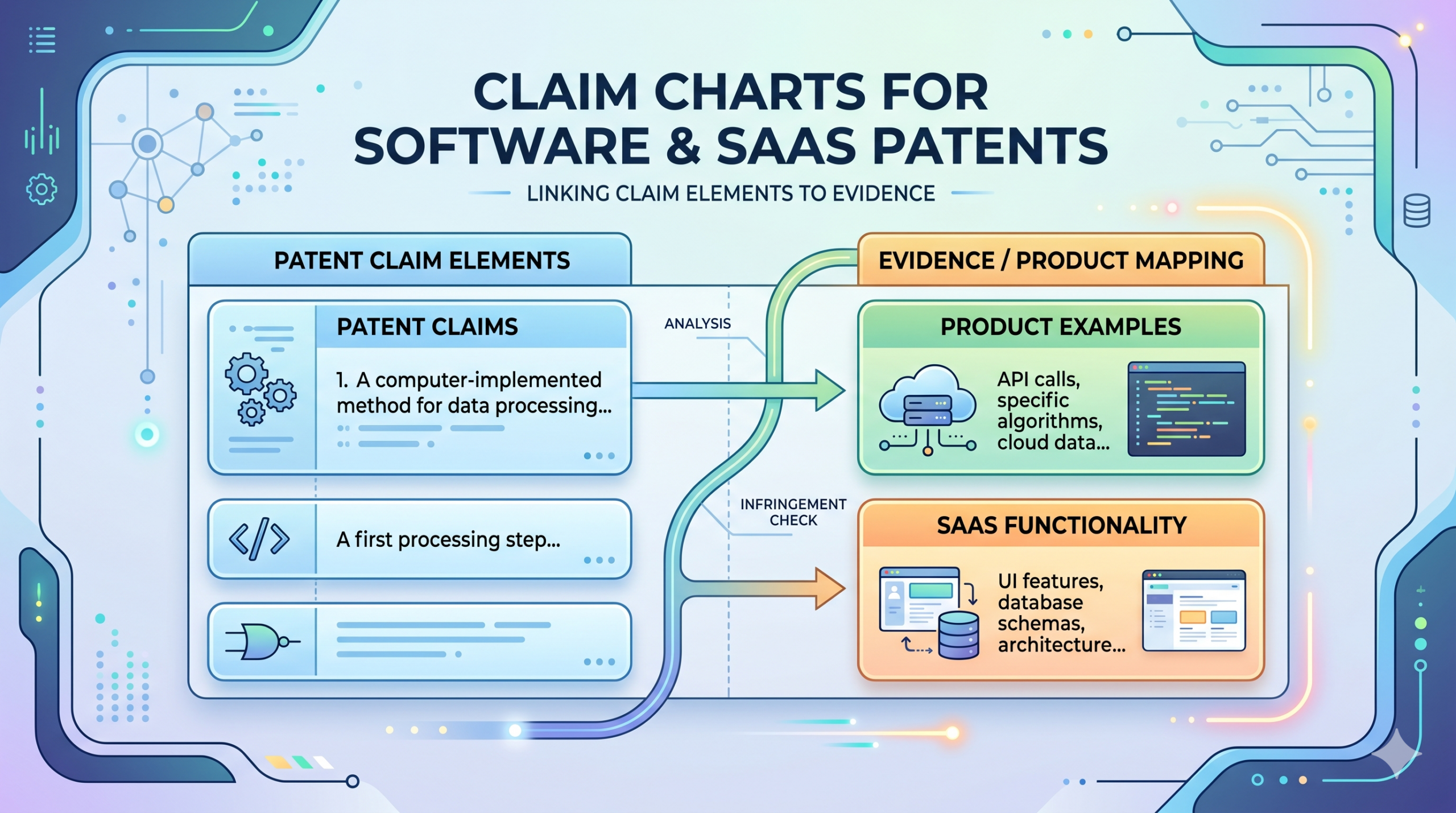
Claim Charts for Software and SaaS Patents
A claim chart may sound like a dry legal tool. It is not. For a software or SaaS startup, it can be one of the clearest ways to show why your invention matters, how it works, and where the value lives. A claim chart turns your software patent from a big idea into clear proof…
-
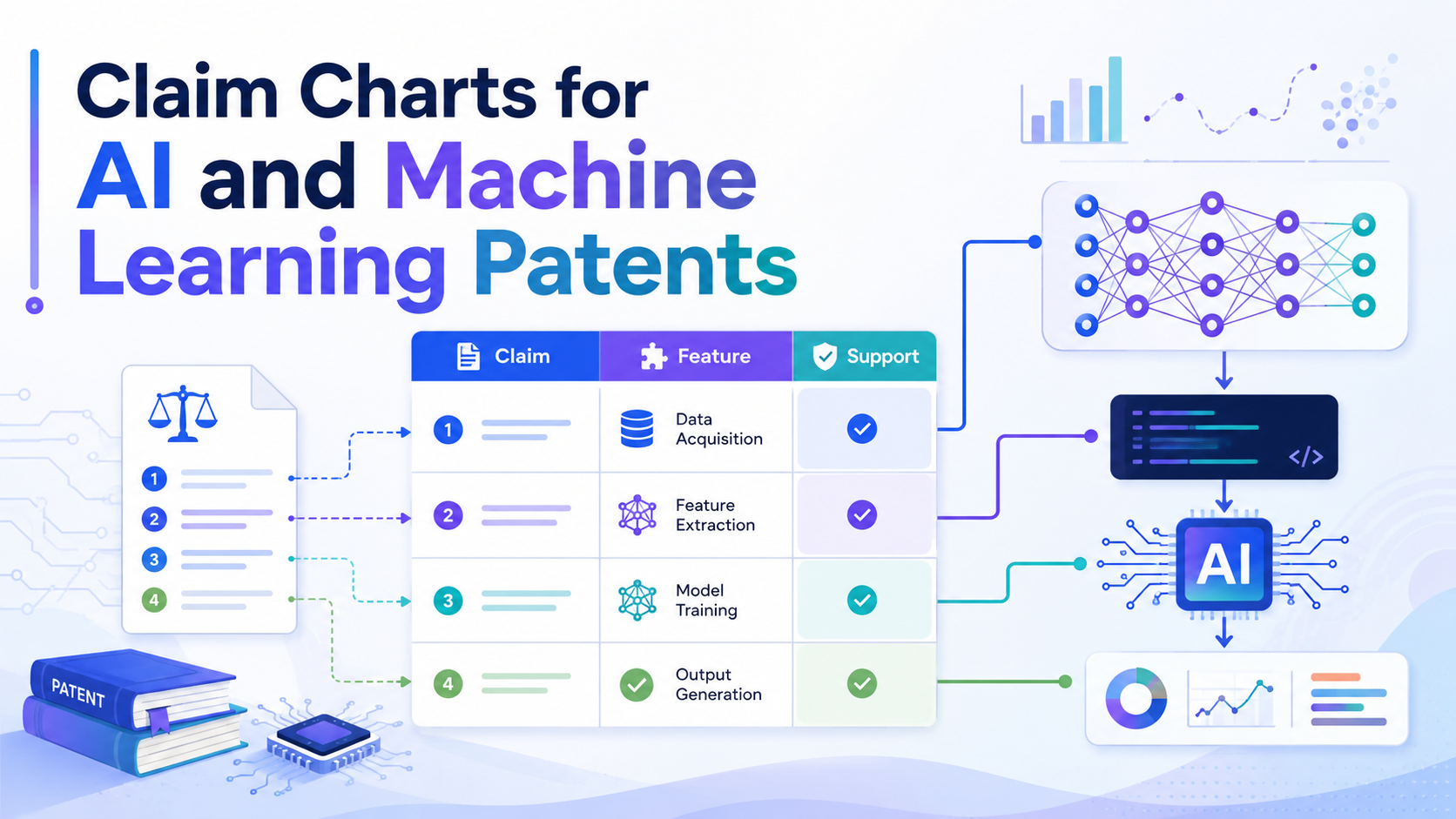
Claim Charts for AI and Machine Learning Patents
AI patents can get messy fast. One claim may talk about training data, model steps, feature extraction, prompts, embeddings, inference, feedback loops, or hardware. A claim chart brings all of that into one clear view. Why claim charts matter so much for AI and machine learning patents A claim chart is one of the most…
-
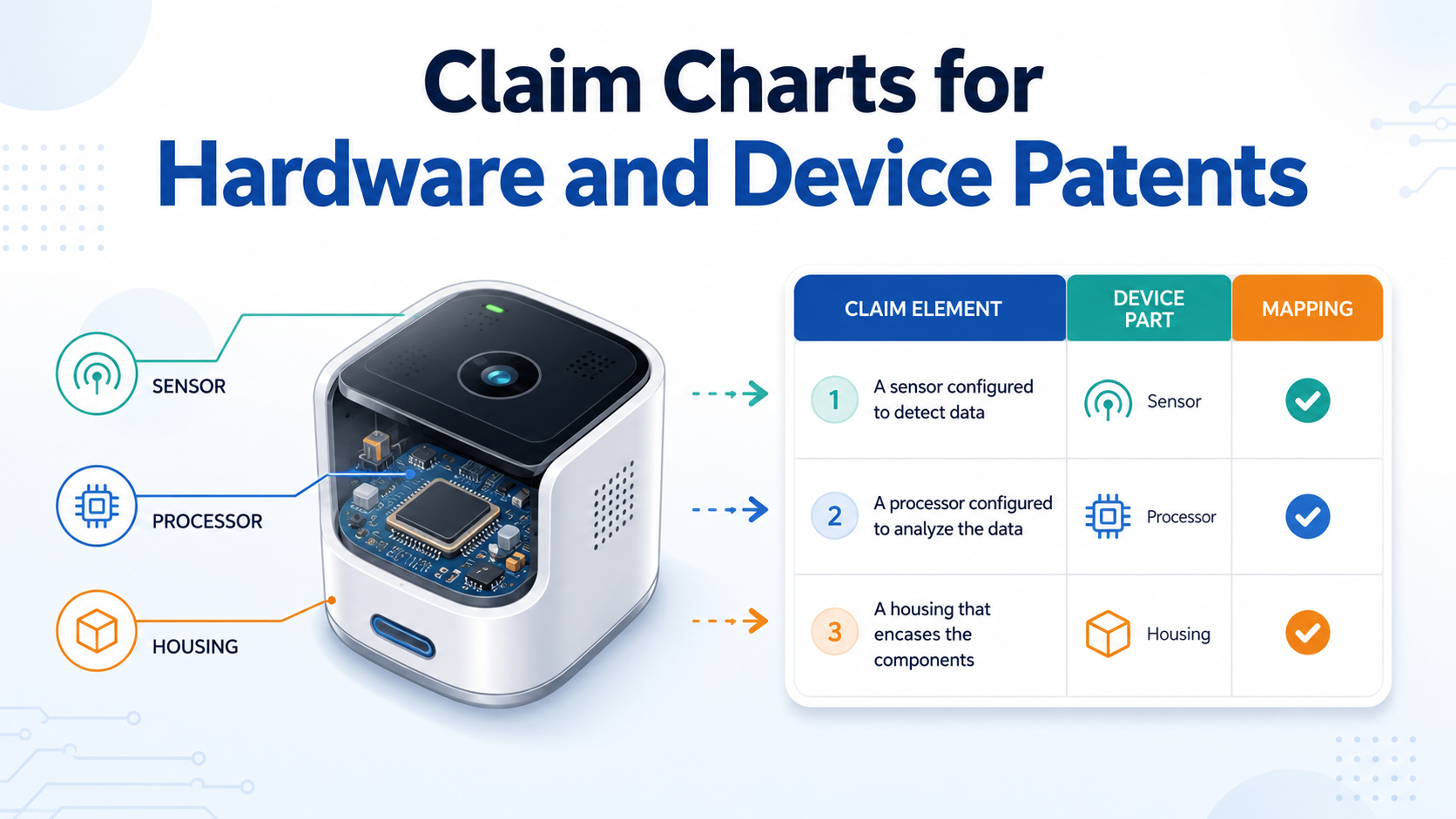
Claim Charts for Hardware and Device Patents
A strong hardware patent is not just about having a smart device, a clever circuit, or a new machine part. It is about showing, in plain terms, what makes your invention different and why that difference matters. A claim chart helps you see the patent before you file it A hardware patent can look strong…
-
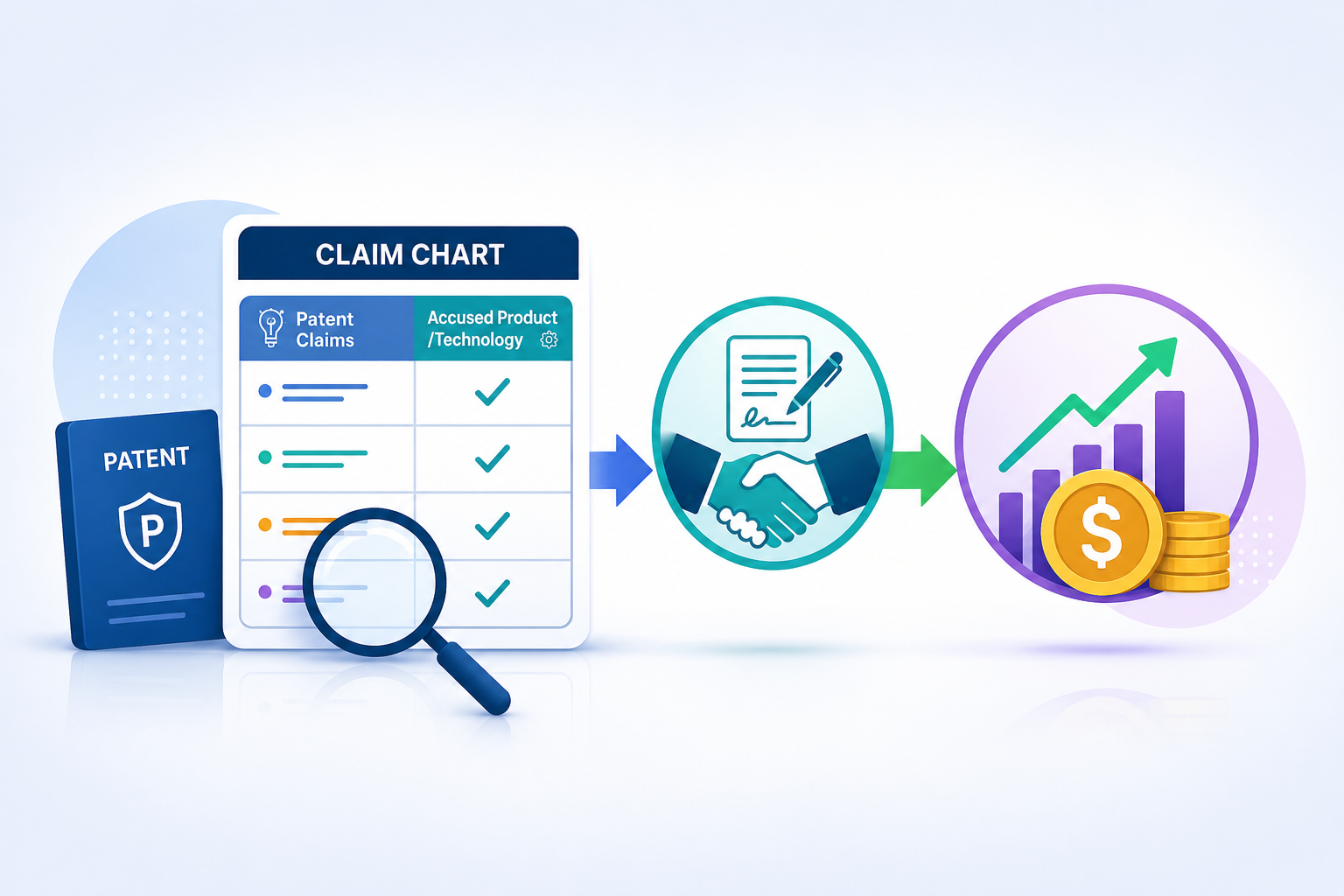
Using Claim Charts for Licensing and Patent Monetization
A patent can look strong on paper, but buyers, partners, and investors want something more direct. They want to see what the patent covers, who may be using it, and why it matters in the real world. That is where a claim chart helps. Claim charts make patent value visible before money talks begin A…