Category: Patent Basics
-

Common Patent Filing Mistakes and How to Avoid Them
You’re building something new. Something powerful. Maybe it’s software, maybe it’s hardware, maybe it’s a mix of both. Whatever it is, it’s yours. And it’s valuable. Thinking Too Small or Too Late Patents Are Not Just for Big Tech—They’re for Fast Movers Many startup founders make the mistake of thinking patents are only for massive…
-

How Long Does It Take to File and Get a Patent?
If you’re building something new and exciting—a product, a piece of software, a machine, a system—you’ve probably wondered how long it actually takes to get a patent. You might have heard it takes forever, or that it’s super complicated. And maybe you’re worried it’ll slow you down or distract you from building. That’s fair. Filing…
-

How to File a Patent Internationally Without Losing Your Rights
If you’ve built something new, something clever, something the world hasn’t seen before—your next step might be to protect it. You may already know how to file a patent in your home country. But what happens when you want to protect it in more places? What if your idea takes off globally? What if someone…
-

How to File a Patent: A Step-by-Step Beginner’s Guide
You’re building something amazing. Maybe it’s a new kind of software. Maybe it’s a piece of hardware. Or maybe it’s a clever system that solves a big problem. Whatever it is, it’s yours—and you want to protect it. You’ve probably heard the word “patent” tossed around. You might have even Googled how to get one.…
-

Provisional Patent Filing: What It Is and When to Use It
If you’re building something new—something big—you need to protect it. Ideas move fast. Competitors move faster. And when you’re a founder or engineer racing to launch, the last thing you want is to get slowed down by lawyers or paperwork. What Is a Provisional Patent? Think of it like a time-stamped placeholder When you file…
-

Non-Provisional Patent Application Explained Simply
You built something new. Something smart. Maybe it’s code, maybe hardware, maybe a process no one’s seen before. Whatever it is—it works, and it matters. Now you’re wondering how to keep it safe. You’ve heard of patents. Maybe even tried Googling a few things. But it’s all felt like a maze of legal words, forms,…
-

Patent Filing Timeline: From Idea to Grant
Every great product starts with an idea. A small spark. A moment of clarity. That instant when you think, “This could change everything.” But what happens after that moment? How do you protect that idea before someone else builds it, claims it, or copies it? The Moment You Think of Something New Why This Moment…
-
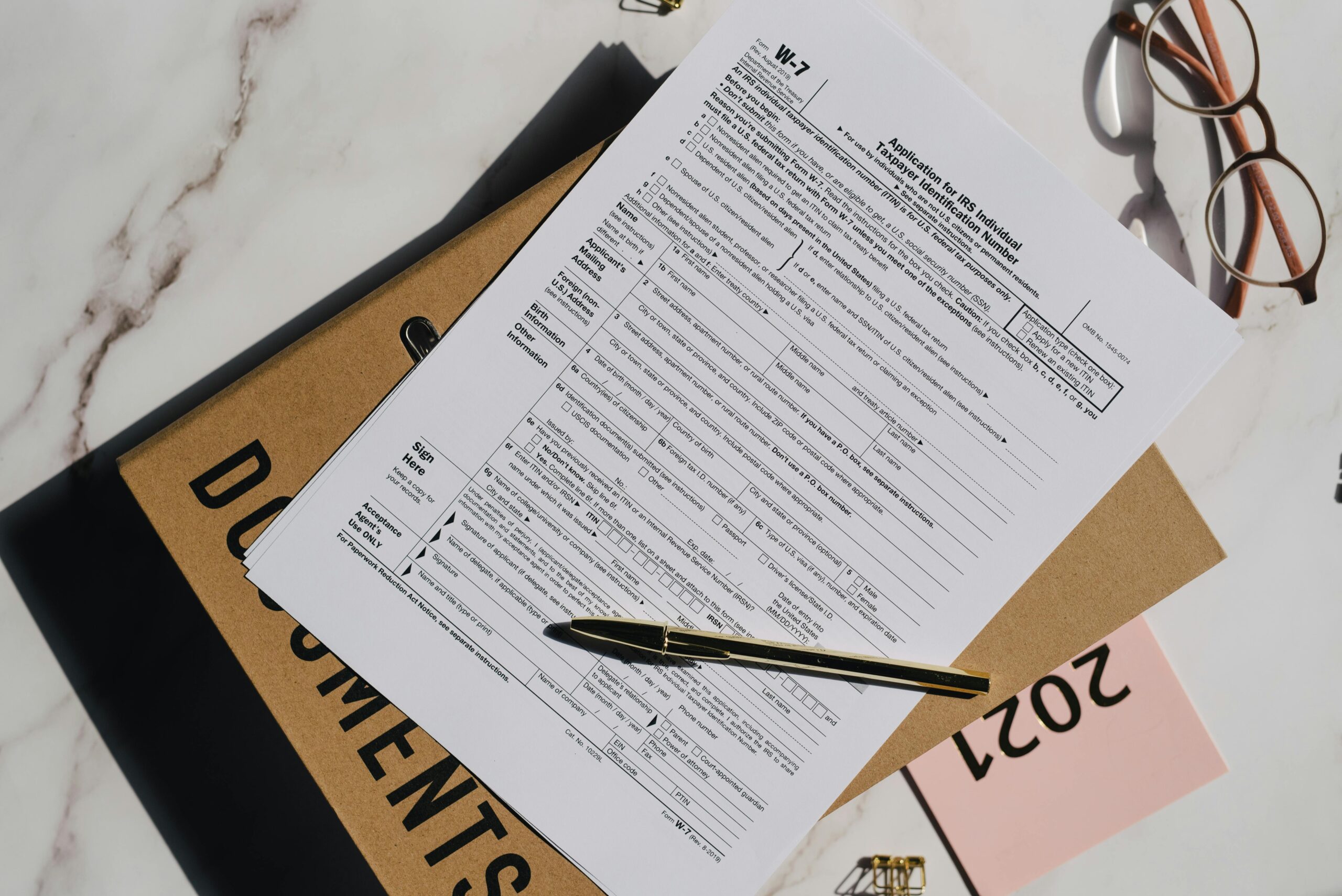
How to Fill Out a USPTO Patent Application Without Mistakes
Filing a patent sounds tough. It feels like you need a law degree, a ton of time, and maybe a little luck. But here’s the truth: you can absolutely do this if you know the steps, avoid the common traps, and get some smart help along the way. Understanding What the USPTO Actually Wants Why…
-

Can You Patent a Formula or Law of Nature?
Patents are meant to protect new ideas. If you invent something useful, you can ask for a patent so that no one else can use, make, or sell it without your permission. But not everything can be patented. Some things, like natural laws or mathematical formulas, are off-limits. What Is a Patent, Really? Understanding Patents…
-

The Role of Technical Effect in Patent Eligibility
That might sound abstract. But it’s actually the key that unlocks real protection for your invention. Whether you’re coding AI, building hardware, or creating a new platform, the technical effect is what separates an idea that’s just “clever” from one that’s legally defendable. What Is “Technical Effect” Really? Think of It Like This… Imagine you…