
Keeping a patent alive should be simple. You built something real. You proved it was new. You went through the long wait to get that approval letter. But after all that work, one small missed payment can make the whole thing fall apart. That’s why maintenance fees and annuities matter so much. They are the quiet rules behind every patent. If you stay on top of them, your patent stays strong. If you miss them, even once, your rights can disappear overnight.
Why Maintenance Fees Matter More Than Most Founders Realize
This part of the article helps founders see why these fees are more than just payments on a calendar.
They shape the long-term power of a patent, the strength of a business, and the control a startup keeps over its own invention. When founders understand the real impact, the decisions around these fees become clearer, faster, and far less stressful.
The Hidden Role Maintenance Fees Play in Protecting Market Position
Every founder dreams of a world where their product stands alone. Maintenance fees quietly support that dream by making sure the patent guarding your idea stays alive.
Without those payments, competitors suddenly gain room to move, copy, or undercut. Many founders do not realize how quickly that gap opens.

Even a short lapse can pull the ground out from under months or years of product strategy. Paying on time is not simply a legal requirement. It is a business shield that keeps your advantage intact.
Why These Fees Are a Forced Checkpoint for Strategic Thinking
Maintenance fees arrive at predictable moments, and each one is an opportunity to ask whether your patent still aligns with your roadmap. These payments force clarity.
They push founders to look at where the company is going, what the product is becoming, and how the market is shifting.
Instead of treating the fees as a nuisance, founders can use them as a scheduled pause to rethink how the invention supports the next stage of growth. This simple mindset shift turns a deadline into a strategic advantage.
How Missed Fees Disrupt Future Partnerships
When a patent lapses, even briefly, trust breaks. Investors start asking questions.
Partners become cautious. Larger companies hesitate to license technology if they sense instability. A clean maintenance record sends a strong message that the company is organized, reliable, and protecting its core assets.

This reputation matters more than most founders expect, especially during negotiations where the other side digs into every detail. Staying ahead of fees keeps your story strong because you never have to explain a mistake.
Why Predictability Matters When Planning Cash Flow
Startups often live in unpredictable cycles. Revenue grows and dips. Funding closes and stretches. Amid all that noise, maintenance fees offer something rare: dates you can plan for years in advance.
When founders take these dates seriously early on, they build a smoother financial picture. They avoid scrambling for cash at the wrong moment.
They also avoid making rushed decisions about whether to keep or drop a patent. Predictability might not feel exciting, but in a startup world filled with chaos, it becomes a powerful tool.
The Way Maintenance Fees Signal Maturity To Outside Stakeholders
A startup that manages its patents well shows discipline. It sends the message that the team is thinking long term, not just sprinting from milestone to milestone.
This becomes a quiet but meaningful part of how others see your business. Whether you are talking with a potential acquirer, an investor, or even a major customer, the way you handle these fees reflects your leadership style.
Mature companies do not let rights slip away. When you maintain your patents on time, you stand in that same category.
How Proper Fee Management Helps You Avoid Costly Reinstatements
Reinstating a lapsed patent is possible in some cases, but it is expensive, slow, and stressful. The bigger problem is that reinstatement leaves a trace.
Anyone searching the patent history will see the lapse, and that can weaken negotiations later because it introduces uncertainty. Once doubt enters the picture, it is hard to erase.

Keeping your patent active from day one avoids that entire storyline. It creates a clean record that supports stronger pricing, stronger deals, and stronger confidence.
Why Fees Are a Simple Way To Stay Ahead of Competitors Without Spending More
Most founders think competitive strategies require huge budgets, but keeping your patent alive is one of the simplest moves you can make.
It stops competitors from stepping into your territory without you having to fight them in court or outspend them in marketing.
A small, predictable payment protects an entire category you created. Many startups overlook this, but the smartest teams treat maintenance as a quiet moat that works for them every single day.
How Automation Reduces Mental Load and Frees You To Build
The real burden with maintenance fees is not the payment. It is the fear of forgetting. Many founders keep reminders in calendars and project tools, but those systems break when the team gets busy.
Automation changes everything. When software tracks deadlines, predicts costs, and notifies you early, you remove the anxiety and guesswork. It turns a stressful process into a simple yes or no decision.
This is exactly what PowerPatent helps founders with, so nothing slips through the cracks. You can explore how the system works at https://powerpatent.com/how-it-works anytime.
Why Early Awareness Prevents Future Scaling Problems
In the early days, a founder may only have one patent to manage. As the company grows, there might be ten or twenty.
The habits you build today determine whether your future workload becomes overwhelming or stays under control.
Understanding maintenance fees early sets a foundation. It helps you create simple internal routines so future patents slot into an organized structure rather than adding chaos.
By thinking ahead now, you keep your future team from inheriting a tangled mess.
How Maintenance Fees Become Part of Your Long Game
A patent is not just a document. It is a long-term commitment to protecting something you created. Maintenance fees anchor that commitment. They signal that you are not just experimenting. You are building something real and lasting.
When founders treat these fees as an essential part of their strategy rather than a frustrating obligation, they build stronger companies.

The long game becomes clearer. The invention remains safe. And every next step becomes easier because the core stays secure.
How Patent Annuities Really Work (And Why Missing One Hurts So Much)
This section pulls back the curtain on what actually happens when a maintenance fee is missed. Many founders think it is simply a late charge or a small delay.
In reality, a missed payment can open the door to lost rights, weaker deals, and broken trust. By understanding these risks clearly, you can take simple steps to avoid them and keep your business safe.
When a Patent Lapses, Competitors Get an Opening
A lapsed patent is not a quiet event. The moment it becomes inactive, the protection you worked so hard for can vanish. Competitors who have been watching from the sidelines can suddenly step forward and act without fear.
They can copy your core technology or build around it faster than you expect. Once they start, you cannot push them back in time.

Even if your patent is later reinstated, the damage during the gap cannot be undone. This is the real reason why staying on top of fees is not just about compliance but survival.
Why Investors React Strongly to Missed Deadlines
Investors understand that patents are living assets. They expect clean histories and steady management. A missed maintenance fee tells them something deeper about the company. It signals that operations might be chaotic or that internal systems may not be reliable.
This creates doubt, and doubt slows funding conversations. Even if the lapse was short and fixed quickly, investors often view it as a red flag.
They want confidence that the team can protect the asset that gives the startup leverage. When your patent record is spotless, the story you tell investors becomes much stronger.
How Lapses Complicate Future Licensing Deals
Licensing is one of the most powerful revenue tools a startup can have. But companies looking to license technology will study the patent’s history closely.
If they see a lapse, no matter how small, they may question the strength of the asset. That doubt forces them to negotiate harder. They may demand lower rates or stronger guarantees.
This is an unnecessary disadvantage that can be avoided by making sure your fee schedule never slips. A clean patent record supports stronger deals because it reflects stability and seriousness.
Why Reinstatement Is Not a Simple Safety Net
Many founders assume reinstatement will save them if something goes wrong. But reinstatement is slow, expensive, and uncertain.
Patent offices want proof that the lapse was unintentional, and even then, approval is not guaranteed. During this waiting period, competitors may act freely. Worse, your rights during the lapse period may not fully recover.
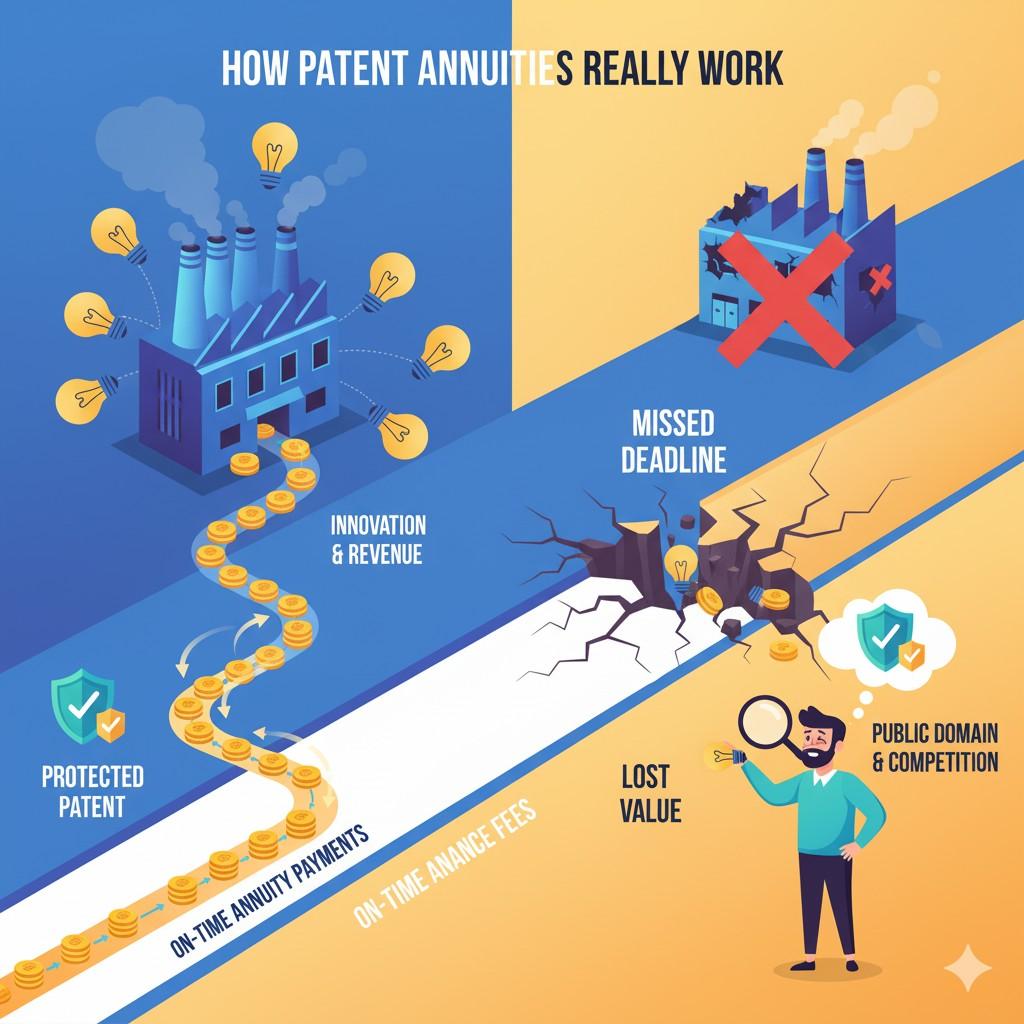
Even after reinstatement, people may rely on the fact that your patent was once inactive. This grey area creates legal uncertainty that can weaken your position for years. Avoiding a lapse is always easier than fixing one.
The Cost of Lost Time During a Lapse
When a patent lapses, teams lose time. You may need lawyers to file petitions, gather documents, explain the lapse, and negotiate with the patent office.
That time could have been spent building your product or closing deals. Hidden opportunity cost is one of the biggest drains most founders never measure.
Every hour spent fixing a preventable lapse slows down momentum. Staying ahead of maintenance fees keeps your team focused on growth, not damage control.
How A Single Missed Fee Can Change an Exit Conversation
During acquisition talks, every detail matters. Large companies study patent portfolios carefully because these assets often shape deal value. A patent lapse, even years old, raises questions during due diligence.
Buyers may ask whether the rights were weakened, whether competitors acted during the lapse, or whether the internal processes of the startup were reliable. These questions slow down deals and sometimes reduce valuations.
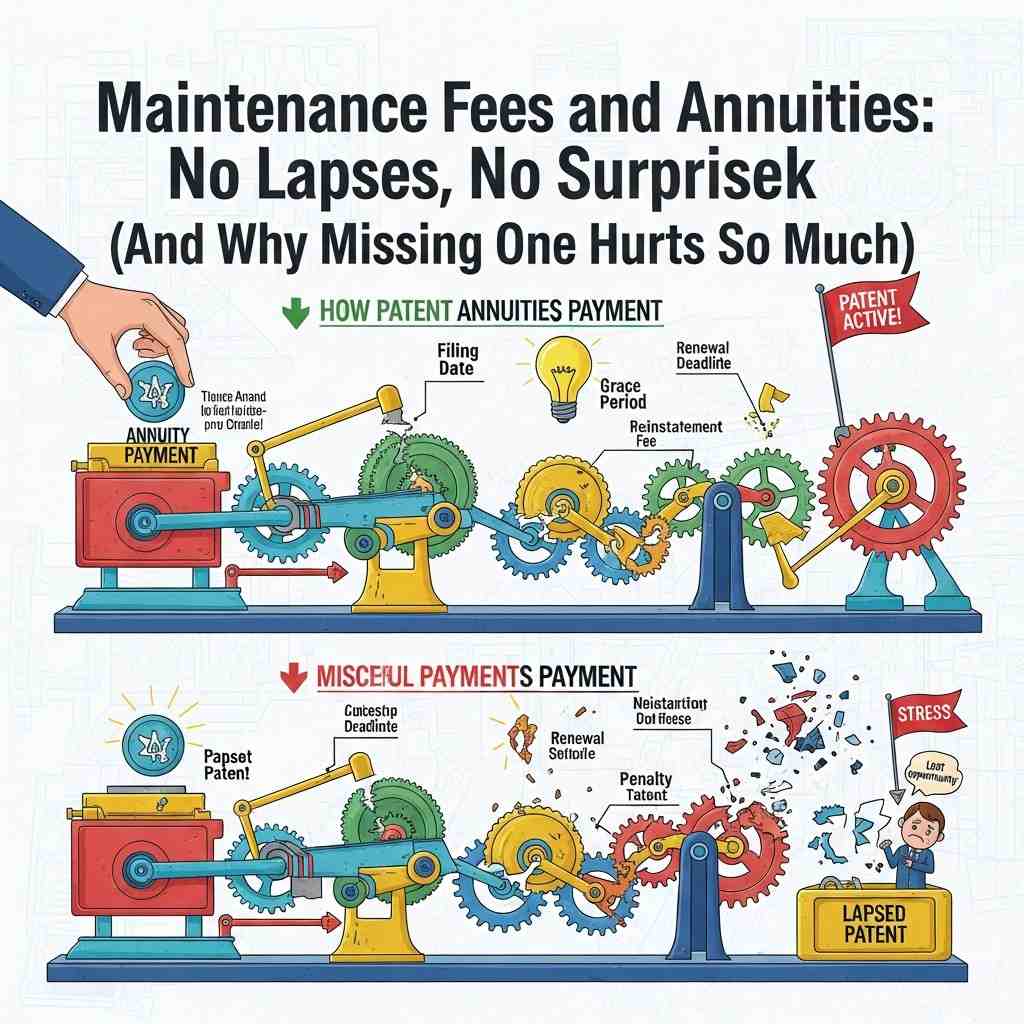
A tiny administrative slip can ripple into a major financial consequence. Keeping your record clean makes exits smoother and more profitable.
Why A Clear Maintenance Strategy Makes You Look Stronger
Founders sometimes think only large companies need formal maintenance systems.
The truth is, early-stage startups benefit from them even more. When you have a repeatable process for handling fees, you show discipline. You show that the company is thinking ahead instead of fighting fires.
This gives partners, investors, and even employees confidence. Your team feels more secure knowing that the foundation of your intellectual property is solid. Confidence spreads outward and becomes part of your brand identity.
When Growth Outpaces Tracking Systems
A company with one patent can track its deadlines easily. But growth changes everything. When you add a second or third patent, new deadlines appear. International filings create even more dates.
The calendar becomes crowded. Many founders try to track everything manually until it fails, and once it fails, it tends to fail loudly.
If a company grows faster than its systems, the risk of missing a fee climbs sharply. This is why planning early matters.
A reliable structure now protects you later when speed increases and the stakes rise.
How Automation Creates Calm Instead of Chaos
The best way to avoid missed payments is not more reminders but better systems. Automation removes the pressure from the founder’s plate and places it into a tool designed for precision.
Instead of wondering whether you remembered every deadline, you get notifications long before anything becomes urgent. You can approve or delay payments with clarity, not stress.
This is why platforms like PowerPatent help founders keep their patents safe without thinking about dates every week. It removes the mental noise so you can focus on building your company. If you want to see how this works in real time, you can take a look here: https://powerpatent.com/how-it-works.
Why Staying Ahead of Fees Protects Long-Term Vision
Your patent supports your mission. It is part of the story you tell your customers, investors, and partners.
When you manage maintenance fees smoothly, you secure that story. You keep your invention protected so your long-term plan stays intact.
Every fee you pay on time is a step toward a future where your product stands firm against competition and your company grows without avoidable disruptions.
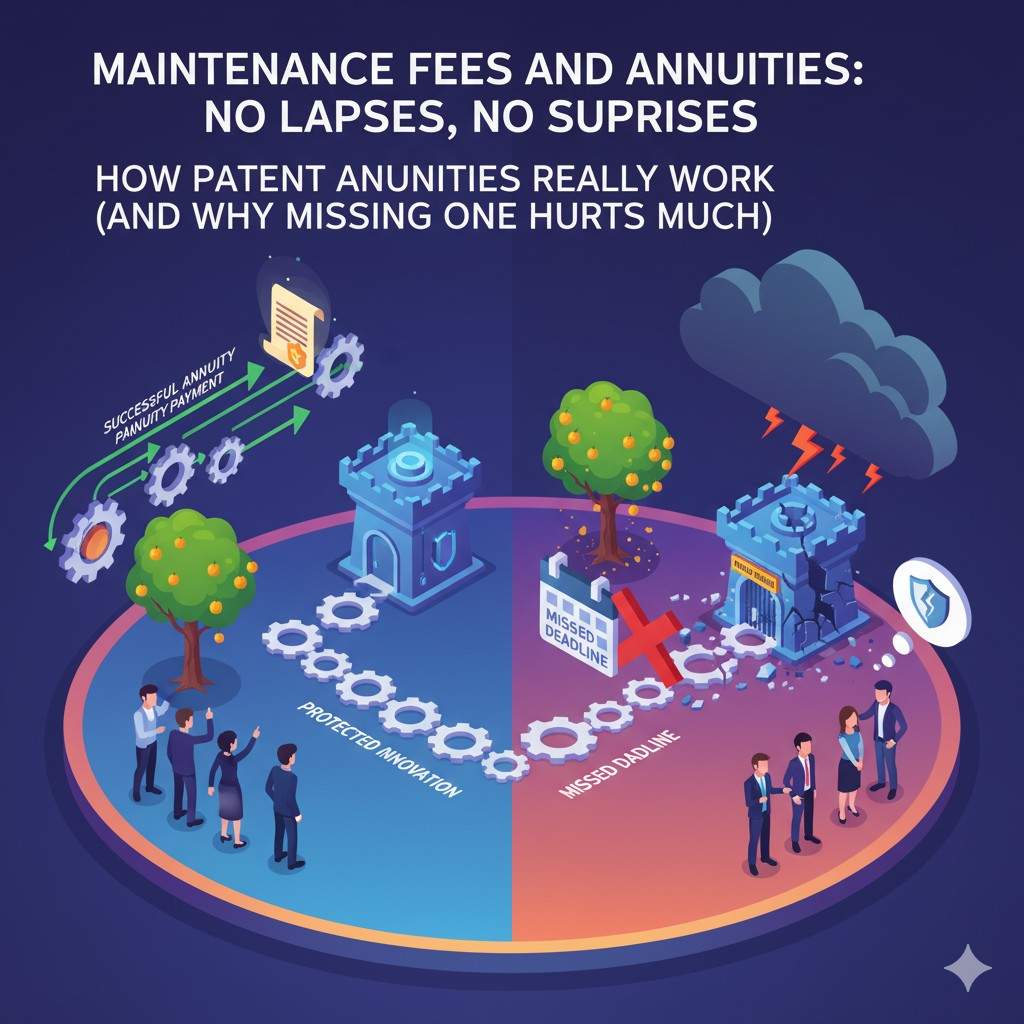
When fee management becomes simple and steady, everything else becomes easier. You move forward with fewer surprises and more confidence.
A Simple, Stress-Free Way to Keep Every Patent Alive and Protected
This section explores how maintenance fees connect to the bigger picture. Many founders see them as small tasks, but in reality, they shape how patents work for your business over time.
When you manage fees well, your whole patent strategy becomes stronger, cleaner, and easier to scale. This part shows how to turn fee management into a powerful advantage.
Why Tracking Fees Gives You a Clear View of Patent Value
When founders monitor fee deadlines closely, they start to see patterns in how their patents perform.
You get a clearer sense of which inventions support your core business, which ones are still growing, and which ones may not deliver long-term value. This clarity is important because every patent costs money to maintain.

When you understand the value of each one, you know which ones should stay, which ones can be retired, and which ones deserve more focus. This helps you invest wisely instead of spending blindly.
How Fee Awareness Helps You Prioritize Innovation
Maintenance fees encourage founders to think about the life cycle of each invention. A patent is not simply filed and forgotten. It grows as your company grows.
When you watch maintenance deadlines, you also watch how your technology evolves. This helps you see where new improvements are needed and where new filings should be made.
The act of staying aware keeps innovation alive. It becomes part of a rhythm that guides your team toward building smarter and protecting more effectively.
Why Understanding Fees Helps You Build a Stronger IP Budget
A clear fee schedule gives your team a predictable cost structure. This lets you plan budgets months or even years ahead.
When founders have this visibility, it becomes easier to raise funds, communicate with stakeholders, and avoid sudden financial pressure.
Instead of scrambling for money when a deadline hits, you know exactly what is coming and when it will arrive. This keeps your financial planning steady, even when the rest of the business feels fast and unpredictable.
How Good Fee Management Supports International Expansion
When founders expand into global markets, patent costs rise. Different countries have their own fee schedules and different rules for keeping rights alive. If you already struggle with tracking one patent in one country, a global strategy becomes risky.
But if you already have a strong structure for maintenance fees at home, it becomes easier to layer on international filings.

A simple and stable system today gives you room to grow tomorrow without losing control of your global rights.
Why A Reliable Fee Process Helps You Negotiate With Confidence
Any time you enter a negotiation involving patents, you want to show certainty. Whether you are discussing a partnership, a joint venture, or a licensing deal, the strength of your patent management becomes part of the conversation.
A well-maintained patent portfolio tells the other side that you take protection seriously. It gives you a stronger voice at the table and makes it harder for anyone to push for discounts or special terms.
It turns your patent from a document into a clear advantage.
How Good Management Prevents Internal Confusion
When maintenance fees are tracked loosely, different members of the team may assume someone else is handling them. This leads to gaps, misunderstandings, and sometimes total silence until a deadline is dangerously close.
By having a clear and simple system, everyone understands who is responsible, how decisions are made, and when actions are taken.
This calm clarity prevents last-minute panic inside the team and keeps everyone aligned as the company grows.
When Good Fee Management Helps You Spot Weak Patents Early
Not every patent holds long-term value. Some do not support the product anymore. Others may not protect technology that is still relevant. When you regularly review maintenance fees, you naturally begin reviewing the role of each patent.
This helps you identify patents that may no longer be worth renewing. Instead of paying for something you no longer need, you can redirect that money into new filings that better support your evolving business.
Fee awareness becomes a tool for smarter decision-making.
Why Clear Records Make Legal Work Faster and Cleaner
If a dispute arises or a competitor challenges your patent, clean fee records become invaluable. Lawyers need to show clear proof that every payment was made on time and that the patent remained active without gaps.
When your records are organized, the legal team can move quickly, prepare strong documents, and defend your rights with confidence.
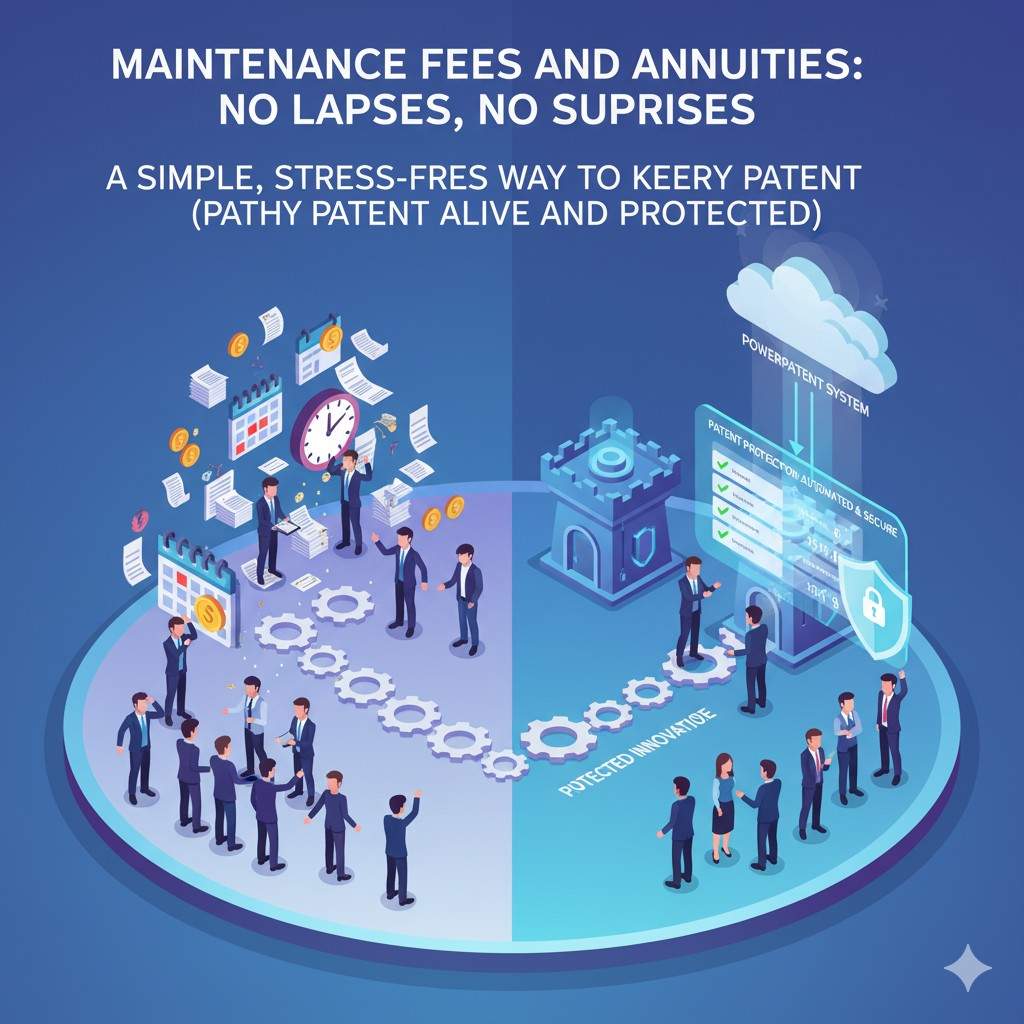
If your records are scattered, the team loses precious time trying to rebuild a timeline. Good management turns potential chaos into clarity.
How Fee Management Strengthens Team Confidence and Culture
A founder who handles maintenance fees smoothly builds trust within the team. People feel safer knowing the company protects its ideas. Engineers feel proud knowing their work is guarded.
Product leaders feel secure knowing competitors cannot freely copy their roadmap. This sense of protection fuels motivation and strengthens your culture.
When people know their work matters and is protected, they put more heart into building the next breakthrough.
When Automation Turns Fee Management From Stressful to Simple
Manual tracking seems fine at the start, but as the company grows, it becomes a risky way to manage your most valuable assets.
Automation changes the entire experience. Instead of chasing deadlines, you get clear alerts with plenty of time to act.
Instead of searching for documents, everything lives in one place. Instead of fearing mistakes, you trust the system to keep you aware.
This shift removes pressure from the founder and gives the whole company a more stable foundation.
This is exactly why many founders choose PowerPatent, which tracks deadlines and simplifies renewals so nothing slips. You can see how it works here: https://powerpatent.com/how-it-works.
Why Staying Ahead Keeps You Ready for Big Moments
Every company faces moments where timing matters. A fundraising round. A product launch. A major partnership. A potential acquisition.
These moments go smoother when your patent history is clean and your fees are always up to date. You never want to be in the middle of an important deal and discover that a key patent is at risk of lapsing.
Staying ahead means you are always ready for big opportunities. It keeps your momentum strong and your conversations simple.
How Fee Management Keeps You in Control of Your Story
A startup’s story is one of its greatest assets. Investors, partners, and customers want to believe in what you are building.
They want to know the invention at the heart of your company is protected and secure. When you manage maintenance fees well, you keep control of that story.

You show that your team is disciplined, responsible, and forward-thinking. You send the message that your work matters and you plan to protect it for the long run. This builds trust and reinforces everything you are working toward.
Wrapping It Up
This final section brings the whole story together. Maintenance fees and annuities may look like small tasks on a calendar, but they touch every part of your business. They protect your invention, shape your strategy, and influence how investors, partners, and competitors see you. When you manage these fees with clarity and consistency, you remove a hidden risk and strengthen the future of your company.
Leave a Reply