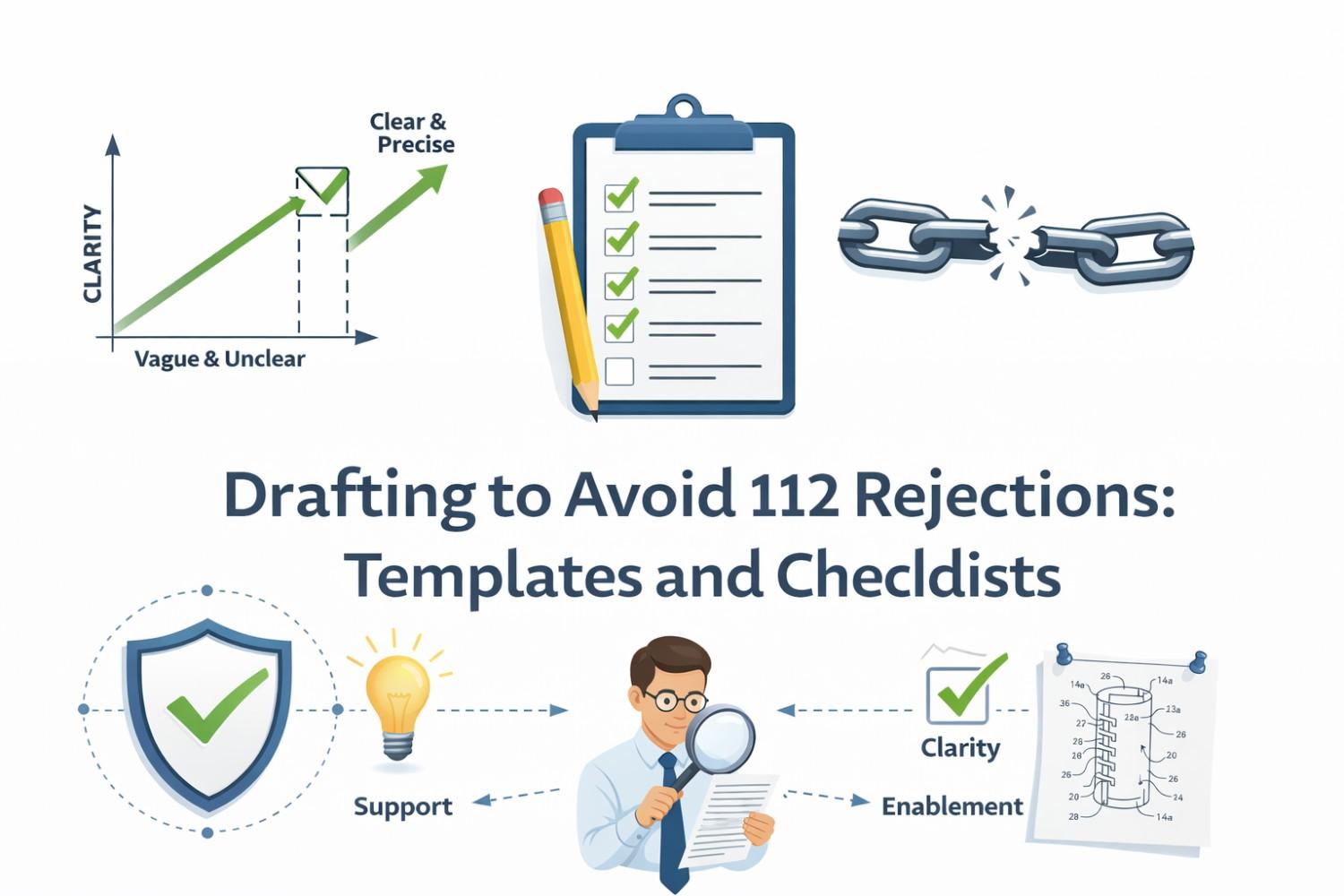
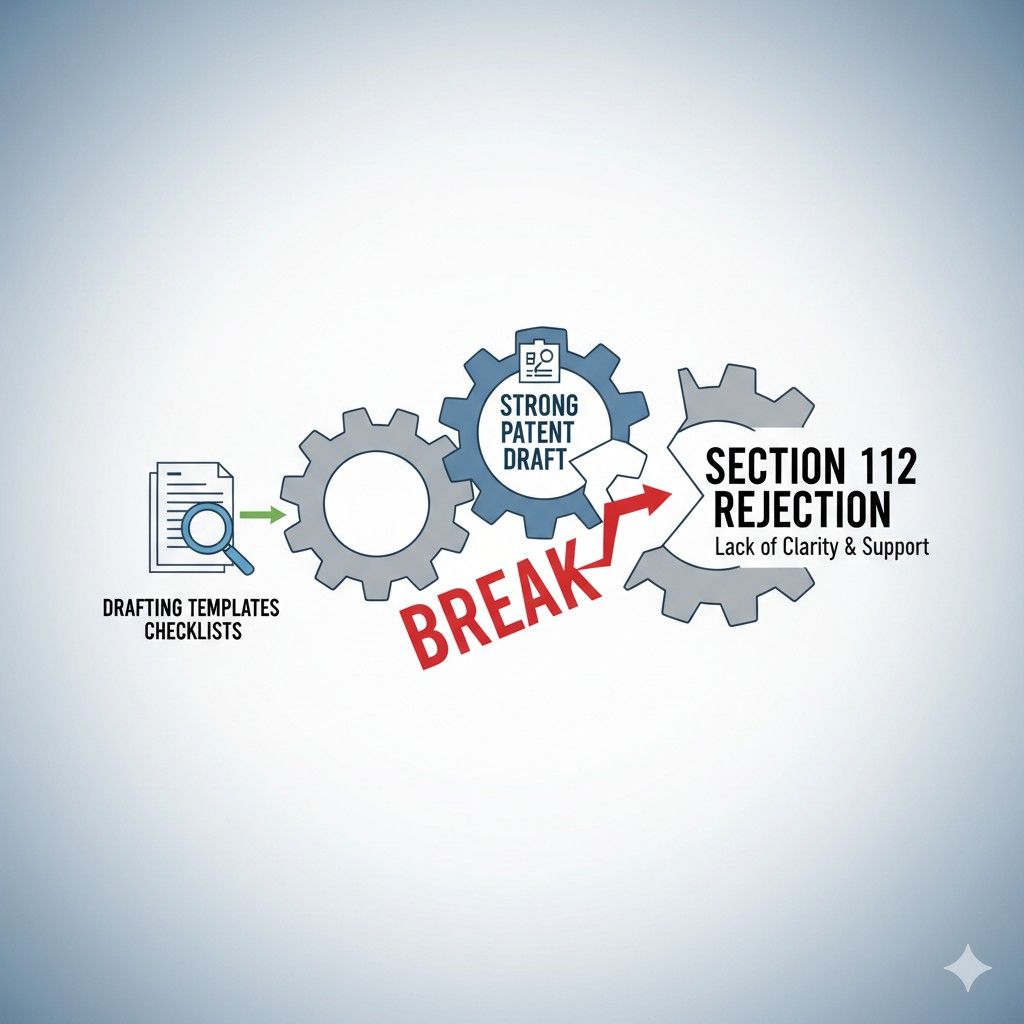
Section 112 rejections do not happen because an invention is weak, they happen because the patent did not explain the invention clearly enough, fully enough, or in the right way, and this is where most founders get tripped up without even realizing it. Engineers naturally write for other engineers and skip steps that feel obvious, but patent examiners are not allowed to fill in gaps, guess intent, or assume how something works, and when they see missing detail, unclear language, or undefined terms, a 112 rejection follows.
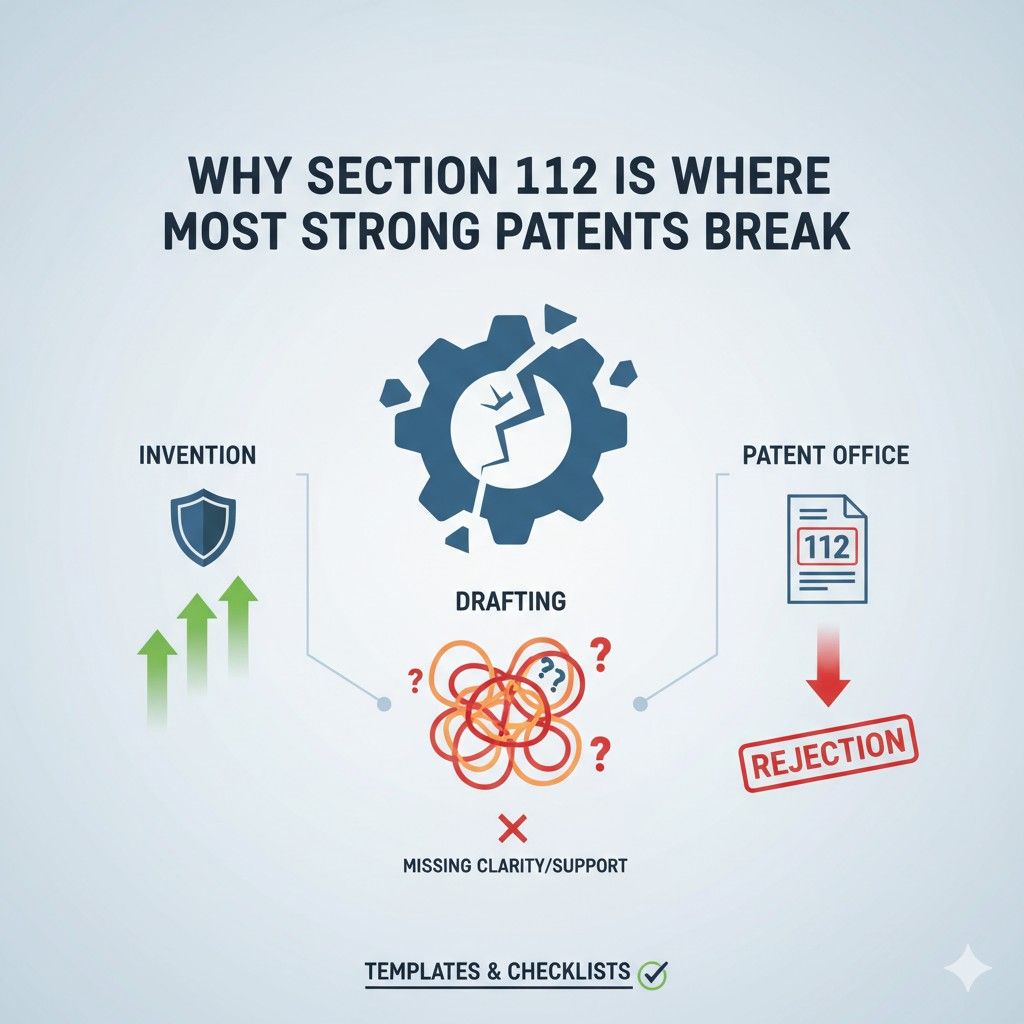
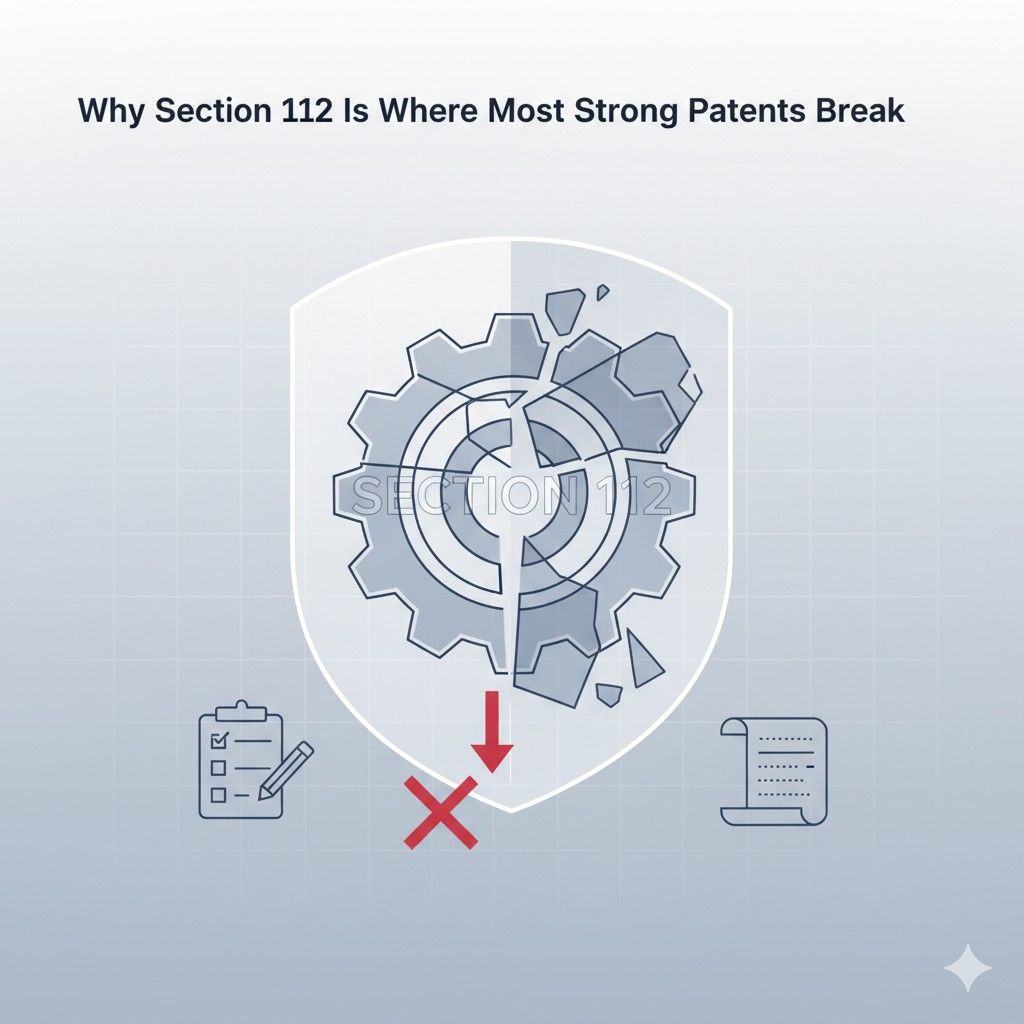
Why Section 112 Is Where Most Strong Patents Break
Section 112 is where good inventions quietly fall apart. Not because the technology is weak, but because the explanation was written for the builder, not for the reader.
This section of patent law is less forgiving than most founders expect, and it does not reward intelligence or novelty. It rewards clarity, completeness, and discipline in how ideas are written down.
For businesses, this is dangerous ground because the damage caused here is often permanent and expensive to fix later.
The Hidden Gap Between Building and Explaining
Most teams assume that if something works, it can be explained later. That assumption breaks patents.
When you build a product, you rely on context in your head, shared knowledge in your team, and design decisions made months ago. When you draft a patent, none of that context exists.
The examiner only sees what is on the page. Section 112 exists to punish missing context, even when the invention itself is excellent.
A strong business move is to treat drafting as a translation task, not a summary. You are not describing what you built. You are translating your thinking into a form that survives without you in the room.
Founders who succeed here slow down just enough to ask, “If someone else had to rebuild this with only this document, could they do it?”
Why Smart Teams Still Miss Critical Details
High-performing teams often fail Section 112 because they move too fast.
Speed is good for startups, but dangerous for patent drafts. Engineers skip steps that feel obvious.
Founders gloss over edge cases they already solved. Product leaders assume future versions will fill in gaps. Section 112 does not allow any of that.
From a business standpoint, the fix is not more words, it is better timing. The best drafts happen when the system is stable enough to explain but early enough that core ideas are still flexible.
Waiting until launch often means details are forgotten or simplified, which creates holes examiners notice immediately.
The Examiner Is Not Your Customer
Many patent drafts fail because they are written like product docs or pitch decks.
Examiners do not care why your invention is useful. They care how it works at a mechanical or logical level. Section 112 forces you to explain the “how” without storytelling or persuasion.
When drafts mix business language with technical explanation, clarity drops and rejections rise.
A practical habit for businesses is to separate explanation from positioning. During drafting, remove phrases that sell, promise, or generalize.
Replace them with direct descriptions of steps, structures, and interactions. This makes the draft less exciting but far more defensible.
Undefined Words Are Silent Killers
One of the fastest paths to a Section 112 rejection is undefined language.
Founders often reuse internal terms that make sense inside the company but mean nothing outside it.
Words like engine, module, layer, intelligent, optimized, or dynamic feel helpful but say very little unless grounded in detail. Examiners are trained to question these words.
A strong drafting habit is to treat every important word as guilty until proven clear. If a term matters to the invention, it deserves its own explanation the first time it appears.
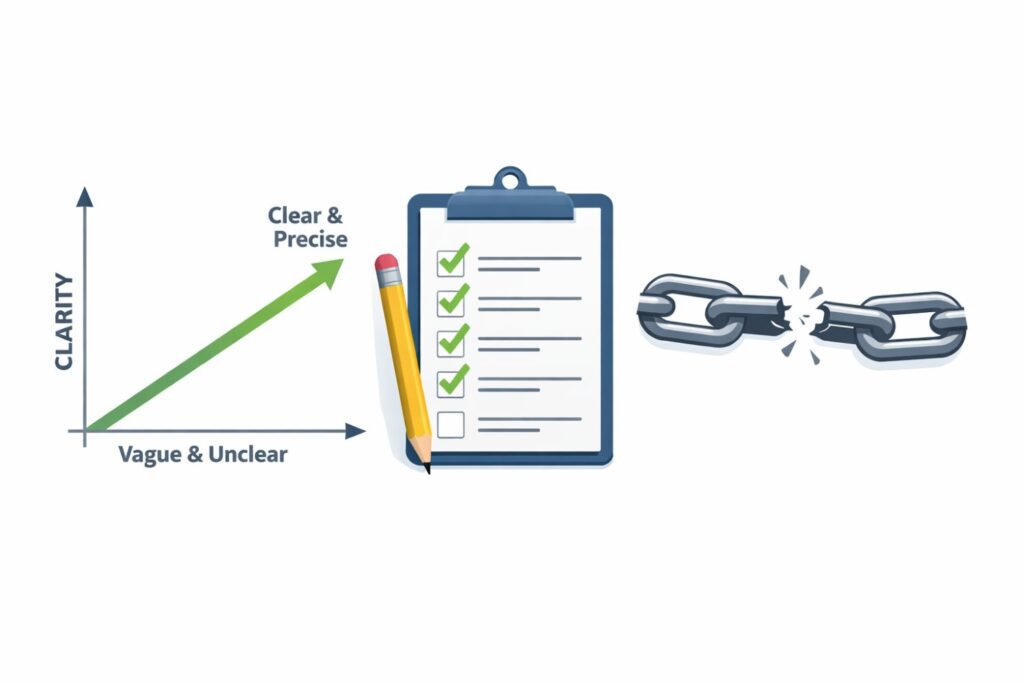
This protects your patent and your business because it prevents competitors from exploiting vague language later.
Assumptions Are Not Allowed
Section 112 punishes assumptions more than mistakes.
Many drafts assume hardware exists, data is available, or systems behave in expected ways. Examiners are required to ask whether those assumptions are supported by the description. If they are not, the draft fails.
From a strategic view, businesses should document constraints explicitly. If something depends on a specific type of data, processing power, or environment, say so.
Clear constraints do not weaken patents. They strengthen them by showing the examiner you understand the invention fully.
Overconfidence in Claims Creates Drafting Risk
Some teams rely too heavily on claims to do the heavy lifting.
They assume broad claims can cover gaps in explanation. Section 112 works the opposite way. Claims are only as strong as the description behind them. If the description does not support the full scope of a claim, the claim collapses.
A smarter business approach is to draft the description as if claims did not exist yet. Fully explain variations, alternatives, and edge cases in plain language.
When claims are added later, they have solid ground to stand on instead of stretching thin text.
Scaling Ideas Without Explaining Scale
Startups often describe systems that scale without explaining how.
They say things like “the system can handle many users” or “the model improves over time” without explaining the mechanics. Section 112 demands that scalability itself be explained, not just claimed.
For growing businesses, this matters because scalability is often the core value. Drafting should explain how scale is handled, even at a conceptual level, so examiners see it as enabled, not imagined.
The Cost of Fixing 112 Problems Later
Section 112 issues are expensive because they usually surface after filing.
By then, options are limited. You cannot add new detail. You can only clarify what already exists. If something was never explained, it cannot be saved.
From a business perspective, this is one of the strongest reasons to invest in better drafting upfront. Tools and workflows that force clarity early reduce long-term legal risk.
This is exactly why platforms like PowerPatent exist, combining structured drafting with attorney oversight so founders do not unknowingly lock in weak explanations.
You can see how this approach works in practice at https://powerpatent.com/how-it-works.
Turning Section 112 Into a Competitive Advantage
Teams that master Section 112 gain more than approval.
They gain patents that are harder to attack, easier to enforce, and clearer to investors and acquirers. Clear explanation builds confidence across the board. It signals that the team understands its technology deeply and can defend it.
The strongest businesses do not treat Section 112 as a hurdle. They treat it as a forcing function that makes their ideas sharper, clearer, and more durable.
When drafting is done with this mindset, strong inventions finally get the protection they deserve.
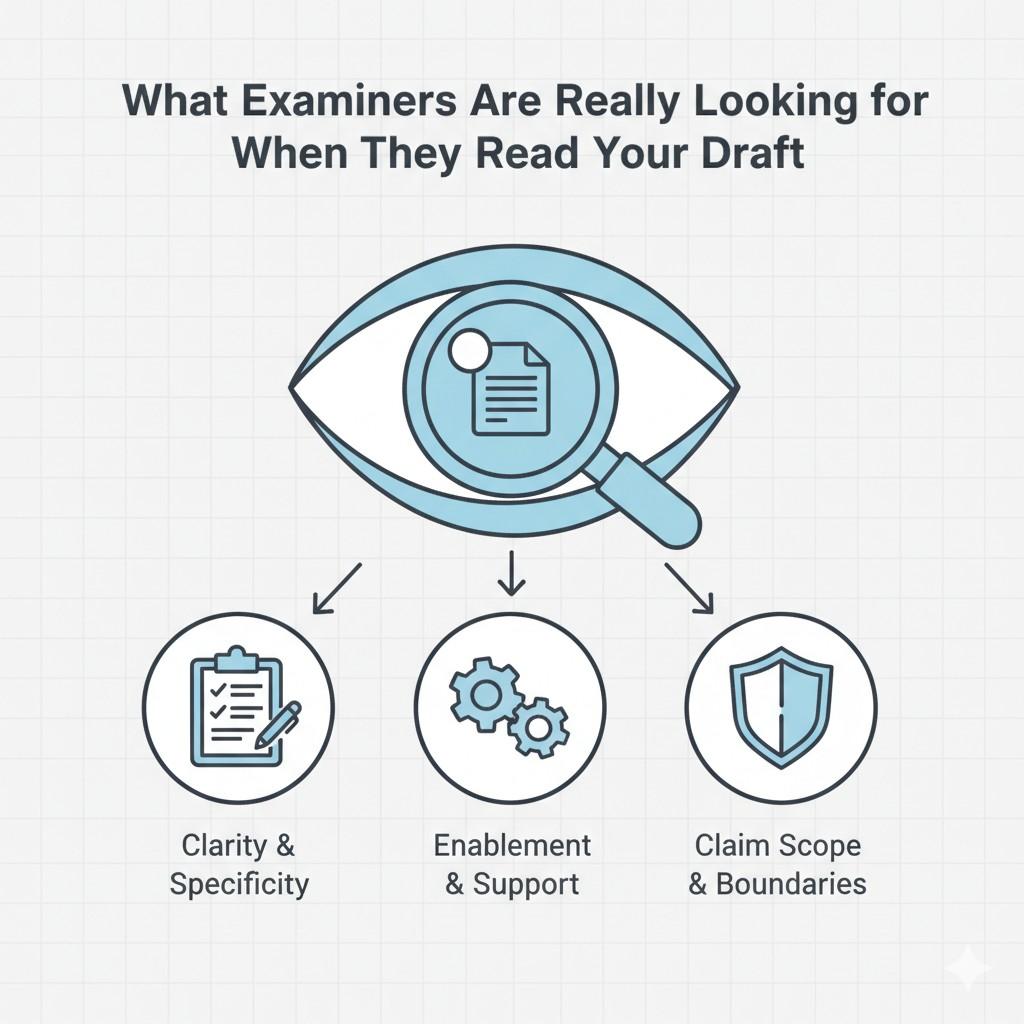
What Examiners Are Really Looking for When They Read Your Draft
Many founders imagine examiners as people hunting for reasons to reject applications. In reality, most examiners are looking for one thing: confidence that the invention is real, complete, and repeatable.
Section 112 is their main tool to test that confidence. When they read your draft, they are not judging ambition or vision. They are checking whether the story holds together from start to finish without gaps.
The Examiner’s Job Is to Remove Guesswork
An examiner is not allowed to guess how something works.
If your draft leaves room for interpretation, the examiner must assume the worst. This is why strong inventions still break here. Founders assume the reader will “get it.”
Examiners are trained to do the opposite. If it is not spelled out, it does not exist.
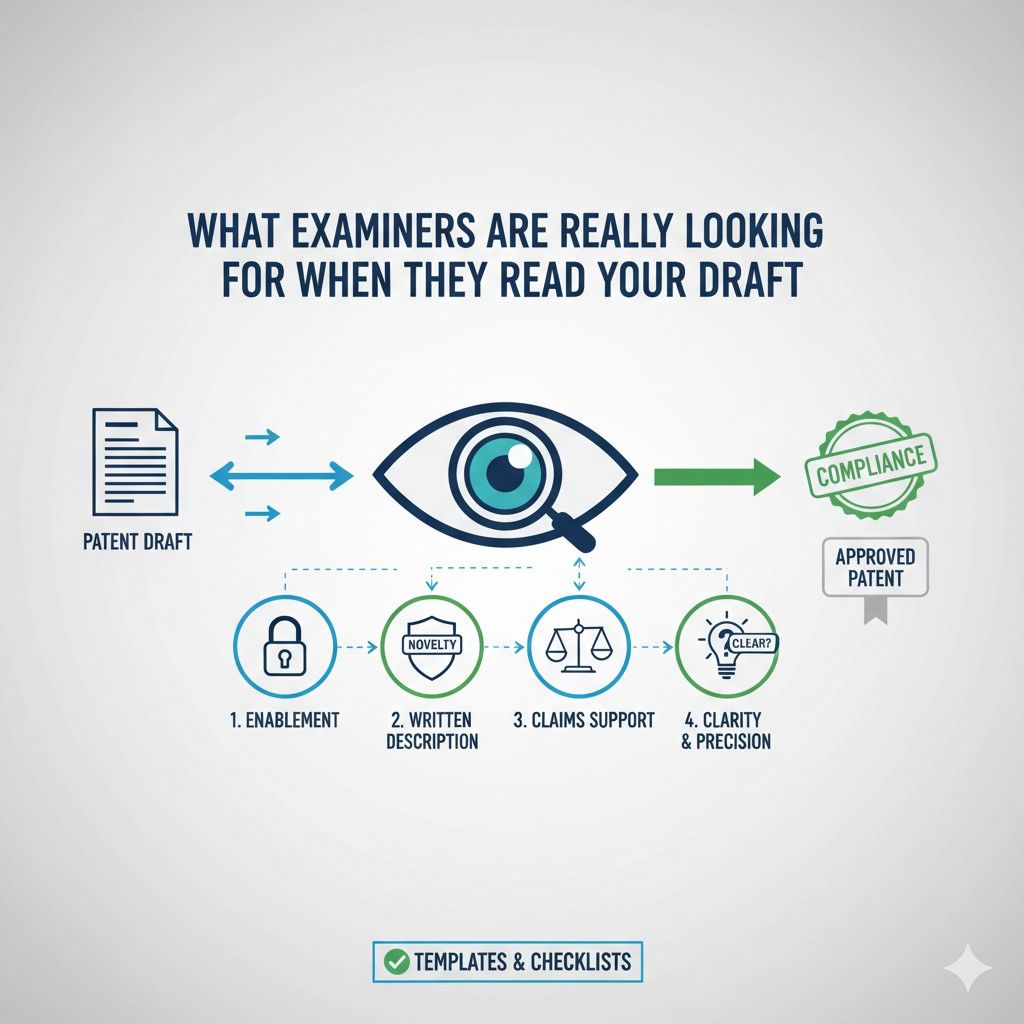
A highly effective habit is to reread your draft as if you are trying to break it. Ask yourself where someone could reasonably ask, “But how?” Every unanswered “how” is a future rejection risk.
Consistency Matters More Than Brilliance
Examiners look for internal consistency above all else.
If a term is used one way in one section and slightly differently in another, it raises red flags. If a process is described in one order early and a different order later, confidence drops.
These issues feel minor to founders but matter greatly to examiners.
For businesses, this means drafts should be reviewed for consistency, not just correctness. The same idea should be described the same way every time. This reduces friction and speeds examination.
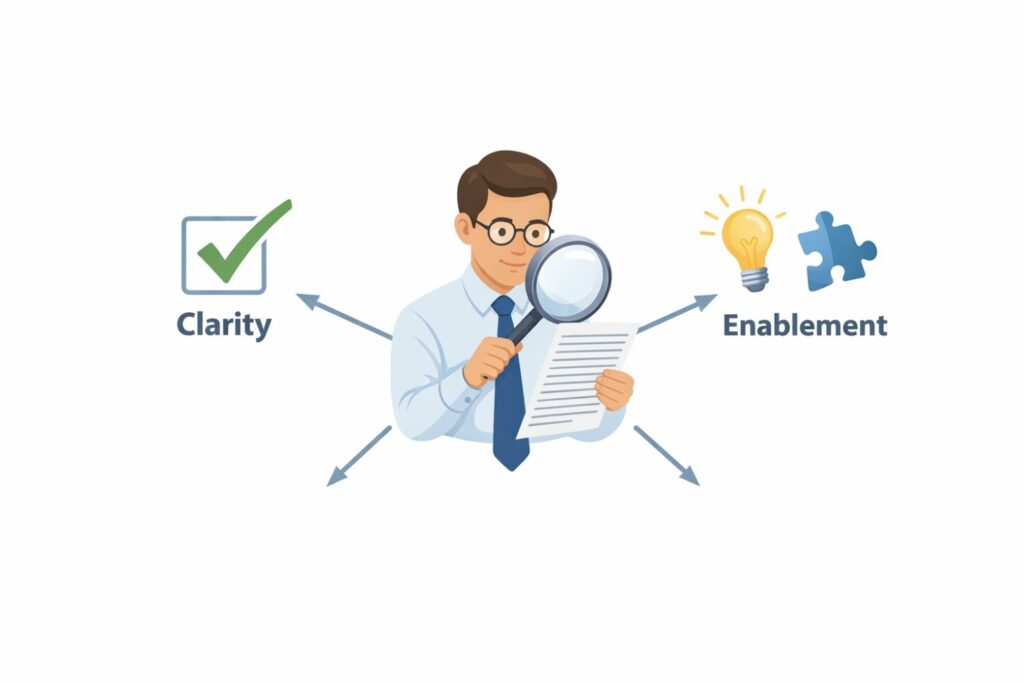
Examiners Test Whether the Invention Is Fully Enabled
One of the core questions under Section 112 is simple: could someone else build this?
Not improve it. Not optimize it. Just build it. Examiners mentally walk through the steps and components you describe. If they hit a wall, they issue a rejection.
A practical way to address this is to explain the invention at the level of action. Describe what happens first, what happens next, and what changes as a result.
Avoid jumping straight to outcomes. Outcomes without process are a common cause of failure.
The Difference Between Saying and Showing
Examiners trust explanations more than conclusions.
Statements like “the system efficiently processes data” do not help unless followed by an explanation of how that processing happens. Examiners are trained to treat conclusions as unsupported unless backed by detail.
From a strategic standpoint, businesses should replace claims of capability with descriptions of behavior.
Instead of saying what the system achieves, explain what the system does. This shift alone eliminates many Section 112 problems.
Breadth Without Support Raises Alarms
Broad language is not bad, but unsupported breadth is.
When a draft claims wide coverage but only explains a narrow example, examiners notice. Section 112 requires that the scope of what you claim matches the scope of what you explain.
A smart drafting move is to explain at least one concrete example deeply, then explain how variations fit the same pattern. This shows the examiner that the breadth is intentional and supported, not accidental.
Examiners Look for Control Points
Examiners want to see where decisions happen in the system.
If your invention adapts, learns, selects, or optimizes, the examiner wants to know what triggers those changes. Vague references to logic or intelligence are not enough.
For businesses working on software or AI, this is critical. Explain inputs, decision rules, and outputs in simple terms. Even high-level explanations help if they show clear cause and effect.
Why Silence Is Interpreted as Weakness
Leaving something out does not make a draft cleaner. It makes it weaker.
Examiners assume that if something important is missing, it may not work as claimed. Silence creates doubt, and doubt triggers Section 112.
A useful mindset is to assume the examiner is skeptical but fair. Your job is not to overwhelm them, but to remove reasons for doubt. Every paragraph should quietly answer a question they might ask.
How Businesses Can Draft With the Examiner in Mind
The most successful teams draft as if they are training a new hire.
They explain the invention as if someone smart but unfamiliar needs to understand it quickly and accurately. This naturally leads to clear structure, defined terms, and complete explanations.
This approach also aligns well with how PowerPatent helps founders draft. The platform guides users to explain their technology step by step, while real attorneys review for the kinds of gaps examiners care about most.
That combination dramatically reduces Section 112 risk. You can explore how this works at https://powerpatent.com/how-it-works.
Turning Examiner Scrutiny Into Speed
When examiners feel confident early, prosecution moves faster.
Clear drafts lead to fewer rejections, fewer amendments, and stronger final patents. For businesses, this means less time in limbo and more certainty around IP.
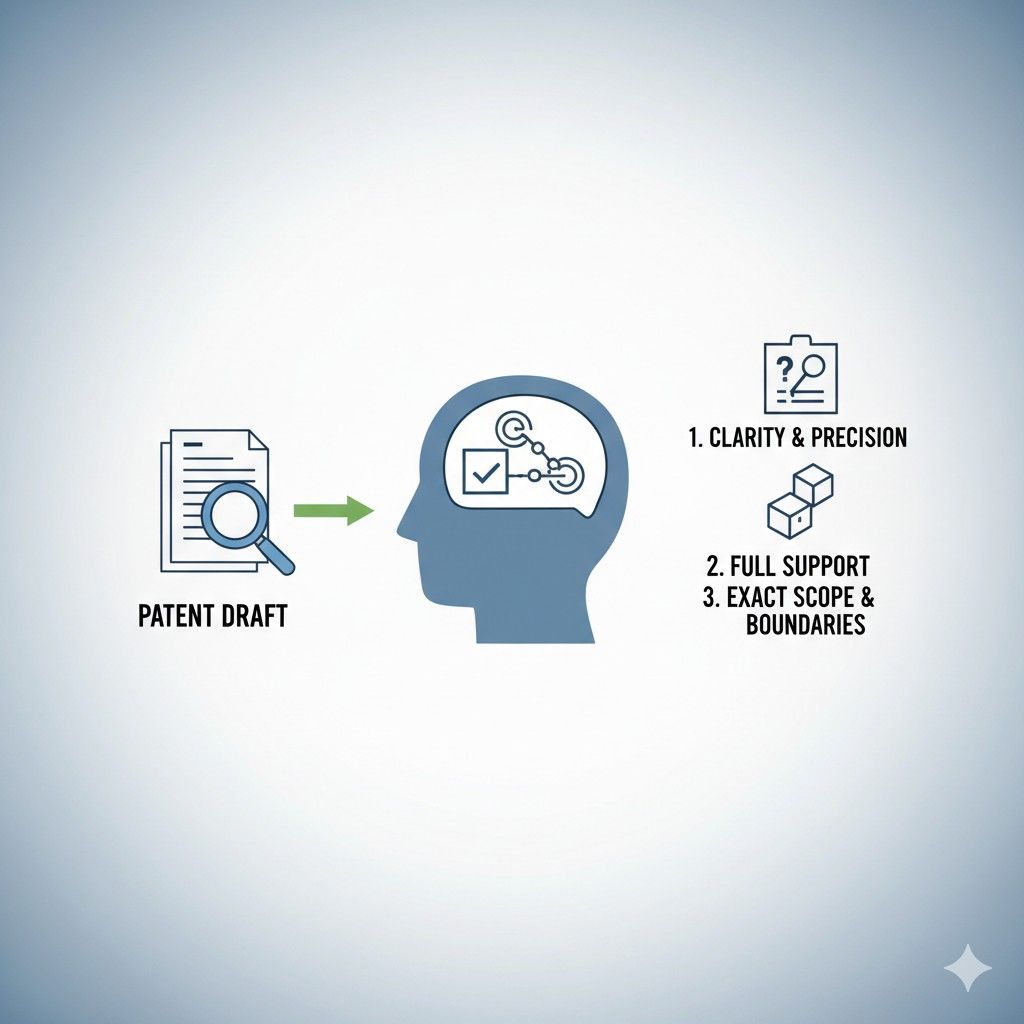
Understanding what examiners are really looking for transforms drafting from a guessing game into a strategic advantage. It is not about writing more. It is about writing in a way that earns trust.
How Clear Drafting Protects Your Invention Before Claims Even Matter
Many founders believe claims are the most important part of a patent. Claims matter, but they are not where protection truly begins. Real protection starts much earlier, inside the description itself.
Long before claims are argued, narrowed, or amended, the draft has already decided how strong the patent can ever become.
Section 112 sits right at this foundation, and clear drafting here quietly does more to protect a business than most people realize.
The Description Is the Real Source of Power
Claims do not stand alone. They borrow strength from the description.
Every claim must be supported by what you wrote earlier. If the description is thin, unclear, or incomplete, claims become fragile no matter how well they are written.
Examiners, competitors, and judges all look back to the description to understand what the inventor actually had in mind.
For businesses, this means the description is not background filler. It is the source code of the patent.
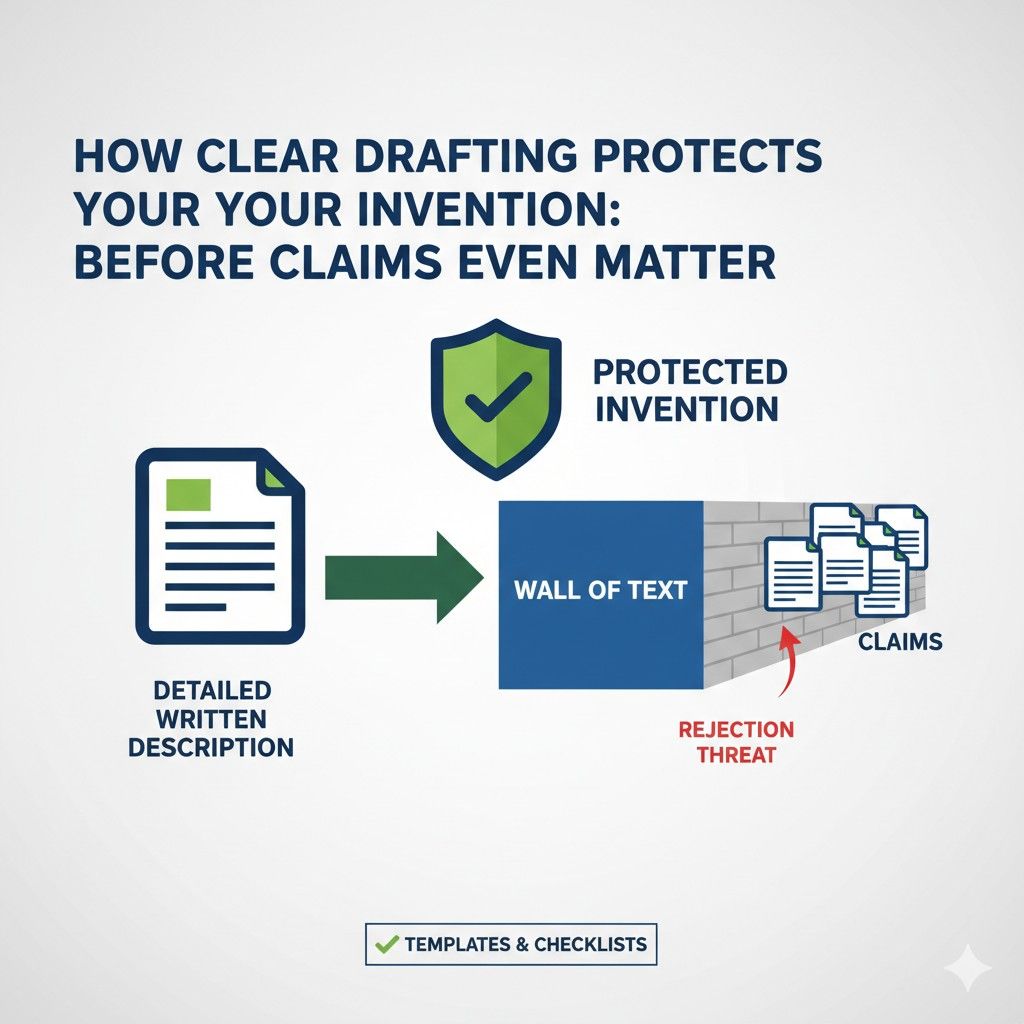
When written clearly, it gives claims room to breathe. When written poorly, it traps claims in narrow language that is easy to design around.
Clear Drafting Shapes How Broad Claims Can Be
Broad claims only work when the description earns them.
If you want wide protection, the description must explain the invention at a level that supports that width.
This does not mean explaining every possible version, but it does mean explaining the core idea in a way that naturally covers variation.
A strategic drafting habit is to focus on the problem being solved and the mechanism that solves it, not just one specific implementation.
When the description teaches the idea rather than a single example, claims can later be written more confidently and defended more easily.
Future You Depends on Present You
Most patents live for many years. Drafts are often read long after the original team has moved on.
When disputes arise, no one can ask the inventor what they meant. The description must speak for itself. Section 112 exists to ensure that the document stands on its own, without oral explanations or assumptions.
From a business view, this is about future-proofing. Clear drafting protects against future misunderstandings, whether they come from examiners, acquirers, or courts. It locks in your intent at a moment in time and makes that intent hard to twist later.
Clear Drafting Limits Forced Narrowing
One of the quiet dangers of weak drafting is forced narrowing during prosecution.
When a Section 112 rejection appears, founders often have to amend claims to match the limited explanation in the description. This can permanently shrink protection, sometimes without the team realizing how much ground they gave up.
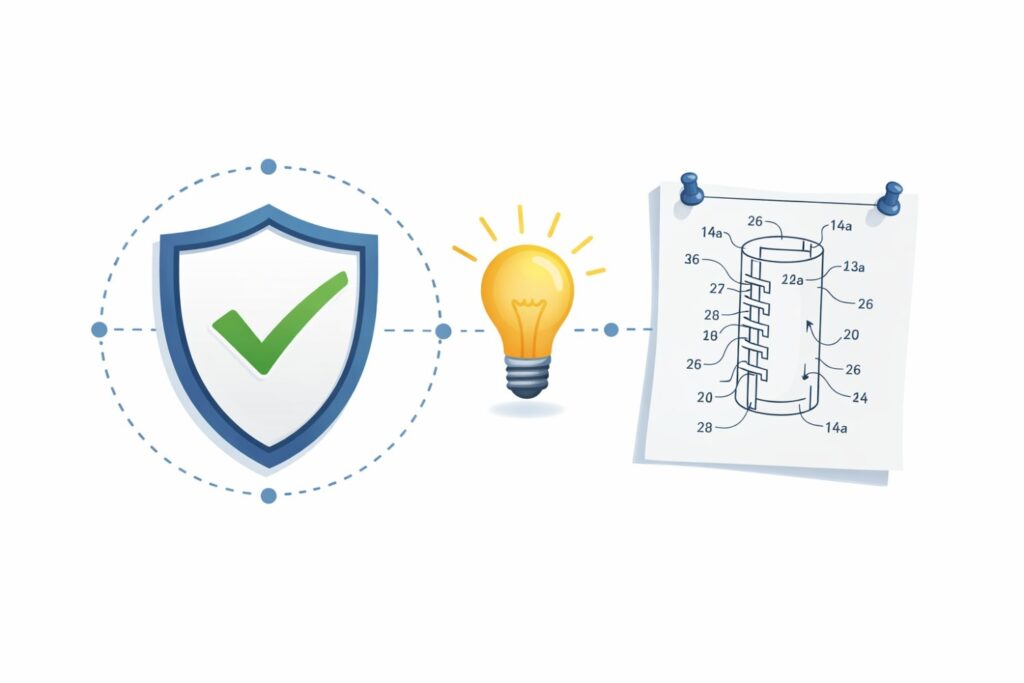
Clear drafting early reduces the need for these concessions. When the description already supports multiple angles, responses to examiners can defend scope instead of surrendering it.
Investors Read Patents Differently Than Founders
Investors and acquirers often skim patents looking for confidence, not detail.
They look for signals that the team understands its technology deeply and has locked in defensible ground. Clear, structured drafting sends that signal. Vague or confusing drafts do the opposite.
For businesses raising capital or preparing for acquisition, this matters. A patent that reads cleanly builds trust. It suggests fewer hidden risks and less future litigation exposure. That trust often translates directly into valuation.
Clear Drafting Reduces Dependency on Individual Claims
Claims can change. The description cannot.
During prosecution, claims are amended again and again. Over time, the description becomes the stable reference point. If it is strong, it supports many claim strategies. If it is weak, options disappear.
A powerful drafting mindset is to imagine losing your favorite claim. Would the remaining description still support meaningful protection? If not, the draft needs more work.
Competitors Exploit Ambiguity, Not Strength
Competitors do not attack what is clear. They attack what is vague.
Ambiguous language invites design-arounds and legal challenges. Clear drafting shuts those doors.
When the description clearly defines how the invention works and what variations are covered, competitors have less room to argue that they are doing something different.
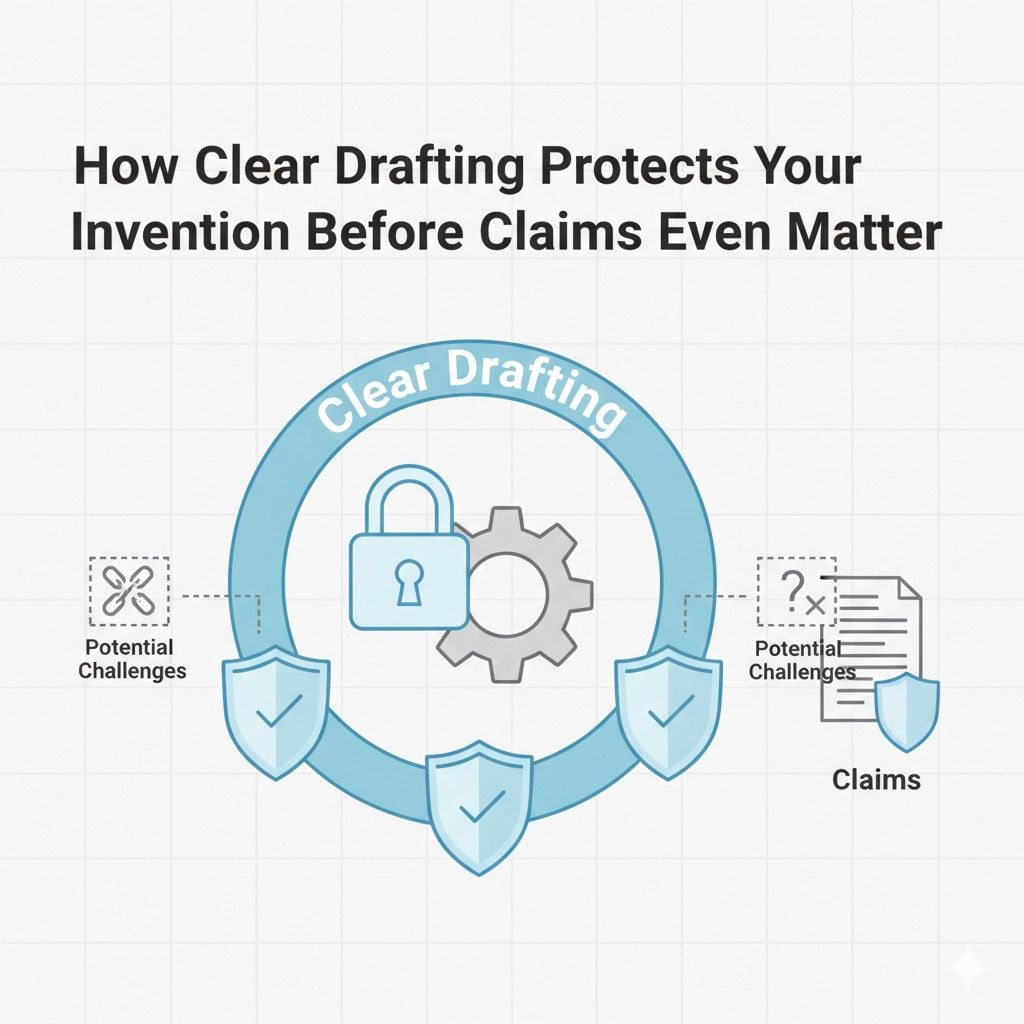
For startups in competitive markets, this is critical. Clear drafting is not about being safe. It is about being aggressive in a quiet, durable way.
Clear Drafting Makes Enforcement Simpler
Enforcement becomes easier when the description tells a clean story.
Courts rely heavily on the description to interpret claims. If the description is consistent, detailed, and logical, enforcement becomes more predictable. If it is messy, outcomes become uncertain.
From a business perspective, predictability is value. It reduces legal risk and strengthens negotiating positions if disputes ever arise.
Drafting Clearly Is a Strategic Business Skill
Many founders treat drafting as a legal task to outsource and forget.
The strongest teams treat it as a strategic exercise. They see the description as a long-term asset that protects years of work. They invest time in explaining their invention clearly once so they do not have to fight later.
This is where modern tools matter. Platforms like PowerPatent are built to guide founders through clear explanation early, using structured prompts and real attorney review to catch weaknesses before filing.
This approach helps businesses protect their inventions fully without slowing down product development. You can see how this works at https://powerpatent.com/how-it-works.
Clarity Is the Quiet Multiplier
Clear drafting does not feel exciting in the moment.
But over time, it multiplies value. It strengthens claims, speeds prosecution, reduces risk, and builds confidence across investors, partners, and buyers.
Section 112 stops being a threat and becomes proof that the invention was explained properly from the start.
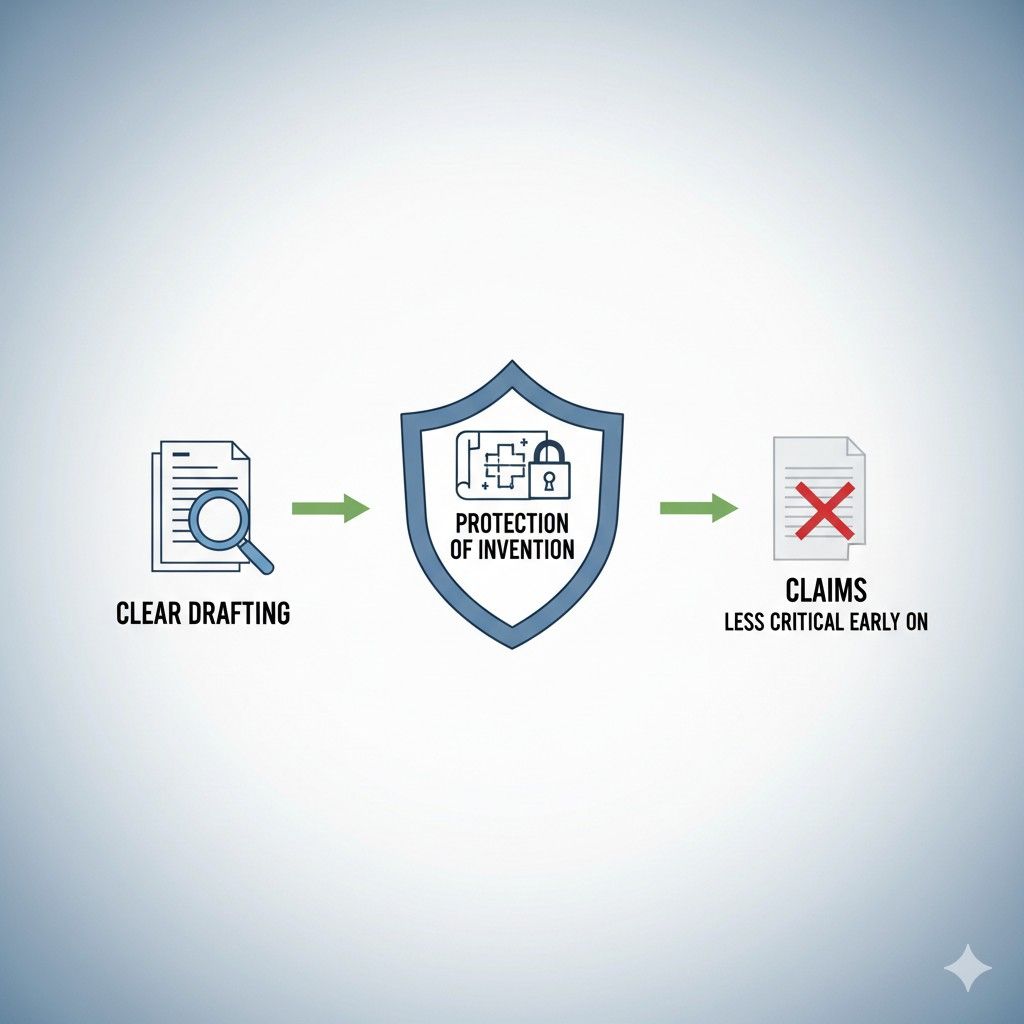
That is how strong patents are built, before claims ever matter.
Wrapping It Up
Section 112 is not a technicality and it is not a paperwork problem. It is the moment where your invention is tested for clarity, completeness, and real-world strength. Most strong patents do not fail because the idea was weak. They fail because the explanation did not fully carry the idea from the builder’s mind to the page. Once that gap appears, everything that follows becomes harder, slower, and more expensive. For businesses, the lesson is simple and serious. Clear drafting is not about writing more. It is about writing with intention. Every key term should mean something specific. Every important step should be explained, not assumed. Every claim you hope to protect in the future must already be supported today.
Leave a Reply