Tag: Section 112
-
Final QC: A 20-Point §112 Audit Before You File
Before you file a patent, there is one final check that matters more than formatting, deadlines, or paperwork, and that is whether your patent truly explains what you built in a way that holds up in the real world. Section 112 is where most patents quietly fail, not because the idea was weak, but because…
-
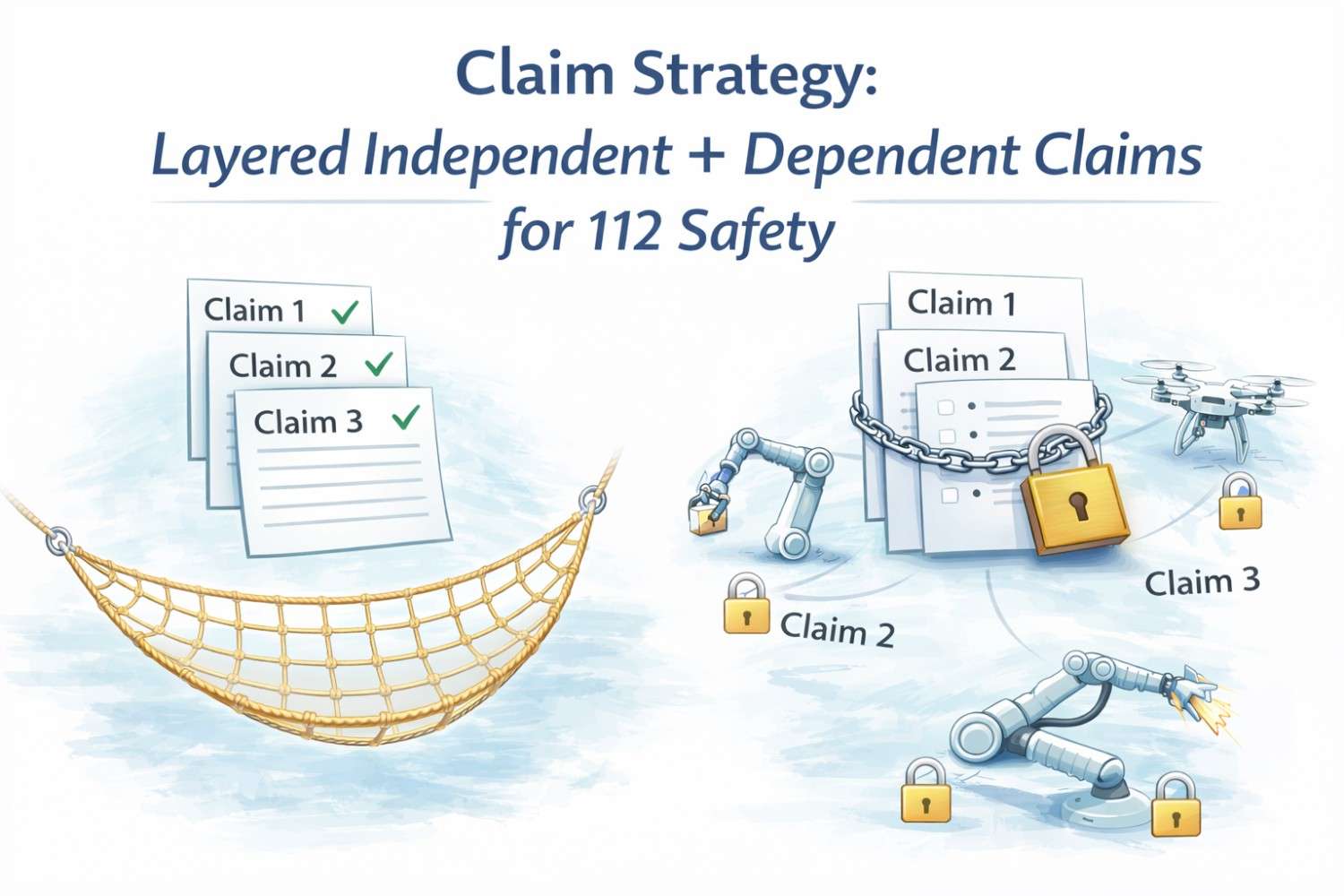
Claim Strategy: Layered Independent + Dependent Claims for 112 Safety
Most patents do not fail because the idea is weak; they fail because the claims were written without a clear plan. This article is about one specific plan that helps your patent survive real scrutiny: using layered independent and dependent claims to protect against Section 112 problems. We will explain this in very simple words,…
-
File-History Tips: Statements That Help (and Hurt) §112
Patents are not lost at trial. They are usually lost much earlier, quietly, during filing. Not because the idea was weak, but because of words that should never have been written. Section 112 is where this happens most often. This part of patent law is about clarity. It asks a simple question: did you clearly…
-
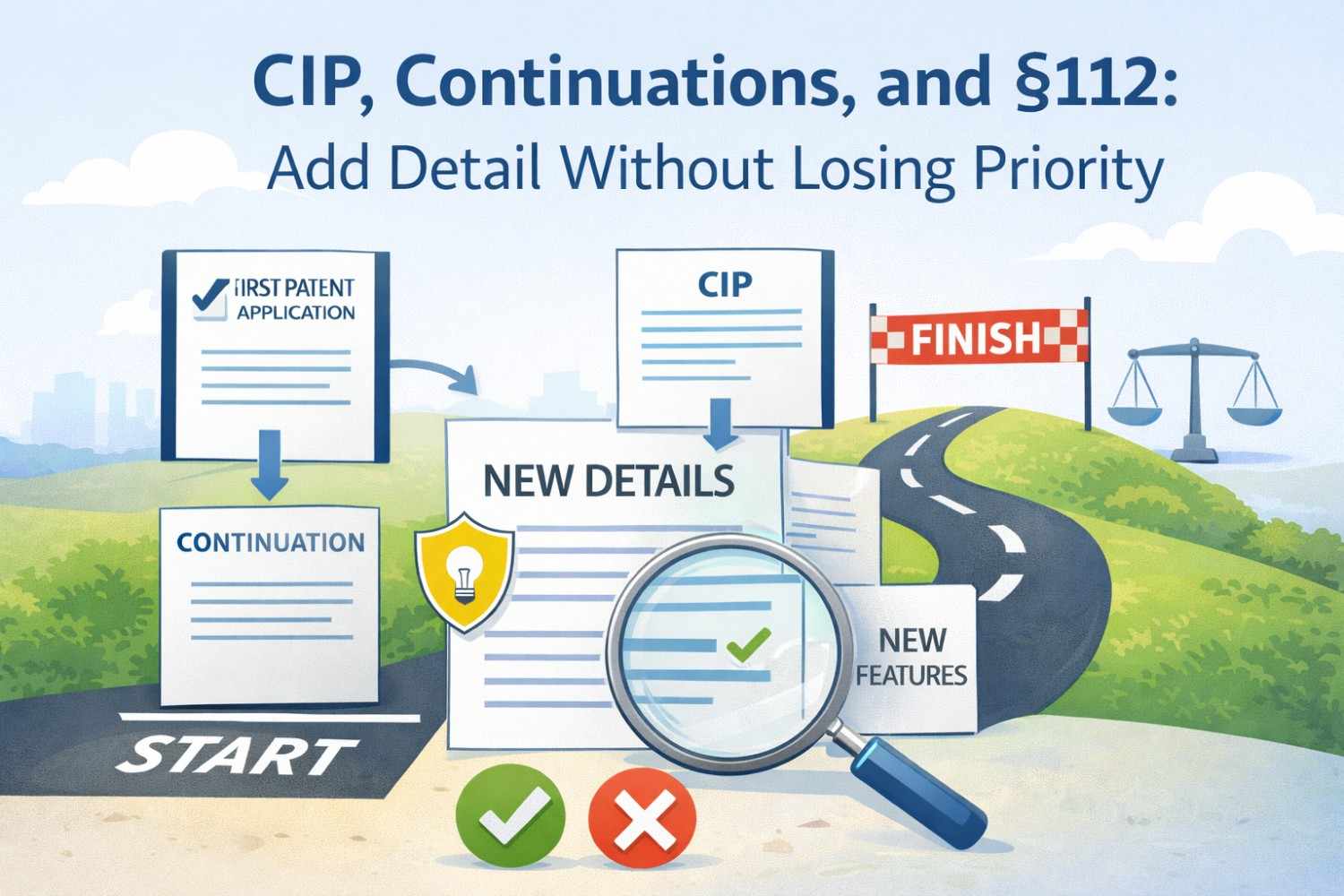
CIP, Continuations, and §112: Add Detail Without Losing Priority
If you are building real tech, you are changing things fast. Your product improves. Your code gets cleaner. Your model gets smarter. But your patent filing does not automatically grow with you. That gap is where founders quietly lose protection, priority, and leverage. This article is about how to add detail to your patent the…
-

Using Figures and Flowcharts to Strengthen §112 Support
Most patents do not fail because the idea is weak. They fail because the idea was not explained clearly enough. That problem shows up again and again under §112. This rule is simple at its core. You must explain what you built, how it works, and how someone else could make it. If the patent…
-
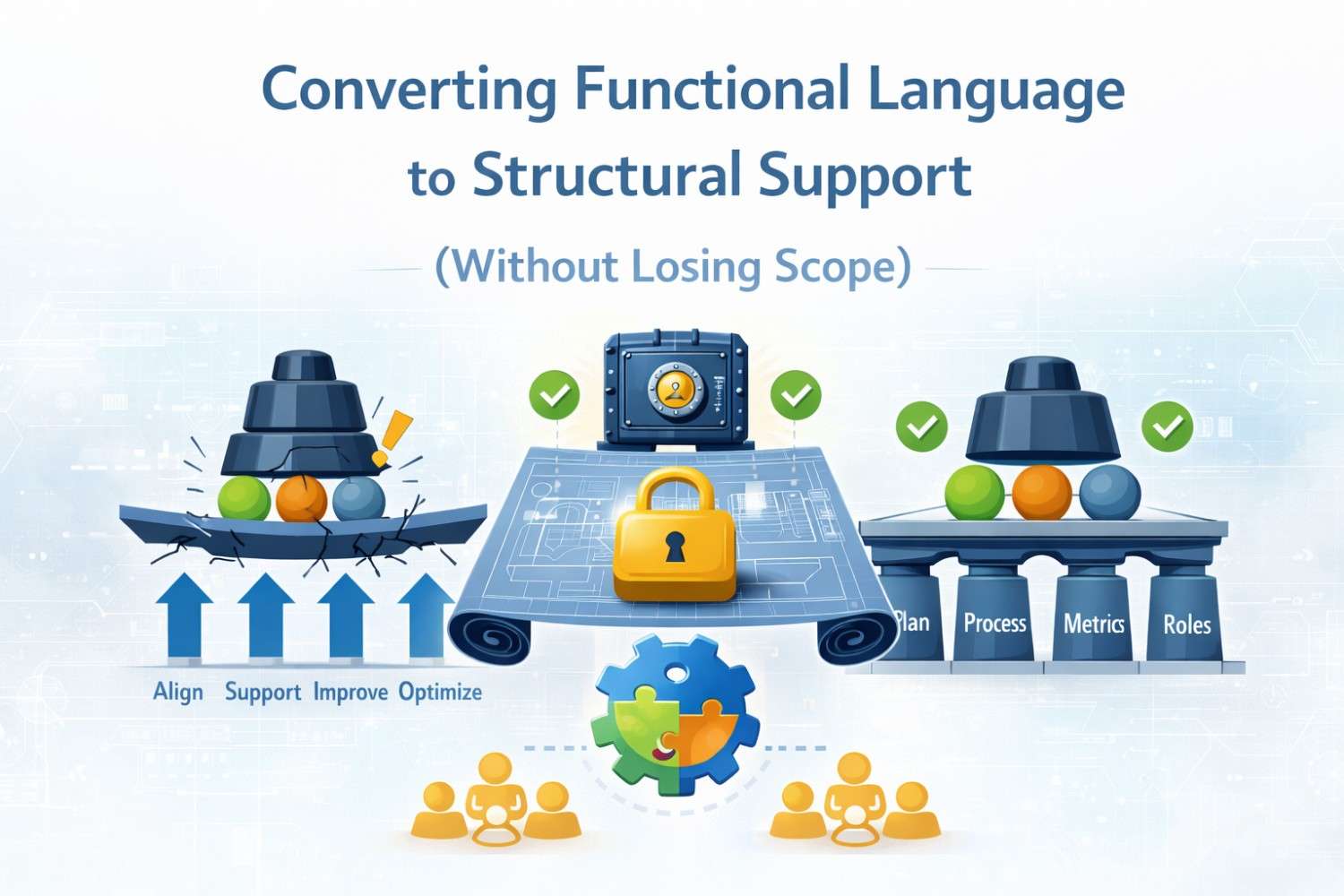
Converting Functional Language to Structural Support (Without Losing Scope)
Most patent drafts fail in one quiet place: they describe what an invention does, but not what it is. Functional language feels broad and powerful, but without clear structural support, it collapses the moment it is tested. Courts do not protect outcomes. They protect concrete systems, real steps, and actual technical choices. The challenge is…
-
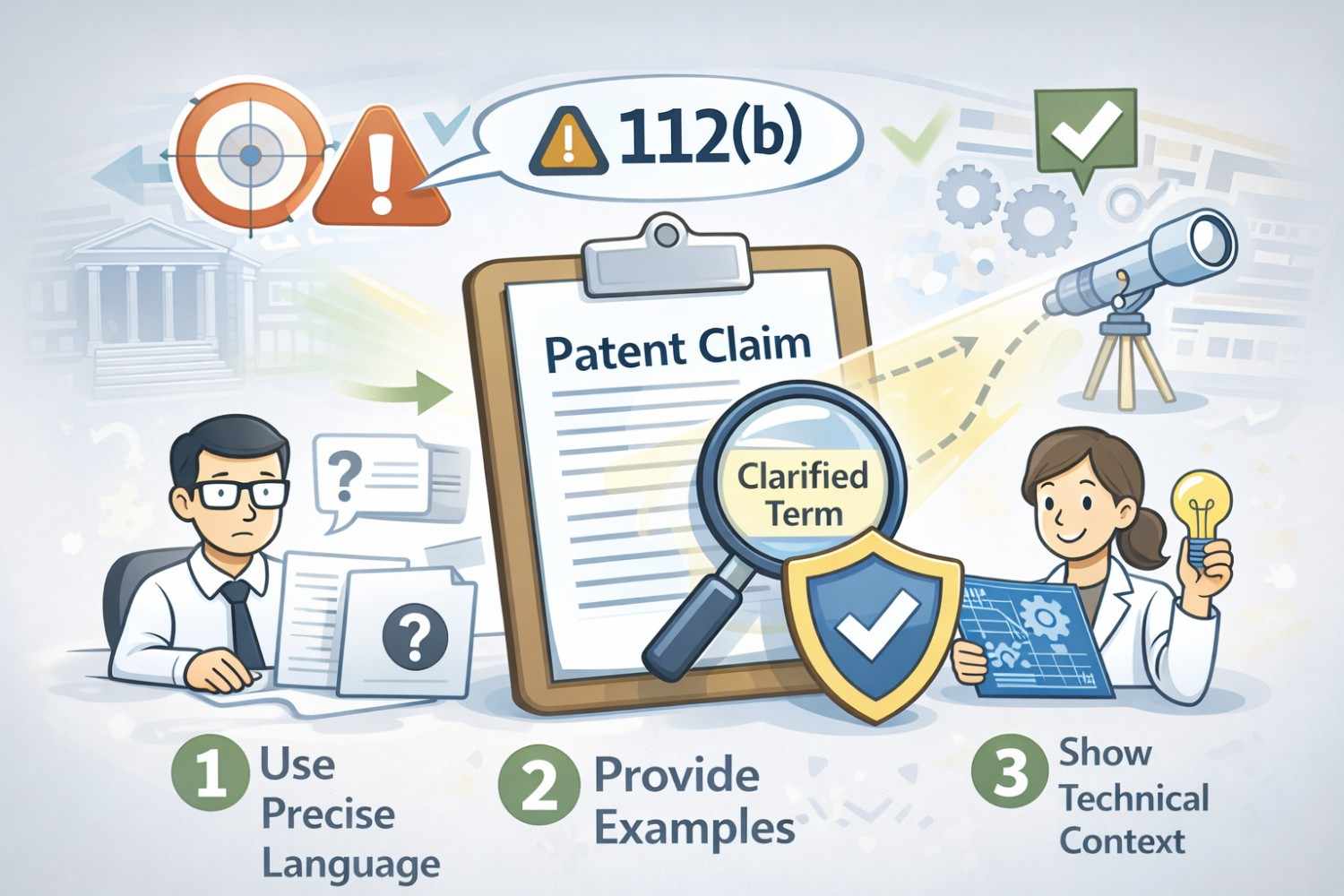
Responding to 112(b) Indefiniteness: Clarify Without Surrender
A 112(b) rejection feels small on paper and huge in your gut. The patent office is not saying your idea is bad. They are saying your words are fuzzy. That sounds easy to fix, but this is where many founders make a quiet mistake. They rush to clean up language and, without meaning to, give…
-
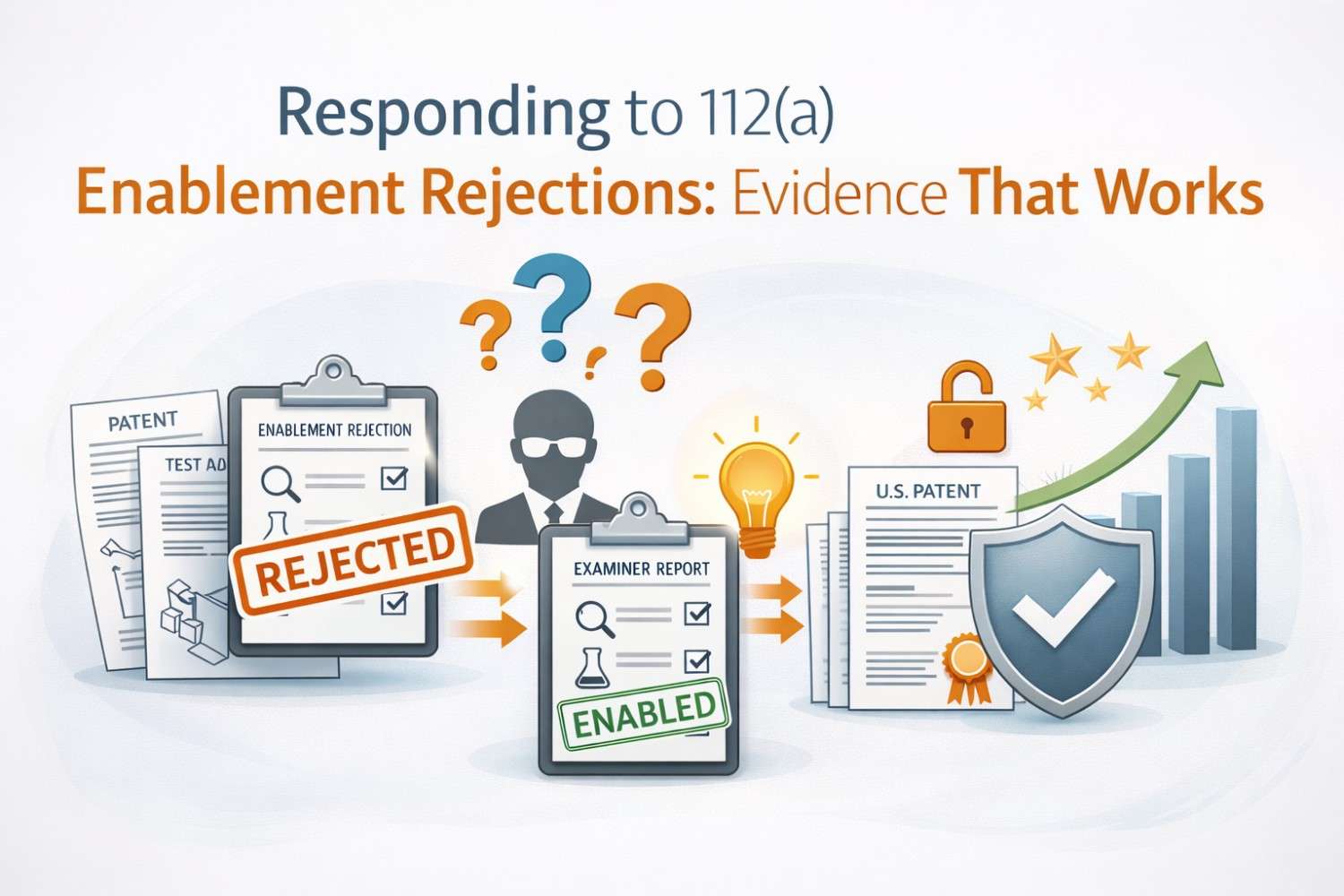
Responding to 112(a) Enablement Rejections: Evidence That Works
If you are building real technology, a 112(a) enablement rejection can feel frustrating and confusing at the same time. You explained your invention, you built it, and yet the patent office is saying it is not clear enough to actually make and use. What the examiner is really asking for is proof, not prettier words.…
-
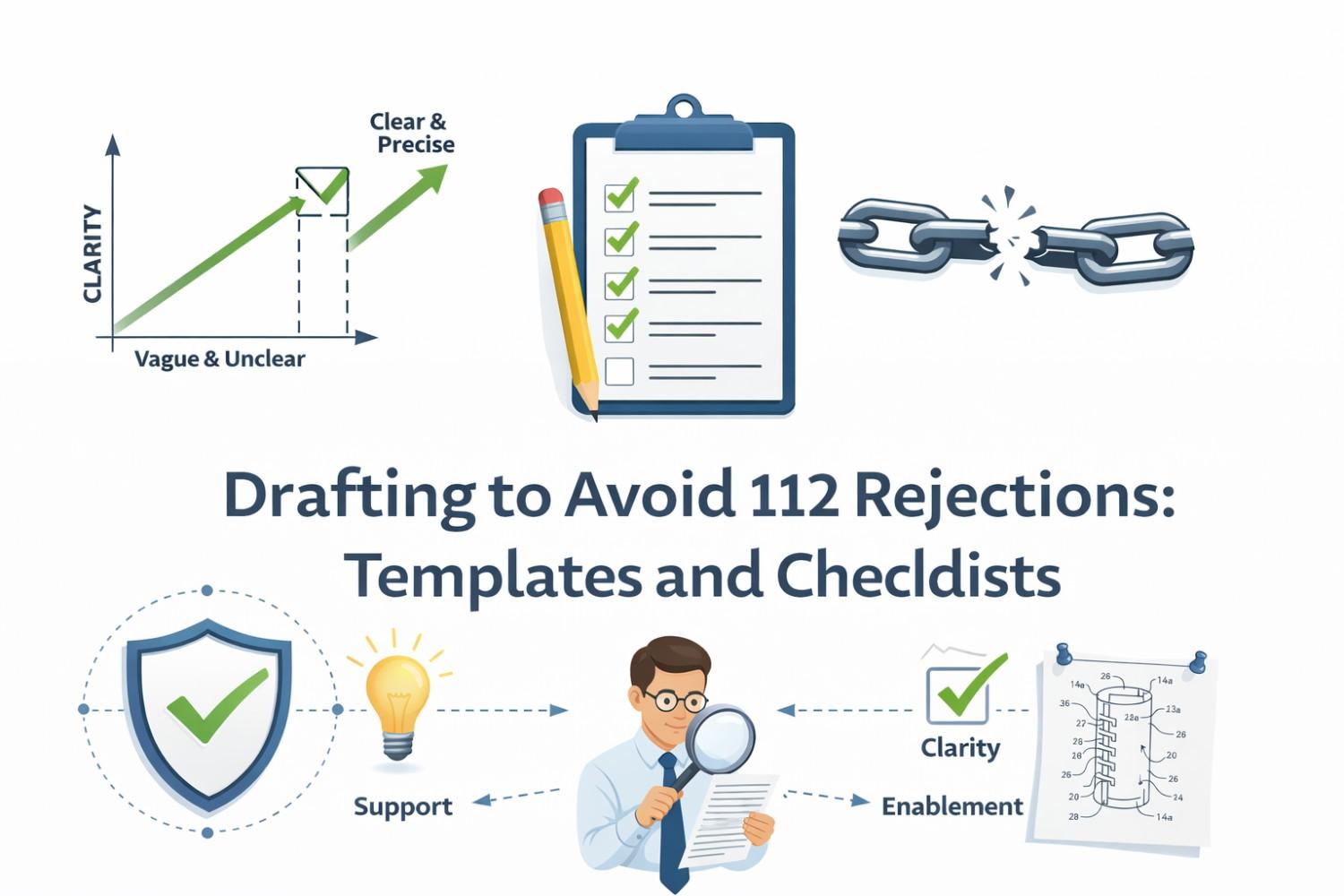
Drafting to Avoid 112 Rejections: Templates and Checklists
Section 112 rejections do not happen because an invention is weak, they happen because the patent did not explain the invention clearly enough, fully enough, or in the right way, and this is where most founders get tripped up without even realizing it. Engineers naturally write for other engineers and skip steps that feel obvious,…
-
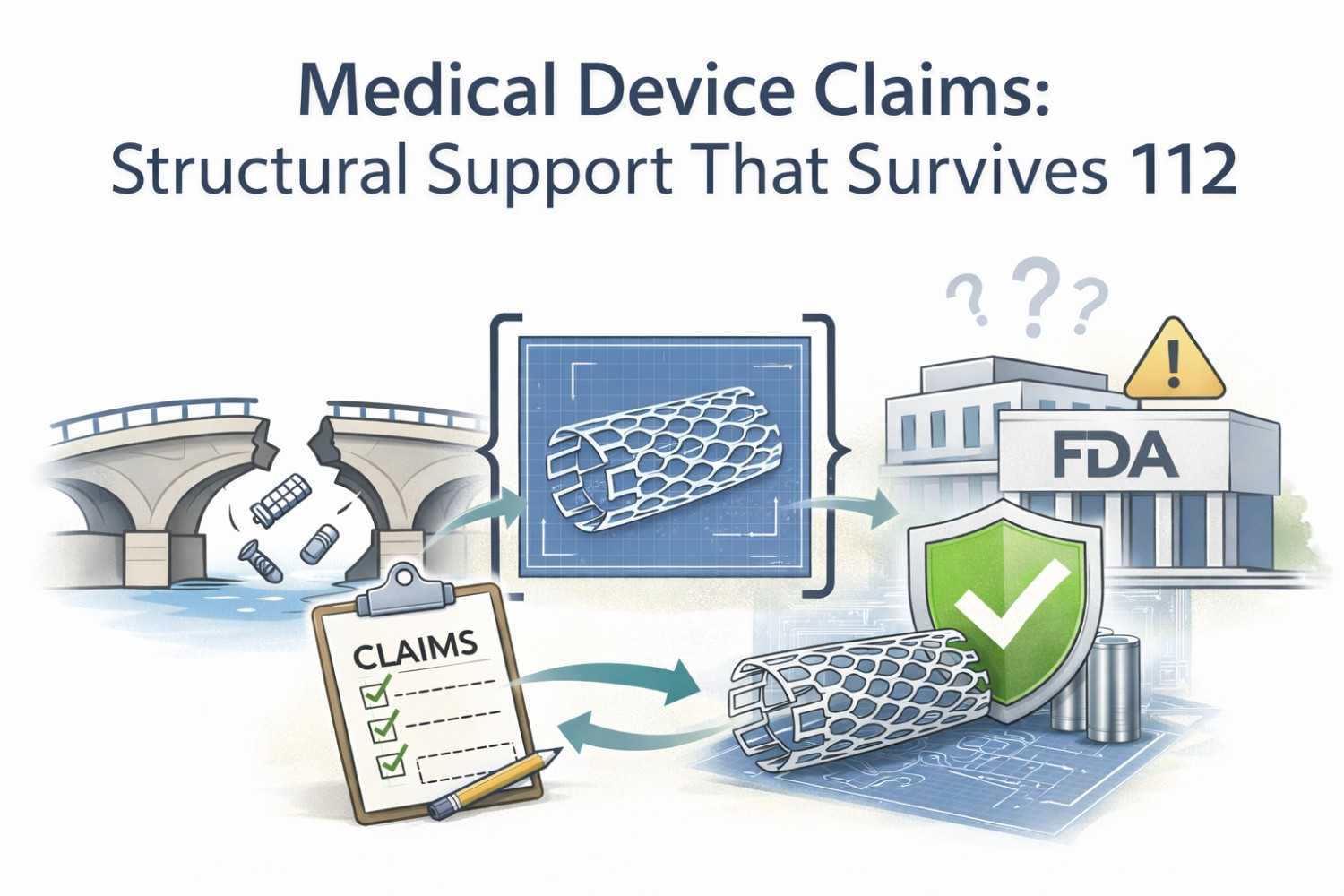
Medical Device Claims: Structural Support That Survives 112
Most medical device patents fail for one quiet reason. The idea is strong, the tech works, the product saves lives, but the patent claims fall apart because they are not supported well enough. Not because the inventor did something wrong, but because the rules around patent support are unforgiving and badly explained. This article is…


