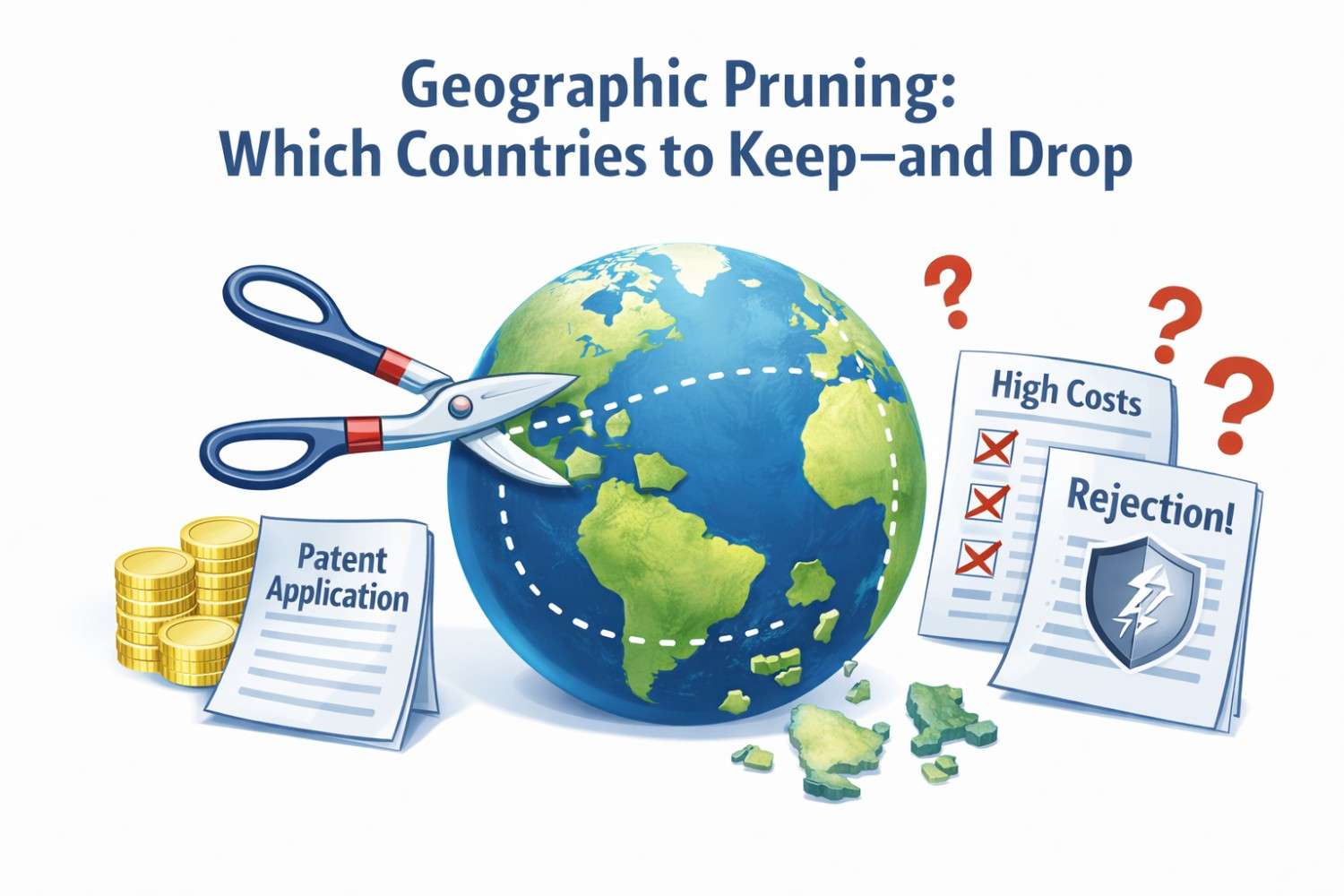
You worked hard to build something real. A new model. A new system. A new way of doing something better. Now you’re thinking about patents—and suddenly the world feels very big. Do you file in the U.S.? Europe? China? Everywhere? Filing in every country sounds safe. But it can also drain your cash fast. Geographic pruning is about making smart choices. It’s about knowing where to protect your invention—and where to let go. If you want to protect what you’re building without burning money, this is for you.
Before we go deeper, take a quick look at how modern founders are filing smarter patents without slowing down → https://powerpatent.com/how-it-works
Why Filing Everywhere Can Hurt Your Startup
When you first learn that patents are territorial, the natural reaction is simple: protect it everywhere. If your product can reach the world, shouldn’t your patent do the same?
On the surface, that feels smart. It feels safe. But for a startup, safety without strategy can quietly turn into risk.
Filing in too many countries too early can stretch your cash, your focus, and your team. And when you are building fast, that kind of stretch can hurt more than you think.
The goal is not to be global on paper. The goal is to build a strong company. A patent plan should support that goal. It should not compete with it.
If you want to see how modern founders build patent plans that match real business strategy, take a look at how it works here → https://powerpatent.com/how-it-works
The Illusion of “More Protection”
At first, filing in many countries feels like building a high wall around your idea. More countries must mean more strength. But patents do not work like social media. More coverage does not always mean more power.
When you file in a country, you are buying the right to stop others there. That only matters if someone is making, selling, or using your invention in that place.
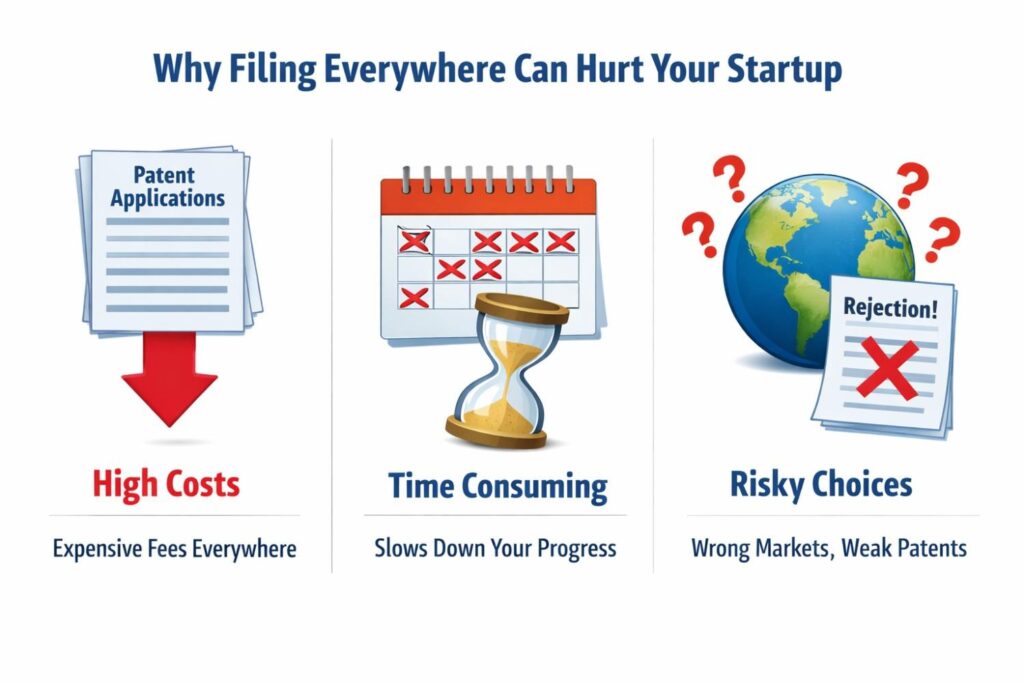
If your market is not there, if your customers are not there, and if your competitors are not there, the patent may sit unused while you keep paying fees.
Protection Without a Market Is Just Paper
It is easy to think ahead ten years and imagine your product everywhere. But early-stage startups live in the present. Your cash runway is real. Your burn rate is real.
Filing in a country where you have no sales plan and no clear path to customers is often a bet on a future that may never come.
Instead of asking, “Where could this go someday?” ask, “Where are we actually building and selling in the next three to five years?” That simple shift in thinking can save you hundreds of thousands over time.
A practical move is to map your real revenue targets. Look at your pipeline, your partnerships, and your investor decks. Where are you already committing to grow? Those are the countries that deserve serious attention. The rest may not.
False Confidence Can Lead to Weak Strategy
Another hidden danger is emotional comfort. Filing everywhere can feel like you have checked a big box. You may think your IP is handled, locked down, safe.
But if the filings are not aligned with real business goals, they can distract you from deeper work.
A strong patent strategy is not about geography alone. It is about claim scope, technical coverage, and enforcement strength. Spreading your budget across too many countries can force you to cut corners on drafting quality or attorney oversight.
That is where real damage happens.
You do not want ten weak filings. You want fewer strong ones that truly protect your core technology.
Cash Drain That Slows Product Growth
Every country adds costs. Filing fees. Translation fees. Local attorney fees. Ongoing maintenance fees. Office action responses. Over time, those add up in a quiet but steady way.
For a funded startup, this can mean less capital for engineers, product improvements, or marketing. For a bootstrapped founder, it can mean real stress and trade-offs.
The Compounding Effect of Maintenance Fees
Patent costs are not one-time events. They stretch out over many years. Every country you keep means payments at regular intervals.
Even if your business model changes, those fees continue unless you actively drop the country.
What starts as “just a few extra filings” can become a long-term financial drag. That drag can reduce flexibility when you need it most.
A smart step is to forecast total lifetime cost per country before you enter it. Do not just look at filing fees. Ask what the full 10–20 year cost might be. Then compare that number to realistic revenue projections in that region. If the math does not make sense, you may be holding onto pride instead of value.
Capital Allocation Is a Strategic Choice
Every dollar you spend on patents is a dollar not spent somewhere else. That is not bad. Patents can be powerful assets. But the choice should be clear and intentional.
If your product is still evolving, you may benefit more from filing strong core patents in key markets and using the rest of your capital to refine the technology.
A sharper product often creates more long-term leverage than broad but shallow patent coverage.
The founders who win think about trade-offs openly. They do not chase coverage for the sake of coverage.
Operational Complexity That Drains Focus
Most founders underestimate the mental load of managing patents across many regions. Each country has different rules, timelines, and examiners. Communications come in at different times. Deadlines stack up.
Even if outside counsel handles much of the work, you still need to review, approve, and guide strategy. That takes time.
Decision Fatigue Is Real
When you receive office actions from multiple countries at once, each one may require claim changes or arguments.
If you are juggling product launches, fundraising, and hiring, these IP decisions can feel like noise. But they are not small. They shape your rights.
Spreading filings across too many regions increases the chance that you will rush decisions. Rushed decisions often lead to narrower claims or missed opportunities.

Keeping your geographic scope tight in early years allows you to give proper attention to the most important filings. That focus can mean stronger outcomes.
Translation Risks and Inconsistencies
In many countries, patents must be translated into local languages. Small wording differences can create gaps in protection. Managing these differences across a wide portfolio adds risk.
The more countries you enter, the higher the chance of inconsistencies between versions. Fixing those later can be hard or impossible.
Staying strategic with geography reduces complexity and lowers the risk of errors that weaken your position.
Enforcement Is Not Free
A patent only matters if you can enforce it. Enforcement means legal action. That means cost. It also means time and focus.
Filing in a country where you would never realistically enforce your rights is often symbolic rather than practical.
Ask Yourself a Hard Question
If a competitor started copying you in a certain country, would you truly pursue action there? Would you allocate funds? Would you handle the process? If the honest answer is no, the value of filing there may be limited.
This does not mean you ignore risk. It means you match your filings to real enforcement capacity.
A tactical approach is to identify jurisdictions where enforcement is known to be effective and aligned with your industry. Focus resources where the legal system and market size justify the effort.
Strategic Signaling to Investors
Investors care about defensibility. But they also care about smart capital use. A tight, well-explained geographic strategy often looks more thoughtful than a scattershot global approach.
If you can clearly explain why you chose specific countries based on market size, manufacturing risk, and competitor presence, that signals maturity. It shows you are building a real business, not just collecting filings.
Working with a system that blends smart software and real attorney oversight can help you build this kind of clear plan without getting lost in legal noise. You can see how founders are doing this in a modern way here → https://powerpatent.com/how-it-works
Opportunity Cost You May Not See
The biggest cost of filing everywhere is often invisible. It is the opportunities you miss because resources were locked into low-impact regions.
Slower Iteration on Core IP
If your budget is spread thin, you may delay filing follow-on patents that cover improvements. For deep tech startups, improvement filings are often more valuable than broad geographic spread.
Protecting version two and version three of your technology in core markets can create a strong wall over time. Skipping those because funds are tied up in marginal countries can weaken your long-term moat.
Less Flexibility During Pivots
Startups pivot. Markets shift. Products evolve. If your IP budget is locked into countries tied to your old model, you may struggle to redirect funds toward new, more relevant jurisdictions.
Geographic pruning is not about fear. It is about flexibility. It keeps your options open.
In the end, filing everywhere may feel like strength. But for most early-stage companies, it is often a silent drain.
Real protection comes from alignment. Alignment between where you build, where you sell, where your competitors operate, and where you are willing to enforce.
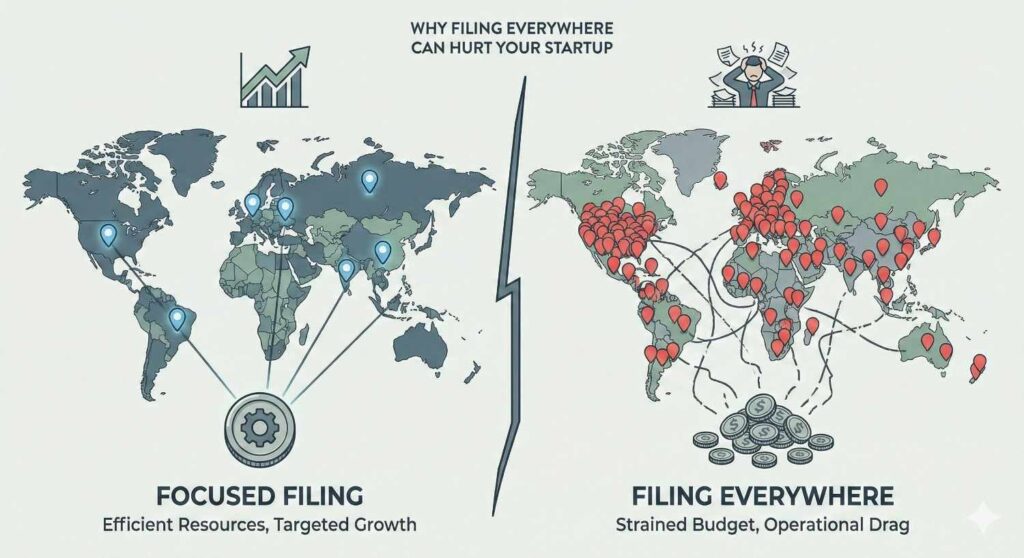
A modern patent strategy should move at startup speed. It should support growth, not slow it down. If you want to build a focused, high-leverage patent plan backed by real attorneys and smart tools, explore how PowerPatent helps founders do exactly that → https://powerpatent.com/how-it-works
How to Decide Which Countries Truly Matter
Choosing countries for patent protection is not a legal exercise. It is a business decision.
The smartest founders do not ask, “Where can we file?” They ask, “Where does this actually create leverage for our company?” That shift changes everything.
When you treat geography as a strategic tool instead of a checklist, your patent portfolio becomes sharper.
It starts working for your growth instead of quietly draining resources. This section is about making those decisions with clarity and confidence.
Before you go further, remember this: your patent strategy should move as fast as your startup.
If you want to see how founders are building focused, business-driven IP plans with real attorney support, you can explore the approach here → https://powerpatent.com/how-it-works
Start With Revenue, Not Fear
Most founders choose countries based on fear. Fear of copying. Fear of missing out. Fear that someone else might expand there first. Fear is not strategy.
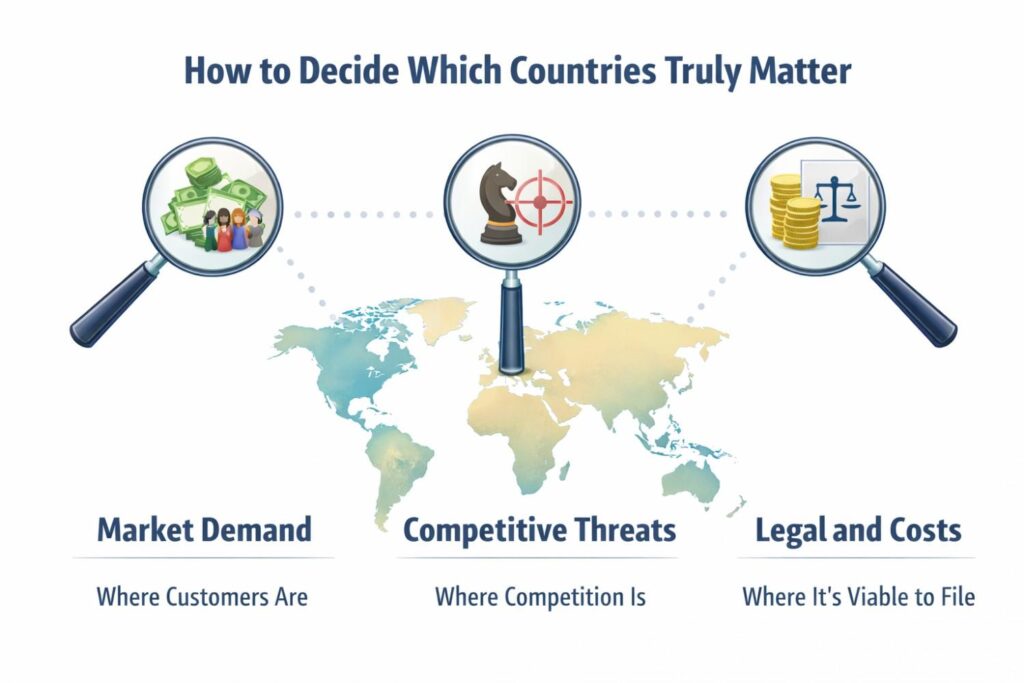
Revenue is strategy.
Follow the Money, Not the Map
Look at where you expect real customers. Not vague global expansion dreams. Not “someday” plans. Look at signed contracts, active pilots, investor introductions, and serious sales conversations.
If 80% of your projected revenue for the next five years is in two regions, that is where your patent protection should be strongest. A patent is a business asset.
It protects income streams. It should sit where those streams exist or are very close to forming.
Be honest about your timeline. If you do not have a clear entry path into a country within three to five years, filing there now may not make sense.
A practical exercise is to pull your financial model and mark your top three projected markets.
Then ask: if a competitor blocked us in these places, would it materially hurt our valuation or survival? Those are your priority countries.
Separate Aspirations From Commitments
Every founder dreams big. That is good. But dreams are not commitments. A committed market is one where you have legal structure, business development, partnerships, or active sales efforts underway.
Do not confuse future vision with current execution.
Protect where you are executing.
Look at Where Competitors Operate
Patents are not just about your customers. They are about competitors. You need protection where competitors build, sell, or manufacture.
Study Competitor Footprints
If your main competitor manufactures in a specific country, that location may matter more than where they sell. If you can block manufacturing, you create pressure across their supply chain.
This is especially important in hardware, biotech, clean tech, and deep infrastructure plays. Manufacturing hubs can be more strategically important than smaller sales markets.
Research where your top three competitors file patents. Public databases make this possible. If they consistently protect certain regions, there is often a reason. It signals where they see value.
You do not need to copy them blindly. But you should understand their logic.
Think About Defensive Value
Sometimes, filing in a country is less about immediate revenue and more about defensive leverage.
If a competitor is likely to expand into a region that overlaps with your core technology, early filing there can create negotiation power later.
The key is intention. You should be able to clearly explain why each country serves a strategic purpose.
If you cannot explain it in simple business terms, it may not belong in your portfolio.
Consider Manufacturing and Supply Chain Risk
Many founders focus only on sales markets. That is a mistake. Where your product is made can matter just as much as where it is sold.
Blocking at the Source
If a large portion of your industry manufactures in a specific country, having patent rights there can be powerful. You may not need to enforce in every sales region if you can stop copying at the manufacturing stage.
This approach can reduce the number of countries you need overall.
For example, if competitors rely on one or two major production hubs, protecting those hubs may give you broad leverage without filing in dozens of downstream markets.

This requires understanding your supply chain deeply. Talk to suppliers. Talk to industry contacts. Map the flow of parts and assembly. Your patent geography should reflect that map.
Evaluate Practical Enforcement
It is not enough that manufacturing happens there. You must also consider whether enforcement is realistic and effective.
Some jurisdictions have stronger systems for enforcing patent rights than others. Strong rights in a country with weak enforcement may not create real leverage.
Work with experienced patent counsel who understands both the technical and practical sides of global protection.
Modern platforms that combine software and real attorney oversight can help you evaluate this without drowning in legal noise. You can see how that works here → https://powerpatent.com/how-it-works
Align With Fundraising Strategy
Your patent portfolio speaks during fundraising. Investors look at it as a signal of seriousness and defensibility.
Protect Where Investors Care
If you are raising from U.S.-based venture funds, strong U.S. protection is often non-negotiable. If you are targeting European strategic investors, European coverage may carry more weight.
Think about where your future acquirers might be based. Large companies often value patents in their home jurisdictions.
This does not mean filing everywhere to impress investors. It means understanding what markets align with your long-term exit path.
If you plan to sell primarily in North America and exit to a U.S. buyer, spreading filings thinly across minor markets may not improve your story. Focused, strong protection in key jurisdictions often tells a cleaner narrative.
Quality Over Quantity in Due Diligence
During due diligence, sophisticated investors care more about claim strength and strategic alignment than raw country count.
A portfolio covering five well-chosen jurisdictions with strong claims can be more impressive than one covering fifteen with shallow coverage.
When you choose countries carefully, you also free up budget to invest in high-quality drafting and thoughtful claim strategy. That quality shows up during diligence.
Understand Timing and Flexibility
International patent strategy often begins with a broader placeholder filing that keeps options open. But when the time comes to enter national phases, real decisions must be made.
This is where geographic pruning becomes critical.
Use Early Phases to Gather Data
The early period after your initial filing is a learning window. Use that time to validate markets, test customer interest, and observe competitor moves.
Do not rush to lock in countries before you have data.
By the time you must choose specific jurisdictions, you should have clearer insight into where traction is real.
Make Decisions Based on Traction, Not Emotion
If a market did not develop as expected, it is okay to let it go. Dropping a country is not failure. It is discipline.
Review metrics. Revenue. Partnerships. Regulatory progress. Manufacturing commitments. Let those guide your decision.
Treat each country like an investment. Ask if it still meets your return threshold. If not, prune it.
Build a Simple Decision Framework
You do not need a complex spreadsheet to make strong choices. You need clear criteria.
Ask yourself: Does this country support revenue? Does it block key competitors? Does it protect manufacturing? Does it align with fundraising and exit plans? Can we realistically enforce here?
If a country does not clearly answer yes to at least one strong business reason, think carefully before keeping it.
This clarity becomes much easier when your patent process is structured and transparent. When you can see timelines, costs, and strategy in one place, decisions feel less overwhelming.
That is why modern founders are moving away from slow, opaque law firm models and toward platforms that combine smart automation with real attorney guidance.
It gives you visibility and control. If you want to explore that path, you can learn more here → https://powerpatent.com/how-it-works
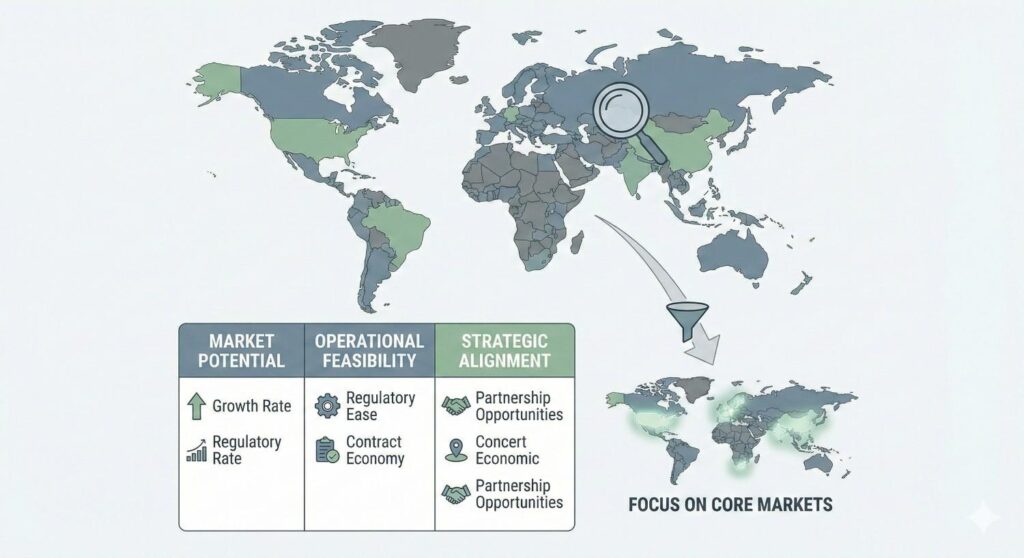
Choosing the right countries is not about shrinking ambition. It is about sharpening focus. Focus creates strength. Strength creates leverage. And leverage is what turns patents from paperwork into real strategic assets.
The Hidden Costs of Keeping Too Many Countries
At first, adding another country to your patent portfolio does not feel heavy. It is just one more box checked.
One more form filed. One more jurisdiction “covered.” But over time, each additional country becomes a quiet obligation. And those obligations stack.
The real danger is not the obvious filing fee. It is the long tail of responsibility that follows. If you do not see that tail clearly, you can wake up years later with a portfolio that owns you instead of serving you.
This section is about the hidden weight behind global overreach. Not theory. Not fear. Just the real operational and financial drag that too many countries can create.
If you want a cleaner way to manage global patent strategy with clear cost visibility and real attorney oversight, take a look here → https://powerpatent.com/how-it-works
Long-Term Financial Gravity
When founders think about international patents, they often focus on the entry cost. The national phase filing fee. The translation bill. The local attorney invoice. That is just the beginning.
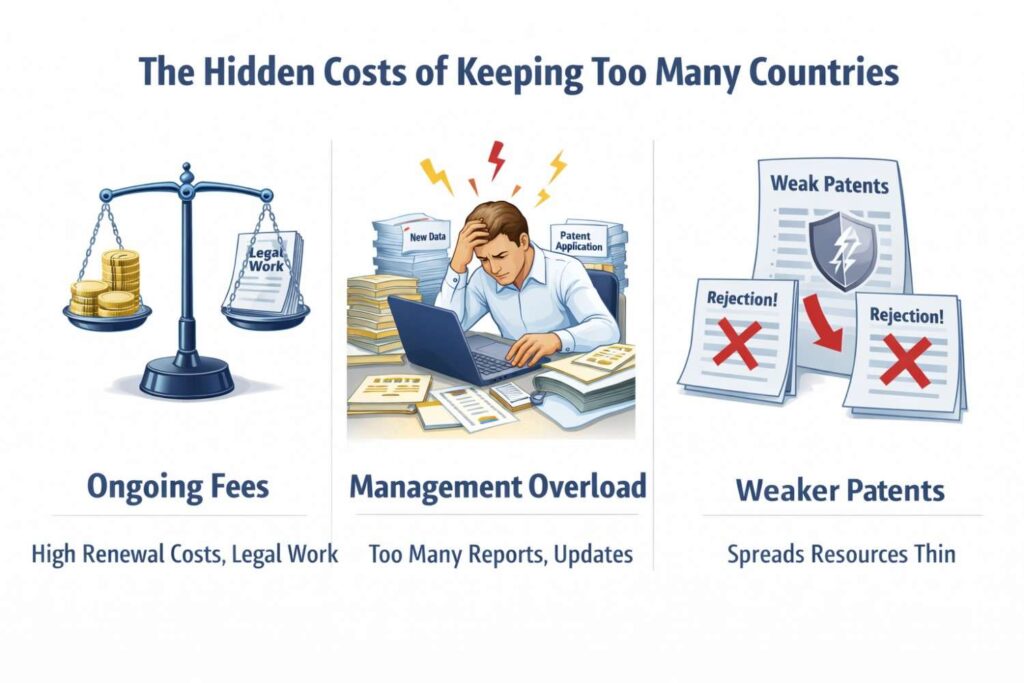
Patents live for decades. Each country adds a stream of payments that can last 10, 15, or even 20 years.
Annual Fees That Never Sleep
Most countries require maintenance payments at regular intervals. Miss one, and your rights can disappear. That means tracking due dates across time zones, currencies, and legal systems.
Each fee alone may not feel painful. But together, they create steady financial gravity pulling on your runway.
As your company scales, these payments compete with hiring plans, product upgrades, and market expansion. You may not feel it in year one. You will feel it in year five.
A strong practice is to project total lifetime cost per country before committing long term. Ask what the full cost looks like over the life of the patent. Then ask whether that market justifies the spend based on realistic projections, not optimistic slides.
Currency and Inflation Risk
International portfolios expose you to currency swings. A country that seemed affordable at filing can become more expensive over time if exchange rates shift.
Inflation in certain regions can also drive up local legal costs.
These are small forces individually. Over years, they compound.
When you keep your geographic footprint tight and strategic, you reduce exposure to unpredictable financial drift.
Management Overhead That Slows Momentum
A growing startup already manages product roadmaps, hiring pipelines, investor updates, customer onboarding, and compliance issues. Adding a wide patent portfolio increases coordination demands.
Even with outside counsel, your team remains responsible for oversight and decision-making.
More Jurisdictions, More Office Actions
Each patent office reviews your application independently. That means separate examiners. Separate objections. Separate legal arguments.
You may receive conflicting feedback across countries. One examiner allows broad claims. Another demands narrowing. Deciding how to respond requires thoughtful coordination.
If you respond differently in different countries, you risk weakening your overall position. If you align everything carefully, you increase workload and cost.
Too many active jurisdictions multiply these events. Your calendar fills with IP deadlines. Strategic focus gets fragmented.
Keeping fewer, high-impact countries allows deeper attention to each one.
Internal Distraction During Critical Growth Phases
When you are raising a round or launching a major release, the last thing you want is to juggle complex cross-border claim amendments.
Yet that is exactly what happens when a broad portfolio hits active examination cycles at the same time.
Founders often underestimate the mental energy required to review legal strategy documents, approve claim edits, and assess risk trade-offs.
Each additional country adds another channel of potential distraction.
If you prune wisely, you protect not just cash, but attention. And attention is one of your most valuable assets.
Increased Risk of Inconsistent Protection
Patents are technical documents. Words matter. Small wording differences can shape the scope of protection in powerful ways.

When you file in multiple languages and legal systems, keeping claims aligned becomes harder.
Translation Drift Over Time
Initial translations may be accurate. But as amendments occur during prosecution, language shifts. Subtle phrasing differences can creep in.
Over years, your portfolio may no longer reflect a clean, unified claim strategy. Instead, it becomes a patchwork of slightly different protections.
If you ever need to enforce across borders, these differences can complicate your position.
By focusing on core jurisdictions, you make it easier to maintain consistency and strength.
Strategic Trade-Offs Across Countries
Sometimes, to secure allowance in one country, you must narrow claims in a way that affects related filings elsewhere.
The more jurisdictions you manage, the more complex these trade-offs become.
A tight portfolio allows you to coordinate strategy with precision instead of reacting to scattered pressures.
Working with a modern system that tracks claim changes clearly and integrates attorney oversight can reduce these risks. You can see how that works here → https://powerpatent.com/how-it-works
Opportunity Cost in Future Innovation
One of the most overlooked costs of global overreach is what it prevents you from doing later.
Your technology will evolve. Improvements will emerge. New use cases will surface. Follow-on patents often become the backbone of long-term defensibility.
If your budget is tied up maintaining low-impact countries, you may delay or reduce investment in these improvement filings.
Protecting the Core vs. Chasing the Map
Strong companies build layered protection around their core innovation. They file continuations. They refine claims. They adapt coverage to product evolution.
This requires budget and strategic bandwidth.
When too much capital is locked into geographic breadth, depth suffers.
Depth often creates stronger barriers than width.
By pruning unnecessary countries, you free resources to strengthen core filings where they matter most.
Flexibility During Strategic Shifts
Startups pivot. Regulatory environments change. Customer segments evolve.
If your early international strategy was overly ambitious, you may find yourself paying to maintain patents in regions tied to a business model you no longer pursue.
Dropping countries later is possible. But by then, significant sunk cost may already be behind you.
Being disciplined earlier reduces regret later.
Enforcement Realities and Practical Leverage
A patent is only as powerful as your willingness and ability to enforce it.
If you hold rights in a country where enforcement would be slow, expensive, or uncertain, the practical value may be limited.
Litigation Is Not Theoretical
Real enforcement requires legal action. That means engaging local counsel, navigating court systems, and committing serious capital.
Before entering a country, consider whether you would realistically enforce there if a major competitor infringed.
If the honest answer is no, the strategic value deserves scrutiny.
That does not mean ignoring risk. It means aligning rights with realistic action plans.
Focus Creates Stronger Negotiation Power
When your portfolio is concentrated in markets that truly matter, your enforcement posture becomes clearer.
Competitors see where you are strong. Investors see disciplined strategy. Potential acquirers see intentional coverage.
A scattered portfolio may look broad on paper but weak in leverage.
A focused portfolio often sends a stronger message.
Emotional Attachment Can Cloud Judgment
There is also a psychological side to this.
Once you file in a country, it can feel painful to drop it later. You have already invested time and money. Letting go can feel like loss.
But sunk cost should not dictate future strategy.
Every renewal decision should stand on its own merit.
If a country no longer supports revenue, competitive leverage, or manufacturing protection, holding onto it out of pride or fear does not strengthen your business.
Pruning is not retreat. It is refinement.
When handled with clarity and strong legal guidance, it becomes a sign of maturity.
A modern approach that gives you visibility into costs, timelines, and strategic alignment makes these decisions easier and less emotional.
That is exactly what platforms that combine smart software with real patent attorneys are designed to do. You can explore that approach here → https://powerpatent.com/how-it-works
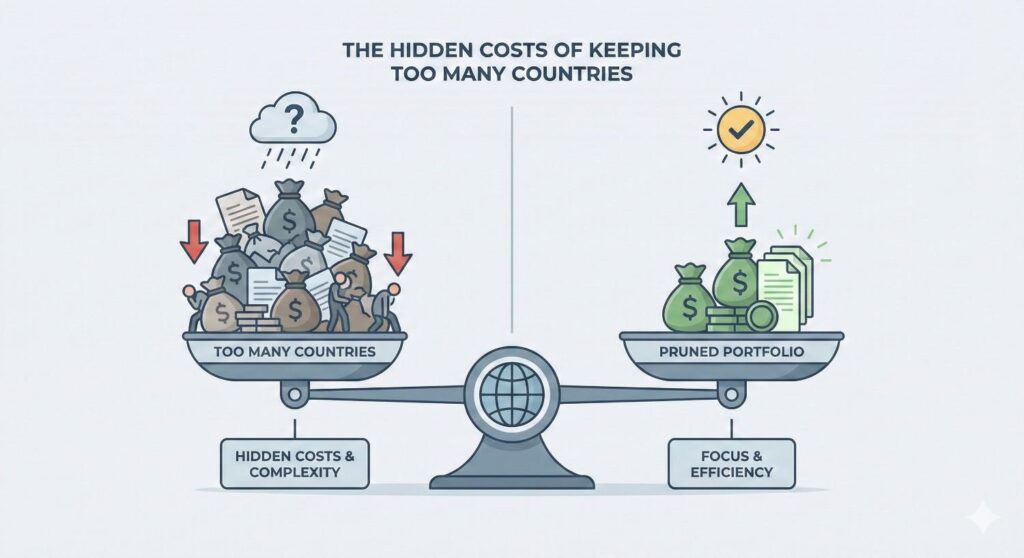
Too many countries can quietly drain cash, focus, and strategic depth. The hidden costs are not always obvious at filing. They appear slowly, year after year.
The goal is not to shrink your ambition. It is to build protection that actually supports growth.
How to Prune Smart Without Weakening Your Patent
Pruning sounds risky.
The word itself feels like cutting something away. And when it comes to patents, cutting can feel dangerous. You worked hard for those rights. You paid for them. Letting go of countries can feel like giving up protection.
But smart pruning is not about shrinking your position. It is about strengthening it.
When done right, pruning sharpens your leverage. It focuses your resources. It protects what actually matters. And it removes the silent drag that slows your company down.
This is where strategy replaces emotion.
If you want a modern system that helps you see your global patent strategy clearly—costs, timelines, trade-offs—while still having real attorney oversight, you can explore it here → https://powerpatent.com/how-it-works
Start With a Business Audit, Not a Legal Review
The first mistake founders make is reviewing patents as legal documents instead of business assets.
Before looking at claims or office actions, look at your company.
Where is revenue growing? Where are serious deals forming? Where are competitors active? Where are you hiring? Where are you manufacturing?
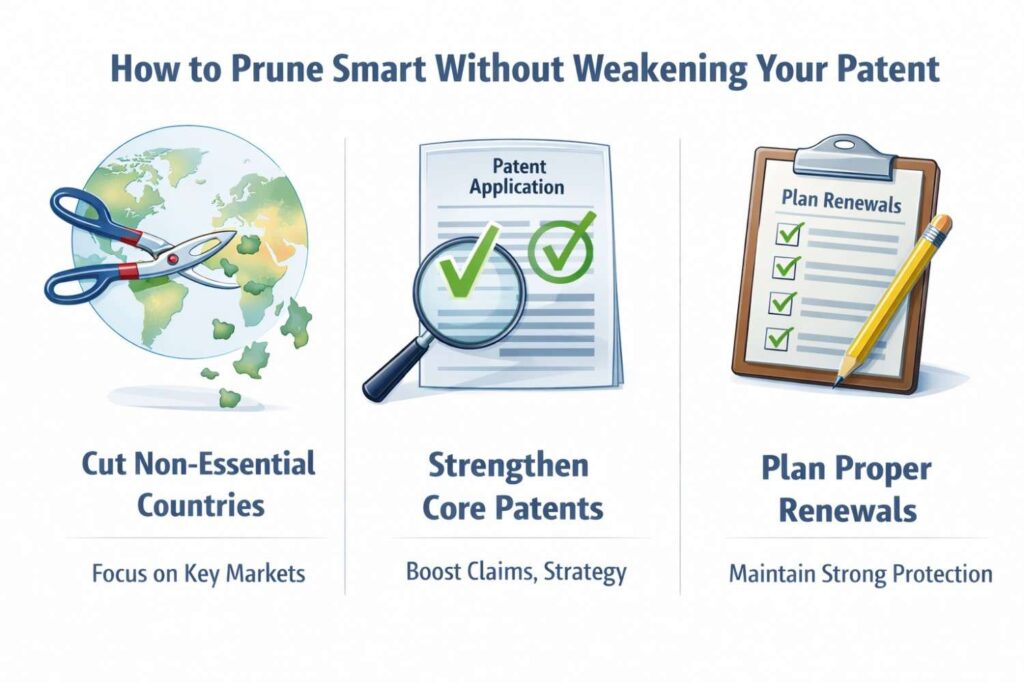
Pruning decisions should flow from those answers.
Tie Each Country to a Clear Business Reason
For every country in your portfolio, ask one simple question: what real business outcome does this support?
If the answer is vague, like “global presence” or “just in case,” that is a warning sign.
Strong answers sound different. They tie directly to revenue protection, manufacturing control, regulatory positioning, or investor alignment.
If a country cannot be connected to a concrete objective, it deserves a second look.
This exercise alone often reveals that parts of a portfolio were built from momentum, not intention.
Separate Core Markets From Optional Markets
Not all countries carry equal weight. Some are central to your business model. Others are peripheral.
The key is to protect your core with strength and treat everything else as optional.
Define Your Core Clearly
Your core markets are places where losing protection would materially harm your valuation or growth.
If a competitor blocked you there, would it slow fundraising? Kill a major revenue stream? Destroy a partnership?
Those are core jurisdictions.
They deserve strong claims, careful prosecution, and long-term commitment.
Optional markets, on the other hand, are nice to have but not essential. Protection there may offer upside, but losing it would not break your strategy.
When cash is tight or priorities shift, optional markets are the first place to consider pruning.
Reallocate Budget Toward Depth
When you drop lower-impact countries, do not treat the savings as pure cost cutting.
Redirect that capital.
Invest in follow-on filings in your core markets. Strengthen claim scope. File improvements. Add continuation strategies. Cover new product features.
Depth in the right places creates a stronger moat than shallow coverage everywhere.
Pruning is not about doing less. It is about doing the right things better.
Time Your Pruning Around Decision Points
International patent systems naturally create checkpoints. Use them.
You do not need to make every decision at once.
National Phase Entry as a Strategic Filter
When moving from an international application into specific national filings, pause.
Do not default to entering every country originally listed.
By this stage, you should have real data. Customer traction. Market feedback. Competitor movement.
Use that data to filter.
If certain regions have not progressed as expected, consider stopping there. The cost jump at national entry is significant. This is often the cleanest moment to prune.
Renewal Deadlines as Strategic Reviews
Every maintenance payment is an opportunity to reassess.
Before paying, review the country through a business lens.
Has revenue materialized? Has manufacturing shifted? Has the competitive landscape changed?
If the answer trends negative, letting a patent lapse can be a disciplined move, not a failure.
Build a habit of reviewing countries annually. Treat each renewal like a board-level capital decision.
Protect Manufacturing Hubs With Intention
If you prune sales markets, be careful not to ignore key production centers.
Blocking competitors at the source can create outsized leverage.
Map the Supply Chain Carefully
Look beyond where customers are located. Understand where products are made and assembled.
If a competitor relies on specific regions for production, holding rights there can give you negotiation power that extends beyond that one country.
But again, be realistic.

Only keep those jurisdictions if you would realistically act on them. A manufacturing hub with no enforcement plan offers limited value.
Align legal rights with operational willingness.
Coordinate Claim Strategy Across Remaining Countries
When you reduce the number of jurisdictions, your remaining portfolio becomes more important.
That means claim strategy must be tight.
Keep Language Consistent
Work closely with counsel to ensure claims stay aligned across core countries.
Avoid unnecessary divergence unless there is a strategic reason.
Consistency strengthens your position in cross-border negotiations and reduces confusion during due diligence.
With fewer active jurisdictions, it becomes easier to maintain clean, coordinated claim sets.
Invest in Strong Responses
When office actions arrive in your core markets, treat them seriously.
Do not rush.
Use pruning savings to fund thoughtful responses and, when needed, interviews with examiners.
Strong prosecution in key jurisdictions can materially improve long-term enforceability.
A system that provides visibility into claim changes and deadlines—combined with real attorney oversight—can make this process far more manageable. You can see how that works here → https://powerpatent.com/how-it-works
Communicate Strategy to Investors Clearly
Pruning can worry stakeholders if not explained properly.
Frame it correctly.
You are not shrinking ambition. You are focusing capital.
Show Capital Discipline
Explain how geographic decisions align with revenue concentration and competitive dynamics.
Investors appreciate disciplined capital allocation.
A focused, well-reasoned portfolio signals maturity. It shows you treat patents as strategic tools, not vanity metrics.
If pruning allows you to reinvest in core filings or accelerate product development, highlight that.
This turns what might look like contraction into a story of strategic sharpening.
Avoid Emotional Attachment
Letting go of a country can feel like admitting a past decision was imperfect.
It is not.
Early-stage strategy evolves. New data emerges. Markets change.
Smart founders adapt.
The worst reason to keep a country is because you already paid for it.
Past cost should not dictate future action.
If a jurisdiction no longer supports revenue, leverage, or realistic enforcement, releasing it can free your company to move faster elsewhere.
That is strength.
Build a Living Strategy, Not a Static Map
Geographic pruning is not a one-time event. It is an ongoing discipline.
As your startup grows, new markets may justify entry. Others may fade in importance.
Your patent strategy should move with your business.
That requires visibility, coordination, and guidance.
Old-school patent processes often feel opaque and slow. Decisions happen through scattered emails and dense legal documents.
Modern founders deserve better.
When you combine smart software that gives you clarity with real patent attorneys who guide strategy, you gain control.
You see costs. You understand trade-offs. You make decisions based on business reality, not guesswork.
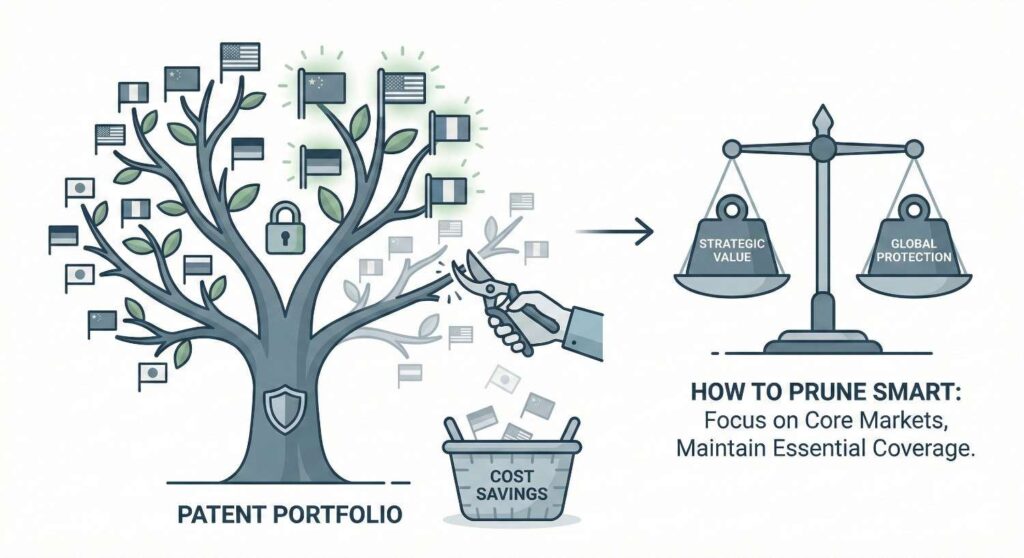
That is how pruning becomes empowering instead of stressful.
If you want to build a focused, high-leverage global patent strategy without drowning in complexity, take a closer look at how PowerPatent helps founders move faster and smarter → https://powerpatent.com/how-it-works
Geographic pruning is not about cutting protection. It is about protecting what truly matters.
Wrapping It Up
Global patent strategy sounds big and impressive. Maps filled with countries. Long lists of jurisdictions. Dozens of flags. But serious founders know something simple. Strength does not come from covering the world. Strength comes from protecting the places that actually move your business forward. Geographic pruning is not about playing small. It is about playing smart. It is about matching your patent footprint to your real revenue, real competitors, real manufacturing, and real enforcement ability.
Leave a Reply