Category: Management
-

Invention Disclosure Intake for Remote R&D Teams
If your team builds from different cities, time zones, or even countries, your ideas can slip through the cracks fast. A breakthrough shared on Slack today can be forgotten next week. A new model tweak discussed on Zoom can disappear in a sea of notes. And when you finally think about filing a patent, you…
-
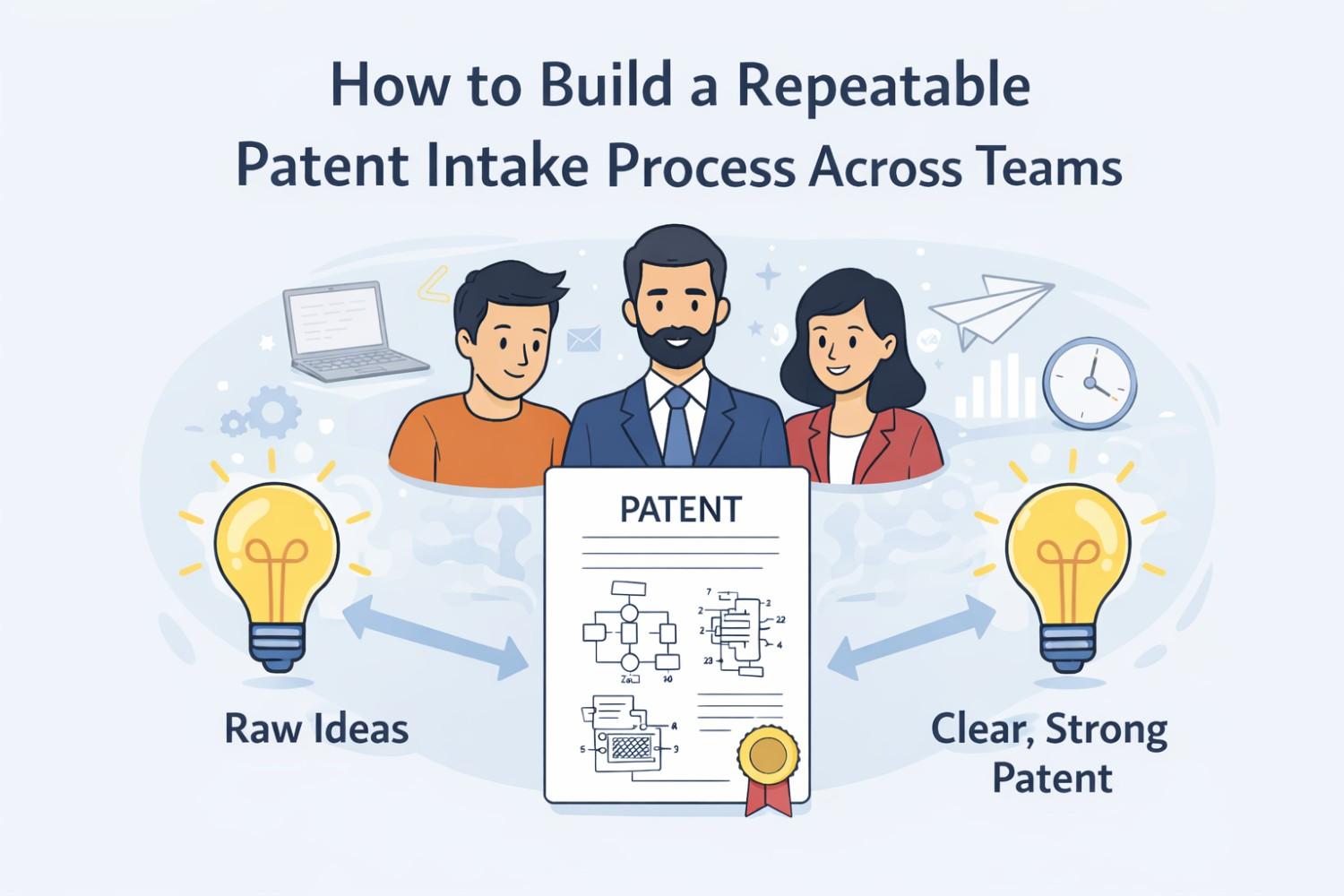
How to Build a Repeatable Patent Intake Process Across Teams
If your company builds fast but files patents slow, you have a hidden problem. Ideas are slipping through the cracks. Engineers are shipping features, models are getting trained, new systems are going live—and no one has a simple, repeatable way to catch what should be protected. A repeatable patent intake process fixes that. It turns…
-
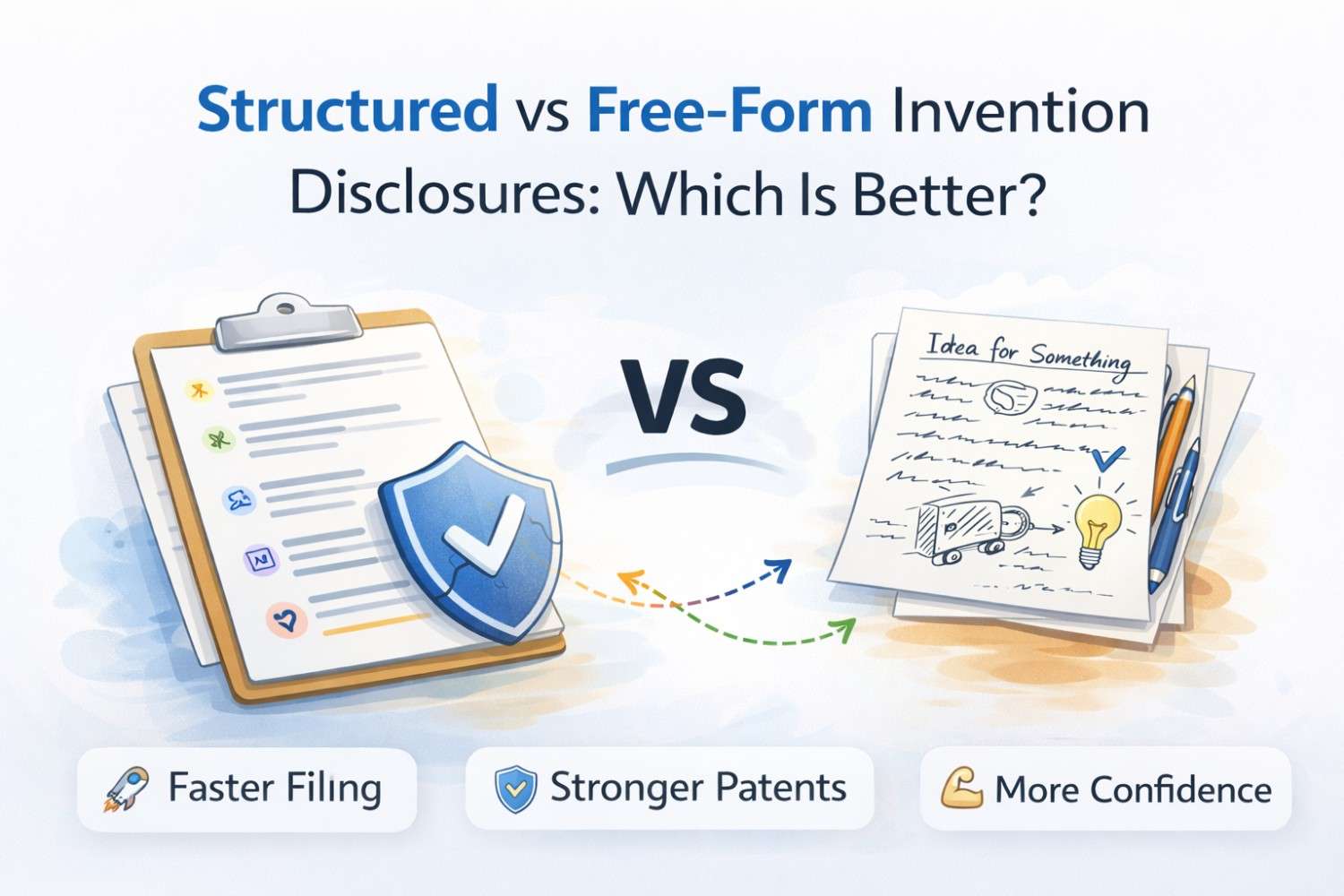
Structured vs Free-Form Invention Disclosures: Which Is Better?
You built something real. Maybe it’s a new AI model. Maybe it’s a hardware system. Maybe it’s a clever backend process that saves hours of compute time. Whatever it is, it matters. And now you’re asking the right question: How do I document this so I can protect it? This is where invention disclosures come…
-
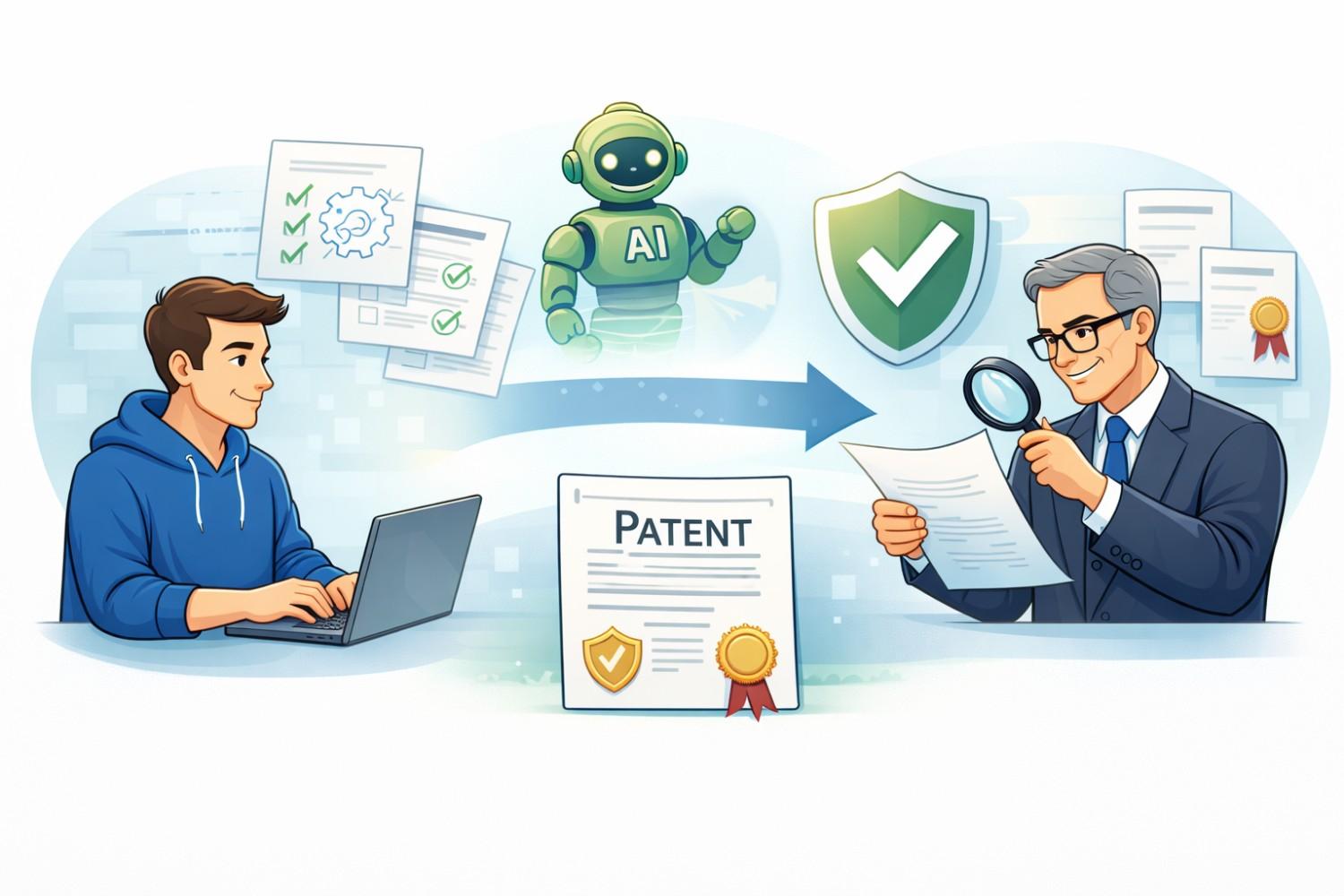
How Patent Attorneys Can Improve Inventor Intake Quality
Most patents fail before they even begin. Not because the idea is weak, but because the intake process is messy, rushed, or unclear. When the first conversation between an inventor and a patent attorney is shallow, the entire patent suffers. Claims become weak. Important details get missed. Costs rise. Timelines stretch. And the final patent…
-
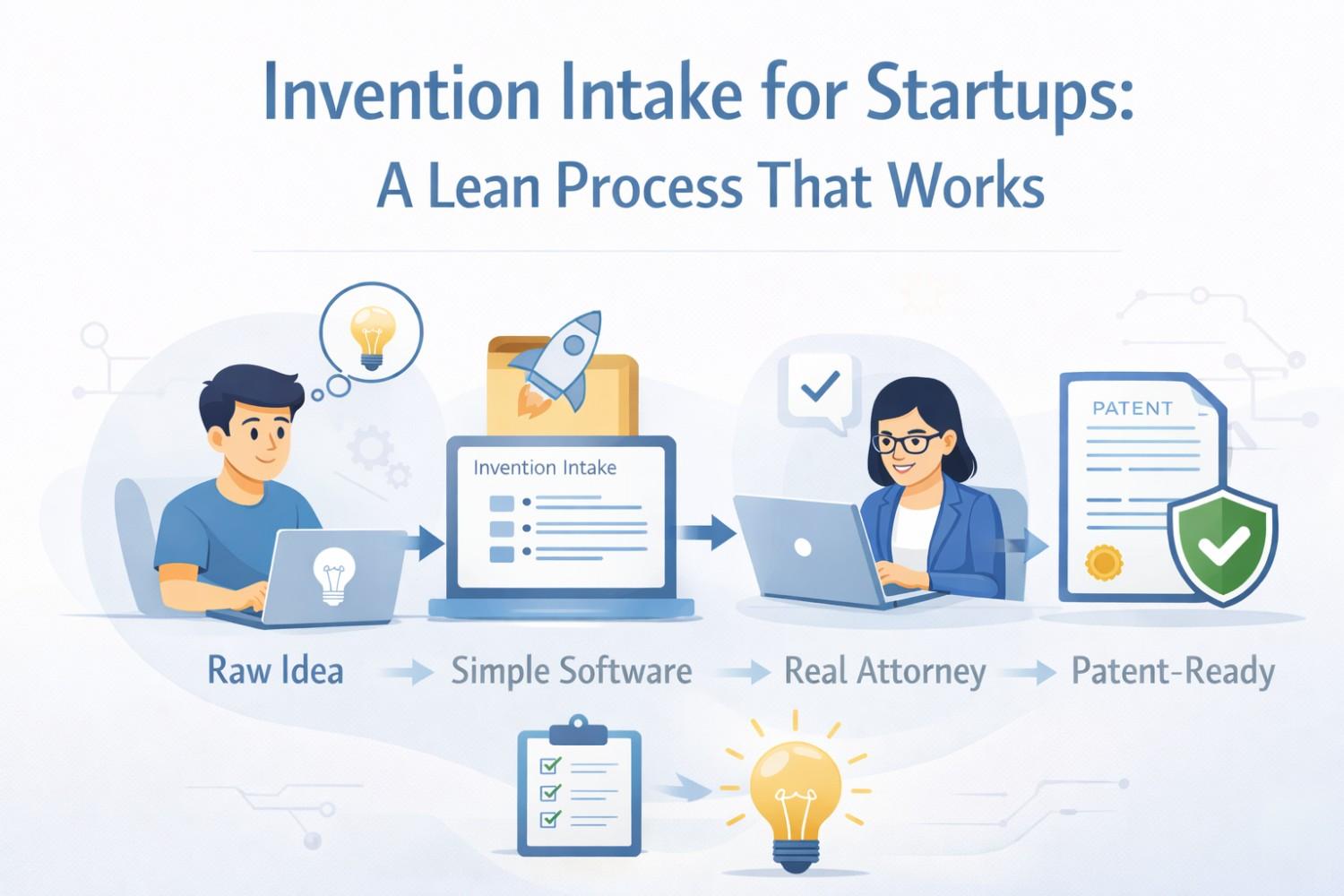
Invention Intake for Startups: A Lean Process That Works
Startups move fast. Ideas turn into code, and code turns into products almost overnight. But one thing many founders forget is this: if you do not capture your invention details early, you risk losing protection later. Invention intake is simply the act of collecting your ideas in a clear way before filing a patent. It…
-
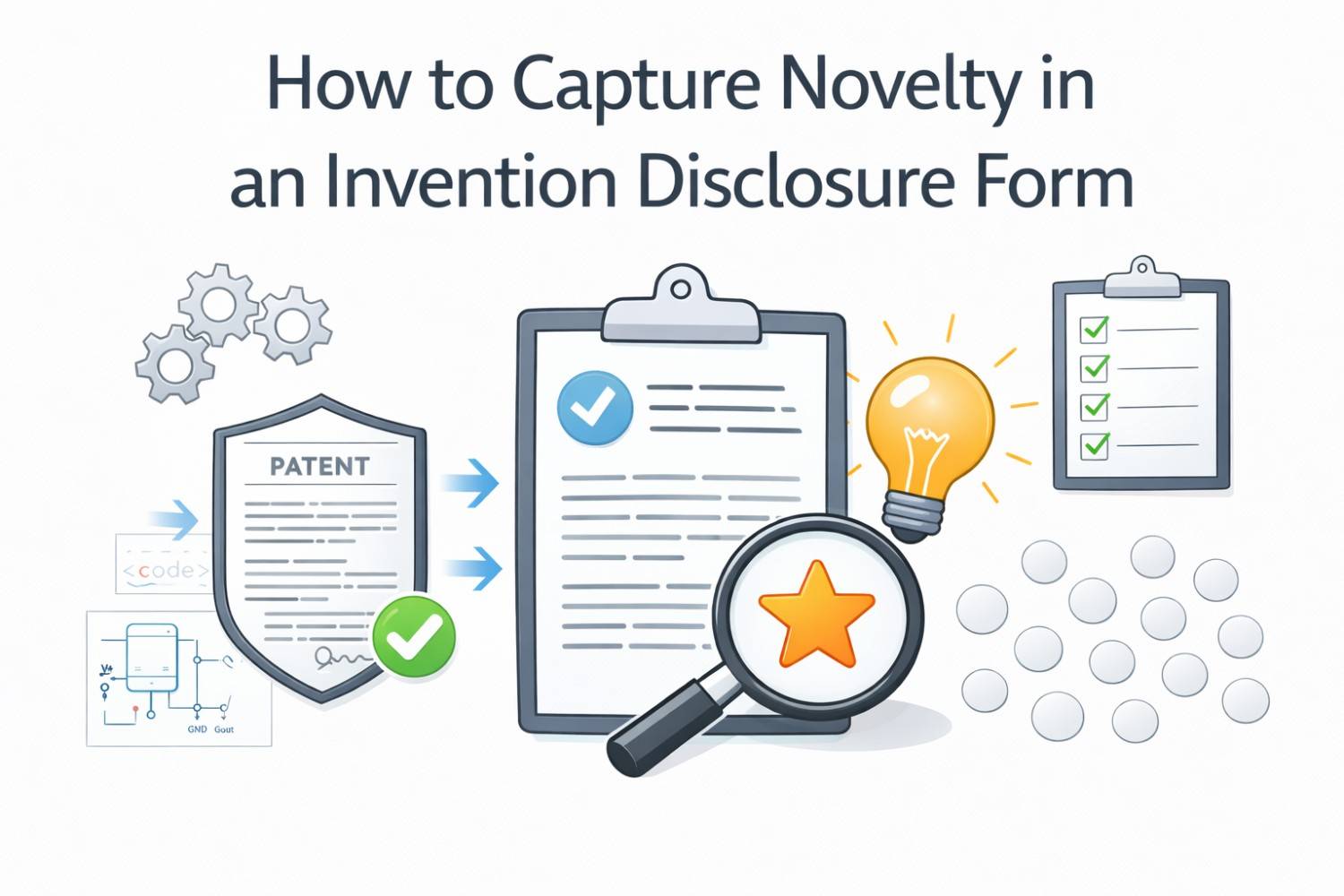
How to Capture Novelty in an Invention Disclosure Form
Your invention is only as strong as the way you describe it. If you cannot clearly explain what makes it new, different, and useful, no patent attorney or examiner can protect it. An invention disclosure form is not paperwork. It is the blueprint for your protection. In this guide, you will learn exactly how to…
-

Invention Disclosure Forms for AI and Machine Learning Inventions
If you are building an AI or machine learning product, you are sitting on real intellectual property right now. Not someday. Not after you raise funding. Right now. The problem is most founders do not capture it properly. They build fast, ship code, train models, tweak prompts, improve pipelines—and none of it gets written down…
-
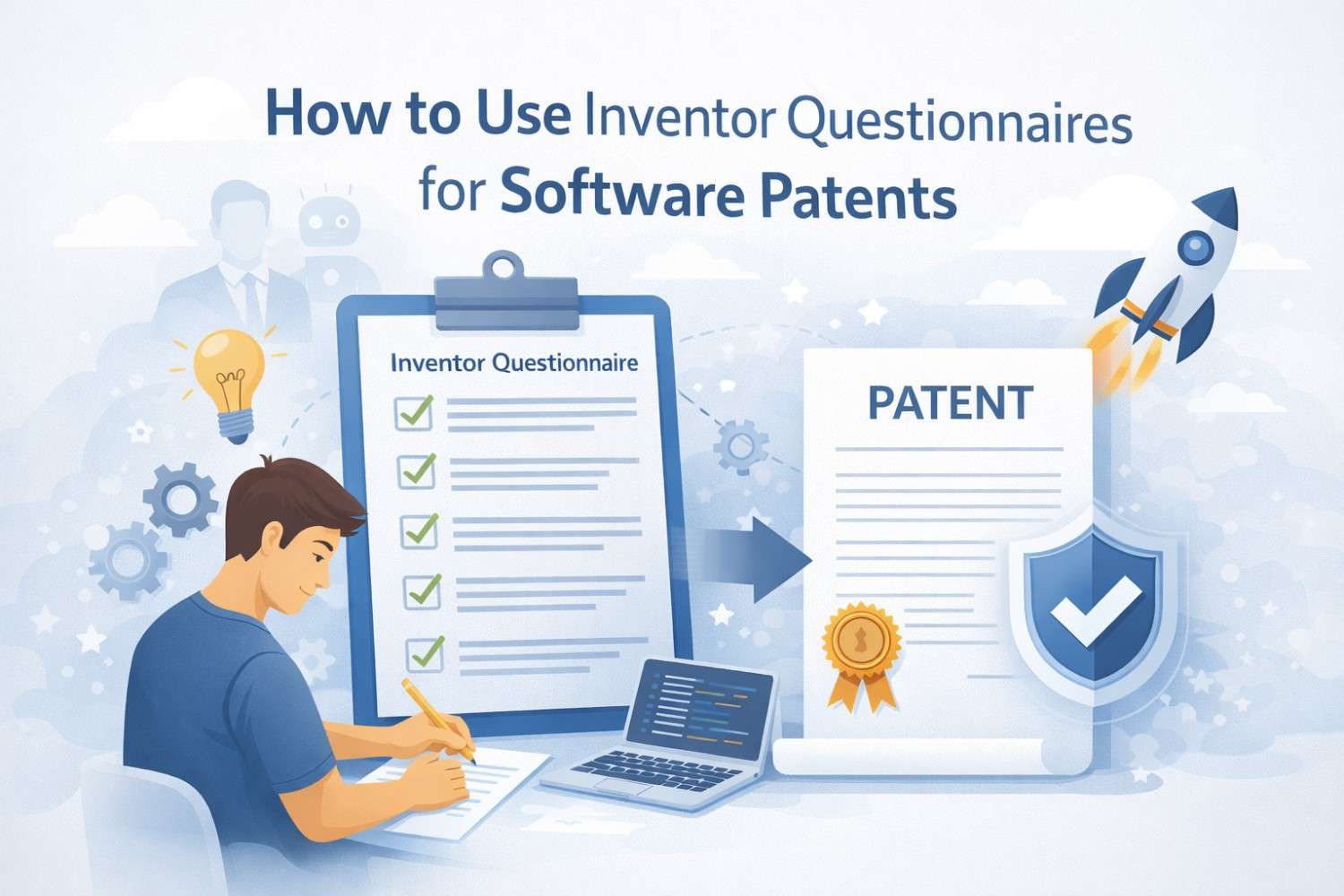
How to Use Inventor Questionnaires for Software Patents
Most software founders wait too long to protect what they build. Not because they do not care. But because patents feel confusing, slow, and full of paperwork. The truth is simple: a well-built inventor questionnaire can turn your messy ideas, code, and product plans into a strong software patent without slowing you down. In this…
-

AI-Powered Invention Intake: Faster Forms, Better Inputs
You are building something new. Something bold. And every day you wait to protect it, you take a risk. The problem is not that you don’t care about patents. It’s that the process feels slow, confusing, and stuck in the past. Long forms. Endless back and forth. Weeks of silence. That’s where AI-powered invention intake…
-
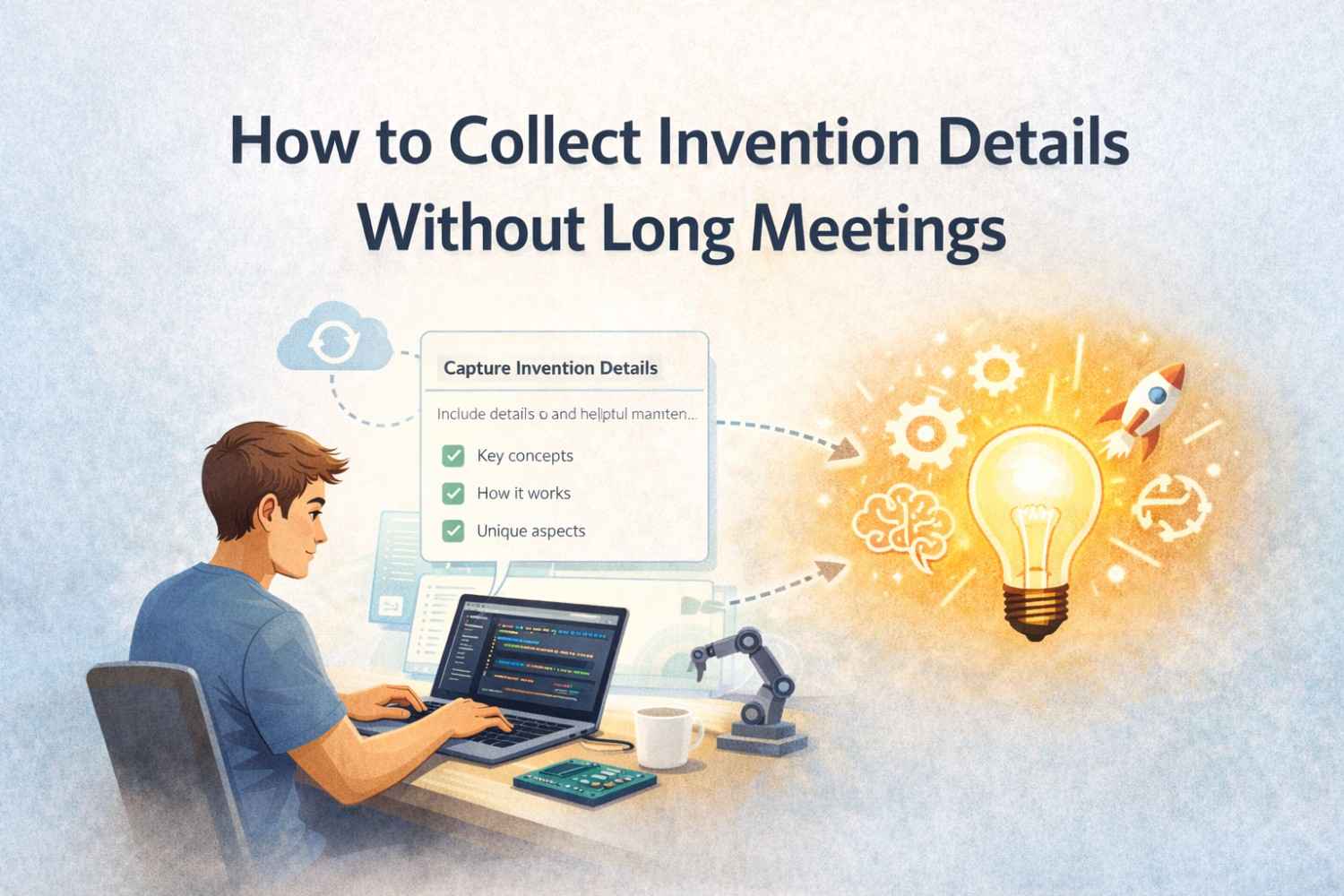
How to Collect Invention Details Without Long Meetings
You do not need more meetings. You need better input. If you are building real tech, your time is gold. Long patent calls that drag for hours slow you down, drain your team, and still miss key details. The good news is this: you can collect strong invention details without sitting in endless meetings. You…