Category: Patent Filing
-
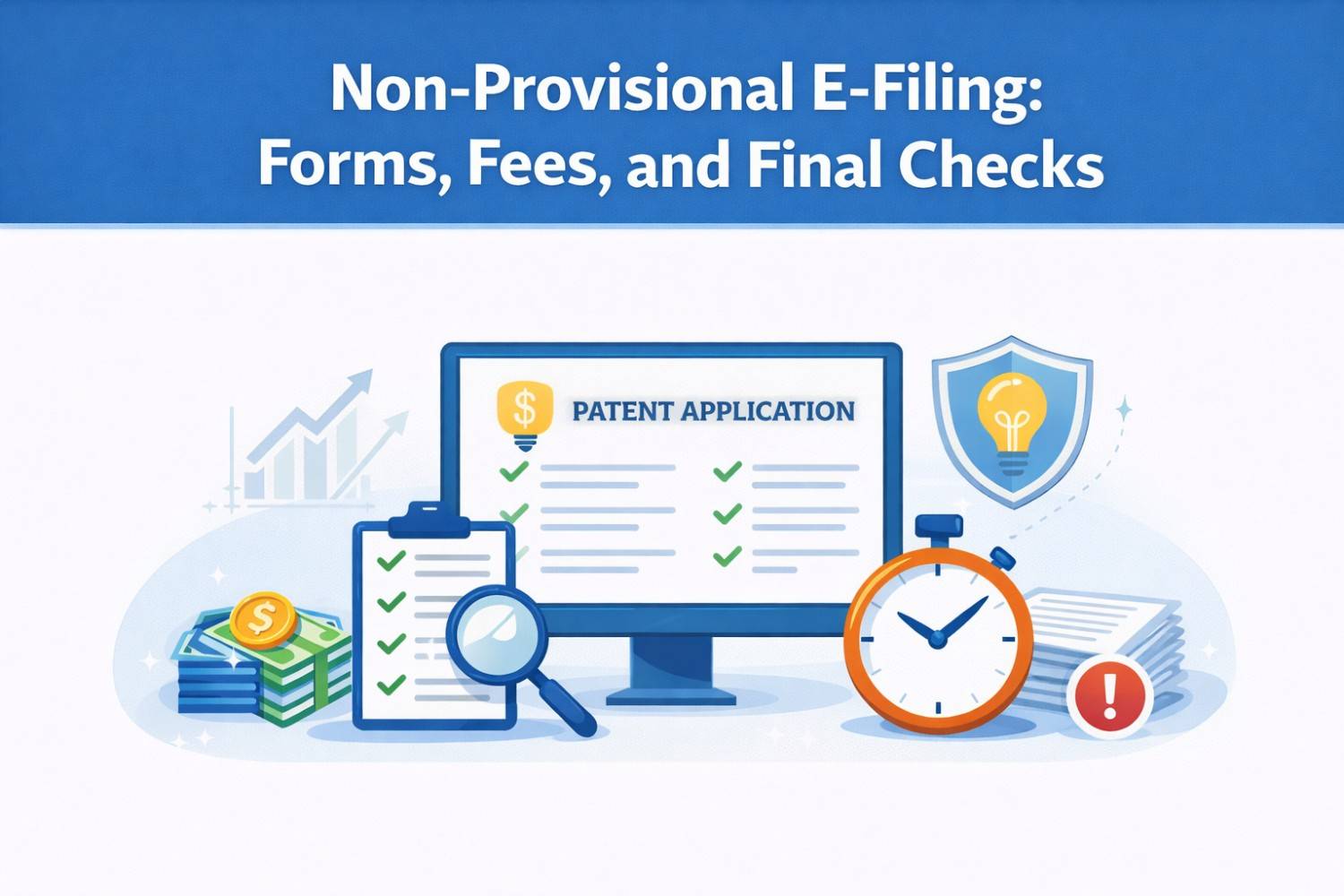
Non-Provisional E-Filing: Forms, Fees, and Final Checks
Non-provisional e-filing is the moment where your invention stops being an idea on your laptop and starts becoming real legal property. This is the filing that actually turns your work into a patent application the world can see, challenge, and respect. And yet, this step is where most founders feel the most confused, rushed, or…
-
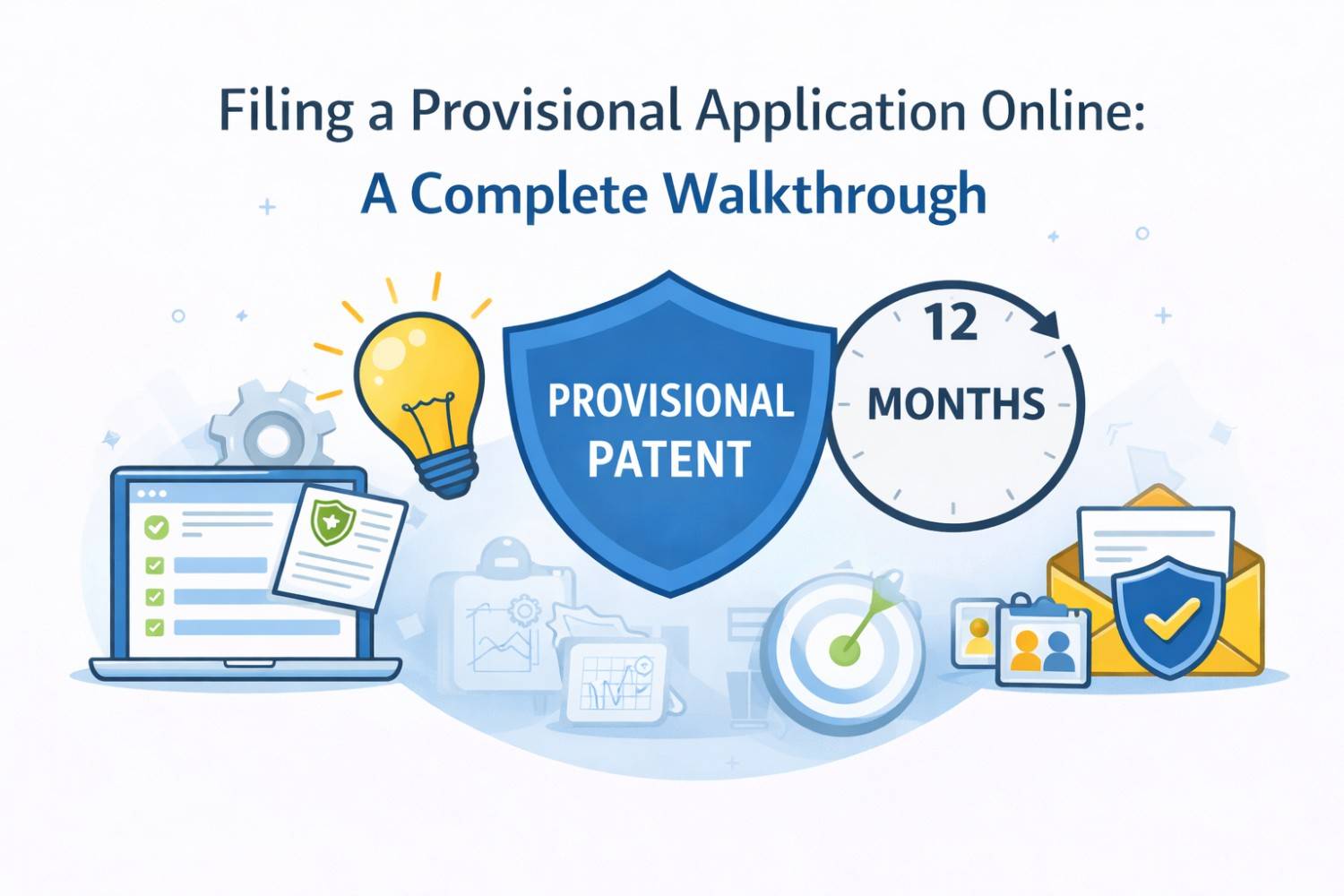
Filing a Provisional Application Online: A Complete Walkthrough
If you are building something new, speed matters. So does protection. Filing a provisional patent application online is often the smartest first move you can make to protect what you are creating without slowing down your work. It gives you a clear date, real confidence, and room to keep building while your idea stays safe.…
-
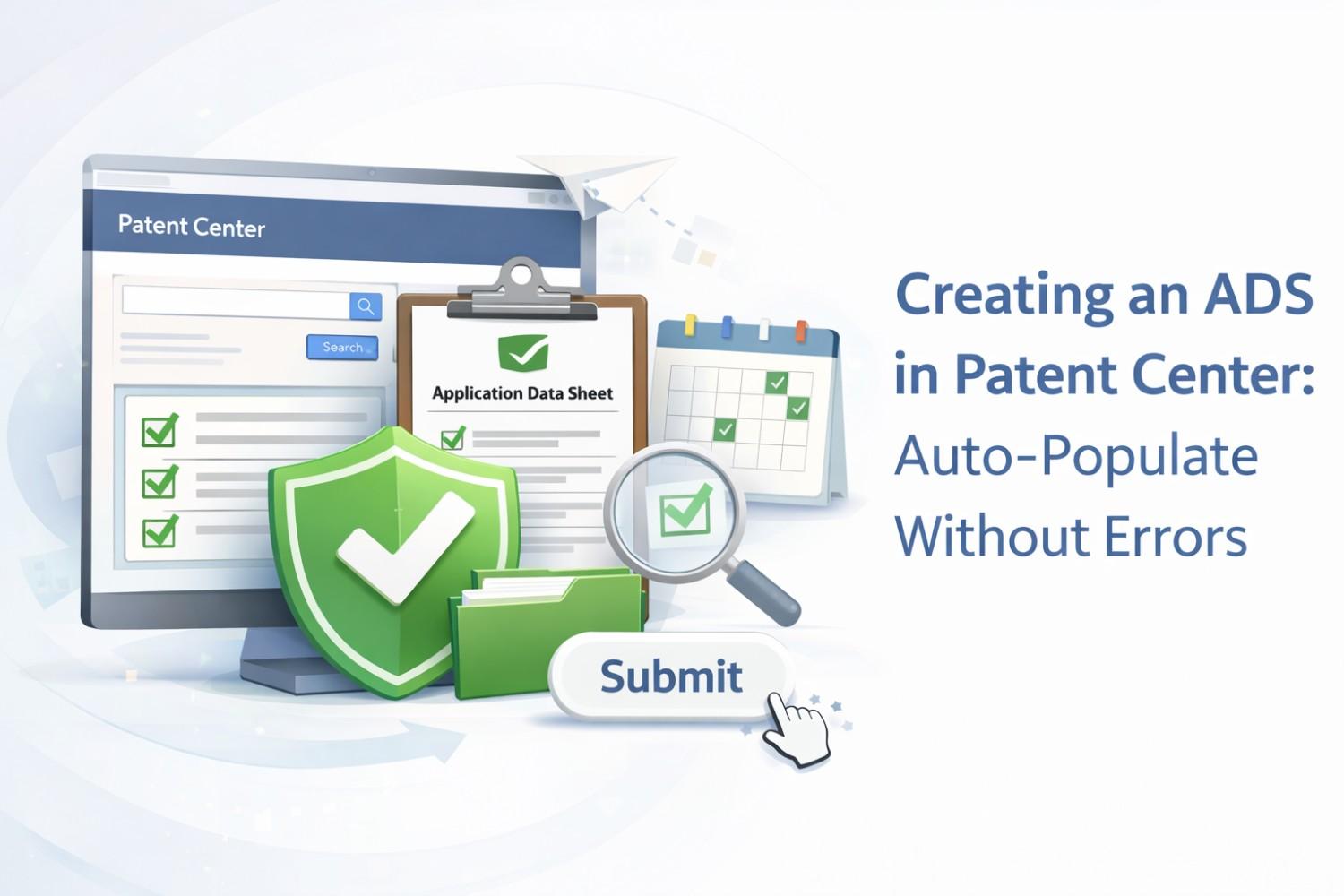
Creating an ADS in Patent Center: Auto-Populate Without Errors
Creating an ADS in Patent Center sounds simple until it breaks your filing at the worst possible time. One small mismatch, one missing field, and suddenly your application is stuck, delayed, or worse, rejected. This article is about fixing that problem for good. We are going to walk through how to create an Application Data…
-
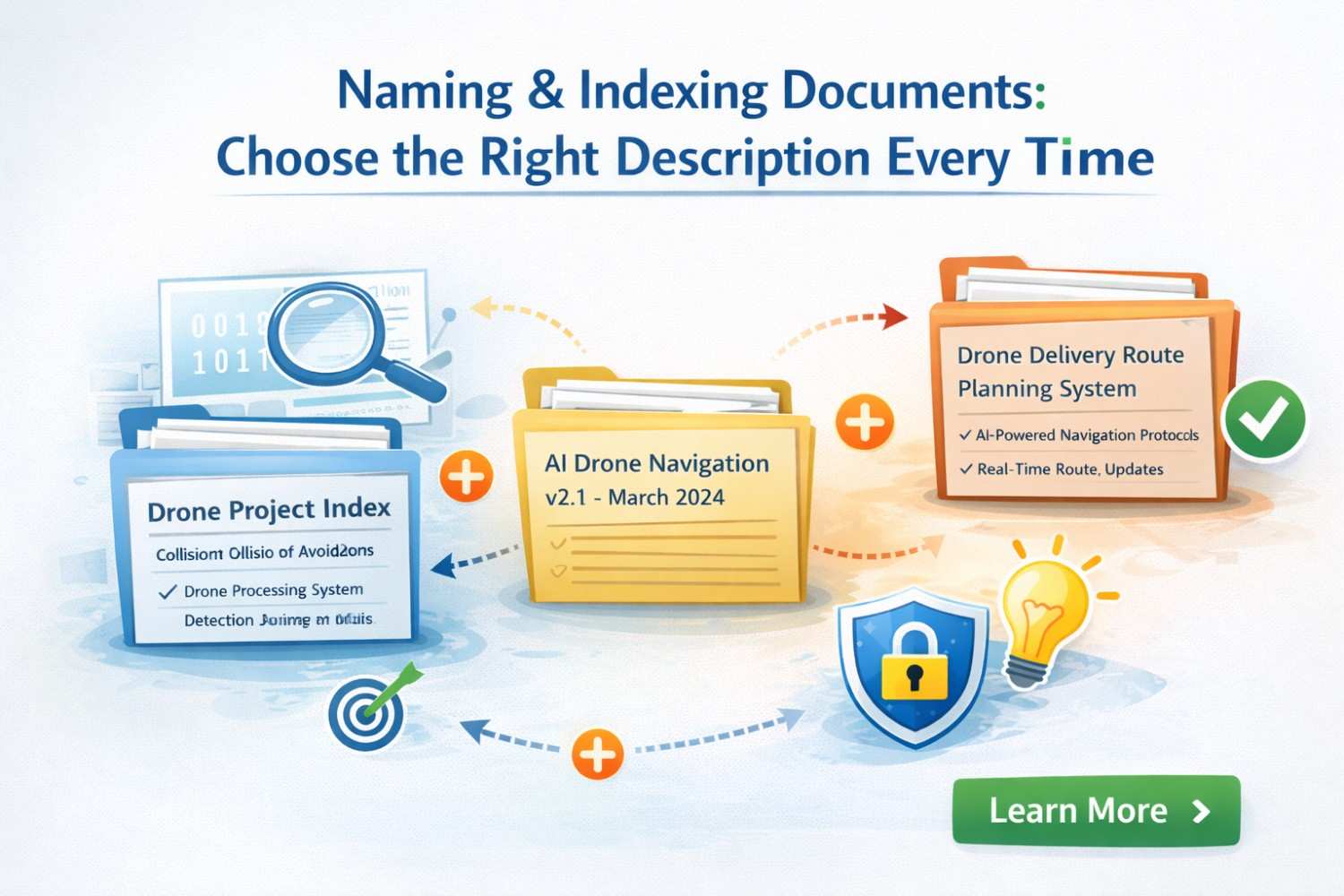
Naming & Indexing Documents: Choose the Right Description Every Time
Most patent problems do not start in court. They start much earlier, when a founder saves a file with a vague name, drops it into the wrong folder, and promises themselves they will clean it up later. Later never comes. When it is finally time to protect what you built, you are stuck guessing which…
-
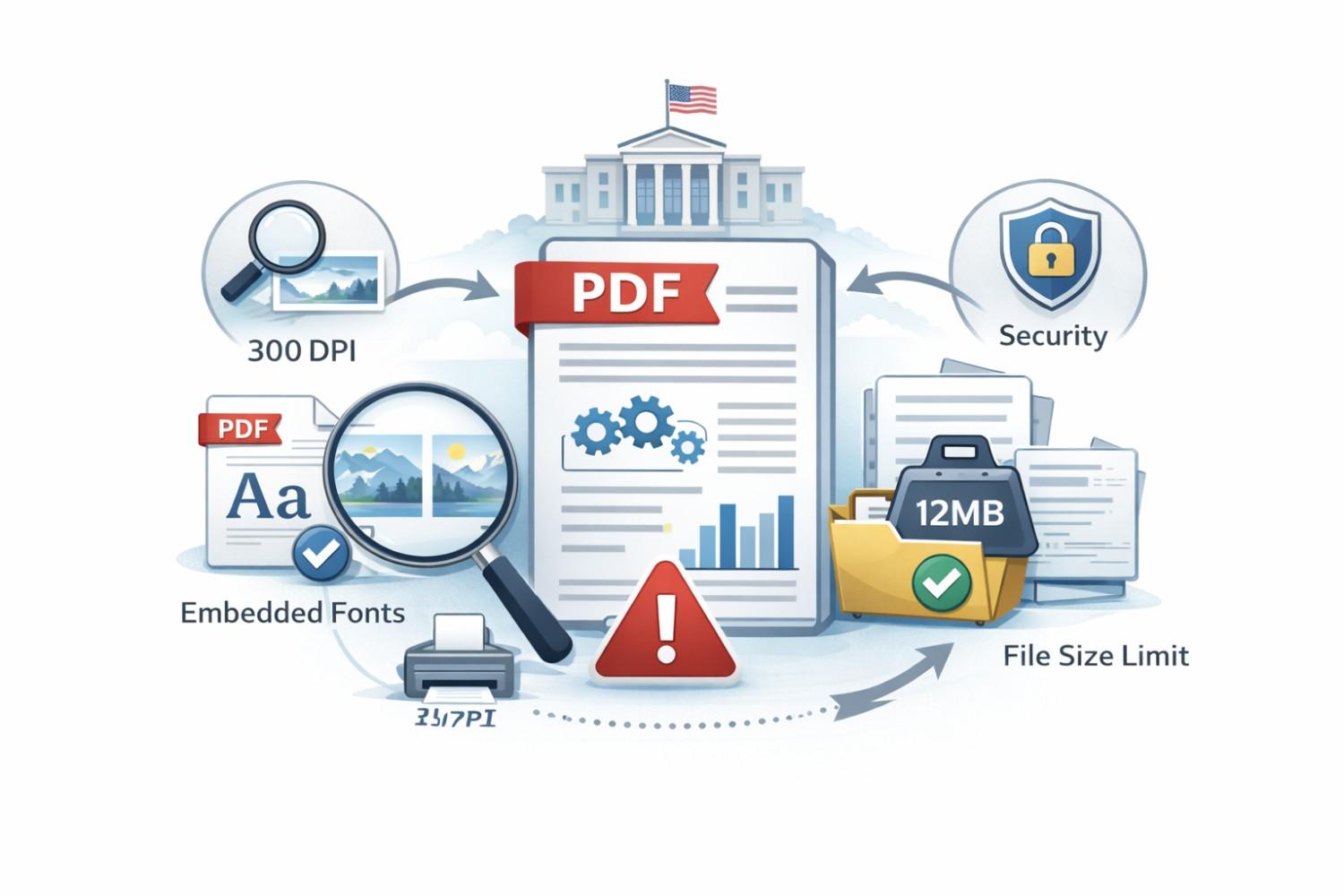
PDF Requirements for USPTO E-Filing: DPI, Fonts, and File Size
Filing a patent should not fail because of a PDF. Yet this happens more often than founders expect. You can have a strong invention, clean claims, and solid drawings, and still get blocked because your file did not meet basic USPTO rules. That is frustrating, slow, and avoidable. This guide is here to fix that.…
-
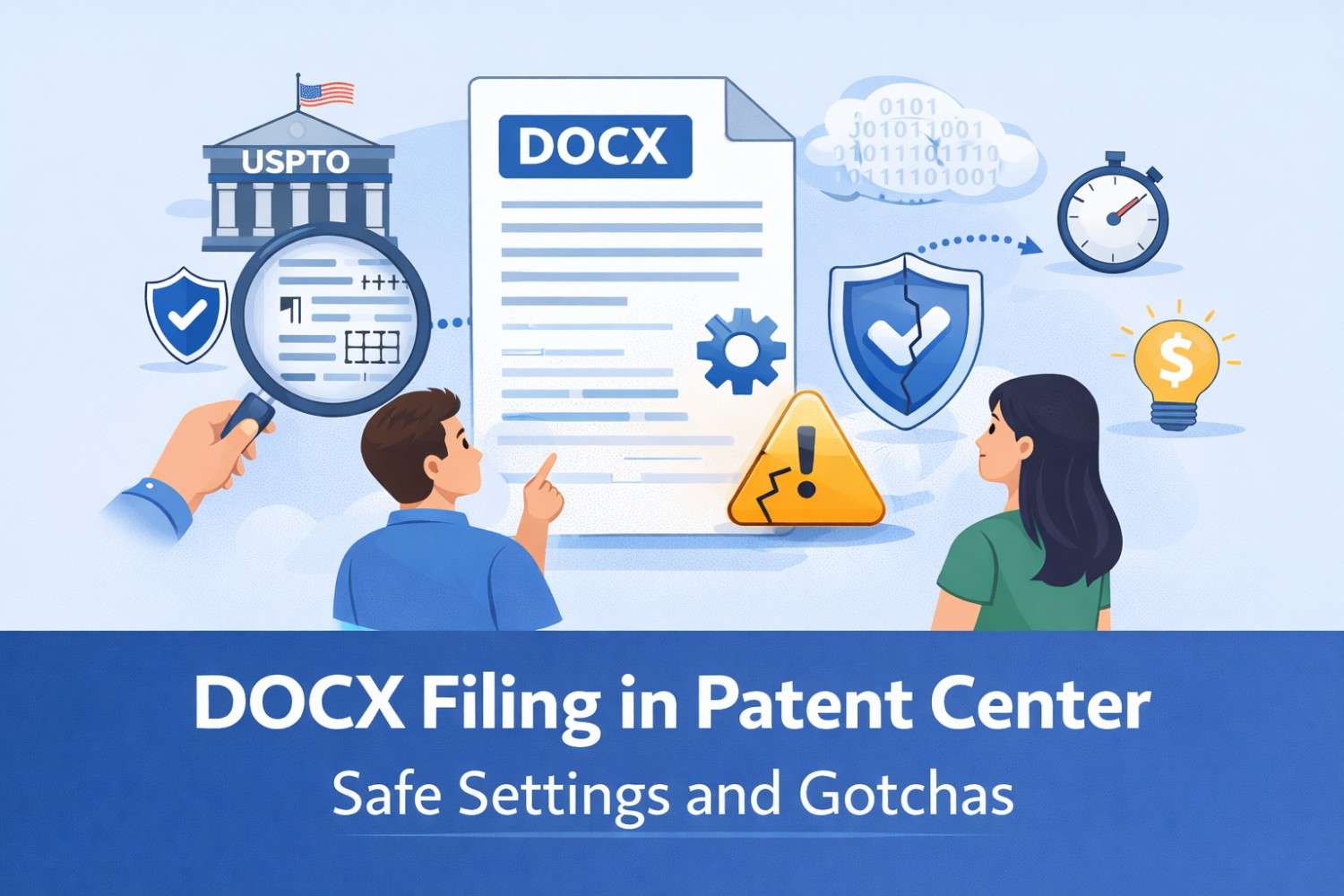
DOCX Filing in Patent Center: Safe Settings and Gotchas
If you are filing a patent today, you are almost certainly uploading a DOCX file into Patent Center. The USPTO wants it that way. Most founders accept that and move on. That is where trouble starts. DOCX filing looks simple. You write your patent in Word. You upload it. You click submit. But under the…
-
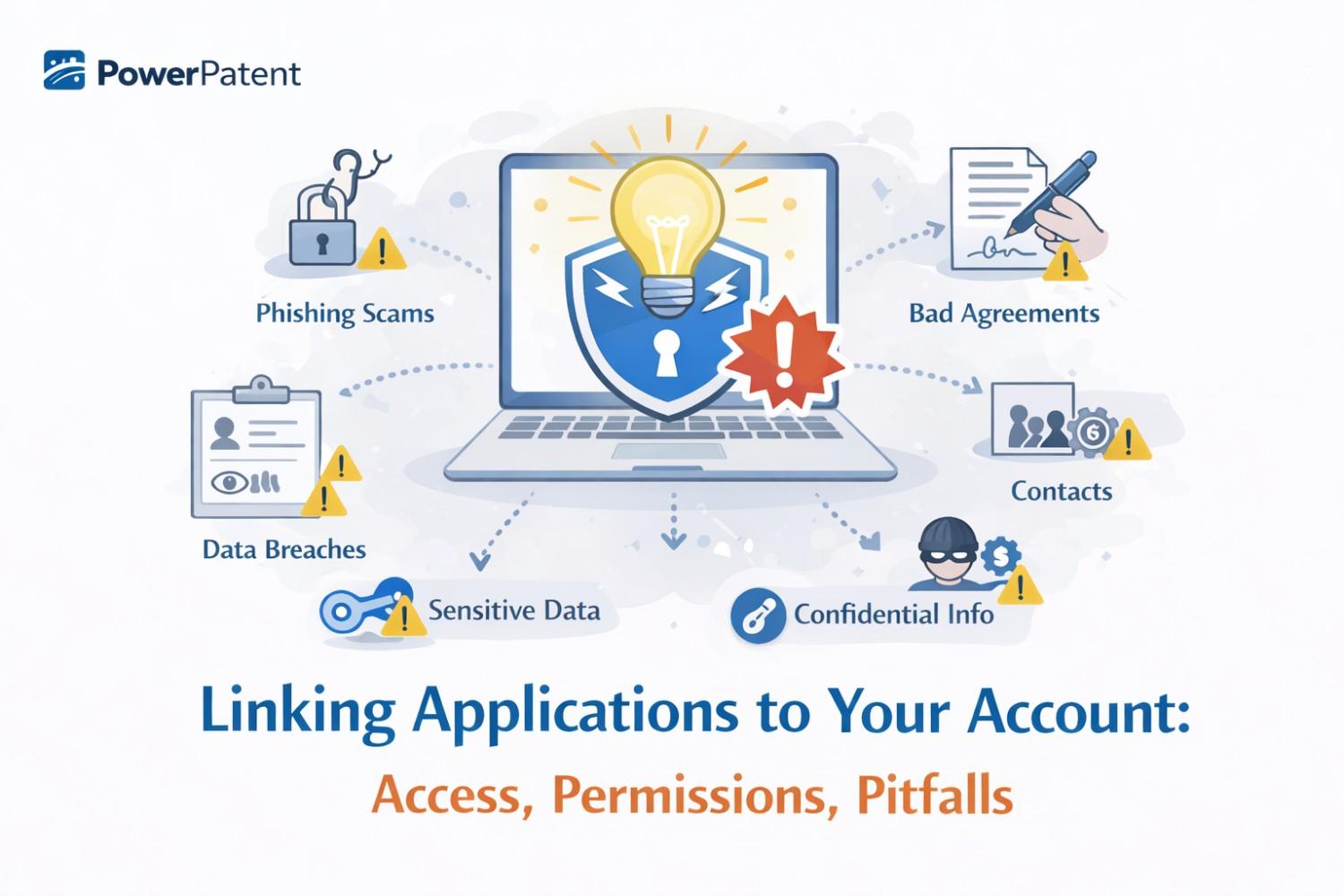
Linking Applications to Your Account: Access, Permissions, Pitfalls
Linking an application to your account sounds small. It feels like a quick click. A box you check. A thing you rush through so you can get back to building. But that one click decides who can see your work, who can change it, and who owns the trail you leave behind. For founders and…
-
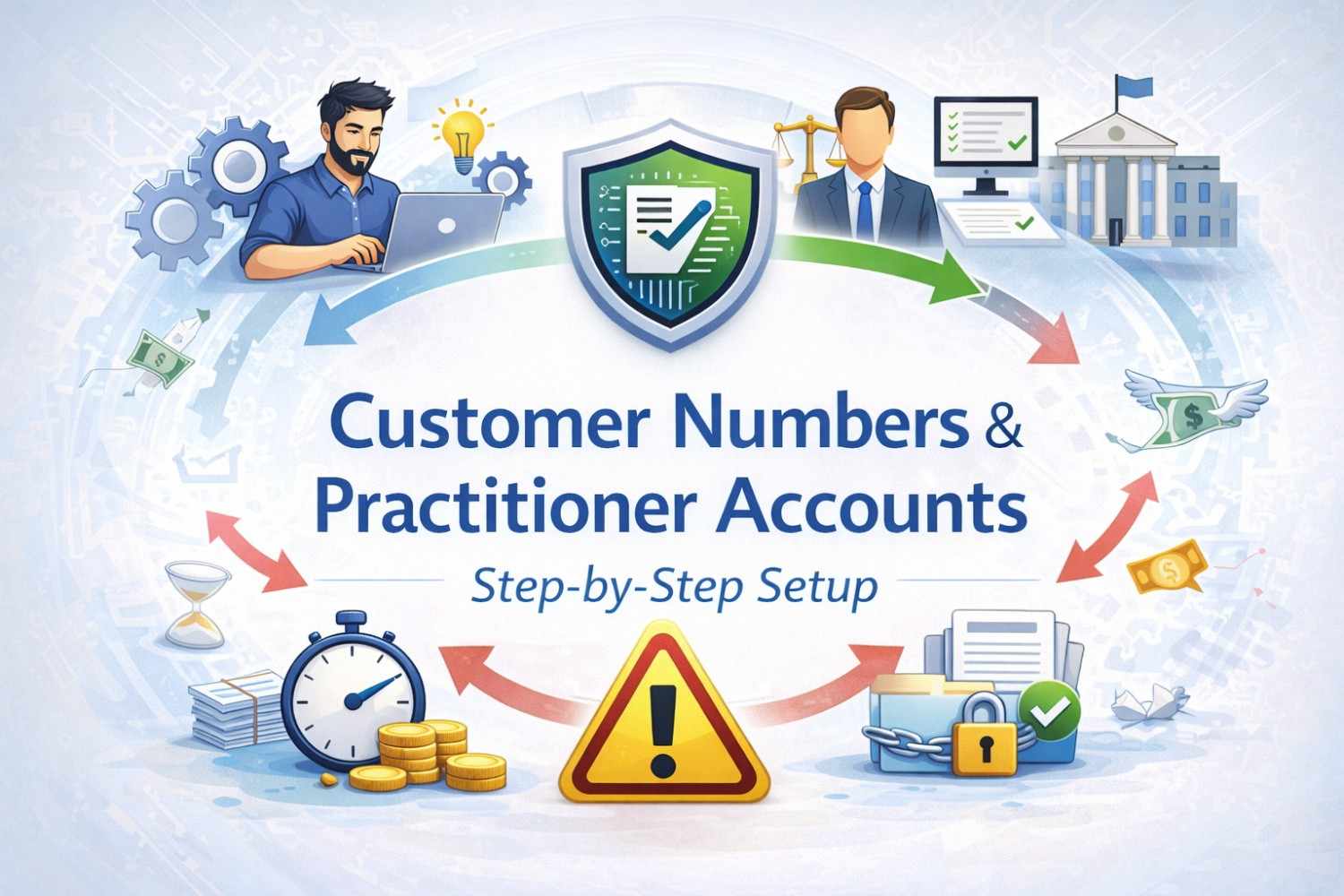
Customer Numbers & Practitioner Accounts: Step-by-Step Setup
Getting your patent filed should feel clear, calm, and under your control. Not confusing. Not slow. And definitely not scary. This guide is written to walk you through one of the most misunderstood parts of the patent process: customer numbers and practitioner accounts. These sound complex, but they are not. Once you understand them, you…
-
Setting Up Your Patent Center Account: Login.gov, 2FA, and Sponsorship
If you are serious about protecting what you are building, this is a step you cannot skip. The USPTO now runs on something called Patent Center, and if you want to file, manage, or even touch a patent application, you need to get this set up the right way from day one. No shortcuts. No…
-
Patent Center vs. Old PAIR/EFS: What Changed and Why It Matters
If you have ever tried to file or manage a patent with the USPTO, you know the pain. The tools were old. The screens were confusing. Simple actions took hours. Mistakes were easy to make and hard to fix. For founders and engineers moving fast, the system felt like it was built to slow you…