Category: Patent Filing
-
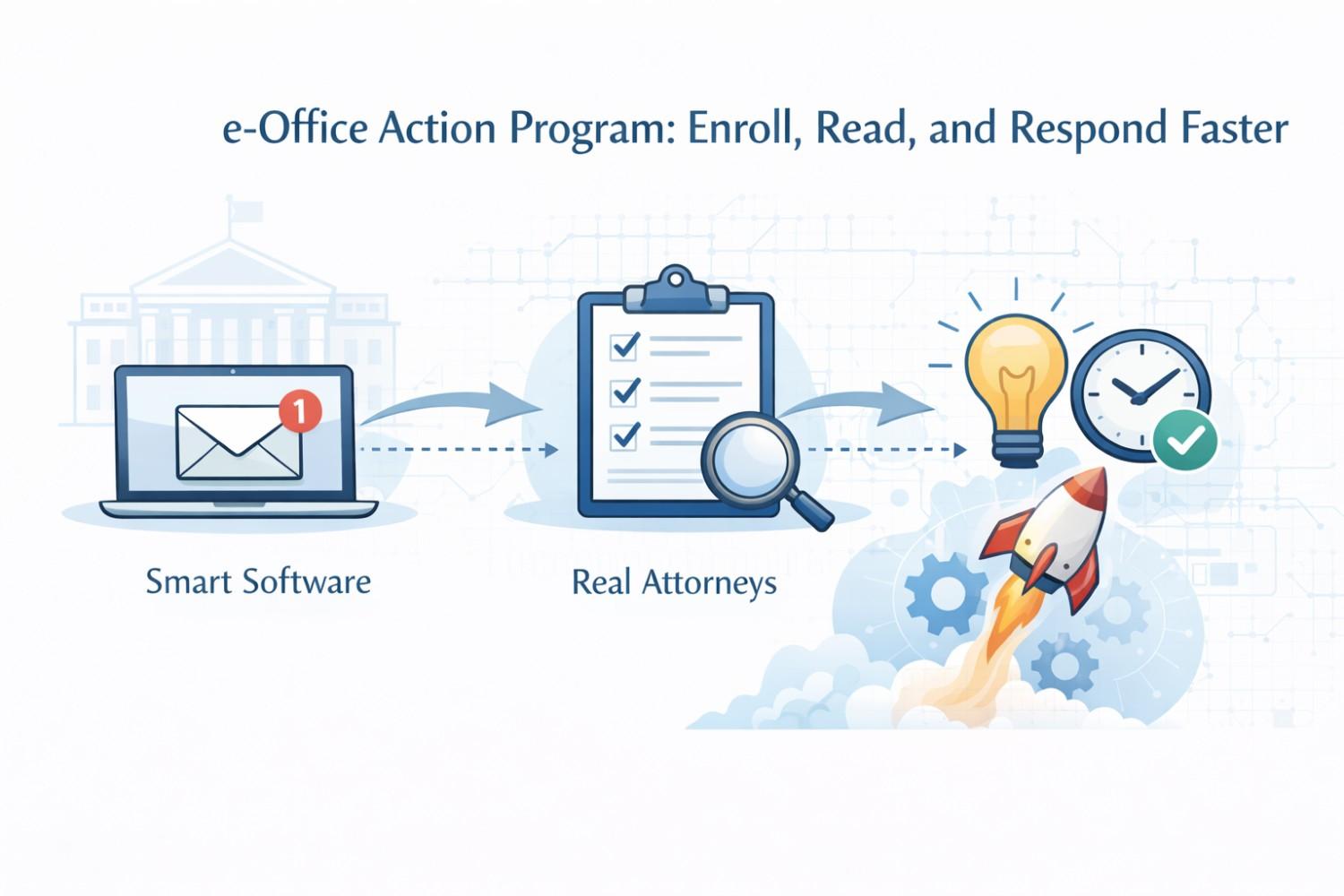
e-Office Action Program: Enroll, Read, and Respond Faster
If you are building something new and filing a patent, speed and clarity matter more than anything else. The e-Office Action Program was created to remove delays, confusion, and paper-heavy back and forth with the patent office, so you can see issues sooner and respond with confidence. In this guide, we will break down what…
-
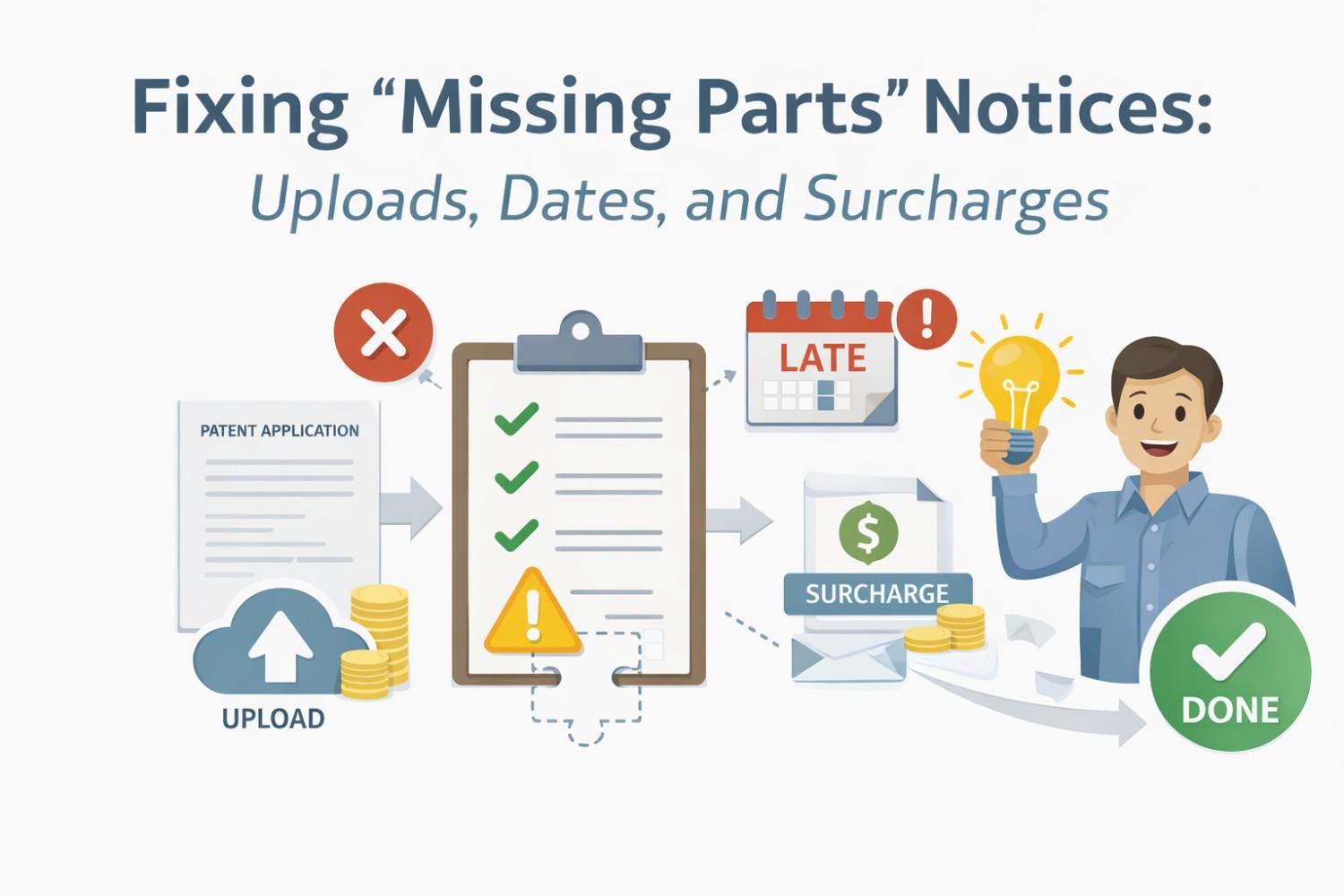
Fixing “Missing Parts” Notices: Uploads, Dates, and Surcharges
Missing Parts notices are one of the fastest ways a strong patent idea can get stuck, delayed, or quietly weakened. They show up when something small but critical is off, like a file upload, a date, or a fee, and they can cost you time, money, and leverage if you do not fix them the…
-
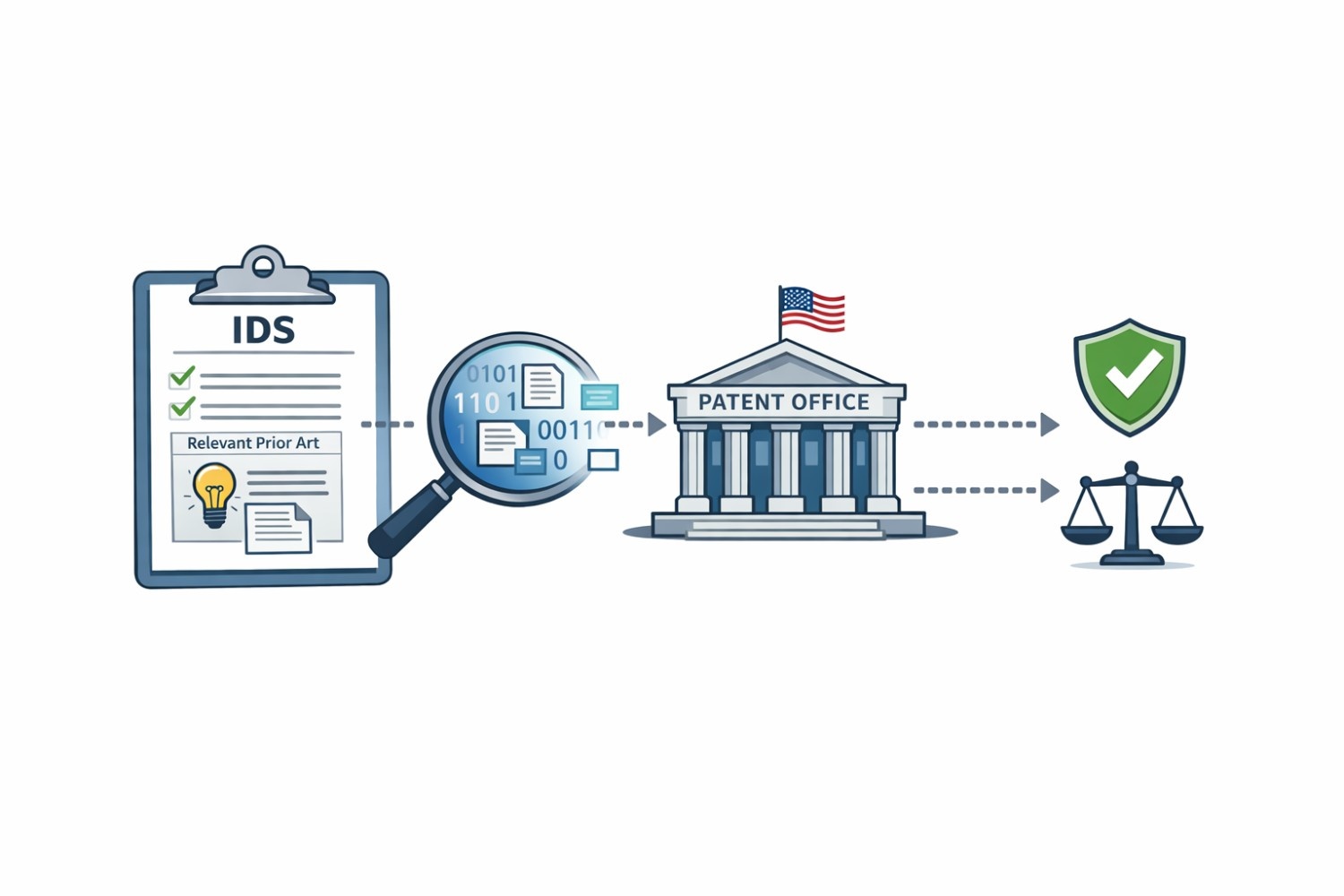
IDS E-Filing in Patent Center: Forms, Certifications, Best Practices
Filing an IDS sounds boring until you realize one small mistake can quietly weaken your entire patent. This article is about doing it right, fast, and without stress. We are going to walk through IDS e-filing inside Patent Center in plain English, step by step, so you know exactly what matters, what does not, and…
-

Track One at Filing: Exact Steps to Avoid Delays
Track One sounds simple on paper. File your patent and get a fast answer. In real life, many founders miss it by days, make small filing mistakes, or choose the wrong setup and lose the speed they wanted. This article shows exactly how to use Track One the right way from day one, so you…
-
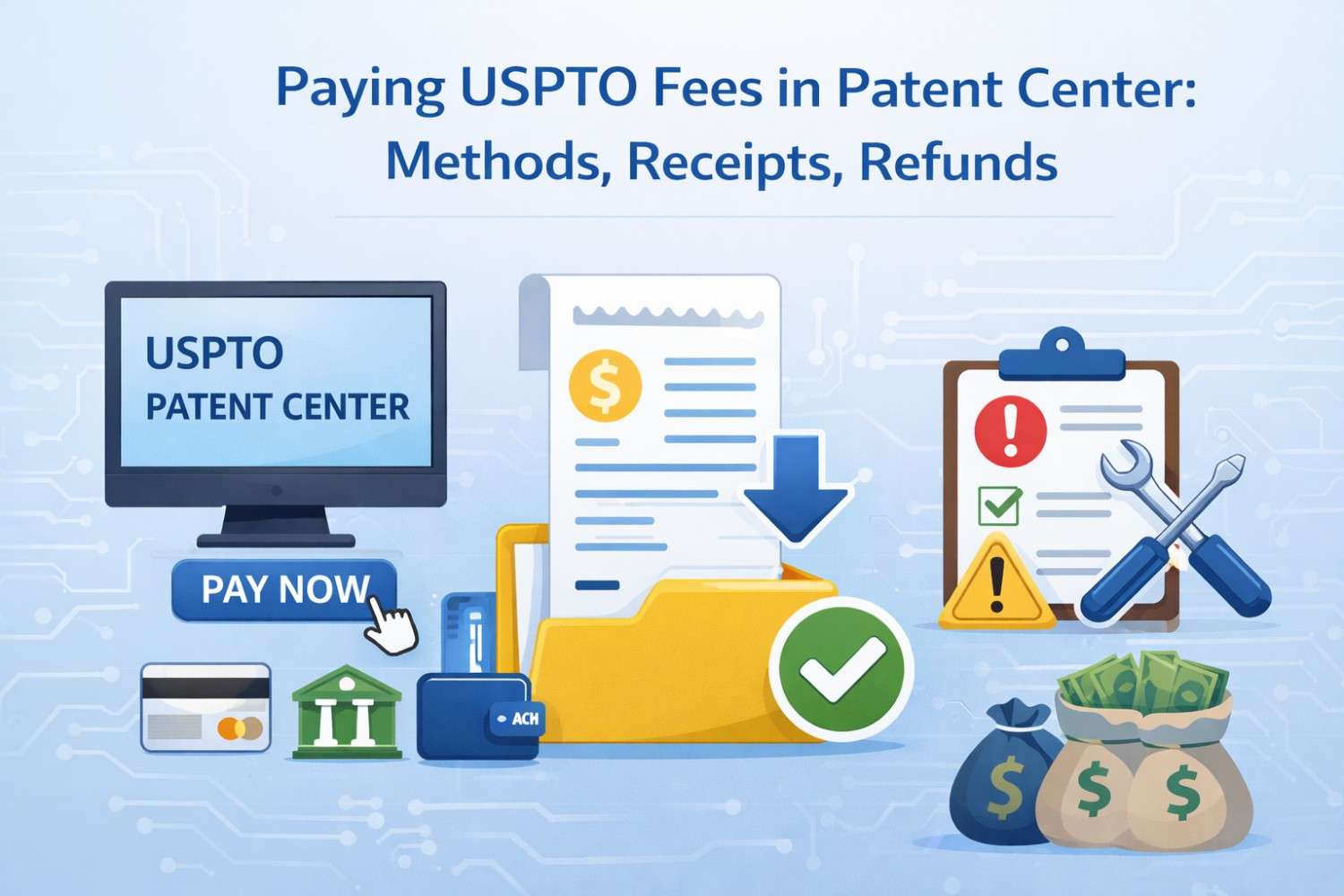
Paying USPTO Fees in Patent Center: Methods, Receipts, Refunds
Paying patent fees should never feel confusing, risky, or slow, yet for many founders it still does. If you are using USPTO Patent Center, the moment you reach the payment step is where stress often spikes, mistakes happen, and time gets wasted. This article is written to remove that stress completely. We will walk through…
-
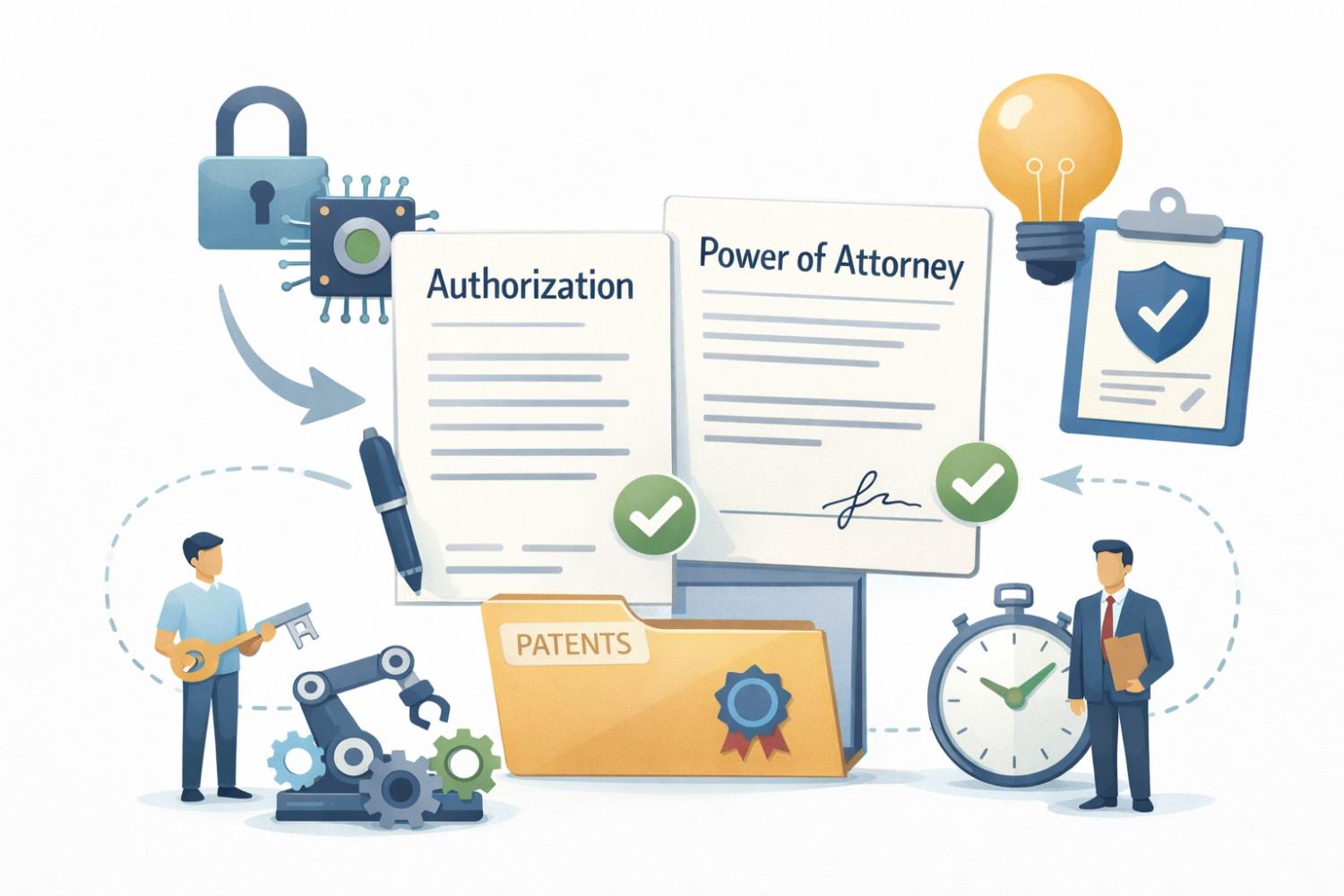
Power of Attorney & Authorization Forms: File and Link Correctly
Power of Attorney and authorization forms sound boring, but they decide who can act for you, who can file your patent, and whether the Patent Office even listens to what you submit. If these forms are wrong, missing, or filed late, your patent can stall, cost more, or even fail. This article explains what these…
-
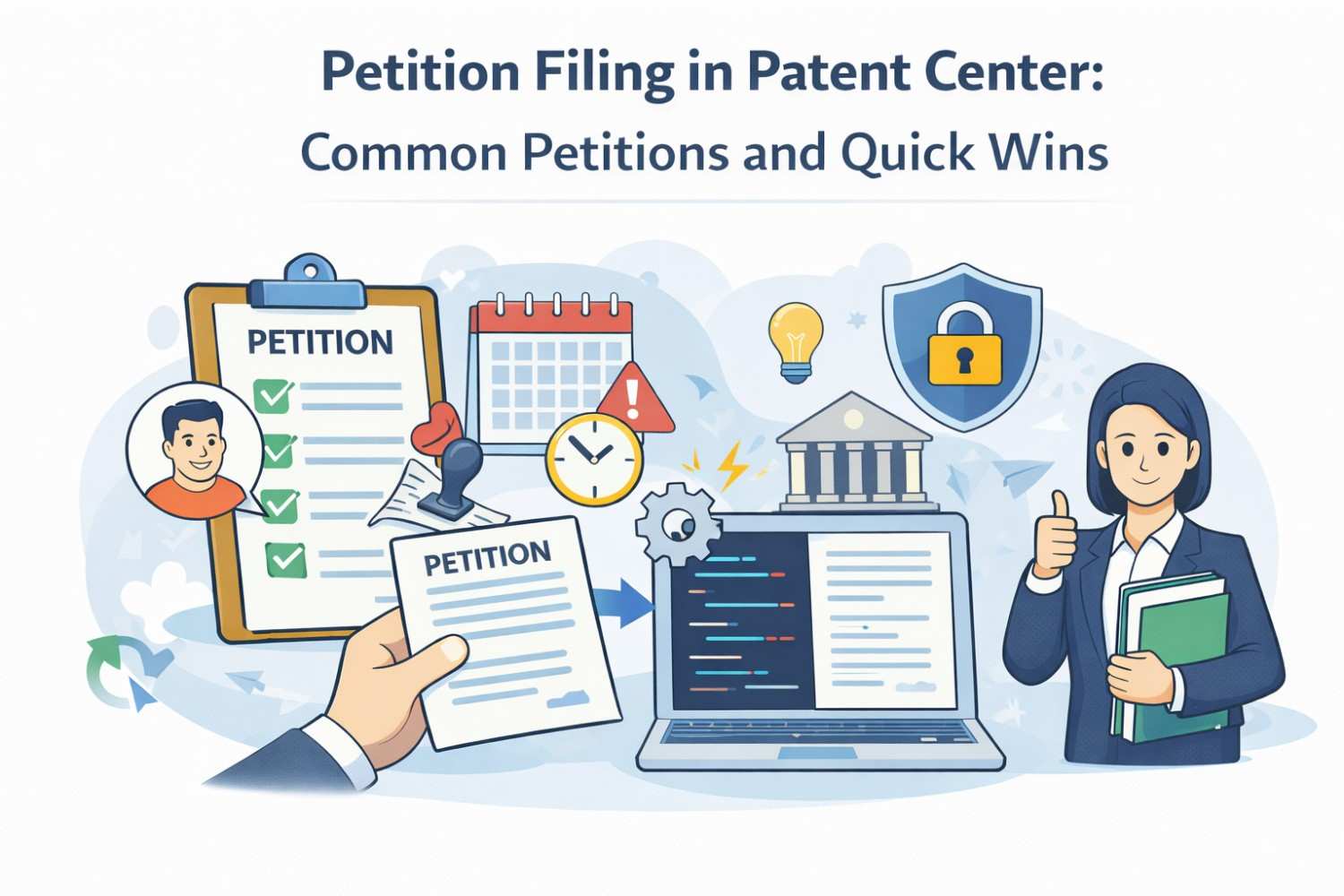
Petition Filing in Patent Center: Common Petitions and Quick Wins
If you are building something new and valuable, there will be moments when the patent system does not move as fast or as clean as you need it to. A filing is late, a document is missing, a deadline slips, or the Patent Office makes a call that just does not feel right. That is…
-
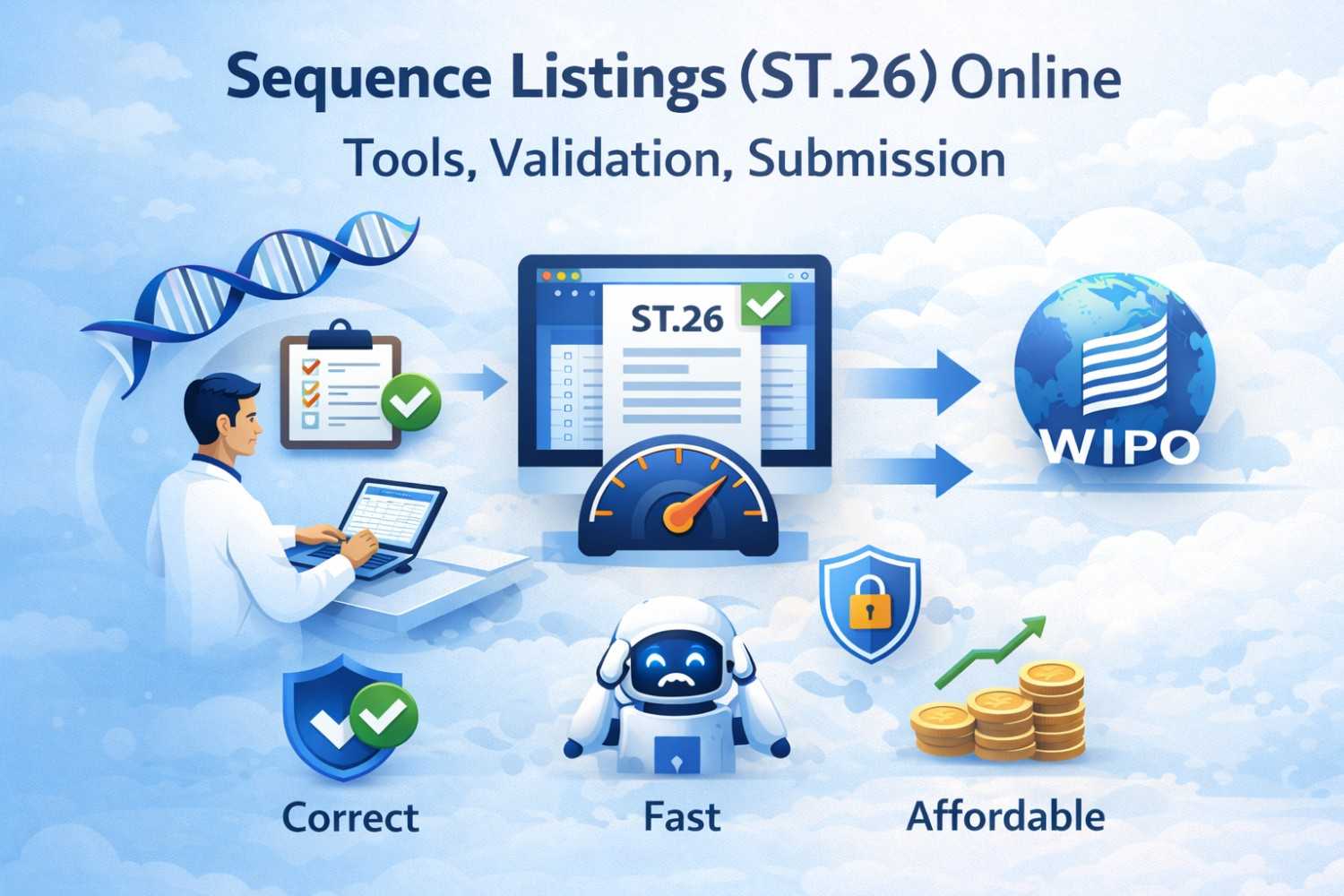
Sequence Listings (ST.26) Online: Tools, Validation, Submission
Sequence listings used to be one of those quiet traps in patent filing. Easy to ignore, hard to fix later, and very expensive when done wrong. With ST.26 now fully in force, that trap is bigger than ever. If you work with DNA, RNA, proteins, or any bio-based invention, sequence listings are no longer a…
-
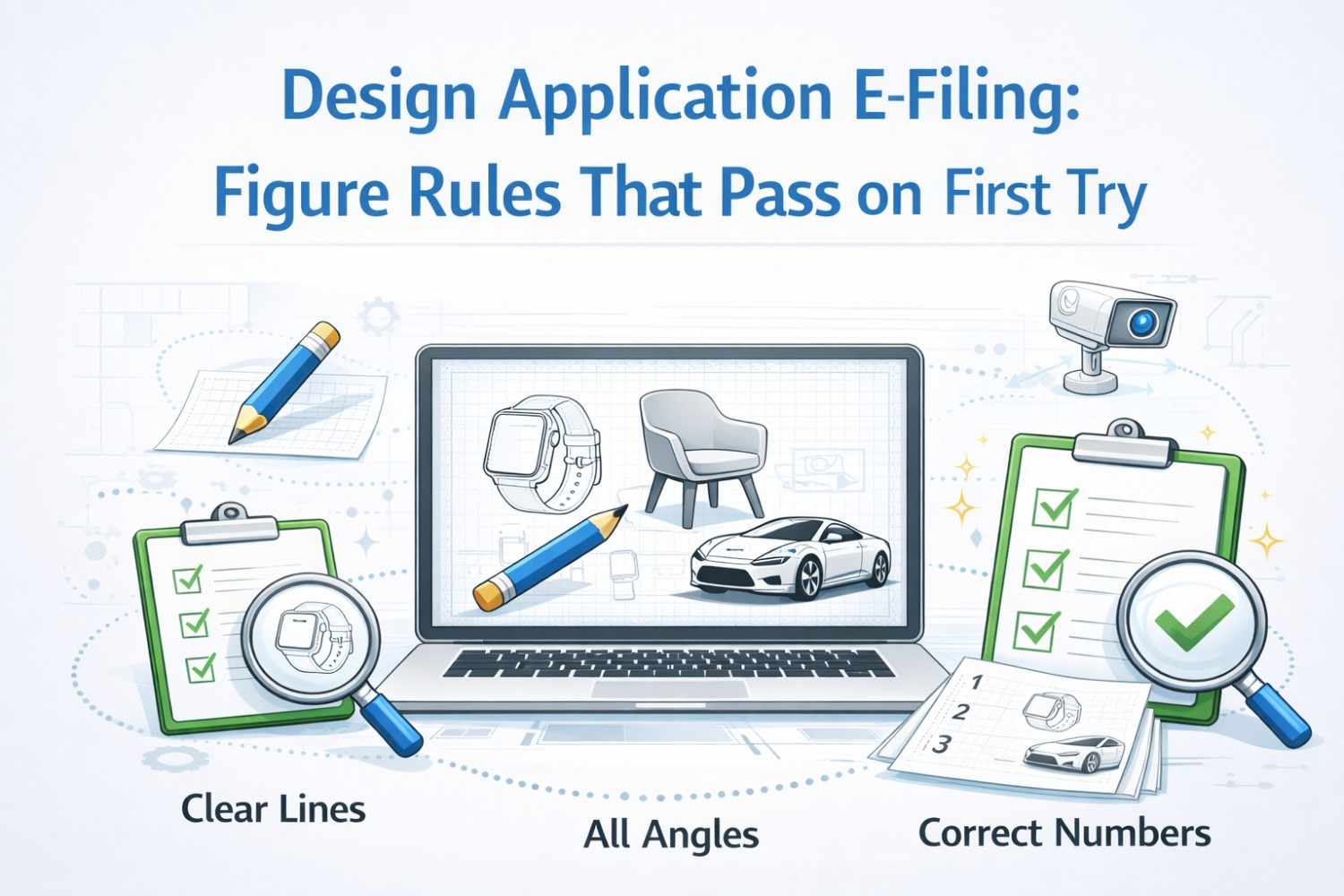
Design Application E-Filing: Figure Rules That Pass on First Try
Design patents look simple on the surface. You draw a few figures, upload them, and file. But this is where many founders lose months, burn money, or quietly kill their own protection without knowing it. This article is about design application e-filing and, more importantly, the figure rules that actually pass on the first try.…
-
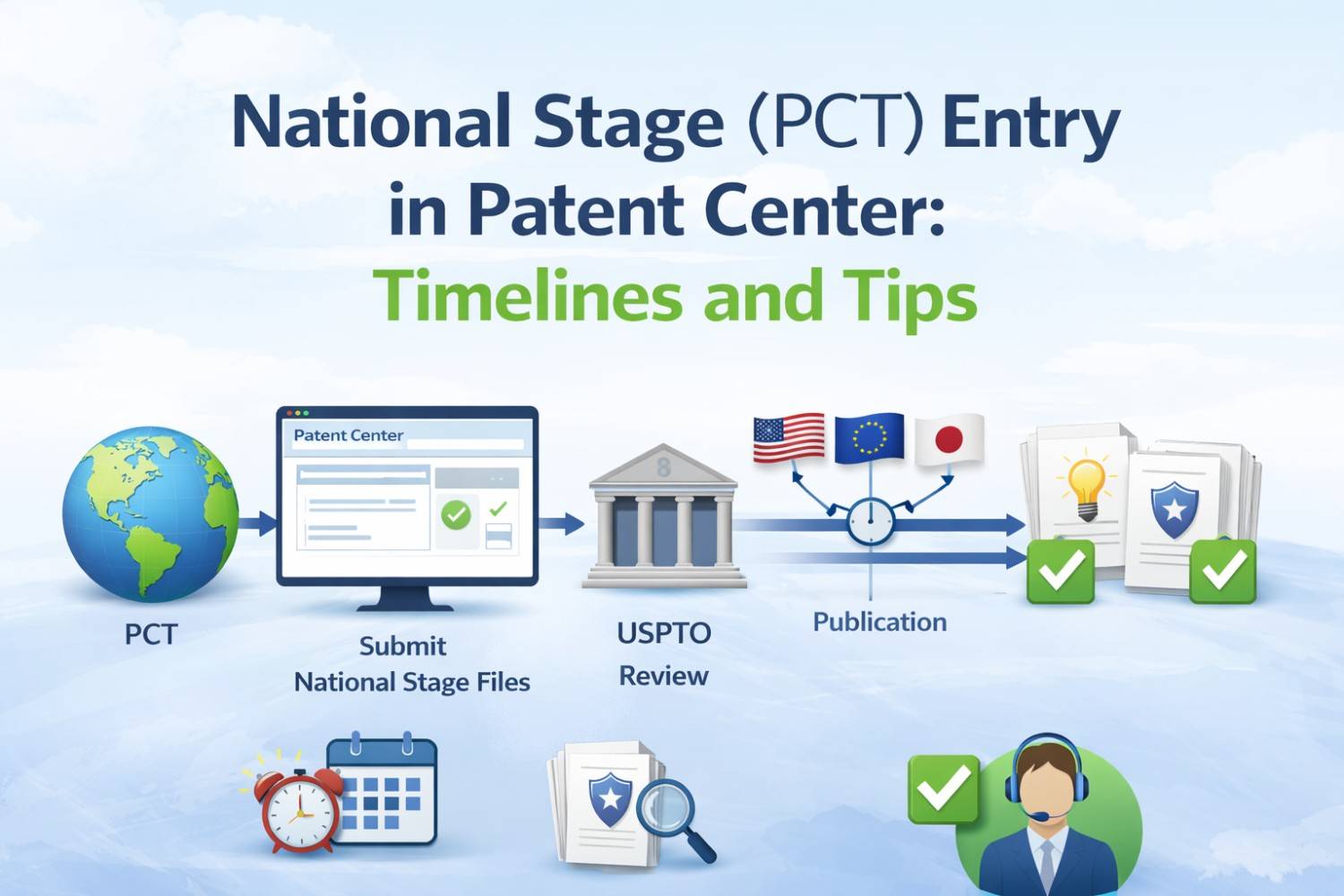
National Stage (PCT) Entry in Patent Center: Timelines and Tips
National stage entry is the moment when an international patent idea turns into real protection in each country that matters to your business. It sounds heavy, slow, and risky, but it does not have to be. This article will walk you through how national stage (PCT) entry works inside Patent Center, what the timelines really…