Category: Drafting Patent
-
Patent Claims for Monitoring and Observability Tools
Most founders think the hard part is building the tool. It is not. The hard part is protecting what makes the tool matter. If you are building monitoring or observability software, you are not just making dashboards, alerts, logs, traces, or charts. You are building systems that help companies see problems early, move faster, and…
-
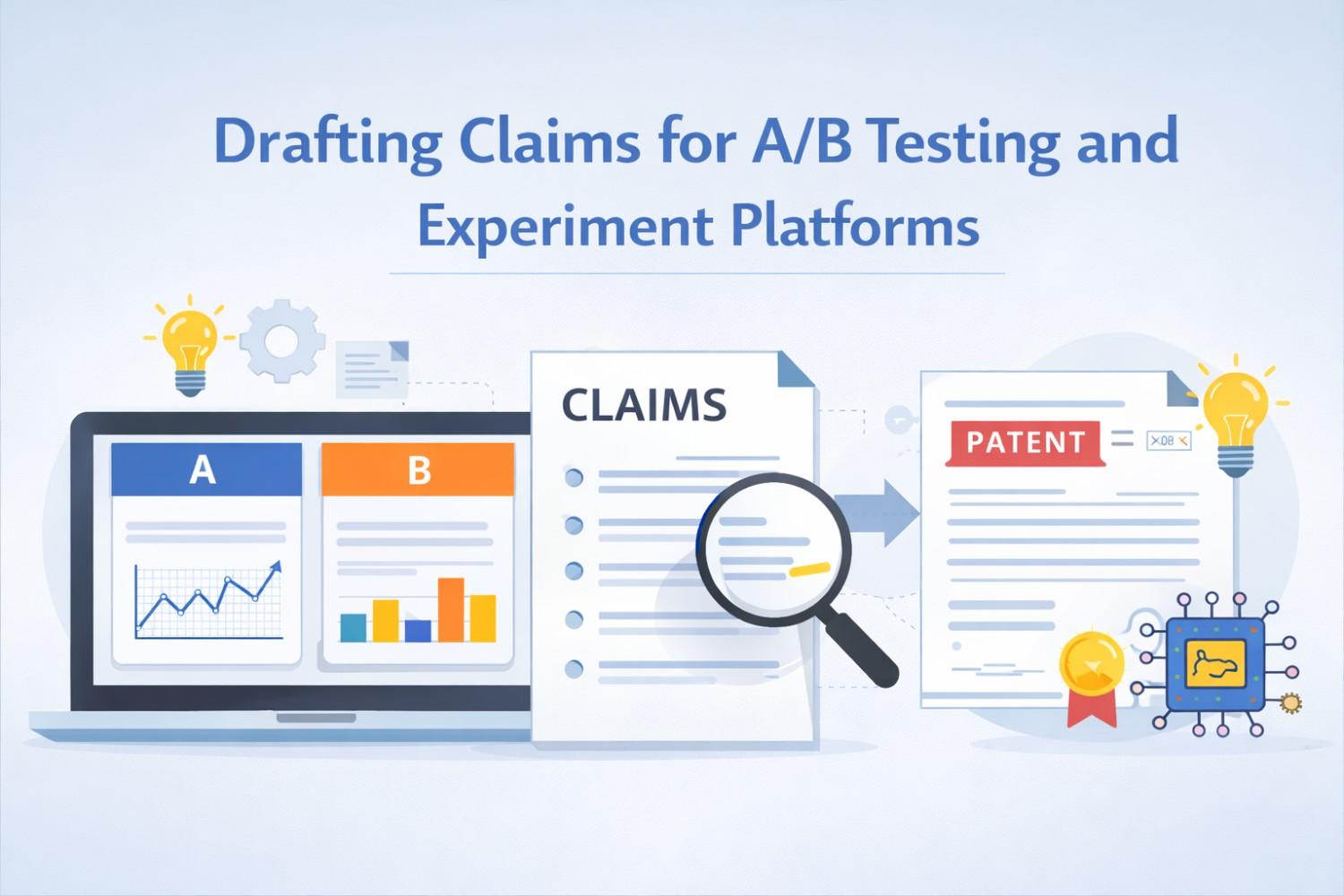
Drafting Claims for A/B Testing and Experiment Platforms
Most founders think the hard part is building the experiment engine. It is not. The hard part is protecting it in a way that still matters two years from now, after the dashboard changes, the UI gets rebuilt, and the team ships five new versions. That is where claim drafting matters. If you run an…
-
How to Claim Personalization Without Being Too Broad
Personalization sounds like a big win when you are building something new. It makes products feel smarter. It helps users get better results. It can drive more clicks, more time in the product, more sales, and more loyalty. For many startups, personalization is not a side feature. It is the engine. It is the reason…
-
Patent Claims for Search and Ranking Systems
That sounds simple. It is not. Every time a user types a query, clicks a result, scrolls a feed, opens a marketplace, or asks an AI tool a question, there is a system behind the scenes making choices. It is sorting, scoring, filtering, comparing, and re-ordering. That system is often where the real value lives.…
-
Patent Claims for NLP and Text Processing
You can build a great NLP product with clean code, smart models, and strong results, then still lose ground if your patent claims are weak. That is the real issue. In NLP and text processing, the hard part is not only inventing something new. It is claiming it in a way that protects what actually…
-
Patent Claims for Computer Vision Systems
Computer vision can look like magic from the outside. A system sees a face, spots a crack in steel, reads a license plate, tracks a worker on a factory floor, or helps a robot pick the right object. But when it comes to patents, the magic does not matter. What matters is what your system…
-
Patent Claims for Fraud Detection and Risk Scoring
Fraud moves fast. Good patents need to move faster. If you are building fraud detection or risk scoring tools, you are not just making software. You are building a system that helps decide who to trust, what to block, when to act, and how to do it in real time. That kind of work can…
-
Claiming Security Features: Auth, Encryption, and Access Control
Security is easy to talk about and hard to protect.A lot of startups build real security work into their product, but when it is time to file a patent, they describe it in a weak way. They say things like “secure login,” “encrypted storage,” or “role-based access.” That sounds fine on the surface. But in…
-
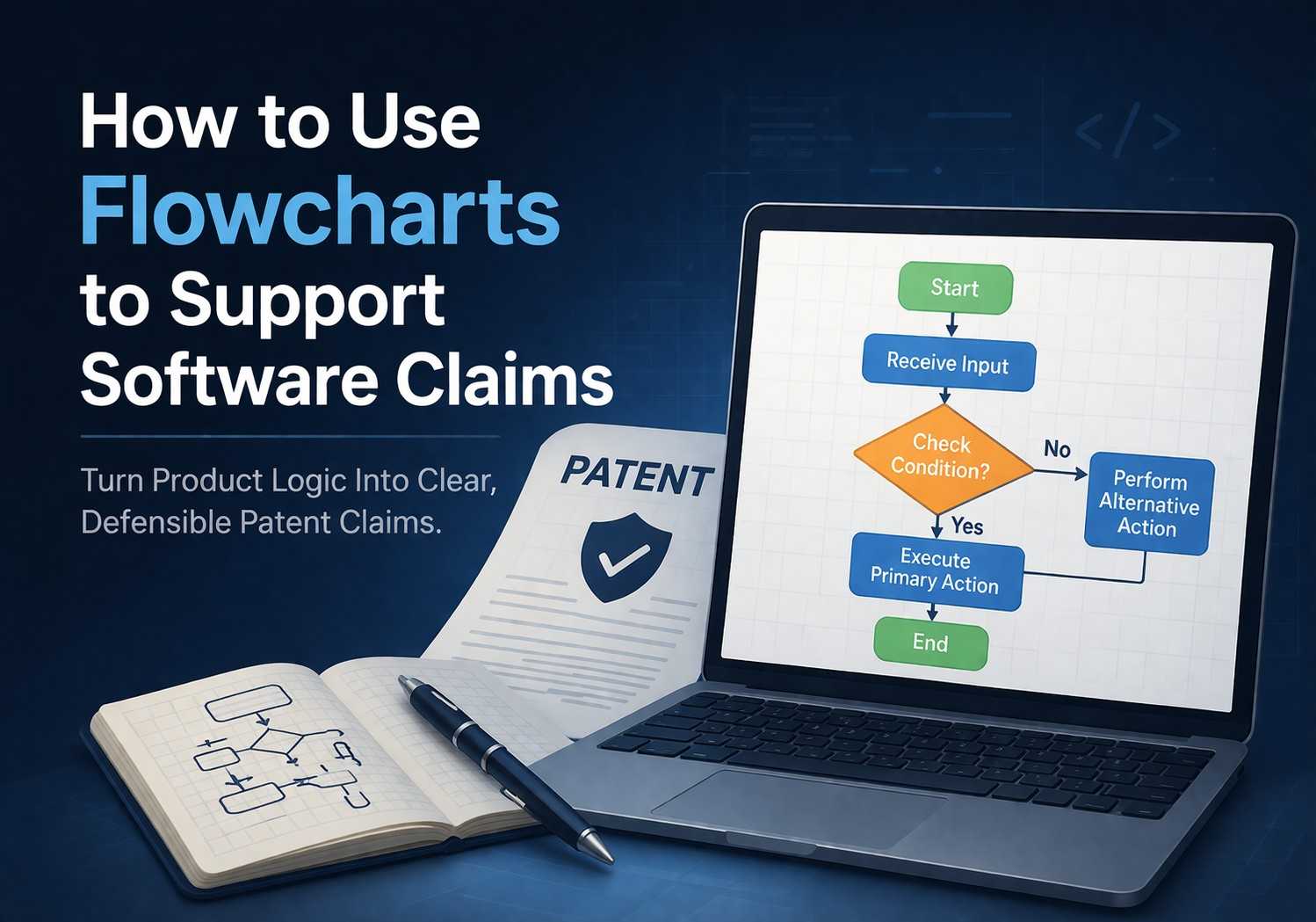
How to Use Flowcharts to Support Software Claims
Software patents can feel hard for one simple reason: software is invisible. You can point to a machine. You can hold a device. You can show a part. But software lives in logic, steps, rules, and outcomes. That is exactly why flowcharts matter so much. A strong flowchart helps turn abstract software into something clear.…
-
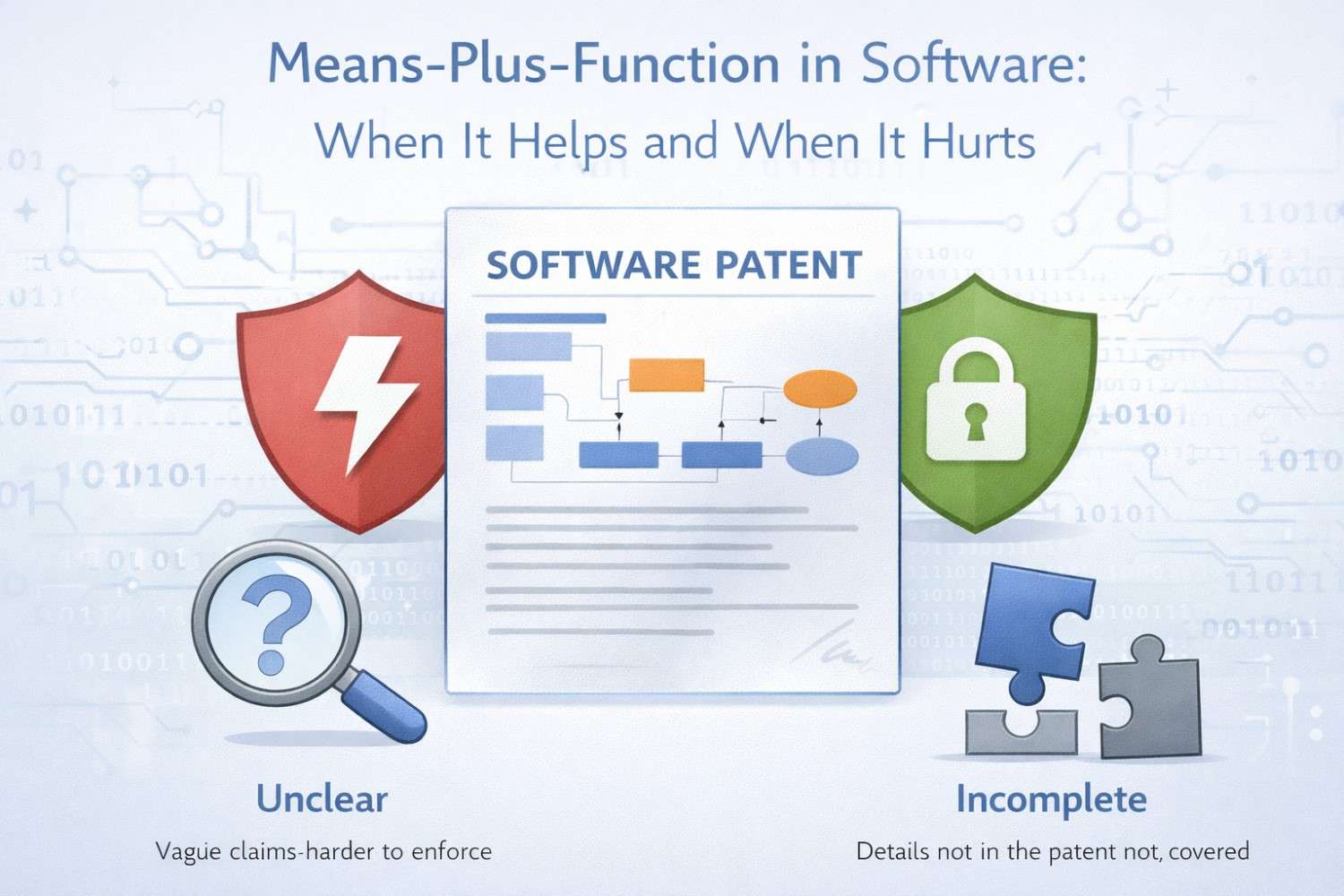
Means-Plus-Function in Software: When It Helps and When It Hurts
Most software founders do not lose patent protection because their idea was weak. They lose it because the patent was written in a way that sounds broad, but turns out to be thin when it matters. That is why means-plus-function language is such a big deal. It can look powerful at first glance. It can…


