Category: Drafting Patent
-
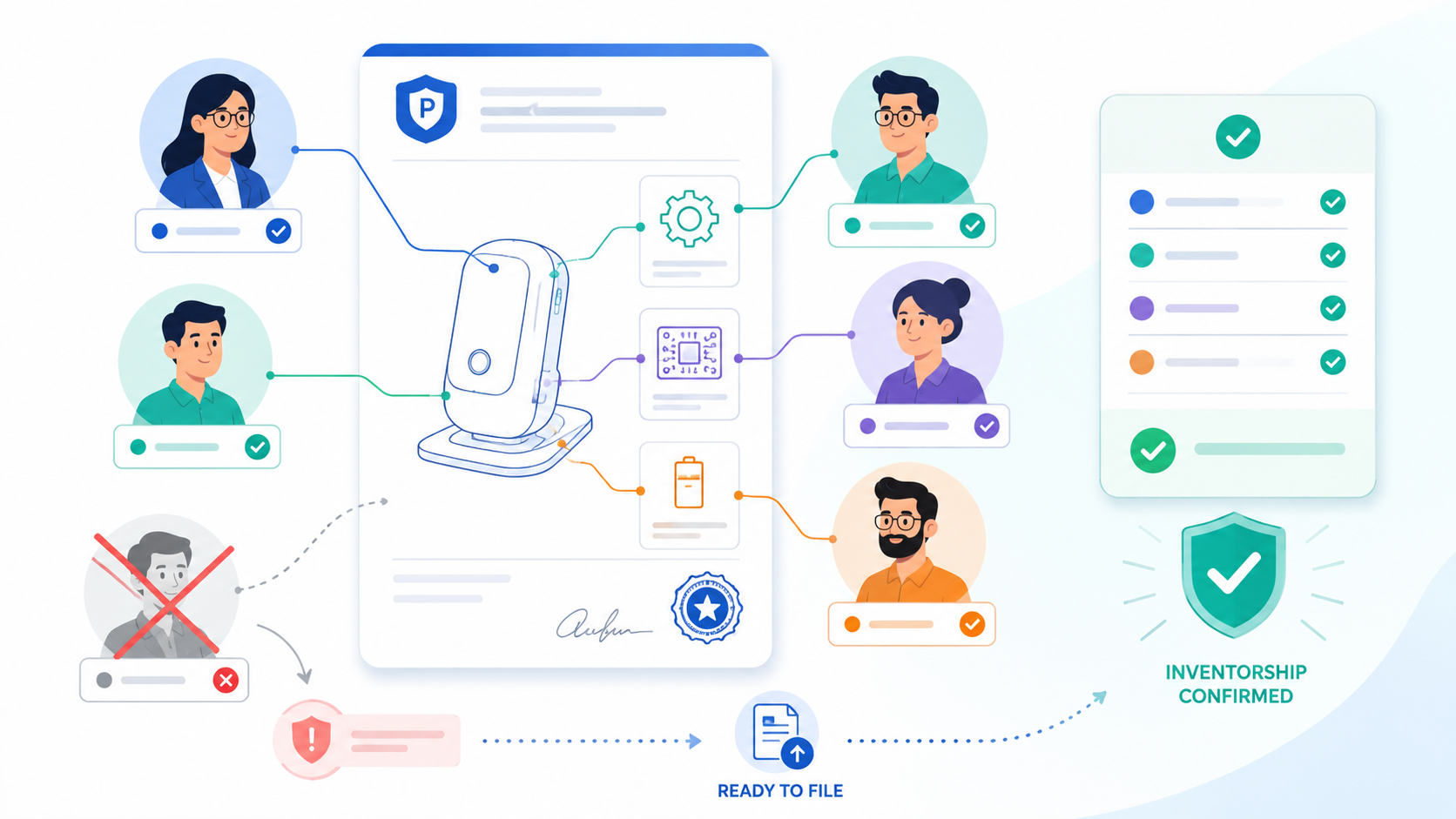
Will AI Replace Patent Lawyers? Why the Winning Patent Workflow Is Human Judgment + AI
AI can draft a patent specification. That fact is no longer very interesting. The important question is what happens after everyone can do it. If one lawyer can produce a first draft in hours instead of days, the competitive advantage does not remain “I can generate patent text.” Every other modern patent practice eventually gets…
-
Software Patent Claim Checklist: Quick Pre-Filing QA
You built the software. You know how it works. You know why it matters. But before you file a patent, there is one hard truth worth facing: A weak claim can quietly ruin a strong invention. That is the part many founders miss. They spend months building something real. They solve a painful problem. They…
-
AI-Assisted Claim Drafting: How to Review for Legal Quality
AI can help you draft patent claims faster. That part is real. It can save time, help you get unstuck, and give you a strong first pass when you are staring at a blank page. But speed is not the same as quality. That is where many founders get into trouble. A claim can sound…
-
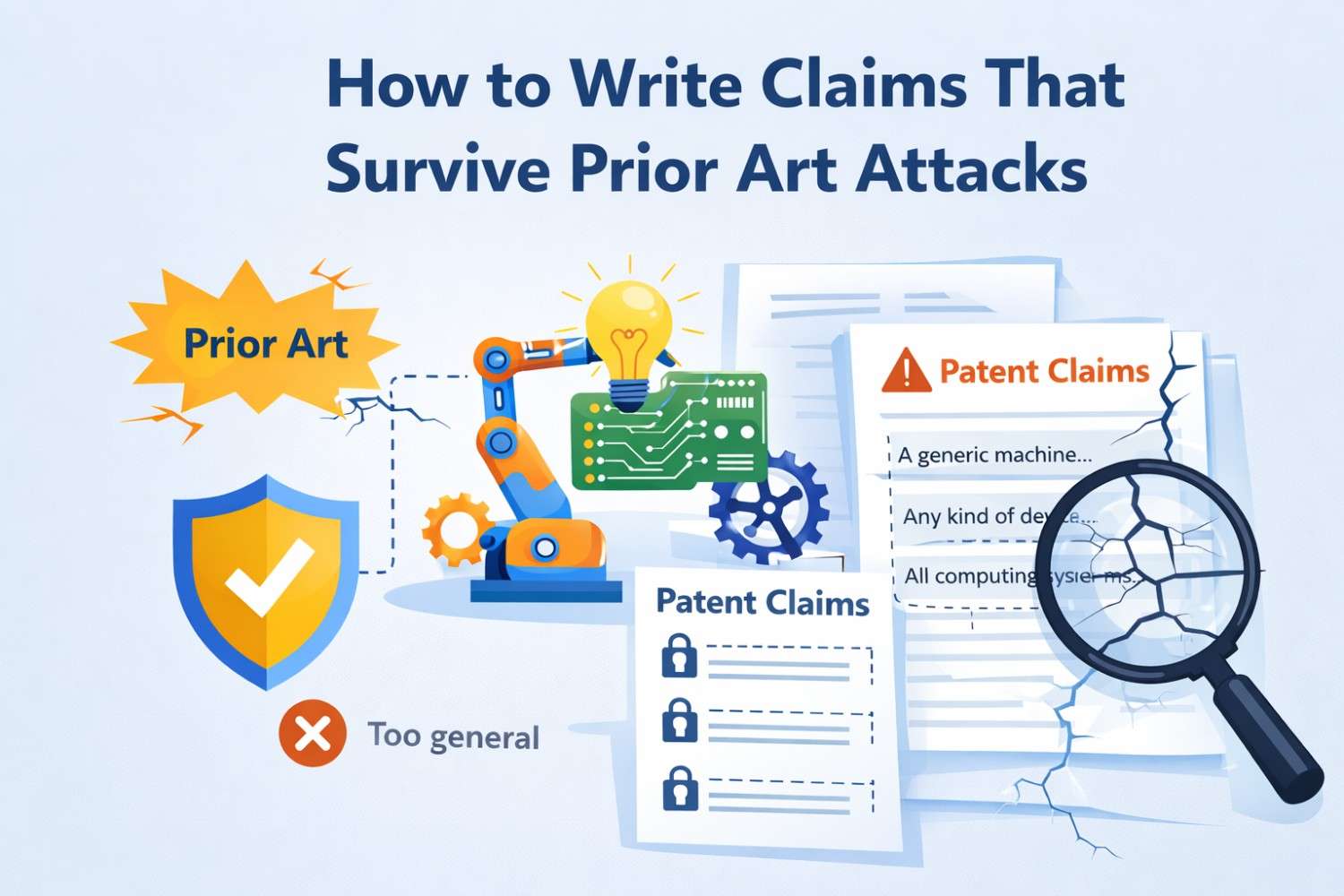
How to Write Claims That Survive Prior Art Attacks
If your patent claims are weak, the rest of your patent will not save you. That is the hard truth many founders learn too late. You can spend months building a real product, solving a hard problem, and writing a long patent draft. Then prior art shows up. A patent examiner finds old papers, old…
-
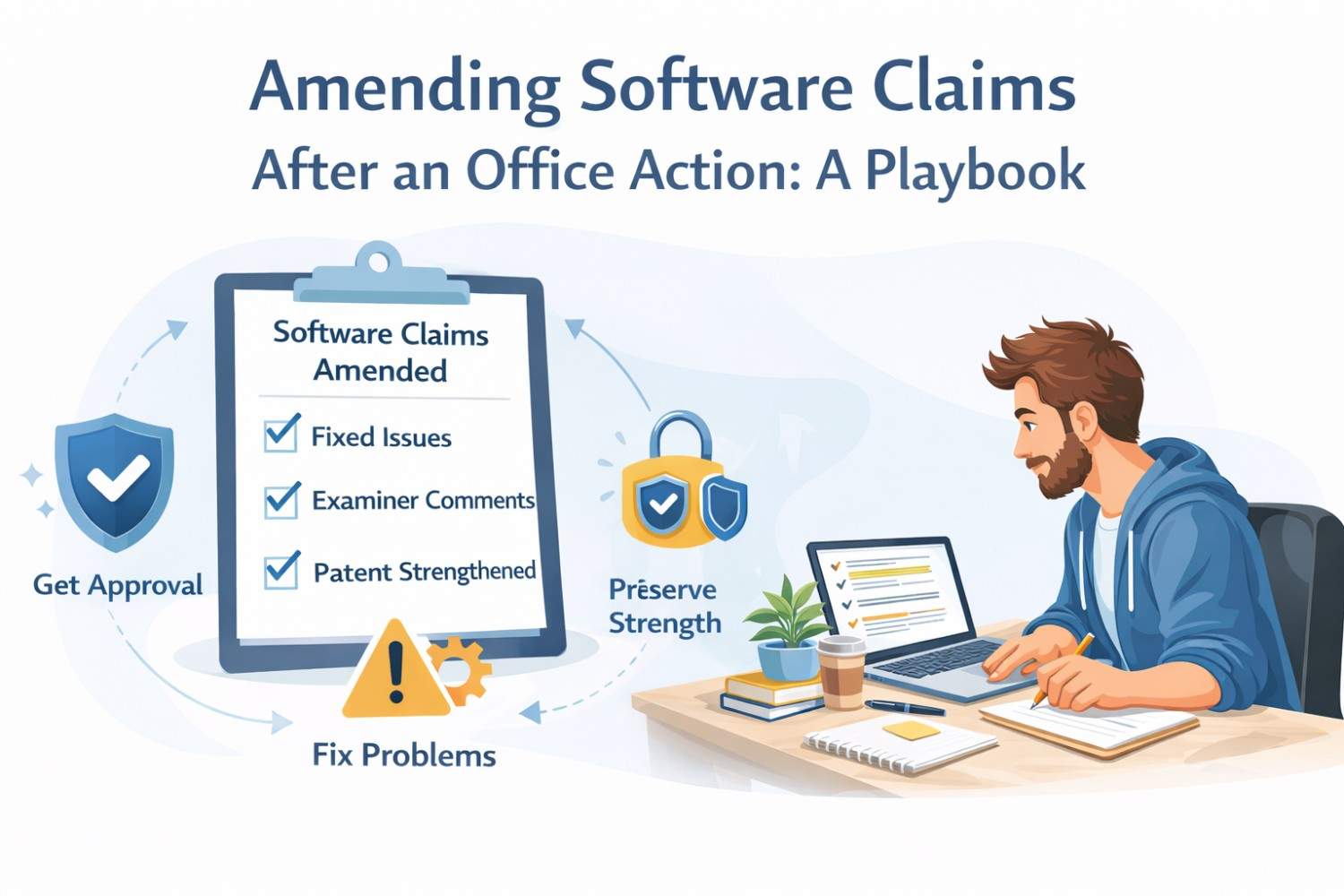
Amending Software Claims After an Office Action: A Playbook
You got an Office Action. That moment can feel rough. You open the document, read a few lines, and it sounds like the patent office is telling you your software invention is not new enough, not clear enough, or not the right kind of thing to patent. For many founders and builders, this is the…
-
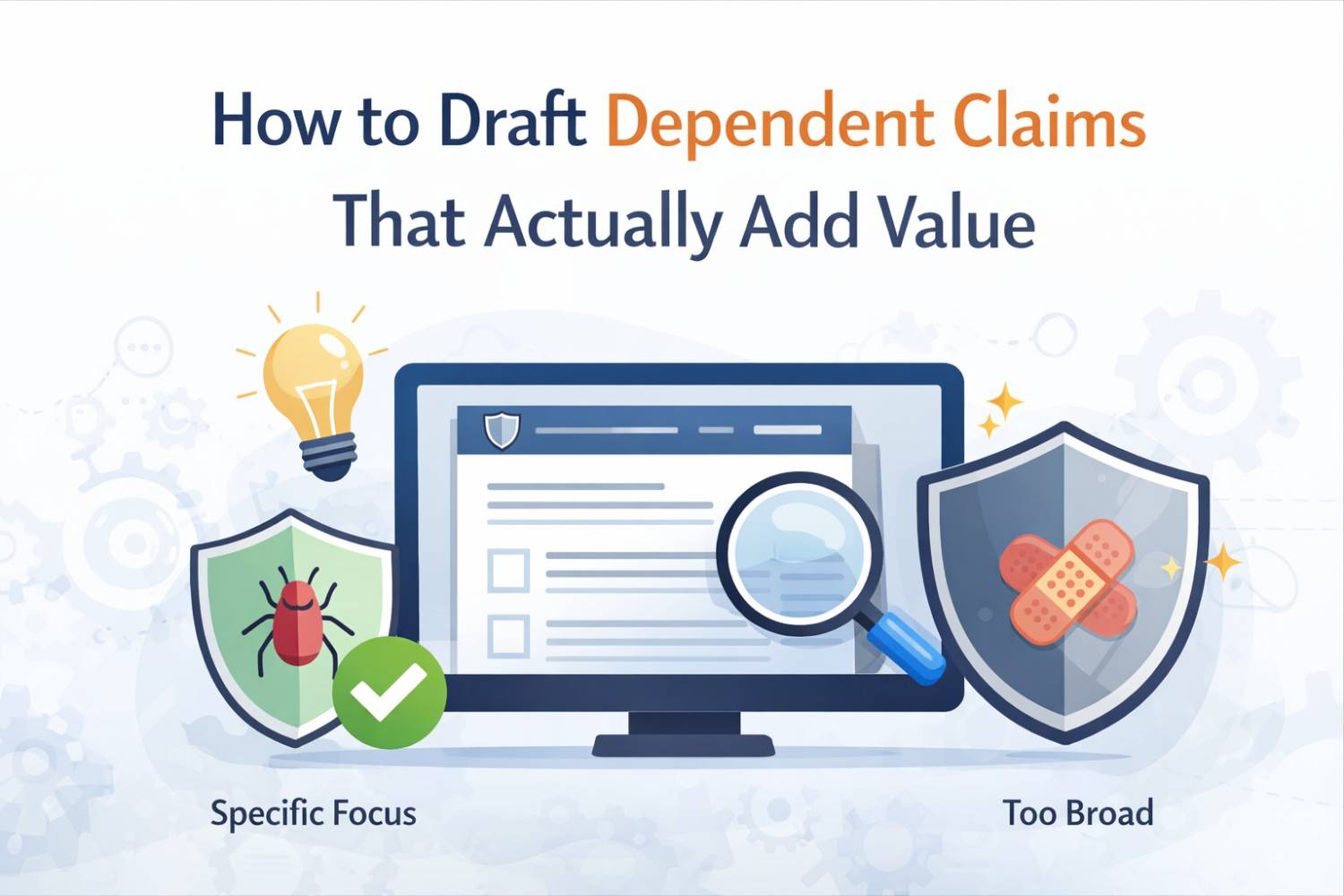
How to Draft Dependent Claims That Actually Add Value
Most patent claims look fine on the surface. Then they get tested. That is where weak dependent claims show their true value, or show that they never had any value at all. A lot of founders and inventors treat dependent claims like filler. They add a few narrow versions of the main claim, change a…
-
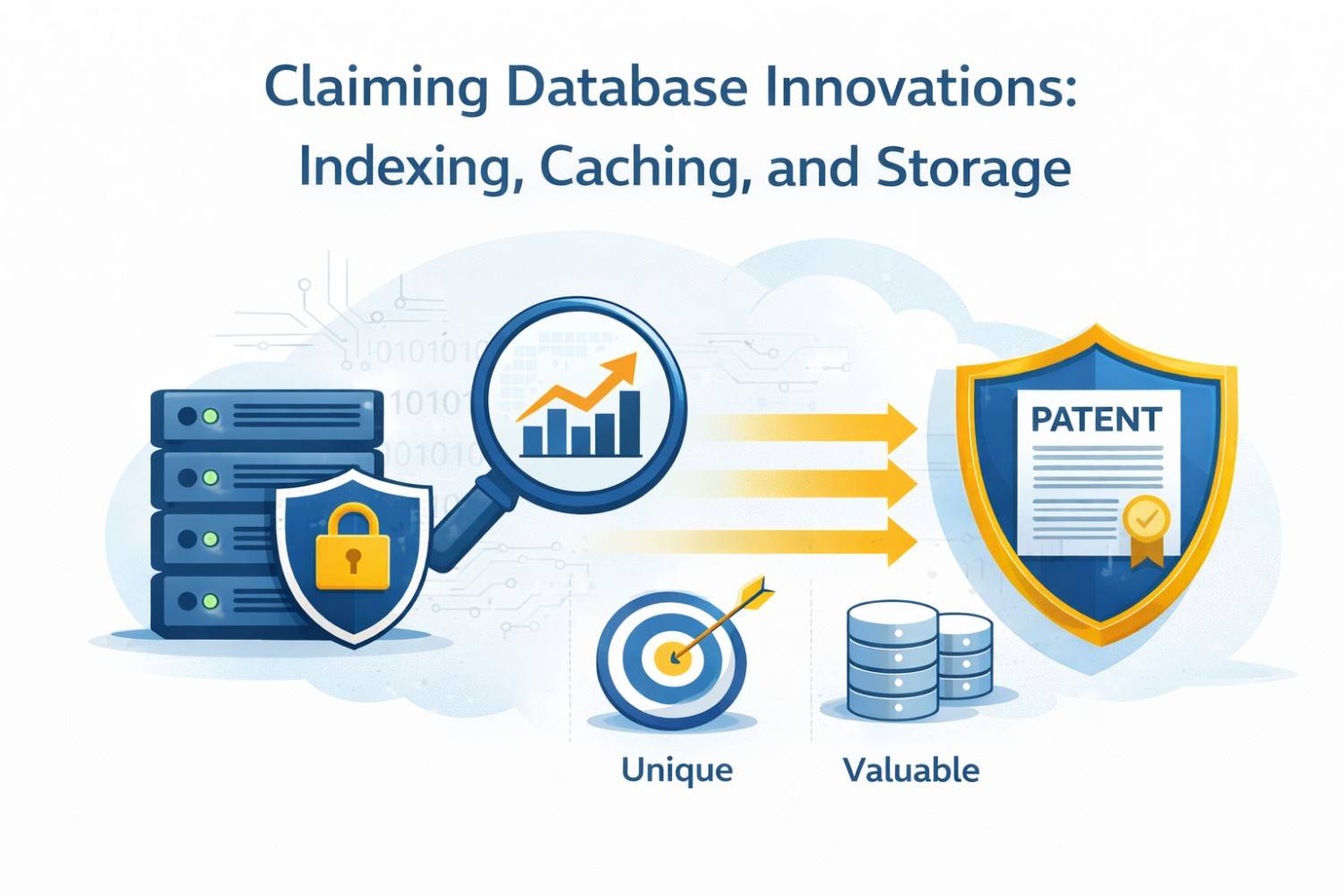
Claiming Database Innovations: Indexing, Caching, and Storage
Databases do far more than hold data. They decide how fast your product feels, how well your app scales, and how smoothly your team can ship new features. That is why database work is not just back-end plumbing. It is often real invention. If you have built a better way to find records, speed up…
-
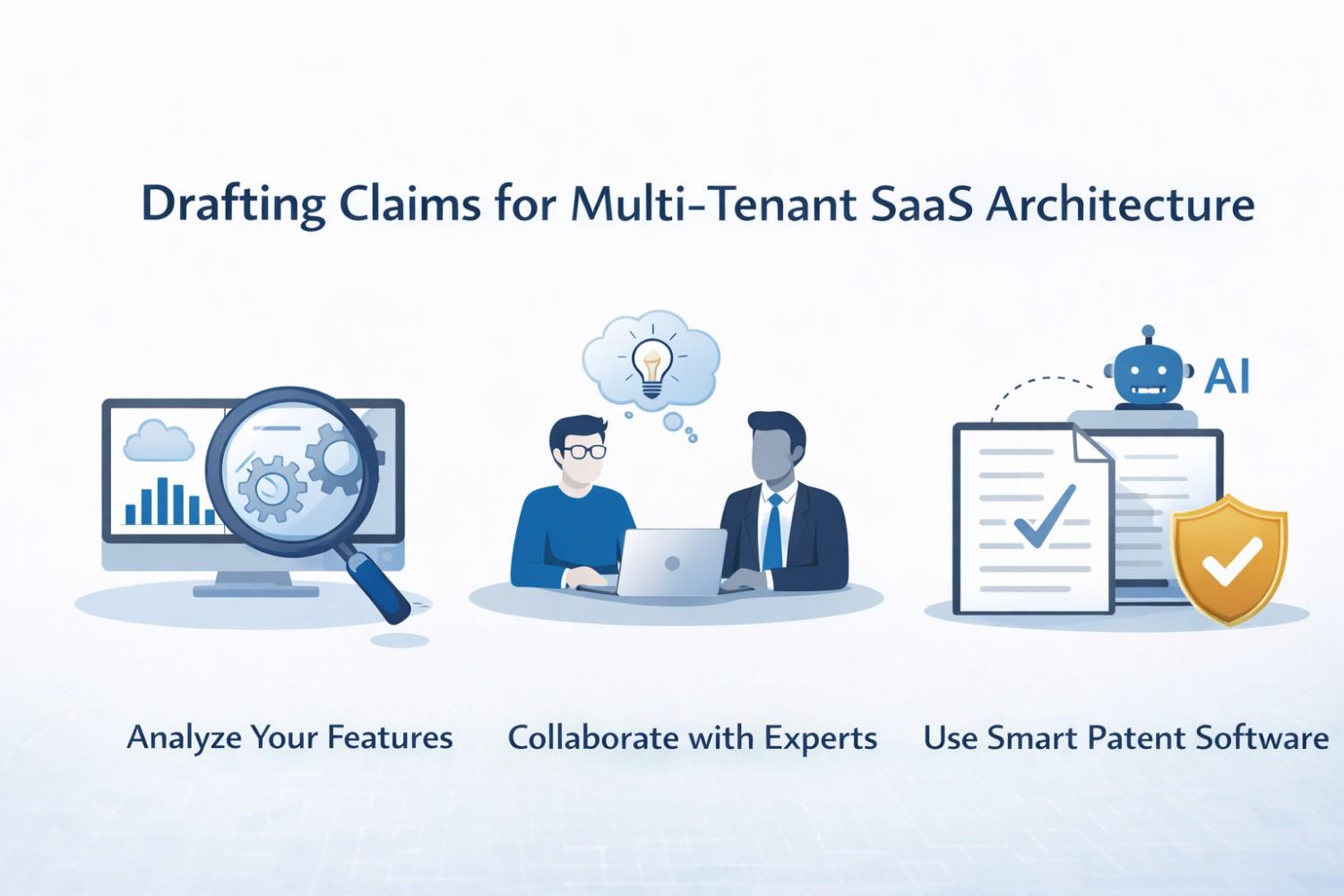
Drafting Claims for Multi-Tenant SaaS Architecture
Most SaaS founders know their product is valuable. Fewer know how to protect the way it works before someone else copies the core idea. That problem gets bigger with multi-tenant SaaS. On the surface, multi-tenant design can look simple. One platform. Many customers. Shared systems. Separate data. But under the hood, the real value is…
-
Patent Claims for Workflow Automation and Orchestration
Workflow automation sounds simple on the surface. A task starts, a rule runs, a handoff happens, and work moves forward. But under the hood, real workflow systems are rarely simple. They route data, trigger actions, make timing choices, handle failures, assign jobs, connect tools, and keep everything in sync across a moving system. That is…
-

How to Claim Pricing and Billing Logic Safely
Most founders do not think about patents when they build pricing and billing logic. They think about growth. They think about churn. They think about getting users to pay without making the product feel hard to buy. That makes sense. Pricing is not just a finance job. Billing is not just back-office work. In many…