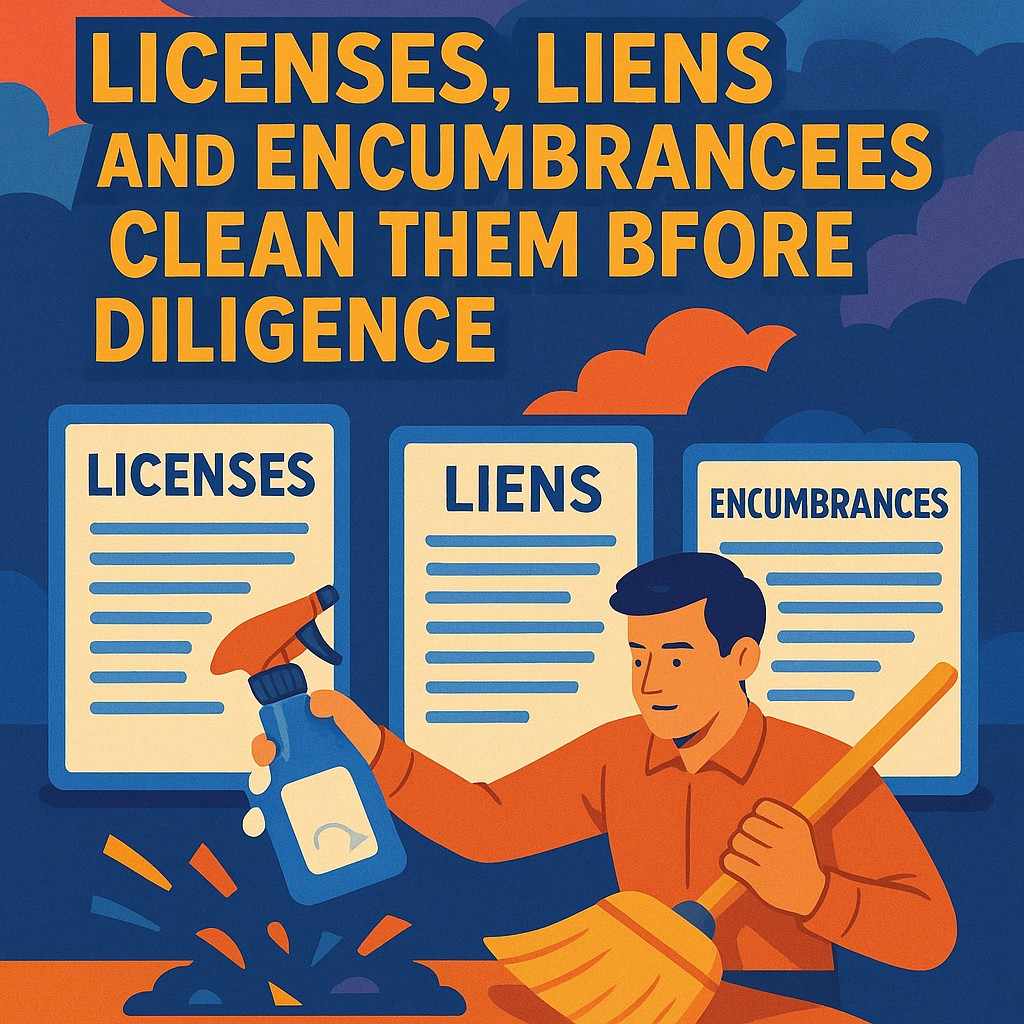
When investors look at your startup, they care about one thing even more than your product: who actually owns it. Not the brand. Not the website. The invention under the hood. The thing that makes your company worth funding. And this is where many founders get blindsided. Old contractor agreements. Missing IP assignments. Random open-source licenses buried in code. A partner who still owns “half the algorithm.” A lien a past lender quietly placed on your IP. These things sit quietly for years—until diligence hits. Then everything explodes. Deals slow down. Lawyers get nervous. Investors step back. And the worst part? It’s all preventable.
Why Investors Care So Much About Clean IP
Before an investor wires a single dollar, they want to know the engine of your company is truly yours. Not borrowed. Not shared. Not trapped in someone else’s contract.
This matters far more than founders expect, because IP is often the only real asset a young company has. When your invention is clean and owned outright, investors feel safe putting real money behind it.
When it’s messy, even if the product is brilliant, they hesitate. This section helps you understand exactly why and shows you how to turn clean IP into a strategic advantage long before diligence begins.
How IP Drives Every Dollar Investors Put In
For early-stage companies, IP often carries more weight than revenue, users, or traction. Investors want confidence that your technology can’t be copied easily.
They look for a moat, something that gives you staying power. When your IP is solid, you give them a future they can bet on.
When it’s unclear who owns the core invention, investors start imagining worst-case scenarios, and that’s where deals die.
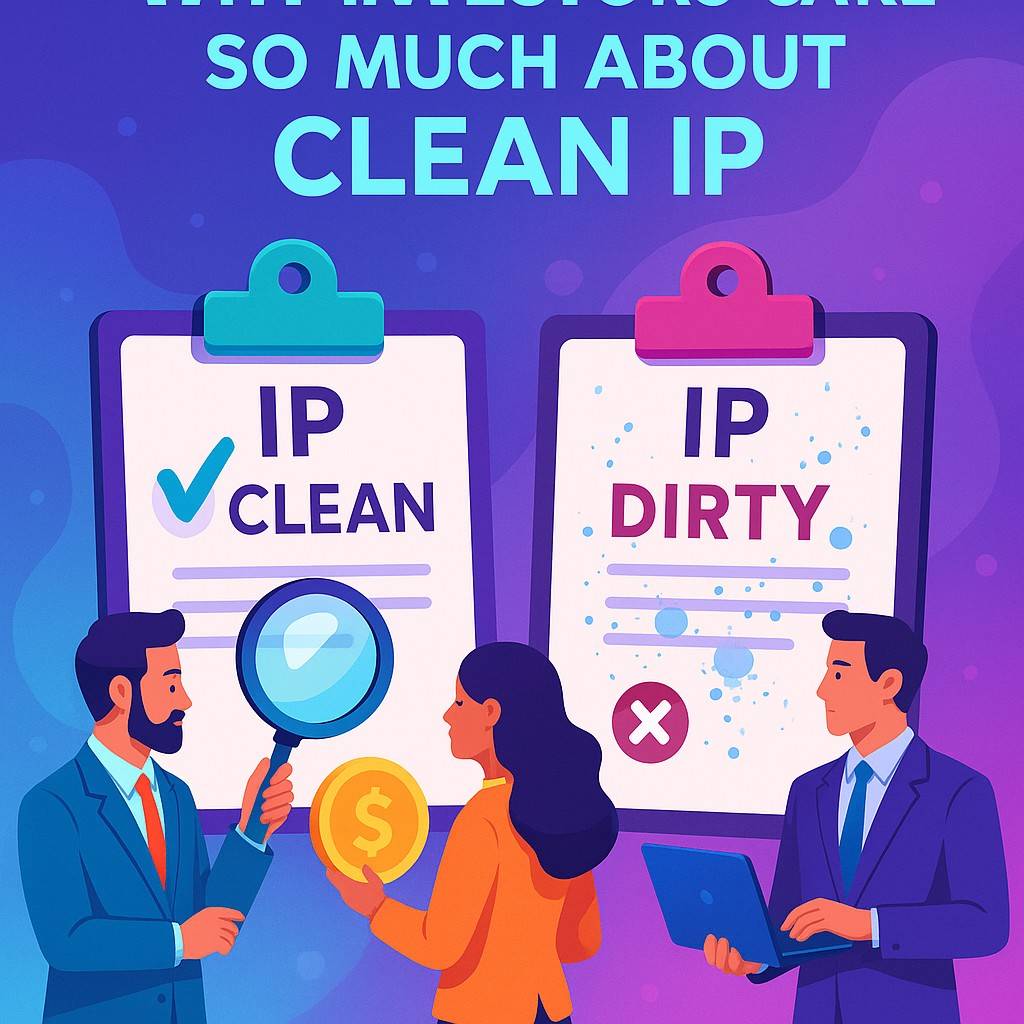
Clean IP turns your technology into something investors can trust and value, because they know nobody else can claim it later.
Why Investors Fear Surprises During Diligence
Investors are fine with risk, but they hate surprises. A missing assignment from an early contractor feels like a small detail to a founder, but to an investor it looks like a landmine.
If someone who touched the code didn’t give rights back to the company, that person could claim ownership later. Investors worry about lawsuits, ownership disputes, broken exits, and deals that fall apart years later.
This is why every small issue balloons into a big problem during diligence. Cleaning things early isn’t just good housekeeping. It is a way to show investors they won’t be blindsided.
The Way Clean IP Speeds Up Your Funding Timeline
When every document, assignment, and registration is clean and aligned, diligence moves fast. You answer questions quickly. You share documents without scrambling.
You explain your protections with clarity and confidence. This matters more than founders think, because speed often decides who gets funded. Investors compare companies not just on product or market, but on how easy they are to work with.

A founder who has clean IP looks prepared. A founder who is still digging for paperwork looks risky. Clean IP becomes a signal of leadership, discipline, and seriousness.
How Strong IP Helps You Negotiate Better
Investors negotiate harder when they see weakness. Messy IP gives them a reason to push for lower valuations, tougher terms, or more control over the company.
When your IP is clean and fully owned, you walk into the room with leverage. You can stand firm because you know the asset they want is solid. This is a practical way to protect your valuation without having to say a word.
Strong IP lowers investor anxiety, and that alone can put real money back in your pocket.
Why Clean IP Protects Your Future Exit
Acquirers are even more strict than investors. They do not want to buy a lawsuit.
They do not want to inherit a dispute with a former employee or contractor. If an acquirer spots even one IP issue they can’t resolve quickly, they pull away fast.
Many founders learn too late that IP issues they ignored in the early days stop them from closing a life-changing exit. Investors know this. This is why they inspect your IP before they invest.
When your IP is clean now, you make your future buyer feel safe later. That confidence becomes part of your company’s long-term value.
How Understanding Investor Mindset Helps You Build A Cleaner Company
When you see IP through an investor’s eyes, your whole approach changes. You stop treating IP cleanup as a chore. You start seeing it as a strategic move that protects your team, your product, and your future.
You realize investors are not asking for cleanup to be picky; they are trying to protect their own investment. Once you understand this, you can align with them early.

You can build systems to track assignments, organize documents, verify ownership, and keep your protection tight as the company grows.
What Founders Can Do Right Now To Make Investors Comfortable
You do not need to overhaul your entire company in a day. You can take small, simple steps that instantly reduce risk. Start by checking who touched the invention.
Make sure their rights are assigned to the company. Make sure your core invention is captured clearly in filed patents or provisional applications.
Make sure no one outside the company still has claims or licenses you didn’t intend. This kind of clarity gives investors something solid to rely on. And when they see that clarity, they see a founder who leads with intention.
Why Clean IP Shows That You Think Long Term
Investors care about how you think, not just what you build. Clean IP tells them you understand growth. It shows you care about ownership, protection, and stability.
When investors sense that mindset, they trust you more. They feel safer joining the journey. They see someone who is not just building a product but building a company.
Clean IP signals maturity, and that signal often matters more than the documents themselves.

If you want a simpler way to keep inventor records, assignments, and patent filings organized from day one, see how PowerPatent helps founders stay clean and confident at every stage → https://powerpatent.com/how-it-works
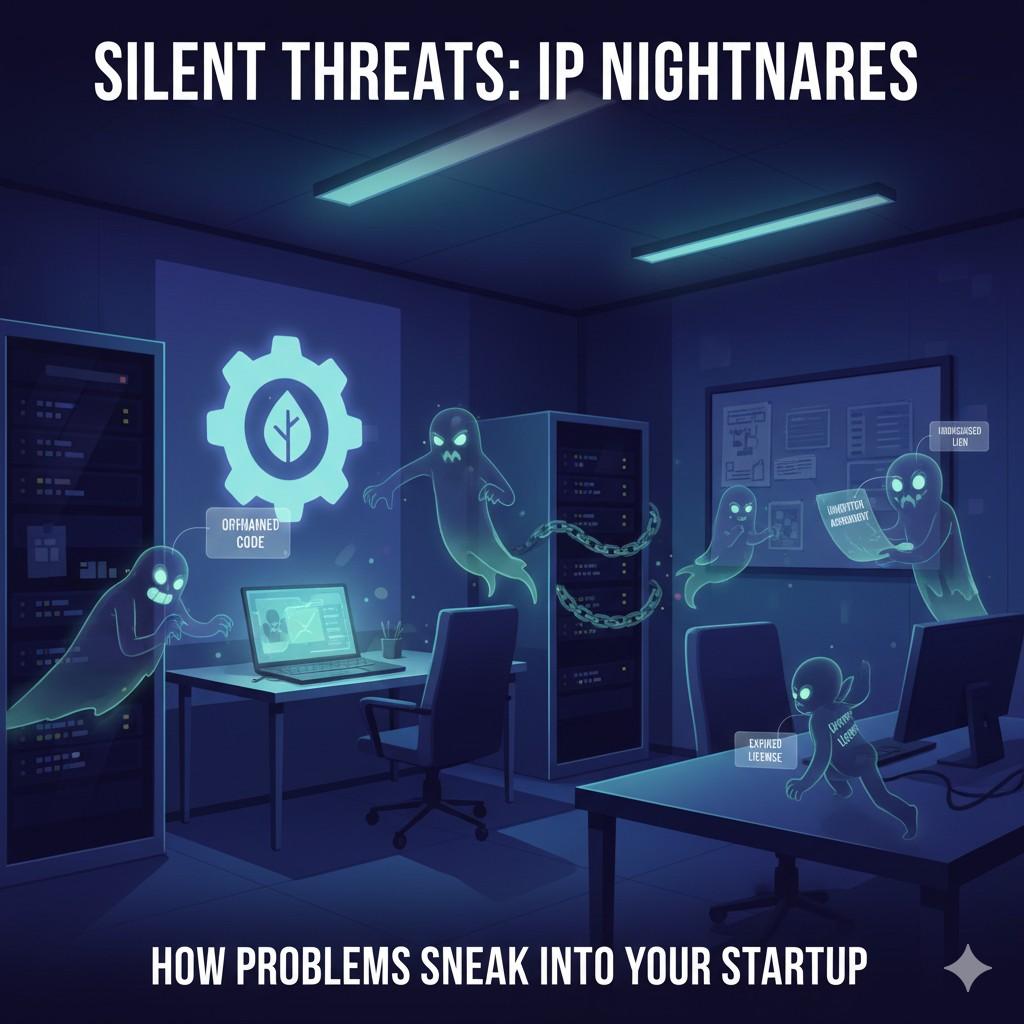
How Hidden IP Problems Quietly Sneak Into Your Startup
Before you ever think about fundraising, your startup is already gathering a long trail of agreements, code, tools, and people. Each small decision feels harmless in the moment, but over time these tiny choices stack up and create IP problems that sit quietly in the background.
You do not notice them because they do not block product progress. But investors see them instantly.
This section shows how these issues appear, why they are so common, and how to recognize them early so you never get cornered during diligence.
How Early Builders Accidentally Create Ownership Gaps
The earliest days of a startup move fast. You hire a contractor to write code for a feature. A friend helps tune your model. Someone you met at a hackathon designs a prototype. In the excitement of building, paperwork feels unnecessary.
But every one of those moments creates IP that someone else may legally own unless they assign it to the company. Investors know this pattern. They expect founders to overlook these early contributors. That is why these gaps become red flags later.

The safest fix is to slow down long enough to make sure every creator gives rights back to the company as soon as they contribute. It is simple, but it is one of the most common missing pieces in diligence.
How Open Source Slips Into The Codebase Without Anyone Noticing
Open source is amazing for speed, but it can create real IP risks when used without tracking. Some licenses are safe and easy. Others require you to share or even open parts of your code.
When a developer adds a package without reading the license, they may not realize the terms follow your product into the future. Investors worry that a risky license can force you to reveal code or strip away exclusivity.
What makes this tricky is that the problem usually appears far down in dependencies, inside packages nobody reads. The fix is steady awareness. Know what licenses you use.
Review them before they hit production. Keep a simple record. This one action alone can remove a major diligence headache.
How Past Employers Can Still Claim Your Work
Many founders start their company while leaving a previous job. They may bring skills, experience, or even a technical idea they have been thinking about for years.
The danger is that old employment contracts often contain broad ownership clauses. Some say anything you work on during employment belongs to the employer.
Others claim related inventions even after you leave. Investors know these clauses well. They worry a past employer could claim part of your product or invention.

The way to protect yourself is to document when you conceived the idea, where you built the early prototypes, and what tools you used. This gives you the clarity you need to show investors that the invention is yours alone.
How Early Promises Turn Into Later Encumbrances
Startups often make quick promises to early partners, advisers, incubators, or even friends. Maybe someone asked for a share of the idea in exchange for help.
Maybe you agreed to let a partner use your tech in their business. Maybe an early supporter owns a small slice of your algorithm. These deals feel small and friendly at the time, but they turn into significant encumbrances years later.
Investors look for any agreement that gives someone else rights to your invention.
When they find one, they want answers fast. The best way to avoid this is simple clarity. Write down exactly what you promised, confirm what rights you did or did not give, and get everyone aligned early.
How Shortcuts In Documentation Come Back To Bite You
Every company has that moment where someone says they will fix the paperwork later. That moment becomes a file nobody can find, or a contract with a missing signature, or a patent idea that was never recorded clearly. These small gaps are invisible today but explode during diligence.
Investors expect perfect documentation for anything tied to ownership, because even a single missing signature can create risk. A simple system goes a long way.
Even a shared folder with clear labels makes a massive difference. The key is to avoid the trap of thinking you will remember everything later. You won’t, and investors will ask.
How Lenders Can Place Hidden Liens On Your IP
Some founders take small loans, bridge financing, or revenue-based financing without realizing lenders often place liens on company assets. That lien can include IP.
Even if the loan was small, the lien stays until released. Investors want to see clean ownership, free of claims, which means every lien must be found and cleared.
This is one of the most surprising problems founders discover, because the lien may be buried in a long contract or filed publicly without their knowledge.
The safest move is to check regularly for liens and request clear releases once obligations end. This shows investors you are on top of financial housekeeping.
How Technical Debt Creates Legal Debt
Founders know what technical debt feels like. You cut a corner today so you can ship. IP debt is similar. You skip the contract. You forget the assignment. You use a license without checking the terms.
These small gaps start building pressure. The longer you wait, the harder they are to unwind. Investors sense this quickly. When they see legal debt, they assume the product carries hidden risks.

The way out is to clear these issues as you work, not years later. This habit turns IP from a problem into a strength.
How Multiple Contributors Blur Ownership Lines
A growing team writes code together, edits the same files, and touches the same models. Over time, it becomes unclear who created what. Investors do not want debate.
They want certainty. They want to know the company owns every line of code, every design, every piece of the invention.
The cleanest approach is to make sure every team member signs assignment agreements early, before work begins. This removes doubt, simplifies diligence, and keeps ownership in one place where it belongs.
How Fast Growth Amplifies Small Mistakes
Growth hides problems. When you are shipping fast and signing customers, IP issues feel unimportant. But when a large investor enters the picture, everything slows down. Every document is examined. Every agreement is reviewed.
The small things become big because growth magnifies the stakes. Investors want companies that scale not only in product but also in structure. Clean IP gives them confidence that as your company grows, your ownership stays solid.
How Awareness Alone Can Prevent Most Problems
Almost all IP issues come from simple unawareness. Not bad intentions. Not lack of care. Just speed, excitement, and focus on building. Once you know the traps, you start seeing them everywhere.
That awareness creates discipline. That discipline gives you cleaner IP. And clean IP gives investors the trust they need to back your vision.
If you want a faster, cleaner way to track your inventions, assignments, and filings while you grow, see how PowerPatent can help you stay ready for diligence at any moment → https://powerpatent.com/how-it-works
The Right Way to Clean Up Licenses, Liens, and Encumbrances Before Diligence
Before diligence begins, you want your company to feel calm, organized, and in full control of its invention. This does not happen by accident. It happens because you take the time to clean the small pieces that stack up over years of building.
Many founders wait too long to do this and end up scrambling under pressure.
Investors sense that stress immediately. This section gives you a simple, practical path to clean your IP early, long before the spotlight is on you. When your IP is clean, diligence becomes smoother, faster, and far less intimidating.
Why A Clean-Up Mindset Matters More Than The Cleanup Itself
Cleaning your IP is not just an administrative task. It is a shift in how you run your company. When you adopt a mindset of clarity and ownership, you make smarter decisions in every area of the business.
You start seeing patterns that you once overlooked. You understand how every agreement, every file, every contribution shapes the future value of your company.

Investors love founders who think this way, because it shows maturity and leadership. When you begin from the right mindset, the cleanup becomes straightforward. You handle each issue with purpose instead of panic.
How To Identify Every Source Of IP In Your Company
Before you can clean anything, you need to know where your IP lives. This means tracing the path of creation from the earliest idea to your most recent release.
It includes the code, the models, the hardware designs, the documentation, and even the small internal tools that support your core product. Many founders forget how wide this net is.
Investors do not forget. They ask for every piece. The easiest way to begin is to sit down and walk through your product step by step.
Think about who built what, when it was built, and where the files live. This simple exercise exposes gaps you did not know existed.
How To Confirm Ownership For Every Contributor
Once you know where your IP comes from, you need to confirm who touched it. This includes employees, contractors, advisers, friends, interns, and even people who helped during hackathons or weekend sprints. Investors expect clear ownership from every contributor.
A single missing assignment creates a cloud over your entire product. The safest approach is to contact each person and verify that the rights to their work are assigned to the company.
Most people are happy to sign when you explain why it matters. You just need to ask early, before the stakes rise.
Why Assignments Must Be Specific And Not Generic
Some founders believe a simple contractor agreement is enough. But generic agreements do not always cover what investors expect. An assignment needs to state clearly that all rights to the invention, the code, the designs, and any improvements belong to the company.
If the agreement is vague, investors worry about loose ends. They want strong, clear, unambiguous language. This is where many founders get tripped up.

A small edit in wording can shift ownership. The safer path is to use well-crafted IP assignment agreements from day one. Clear language removes future confusion.
How To Clean Up Open Source Without Slowing Down Development
Open source problems often feel overwhelming because they sit deep in dependencies. But cleaning them does not mean ripping out everything or slowing down.
It simply means understanding what licenses you rely on. You can audit your codebase using simple tools or by reviewing package files manually.
Once you know what licenses you have, you can replace risky ones, document safe ones, and show investors a clear record.
This step alone makes you stand out. Most founders never take the time to document open source use, so investors are impressed when they see you have taken control of it.
This raises confidence and lowers friction during diligence.
How To Remove Old Promises That No Longer Fit Your Company
Early in your journey, you made quick agreements to move faster. Maybe you promised a friend certain rights. Maybe a partner expected access to your invention forever.
Maybe an incubator has a license that no longer aligns with your business. These early promises can trap your IP if left untouched. Cleaning them means revisiting each agreement, talking with the people involved, and renegotiating terms when needed.
Most early partners understand when your company grows beyond those early deals. The key is to approach the conversation with honesty and clarity. When you resolve outdated promises, you free your IP from hidden claims.
How To Clear Liens So Your IP Is Fully Yours
Liens are one of the most surprising issues founders discover during cleanup. A lender, accelerator, or financing platform may have placed a lien on your assets without you fully realizing it.
Some liens even apply to future IP. Investors do not want to see these when they open your data room. You can clean this by checking public records for liens and requesting official releases.
This takes time, so starting early matters. When you show investors a clean lien history, you remove a major point of friction.
Why Documentation Is Your Greatest Weapon During Diligence
Clean IP is not just about ownership. It is about proof. When investors ask for documents, they expect instant access. Not searching. Not guessing. Not digging through old email.
They want everything organized and labeled. This level of discipline builds trust. You can store everything in a simple, structured folder. You do not need fancy systems.
What matters is clarity. Keep your assignments, agreements, patent filings, licenses, and lien releases in one place. This preparation signals confidence, and investors respond to that confidence.
How Early Patent Filings Strengthen Your Cleanup
Filing patents early does more than protect your invention. It creates a timeline. It proves you conceived the idea at a certain date. It shows how the invention works.
It locks in priority. Investors value this because it provides structure and reduces risk. When you file early, even if it is a provisional patent, you build a foundation that keeps your IP clean as the company grows.
You also avoid disputes about who created what and when. Your patent filings become part of your cleanup, giving investors a clear picture of your technological ownership.
Why Cleaning Your IP Early Saves Time During Fundraising
Most founders think diligence is stressful because investors ask tough questions. In reality, toughness is not the problem. Time is the problem. Diligence slows everything.
Meetings get delayed. Decisions drag out. Lawyers become cautious. Cleaning your IP early removes these delays. When you can answer quickly, you keep the process moving.
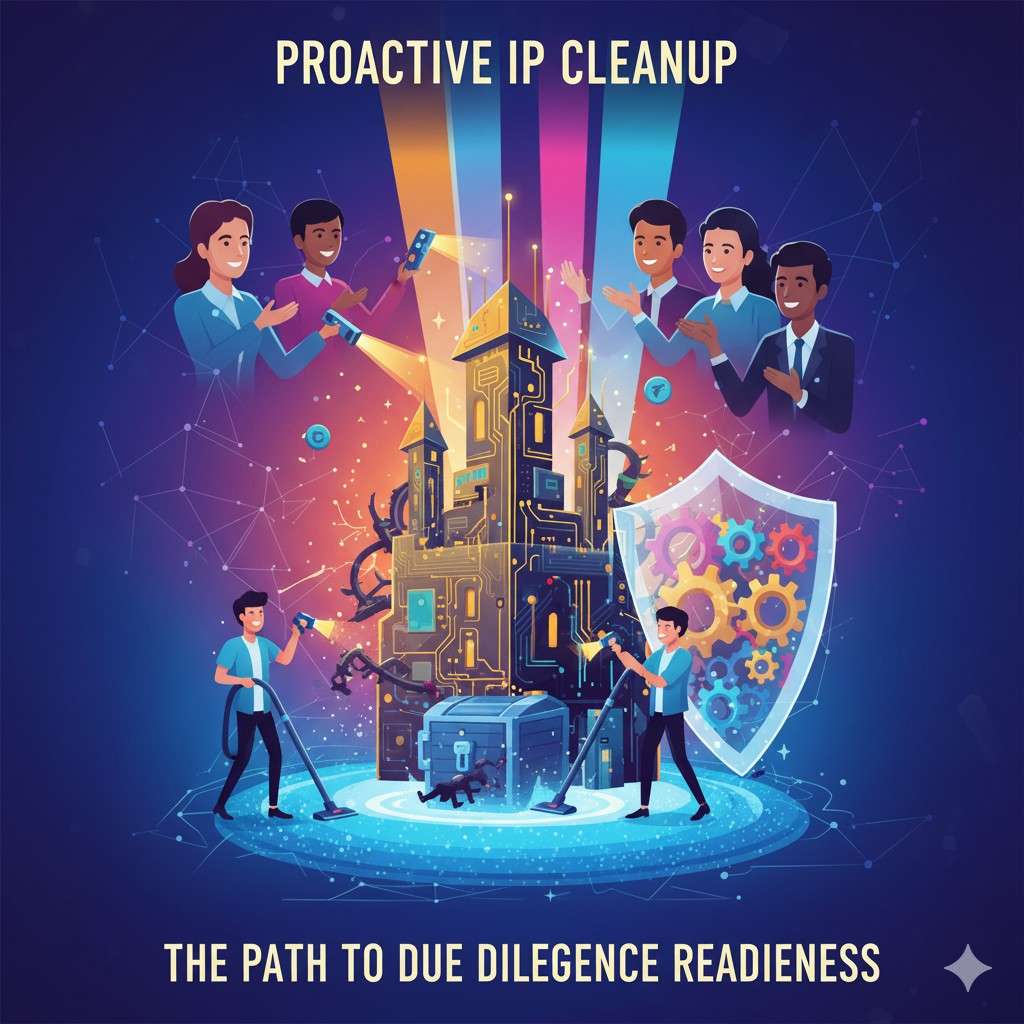
Investors love speed because it shows professionalism. When you come prepared, diligence becomes a formality instead of a threat.
How A Strong IP Foundation Helps You Scale
A clean IP structure is not only useful for fundraising. It becomes part of your operating system. It helps you hire faster because you have clear agreements ready.
It helps you onboard contributors without confusion. It helps you stay organized as you grow. And most importantly, it helps you build with confidence, knowing nobody else can claim what you create.
Investors see this as a sign of a company that can scale safely. They want that stability. They want founders who build with intention instead of chaos.
Why PowerPatent Makes IP Cleanup Faster And Easier
Cleaning your IP does not have to be slow or painful. PowerPatent gives founders a simple way to capture inventions, assign rights, file patents, and stay organized.
Instead of digging through old documents, you have one clean system where everything lives. And instead of handling complex filings alone, you have real attorneys reviewing your work.
This blend of smart software and human oversight keeps your IP clean while you keep building.

If you want a clean, organized, investor-ready IP foundation, see how PowerPatent can help you move fast without losing control → https://powerpatent.com/how-it-works
Wrapping It Up
Before you ever get to the term sheet, the pitch deck, or the investor meetings, the real work of protecting your company happens quietly behind the scenes. It happens in the agreements you sign, the code you ship, the rights you secure, and the structure you build long before diligence comes into view. Clean IP is not about paperwork. It is about control. It is about owning the invention that makes your company valuable. It is about removing friction, building trust, and showing investors that you run your company with clarity and intention.
Leave a Reply