Tag: Section 112
-
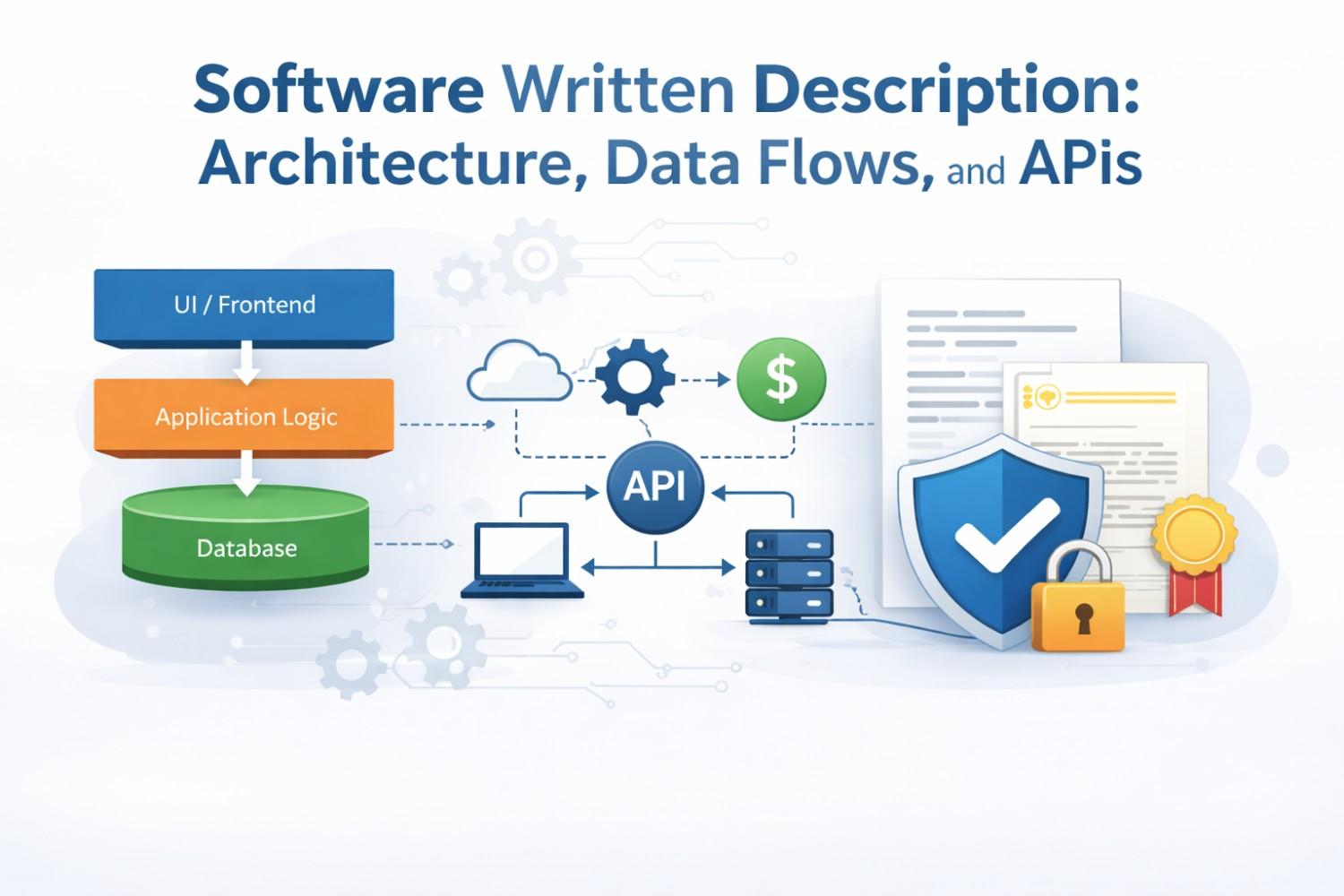
Software Written Description: Architecture, Data Flows, and APIs
If you are building software, your product already has a story. It has a shape. It has moving parts. Data goes in, data moves around, and something valuable comes out. That story matters more than most founders realize, especially when it comes to patents. A software patent does not protect ideas. It protects how your…
-
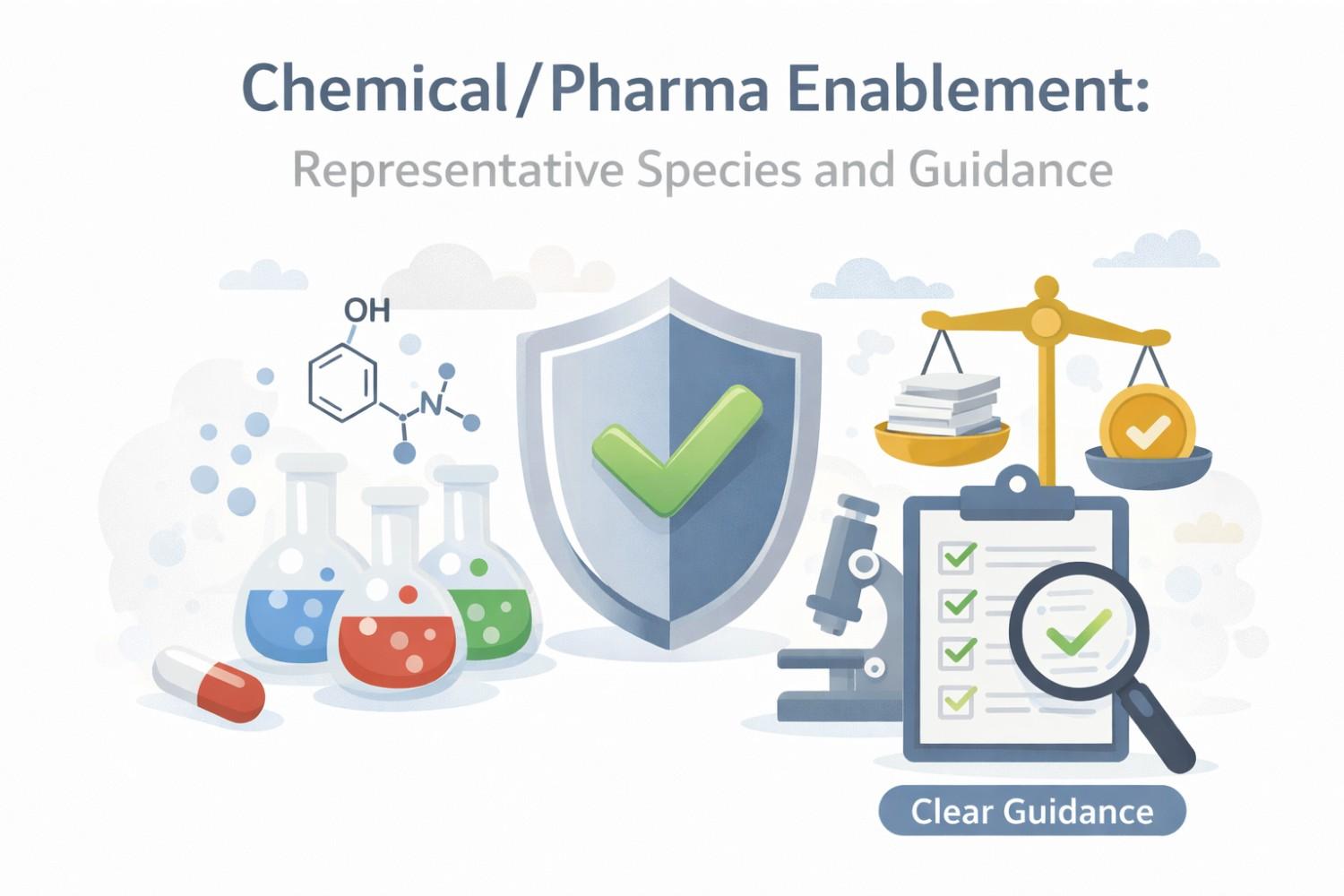
Chemical/Pharma Enablement: Representative Species and Guidance
If you are building a chemical or pharma invention, your patent lives or dies on one quiet idea: can someone else read it and actually make and use what you claim without guessing. That idea is called enablement, and in chemical and drug patents, it is unforgiving. This article is about how enablement really works…
-
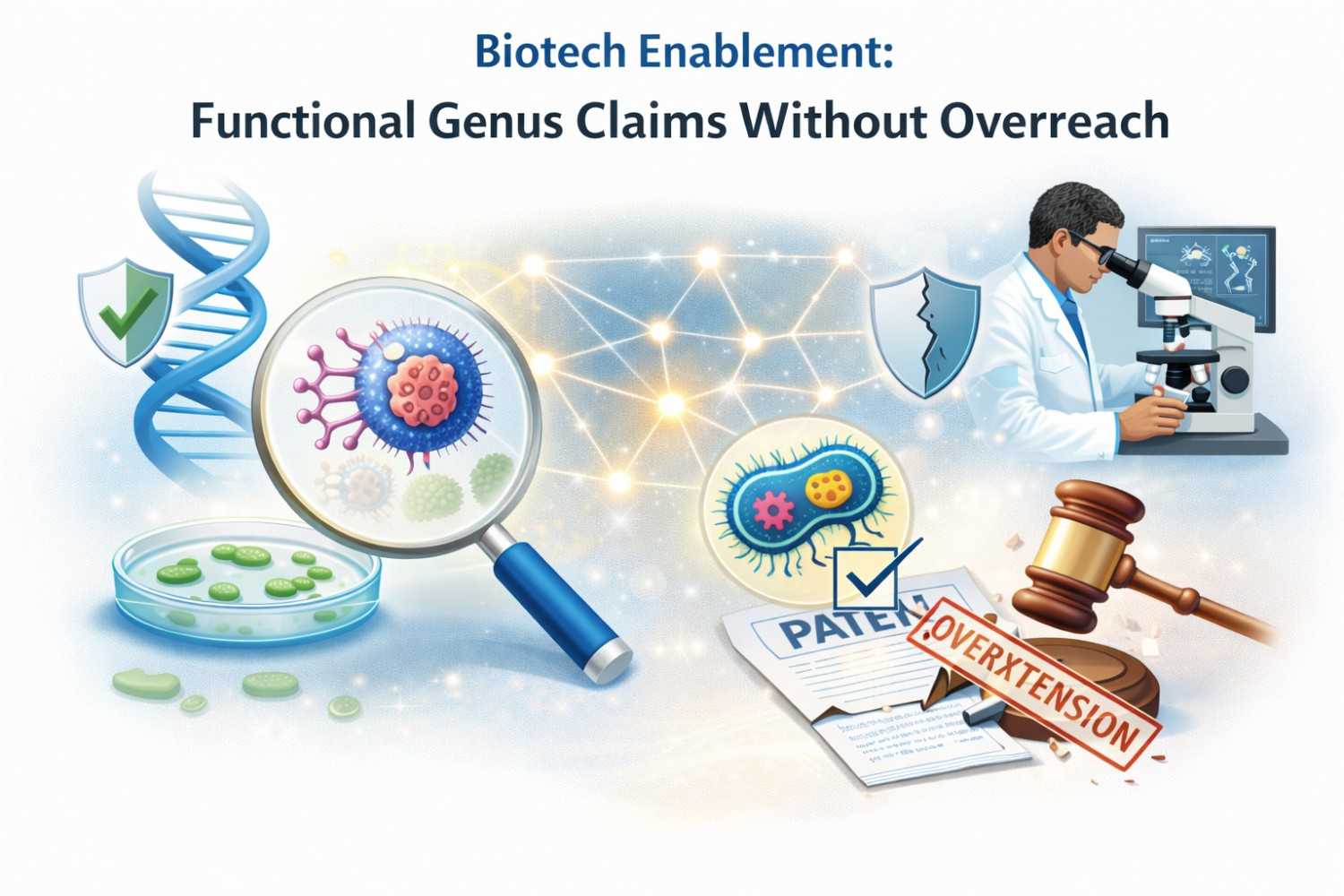
Biotech Enablement: Functional Genus Claims Without Overreach
Biotech founders are building things that did not exist a few years ago. New proteins. New ways to edit cells. New tools that change how medicine works. The problem is not the science. The problem is protecting it the right way. Many biotech patents fail not because the idea is weak, but because the patent…
-
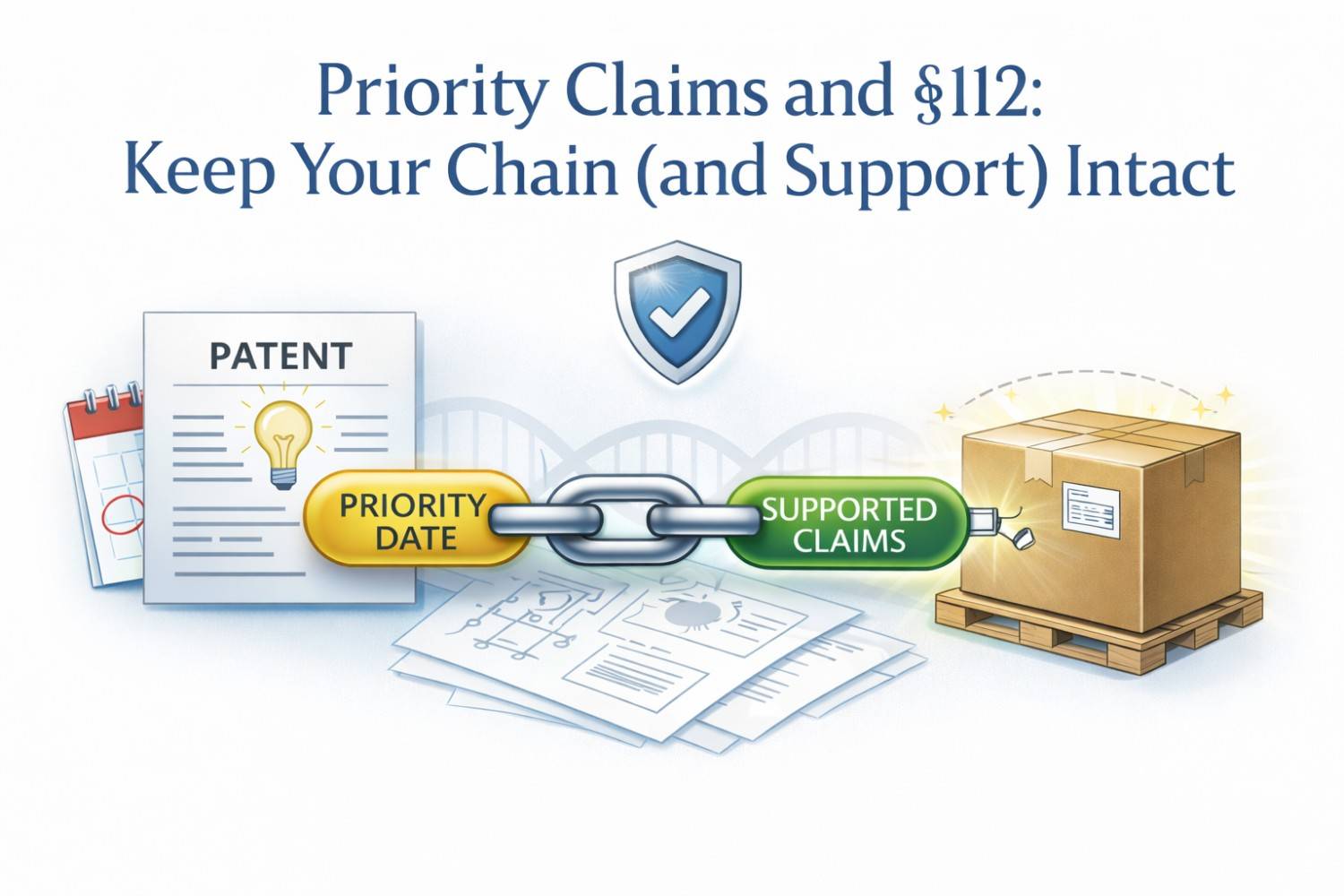
Priority Claims and §112: Keep Your Chain (and Support) Intact
Let’s be very direct. Most patent problems do not start at the end. They start at the beginning. They start with how you write your first application and how well it supports what you later want to claim. Priority and §112 are not abstract legal ideas. They decide whether your patent is strong or fragile,…
-
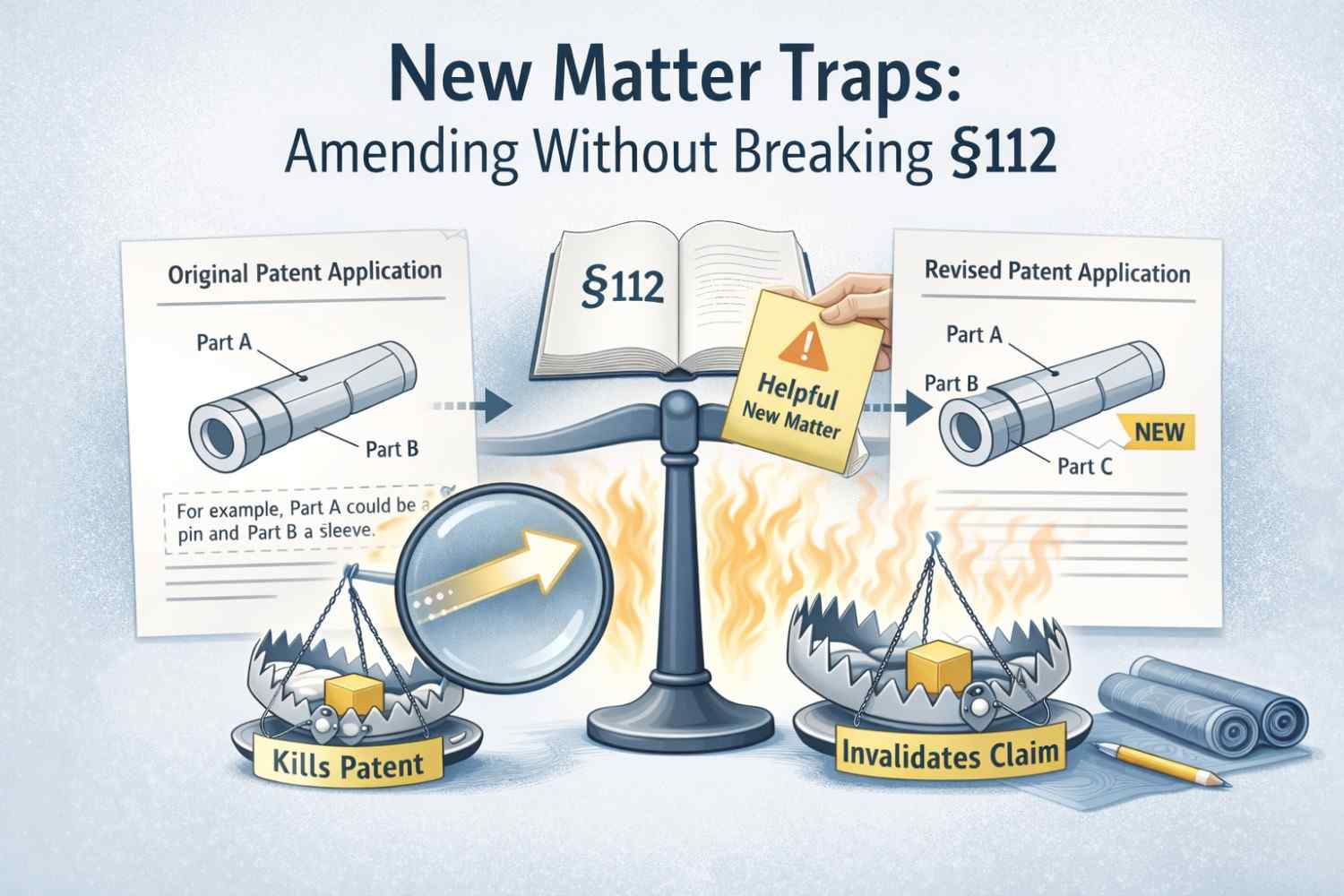
New Matter Traps: Amending Without Breaking §112
If you have ever changed a patent application after filing and felt a quiet fear in your stomach, you are not alone. Amendments look simple. They feel harmless. You just add a few words, clean up a sentence, or explain the invention better. But this is where many strong patents quietly fall apart. New matter…
-
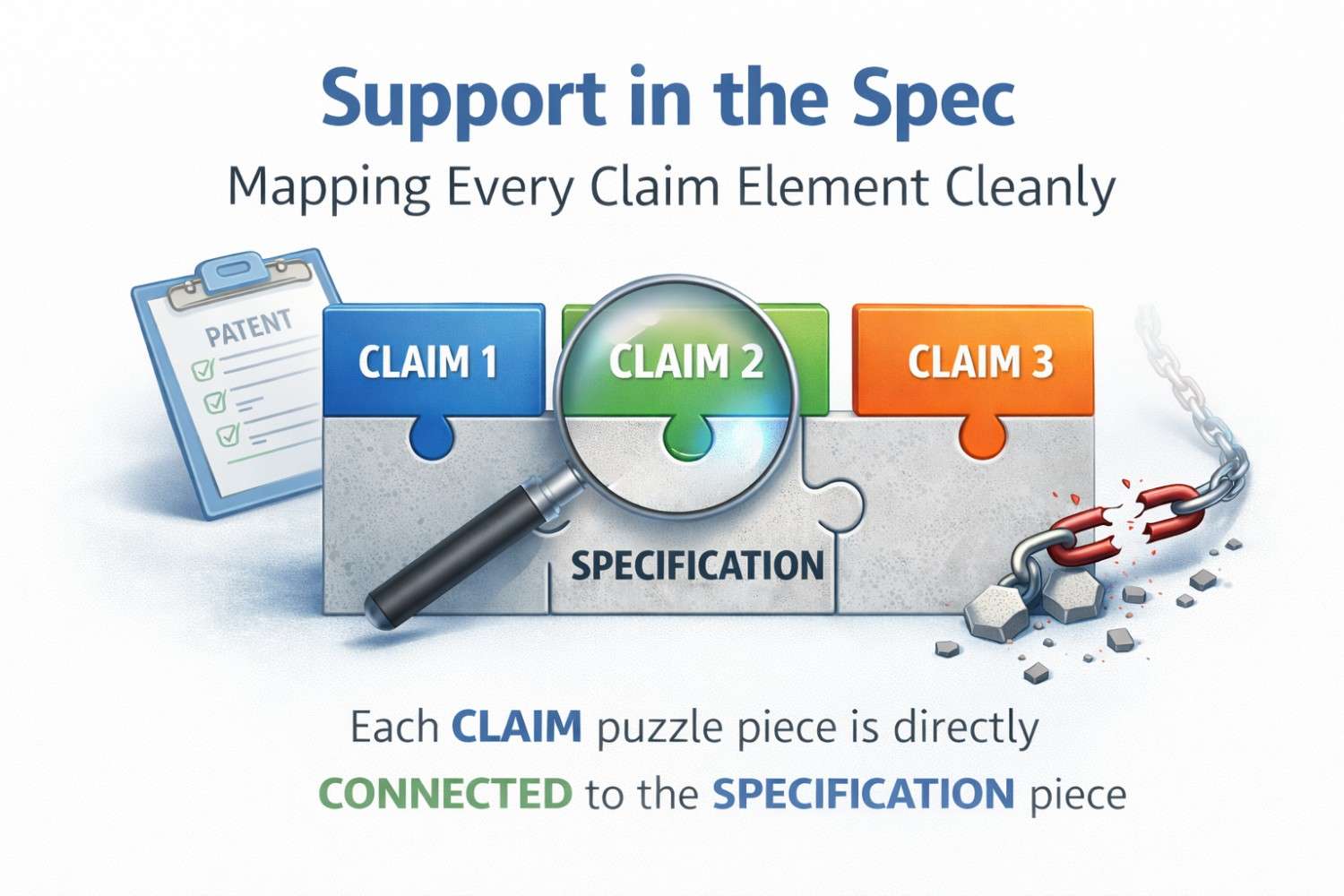
Support in the Spec: Mapping Every Claim Element Cleanly
Most patents fail for one simple reason. The idea was strong, but the words did not line up. That is what support in the spec really means. Every part of your claim must be clearly backed by what you wrote in the description. There can be no guessing, no stretching, and no relying on what…
-
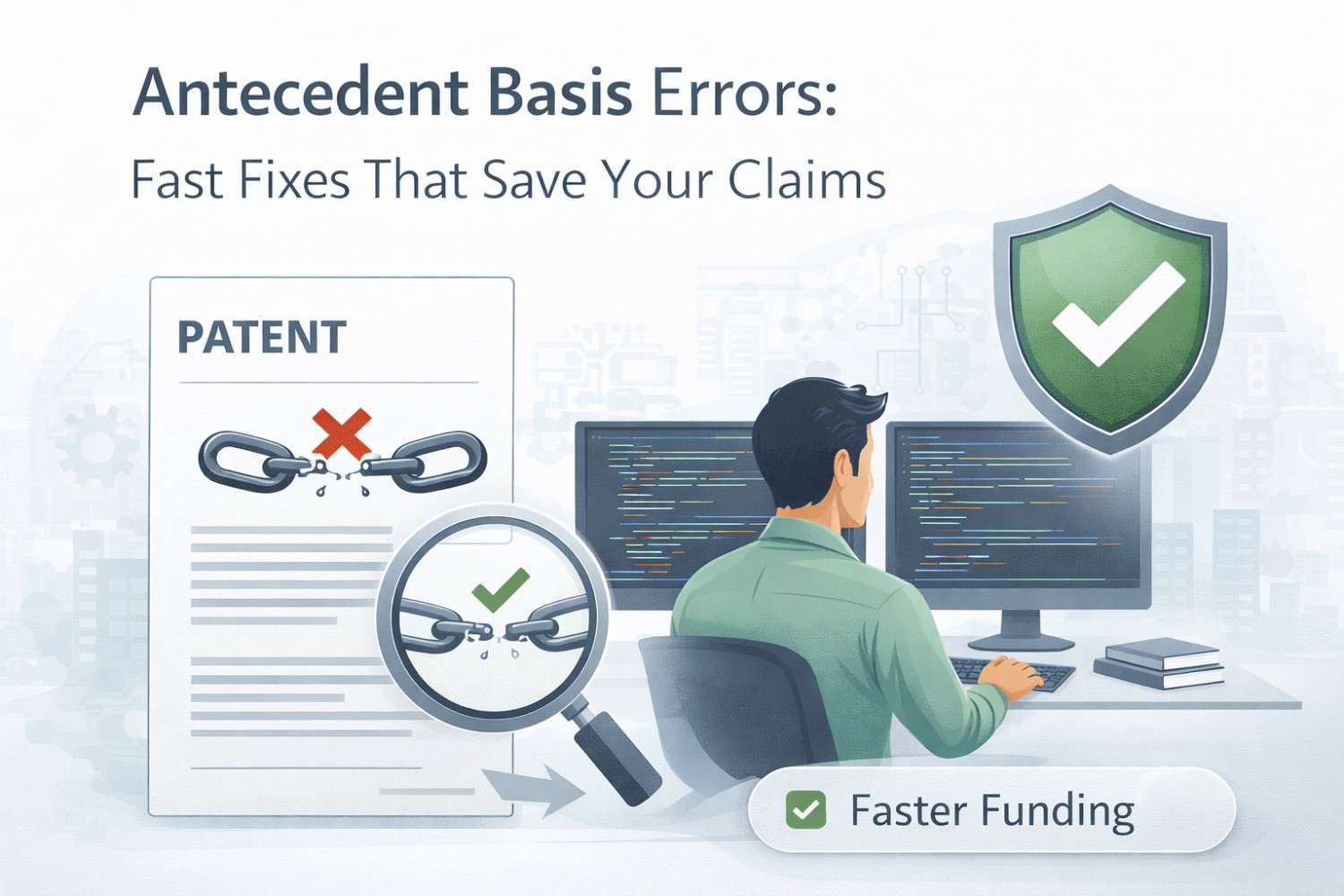
Antecedent Basis Errors: Fast Fixes That Save Your Claims
Patents often fail because of small writing mistakes, not because the invention is weak. One of the most damaging mistakes is an antecedent basis error. This happens when a claim mentions something before clearly introducing it. That single issue can create confusion and give others room to attack your protection. This matters for founders and…
-

“About,” “Substantially,” and Other Relative Terms: Avoiding Indefiniteness
When patents fall apart, it is almost never because the invention was weak; it is because the words were weak. Simple, everyday terms like “about,” “substantially,” or “roughly” can quietly destroy an otherwise strong patent if they are not handled with care. These words feel harmless, even helpful, but in patents they can create uncertainty,…
-
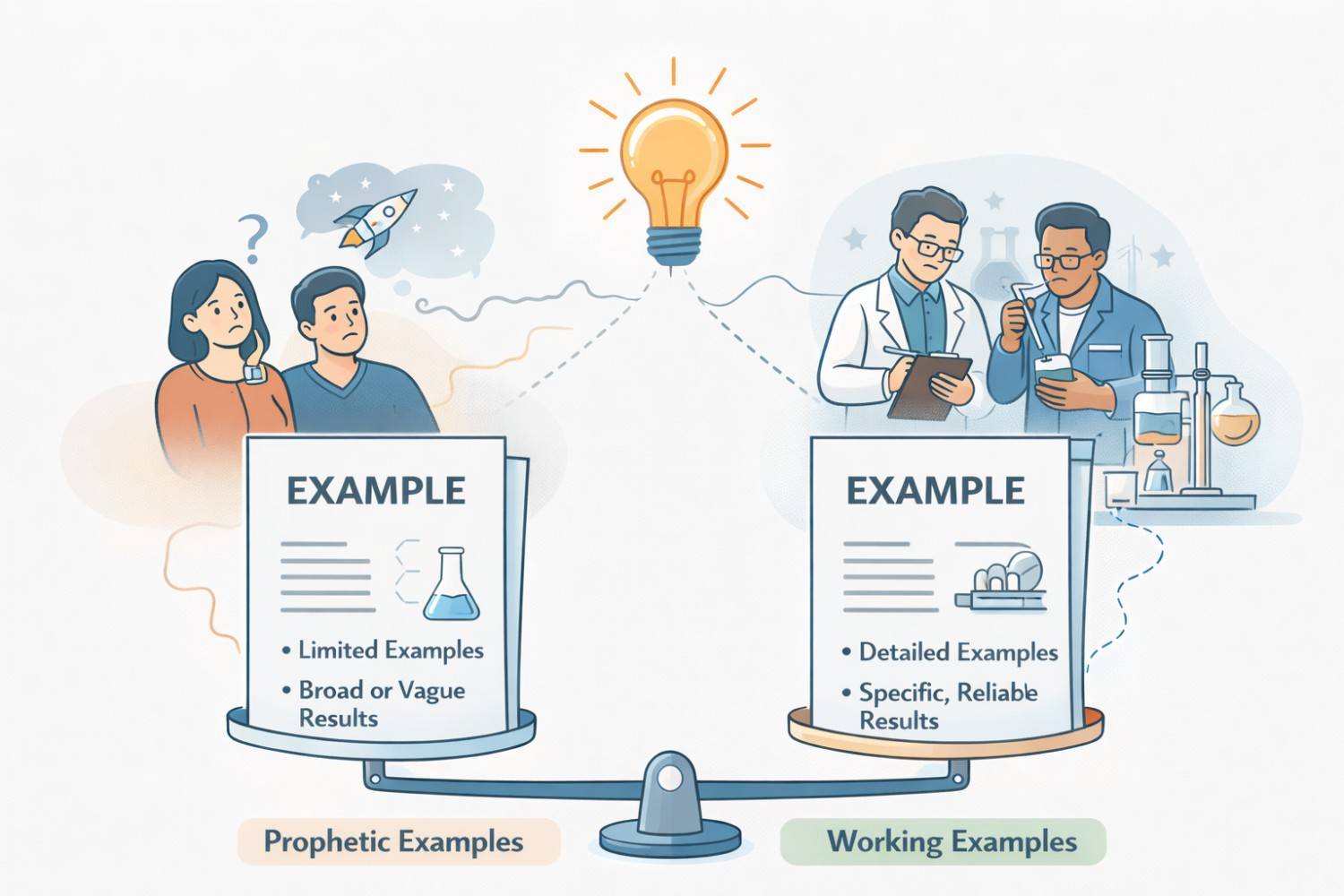
Prophetic vs Working Examples: What Really Helps Enablement
Most patent failures do not come from weak ideas. They come from weak explanations. Founders often describe what might work instead of showing what does work. That gap is the difference between prophetic examples and working examples. Enablement depends on whether your patent teaches something real or just sounds smart. Many patents fail because they…
-
Negative Limitations: When They’re Allowed and How to Support Them
Let’s get straight to it.Negative limitations can either make your patent very strong or completely break it. There is no middle ground. When used the right way, they help you lock out competitors with clean, clear claims. When used the wrong way, they get rejected, delayed, or quietly weaken everything you’re trying to protect. This…