Author: Aindrila Mitra
-
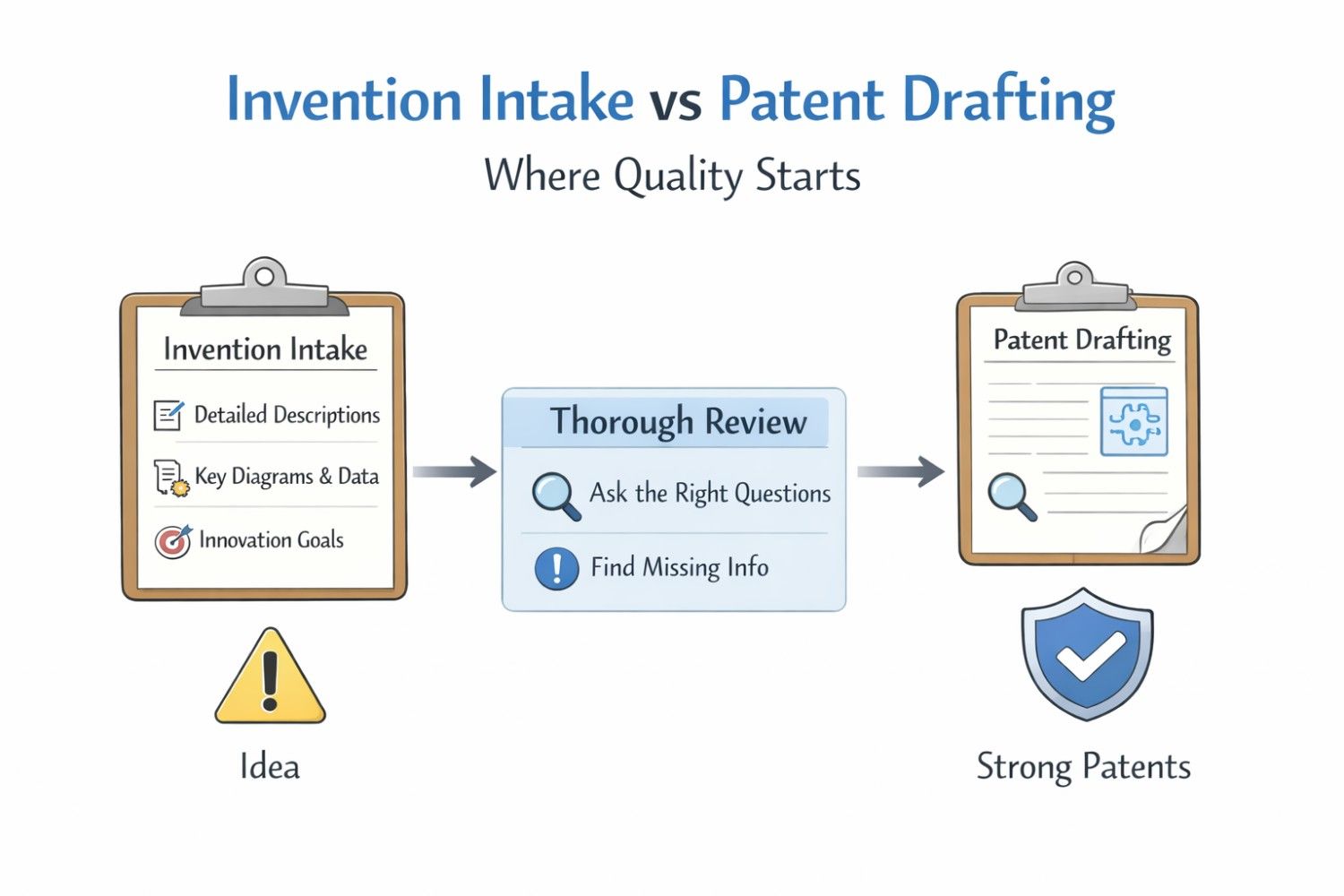
Invention Intake vs Patent Drafting: Where Quality Starts
Most founders think patent quality starts when the lawyer begins writing. It does not. Quality starts much earlier—at the very first conversation about your invention. If that first step is weak, the whole patent will be weak. If that first step is sharp, clear, and complete, everything that follows becomes stronger, faster, and far more…
-
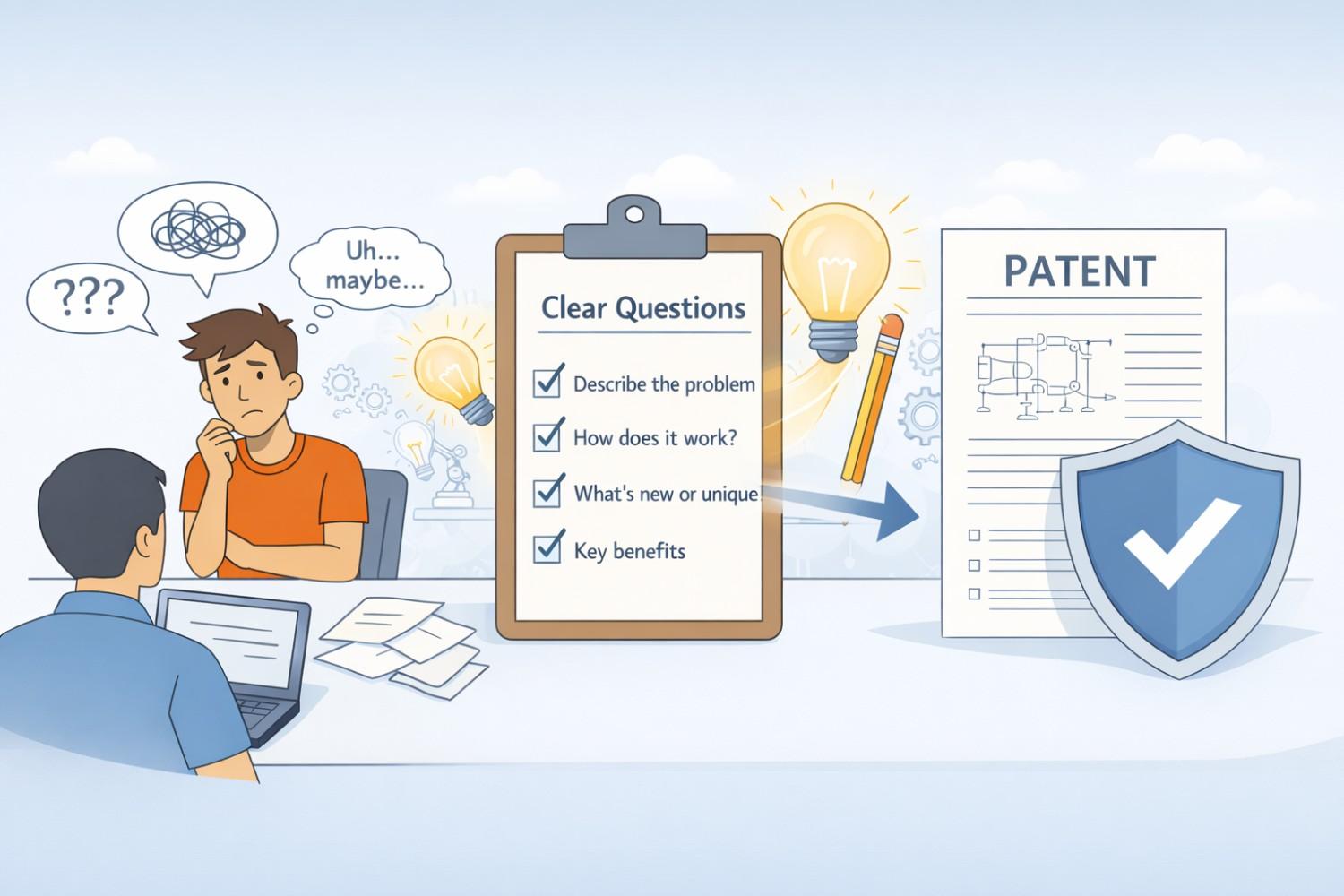
How to Write Inventor Questions That Get Clear Technical Answers
If you want strong patents, you need strong answers. And strong answers only come from clear inventor questions. This is where most startups go wrong. They jump into filing before they slow down and ask the right things. The result? Gaps. Confusion. Missed protection. In this guide, I’ll show you how to write inventor questions…
-
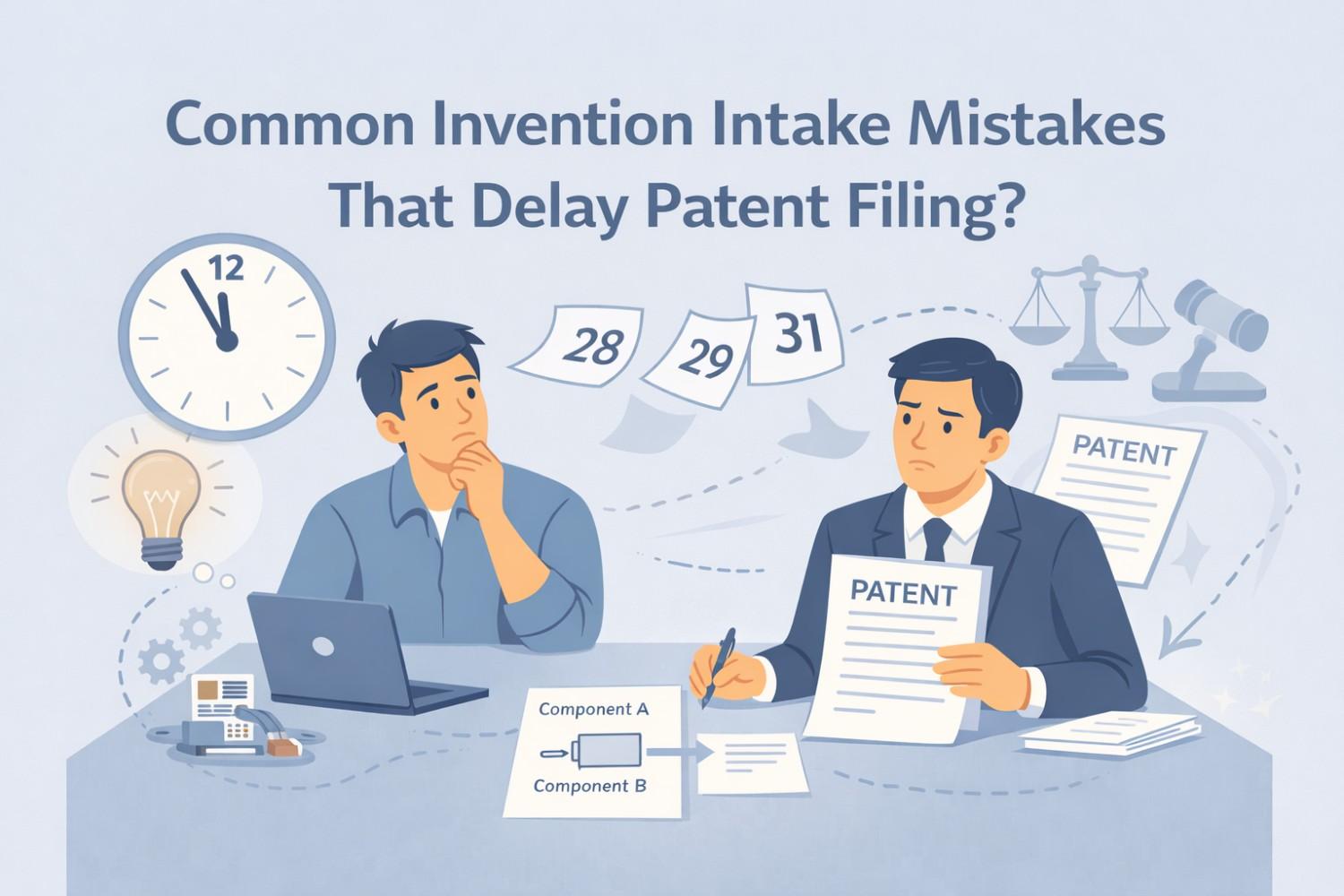
Common Invention Intake Mistakes That Delay Patent Filing
You can build the most brilliant product in the world, but if your invention intake is messy, slow, or incomplete, your patent filing will stall before it even starts. We see this all the time. Founders wait too long. Engineers forget key details. Teams assume someone else is handling it. Weeks turn into months. And…
-

What Makes a Good Invention Disclosure Form?
If you are building something new, your ideas are your edge. But ideas are fragile. If you do not capture them the right way, you can lose time, lose control, or even lose your rights. A strong invention disclosure form is not busy work. It is the first real step in turning what is in…
-

How In-House IP Teams Standardize Invention Intake
Most companies do not lose patents because they lack ideas. They lose them because they lack a system. Great engineers build fast. Product teams ship weekly. AI models evolve every month. But when it comes to protecting those ideas, everything slows down. Emails get lost. Forms are confusing. Engineers do not know what counts as…
-
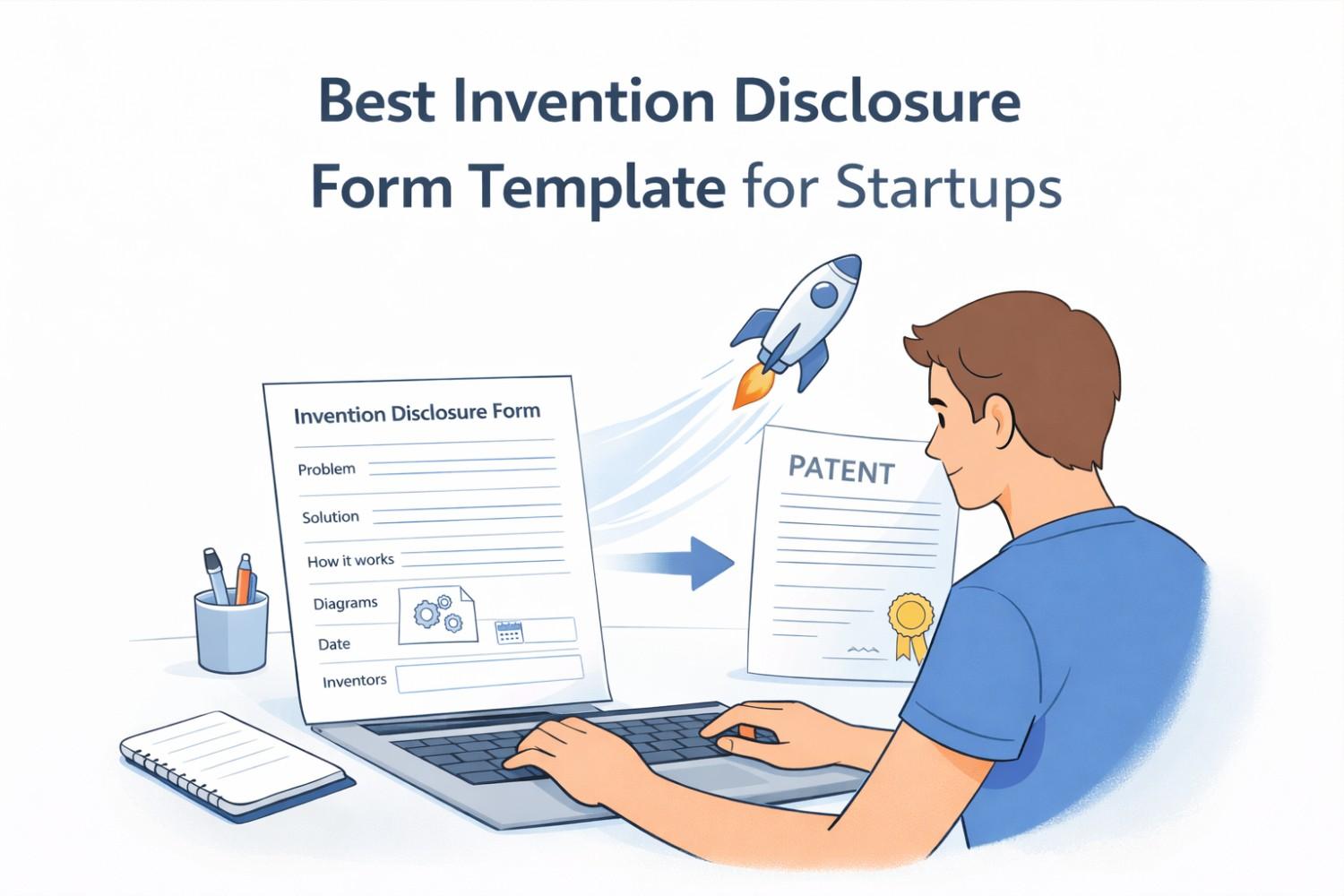
Best Invention Disclosure Form Template for Startups
If you are building something new, you need to capture it before it slips through your fingers. Ideas move fast inside a startup. Code changes daily. Models improve every week. Features evolve after every user call. If you do not write down what you invented, when you invented it, and how it works, you risk…
-
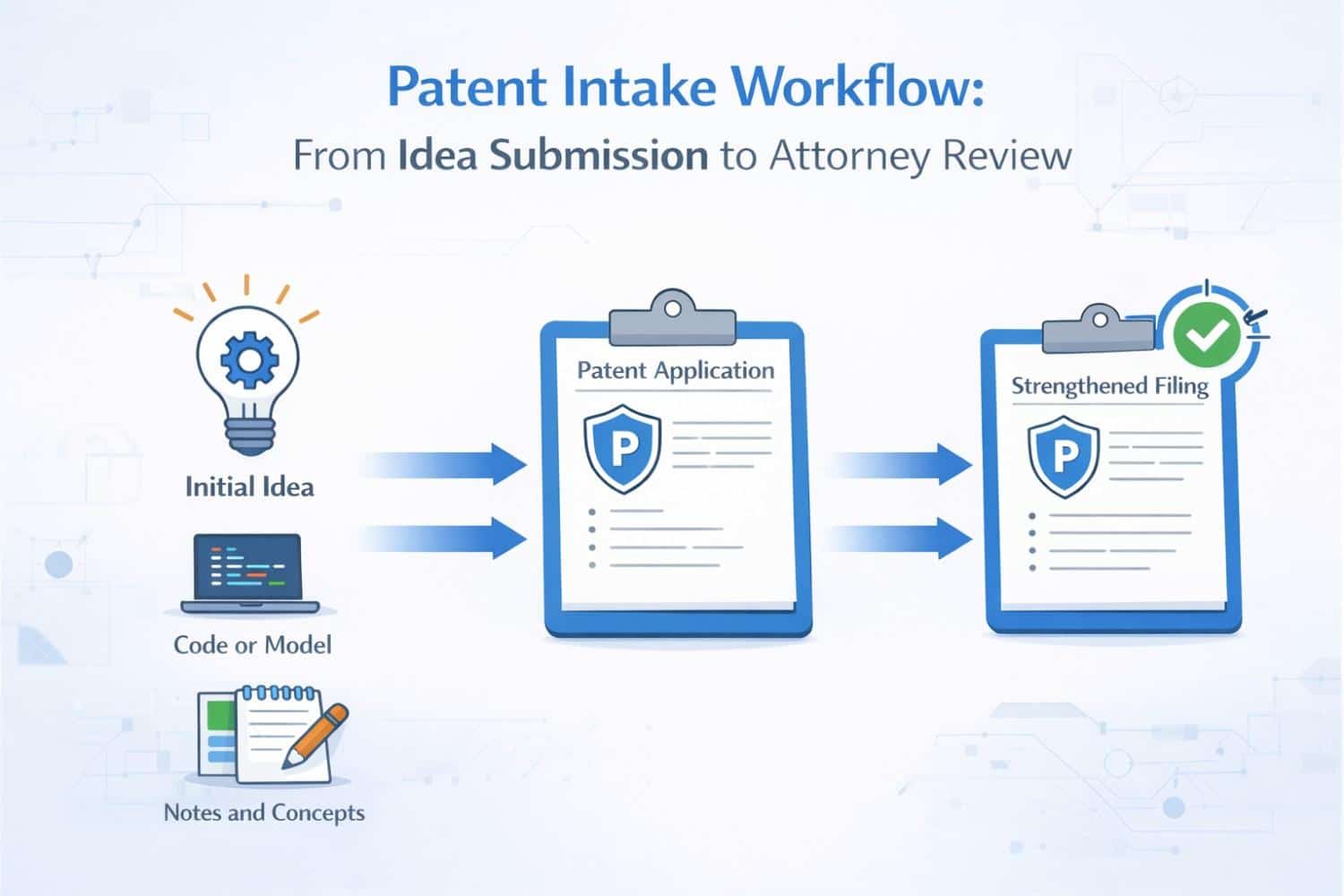
Patent Intake Workflow: From Idea Submission to Attorney Review
You have built something real. Maybe it is code. Maybe it is a model. Maybe it is a new system that solves a hard problem in a clean way. You know it matters. The question is simple: how do you protect it without slowing down your startup? That is where the patent intake workflow comes…
-
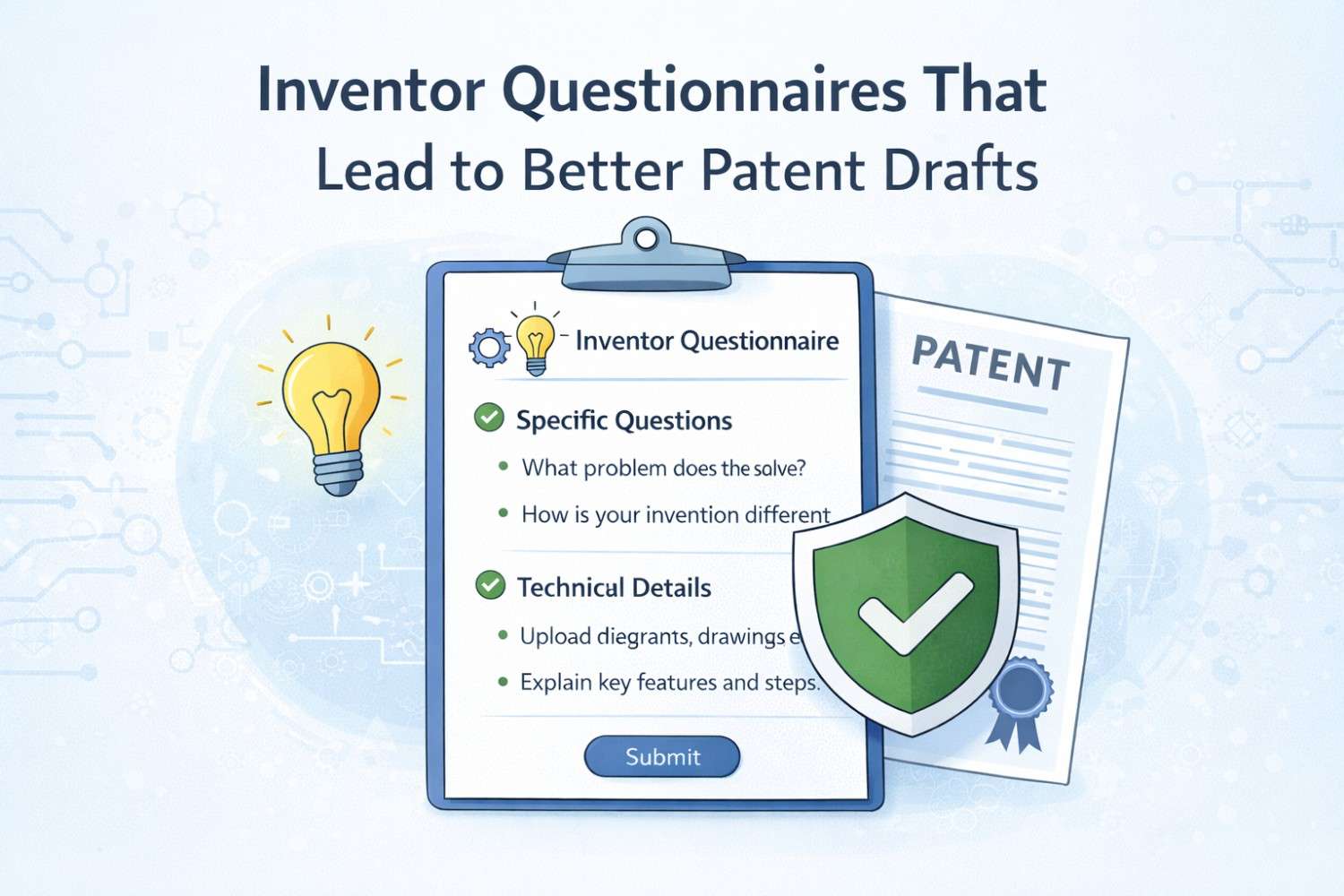
Inventor Questionnaires That Lead to Better Patent Drafts
Most patents fail before they are even written. Not because the idea is weak. Not because the market is small. They fail because the wrong questions were asked at the start. If you want a strong patent, you do not start with legal words. You start with the right inventor questionnaire. And if you are…
-
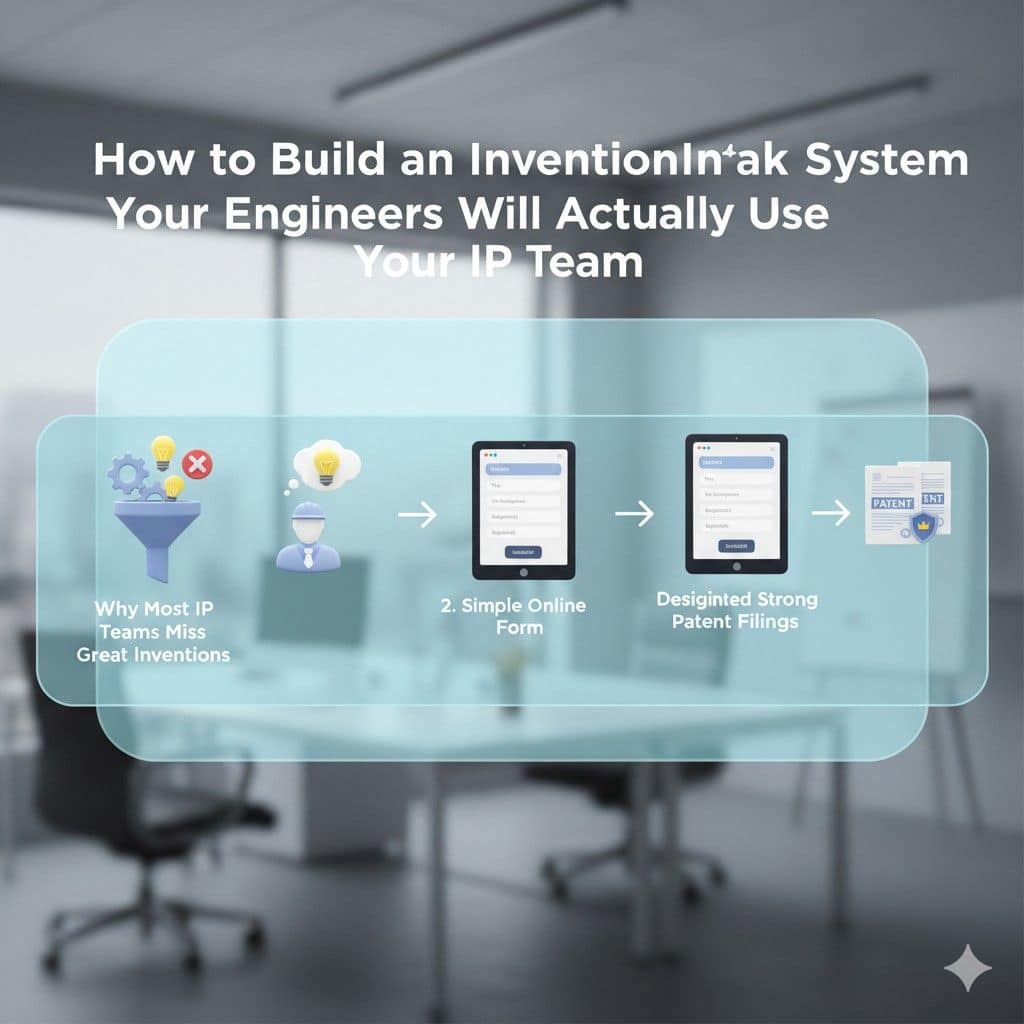
How to Build an Invention Intake System for Your IP Team
If you are building real tech, you are creating new ideas every week. New features. New models. New systems. New fixes. The problem is not a lack of invention. The problem is losing track of it. Ideas stay in Slack threads. In Notion docs. In someone’s head. Then months later you realize your best idea…
-
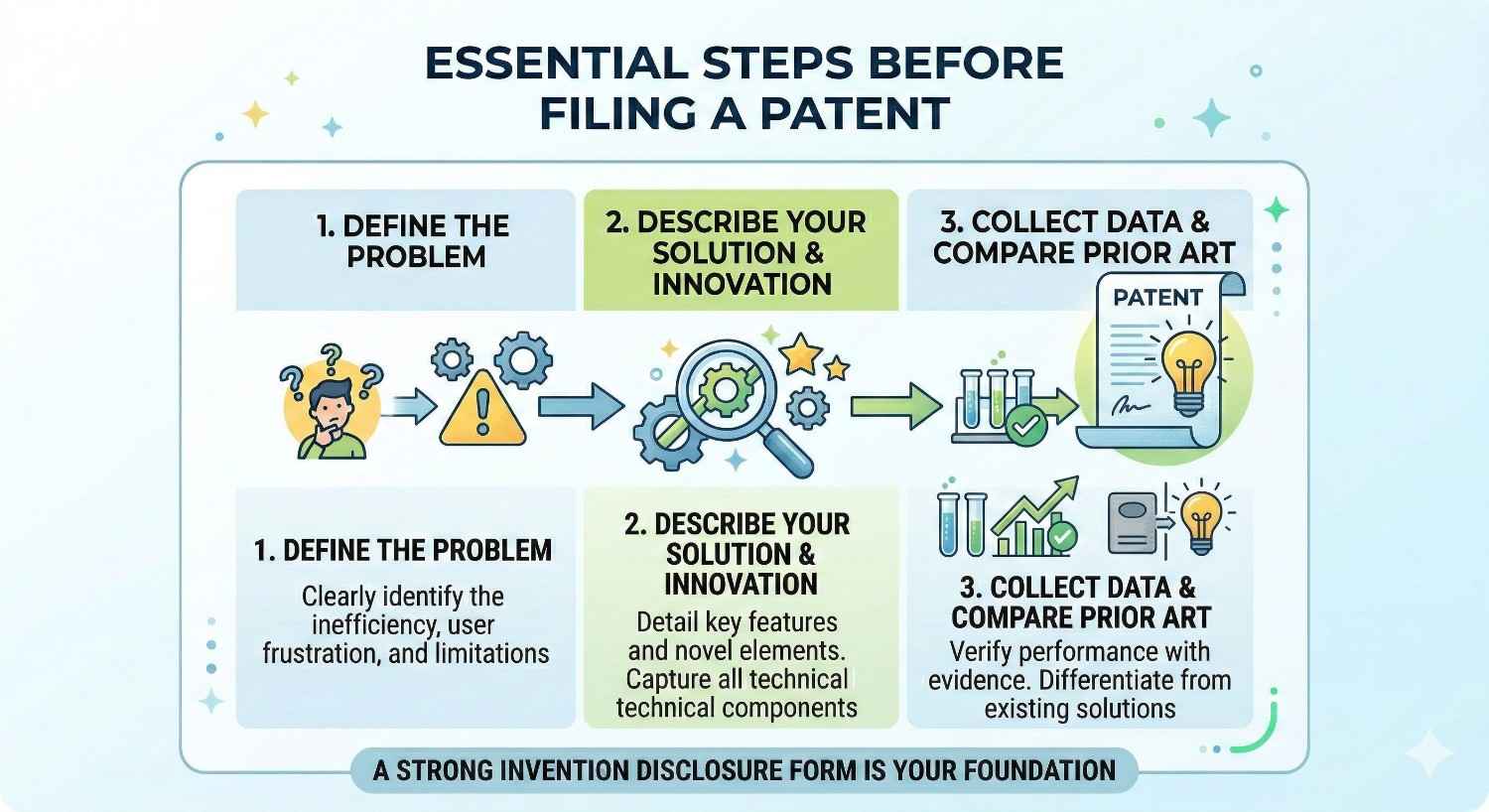
Invention Disclosure Forms: What to Ask Before Filing a Patent
You built something real. It works. It solves a hard problem. Now you want to protect it. But before you file a patent, there is one step that can save you time, money, and stress: your invention disclosure form. This is where you slow down just enough to think clearly about what you built, how…


