Category: Patent Basics
-
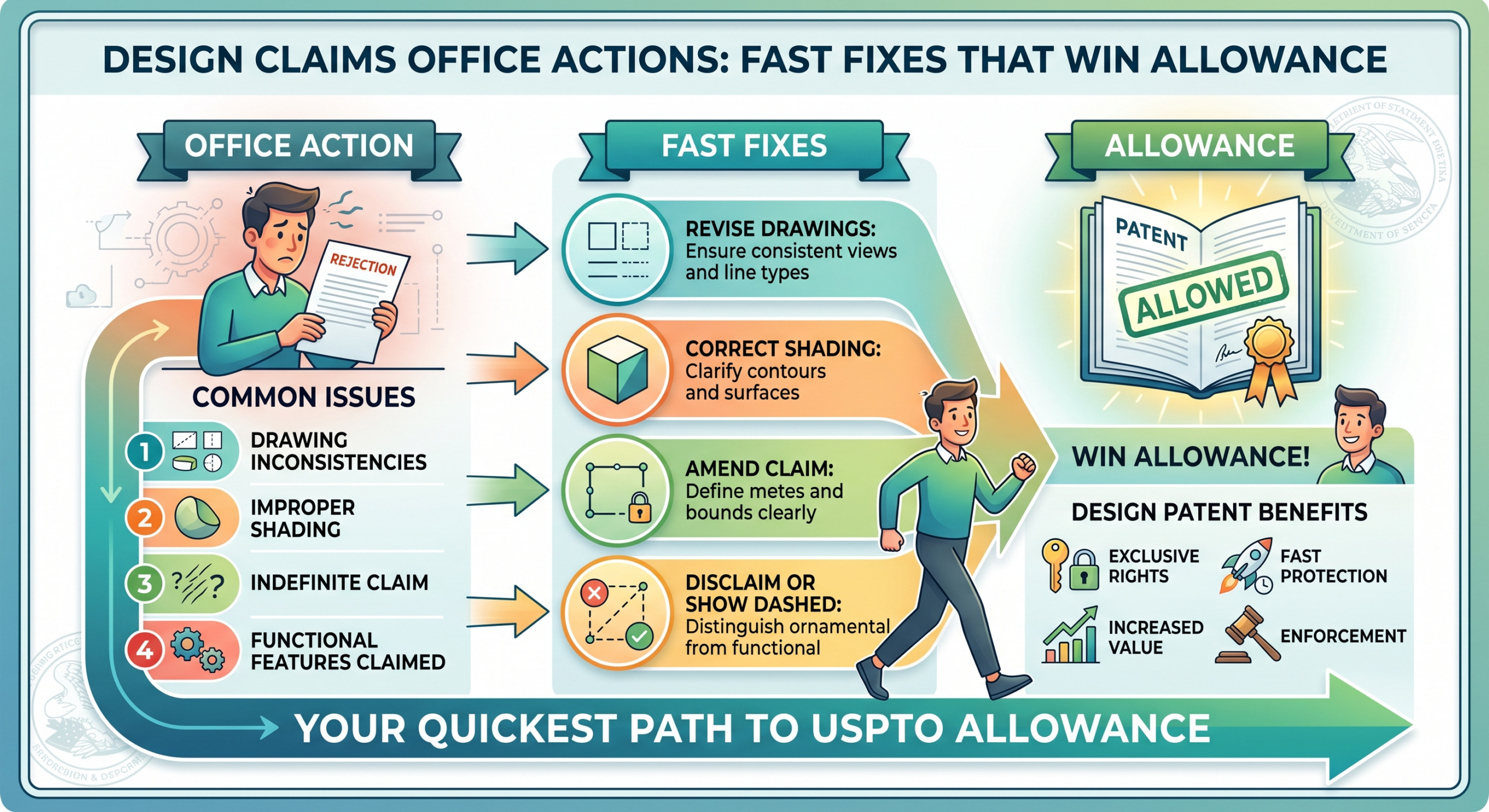
Design Claims Office Actions: Fast Fixes That Win Allowance
A design patent can protect the look of what you built. The shape. The screen. The icon. The pattern. The part people see and remember. That is where PowerPatent helps. With smart software and real patent attorney oversight, founders can move faster, avoid costly mistakes, and keep control of the patent process without getting buried…
-
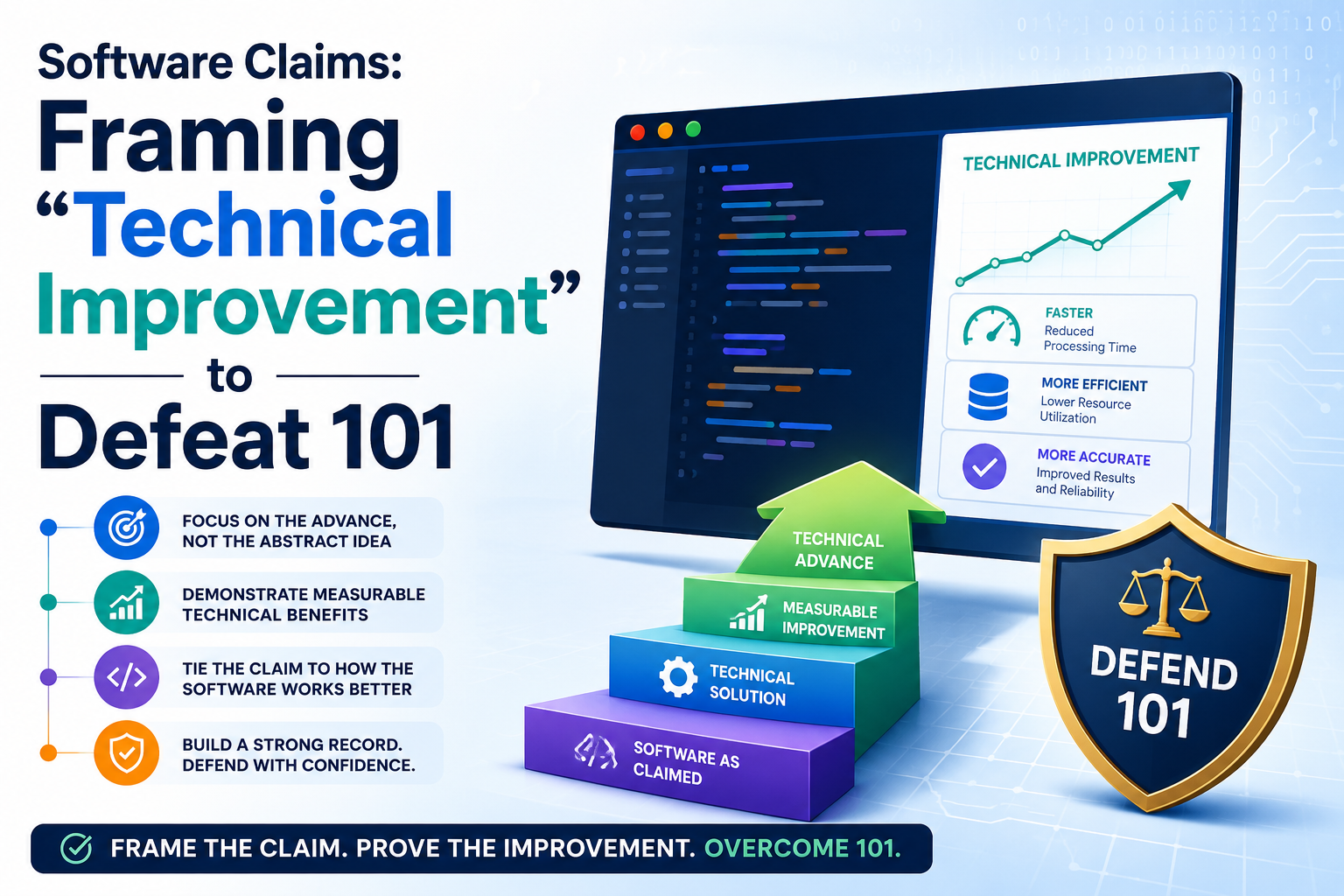
Software Claims: Framing “Technical Improvement” to Defeat 101
A software patent claim usually wins or loses on one simple question: did the invention make the computer work better, or did it just use a computer to do a business task? That is where PowerPatent helps founders turn raw invention notes into stronger patent stories, with smart software and real attorney review. You can…
-
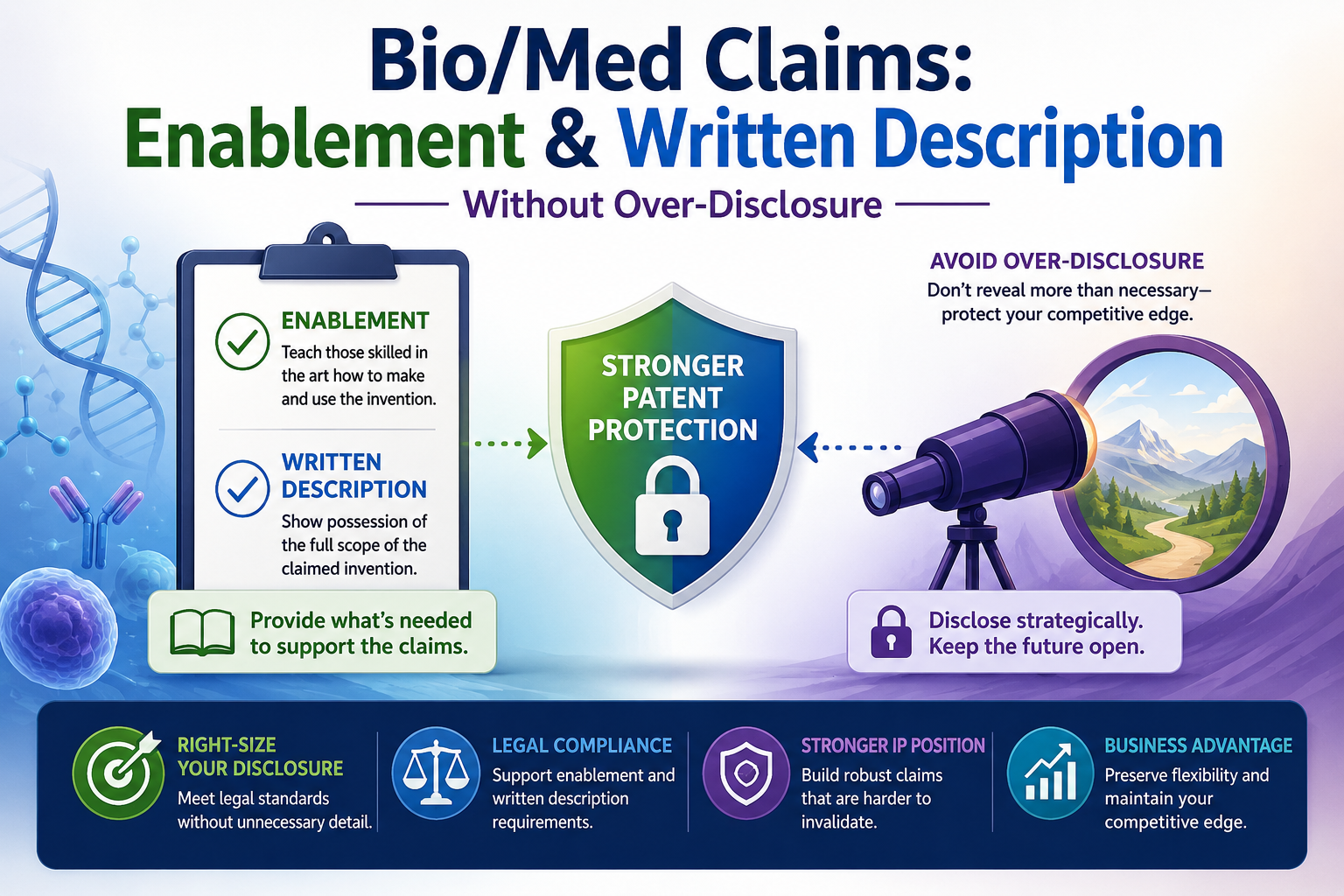
Bio/Med Claims: Enablement & Written Description Without Over-Disclosure
In bio and med tech, your patent can become one of your startup’s most valuable assets. But it can also create risk if it says too little, says too much, or describes the wrong things in the wrong way. Bio and med claims need proof, but they do not need your whole secret vault Bio…
-
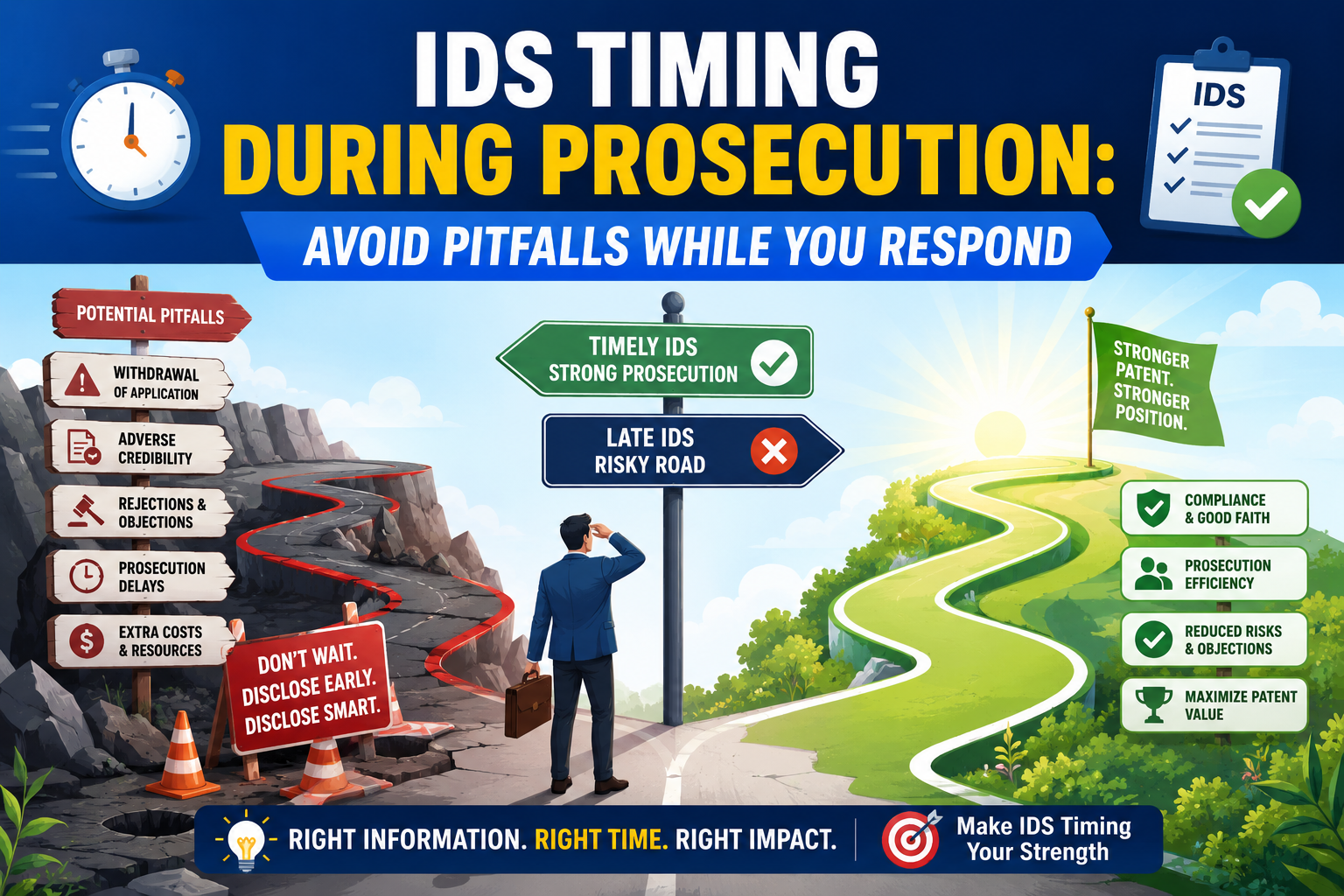
IDS Timing During Prosecution: Avoid Pitfalls While You Respond
When you are building a startup, patent work should not feel like a trap. But IDS timing is one place where smart founders can still get stuck. An IDS, or Information Disclosure Statement, is how you tell the USPTO about known information that may matter to your patent application. The USPTO has timing rules for…
-
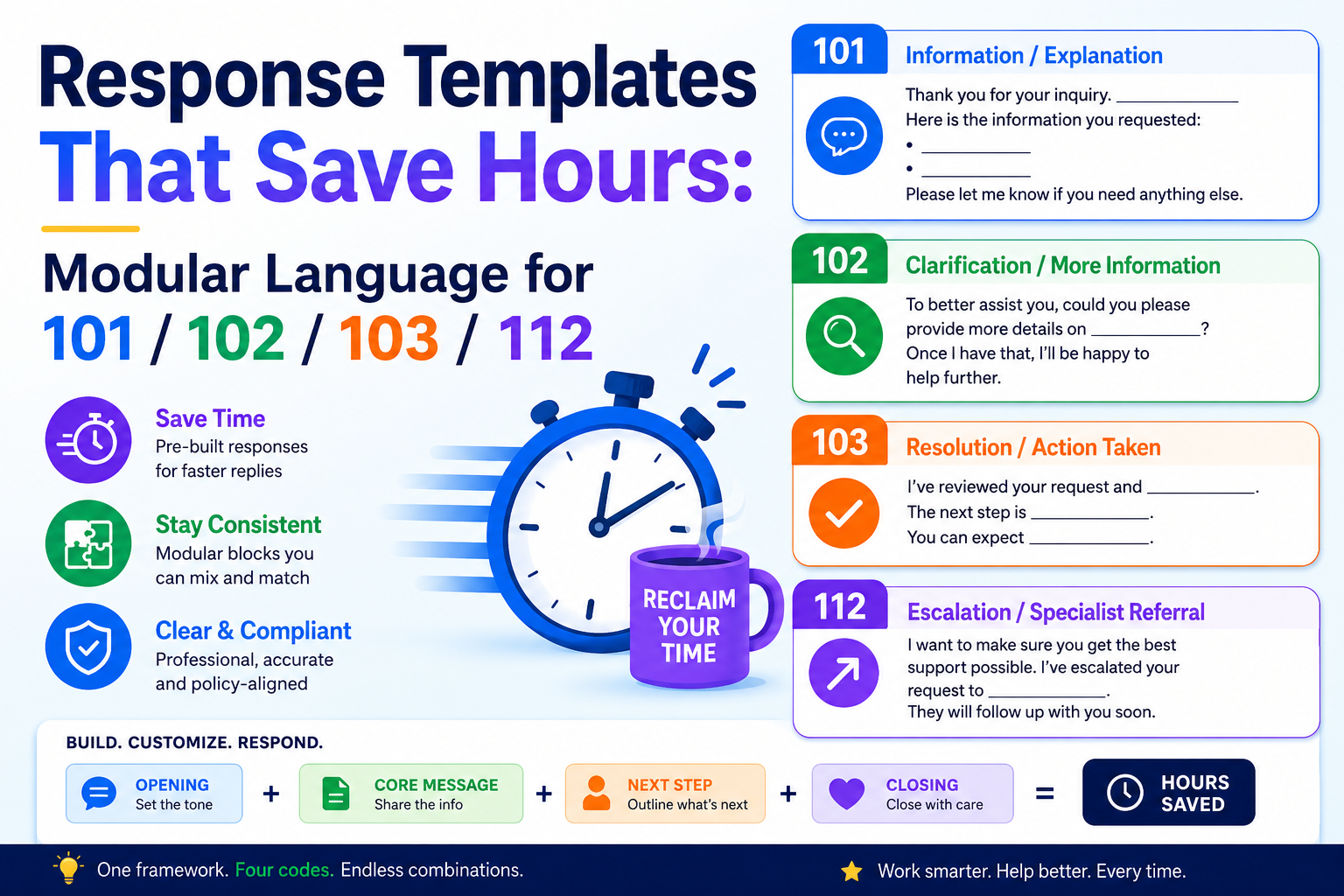
Response Templates That Save Hours: Modular Language for 101/102/103/112
A patent office response can eat your whole week if you start from a blank page. You read the rejection. You reread it. You hunt for the right words. Then you try to explain why the invention is new, useful, clear, and not obvious without sounding weak, vague, or too narrow. Start with a response…
-

Patent Claim Charting 101: A Simple Guide for IP Teams
Patent claim charting can feel slow, dry, and hard to love. But for an IP team, it is one of the clearest ways to see what a patent really covers, where it is strong, where it is weak, and how it maps to a real product, system, or process. What a Patent Claim Chart Really…
-
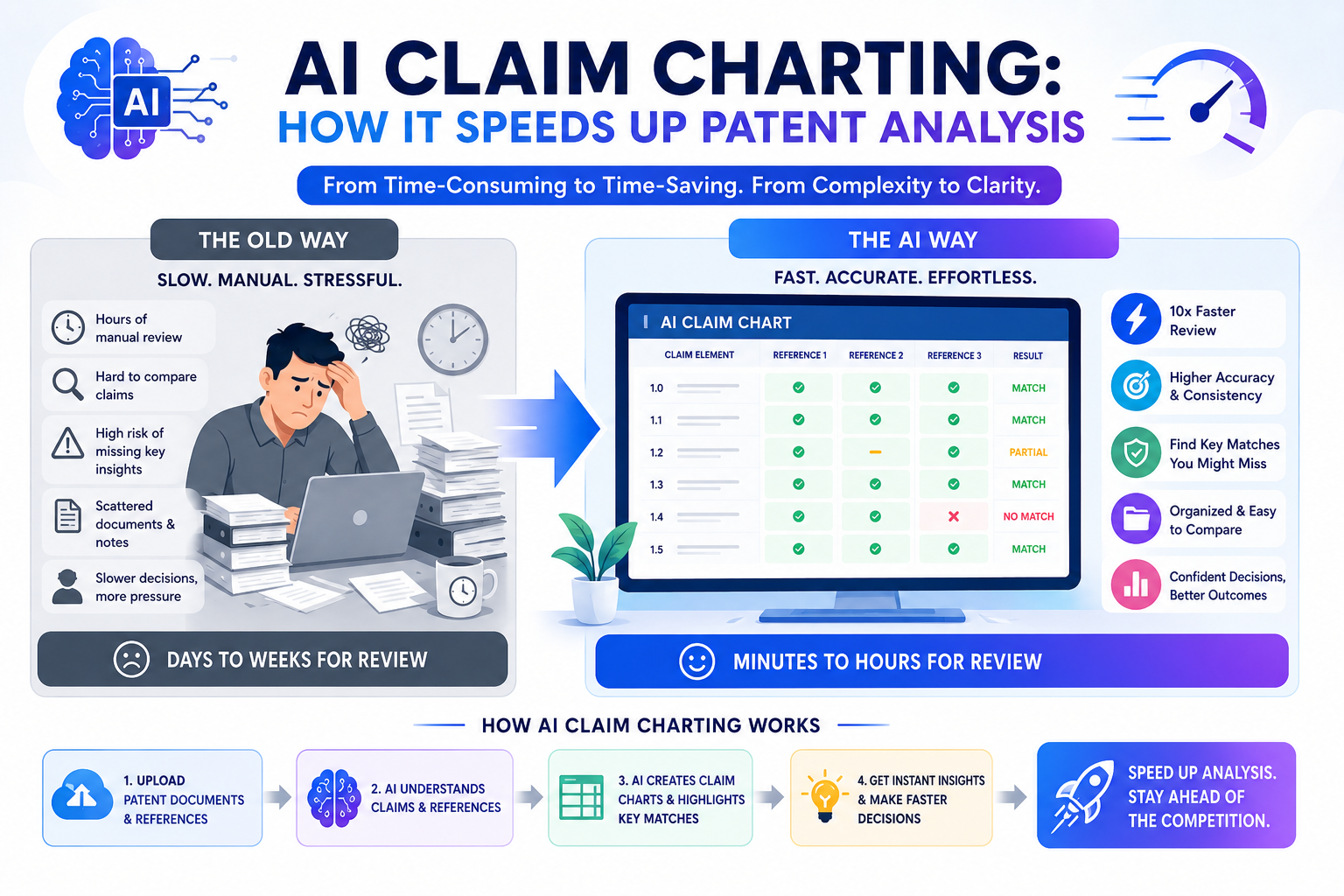
AI Claim Charting: How It Speeds Up Patent Analysis
Patent work can feel slow because every word matters. One small detail can change what an invention covers, what a competitor may be using, or what a startup can safely protect. That is why claim charting is so important. It helps teams compare patent claims against products, code, systems, papers, or other patents in a…
-
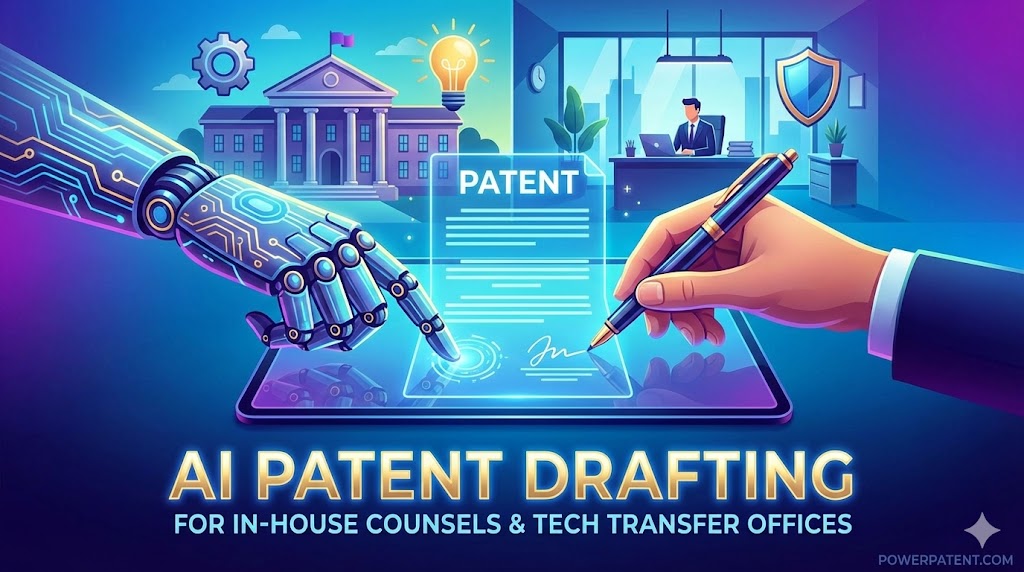
AI Patent Drafting for In-House Counsels and University Tech Transfer Offices: An Overview
Time is tight. Budgets are tight. Yet your inventors keep building. AI patent drafting helps you keep up without lowering your bar. This guide shows how to do it well—step by step, in plain language—so you protect more ideas with less stress. If you want the quick path, see how PowerPatent does it in practice:…
-

Best Practices to Stay Legally Safe When Using AI for Patents
AI is changing everything—including how we invent, build, and protect new ideas. That’s exciting. But it also raises some big legal questions. Like: Can AI be an inventor? Who owns an idea created with AI? What if someone else is training on your code or using your data? Why AI and Patents Don’t Always Play…
-

Legal Concerns with Using OpenAI, GPT, or Cloud Models in IP Filing
When you use OpenAI, GPT-4, or any cloud-based model to help write, code, or ideate your invention, you might not realize that you’re creating a potential legal mess. These tools feel private. But in legal terms, they’re not always. When you input ideas into a cloud model, you’re technically sharing them with a third party.…