Category: Patent Prosecution
-
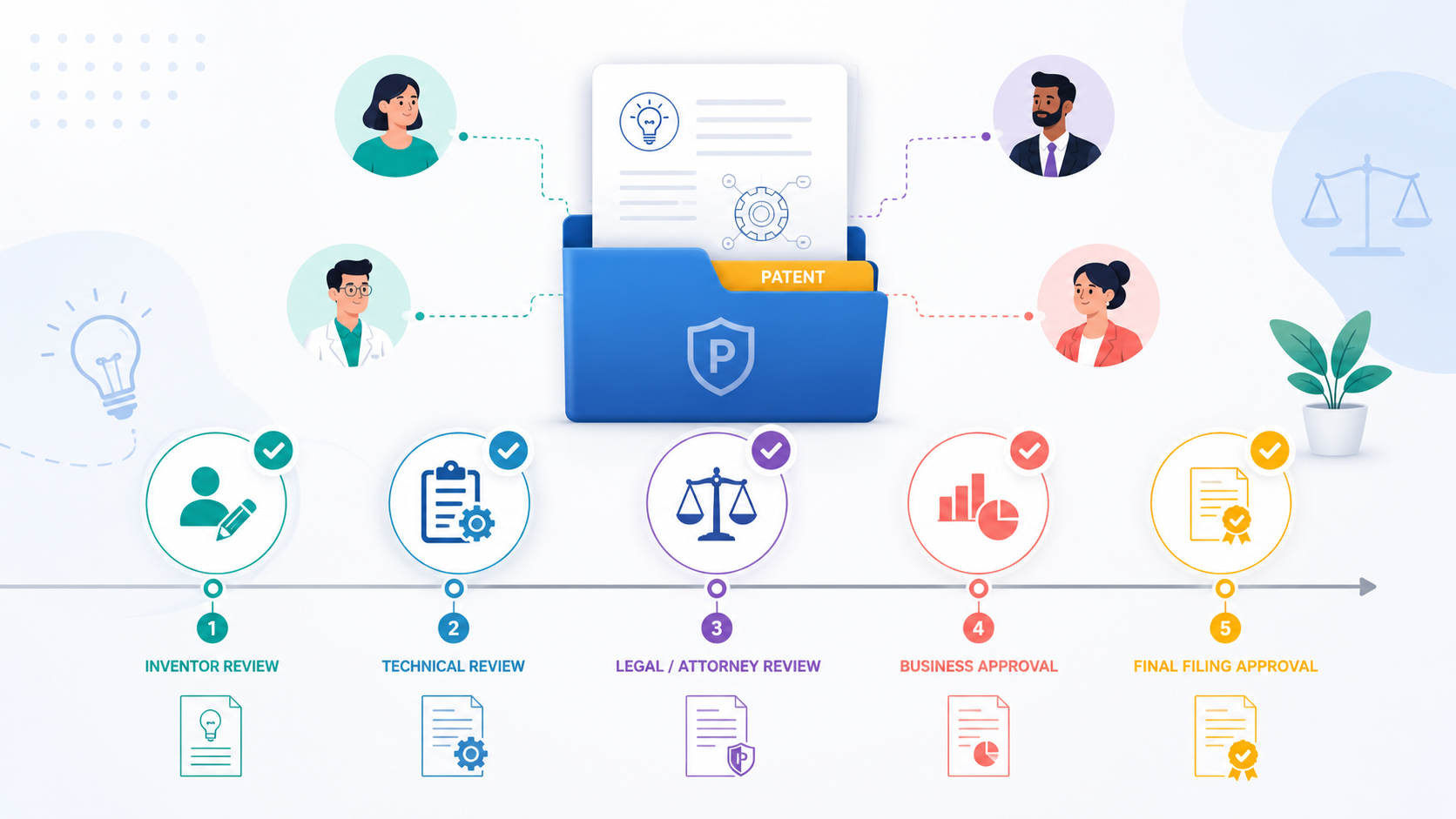
Patent Filing Approvals: Who Needs to Review What and When
A patent filing can move fast, but it should never move blindly. PowerPatent helps teams do this with smart software and real attorney oversight, so founders can move faster with more confidence. You can see how that works here: https://powerpatent.com/how-it-works The First Approval Is Not Legal Approval. It Is Invention Approval. The first review should…
-
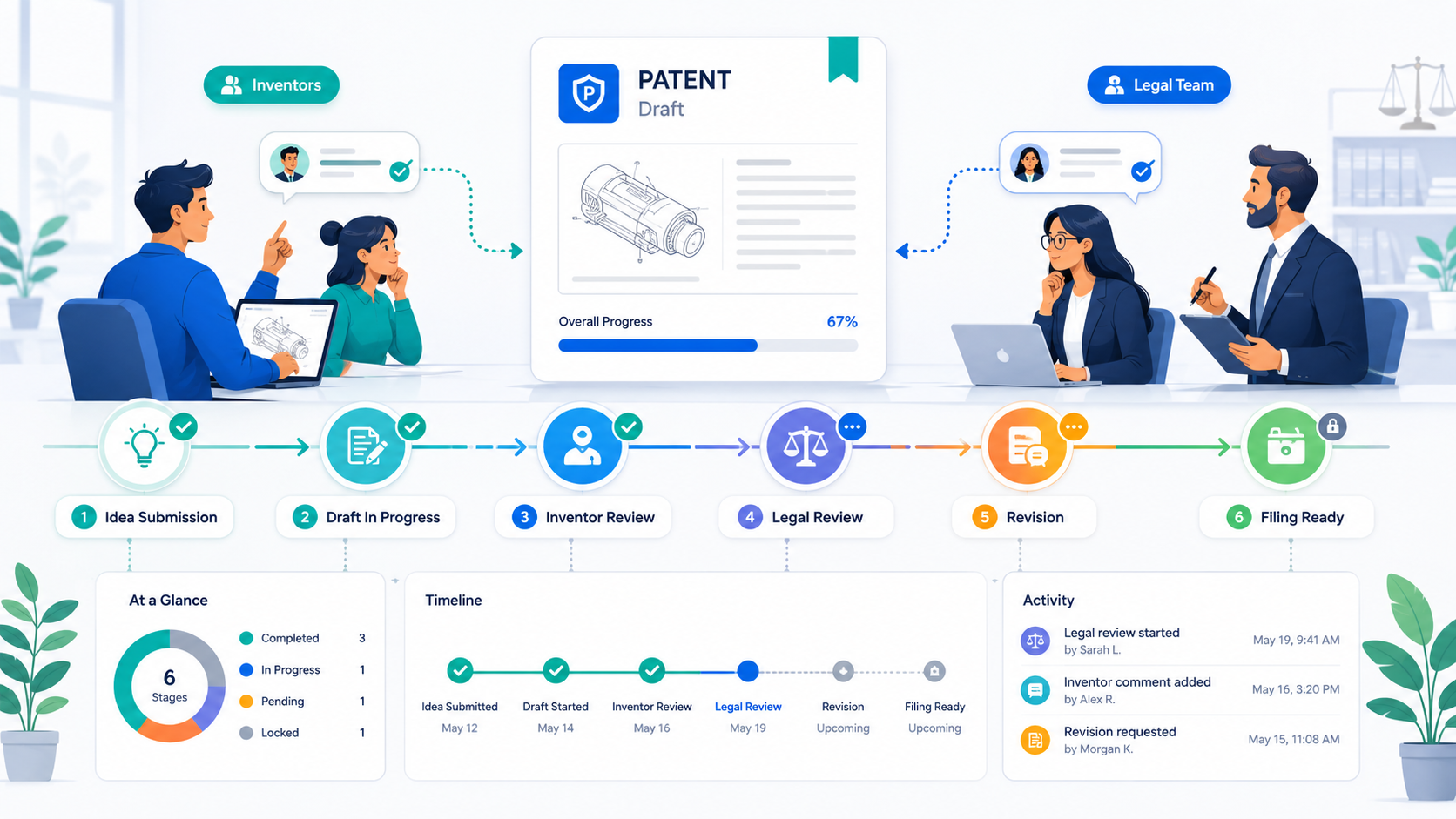
How to Track Patent Draft Status Across Inventors and Legal Teams
A patent draft can move fast at first, then suddenly get stuck. This is where a strong workflow matters. And this is also why platforms like PowerPatent help teams bring smart software and real attorney oversight into one clear process. You can see how that works here: https://powerpatent.com/how-it-works Build One Shared Source Of Truth Before…
-
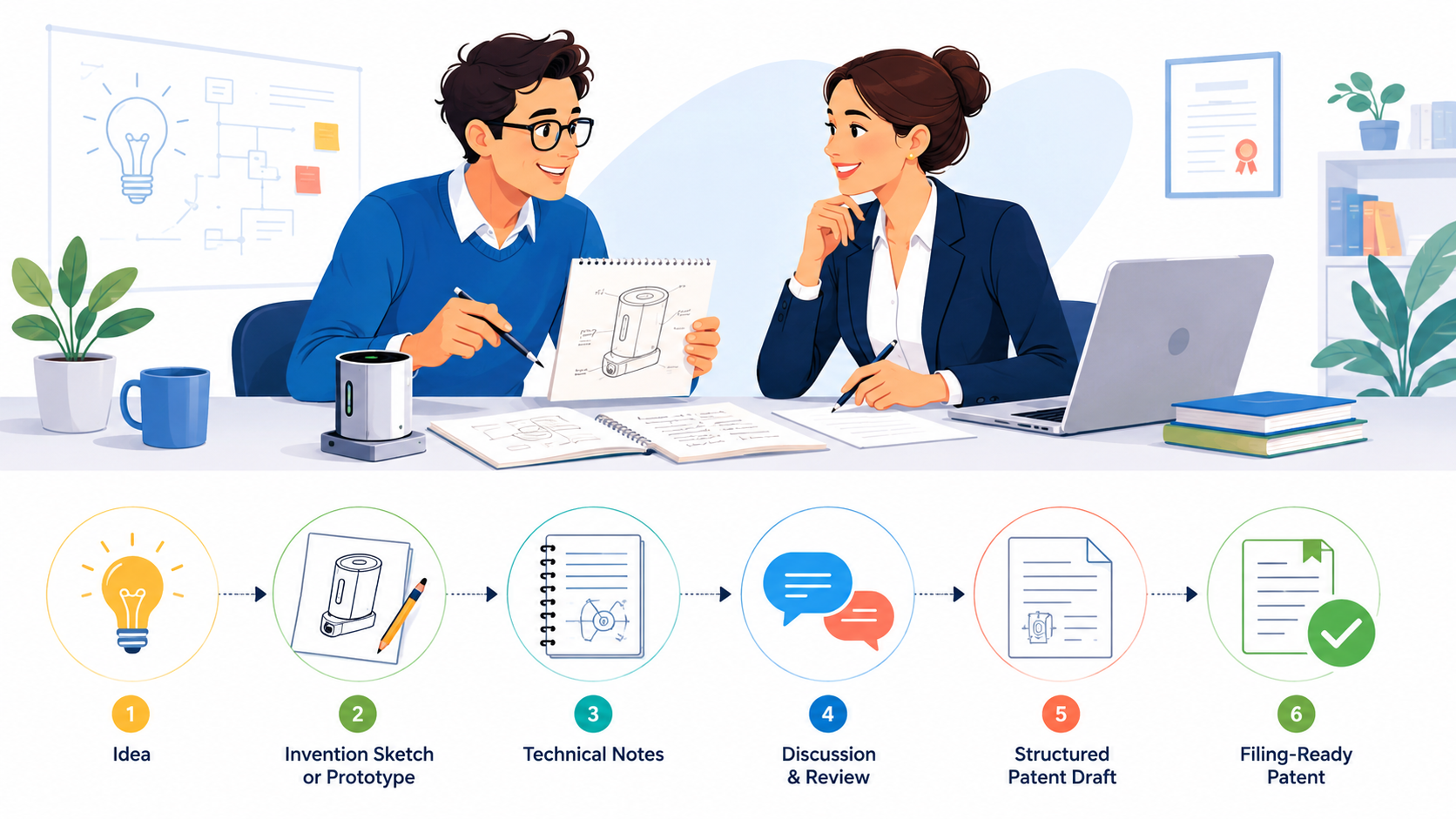
Inventor-Attorney Workflow Playbook: From Idea to Filing-Ready Patent
A strong patent does not start with legal words. It starts with a clear idea, a real problem, and a smart workflow that helps the inventor and attorney move fast without missing the details that matter. PowerPatent helps make this process smoother by combining smart software with real attorney oversight. You can see how the…
-
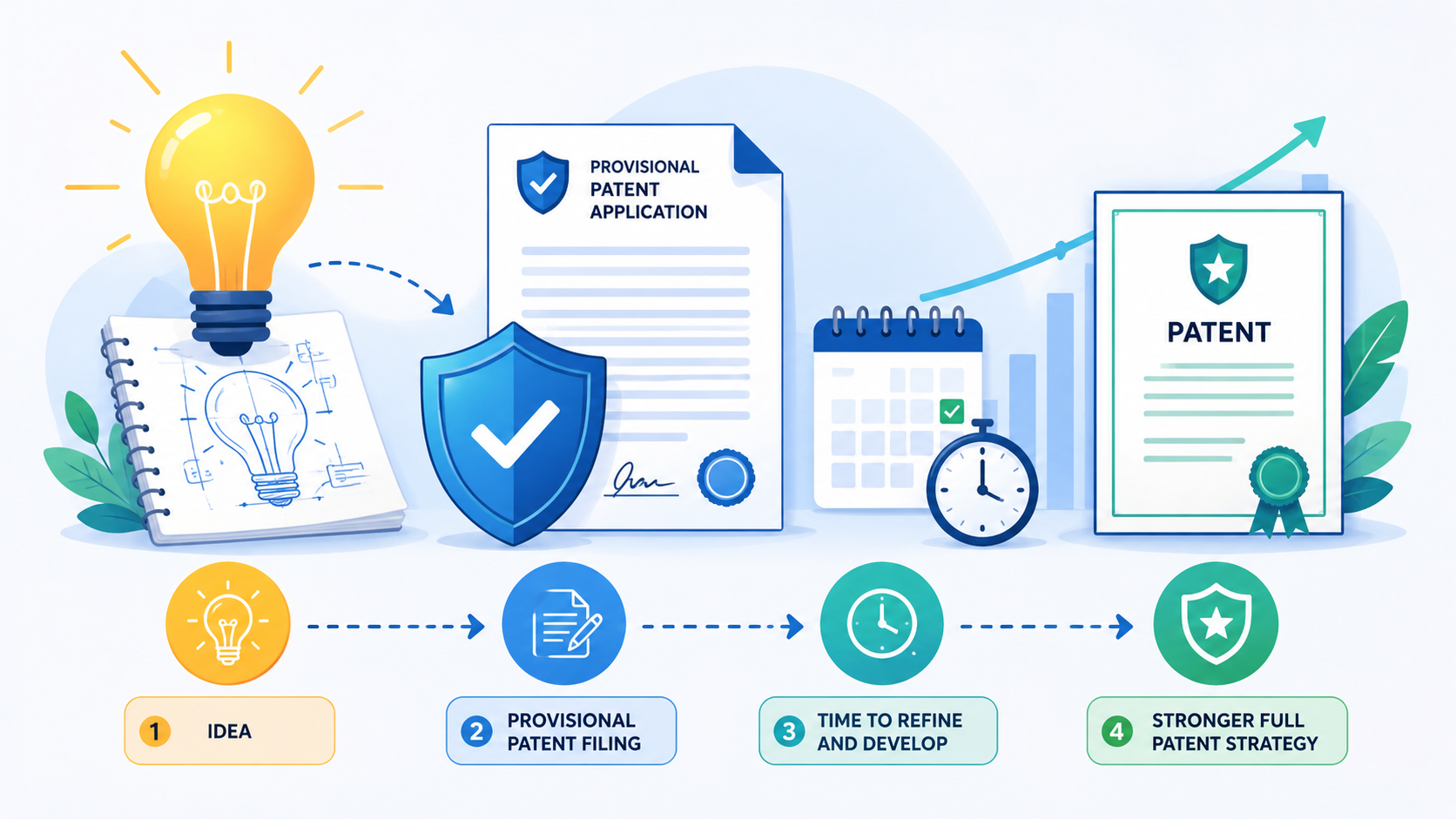
Provisional Patent Strategy: How to Protect an Idea Early
Your idea is fragile when it is new. You may need to show it to a co-founder, investor, customer, engineer, designer, lab partner, or manufacturer before the full product is ready. That is where many founders make a costly mistake. They talk too soon, ship too fast, or file something too thin. Then, later, when…
-
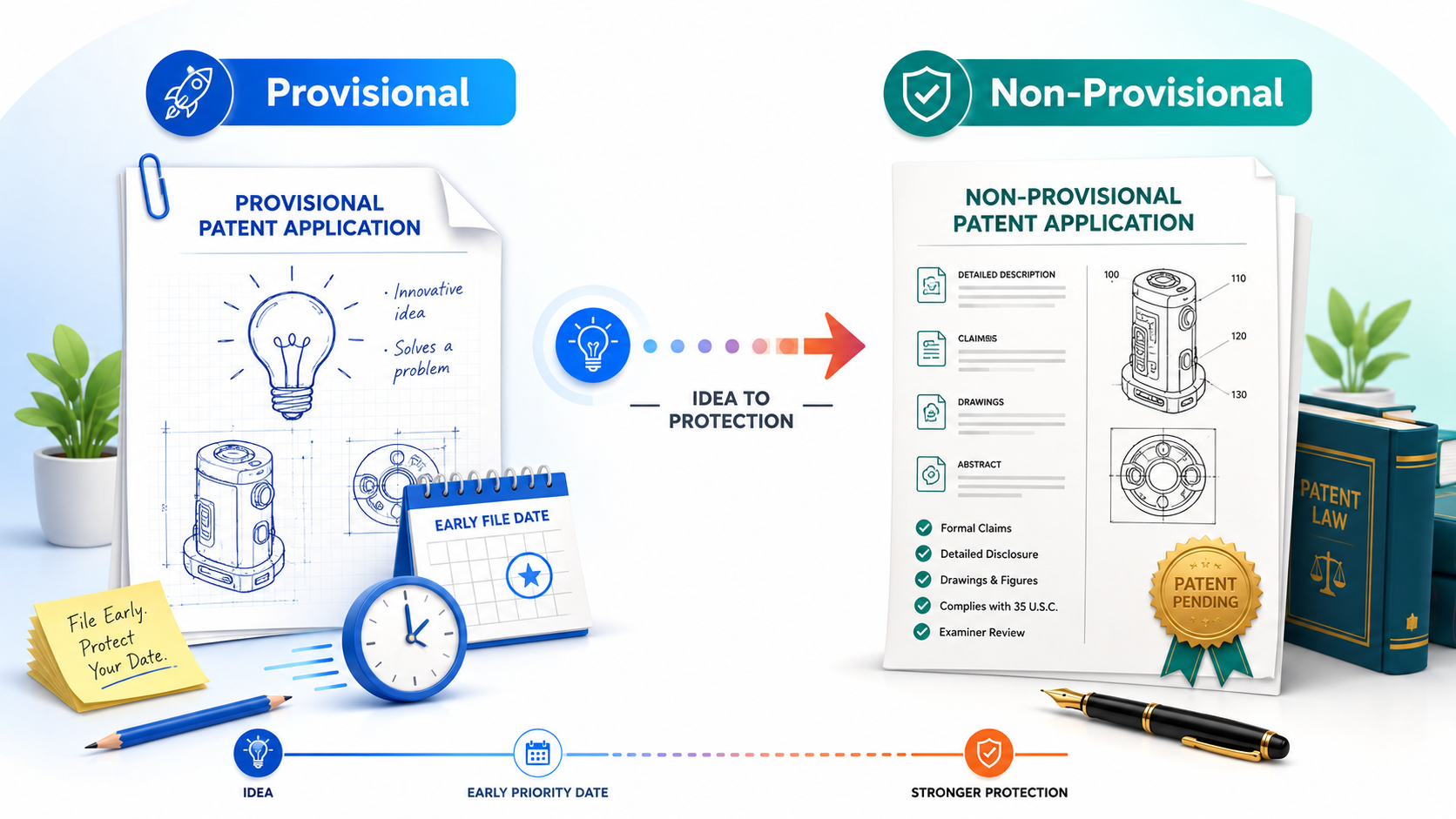
Provisional vs Non-Provisional Patent: What Founders Should Know
A patent choice can shape your startup’s future. File too late, and someone may beat you to the idea. File too thin, and your patent may not protect what matters. File the wrong type, and you may waste time, money, and leverage. The Real Difference Between A Provisional And A Non-Provisional Patent Application A provisional…
-
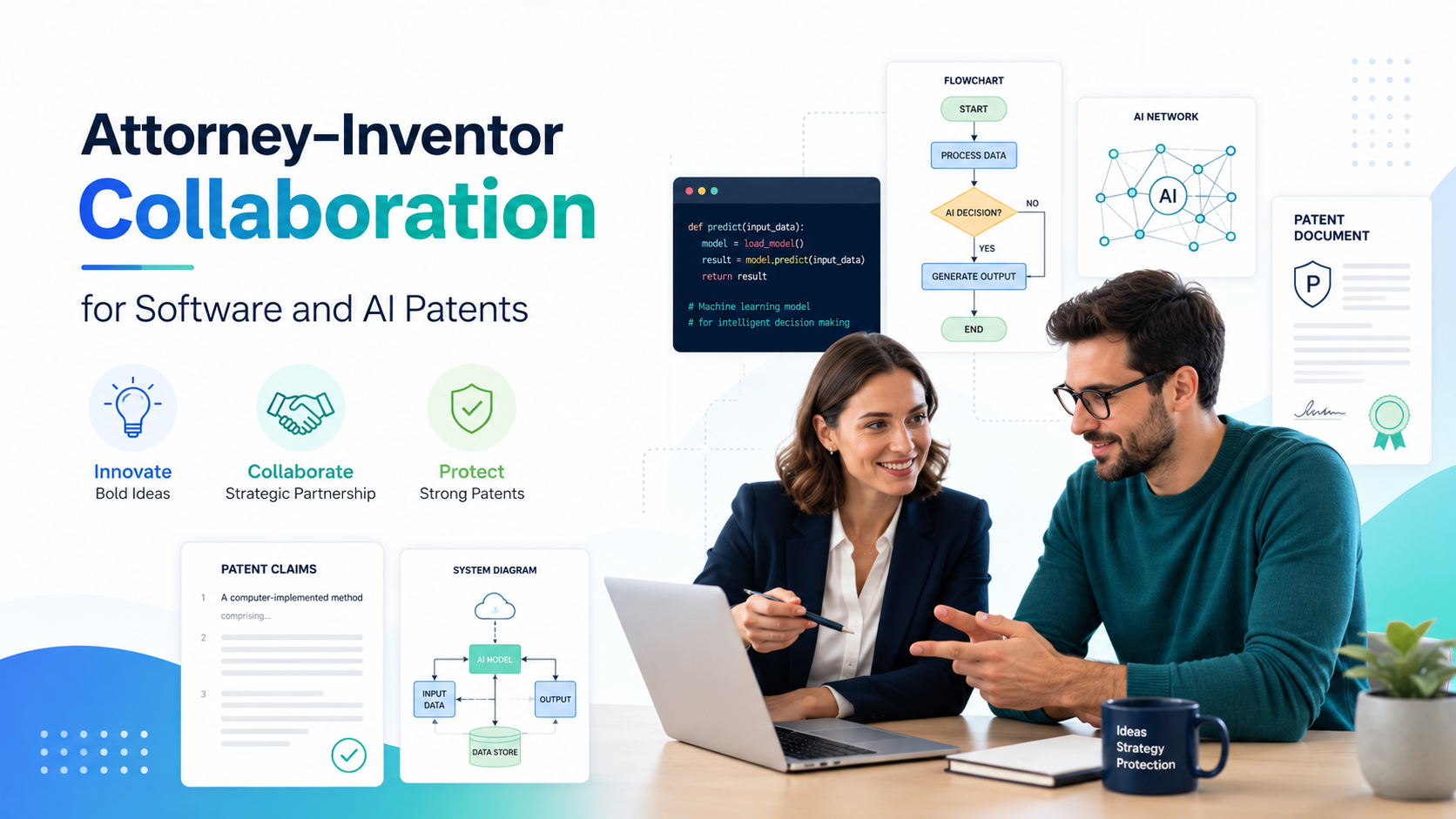
Attorney–Inventor Collaboration for Software and AI Patents
A strong software or AI patent does not start with legal words. It starts with a clear talk between the person who built the idea and the attorney who knows how to protect it. PowerPatent helps make this teamwork faster by combining smart software with real attorney oversight. You can see how it works here:…
-

Attorney–Inventor Collaboration for Hardware and Device Patents
Hardware patents are won or lost in the small details. PowerPatent helps make that teamwork faster and clearer by combining smart software with real attorney oversight. You can see how the process works here: https://powerpatent.com/how-it-works Start With The Real Device, Not The Patent Idea A strong hardware patent starts with the real thing the inventor…
-
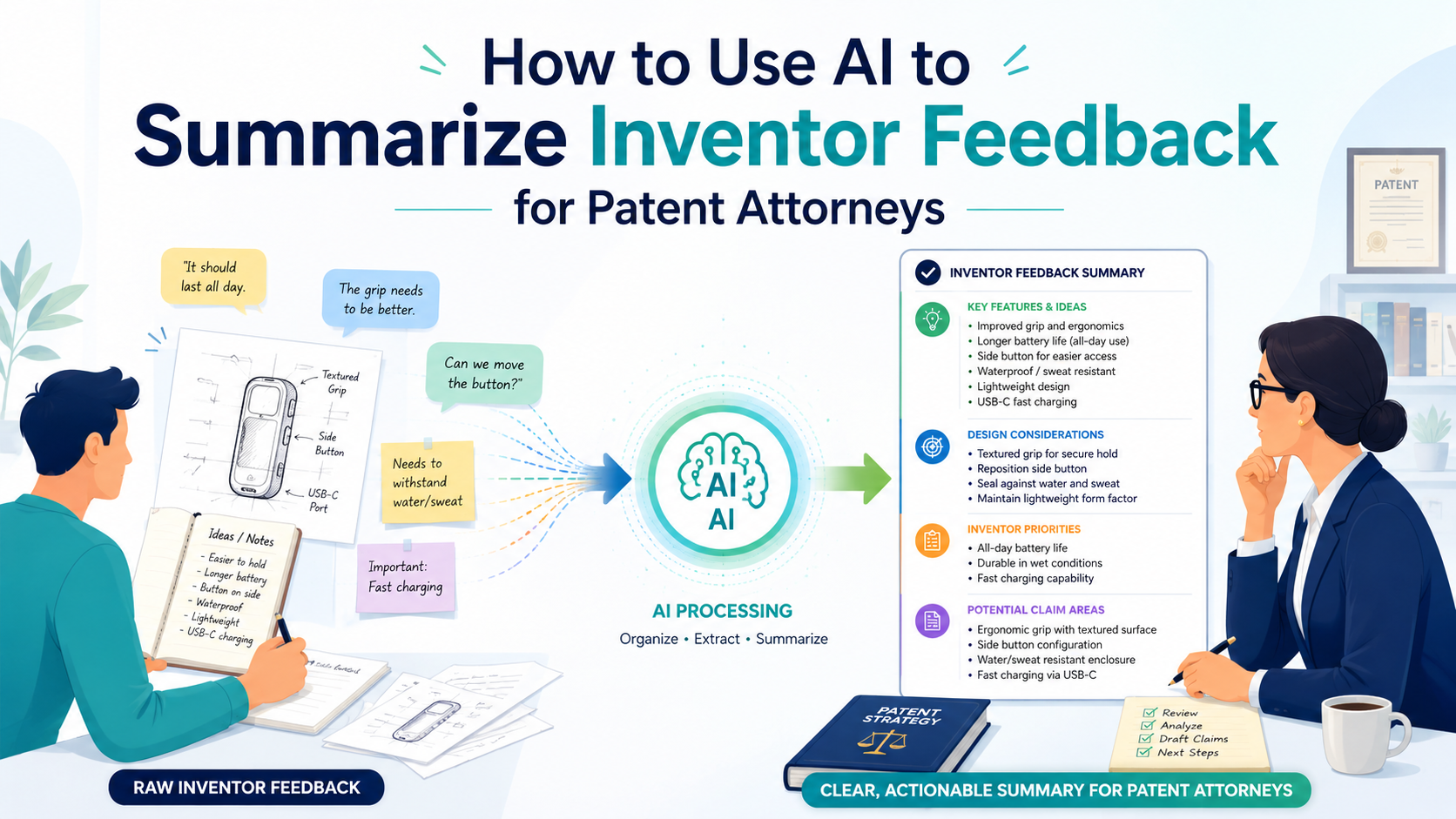
How to Use AI to Summarize Inventor Feedback for Patent Attorneys
Inventor feedback is often messy. One founder leaves notes in Slack. One engineer sends a long email. Another adds comments inside a demo doc. A product lead records a call and says, “The real invention is the way we handle edge cases.” Then the patent attorney has to turn all of that into something clear,…
-
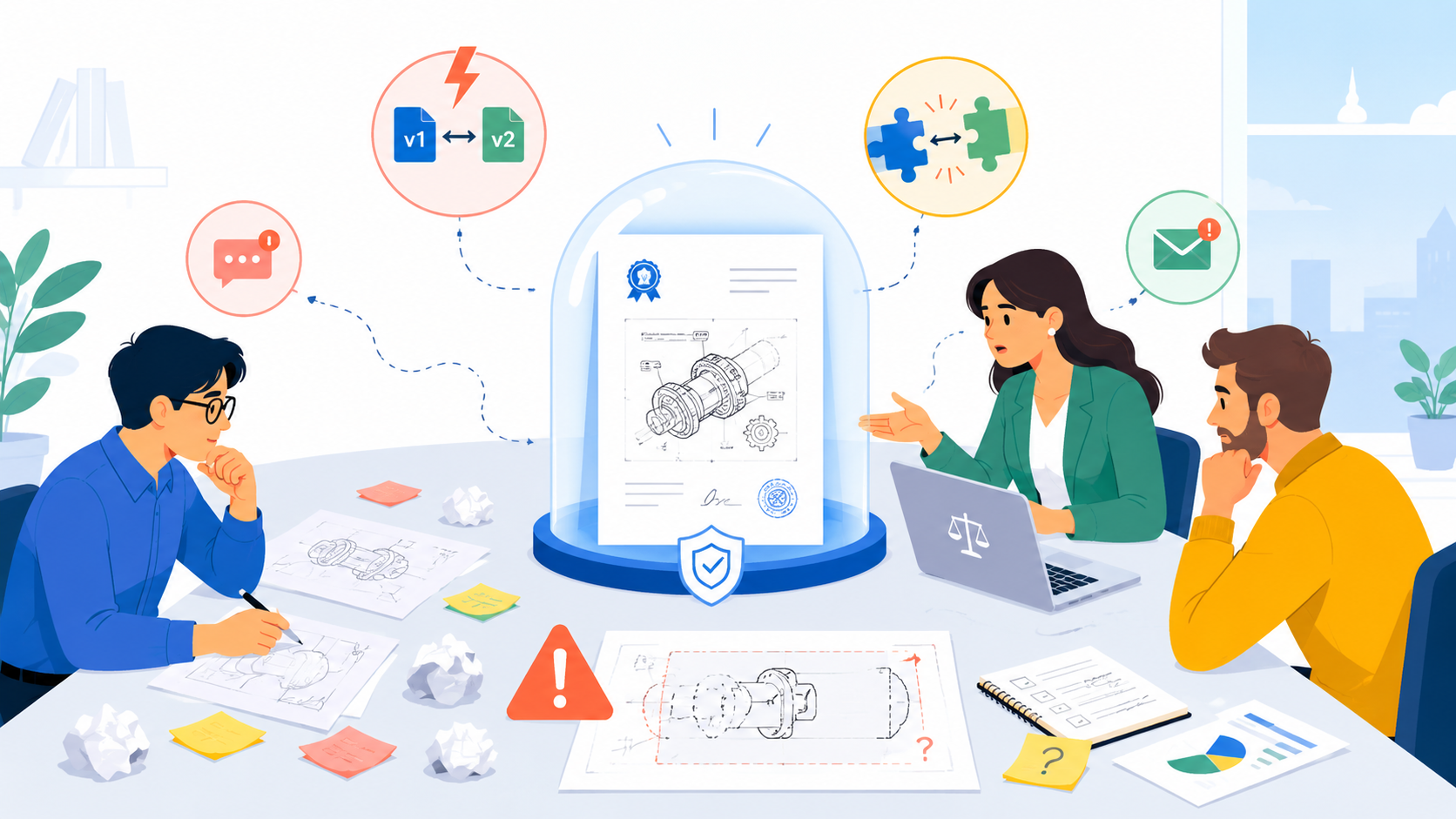
Common Collaboration Mistakes That Weaken Patent Applications
A strong patent does not start with paperwork. It starts with clear teamwork. PowerPatent helps teams turn messy invention work into stronger patent filings with smart software and real attorney oversight. You can see how it works here: https://powerpatent.com/how-it-works Mistake One: Starting the Patent Process After the Team Has Already Moved On Most weak patent…
-
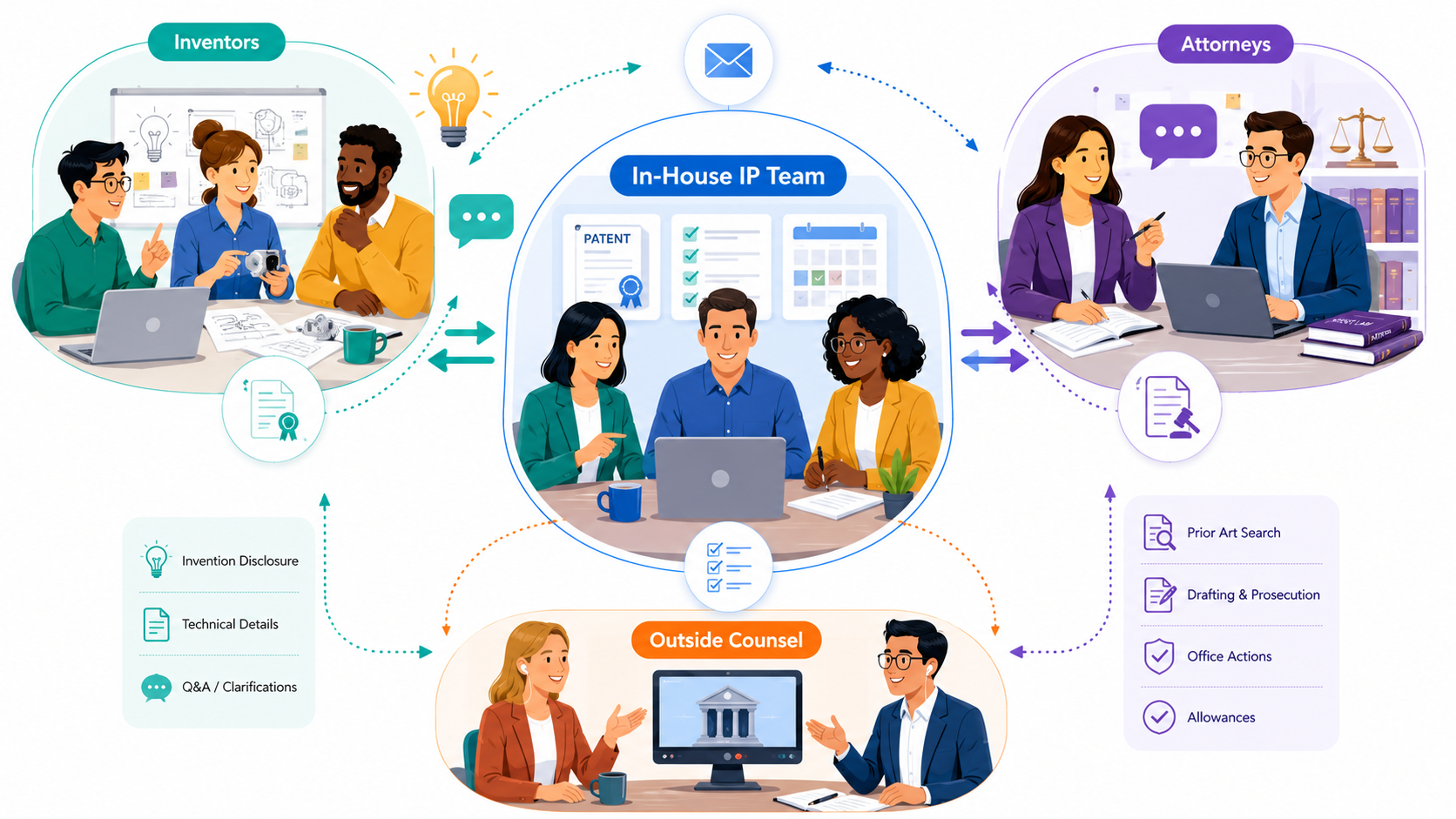
How In-House IP Teams Coordinate Inventors, Attorneys, and Outside Counsel
In-house IP teams sit in the middle of a very hard job. PowerPatent helps teams do this with smart software and real attorney oversight, so companies can move faster without losing quality or control. Learn how it works here: https://powerpatent.com/how-it-works Build One Clear System Before You Ask Anyone To Move Faster The best in-house IP…