
When your company grows past one country, your ideas start to travel too. Code gets shared. Designs get sent. Partners overseas see how things work. That is exciting. It is also dangerous if you do not protect what you are building first. This article is about how founders share ideas across borders without losing control of them. No legal talk. No filler. Just clear thinking and smart moves that keep your work safe while your company grows.
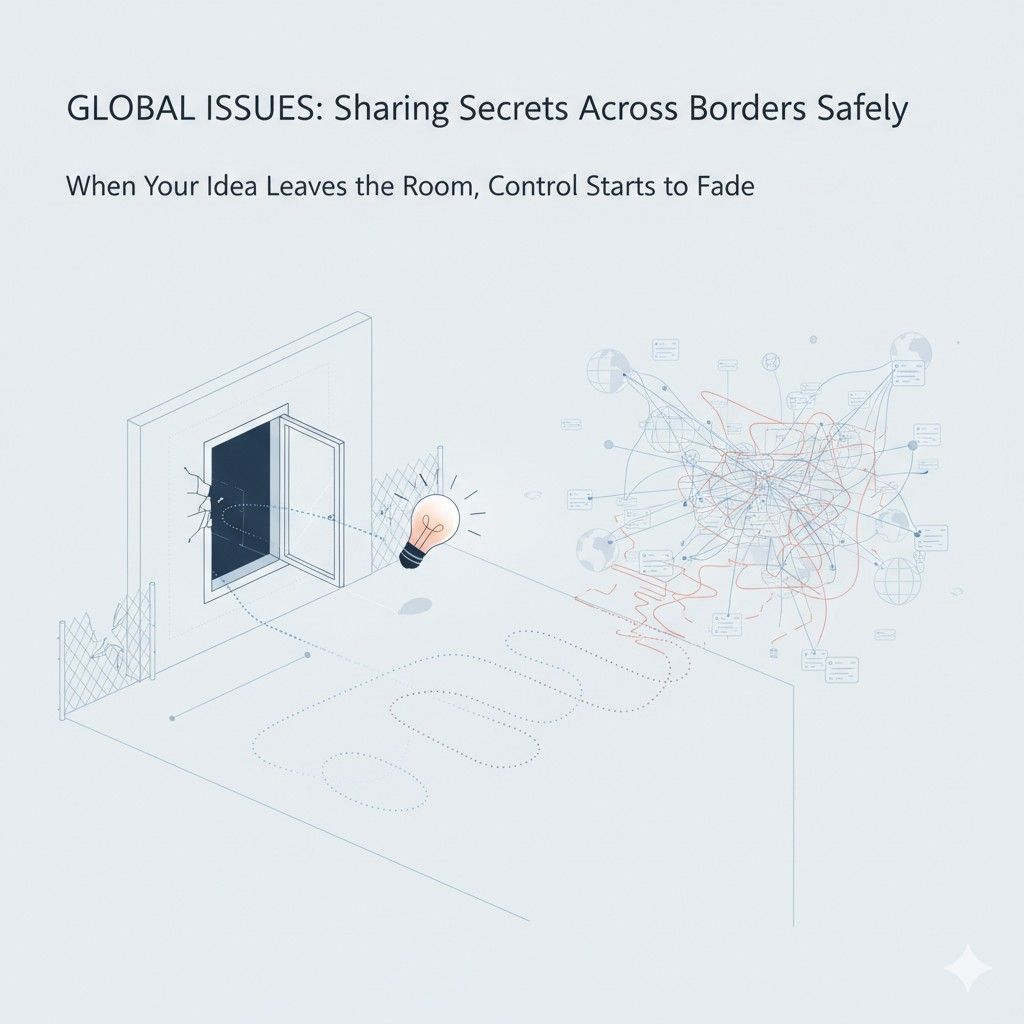
When Your Idea Leaves the Room, Control Starts to Fade
The moment an idea is spoken out loud or sent over a wire, it changes. It is no longer just yours. It exists in someone else’s inbox, head, or system. For modern companies, this moment happens fast.
A pitch deck goes to an overseas investor. Code is shared with a contractor in another country. A design is reviewed by a partner you have never met in person. None of this feels risky at the time.
It feels like progress. But this is often the exact moment where control quietly slips away.
This section focuses on how that loss of control really happens, why founders often miss it, and what you can do before, during, and after sharing ideas across borders so you stay protected.
The silent moment where ownership weakens
Most founders think control is lost only when someone copies them on purpose.
In reality, control often fades without any bad intent. Someone sees your idea, talks about it casually, or builds something similar months later. At that point, proving where the idea came from becomes hard.
This usually happens because there is no clear record showing that the idea was yours first. When you share ideas before locking them down, you rely on trust and memory.
Trust is fragile across borders. Memory does not hold up when money is involved.
A simple but powerful move is to treat every major idea like it might travel far, even if you think it will not. Before you explain how something works, you want proof that you owned it at that moment in time.

This is where patents matter far earlier than most founders think. With PowerPatent, founders document and file ideas while they are still building, not years later when the damage is already done.
You can see how this works at https://powerpatent.com/how-it-works.
Distance creates gaps you cannot see
When you work with people in other countries, you lose visibility. You do not see who they talk to. You do not know how ideas move inside their teams. What feels like a small share to you can turn into many copies quickly.
The risk is not just theft. It is confusion. If your idea spreads without a clear owner, others may believe it is fair game.
Different countries have different norms around ownership and reuse. What feels obvious in one place may feel flexible in another.
A smart move is to assume that once an idea crosses a border, it may be reshaped. That means your protection must be stronger than simple agreements.
Contracts help, but they only work if you can enforce them. Patents create a much stronger line. They say, clearly and publicly, this idea belongs to you.
Why speed matters more than secrecy
Many founders try to stay safe by staying quiet. They delay sharing. They delay filing. They delay talking to partners. This often slows growth and still does not solve the problem.
The real advantage comes from moving fast in the right order. Protect first, then share. Not the other way around.
Filing early gives you confidence. It lets you speak openly with partners, investors, and teams across the world. You stop worrying about who might copy you because you already have proof of ownership.

PowerPatent was built around this idea. It lets founders move at startup speed while still getting real protection, reviewed by real patent attorneys. That speed is critical when your business operates across borders.
How casual sharing creates permanent problems
Founders often underestimate how informal sharing counts. A Zoom call. A Slack message. A demo to a potential hire overseas. These moments feel private, but they are not invisible.
If someone later files a patent in their own country based on what they learned from you, you may have little recourse if you never filed first. Even if you can show you discussed it earlier, that is often not enough.
One practical habit is to treat every explanation of how something works as a trigger. Before that explanation, ask yourself if this idea is documented and protected. If not, pause. Capture it. File it. Then move forward.
This does not require months of legal work. Modern tools make it fast. PowerPatent helps founders turn technical work into filings without slowing down product development. That is the key difference between being careful and being frozen.
Global teams need global thinking
When your team spans countries, ideas move faster than ever. That is a strength if handled well. It is a weakness if not.
Founders should think of their ideas as assets that need clear borders, even if their people do not. This means setting a simple internal rule: important ideas are recorded and protected before they are widely shared.
This also means educating your team. Engineers and designers often share freely because that is how they work best.
That is not wrong. It just needs structure. When protection is built into the workflow, sharing becomes safe instead of risky.
PowerPatent fits into this flow by letting teams capture inventions as they happen, not as an afterthought. This keeps momentum high while reducing exposure.
The cost of fixing mistakes later
Trying to fix ownership issues after an idea has spread is expensive and slow. It often involves lawyers, disputes, and stress that founders do not have time for. In many cases, it cannot be fully fixed at all.
The cheaper and smarter path is prevention. That means filing before expansion, not after. It means seeing patents as a tool for growth, not just defense.
Founders who do this early often find that partnerships become easier. Investors ask fewer questions. Deals move faster. Confidence rises.

If you are working across borders now, or plan to soon, this is the moment to act. Learn how PowerPatent helps founders protect ideas early while staying focused on building by visiting https://powerpatent.com/how-it-works.
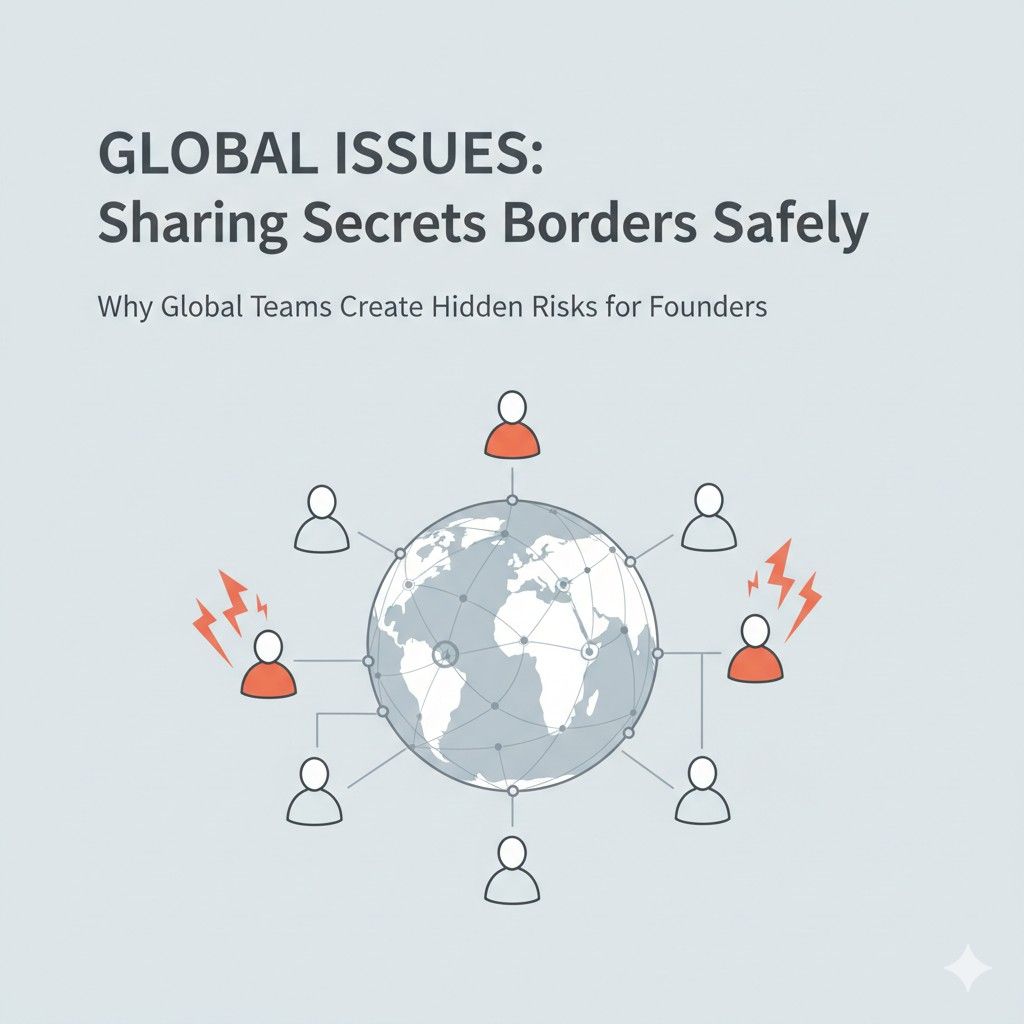
Why Global Teams Create Hidden Risks for Founders
Global teams feel like a superpower. You hire great people wherever they live. Work happens around the clock.
Progress feels faster. Costs feel lower. Talent feels endless. But hidden inside this setup are risks that most founders do not see until it is too late.
This section explains why global teams change the risk profile of your ideas, how those risks quietly grow over time, and what founders can do to stay in control without slowing the company down.
The illusion of safety inside your own company
Founders often believe that risk only exists outside the company. Competitors. Outsiders. Bad actors. But when teams span countries, the line between inside and outside becomes blurry.
Your overseas engineer may be a full-time employee. Your contractor may feel like part of the team. Your partner may work closely with you every day. Even so, the legal and practical reality is different across borders.
If something goes wrong, enforcing rights becomes harder. Time zones slow responses. Local laws may not support you the way you expect. Even simple misunderstandings can turn into major problems.
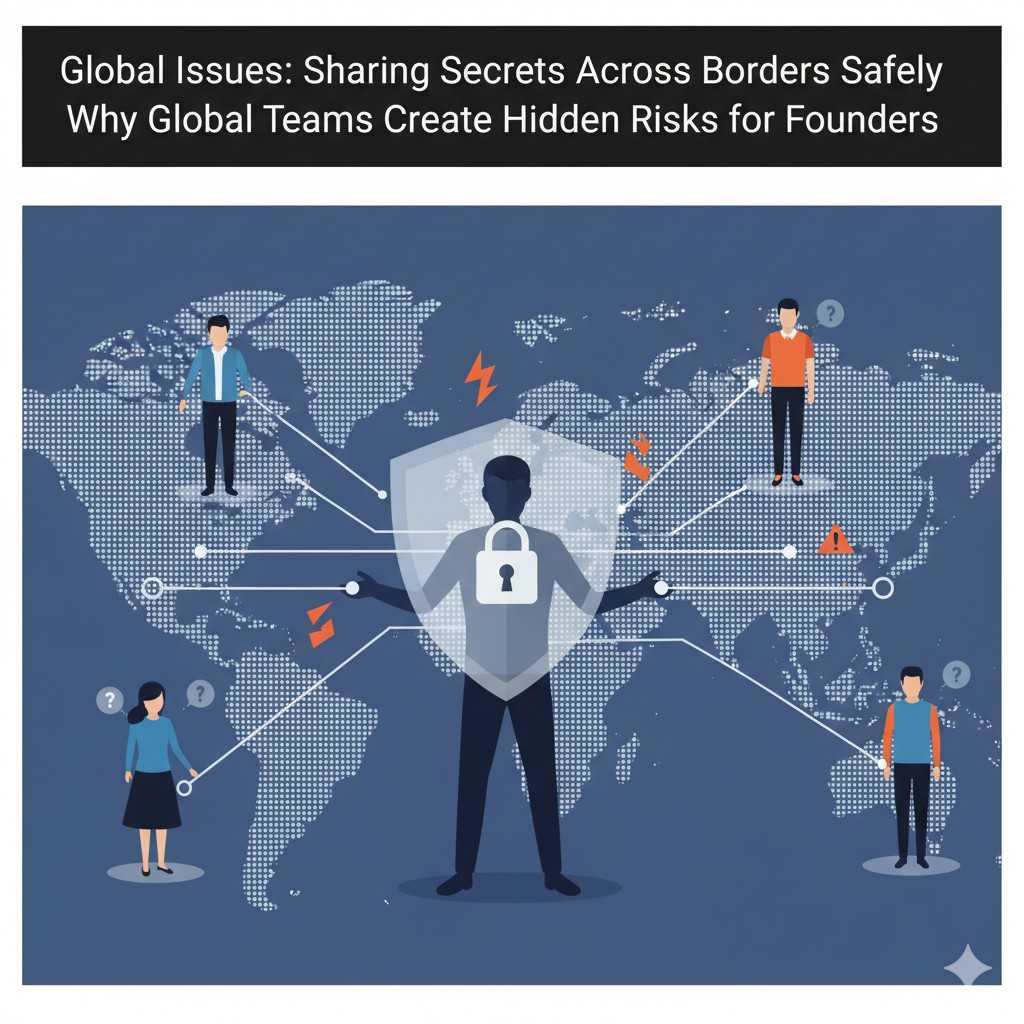
This does not mean global teams are bad. It means founders need to think differently. Trust alone is not a strategy when ideas are valuable and borders are involved.
Different countries treat ideas differently
One of the biggest hidden risks is assuming everyone sees ownership the same way you do. In some places, ideas belong clearly to the company. In others, creators feel personal ownership.
In some systems, first to file wins. In others, first to invent matters more.
Most founders do not learn these differences until a conflict appears. By then, emotions are high and options are limited.
The smart move is to remove ambiguity early. When an idea is protected through a patent filing, ownership becomes clear regardless of where team members sit.
It creates a shared understanding that the idea belongs to the company.
This clarity helps teams work better. People focus on building instead of wondering who owns what.
Time delays quietly weaken protection
Global teams move fast, but decisions about protection often move slow. A feature ships. A system improves. A clever workaround is created. Weeks pass. Months pass. Then someone says, we should probably protect this.
By that time, the idea may have already crossed borders many times. It may be written into internal docs, shared in emails, or discussed in meetings. This makes protection harder and weaker.
Founders should shift their mindset. Protection is not a final step. It is an early step that runs alongside building.

PowerPatent supports this by fitting into how founders already work. You do not stop building to file. You capture ideas as they emerge and move on. You can see this process at https://powerpatent.com/how-it-works.
Contractors create special exposure
Many global teams rely on contractors. This is normal and often necessary. But contractors create unique risks because they often work with multiple clients at the same time.
Even with agreements in place, ideas can bleed across projects. Not out of malice, but out of habit. People reuse patterns. They apply what they learn.
If your idea is not protected, you may later see something very similar appear elsewhere. Proving where it came from becomes nearly impossible.
Founders who work with global contractors should assume that anything shared could influence future work. This makes early protection even more important. It is not about accusing anyone. It is about reality.
Communication gaps lead to ownership gaps
Language differences, cultural differences, and distance all affect how ideas are understood. What you think you explained clearly may be understood differently by someone else.
These gaps matter when ownership is questioned. If someone believes they contributed something new, they may feel entitled to it. If there is no clear record showing that the core idea already existed, disputes arise.
Clear documentation helps, but documentation alone is not enough. Patents create a formal, time-stamped record that cuts through confusion. They show what existed, when it existed, and who owned it.
This is especially valuable when teams are spread across the world and memories differ.
Growth attracts attention you cannot control
As your startup grows, more people look at what you are doing. Potential hires. Partners. Acquirers. Competitors. Some of them may be in countries where copying is faster and enforcement is slower.
Global teams often accelerate this exposure because your work already exists in many places. This makes it easier for ideas to travel further.

Founders who plan ahead see this as a reason to strengthen protection, not hide. When your ideas are protected, growth becomes safer. You can show your work without fear.
This confidence is one of the biggest hidden benefits of early patent filing. It changes how you operate day to day.
Internal alignment reduces external risk
One overlooked benefit of protecting ideas early is internal clarity. When your team knows that ideas are captured and protected as part of the process, behavior changes naturally.
People share more freely inside the company because they feel safe. They worry less about who gets credit. They focus on solving problems.
This alignment matters even more in global teams, where informal norms vary. A clear system replaces guesswork.
PowerPatent helps create this system without adding friction. It turns protection into a background process instead of a blocking task.
Waiting feels cheaper but costs more
Many founders delay patents because they feel expensive or complex. With global teams, this delay often multiplies costs later.
Fixing issues across borders involves lawyers in multiple countries, long timelines, and uncertain outcomes. Early protection is almost always cheaper and simpler.
Founders who understand this treat patents as infrastructure. You build infrastructure before traffic hits, not after the bridge collapses.
If you are managing or planning a global team, now is the time to think about this. Learn how PowerPatent helps founders protect ideas early and confidently at https://powerpatent.com/how-it-works.
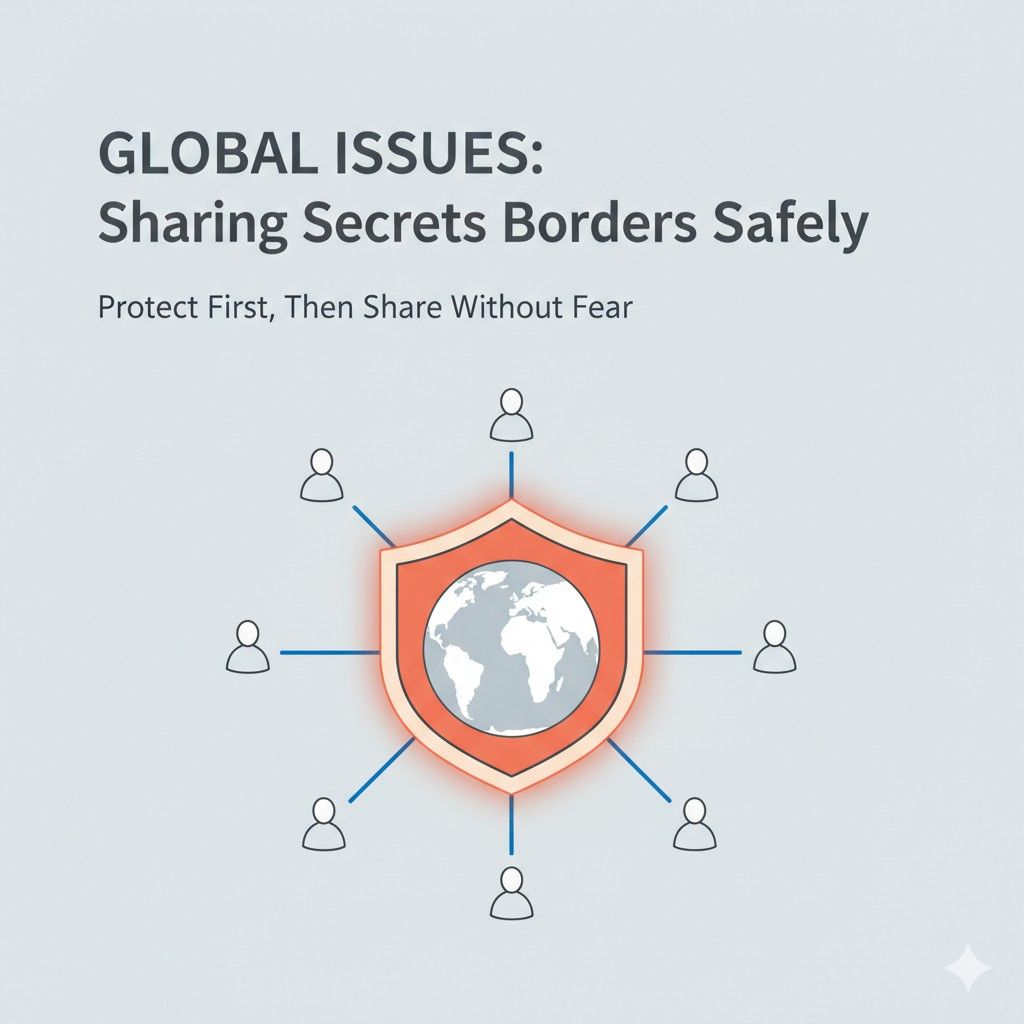
Protect First, Then Share Without Fear
This is the turning point for most founders. Up to now, protection may have felt like a defensive move. Something you do when you are scared. Something that slows things down.
In reality, protecting first is what unlocks freedom. It changes how you build, how you talk, and how you grow across borders without second guessing every decision.
This section goes deep into what it really means to protect first, how it changes daily operations, and how founders can use protection as a growth tool instead of a legal shield.
Why fear shows up before clarity
Most founders feel a low level of fear when sharing ideas globally. It is rarely loud. It shows up as hesitation. You explain things halfway. You avoid details. You delay conversations that could move the business forward.
This fear is rational. You know your idea has value. You also know you cannot control where information travels once it leaves your screen.
The problem is not that founders feel fear. The problem is that they try to manage fear by holding back instead of by creating clarity.
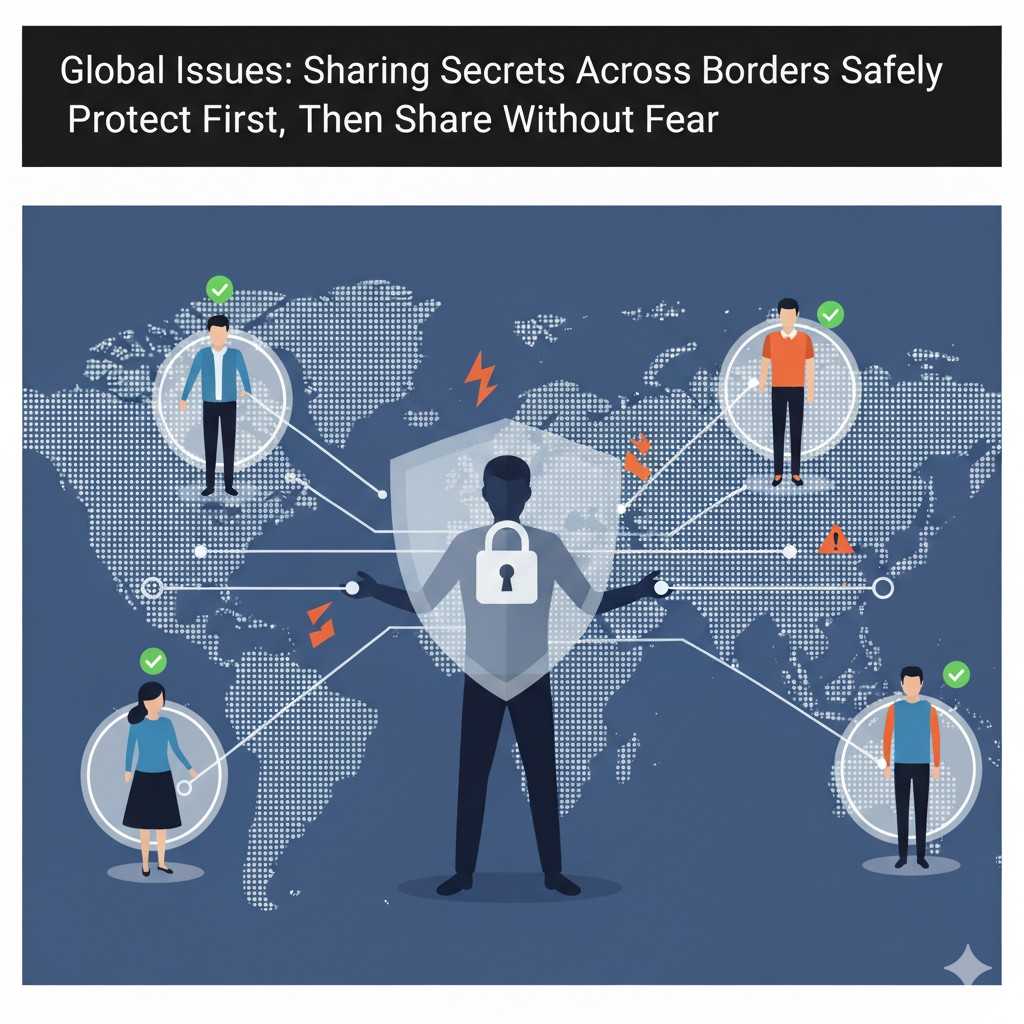
Protection creates clarity. When ownership is clear, fear fades naturally. You stop asking, what if someone takes this, and start asking, how fast can we move.
Protection is about timing, not secrecy
There is a common myth that patents require secrecy. That you must hide your idea until everything is filed and perfect. This myth causes founders to wait too long.
In reality, protection is about timing. It is about capturing the idea at the right moment, not hiding it forever.
The right moment is usually earlier than founders think. It is when the idea works for the first time. When the system clicks. When you solve a hard problem in a new way.
That is the moment to document and file. Not when the product is finished. Not when revenue starts. By then, the idea has already traveled.
PowerPatent is built around this timing. It helps founders capture ideas while they are still fresh, using the language engineers already use, with attorney review to make sure it holds up.
This makes early protection realistic instead of overwhelming.
How early protection changes conversations
Once your idea is protected, conversations change. You notice it immediately.
Investor calls become easier. You can explain how things work without dancing around details. This builds trust instead of suspicion.
Partnership talks move faster. You can share technical depth without worrying that you are giving away leverage.
Hiring improves. Senior talent wants to work on real problems. When you can explain those problems clearly, you attract better people.
All of this happens because protection removes the mental tax of caution. You are no longer editing yourself in every sentence.
Sharing becomes a strategic choice
When founders protect first, sharing becomes intentional instead of reactive. You decide what to share, when to share, and why.
This is especially important across borders, where sharing often happens asynchronously. Someone reads a doc hours later. Someone forwards a message to another team. Someone explains your idea in their own words.
When your core ideas are protected, these ripples matter less. You still act responsibly, but you no longer feel exposed.
This shift allows founders to focus on strategy instead of defense. You spend time thinking about how to grow, not how to hide.
Building trust without giving up control
Trust is essential in global teams. But trust does not mean blind sharing. Strong trust systems are built on clear rules and shared understanding.
When protection is in place, trust improves because expectations are clear. Team members know which ideas are core. They know the company takes ownership seriously.
They know their work contributes to something protected and valued.
This is healthier than relying on informal norms that vary by culture and experience.
Founders who protect first often find that team alignment improves. Fewer misunderstandings. Fewer awkward conversations later.
Speed and protection are not opposites
One of the biggest mental blocks founders have is thinking they must choose between speed and protection. In old systems, this was often true. Filing took months. Lawyers slowed things down. Costs piled up.
Modern tools change this equation. Protection can now move at startup speed.
PowerPatent was designed specifically for this. It turns patents into a workflow, not a project. Founders capture ideas as they build. Attorneys review in the background. The company keeps moving.
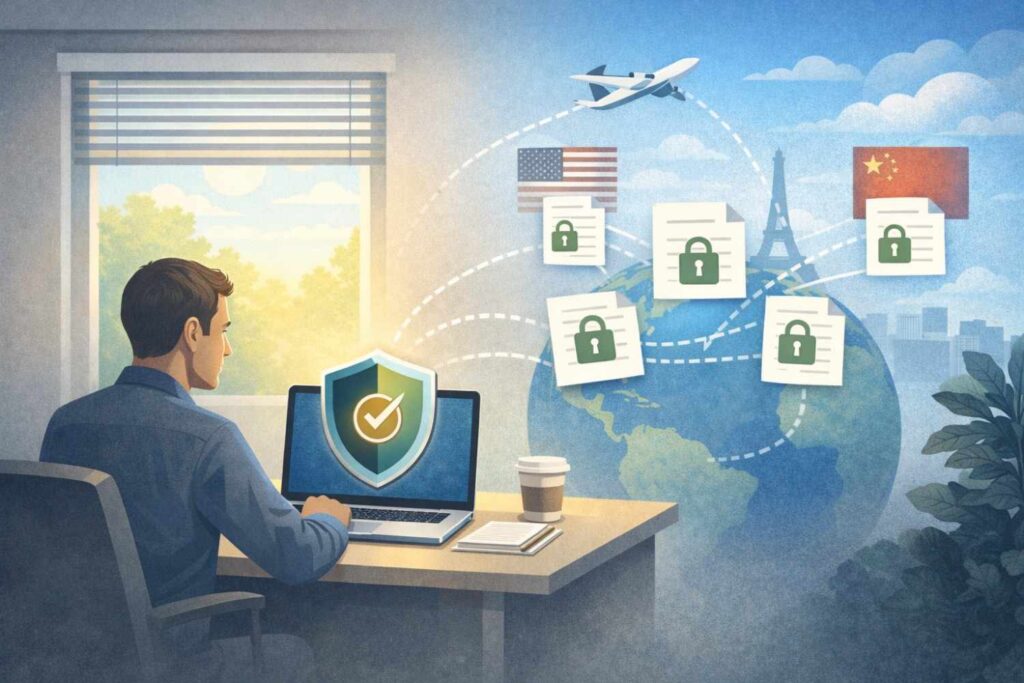
This is critical for global teams where speed is the advantage. Protection should support that advantage, not kill it.
Protecting before expansion saves future pain
Many startups expand globally before they protect their ideas. This feels logical at the time. Growth comes first. Paperwork comes later.
But global expansion multiplies exposure. More people see your system. More people understand how it works. More people could recreate parts of it.
Founders who protect before expanding avoid a painful future. They do not have to untangle who saw what and when. They do not have to argue across borders about ownership.
Instead, they expand with confidence. They know the foundation is solid.
Confidence compounds over time
One of the least talked about benefits of early protection is how it compounds psychologically.
Founders who feel protected take bigger swings. They pitch bigger deals. They share bolder visions. They build more openly with their teams.
This confidence feeds growth. Growth attracts attention. Attention creates opportunity.
Without protection, this same cycle creates anxiety. With protection, it creates momentum.
Making protection part of how you build
The most effective founders do not treat protection as a one-time task. They treat it as part of building.
New system. Capture it. New method. Document it. New architecture. Protect it.
This does not mean filing constantly without thought. It means having a simple trigger: if this idea gives us an edge, it should be recorded.
PowerPatent makes this practical by fitting into how teams already work. It lowers the barrier so founders actually follow through.

If you want to see how founders do this without slowing down, you can explore the process here: https://powerpatent.com/how-it-works.
This mindset shift is what allows founders to share across borders without fear. Not because risk disappears, but because control returns.
Wrapping It Up
Sharing ideas across borders is no longer optional. It is how modern companies are built. Talent is global. Customers are global. Partners are global. The real question is not whether your ideas will travel, but whether you will stay in control as they do. Founders who struggle with this often focus on the wrong problem. They try to limit sharing. They try to rely on silence. They try to manage risk by slowing down. That approach rarely works. Ideas leak anyway, and growth suffers in the process.
Leave a Reply