Paying patent maintenance fees shouldn’t feel scary or confusing. Yet for many founders, engineers, and inventors, it becomes one of those tasks you push off until it feels urgent. The USPTO doesn’t make things easier, and the Patent Center interface can feel like a maze when all you want to do is keep your patent alive.
Why Maintenance Fees Matter and What Happens If You Miss Them
Keeping a patent alive is not something most founders think about day to day. You are busy building, shipping, hiring, and solving real problems. But the moment a patent issues, the clock starts ticking.
The USPTO expects you to pay maintenance fees at set times to keep those rights active. If you ignore those deadlines or miss them by accident, the patent does not slowly fade away.
It shuts off, and once it goes dark, rebuilding that protection becomes expensive, stressful, and sometimes impossible.
To make this real, think of a patent like a fence around your invention. Filing the patent puts the fence up. Getting it granted locks the gate. Paying maintenance fees keeps the fence standing so nobody can just walk in and take what you built.
When fees are missed, the fence drops, and your invention becomes open ground. Competitors notice. Investors notice. And if your business relies on protecting what you create, that moment can carry real risk.
The quiet impact of staying current
Most founders think maintenance fees are just random government costs. But they actually play a strategic role in your business.
When your patent stays active, you have something concrete to point to when you talk to investors, partners, or even customers.
It signals that you are not only inventing, but also protecting and managing your intellectual property like a real company. People take you more seriously when your patent is alive and in good standing.
This becomes even more important if your startup is raising money. Investors do not like seeing expired patents unless there is a clear reason behind it. To them, an expired patent raises questions about discipline, planning, and long-term thinking.
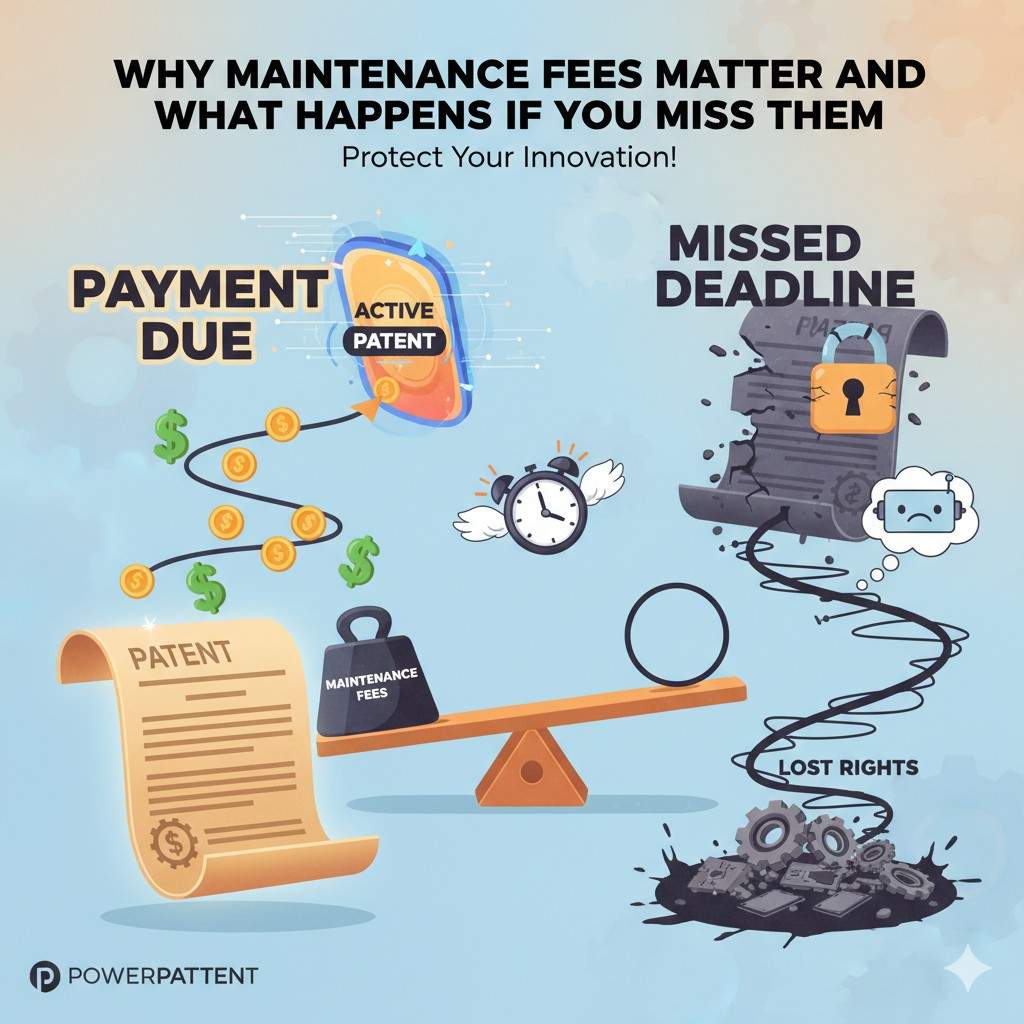
But an active patent with on-time maintenance payments says you run your company with care. It shows that your tech is not just interesting but guarded.
And it gives you leverage in conversations when you talk about valuation, competitors, or your future roadmap.
What happens inside your business when a fee is missed
If a maintenance fee deadline passes, the USPTO treats the patent as expired. You do not lose it instantly forever, but it enters a state where it is basically not protecting you.
During this time, anyone could copy what you created, and you would not have the same legal grounds to stop them. Reinstating that protection requires a special petition, extra fees, and proof that the delay was unintentional.
And even if you manage to get it reinstated, the gap period still existed, which could weaken your position if anything happened during that time.
For a founder or engineer who worked hard to bring a concept to life, this can feel like losing control. You built the invention. You paid to file it. You got it granted. Only one thing was left: keeping it alive.
And missing that step means someone else could step in and take advantage of your gap.
This is not something you want happening when your business is scaling or when you are entering a partnership that depends on your protected technology.
How missed fees can snowball into larger problems
The damage from a missed fee does not stop at the patent itself. It can ripple into your team, your fundraising conversations, or your product strategy. If you are in talks with investors, they may pause or walk away if they discover an expired patent.
If you are negotiating a license or acquisition, the other side may use the lapse to push for a lower valuation.
And if you are working with a partner who relies on your proprietary tech, they might question whether you have the systems in place to manage your own IP.
Every startup wants to move fast, but moving fast does not mean letting important things slip through the cracks. Maintenance fees are one of the few moments where speed does not help you.
Attention does. A single missed deadline can force you into damage-control mode, and that is the last thing you want when focusing on growth.
Practical ways to stay ahead without slowing down your work
Even though maintenance fees feel like just one more thing to track, staying ahead of them is not hard if you set up the right habits. One simple move is to store your patent number, grant date, and fee schedule somewhere you check often, not buried inside a random folder.
Think of it the same way you track product launches or major company dates. When the deadlines live in a place you see daily, it is harder for them to sneak up on you.
Another helpful habit is assigning ownership. Even if you are a tiny team, pick one person who always handles the reminders for fee deadlines.
When it is nobody’s job, it becomes everyone’s job, and that usually means it gets ignored. Making one person responsible creates clarity and prevents small cracks from becoming bigger ones.
You can also run an annual IP checkup. This does not have to be formal. Spend twenty minutes once a year reviewing your patents, checking the upcoming deadlines, and making sure nothing slipped.
This small ritual can save you thousands of dollars and hours of frustration later. It is one of those rare tasks where a little effort protects a lot of value.
Why using strong tools matters when managing your patent life cycle
Manually handling deadlines is doable, but it is easy to forget when your team is growing, your product is changing, and your priorities shift every month.
That is why many founders now lean on tools that track deadlines for them. When software alerts you ahead of time and keeps all your patent details in a clean dashboard, paying fees becomes just another quick task instead of something you dread.
This is exactly what platforms like PowerPatent are built for. They help you stay ahead of your maintenance deadlines, keep everything organized, and prevent expensive mistakes.
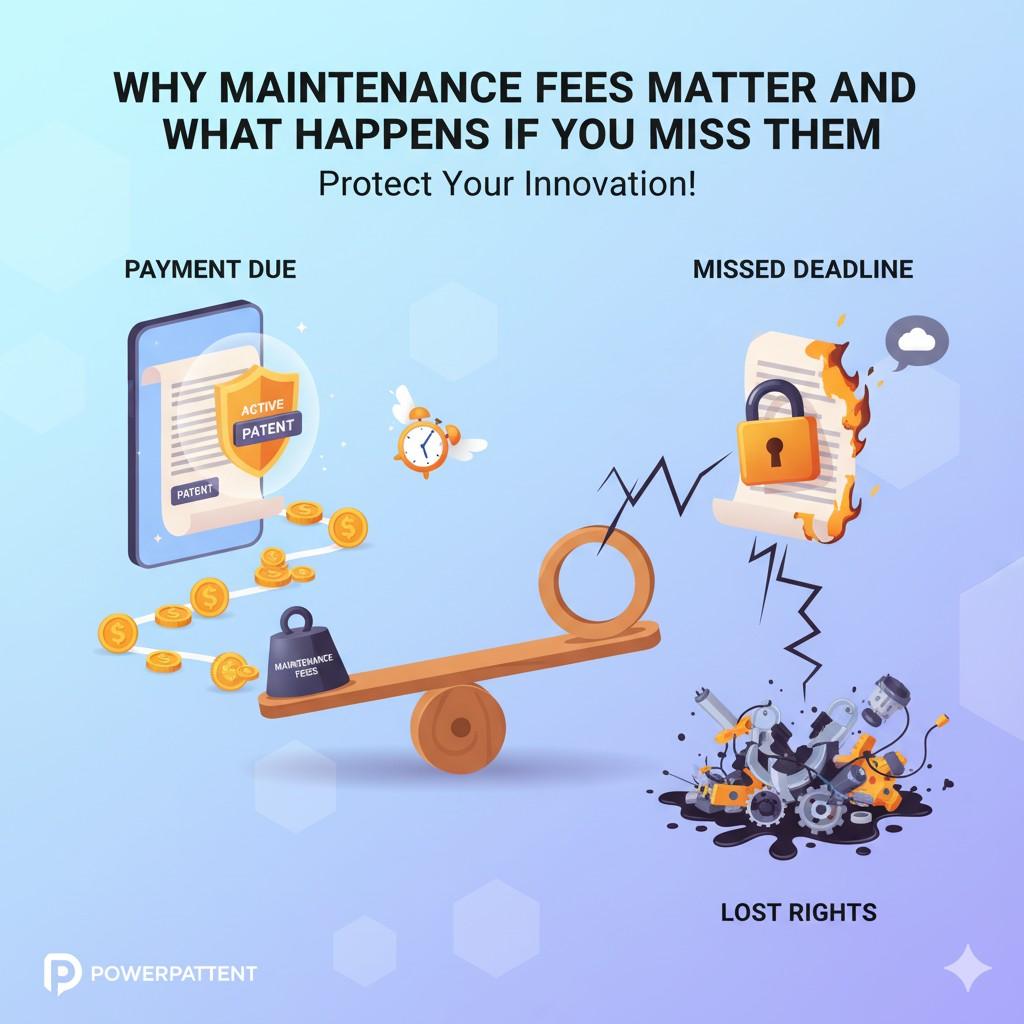
And you still get support from real patent attorneys who step in when things get tricky. You stay protected without losing focus on the work that matters.
If you want to see how it works, you can always explore it at https://powerpatent.com/how-it-works.
How to Find Your Patent and Check Your Fee Status in Patent Center
Before you can pay anything, you need to locate your patent inside Patent Center and understand exactly where it stands. Many founders assume this step is simple, but the interface can feel confusing if you are not inside it often.
Taking a few minutes to get familiar with it now saves you from scrambling later, especially when deadlines start looming. Once you know where your patent sits and what the system shows about your next fee, every future payment becomes far easier.
Finding your patent is more than a quick search. It is the moment you confirm that your data is correct, your deadlines are accurate, and your record is clean. This is the foundation for every maintenance decision you make next.
A small mistake here, like using the wrong number or checking the wrong record, can lead to missed payments or unnecessary panic. Slowing down for a moment and doing this the right way sets you up for smooth payments every time.
How to prepare before you even log into Patent Center
You will save yourself stress if you pull together a few key details before opening Patent Center. Your patent number is the most important one, and it is usually the number printed at the top corner of your issued patent.
This number is different from your application number, so it helps to double-check you are using the right one.
If you rely on the wrong number, the system will not show accurate fee information, and you might assume something is wrong when it is not.
It also helps to know your attorney docket number if you worked with a law firm. Patent Center sometimes uses it as a secondary identifier. This number gives you an extra way to confirm you are looking at the correct record.
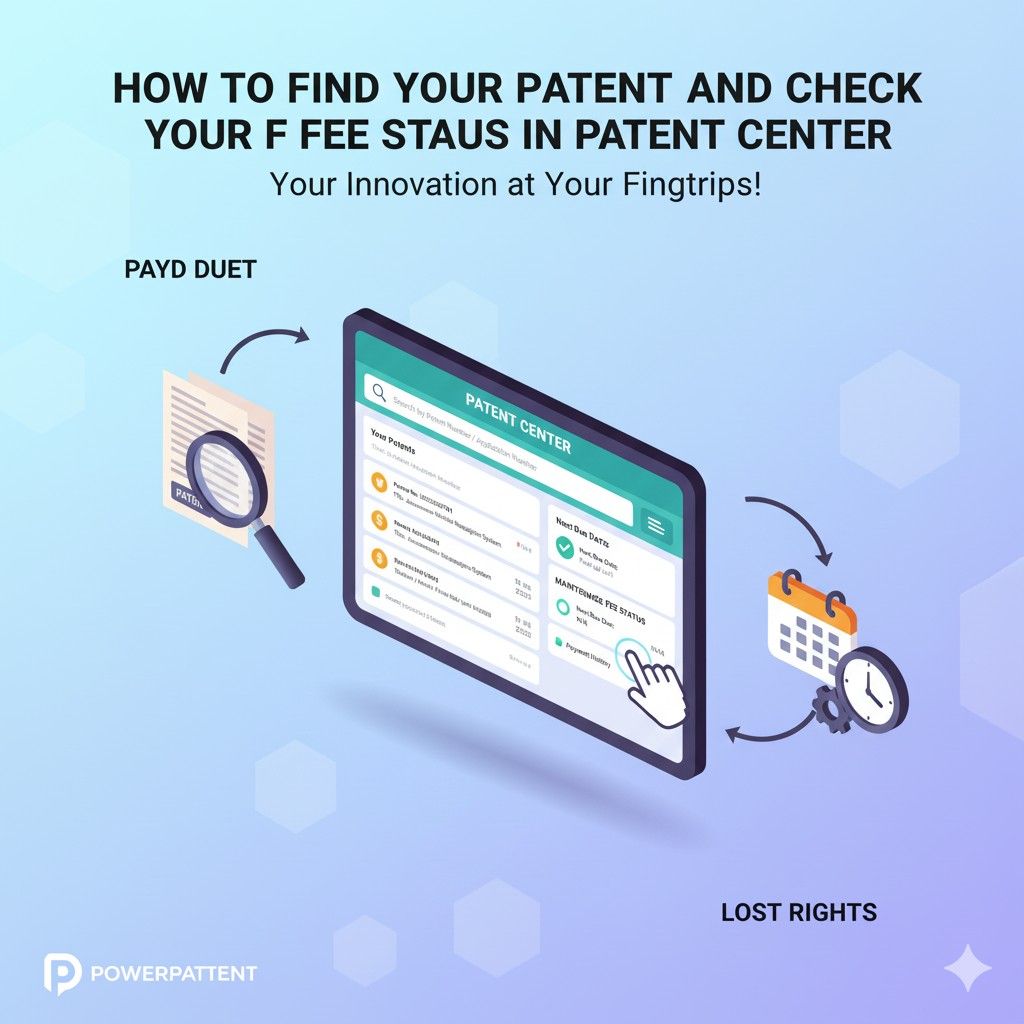
When you have these details in one place before logging in, the process becomes quick and smooth instead of a guessing game.
Why your Patent Center account matters more than you think
Many founders go into Patent Center without creating a proper login because the system allows some public lookups without signing in. While that might seem faster, it limits what you can see and do.
When you use an actual account, the system pulls up more details, including your maintenance fee window, payment options, and status notes.
Having an account also allows you to store your patent in your workspace, which makes future check-ins much easier. Instead of searching from scratch every time, you can click one place and see everything you need.
This becomes especially helpful if you have more than one patent, if you plan to file more, or if you are working with a growing team. A clean workspace today removes friction months or years from now.
Understanding what you see on the main Patent Center screen
Once you search for your patent, the first screen you see can feel like information overload. There are tabs, status fields, dates, and numbers that look like a different language.
You do not need to understand everything.
The key is knowing where to look. The maintenance fee section usually sits in a smaller part of the interface, and it shows your next deadline window, the amount due, and any surcharge if your deadline is approaching the late period.
If the system shows that your fee is not due yet, it will also display the date when the payment window opens.
Many founders do not realize you can pay early, which is a powerful way to avoid last-minute stress. When you spot this window early, you can plan ahead and pay when it fits your schedule, rather than getting hit with a surprise notice later.
How to confirm you are looking at the correct fee information
Patent Center sometimes shows multiple fee entries or older fee records, especially for patents that have already passed earlier maintenance deadlines.
If you only look at the first number you see, you might confuse an old paid fee with your next upcoming one.
This is why it helps to scan for the words that signal your actual status, such as the phrase that marks the next unpaid fee.
If your previous fee has already been paid, the system will show a confirmation for it, often with the payment date. This is a good sign because it tells you your record is clean.
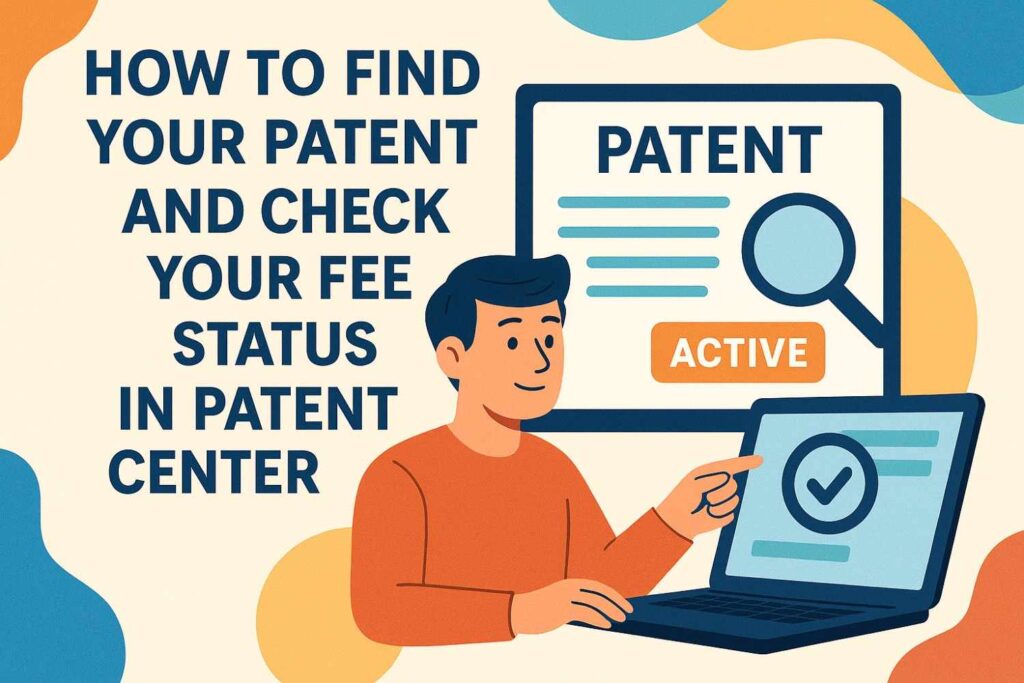
But you still need to look forward, not backward. The correct fee entry is always the one tied to your next required window. Once you find that line, you will know exactly what you owe and when.
Why every business should check the fee status more than once
Even after you find your patent the first time, it is smart to revisit the record once in a while. Patent Center sometimes updates fee amounts when new fiscal years begin.
If your deadline is later in the year or if you are in a late payment window, the amount you saw earlier might shift slightly. Checking your status again before paying helps you avoid underpaying or overpaying.
This habit also helps you catch errors early. If something looks off, such as the wrong status or a missing payment record, you can resolve it long before the deadline.
Waiting until the last minute leaves you with no room to fix a clerical mistake, and the USPTO is not forgiving if the clock runs out.
When to involve your internal team in the fee review process
Even if you are the founder or primary inventor, you do not have to be the only one checking the fee status.
In most growing companies, someone in operations or product leadership eventually becomes the person who keeps an eye on important timelines.
Bringing them into the process early helps them understand what matters and why it matters.
Sharing access wisely also prevents the issue of information being stuck in one person’s head.
If you are traveling, busy with fundraising, or deep in a product sprint, someone else can step in and confirm the details without interrupting your workflow.
Smooth IP management comes from shared clarity, not hidden details.
Why clean data in Patent Center leads to smoother payments later
A surprising number of payment headaches come from outdated or messy data. If your address is old, your email is wrong, or your contact details are incomplete, the USPTO might send notices to the wrong place.
This is how maintenance deadlines sneak up on founders, and it is an easy problem to prevent.
Updating your contact details in Patent Center takes only minutes, and doing it now gives you a reliable stream of alerts later.
It also makes your record look complete and professional, which matters if you ever need to revive a lapsed patent or prove that you were attentive to your deadlines.
Turning this step into a repeatable process for your business
Once you find your patent and check your fee status, turn the process into something your business can repeat.
A simple reminder in your project management tool, a shared document with your fee dates, or a central folder for patent records can keep your team aligned.
The goal is to make maintenance fee tracking a routine part of running your company, not an emergency task that catches you off guard.
If you prefer a tool that handles this automatically, platforms like PowerPatent can help you track deadlines, store your patent details, and keep everything organized in one place.
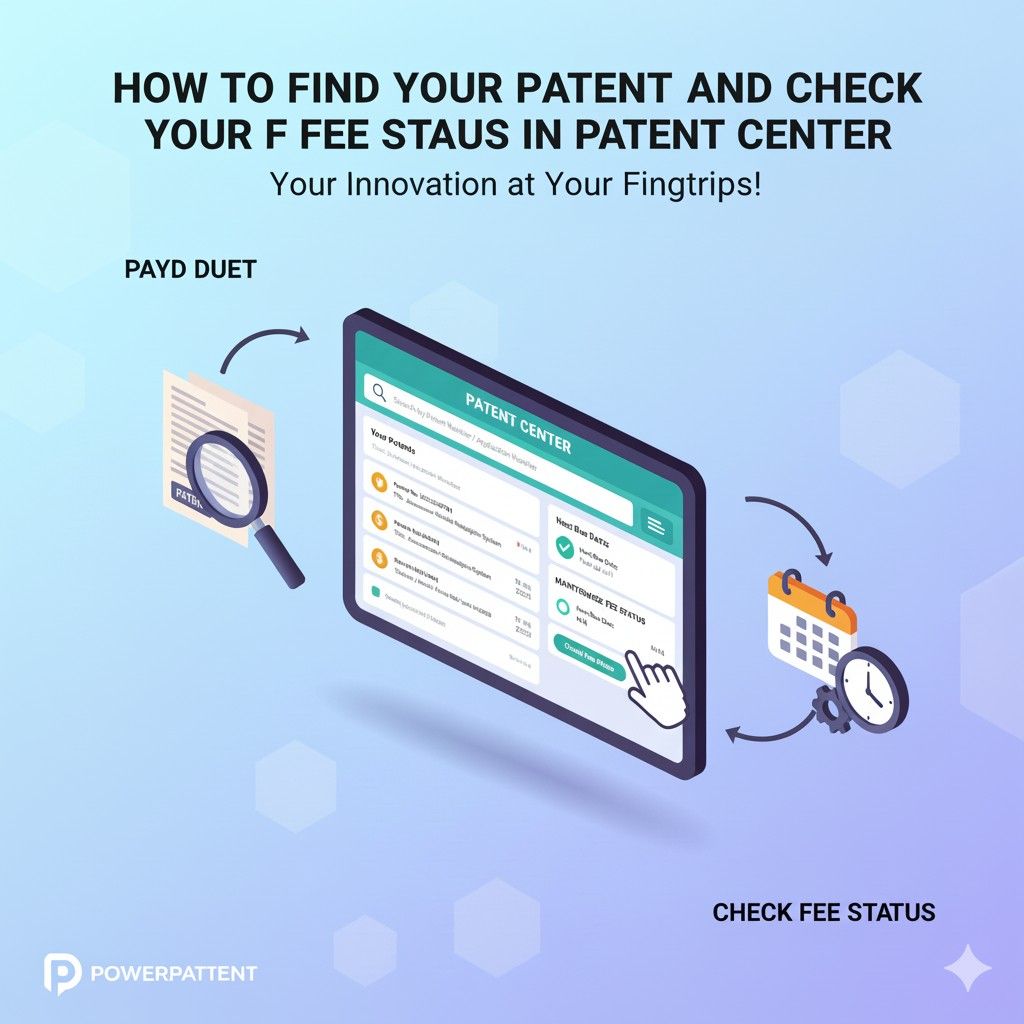
With real attorneys checking your filings and smart software keeping your data clean, you avoid small mistakes that could cost you big later. You can explore how it works at https://powerpatent.com/how-it-works.
Step-by-Step: How to Pay Your Maintenance Fees Without Getting Lost
Paying your maintenance fee in Patent Center can feel intimidating the first time, but once you understand the flow, it becomes a quick and almost effortless task.
The key is to move through each screen calmly, knowing exactly what to look for and what each button actually means.
Most founders get tripped up not because the system is complex, but because it was never designed with busy builders in mind.
This section turns the whole experience into something smooth, predictable, and frustration free so your patent stays protected without slowing down your work.
How to start your payment from the correct place inside Patent Center
Once you find your patent record, you need to make sure you start the payment from the right screen. Many users make the mistake of clicking through unrelated tabs or old fee entries, which leads to confusion.
The correct location is the maintenance fee tab associated with your issued patent. This is the place where the system shows your next fee window and gives you the option to begin the payment process.
When you click into this area, the system will confirm the window for your upcoming fee.
This is important because Patent Center will only let you pay once the window is officially open. If you try too early, you will see no payment option.
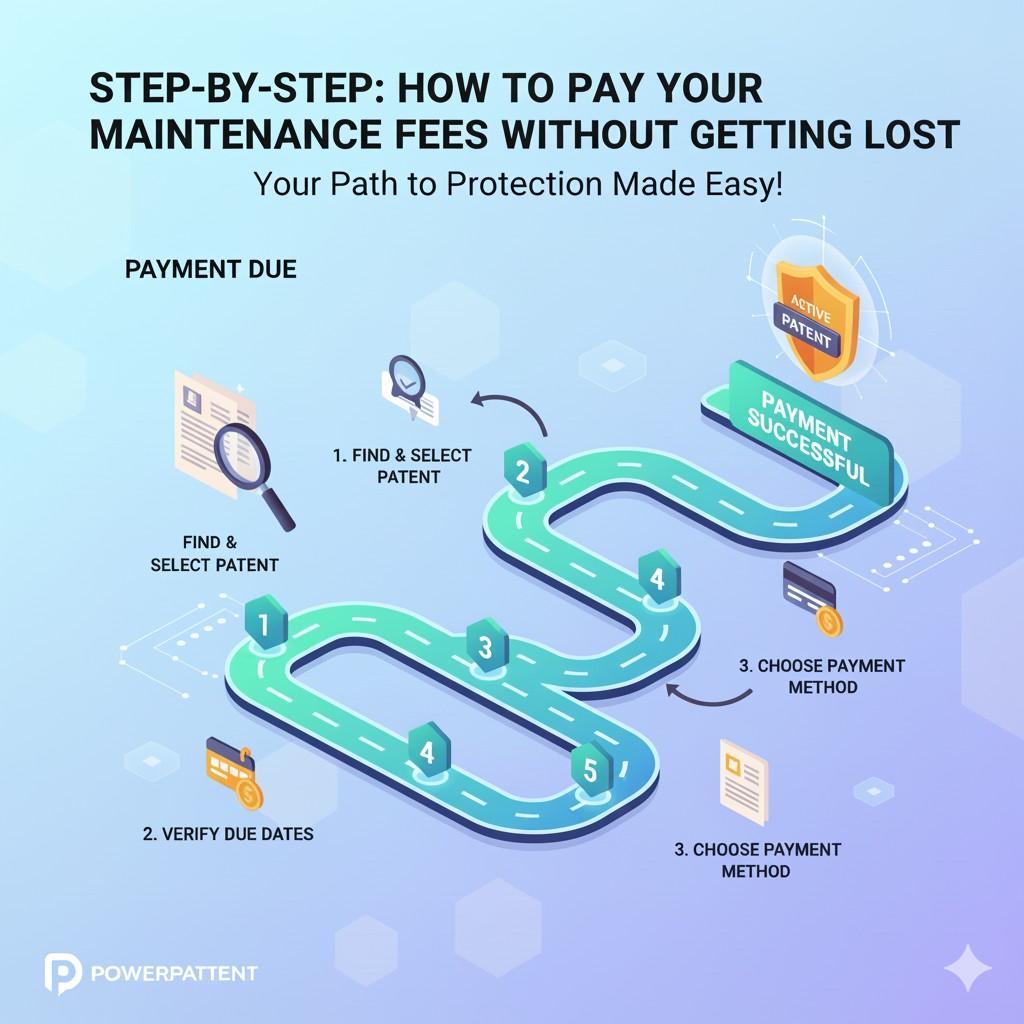
When the window is open, a link or button will appear that lets you begin the online payment. Knowing this ahead of time prevents you from wondering whether the system is broken.
How to review your maintenance fee details before submitting anything
Before you move forward, take a moment to confirm the fee amount, the due date, and whether you are in the standard period or the late period. This matters because the system adjusts the fee amount depending on timing.
If you are in the late period, a surcharge will appear automatically. You should never ignore this screen because this is your chance to confirm that your patent record is correct.
If something looks off, such as the wrong fee amount or a missing previous payment, pause and double-check your patent number.
A simple mistake like entering your application number instead of your patent number can pull up the wrong record. Fixing this early saves you from paying the wrong fee or triggering a mistake that wastes time and money.
How to move through the USPTO payment flow without confusion
The actual payment section takes you into the USPTO’s payment portal, which is different from Patent Center. This switch surprises many users because the design looks different, but it is completely normal.
Once you land on the payment portal, the system will ask for your payment information, billing details, and confirmation. The portal accepts major credit cards, debit cards, and USPTO deposit accounts if your business uses one.
The most important thing on this screen is accuracy. A typo in your card information or billing address can create a failed payment, and failed payments do not count as timely payments.
The USPTO does not consider intent. They only count successful submissions. Taking an extra moment to review your details keeps you safe from unnecessary risk.
How to confirm your payment so you have proof for your records
When your payment goes through, you will receive a confirmation receipt. This page is one of the most important parts of the entire process.
It proves you paid on time, and it serves as official evidence if there is ever a question about your status.
The receipt will include the fee code, amount, patent number, and timestamp.
Save this document in the same place you store your patent records. If you have a team, share it with whoever handles legal, operations, or compliance.

Keeping this confirmation organized protects you from disputes later and gives you clarity if you need to show your payment history to a partner, investor, or attorney.
How to make sure your payment updates inside Patent Center
After your payment processes, Patent Center usually updates your record automatically. However, the update is not always instant. Sometimes it takes a short period before the status reflects the new payment.
This delay is normal, and you should not assume something went wrong if the system still shows the old status after a few minutes.
If the update does not appear after a reasonable time, you can refresh the page or log out and back in to trigger a new pull of your data.
Most of the time, the update will show the paid fee with the date of payment included. This marks your maintenance fee as complete and confirms that your patent remains active and in good standing.
How to avoid the most common mistakes founders make during payment
The most common error founders encounter is selecting the wrong fee. Because Patent Center displays multiple fee codes, it is easy to click into an old entry or misread the screen.
Staying focused on the next unpaid fee prevents this slip. Another common mistake is assuming that partial payments or attempted payments count. They do not. Only a fully processed payment keeps your patent alive.
Founders also sometimes assume their attorney or previous firm is handling the payment when that is no longer true.
By taking ownership of the flow inside Patent Center, you remove uncertainty and ensure nothing is overlooked. This gives your business far more control over its intellectual property and helps you avoid last-minute surprises.
How to record the payment so your business stays organized
After the process is complete, record the payment date, the confirmation number, and the next upcoming fee window. Even if this seems simple, it matters more than you think.
Businesses grow. Teams change. Information gets lost. Having a clear record makes the next payment easy and protects you if you ever need to confirm your history.
Many companies build a small internal IP document or dashboard that tracks patent numbers, issue dates, fee status, and next deadlines. This simple habit makes maintenance painless and keeps the entire organization aligned.
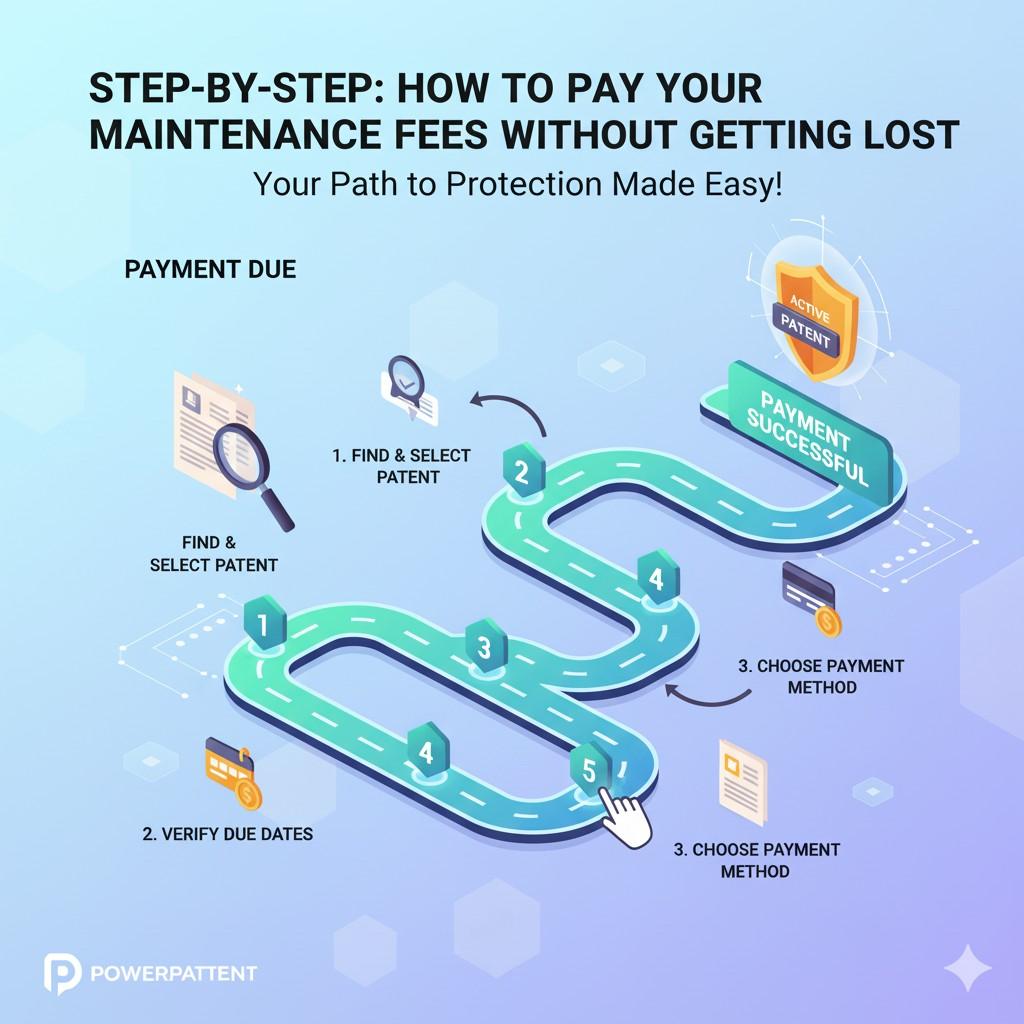
If your team prefers software-based tracking, tools like PowerPatent give you a clean dashboard, deadline reminders, and attorney-backed support so nothing slips through the cracks. You can see how it works at https://powerpatent.com/how-it-works.
What to Do After You Pay and How to Stay Ahead of Future Deadlines
Paying the maintenance fee is only part of the journey. What you do after the payment is just as important because it determines how clean your records stay and how smoothly things go the next time a deadline arrives.
The goal here is to turn the whole process into something predictable and calm, not something that catches you off guard every few years.
When you treat this step with the same care as you treated the payment itself, you build a strong foundation for managing your patent long term.
How to verify that your payment is securely recorded in your own system
After the USPTO processes your payment, you should store a copy of your receipt somewhere your team will always be able to find it. You want a single, reliable place where you keep every important patent document.
This might be a shared drive, an internal folder, or your company’s IP tracker. Having one source of truth prevents scattered information and keeps everyone aligned.
This is also the moment when many founders take a few seconds to confirm that the payment matches exactly what they intended to pay.
Sometimes the system calculates fees differently based on timing, and having your receipt side by side with your original notes gives you confidence that everything is correct.
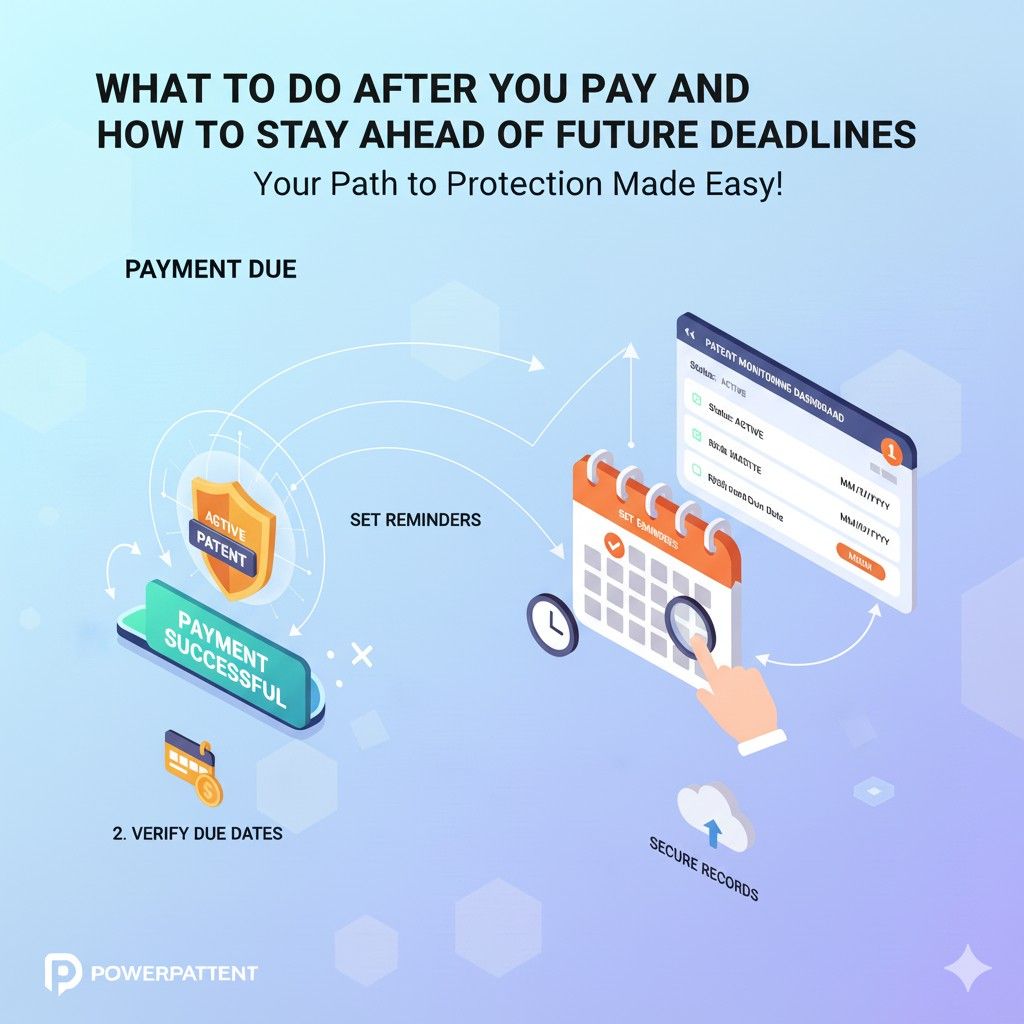
This is the type of small habit that pays off later when your team grows or when an investor asks for a quick snapshot of your IP status.
How to confirm the update inside Patent Center so your record stays clean
When you return to Patent Center after paying, the system will usually reflect your updated status. This update serves as the official confirmation that your patent stays active.
Although it can take a little time, you should always check to make sure the status shows the paid fee and the date it was processed. This step is simple, but it is something most founders skip because they assume the system will handle it automatically.
Looking at the updated record gives you peace of mind and ensures there are no errors or mismatches. It also helps you catch issues early, such as a missing update or a failed payment that looked successful at the time.
The sooner you notice a problem, the easier it is to fix it.
How to make the next deadline easier by planning right now
The moment you finish paying is the best moment to prepare for the next deadline. You already have the system open. You already know the steps. And your future self will thank you for setting everything up before the next window sneaks up on you.
One way to do this is to write down the next maintenance fee due date in your company calendar. Treat it like any other important milestone.
Some founders take it a step further and set two reminders: one well before the window opens and one right when it opens. This simple approach gives you time to plan and protects you if your schedule gets busy.
Most deadlines are missed not because the founder did not care, but because the reminder came at the wrong moment and got lost in everything else happening at the company.
How to keep your team aligned on your patent’s health
If your company has more than one founder or if you work with a growing team, you should make sure everyone knows the status of your patent after the payment goes through.
This does not mean sending long messages or creating meetings. A simple update in your project management tool, your quarterly planning sheet, or your internal IP tracker is enough.
Sharing this information keeps your team informed and prevents surprises later.
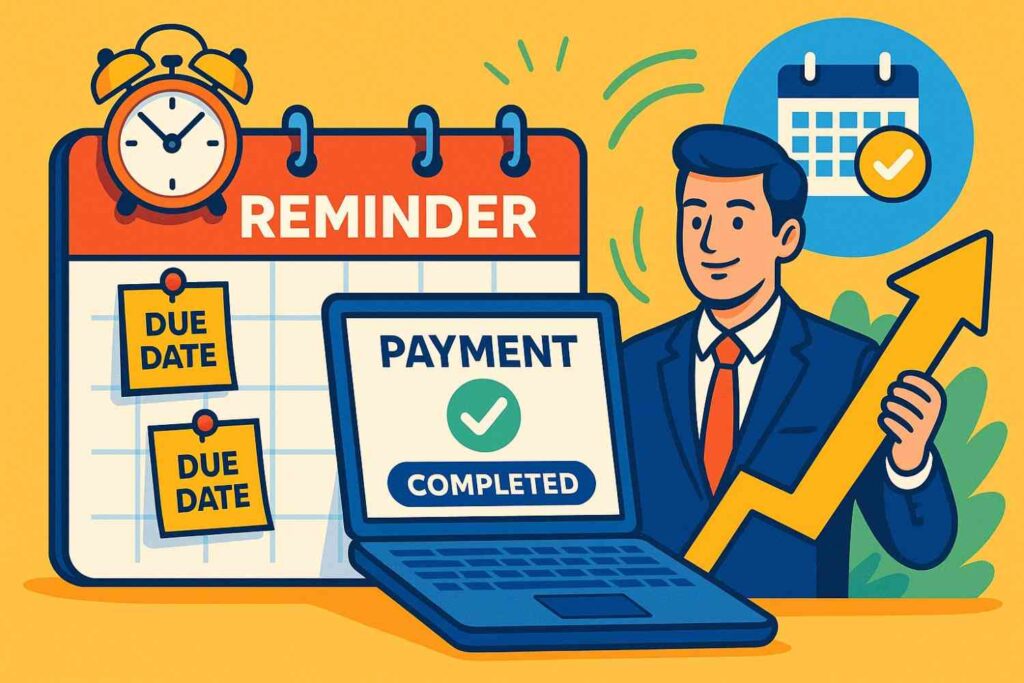
When everyone understands that the patent is active, paid, and protected, it reinforces that your business treats its intellectual property the same way it treats every other mission-critical asset. This is part of building a culture that respects innovation.
How to recognize signs that you may need more structured IP support
If you find yourself feeling nervous before each deadline or digging through old emails to confirm details, it might be time to bring more structure to your process.
As your company grows, the cost of a missed deadline grows as well. A single lapse can damage a partnership, weaken your competitive edge, or even reduce your valuation during fundraising.
This is why many companies shift from manual tracking to software tools that automate reminders and keep everything organized in one place.
Platforms like PowerPatent give you the structure you need without forcing you into long legal processes. Your deadlines stay clear. Your documents stay organized.
And you get help from real patent attorneys who make sure nothing slips through the cracks. It is the safest way to stay protected while still moving fast. You can explore how it works at https://powerpatent.com/how-it-works.
How to use each maintenance period as a strategic checkpoint
Every time you pay a maintenance fee, you should also take a moment to reflect on how the patent fits into your current business strategy. Your company will not be at the same stage during each fee window.
You might have new competitors, new products, or a new direction. Treating the maintenance period as a quiet moment to evaluate your IP helps you make better decisions about the future.
You can ask yourself simple questions. Is this patent still central to your product? Does it still block real competitors? Does it strengthen your fundraising story?
These answers help you understand the value of keeping the patent active. Most of the time, the answer is yes, but thinking through it reinforces why the fee matters and keeps your IP strategy intentional.
How to build a long-term habit of protecting what you create
Once you complete one full maintenance cycle, the next one will feel much easier. You will know your way around Patent Center. You will understand your internal process. You will have a clean system for storing receipts and tracking deadlines.
This is how strong IP management begins. Not with complicated legal language, but with simple, consistent habits that keep your patent alive and your business protected.
As your company grows, these habits become part of your rhythm. They give investors confidence. They give your team clarity. And they strengthen your position in the market.
A well-managed patent is more than paperwork. It is a strategic tool that helps you protect your edge, attract the right partners, and expand with confidence.
How to stay protected without carrying the burden alone
Managing deadlines does not have to fall entirely on your shoulders. You can lean on tools and systems that make the whole process easier. PowerPatent is built for founders who want strong protection without the stress.
It combines smart software with real attorney oversight, giving you both clarity and confidence.
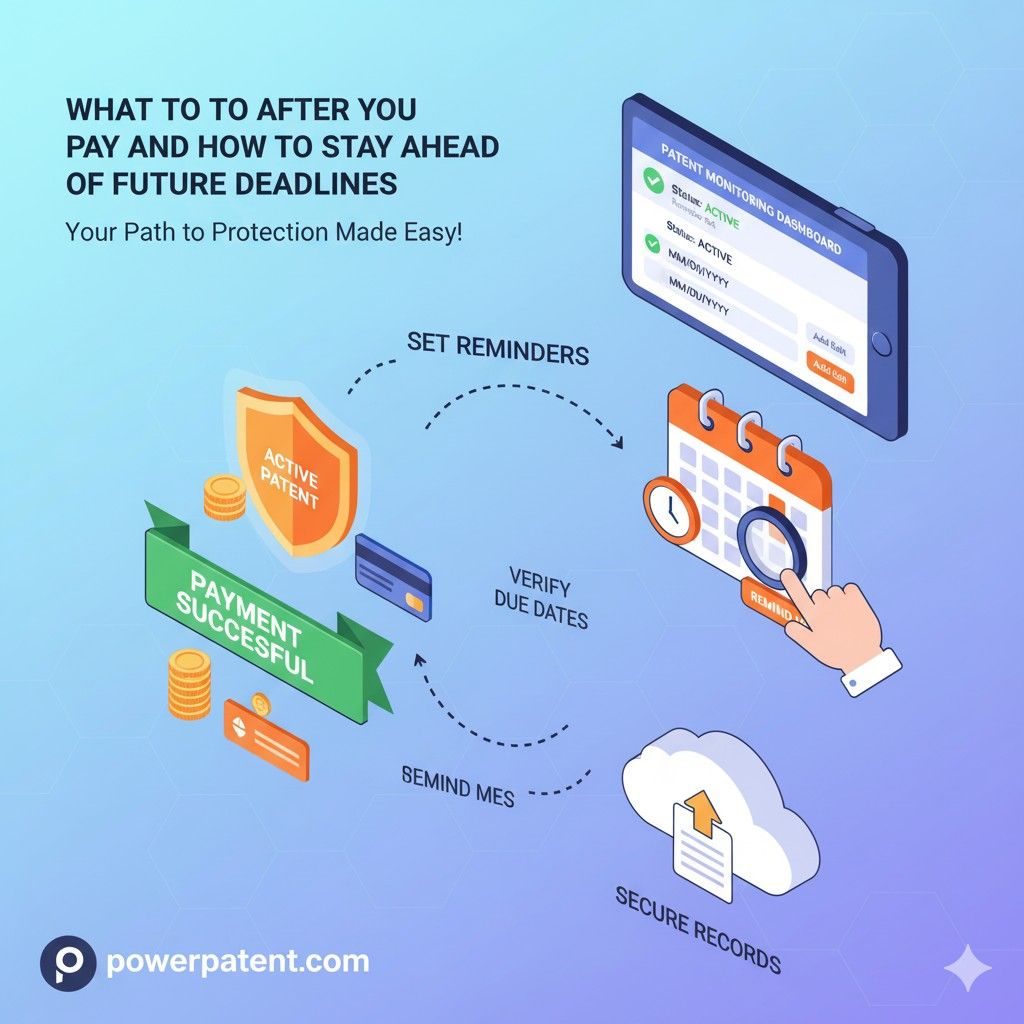
If you want to keep your patent active without losing time or energy, this type of support can make your life much easier. You can see how it works at https://powerpatent.com/how-it-works.
Wrapping It Up
Keeping a patent alive should never feel like a burden. When you understand how the system works and you build a simple rhythm around it, maintenance fees become just another small part of running a serious, well-protected company. You now know how to find your patent, confirm your fee status, make the payment without stress, and stay ahead of every future deadline. That clarity alone puts you ahead of most founders, because so many wait until the last minute or assume someone else is handling things behind the scenes.
Leave a Reply