Tag: AI Patent Tools
-
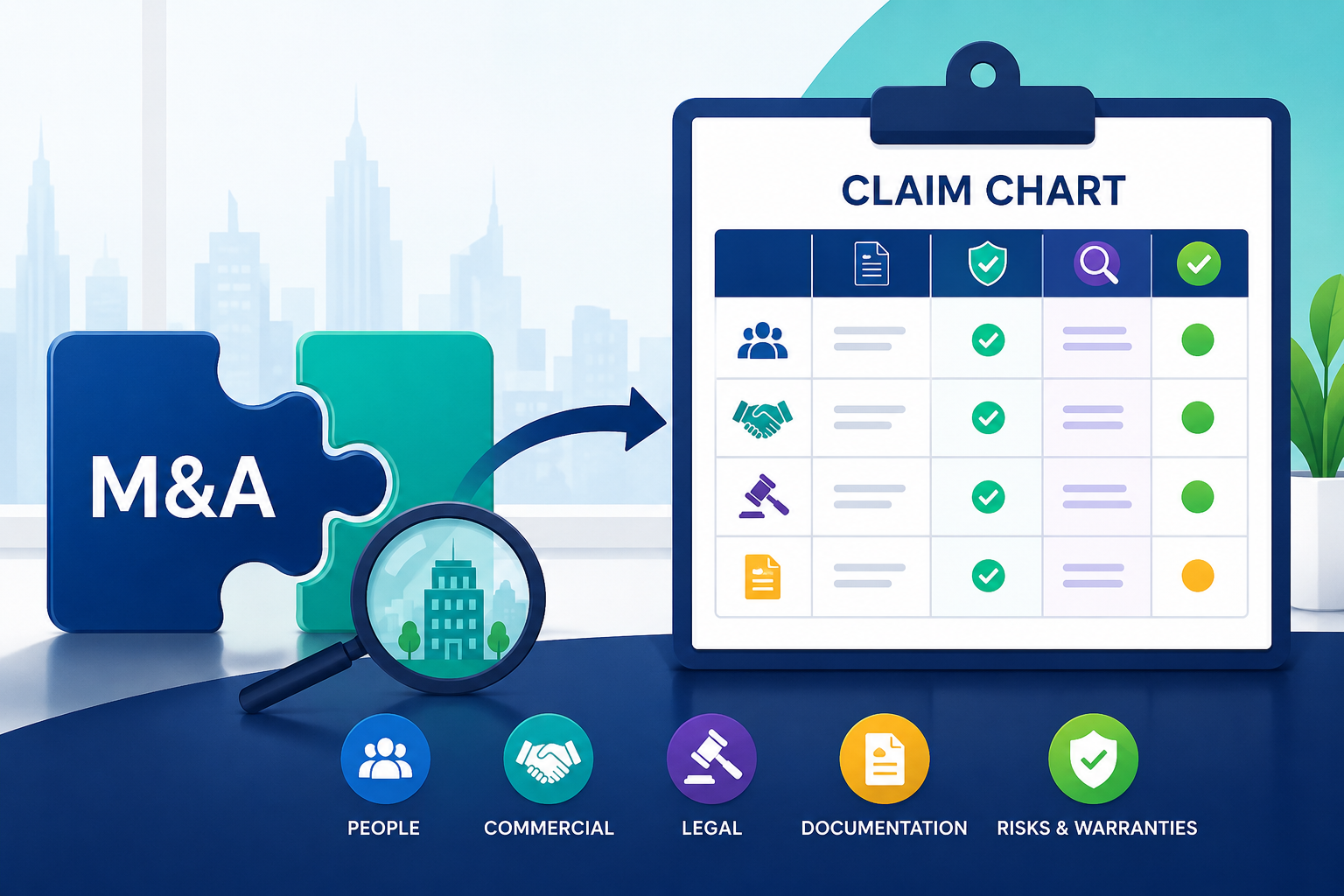
Claim Charts in M&A Due Diligence: What Buyers Want to See
In an M&A deal, your patents may look strong on paper. You may have a clean patent list, smart claims, and a big market. But when the buyer starts due diligence, one question rises above the rest: “Do these patents actually cover what matters?” Buyers want to know if the patents cover real business value…
-
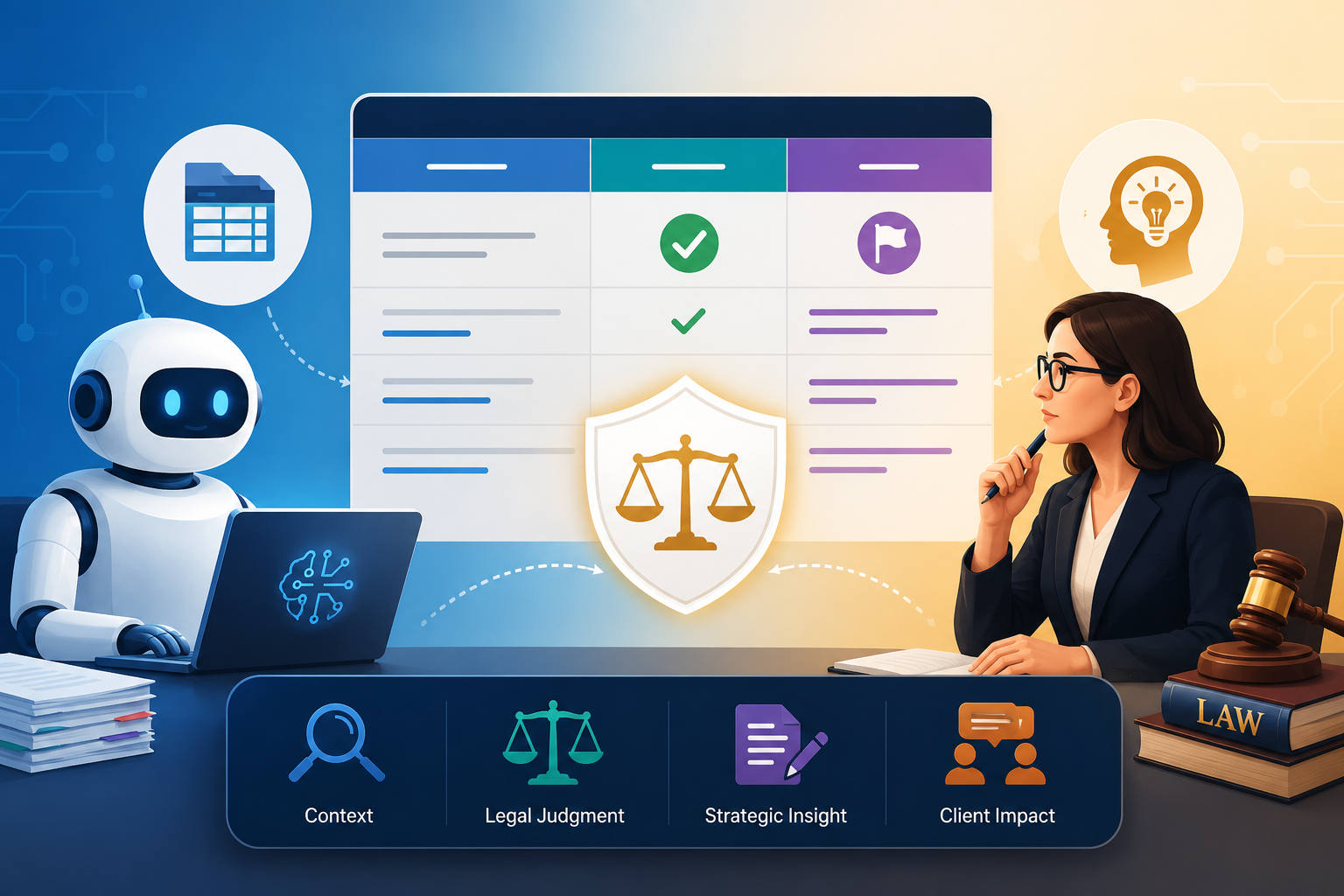
Attorney Review in AI Claim Charting: What Must Stay Human
AI can read a patent, scan a product, and build a claim chart faster than any person could do by hand. That speed is useful. For startups, it can save time, cut busy work, and help teams see where an invention may be strong. But speed alone is not enough. AI claim charting is fast,…
-
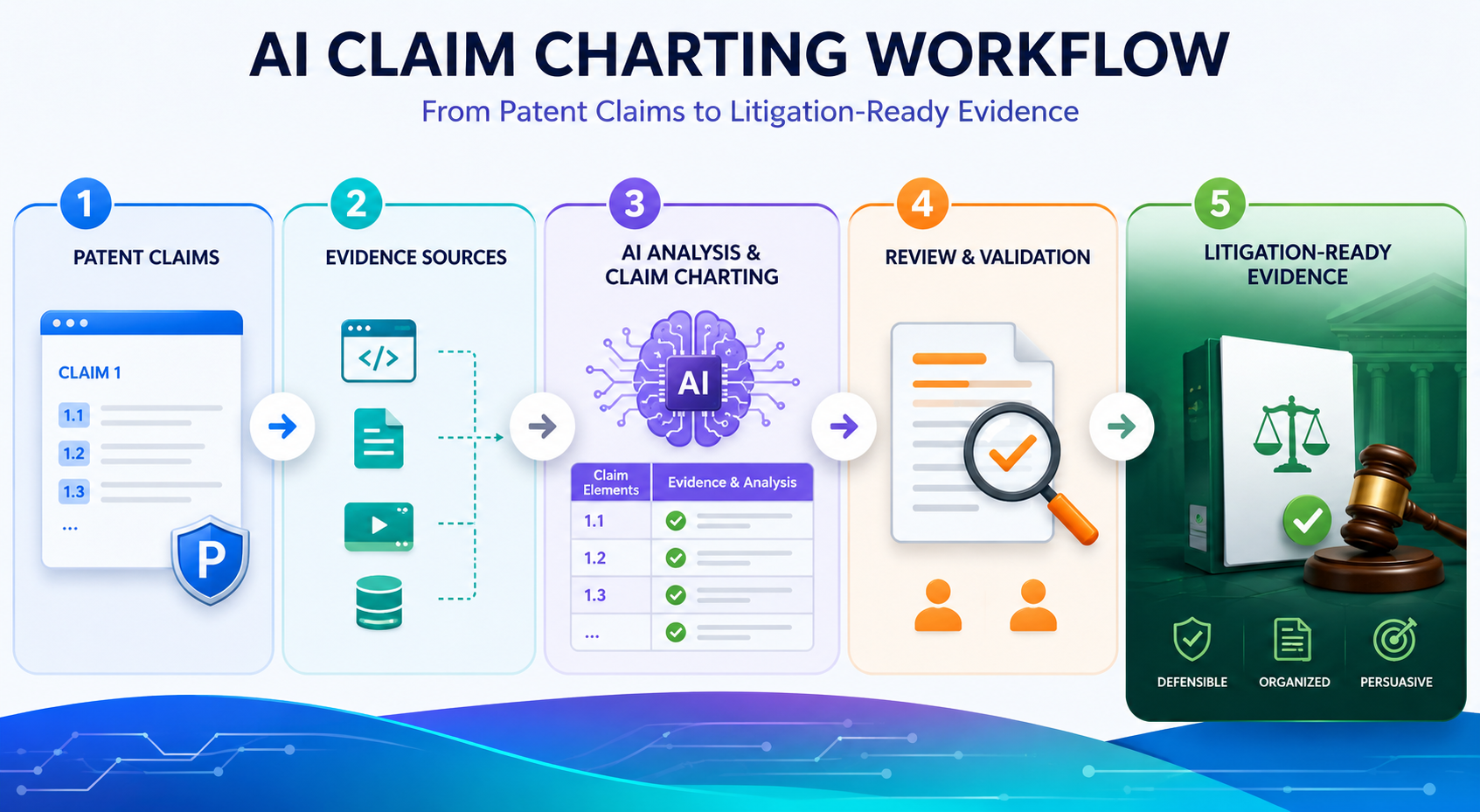
AI Claim Charting Workflow: From Patent Claims to Litigation-Ready Evidence
A patent claim is only useful when you can connect it to real proof. That proof may come from a product page, a user guide, a teardown, source code notes, app screens, API calls, model behavior, or test results. This is where claim charting matters. Why Claim Charting Is the Bridge Between a Patent and…
-
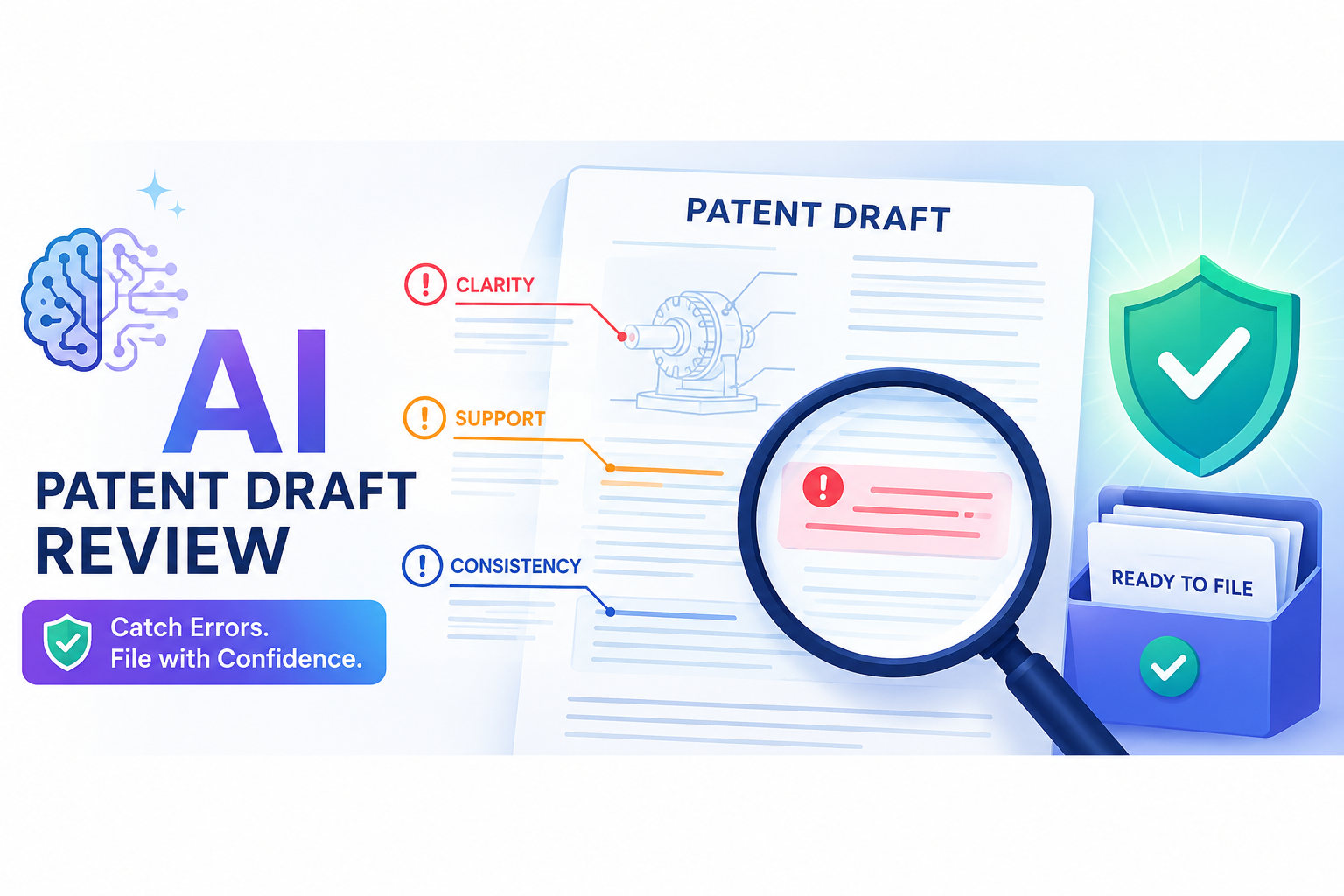
AI Patent Draft Review: How to Catch Errors Before Filing
A patent draft is not something you want to “mostly get right.” One small missing detail can weaken the whole filing. A vague sentence can leave room for copycats. A skipped step can make your invention look smaller than it really is. Your patent draft should protect the real invention, not just describe the product…
-
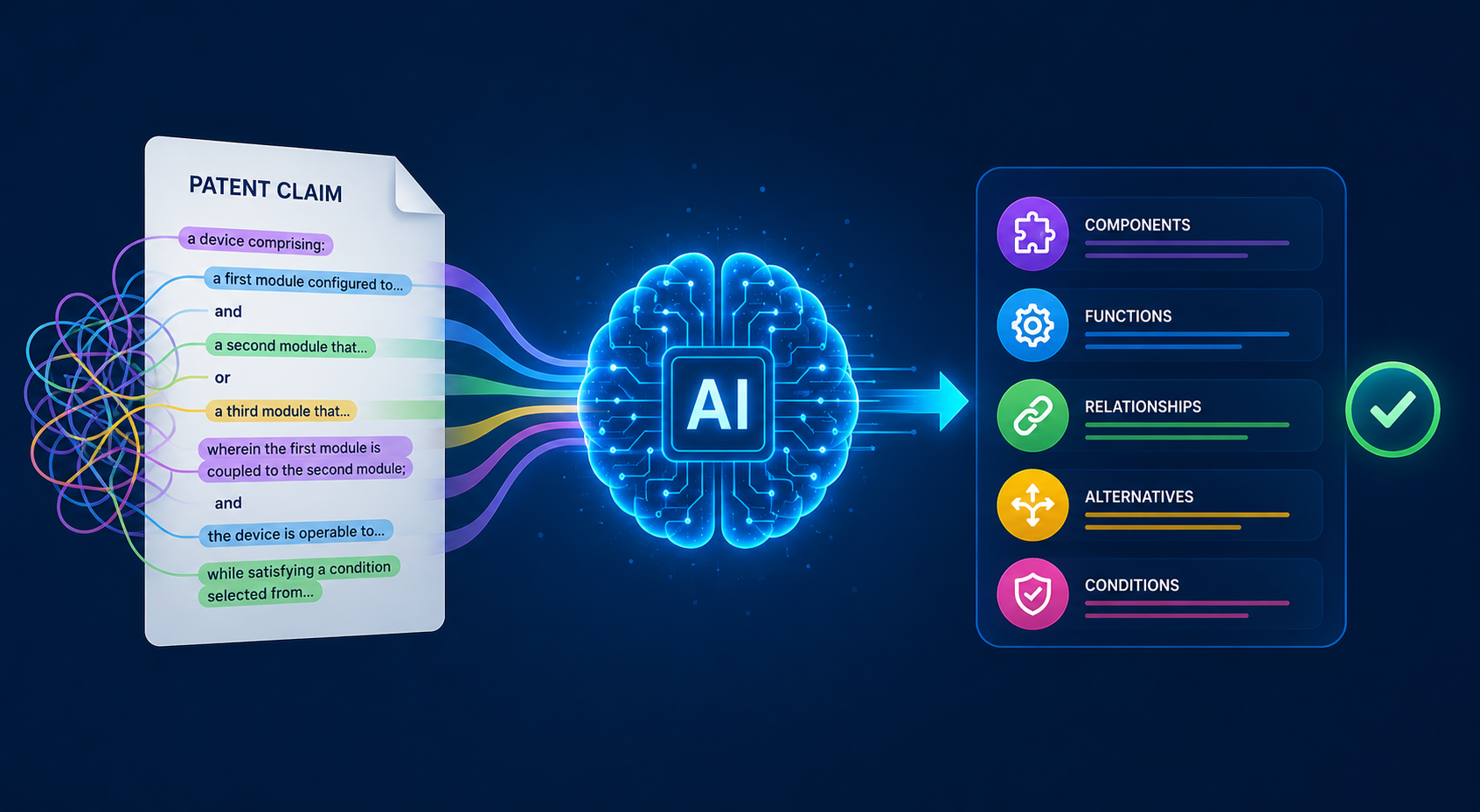
How AI Handles Complex Multi-Limitation Patent Claims
A strong patent claim is not just one big idea. It is often a chain of small parts that work together. Each part matters. Each step matters. Each limit in the claim can decide what is protected, what is left open, and what a competitor may try to work around. Multi-limitation claims are hard because…
-
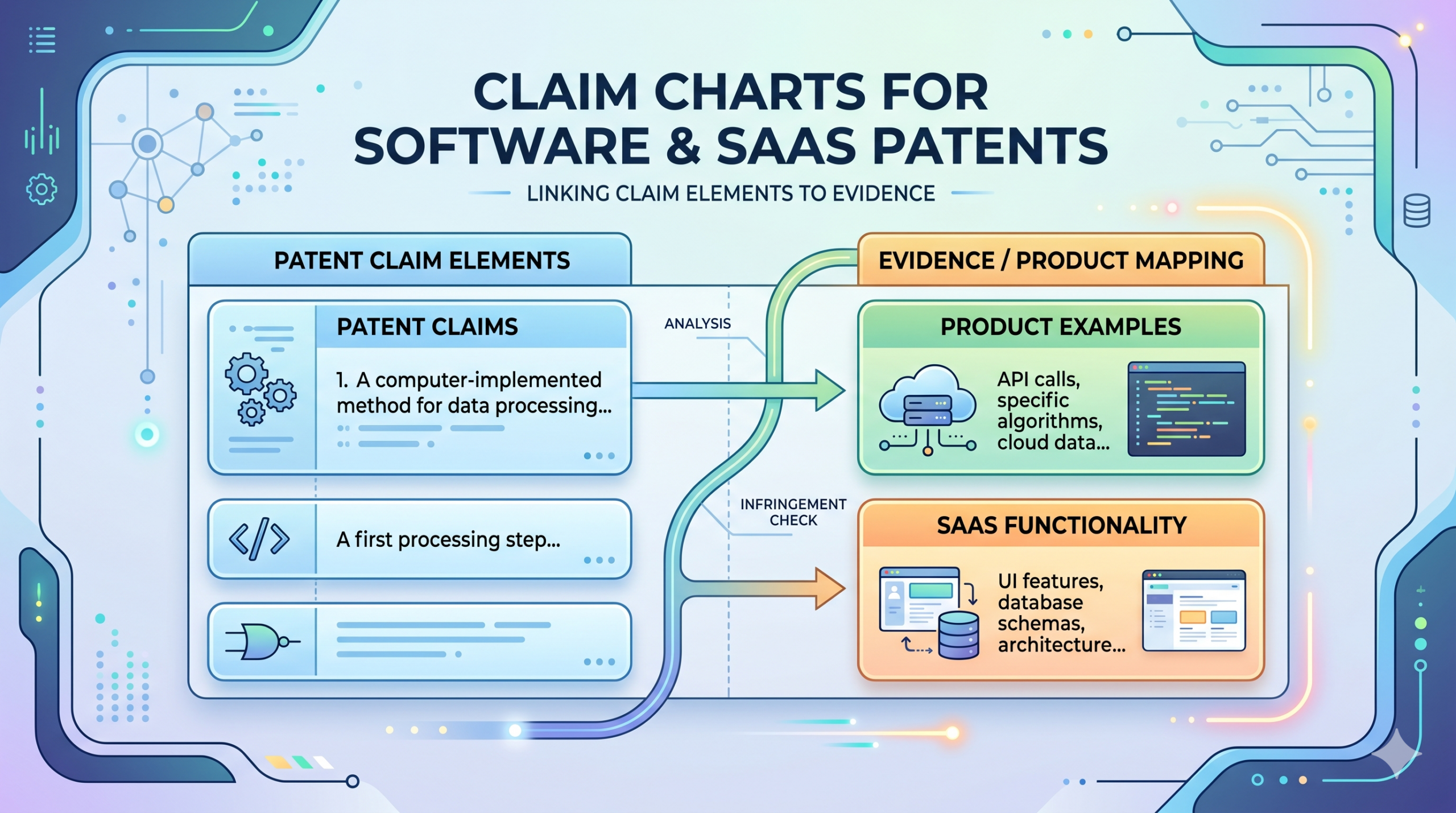
Claim Charts for Software and SaaS Patents
A claim chart may sound like a dry legal tool. It is not. For a software or SaaS startup, it can be one of the clearest ways to show why your invention matters, how it works, and where the value lives. A claim chart turns your software patent from a big idea into clear proof…
-
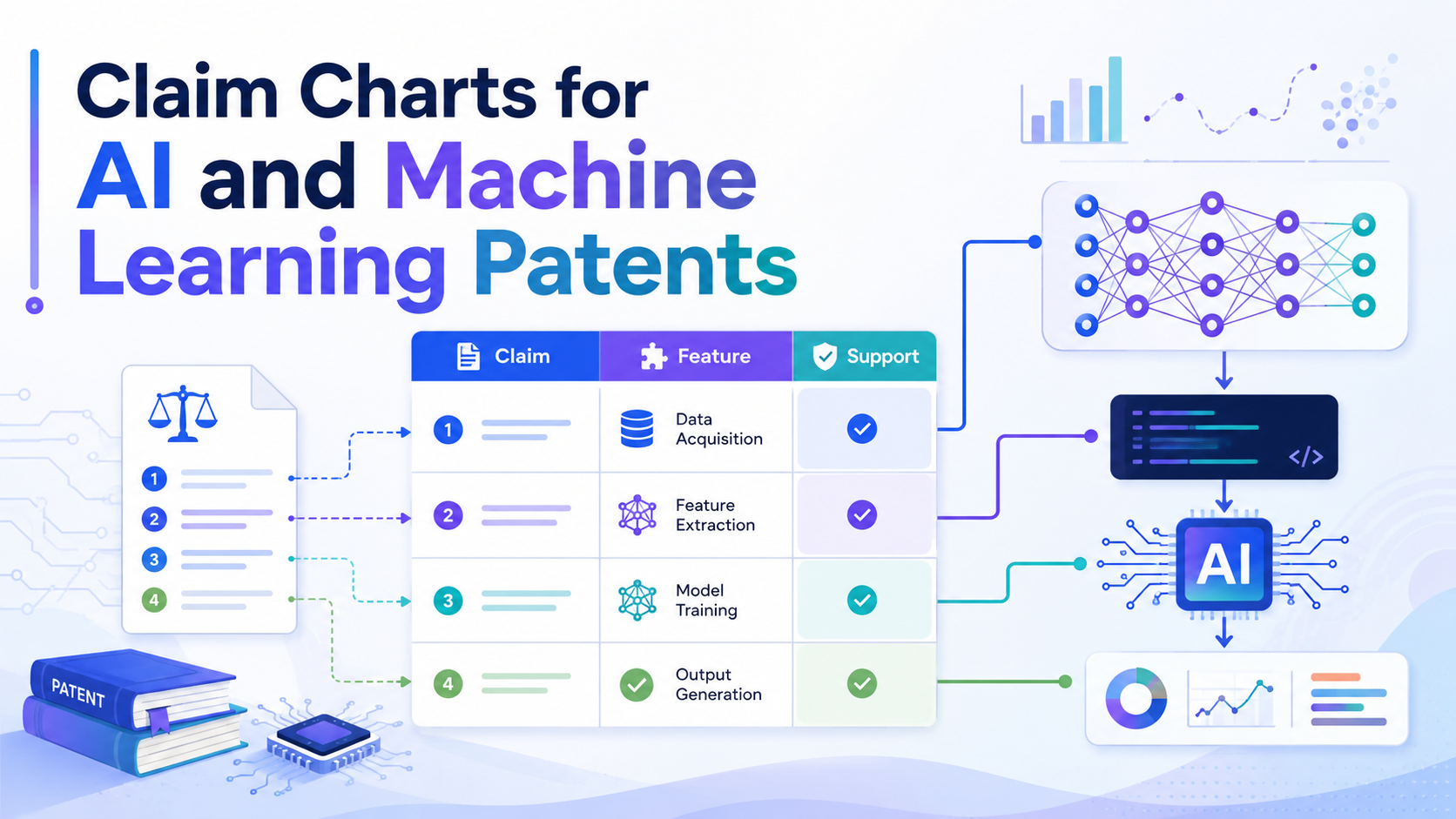
Claim Charts for AI and Machine Learning Patents
AI patents can get messy fast. One claim may talk about training data, model steps, feature extraction, prompts, embeddings, inference, feedback loops, or hardware. A claim chart brings all of that into one clear view. Why claim charts matter so much for AI and machine learning patents A claim chart is one of the most…
-
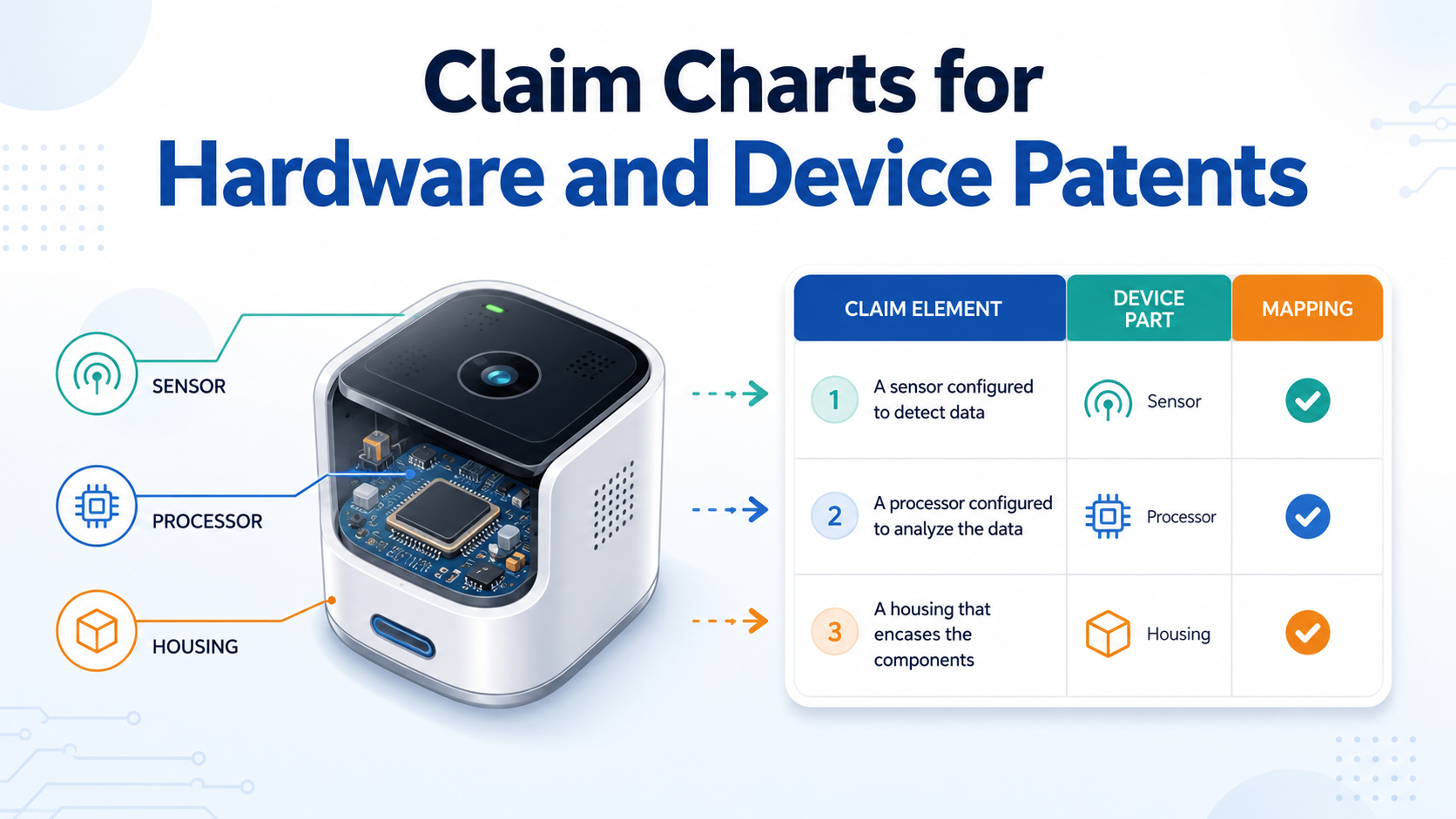
Claim Charts for Hardware and Device Patents
A strong hardware patent is not just about having a smart device, a clever circuit, or a new machine part. It is about showing, in plain terms, what makes your invention different and why that difference matters. A claim chart helps you see the patent before you file it A hardware patent can look strong…
-
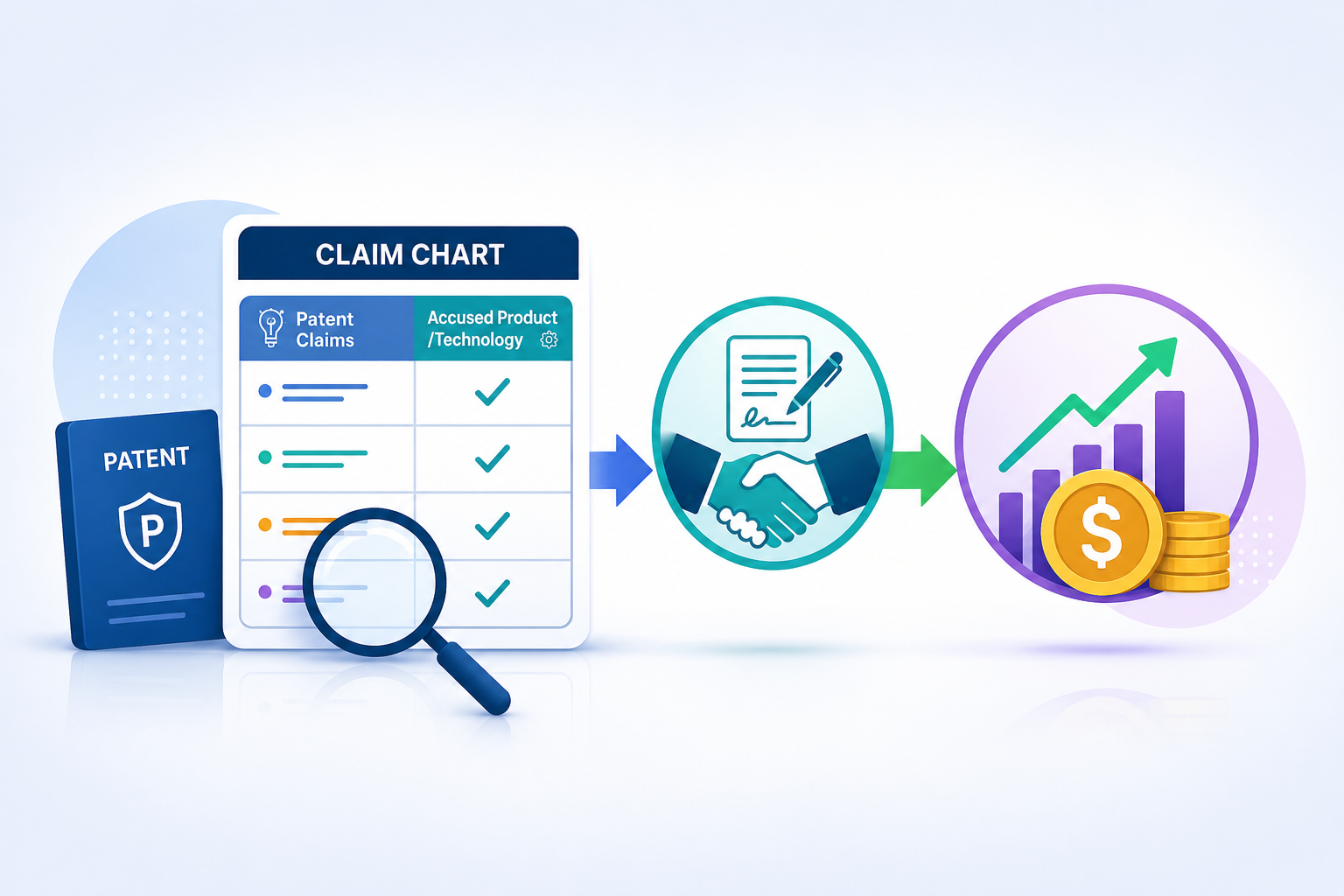
Using Claim Charts for Licensing and Patent Monetization
A patent can look strong on paper, but buyers, partners, and investors want something more direct. They want to see what the patent covers, who may be using it, and why it matters in the real world. That is where a claim chart helps. Claim charts make patent value visible before money talks begin A…
-
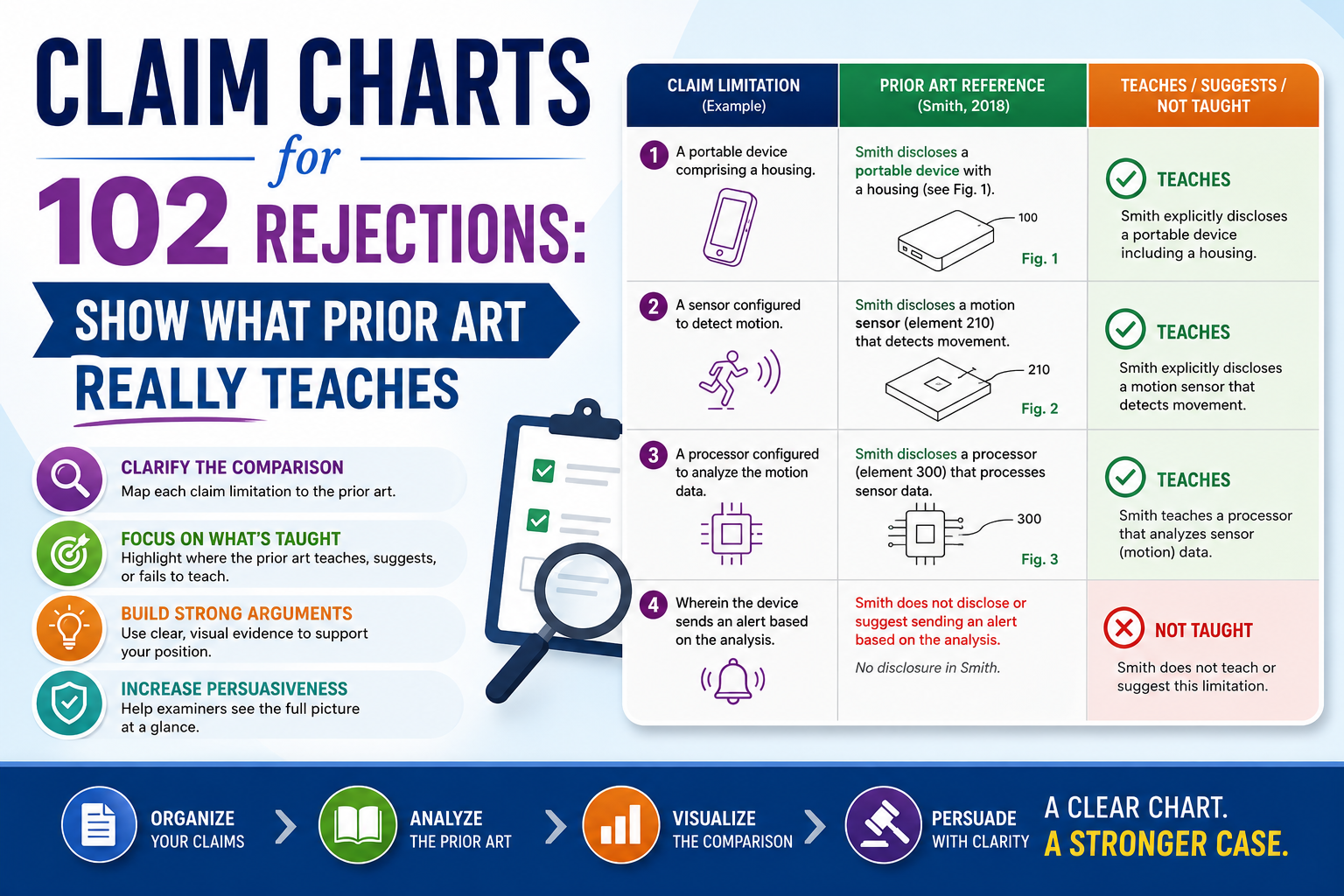
Claim Charts for 102 Rejections: Show What Prior Art Really Teaches
A 102 rejection can feel harsh. The patent examiner is saying, in simple terms, “Someone already showed this before.” For a founder, engineer, or inventor, that can sting. You know your invention is new. You know the real work behind it. But the patent office does not judge what you meant. It looks at what…