Tag: Patent Maintenance
-
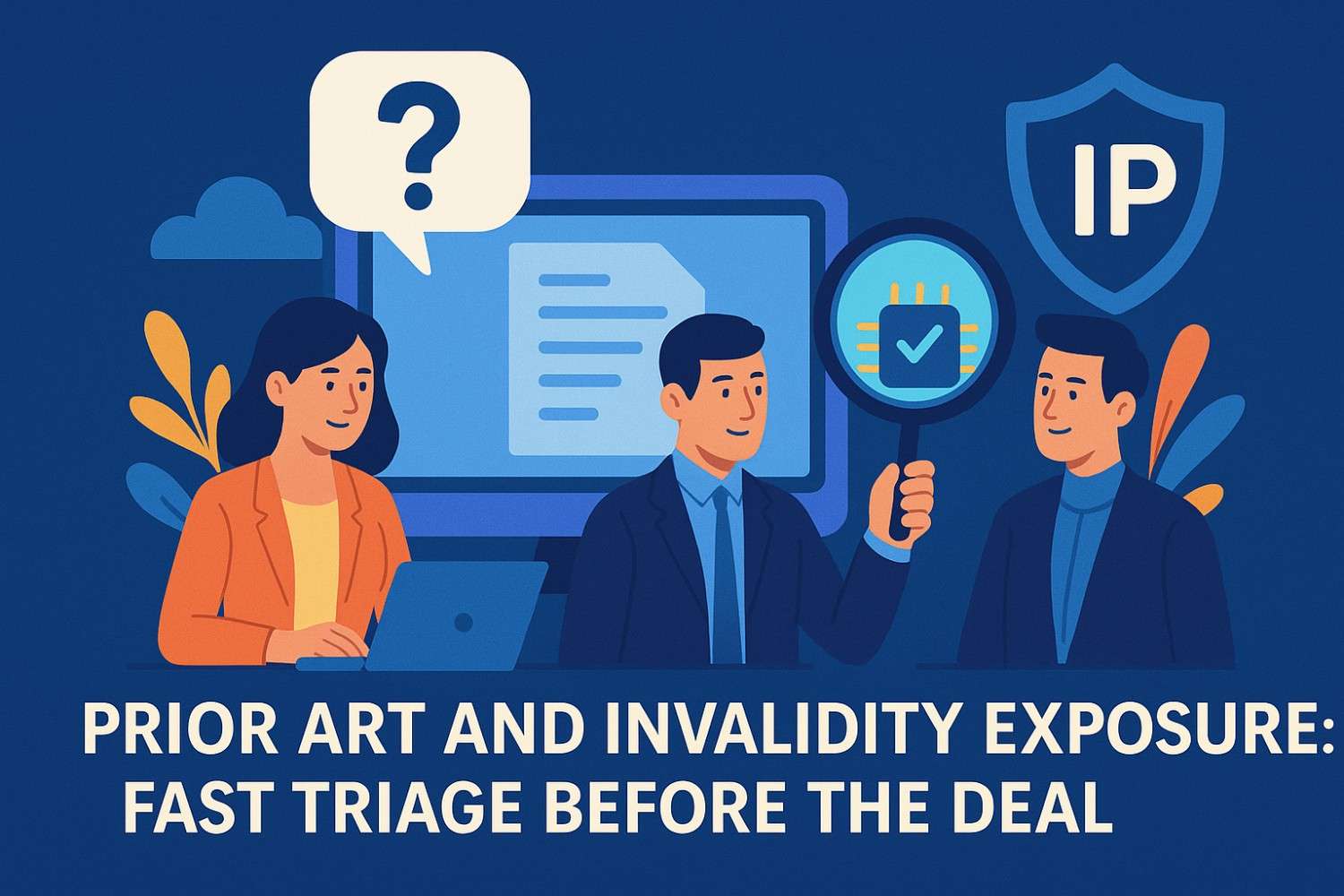
Prior Art and Invalidity Exposure: Fast Triage Before the Deal
When a startup is heading into a big deal—whether it’s a funding round, a partnership, or an acquisition—everyone wants to know one thing: Is the IP solid, or is there a hole hiding in the walls? Most founders only find out the answer when it’s too late, usually during due diligence, when the other side’s…
-
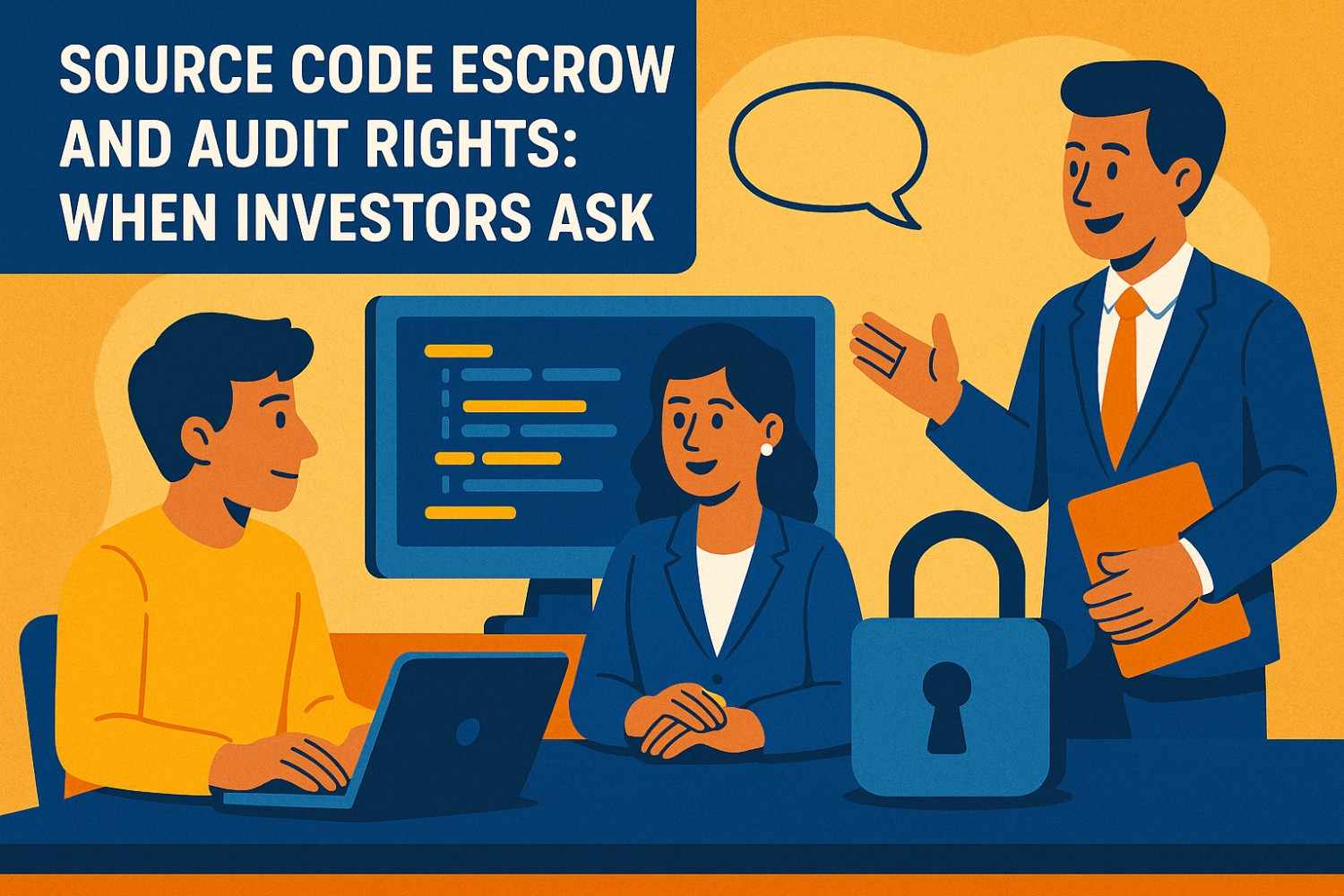
Source Code Escrow and Audit Rights: When Investors Ask
Investors will ask for many things, but few topics make founders pause like source code escrow and audit rights. The moment these words appear in a term sheet or due-diligence request, you can almost feel the air change. It sounds technical, risky, and maybe even a bit unfair. But here’s the truth: investors ask for…
-

Representations & Warranties: IP Clauses You Must Get Right
When you build something new, every part of your company depends on one simple truth: people must trust that you actually own what you say you own. That’s what makes representations and warranties about intellectual property so powerful. They seem simple on paper, but they shape the safety of your deal, the value of your…
-

University and Government Funding: Bayh-Dole and March-In Risks
When your startup uses university tech or government-backed research, the rules behind that funding can shape what you can own, what you can control, and how strong your patents really are. Most founders hear words like Bayh-Dole or march-in rights and think, “That sounds like legal noise someone else can worry about.” But these rules…
-

Customer and Supplier Contracts: IP Ownership and Indemnities
Building something new always sounds exciting—until you realize how many hands touch your product as it grows. You have customers who want custom features. You have suppliers who plug into your tech stack. You have partners who help you move faster. And every one of those relationships comes with a contract. Hidden inside those contracts…
-
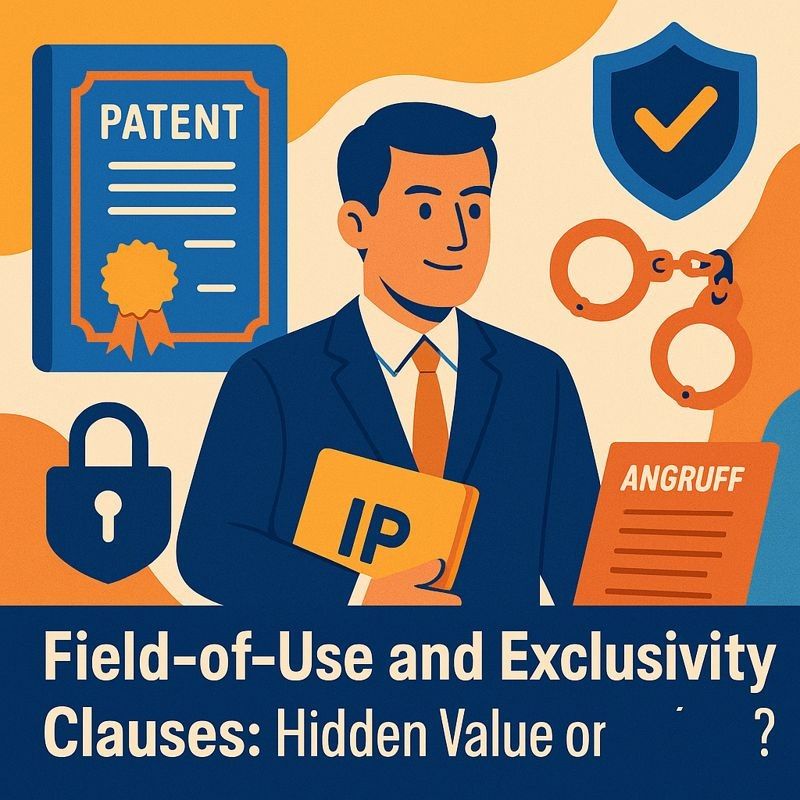
Field-of-Use and Exclusivity Clauses: Hidden Value or Handcuffs?
Sometimes the smartest deals in tech don’t happen in a boardroom… they happen in the fine print. And two tiny pieces of that fine print—field-of-use clauses and exclusivity clauses—can shape the entire future of your invention. They can open doors to new markets, or quietly shut them. They can help you move faster, or slow…
-
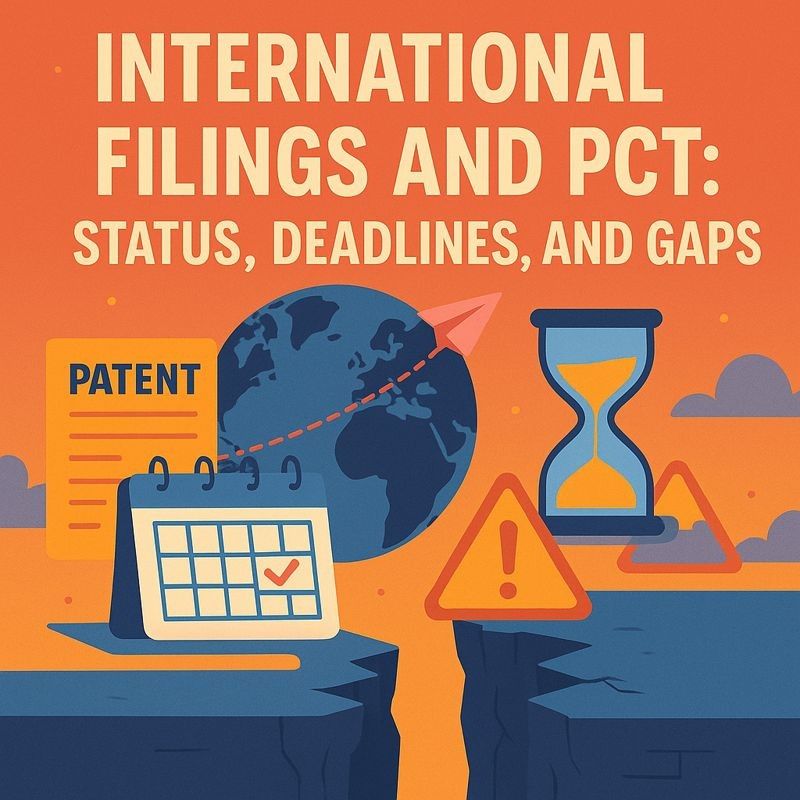
International Filings and PCT: Status, Deadlines, and Gaps
Most founders don’t think about patents across borders until it’s almost too late. One day you’re building fast, pushing code, running tests. The next day you realize someone in another country could copy your tech, spin it up, and block you out of a market you planned to enter. That’s usually the moment when international…
-

Maintenance Fees and Annuities: No Lapses, No Surprises
Keeping a patent alive should be simple. You built something real. You proved it was new. You went through the long wait to get that approval letter. But after all that work, one small missed payment can make the whole thing fall apart. That’s why maintenance fees and annuities matter so much. They are the…
-
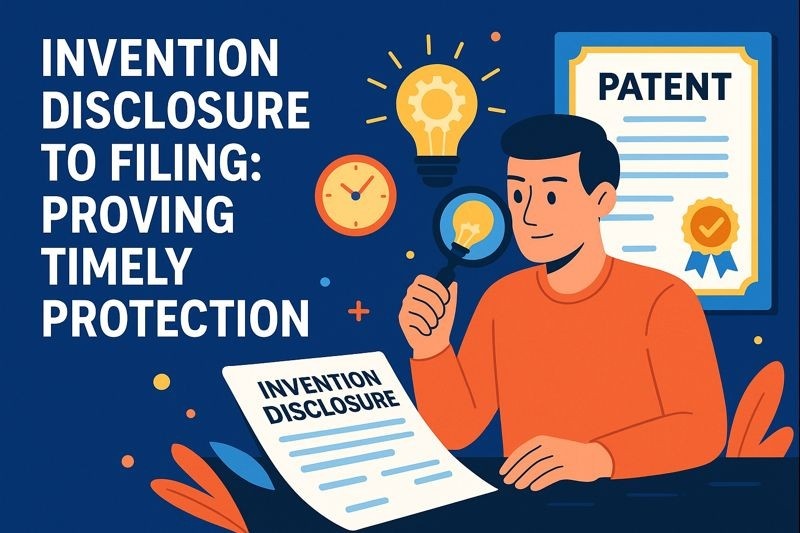
Invention Disclosure to Filing: Proving Timely Protection
Turning an idea into real protection shouldn’t feel scary or slow. But for most founders and engineers, the moment they create something new, the clock starts ticking. You know your invention matters. You know it could shape your product, your market, or even your whole company. But proving when you invented something—and getting it filed…
-
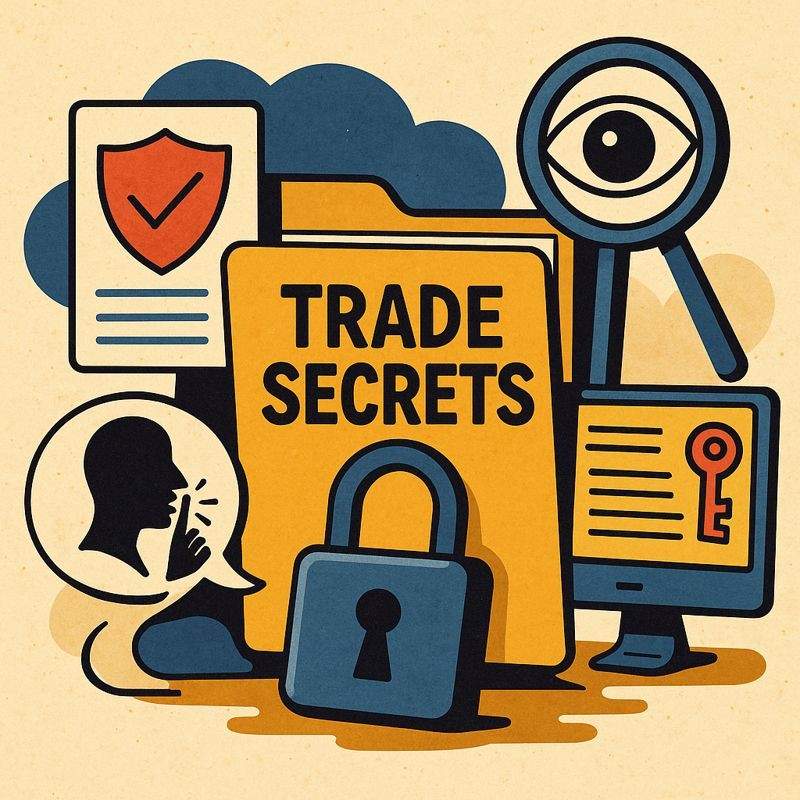
Trade Secrets: Policies, Access Controls, and Evidence of Secrecy
Every founder carries a quiet fear that someone else might use their hard-won ideas before they can. Trade secrets exist to stop that from happening. They protect everything inside your company that gives you an edge—your data, your code, your models, your formulas, your internal methods, your customer insights, even the weird tricks you’ve learned…