Author: Aindrila Mitra
-
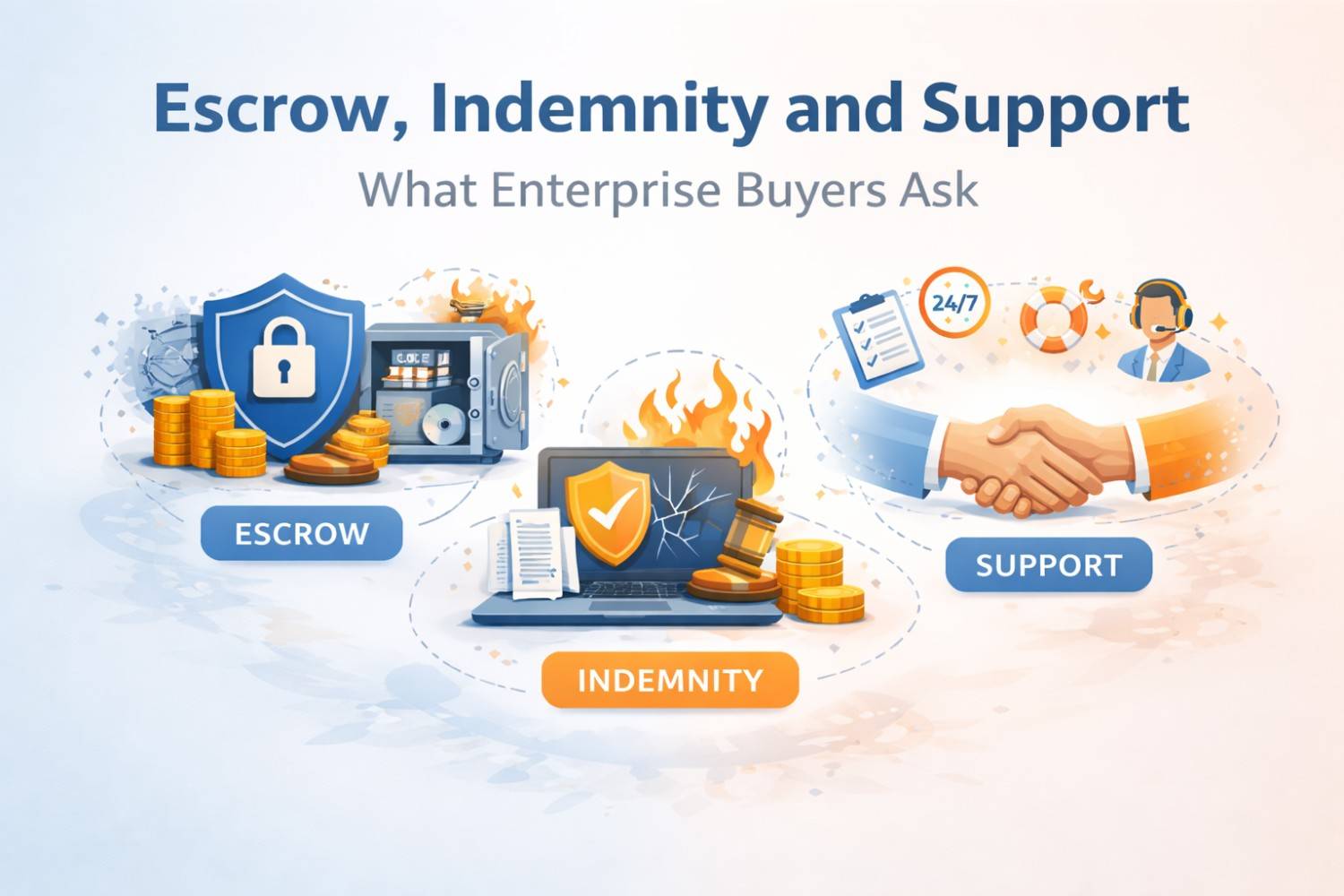
Escrow, Indemnity, and Support: What Enterprise Buyers Ask
Enterprise buyers do not buy ideas. They buy certainty. When a large company looks at your product, your code, or your startup, they are not thinking about how clever it is. They are thinking about what could go wrong after they sign. They worry about risk, cleanup, lawsuits, broken promises, and surprise costs. That is…
-
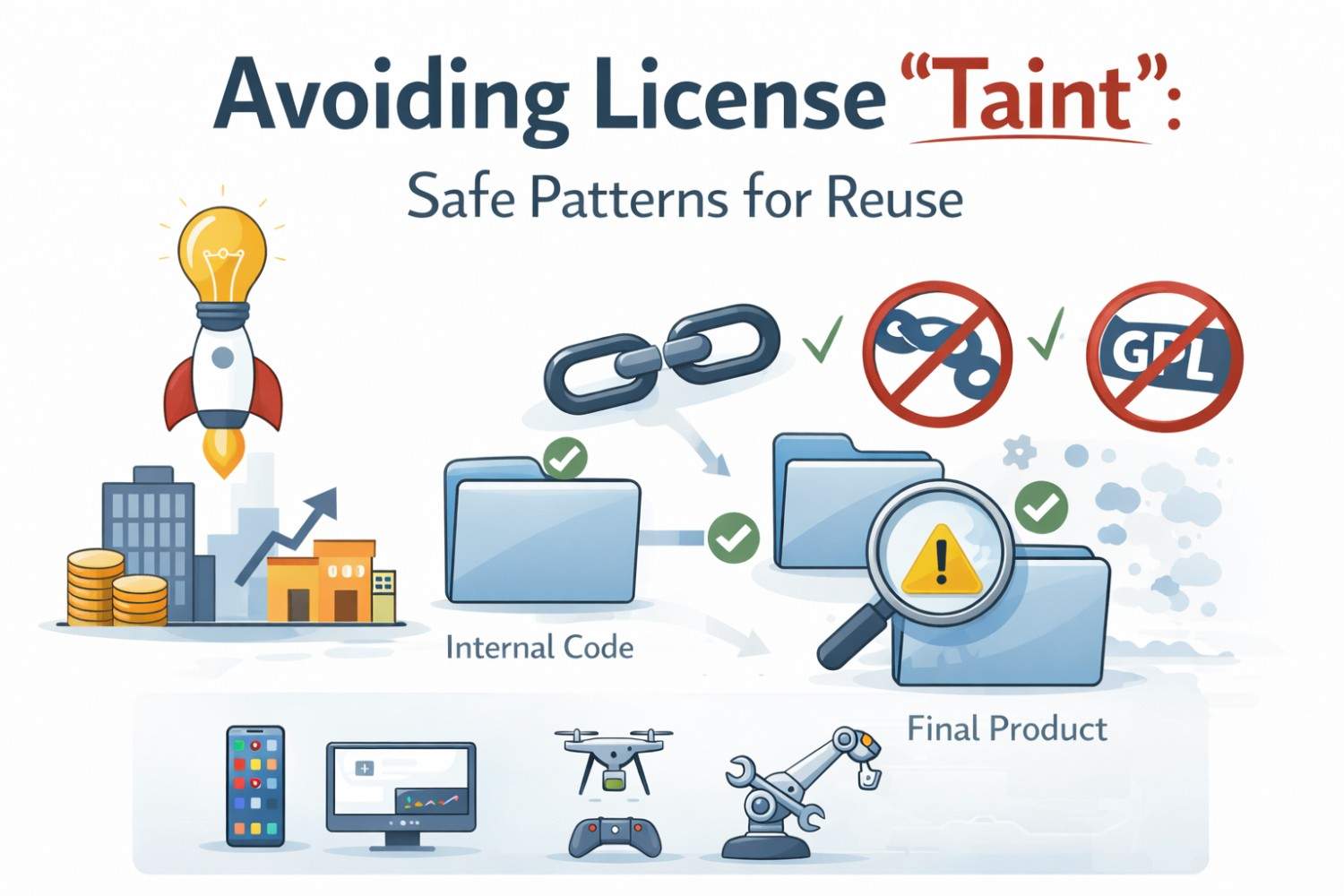
Avoiding License “Taint”: Safe Patterns for Reuse
You move fast because you have to. You reuse code because that is how real products get built. But one wrong reuse choice can quietly infect your product and later blow up a deal, a fundraise, or an acquisition. This article is about how to reuse safely, stay clean, and protect what you are building…
-
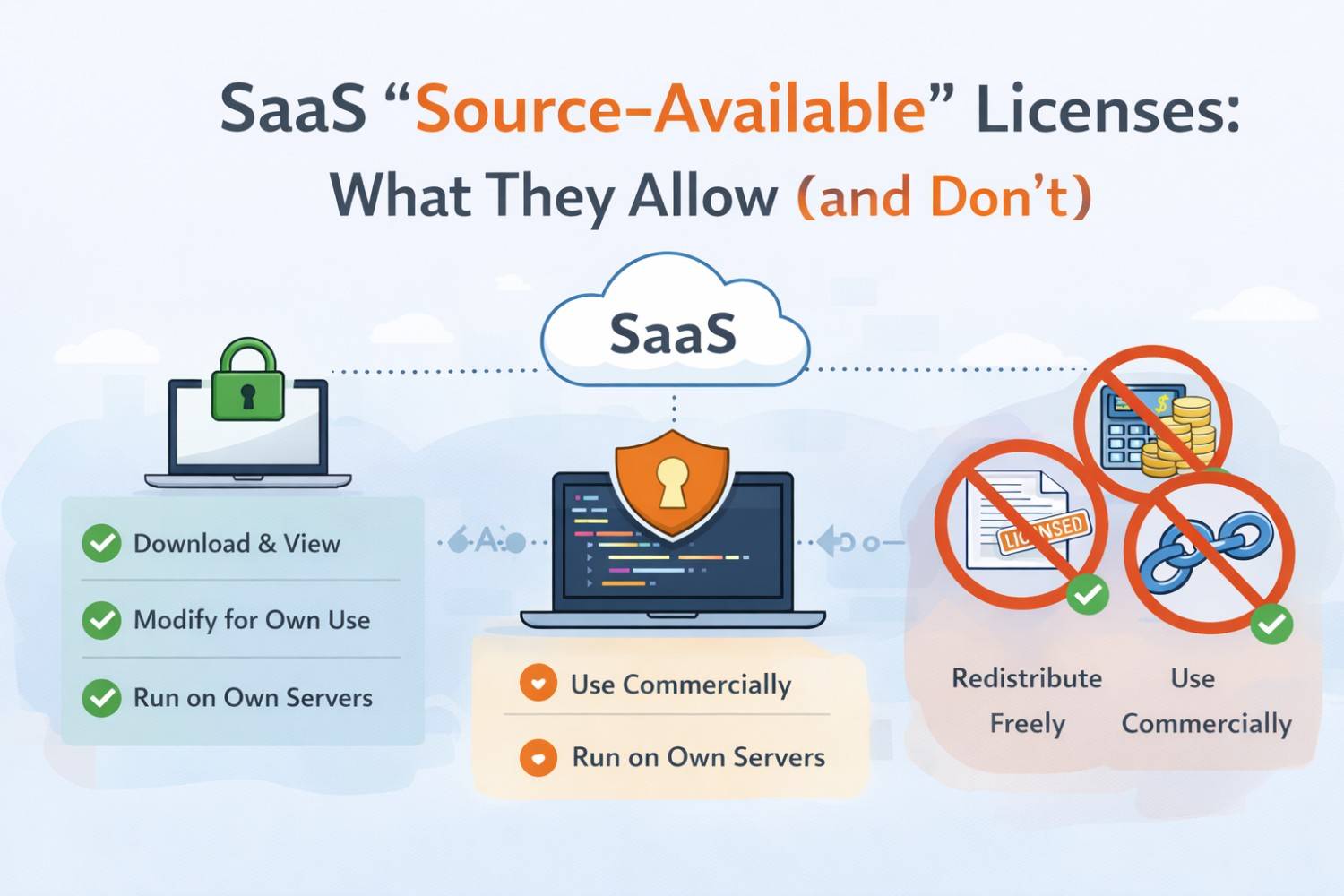
SaaS “Source-Available” Licenses: What They Allow (and Don’t)
Most founders think software licenses fall into two buckets. Open source, where anyone can use the code. Or closed source, where no one can touch it. That view is no longer true. Over the last few years, a third option has quietly taken over modern SaaS: source-available licenses. These licenses look friendly on the surface.…
-
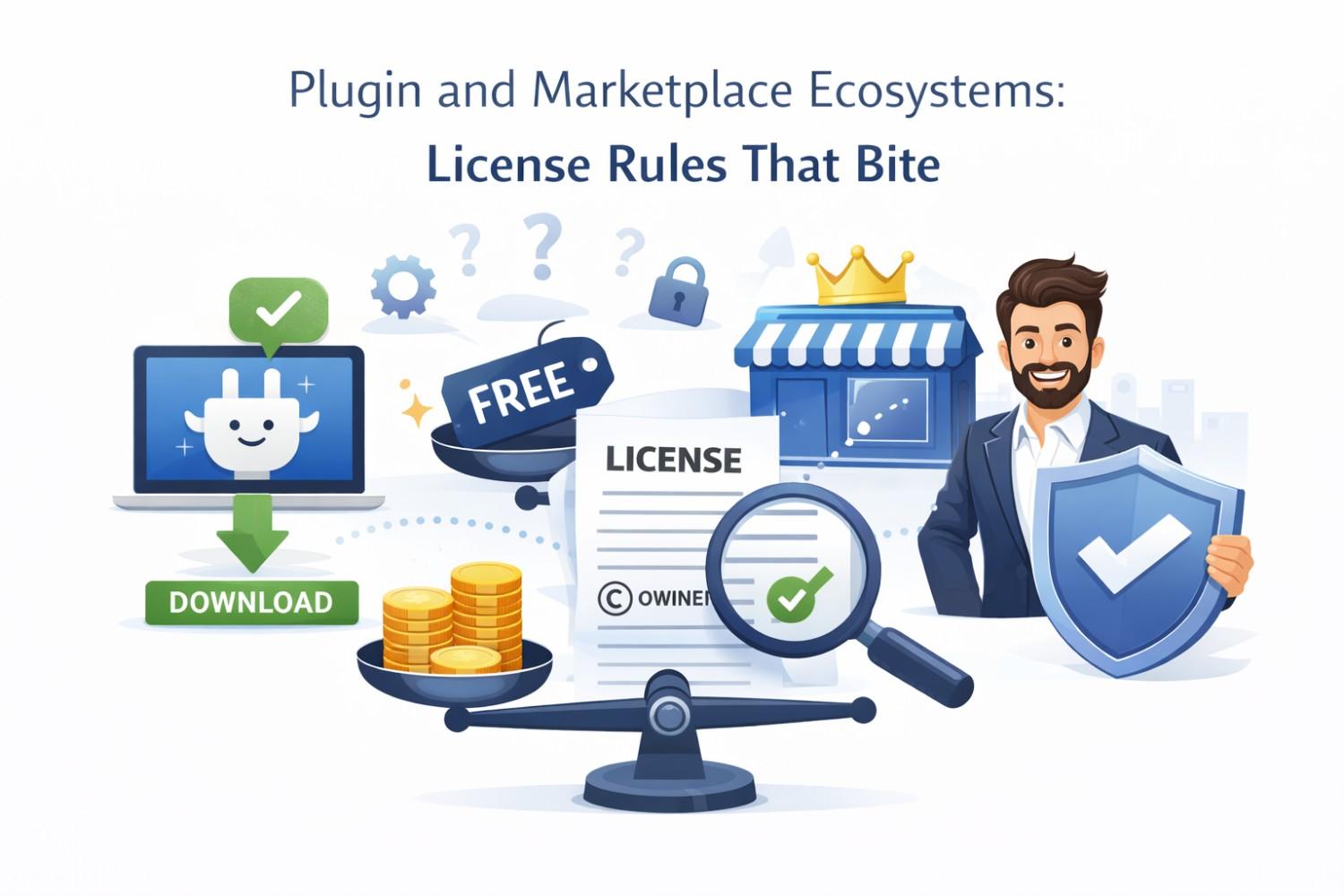
Plugin and Marketplace Ecosystems: License Rules That Bite
Most founders love plugins and marketplaces because they feel like free speed. You add a plugin, flip a switch, and your product grows faster. But hidden inside those plugins are license rules that can quietly take control of what you build. These rules do not knock on the door. They sit there, waiting, until you…
-
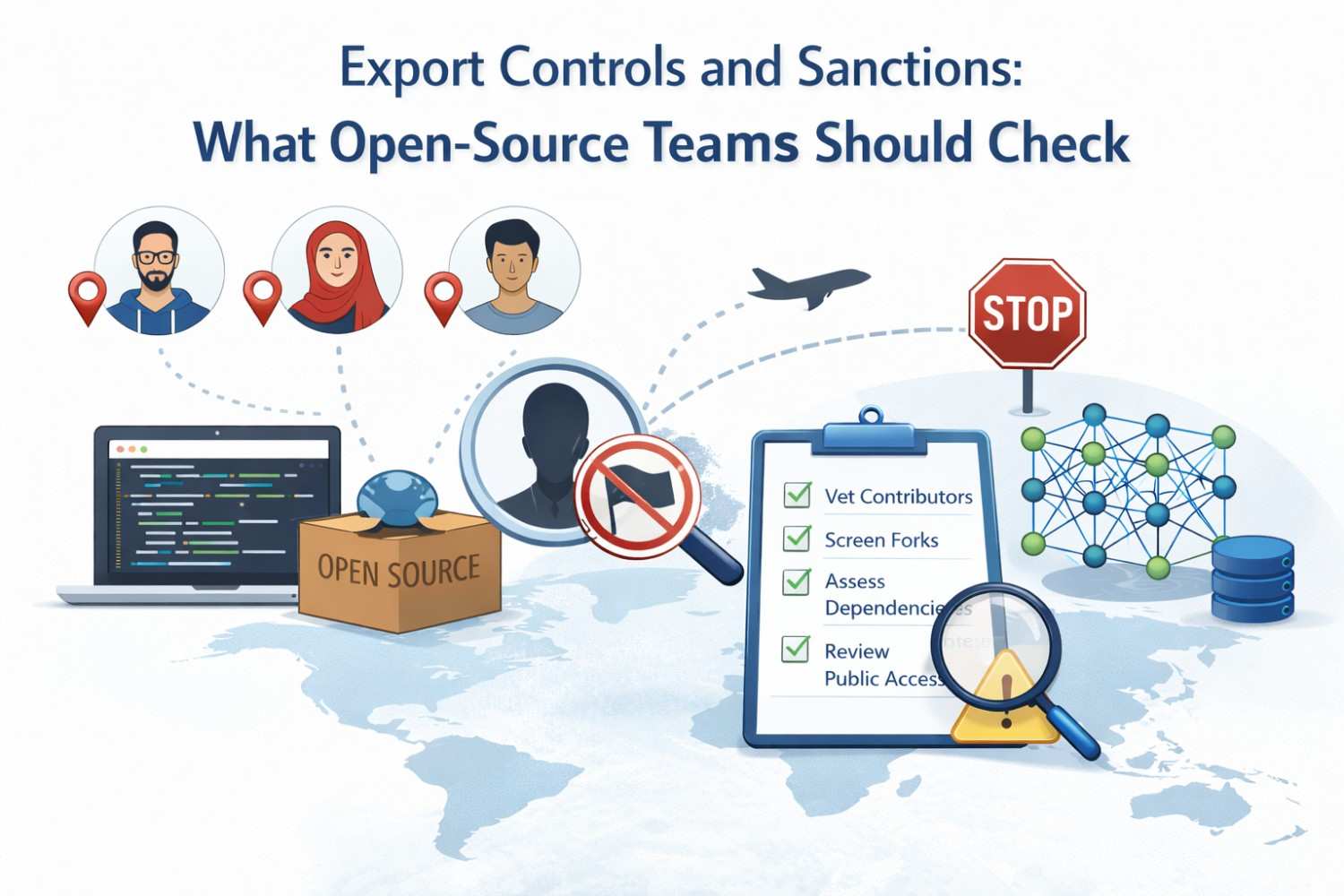
Export Controls and Sanctions: What Open-Source Teams Should Check
Open source feels free. Code moves fast. Teams ship from everywhere. That freedom is why open source wins. But there is a quiet risk many teams miss until it hurts. Governments care deeply about who gets certain tech, who can use it, and where it flows. Even if your code is public. Even if you…
-
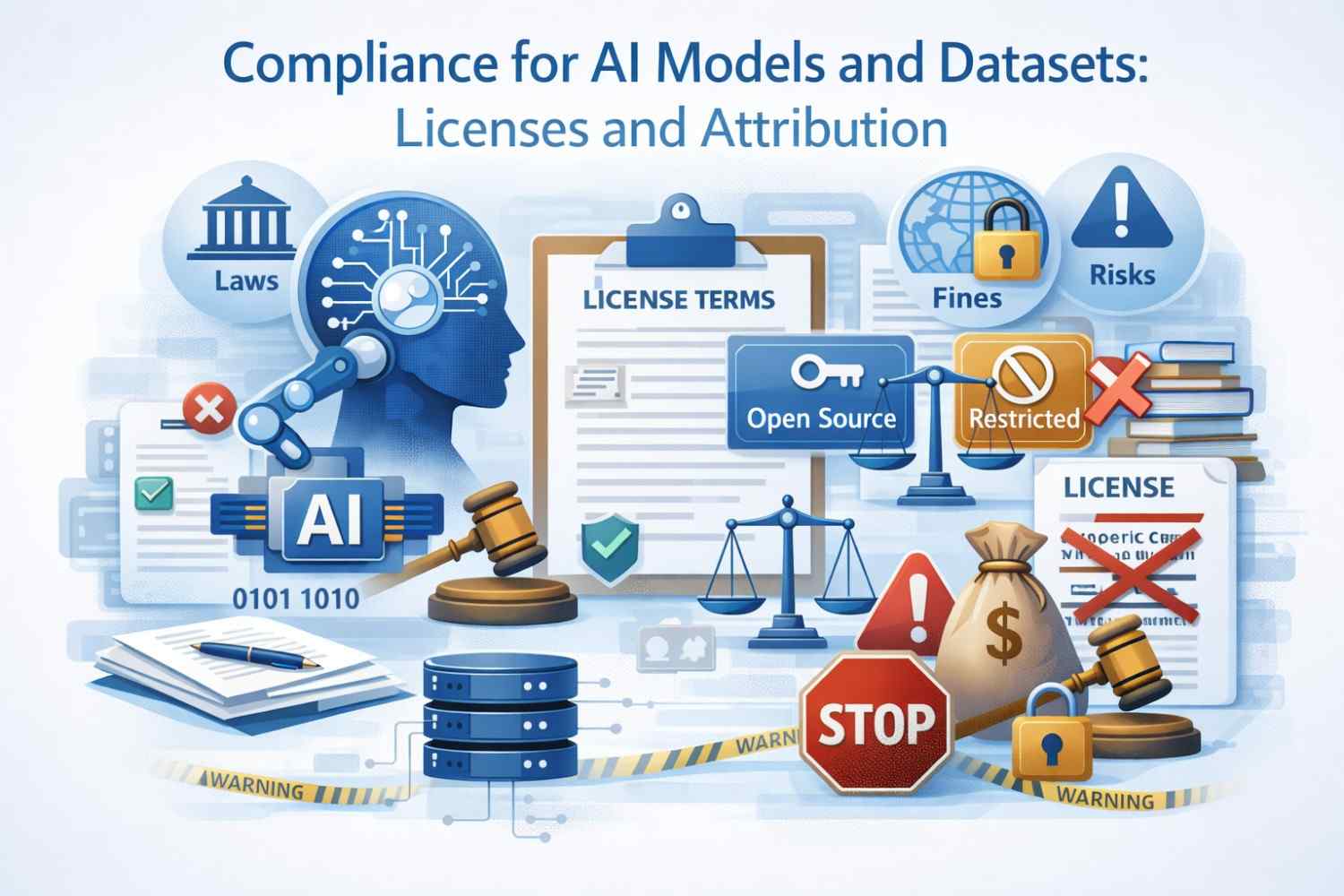
Compliance for AI Models and Datasets: Licenses and Attribution
AI is moving fast. Faster than most founders expect. You can train a model in weeks, ship in months, and get users even faster. But there is one quiet risk that can undo all of that progress if you ignore it. That risk is compliance around the data and models you use. This is not…
-
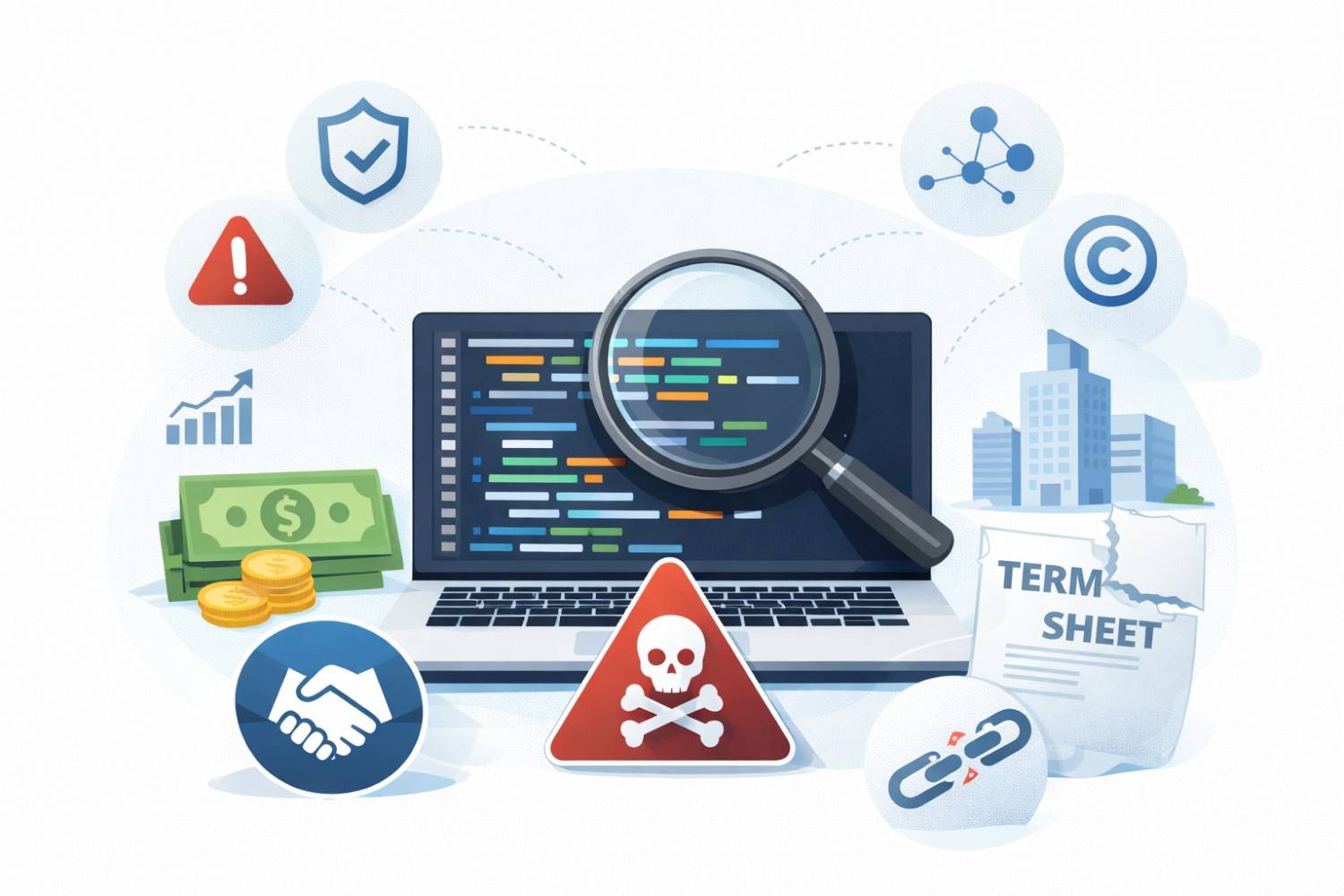
Auditing Your Codebase Before Fundraising or M&A
If you are raising money or thinking about a sale, your code will be opened, touched, and questioned. Not in a casual way. In a very serious way. Investors and buyers will dig into it because your code is the product. If it breaks, leaks, or belongs to someone else, deals slow down or die.…
-
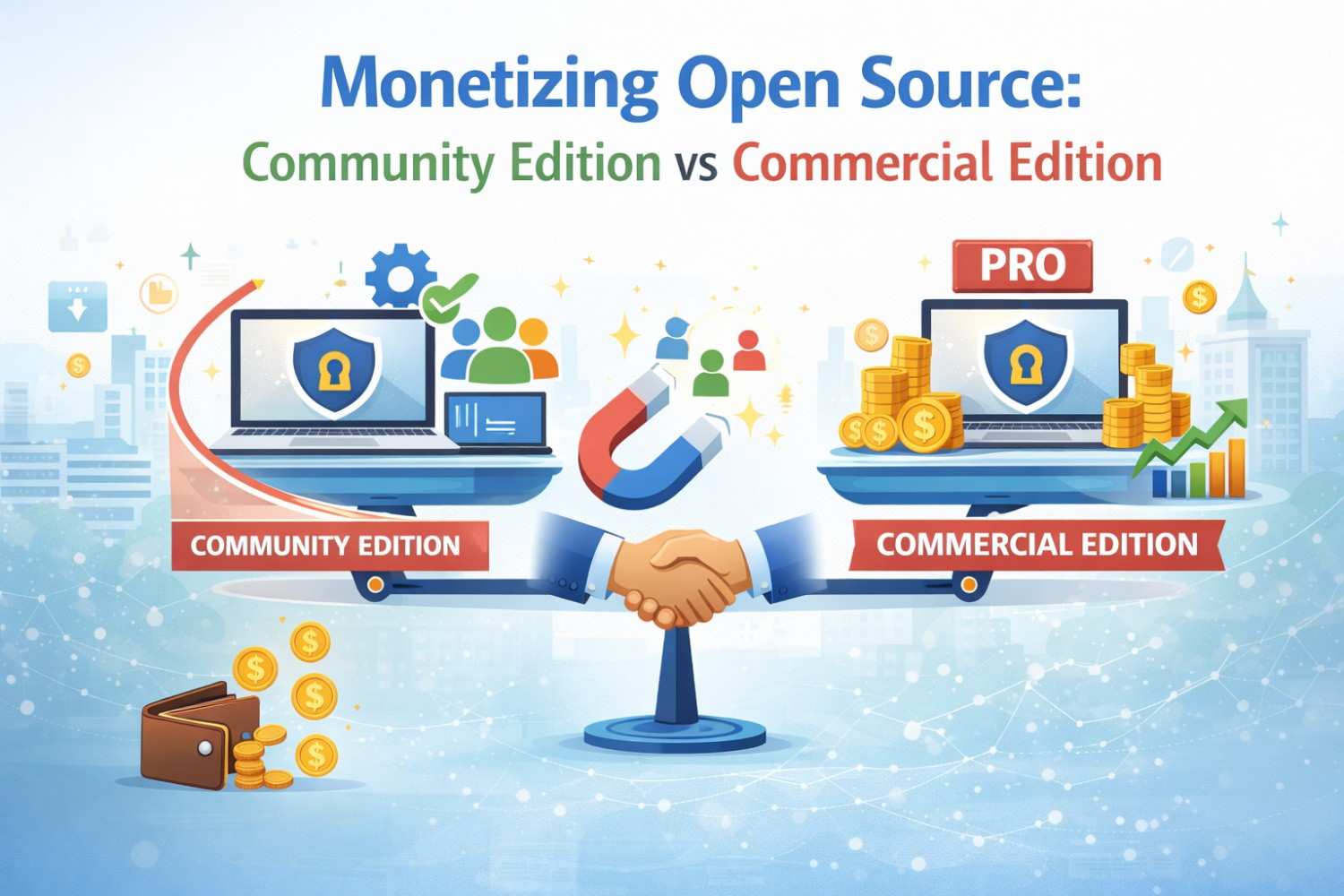
Monetizing Open Source: Community Edition vs Commercial Edition
Open source is no longer just about sharing code. It is about building trust, growing a real community, and turning that trust into a strong business. Many founders start with open source because it feels right and because it helps adoption grow fast. Then a hard question shows up. How do you make money without…
-
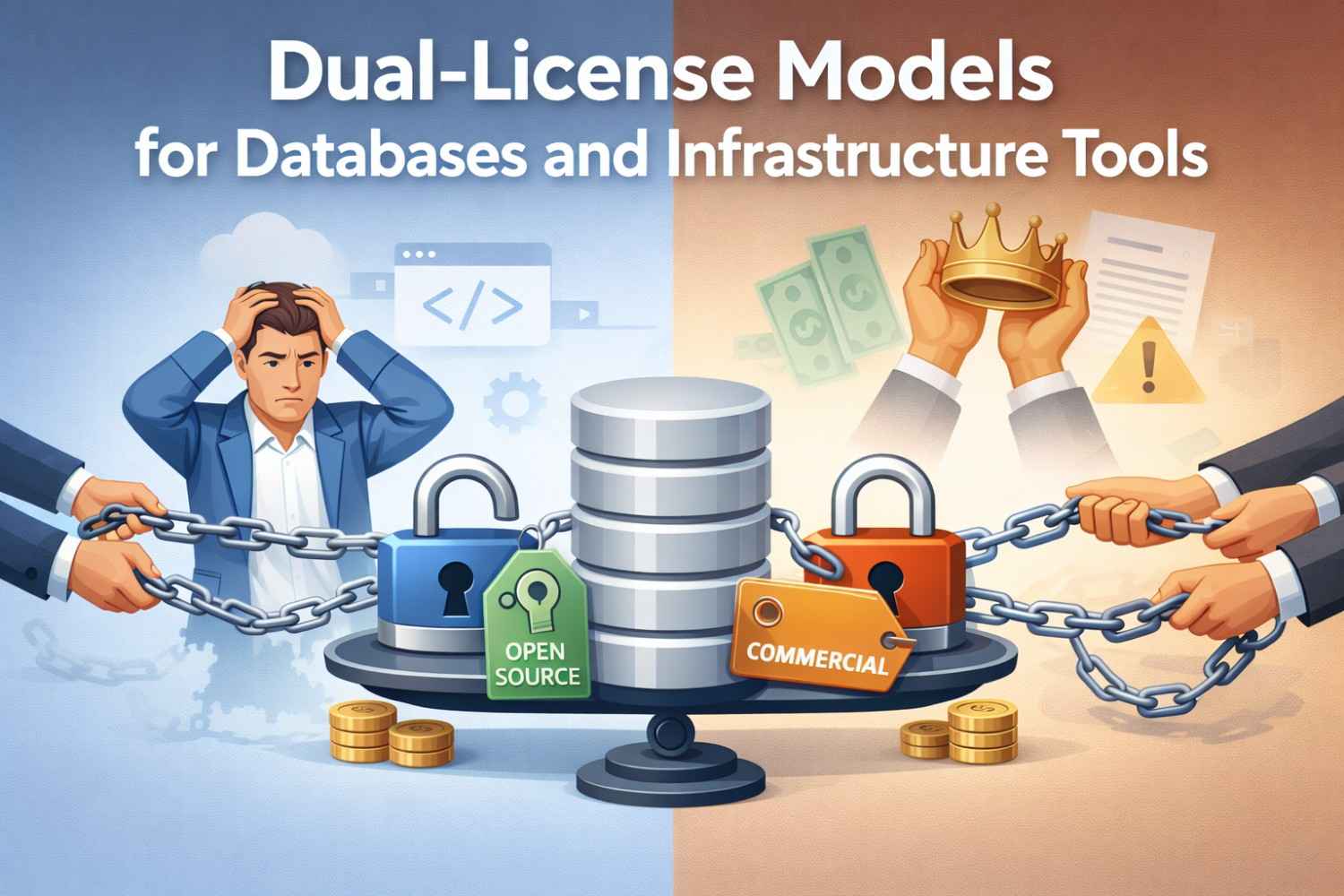
Dual-License Models for Databases and Infrastructure Tools
If you are building a database, a core backend tool, or deep infrastructure software, the license you choose can quietly decide your future. It can shape who uses your product, who pays you, who copies you, and how hard it is to protect what you built. Most founders realize this too late. This article exists…
-
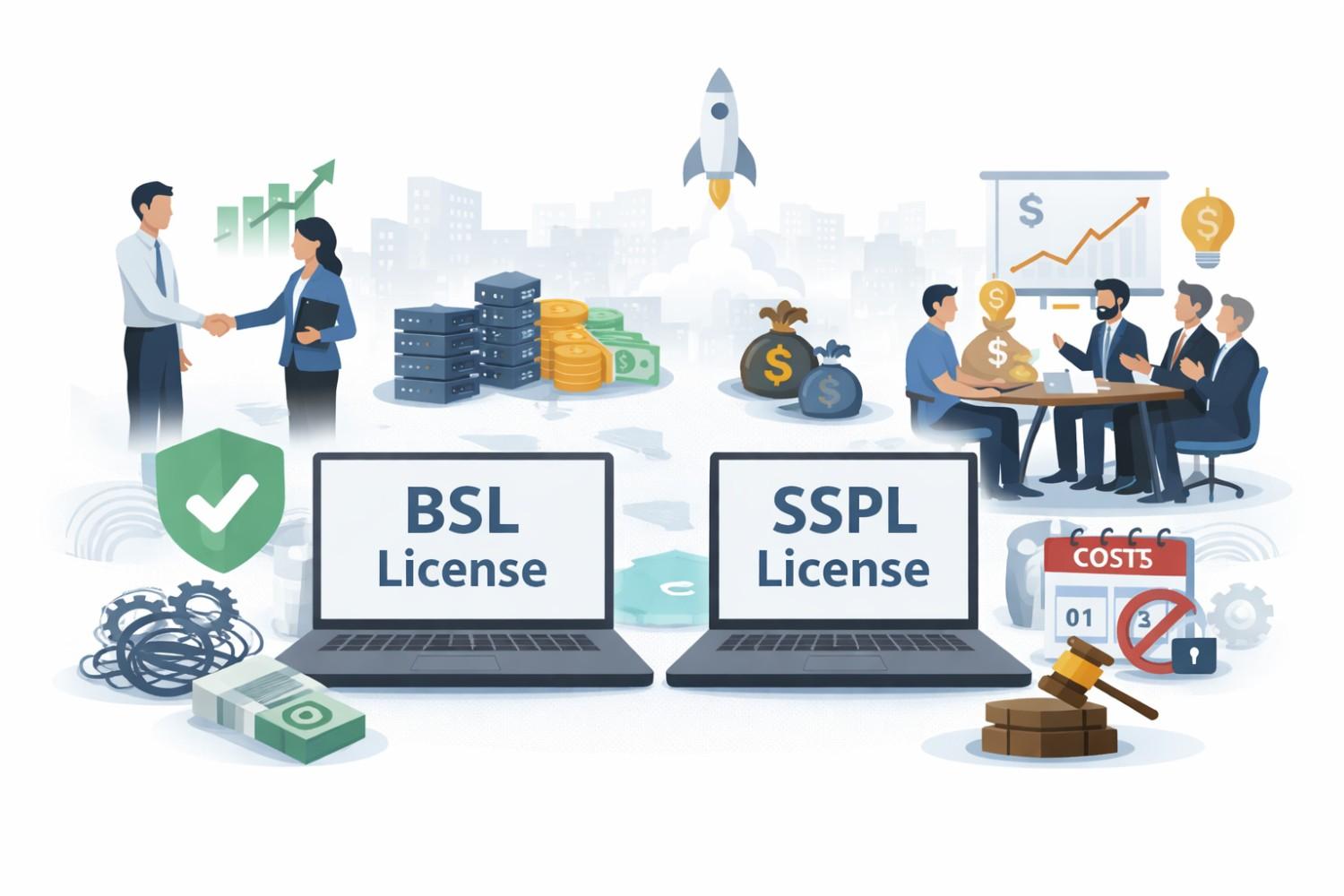
Business Source License (BSL) and SSPL: Pros, Cons, and Gotchas
If you are building software today, the license you choose can help you win—or quietly set you up to lose. Business Source License (BSL) and Server Side Public License (SSPL) were created to solve a real problem: big cloud companies taking open source work, selling it, and giving nothing back. On paper, both licenses sound…