Author: Aindrila Mitra
-

Invention Disclosure Workflow Automation: What to Automate First
Most invention ideas die in someone’s inbox. An engineer builds something new. A founder ships a feature that took months of late nights. A research lead solves a hard problem. Then someone says, “We should file a patent.” A form gets sent around. People forget to fill it out. Details get lost. Weeks pass. The…
-
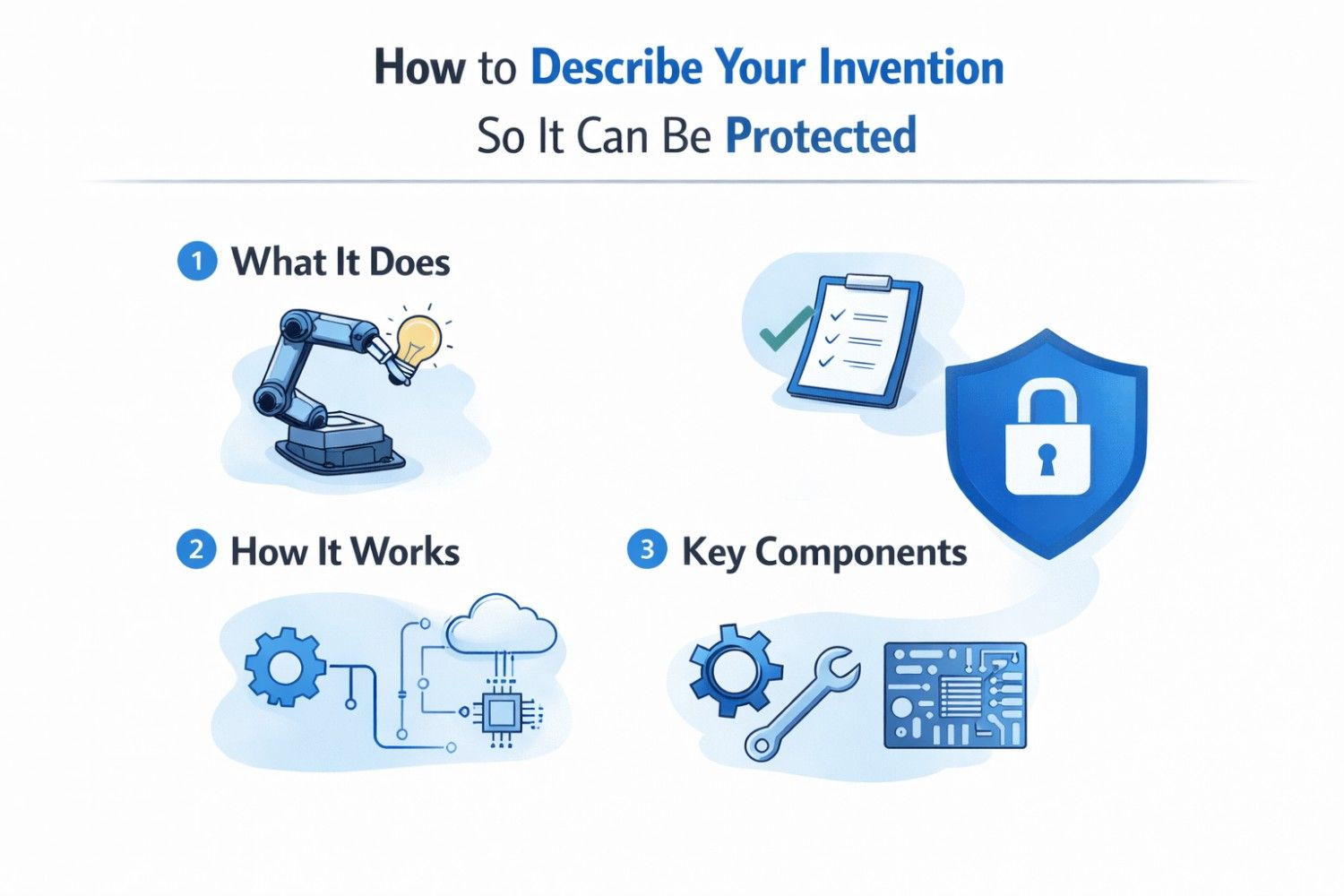
How to Turn Inventor Notes into a Patent-Ready Disclosure
Great ideas die in notebooks every day. You have pages of sketches. Random notes in Notion. Voice memos. Comments in your code. Diagrams on a whiteboard that already got erased. That messy pile is not a patent yet. But inside it, there might be something very valuable. The problem is not that you don’t have…
-
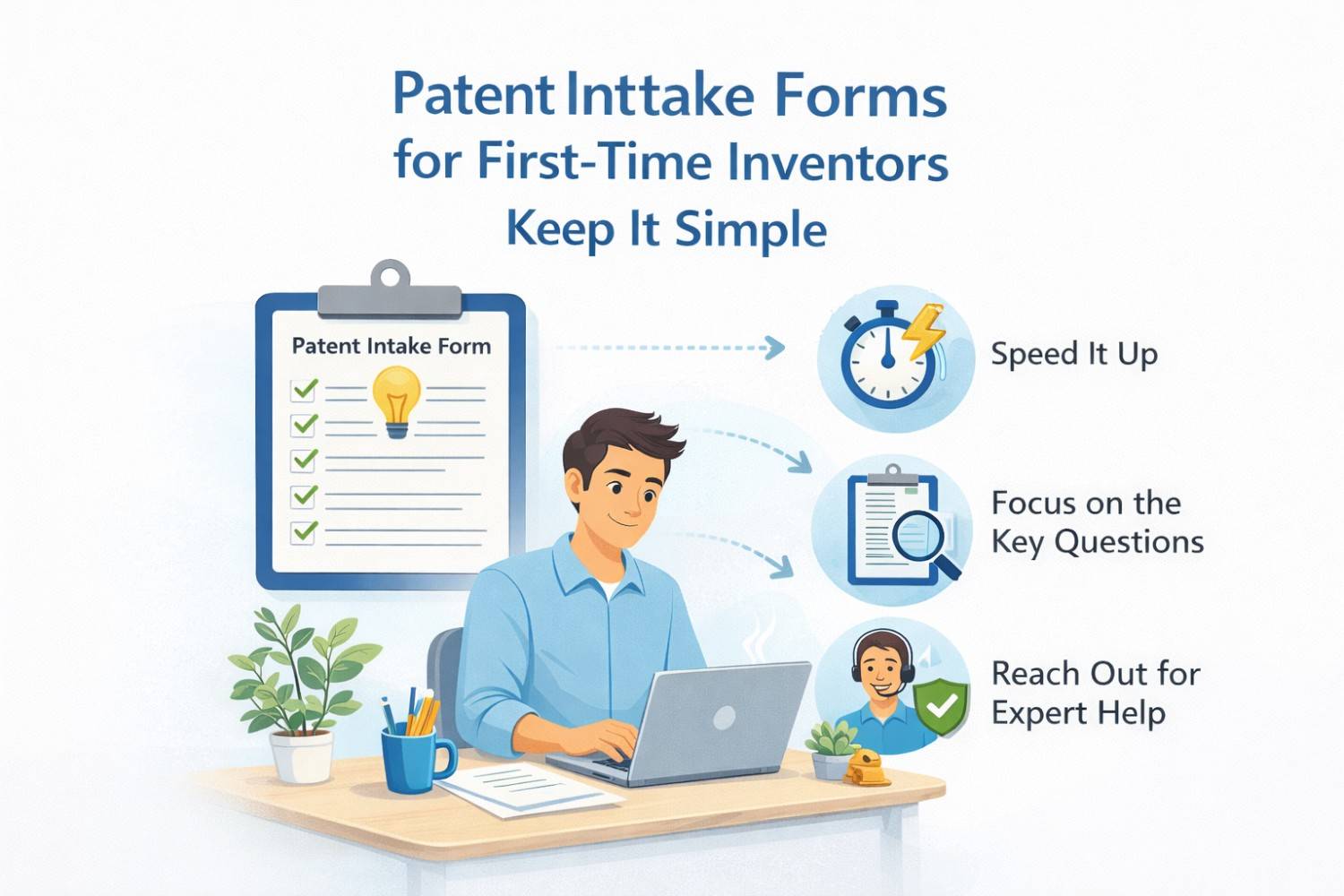
Patent Intake Forms for First-Time Inventors: Keep It Simple
Most first-time inventors do not fail because their idea is weak. They fail because they cannot clearly explain what they built. A patent intake form is not just paperwork. It is the moment you turn your invention into something real and protectable. If you keep it simple, you move faster. If you make it messy,…
-

How to Train Engineers to Fill Invention Disclosure Forms Properly
If your engineers don’t know how to write a strong invention disclosure, you are leaving money on the table.That is the truth. Most engineers are brilliant at building things. They can design systems, write complex code, and solve hard problems. But when you hand them an invention disclosure form, everything slows down. They either rush…
-

Invention Intake for Hardware, Software, and Biotech: What Changes
When you build something new, the first step in protecting it is simple: capture it the right way. That first capture is called invention intake. It is where you turn raw ideas, code, designs, lab results, and sketches into a clear story that can become a strong patent. But here is the truth most founders…
-
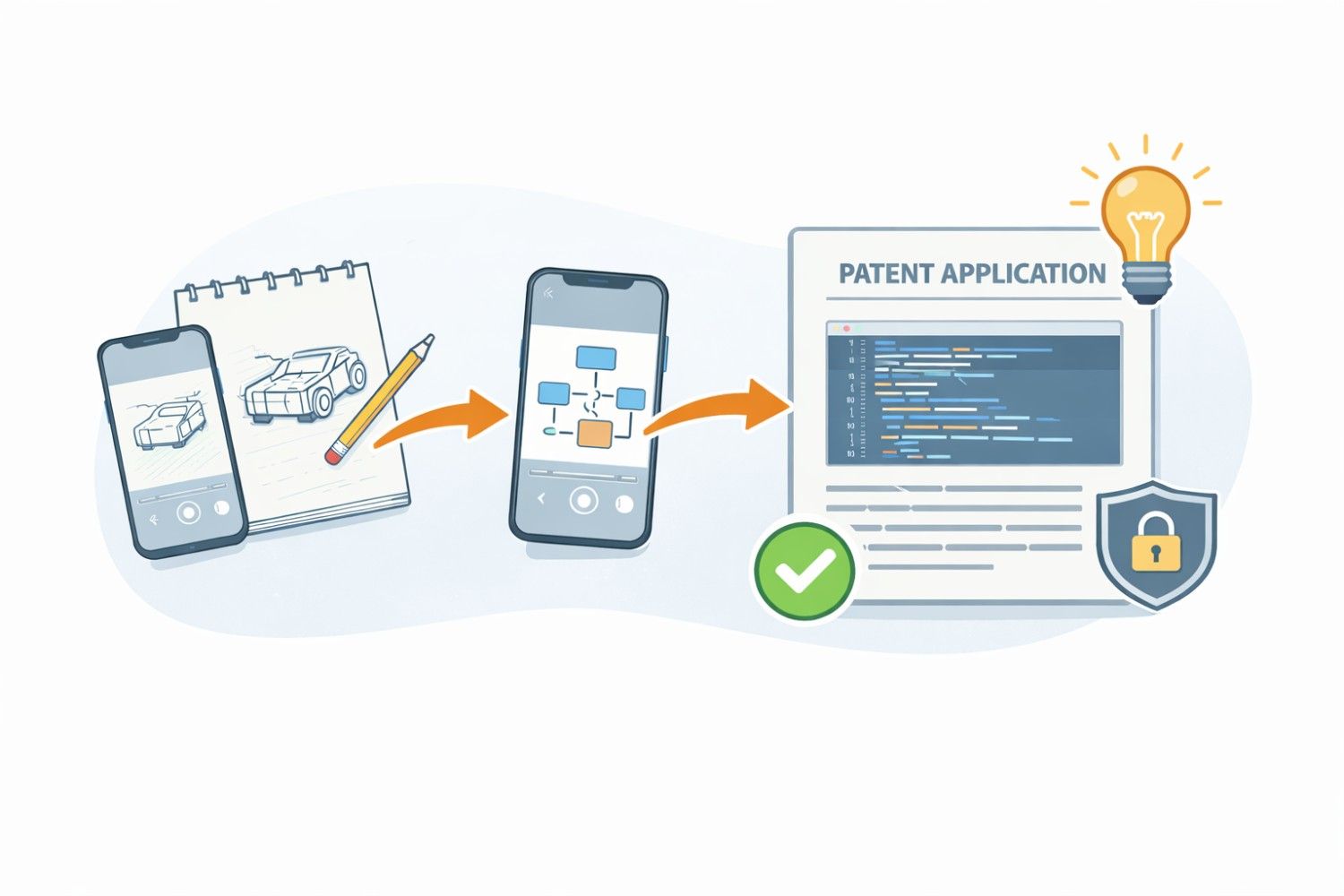
How to Capture Drawings, Diagrams, and Screenshots in Intake Forms
When you are building something new, your drawings, diagrams, and screenshots are not just nice visuals. They are proof. They show how your idea works. They show what makes it different. And when it comes to patents, those images can be the difference between strong protection and weak protection. If you do not capture them…
-
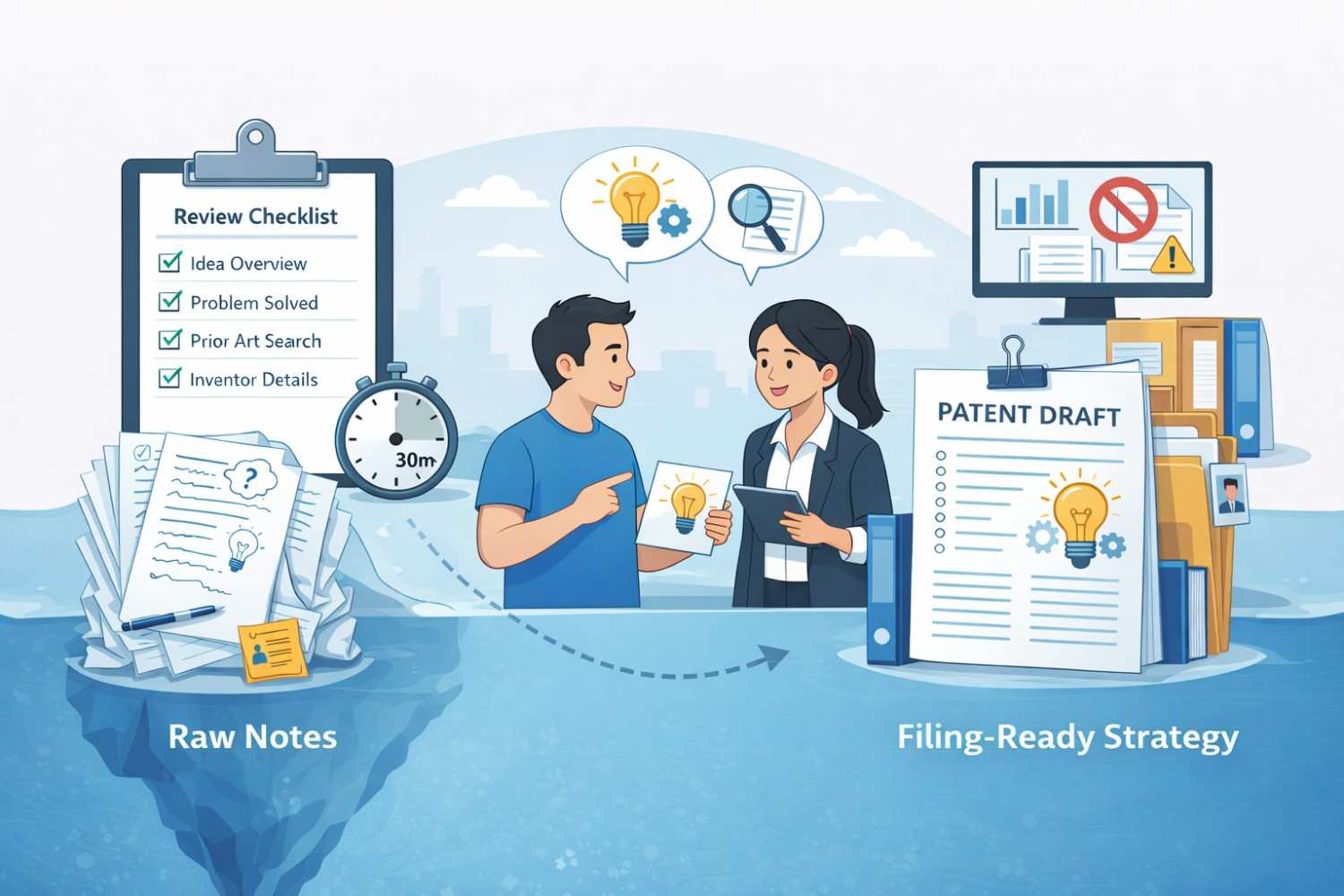
Inventor Intake Checklists: What IP Teams Should Review First
Big mistakes in patents do not happen at the end. They happen at the beginning. The first call. The first form. The first set of notes from the inventor. If your intake process is weak, everything that follows will be weak. You will draft around missing facts. You will file with gaps. You will fix…
-
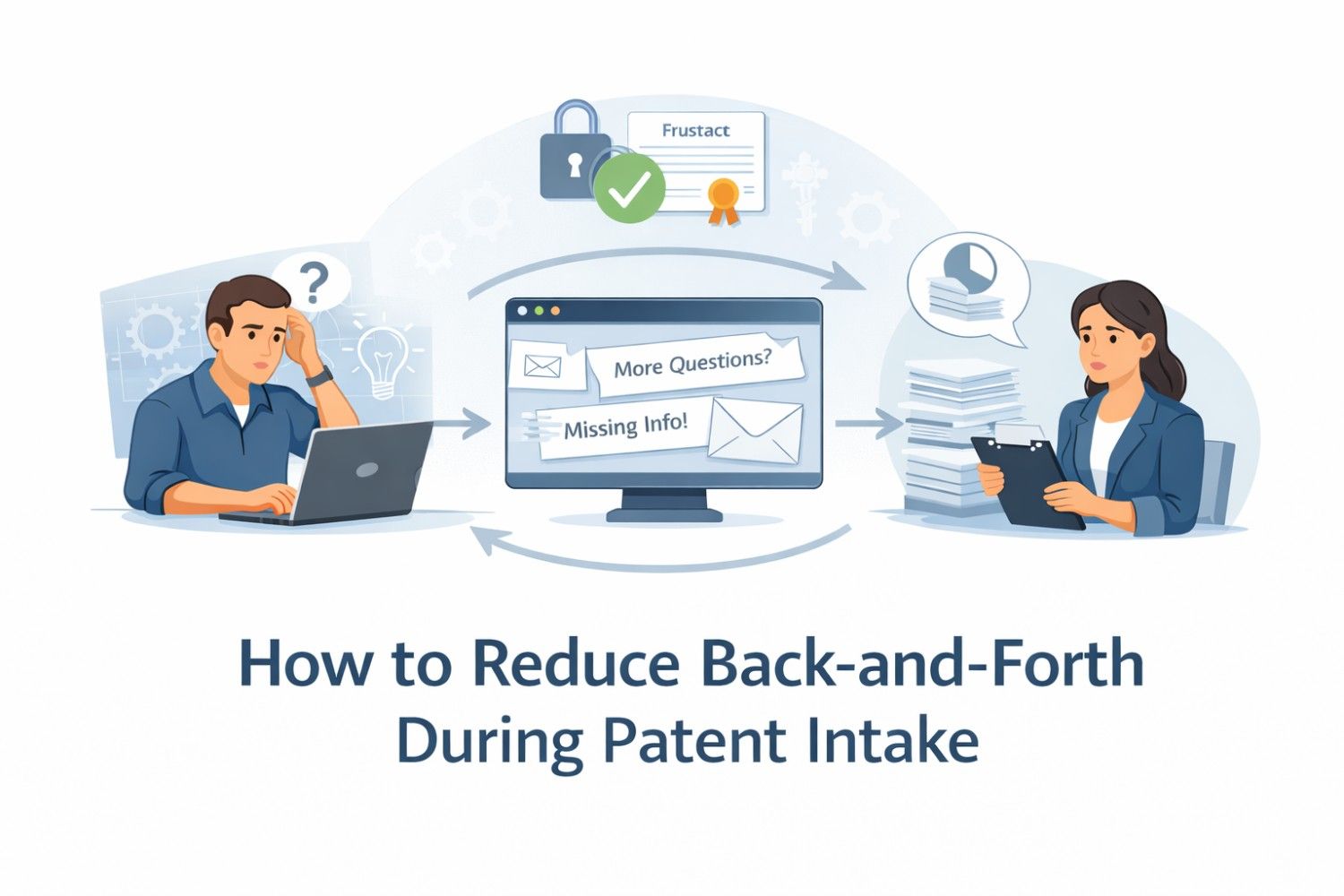
How to Reduce Back-and-Forth During Patent Intake
If you have ever tried to file a patent, you know the real pain is not the idea. It is the endless back-and-forth. Long email threads. Follow-up questions. “Can you clarify this?” “Can you send more details?” “What exactly does this part do?” Weeks go by. Your product moves forward. The patent lags behind. This…
-
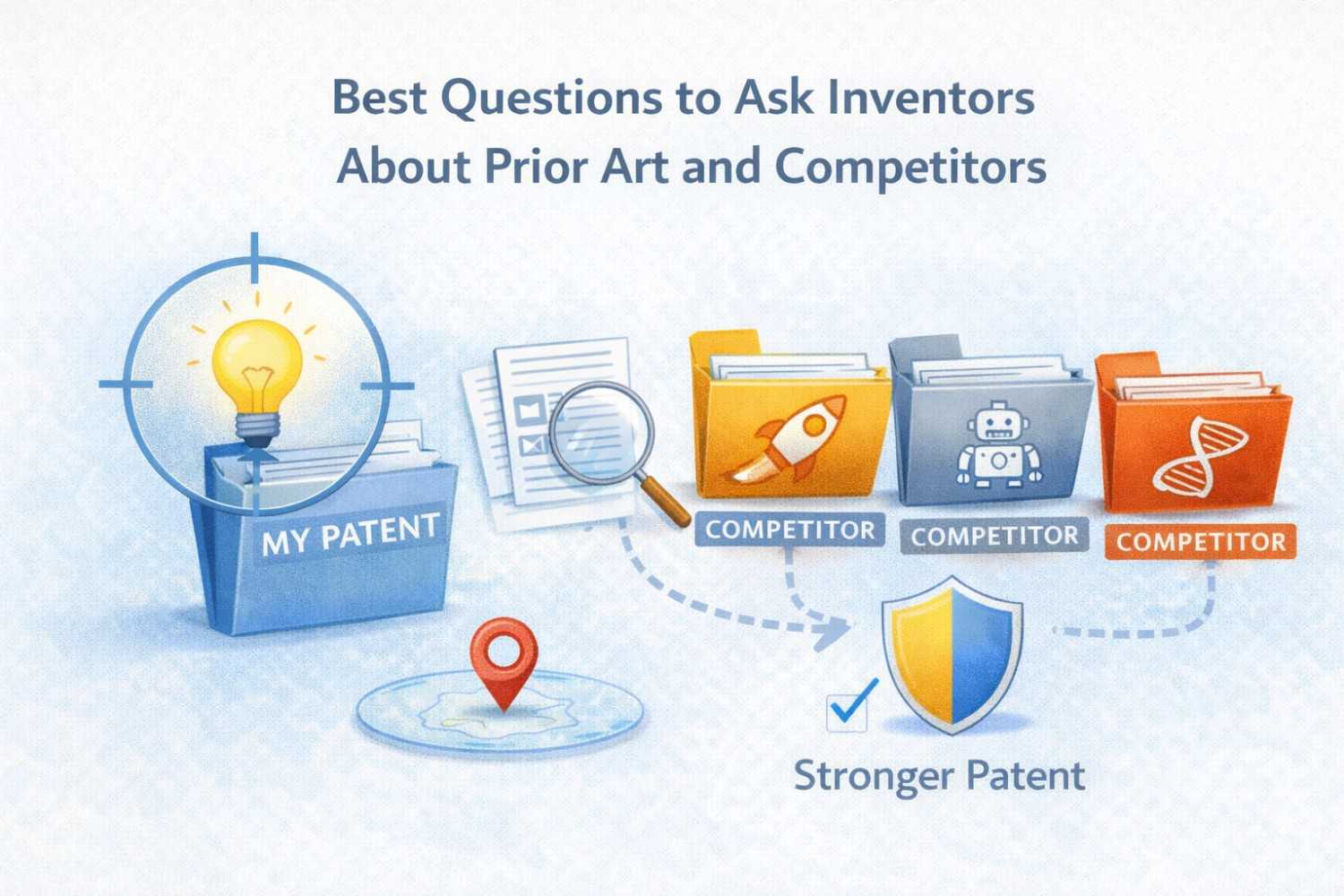
Best Questions to Ask Inventors About Prior Art and Competitors
If you are building something new, you are not alone. Somewhere in the world, someone is working on something similar. That is not bad news. It is normal. The real risk is not competition. The real risk is not knowing what is already out there. If you want a strong patent that actually protects your…
-

How to Prioritize Invention Submissions with a Scoring System
You built something real. Maybe it’s code. Maybe it’s a model. Maybe it’s a hardware system you’ve been testing at 2 a.m. But now you have a new problem: ideas are coming in faster than you can protect them. Engineers keep shipping. Features keep stacking. Improvements keep showing up in Slack threads and Notion docs.…