Category: AI Patent Workflows
-
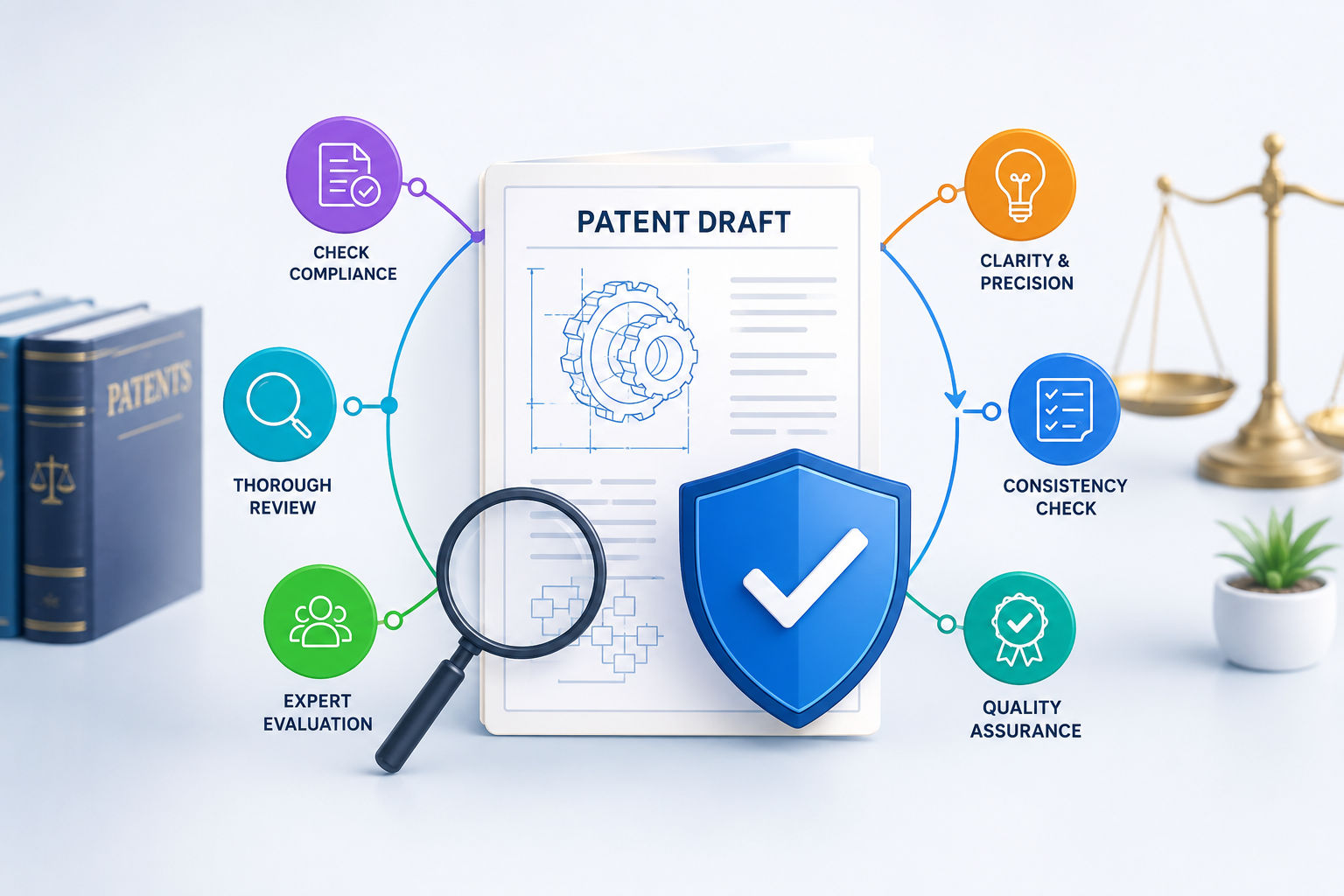
Patent Draft Quality Control for Law Firms: Best Practices
A patent draft is not just a document. It is the legal shield around a client’s idea. For a law firm, draft quality is where trust is won or lost. One weak claim, one missed detail, or one unclear line can turn a strong invention into a soft target. Quality control should begin before the…
-
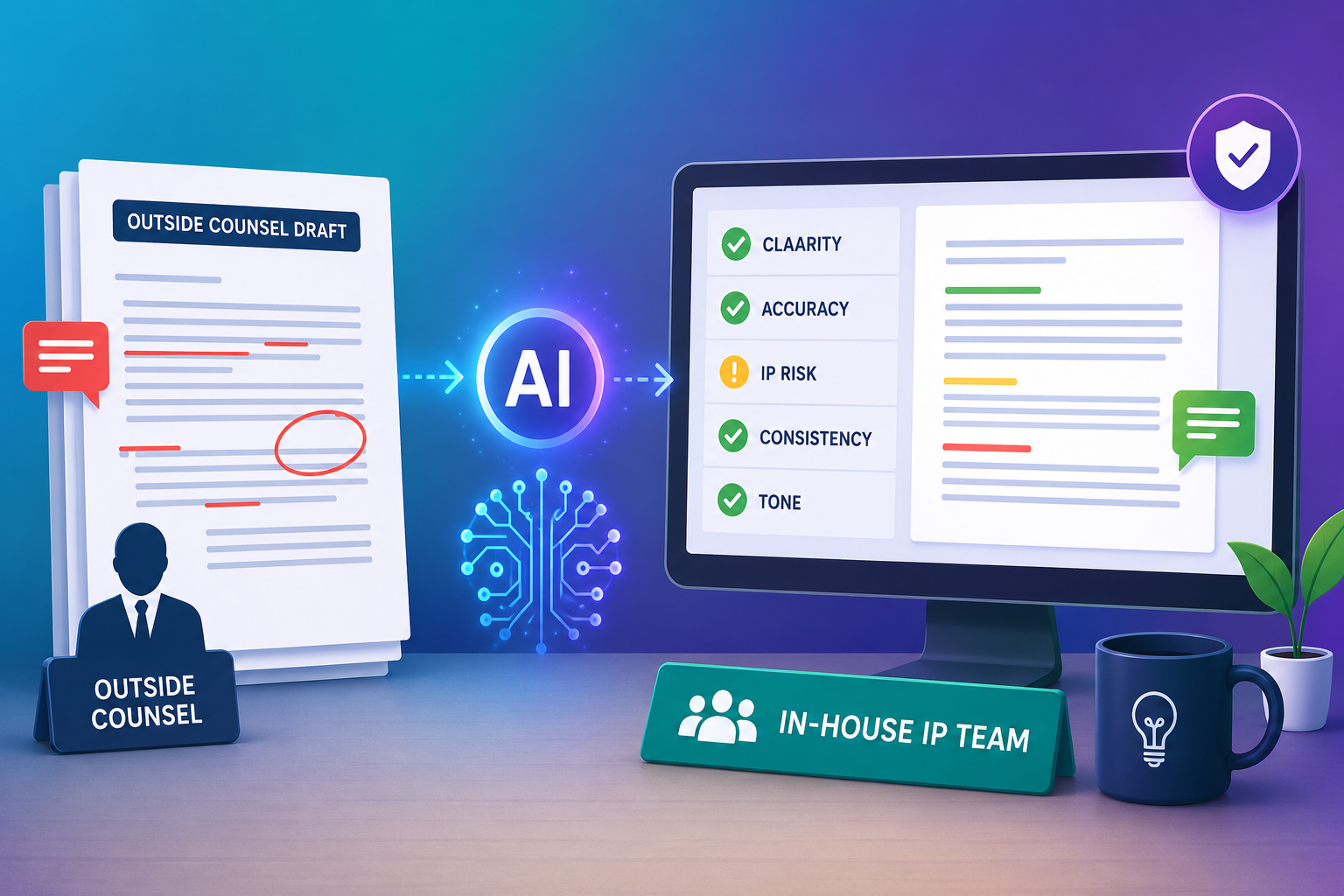
How In-House IP Teams Use AI to Review Outside Counsel Drafts
A patent draft from outside counsel can look “done” at first glance. The words are polished. The format looks right. The claims sound careful. But for an in-house IP team, the real question is not whether the draft looks professional. The real question is whether it protects the business. In-house IP teams use AI to…
-
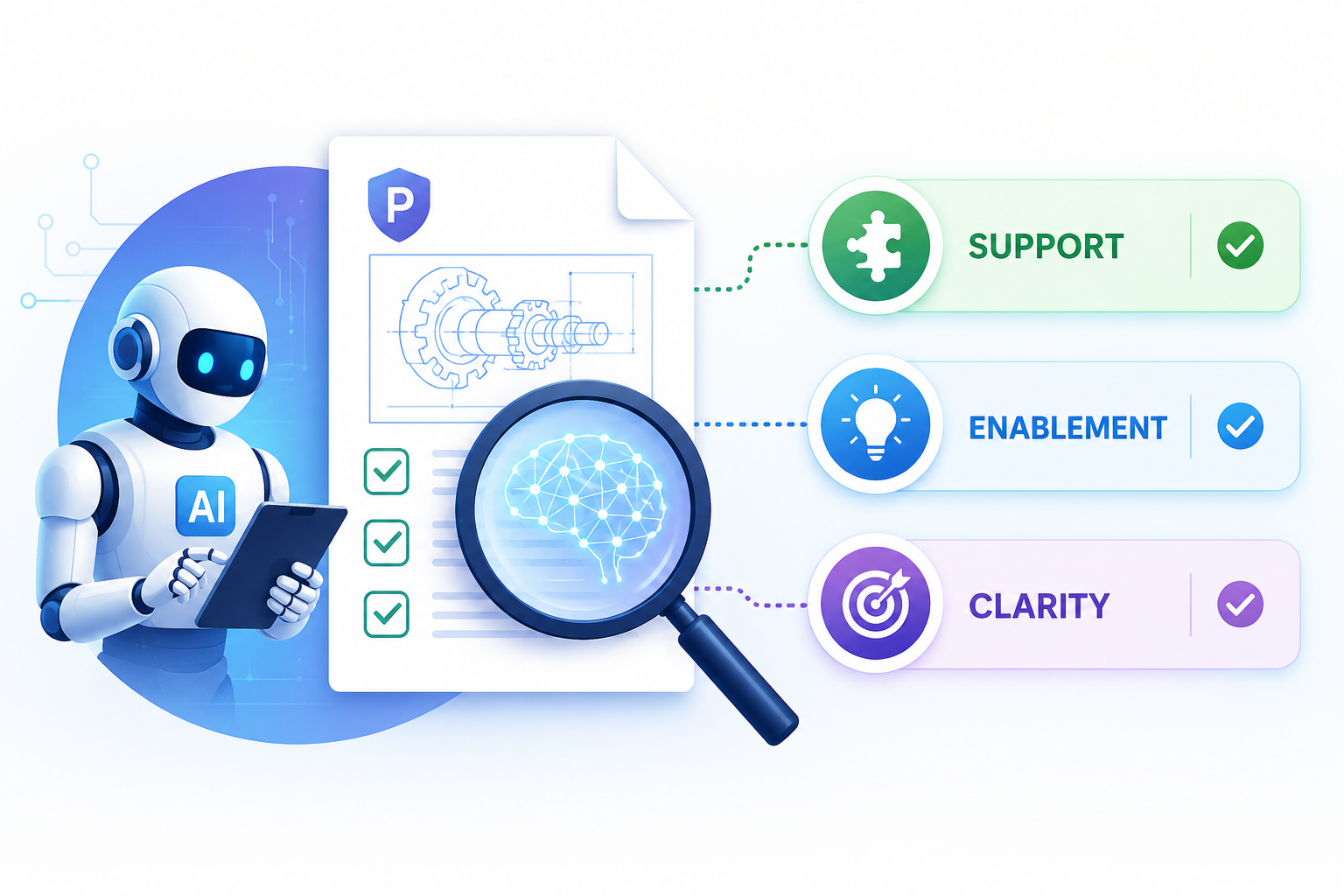
AI Patent Review for Section 112 Issues: Support, Enablement, Clarity
A patent application does not win because it sounds smart. It wins because it is clear, backed up, and useful. That is where Section 112 matters. In simple terms, Section 112 asks whether your patent explains what the invention is, shows enough support for what you claim, teaches others how to make and use it,…
-
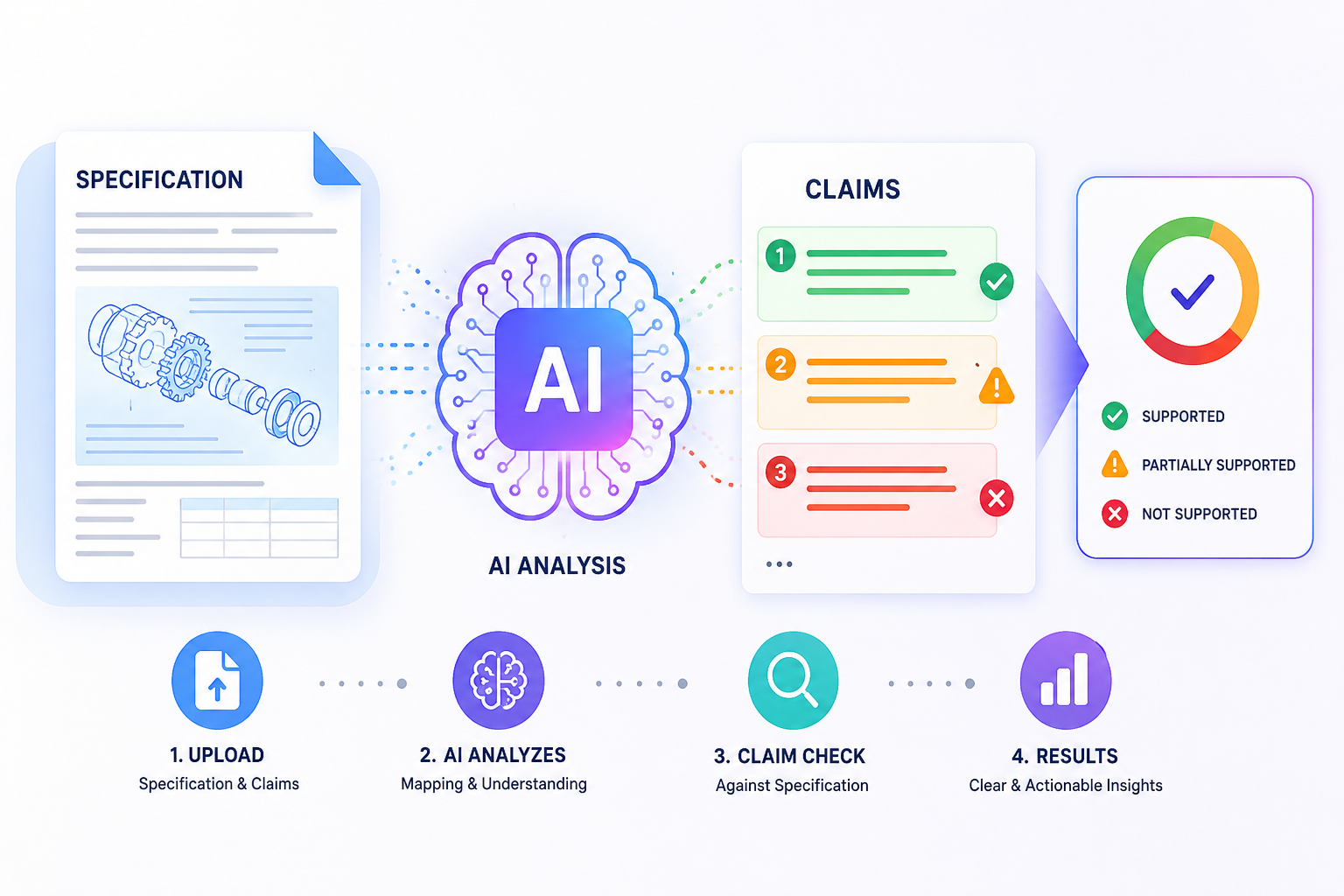
How to Check Patent Claims Against the Specification Using AI
A patent can look strong on the outside and still have weak spots hiding inside. One of the biggest weak spots is a mismatch between the claims and the specification. The claims say what your invention protects. The specification explains how the invention works. If the claims reach too far, miss key details, or use…
-
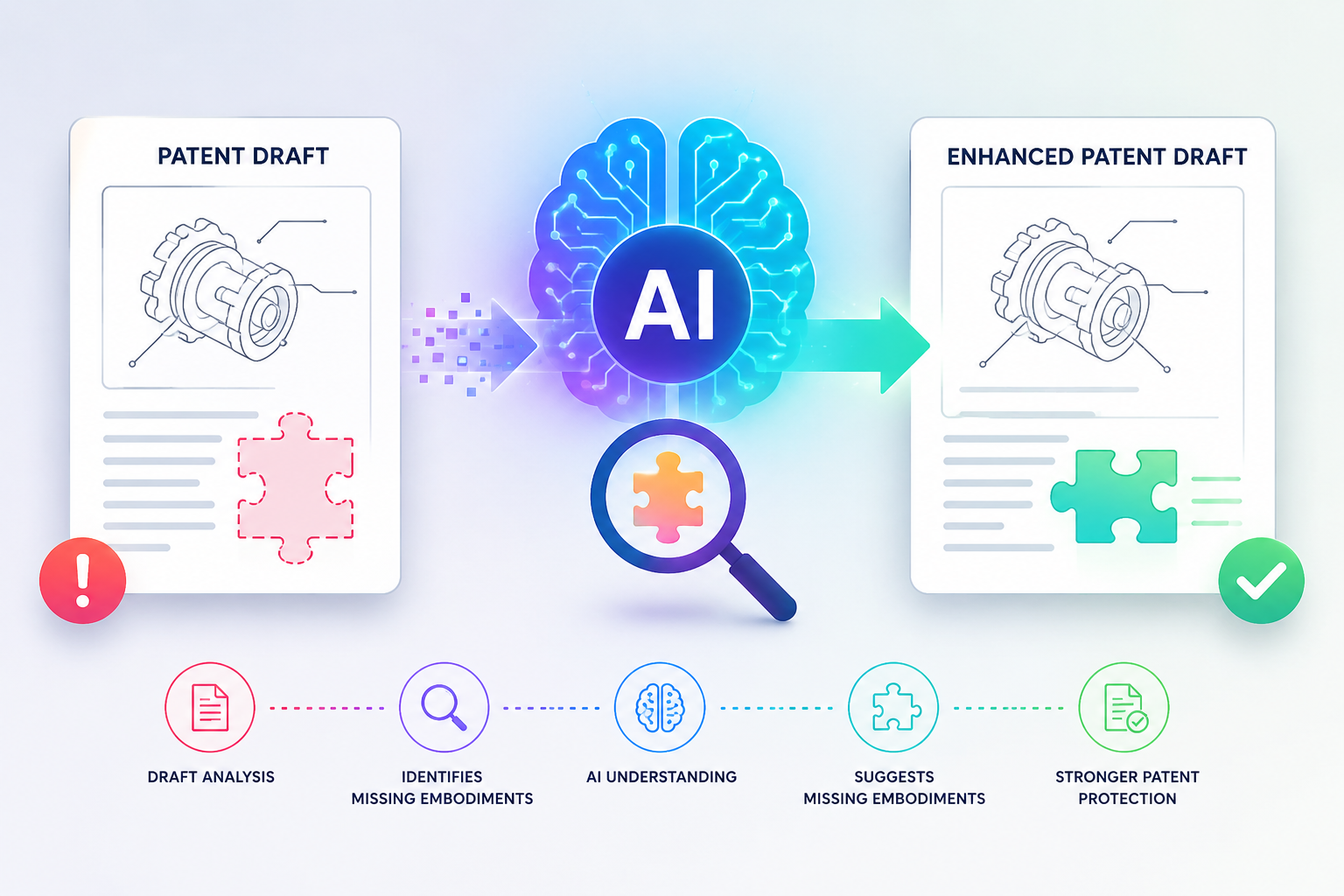
How AI Helps Find Missing Embodiments in Patent Drafts
A patent draft is only as strong as the invention paths it covers. The problem is simple: when founders and engineers explain an invention, they often describe the main version first. That version may be right, useful, and clear. But it may not be the only way the invention can work. Why missing embodiments quietly…
-
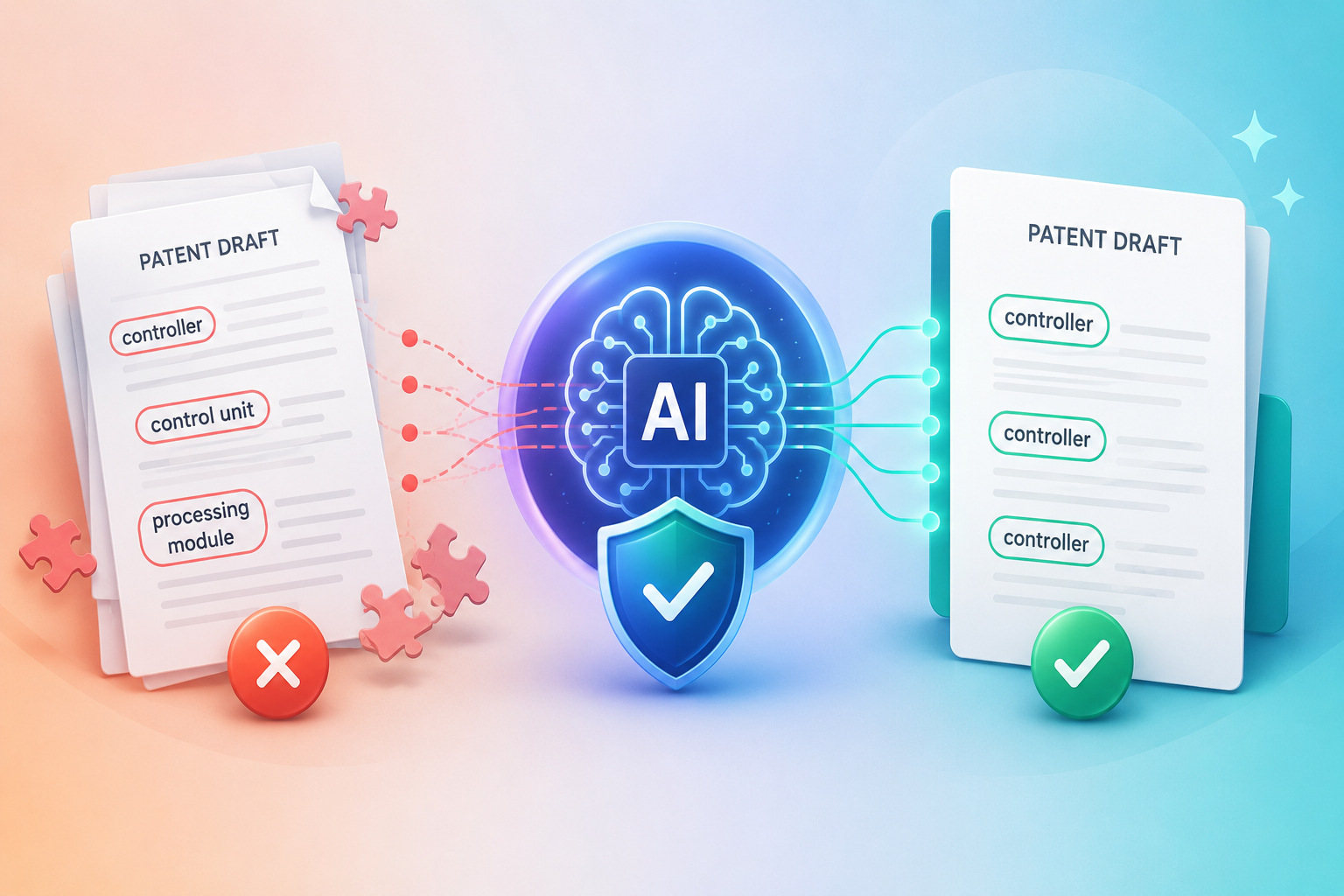
Patent Terminology Consistency: How AI Prevents Drafting Mistakes
A strong patent can fall apart because of small words. One name in one section. A slightly different name later. A feature called “sensor module” on page three, then “sensing unit” on page nine. To a founder, that may feel harmless. To a patent examiner, investor, buyer, or competitor, it can create doubt. And doubt…
-
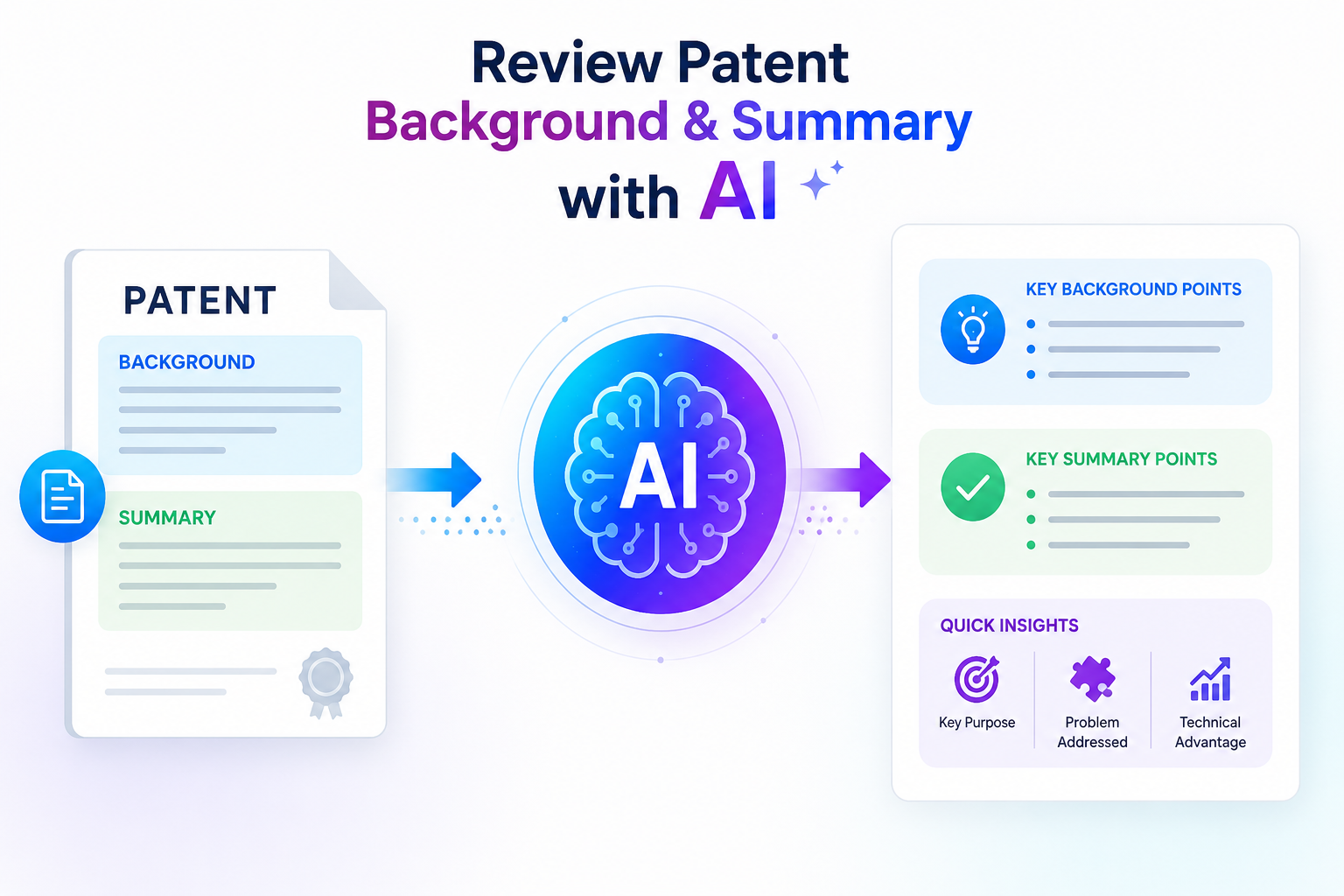
How to Review Patent Background and Summary Sections with AI
The background and summary sections may look simple, but they can shape how your invention is understood. If these parts are weak, unclear, too broad, or too narrow, they can make the whole patent harder to defend later. Start by testing whether the background explains the real problem clearly The background section should not sound…
-
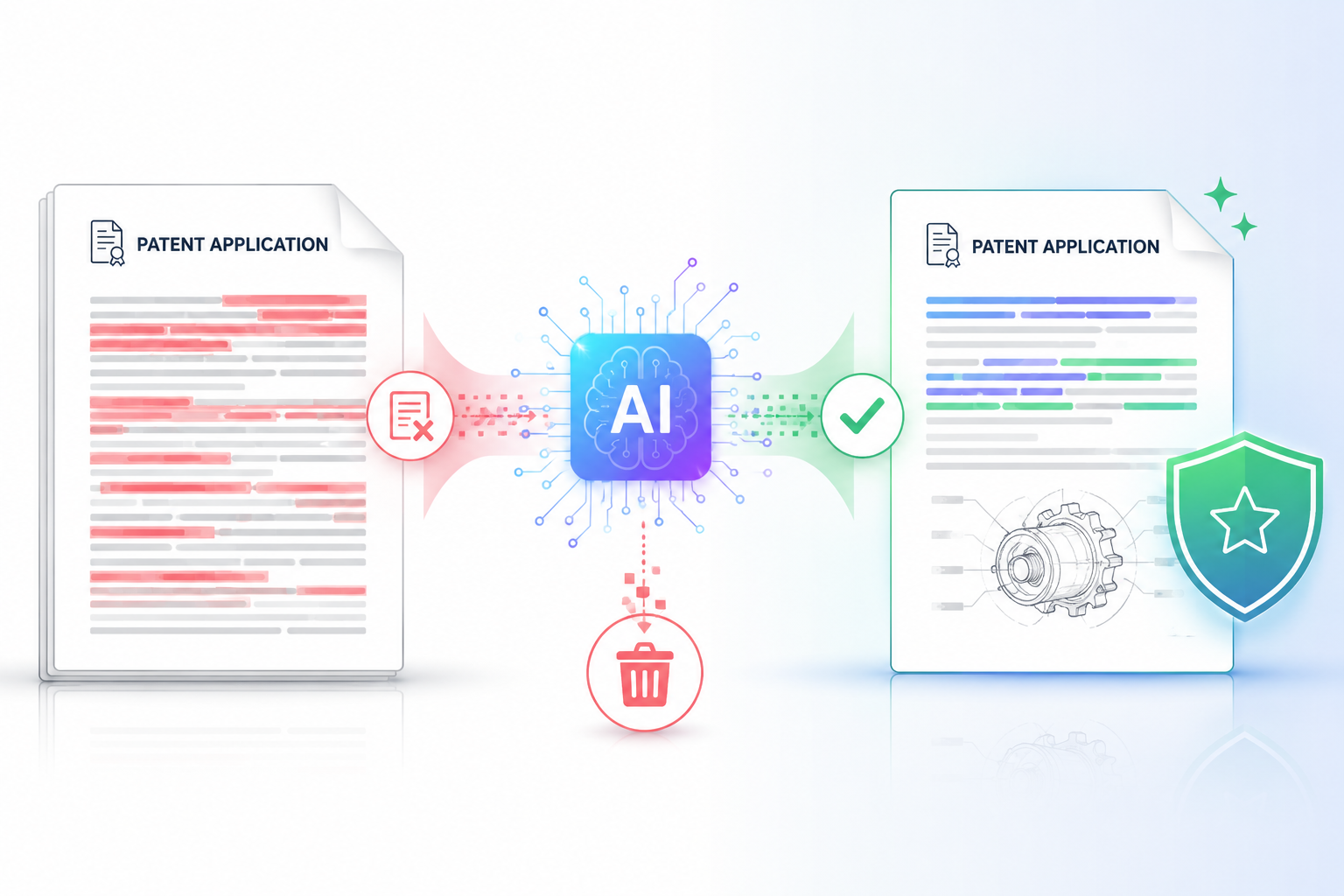
AI for Detecting Boilerplate in Patent Applications
A patent application should tell the real story of an invention. It should explain what is new, why it matters, and how it works. But too often, strong ideas get buried under copied language, generic text, and filler that sounds official but says very little. How boilerplate sneaks into patent applications before anyone notices Boilerplate…
-
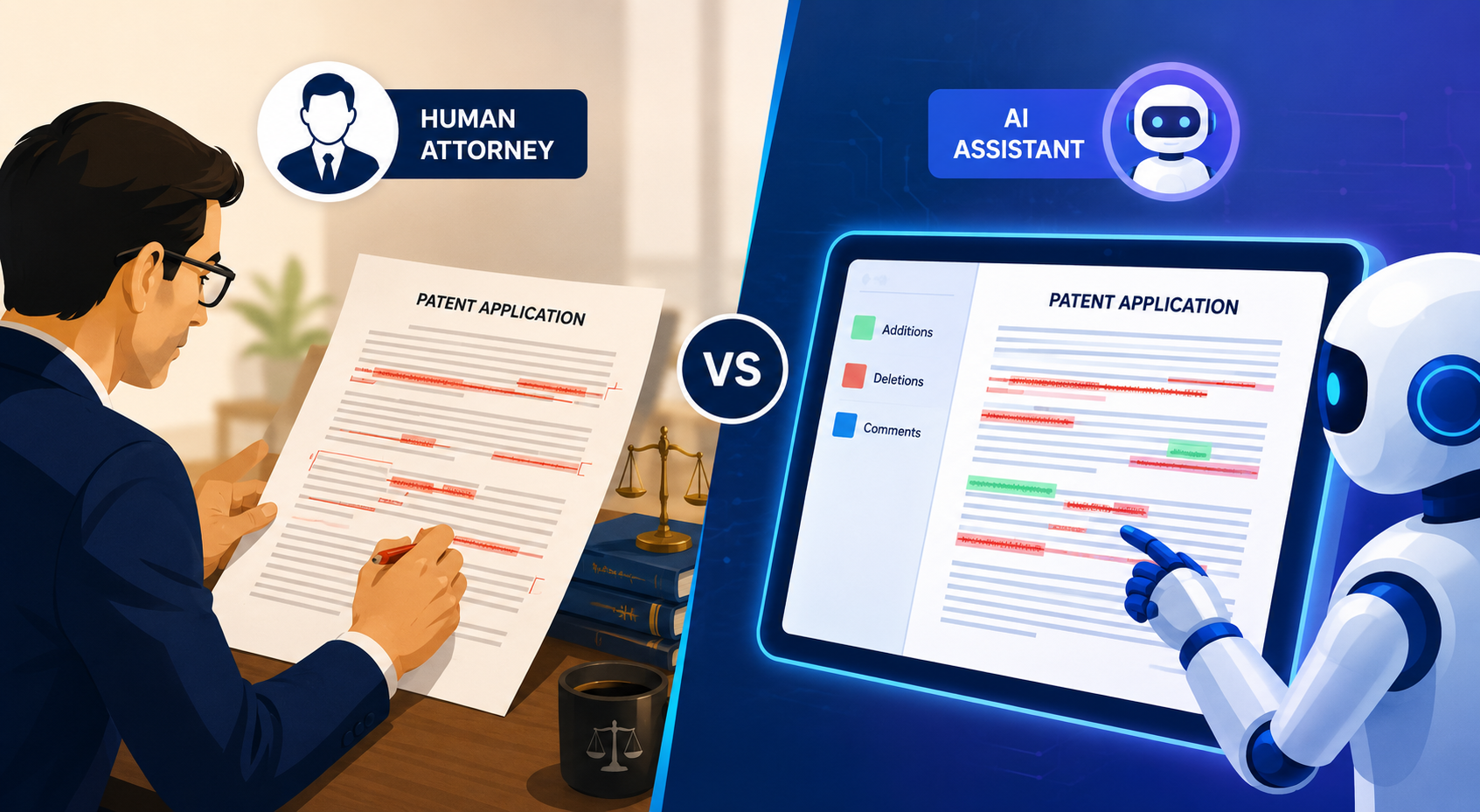
Patent Redline Review: Human Attorney vs AI Assistant
A patent redline review is where small words can carry big weight. One changed phrase can make your patent stronger, weaker, wider, or too narrow to matter. For a founder, engineer, or inventor, this part can feel slow and hard to follow. You want speed, but you also need care. You want smart edits, but…
-
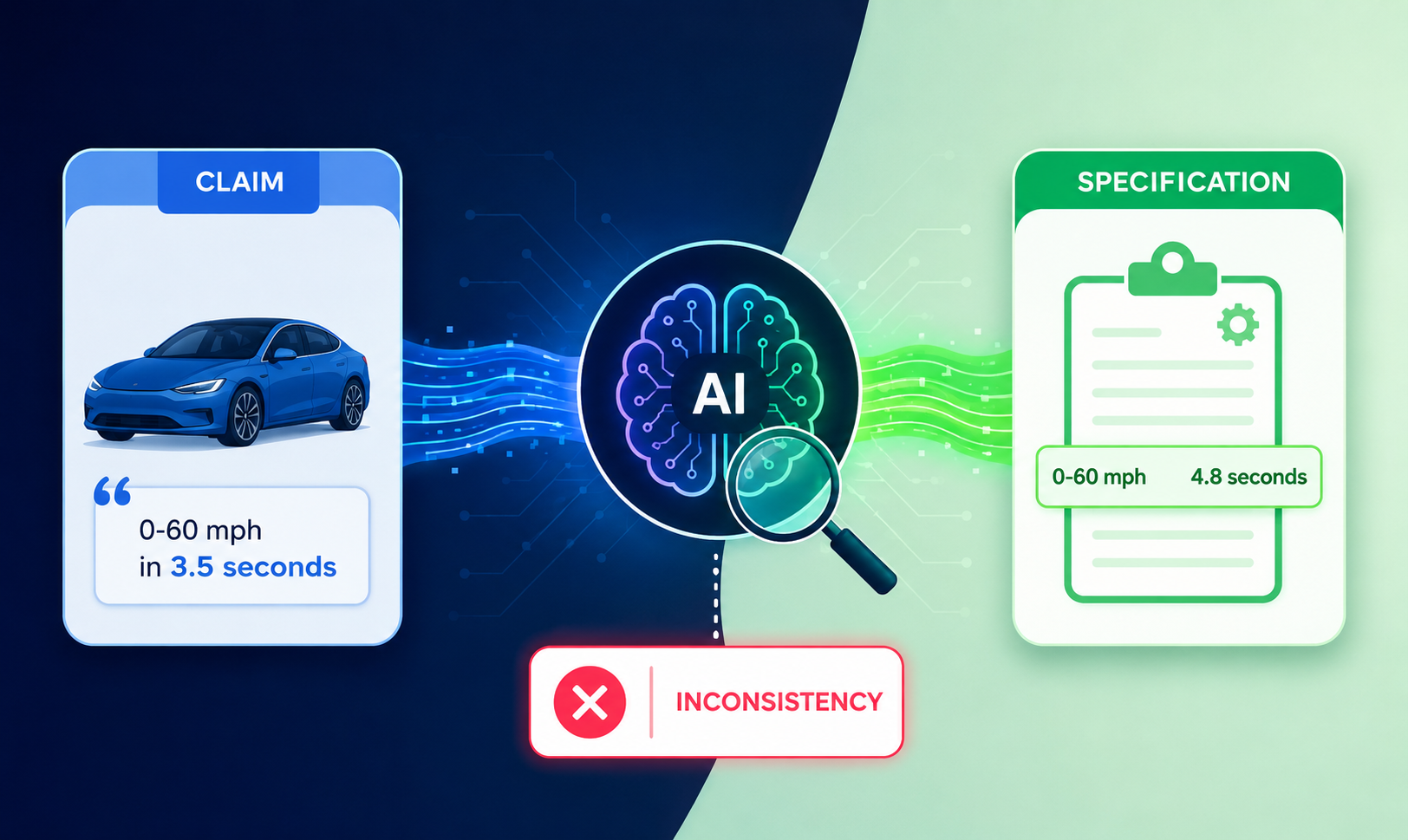
How AI Spots Inconsistencies Between Claims and Specifications
A patent can look strong on the surface and still have a hidden problem inside. The claims may say one thing. The specification may say something slightly different. That gap can hurt the patent later. That does not replace a real patent attorney. It gives the attorney better signals faster. PowerPatent combines smart AI tools…