Tag: Invention Disclosure
-

Invention Intake Playbook: A Step-by-Step System for IP Teams
Every strong patent starts long before the legal draft begins. It starts the moment an idea is shared, explained, questioned, and captured the right way. That is where many teams lose time, miss key details, and create risk without even knowing it. A good invention intake system fixes that. It gives IP teams a clear…
-
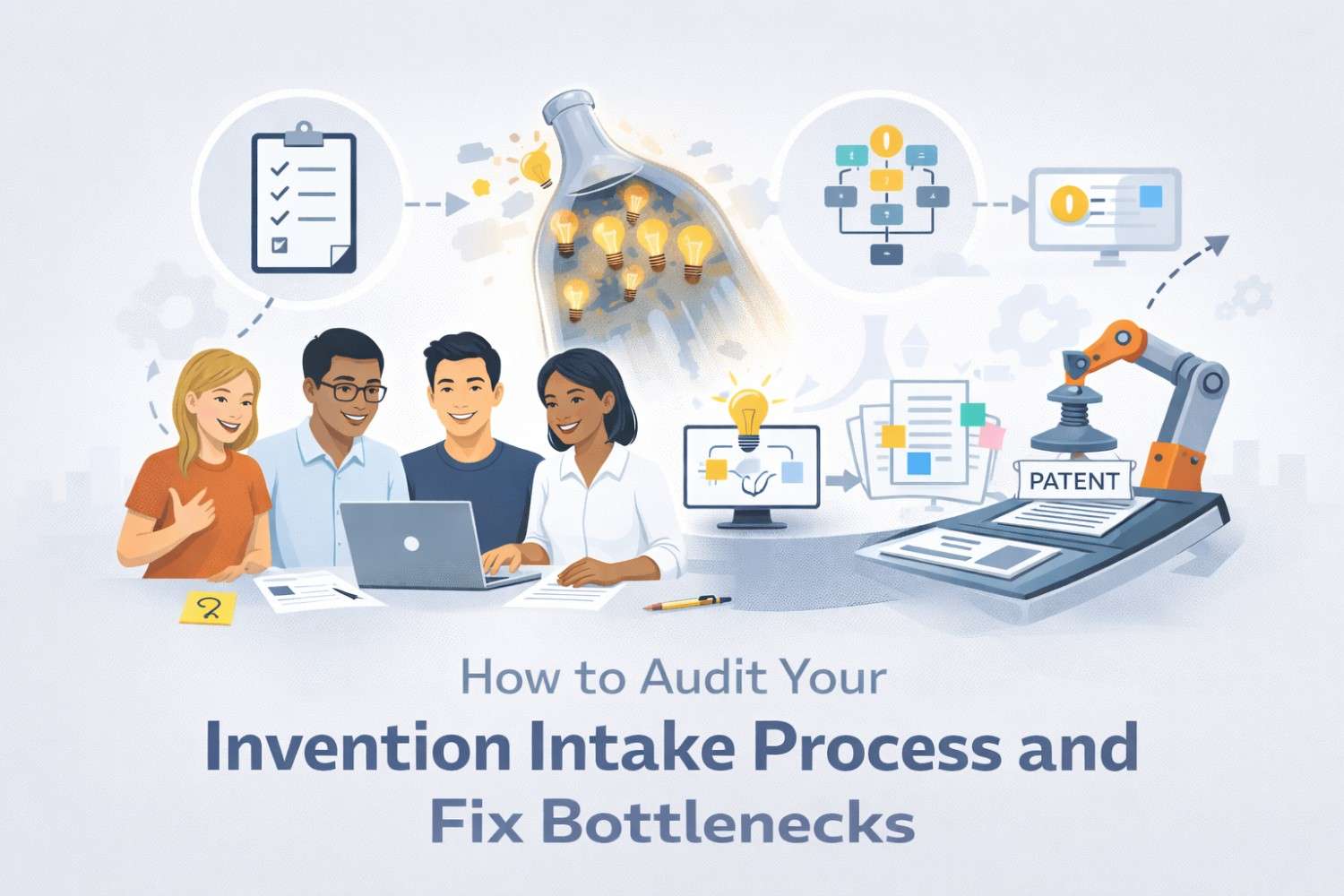
How to Audit Your Invention Intake Process and Fix Bottlenecks
Every strong patent starts much earlier than most teams think. It starts the moment a new idea, feature, system, model, or technical breakthrough first gets noticed inside the company. If that moment is messy, slow, unclear, or easy to ignore, good inventions get lost, teams miss filing windows, and valuable work never turns into real…
-
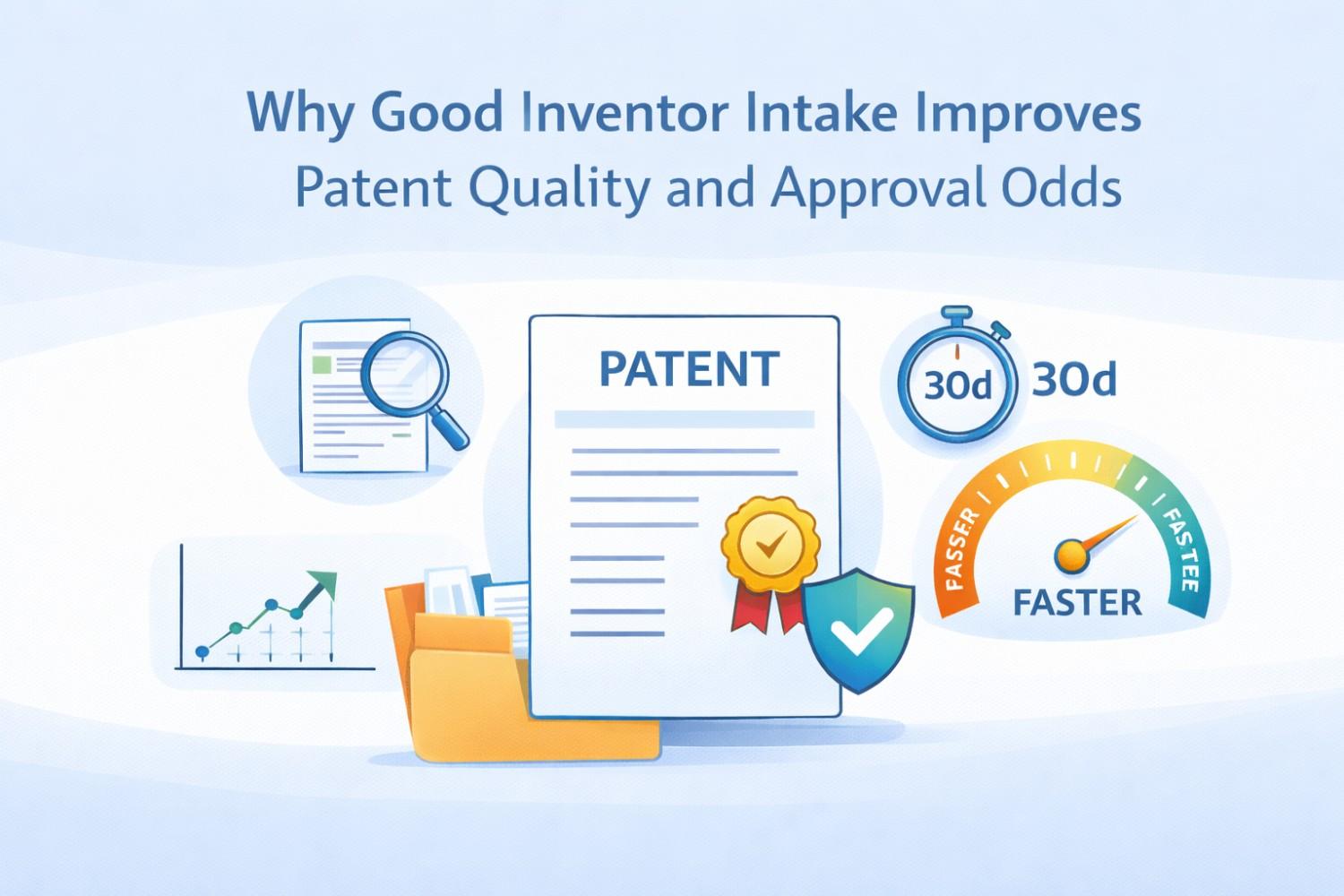
Why Good Inventor Intake Improves Patent Quality and Approval Odds
A strong patent rarely starts with fancy legal words. It starts with a clear story from the inventor. That is why good inventor intake matters so much. When the first step is done well, everything that follows gets better. The patent is easier to write, easier to support, and more likely to match what was…
-
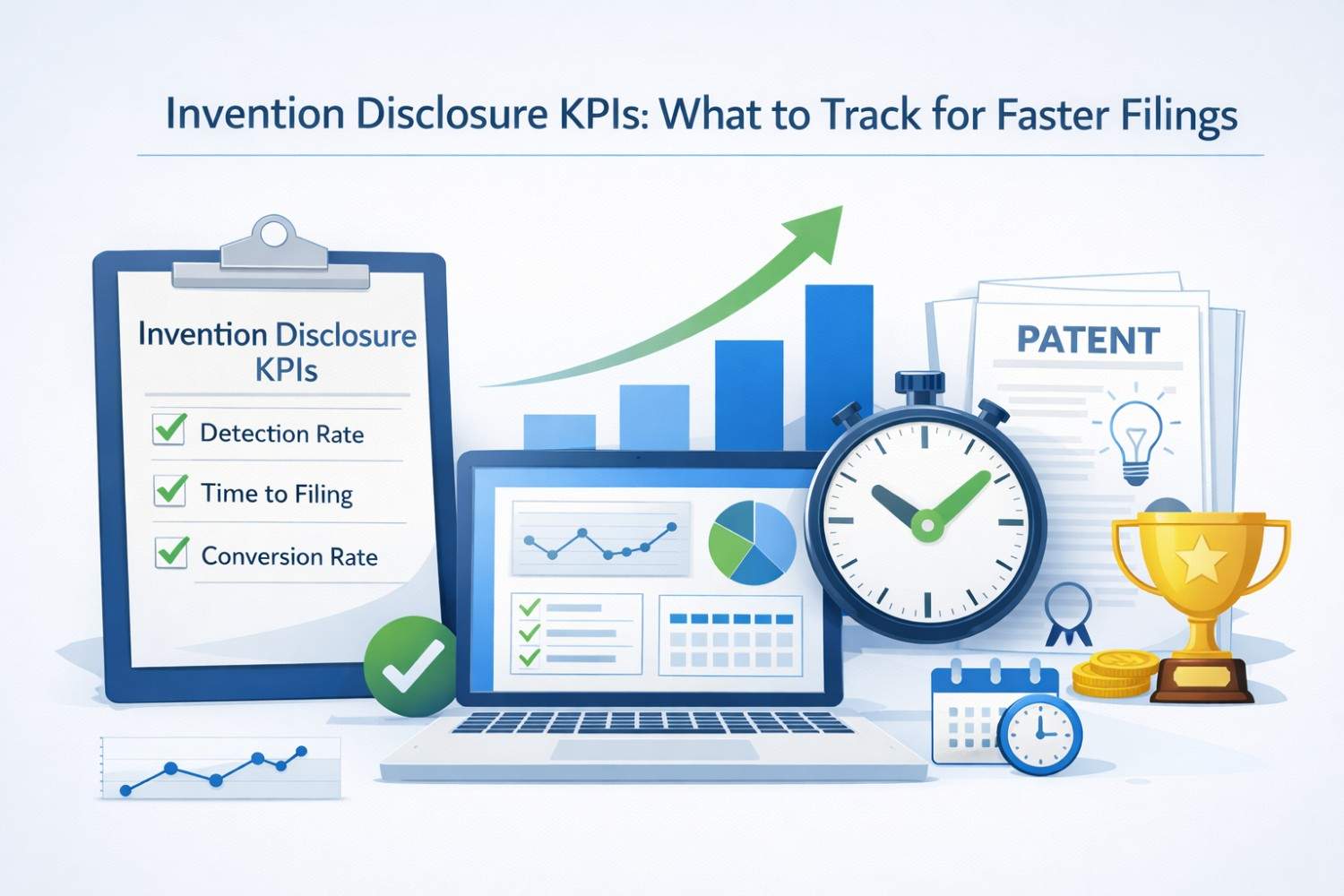
Invention Disclosure KPIs: What to Track for Faster Filings
Every strong patent starts long before the filing. It starts when someone on your team spots something new, useful, and worth protecting, then captures it clearly before the details fade or the product moves on. That is why invention disclosure KPIs matter so much. They help you see where good ideas get stuck, where teams…
-
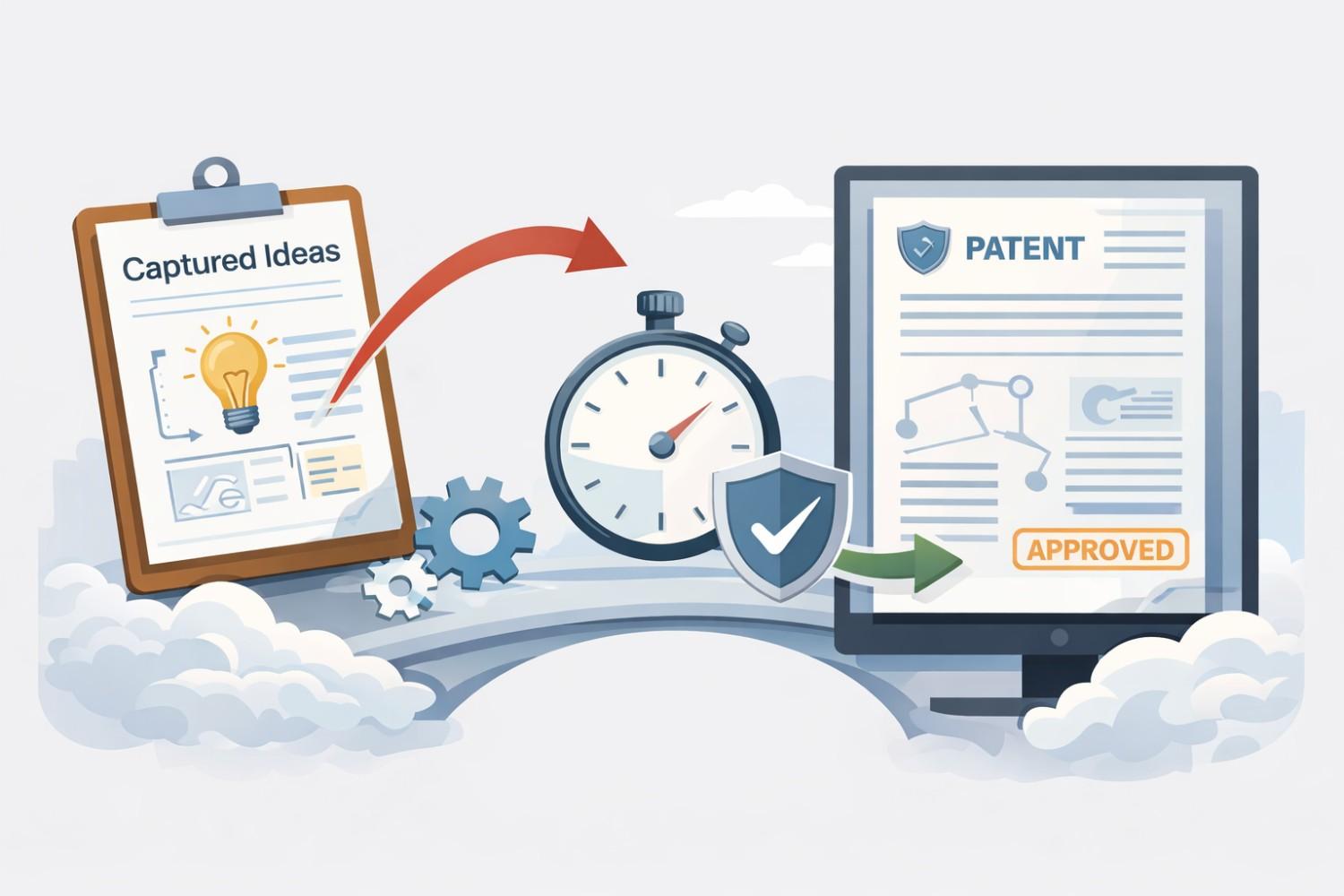
How to Connect Invention Intake to Patent Drafting Software
Your invention is moving fast. Your team is building. Code is shipping. Models are training. Hardware is getting tested. But your patent process? It is slow, messy, and stuck in email threads. That gap is dangerous. If your invention intake lives in scattered docs, Slack messages, and whiteboard photos, and your patent drafting lives somewhere…
-
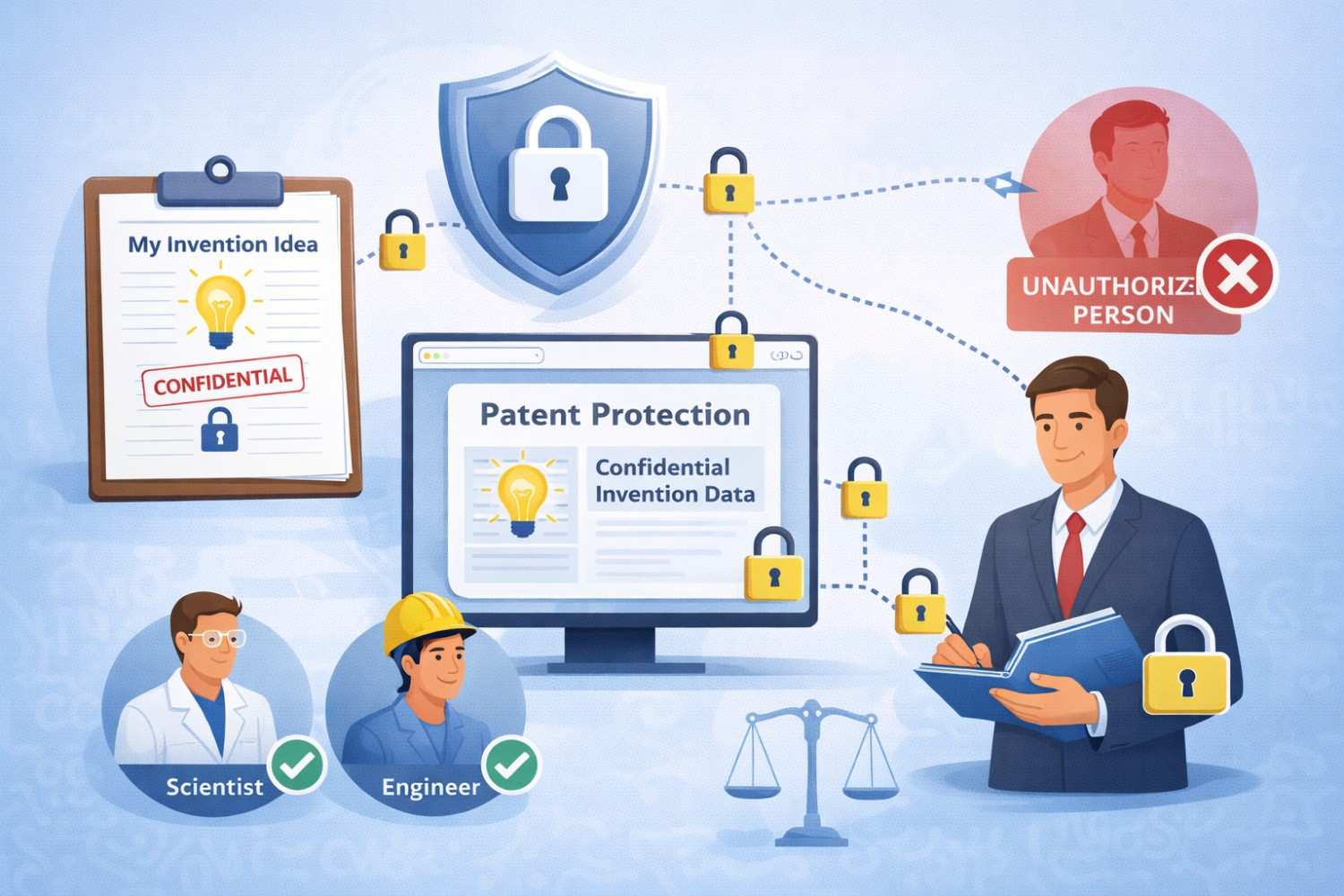
Confidentiality in Invention Intake: Secure Forms and Access Rules
Your invention is valuable the moment it leaves your head. The second you write it down, share it in a form, or send it to a lawyer, it becomes something that must be protected. If your intake process is not secure, your idea is exposed before it even has a patent number. That is why…
-
How to Handle Multiple Inventors in One Disclosure Submission
When you build something new with other smart people, things move fast. Ideas overlap. Code blends together. Features grow from group chats and whiteboard sessions. Then one day, you sit down to file a patent—and you realize there are three, four, maybe even six inventors involved in one single disclosure. Now what? If you handle…
-
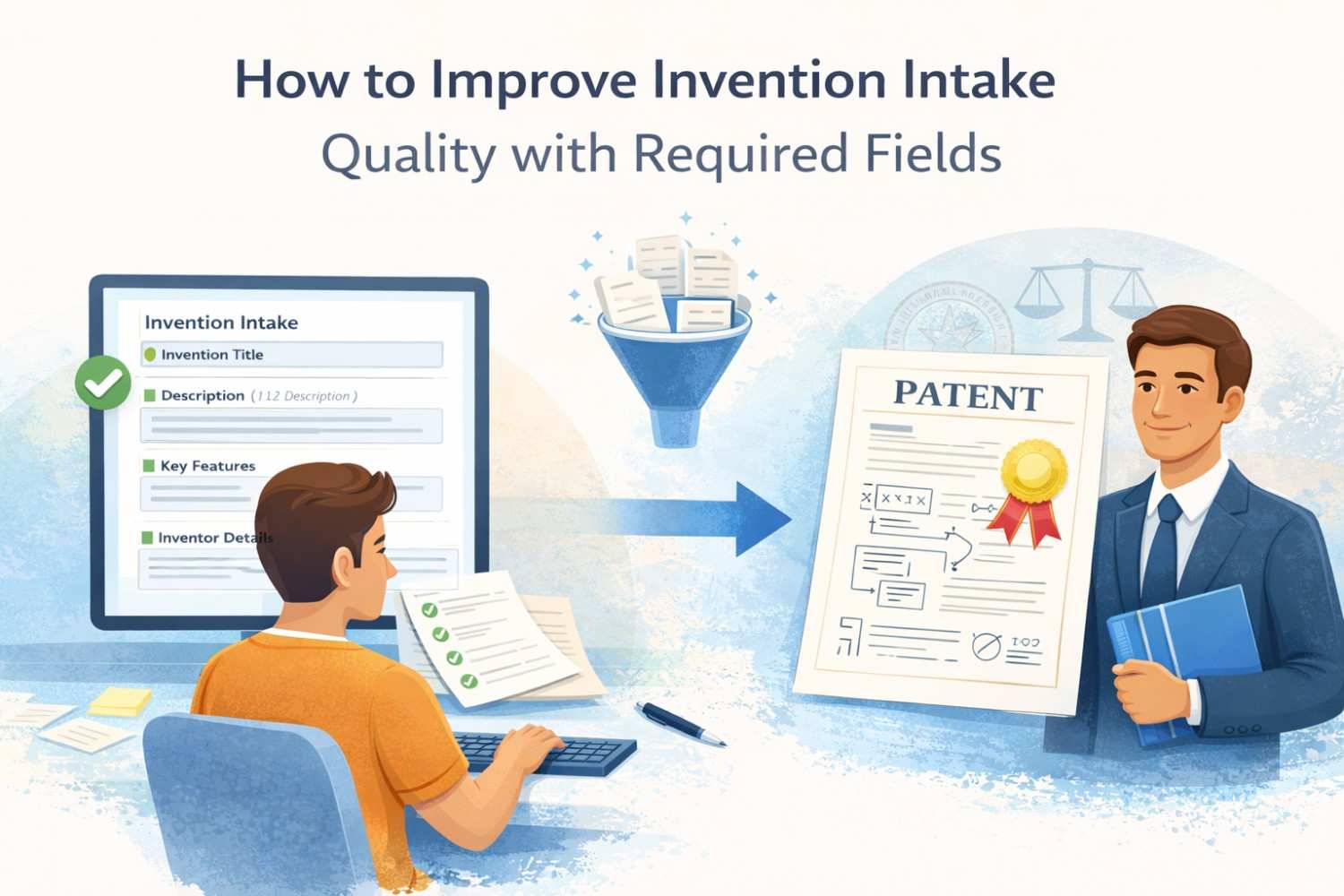
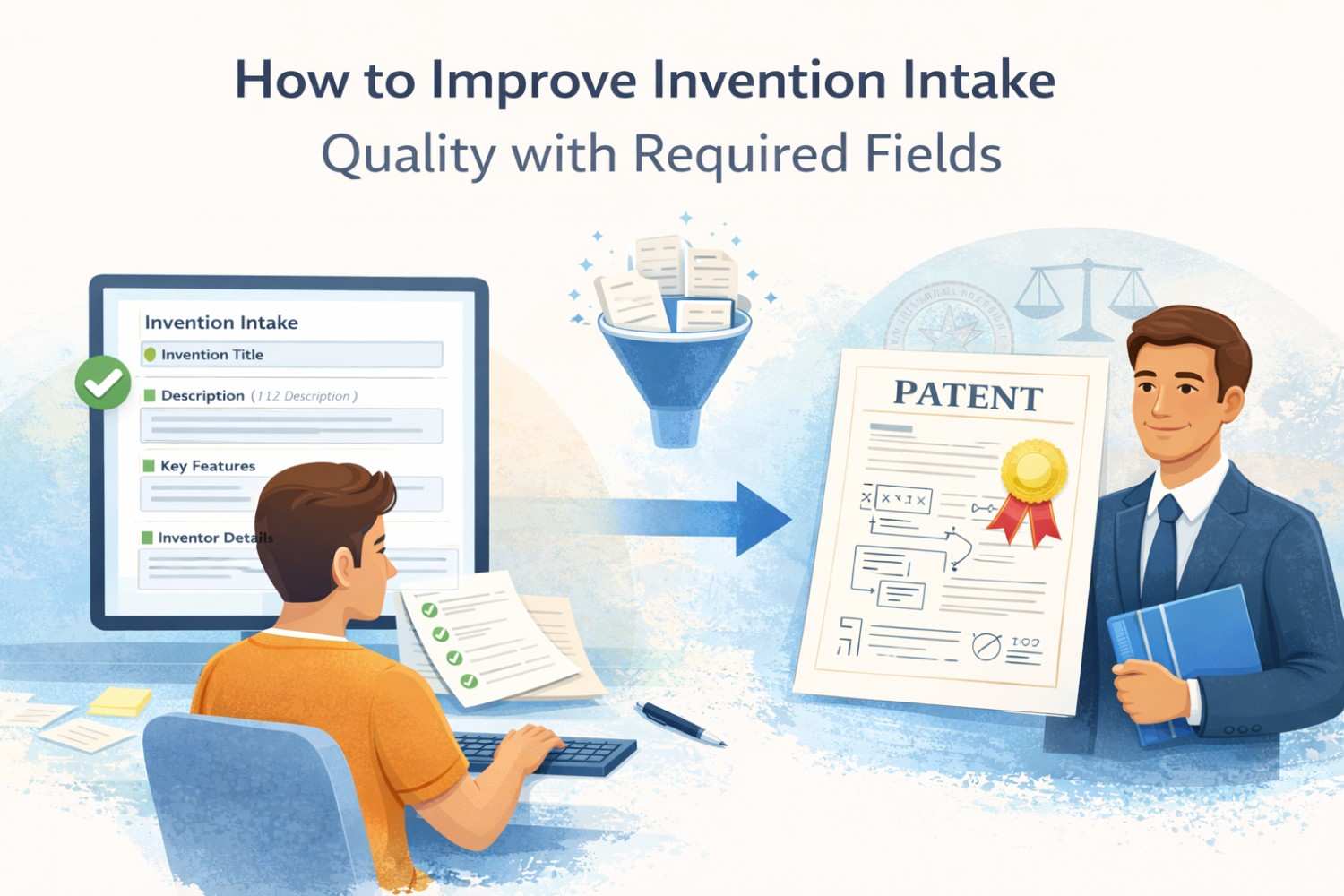
How to Improve Invention Intake Quality with Required Fields
Every great patent starts with one simple thing: clean, complete invention details. If the first intake form is messy, vague, or missing key facts, everything that follows gets harder, slower, and more expensive. If the intake is strong, the patent becomes stronger. In this guide, you’ll learn exactly how to improve invention intake quality using…
-
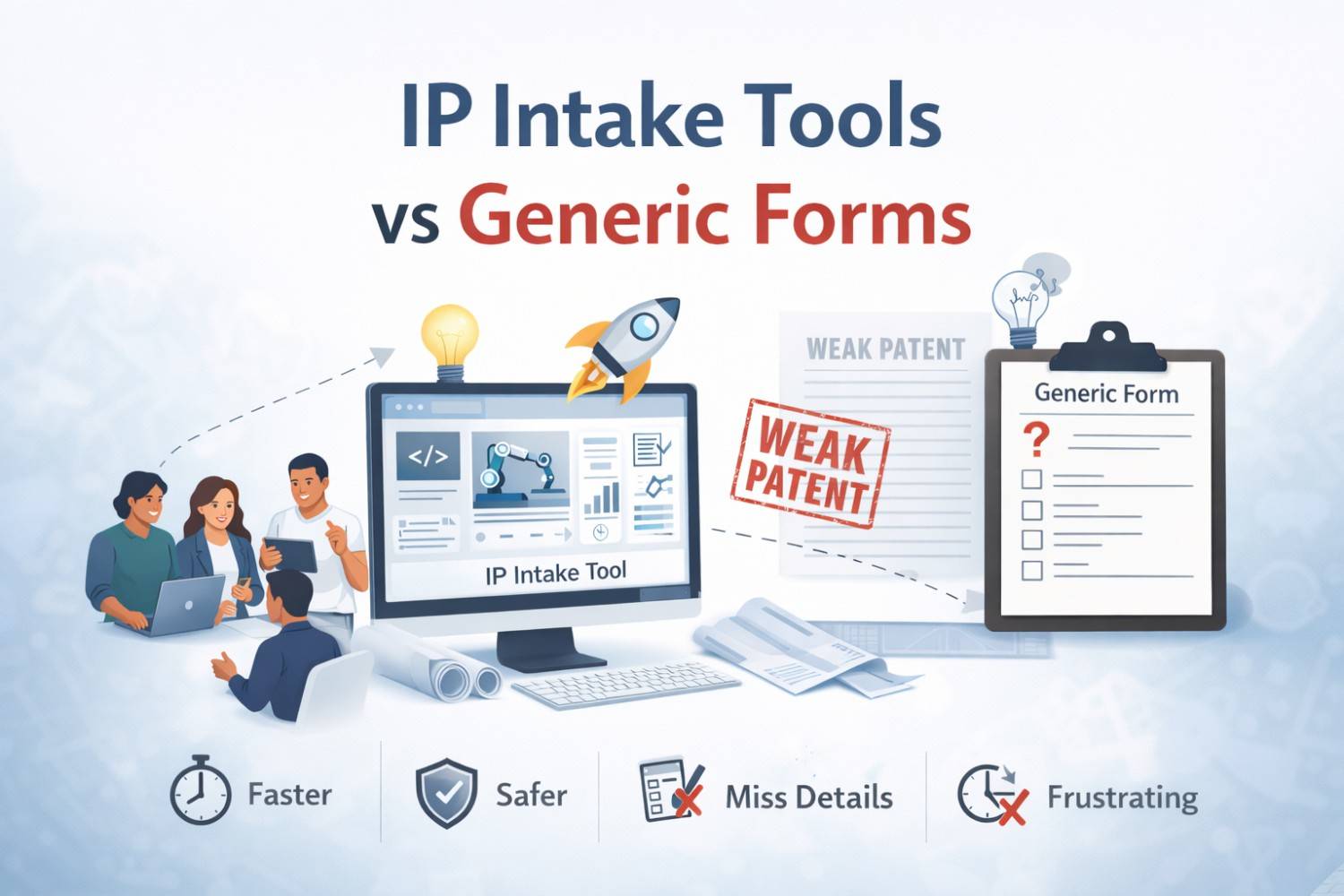
IP Intake Tools vs Generic Forms: What Teams Should Choose
Most teams do not lose their ideas because they are not smart. They lose them because their process is messy. When it comes to patents, the very first step—how you collect invention details—can decide whether your IP becomes a real asset or a weak document that never helps you. Many startups still use generic forms,…
-

How to Build an Inventor Questionnaire That Attorneys Actually Use
Great inventions do not fail because the tech is weak. They fail because the story is unclear. If an attorney cannot fully see what you built, how it works, and why it matters, your patent will be weak from day one. That is why your inventor questionnaire is not just a form. It is the…