Tag: Portfolio Pruning
-
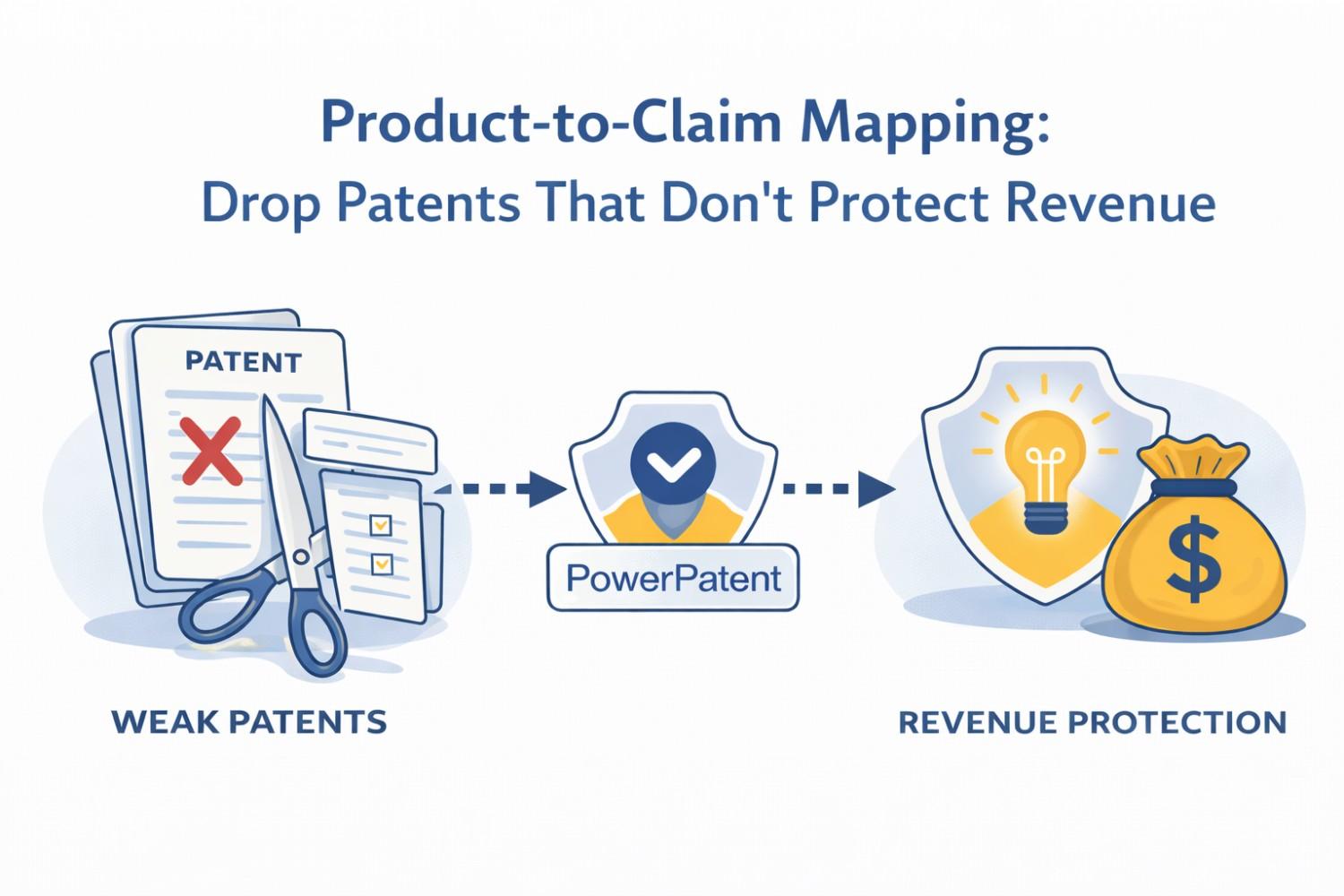
Product-to-Claim Mapping: Drop Patents That Don’t Protect Revenue
You don’t need more patents. You need the right ones. If a patent does not protect how you make money, it is just paper. Product-to-claim mapping is how you make sure every patent claim lines up with real features in your product that drive revenue. If it does not protect revenue, you cut it. If…
-
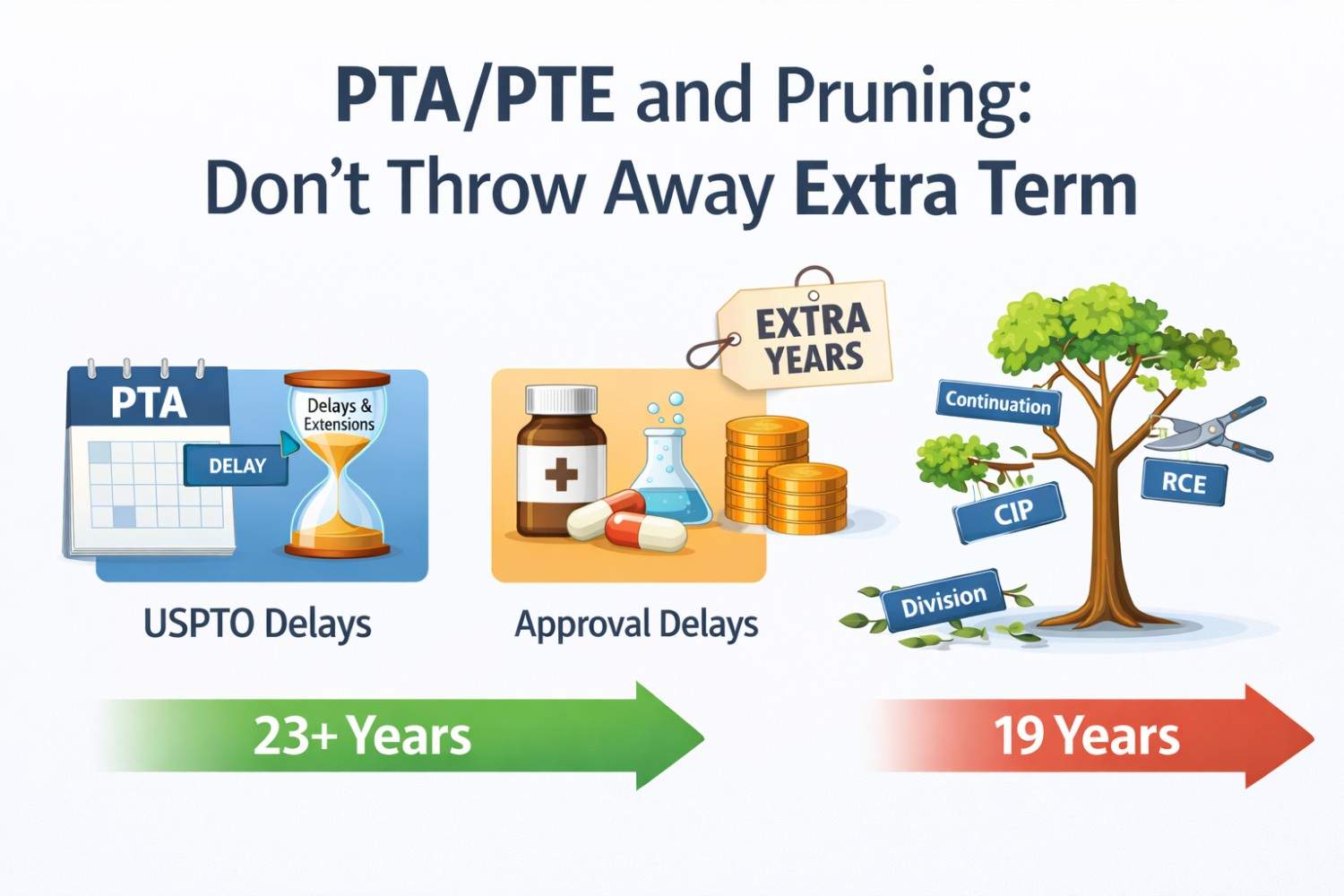
PTA/PTE and Pruning: Don’t Throw Away Extra Term
Most founders think a patent lasts 20 years. That’s it. Fixed. Done. But that is not always true. In many cases, you may be entitled to extra time. Real, valuable time. Time that can block competitors, protect your product, and increase your company’s value. And yet, many startups accidentally give that time away. Sometimes without…
-
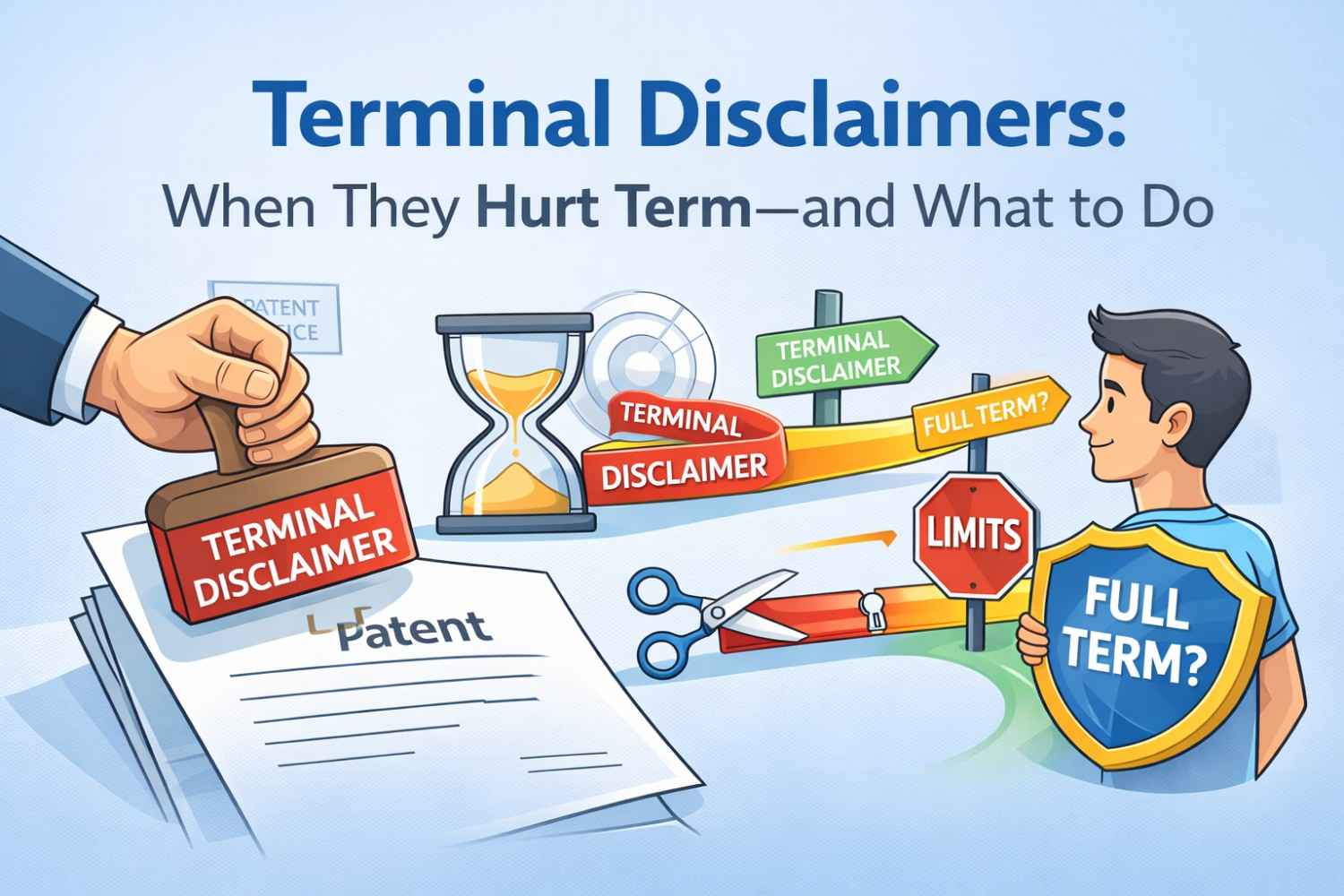
Terminal Disclaimers: When They Hurt Term—and What to Do
You worked hard to build your product. You moved fast. You filed patents to protect it. Then one small document quietly cut years off your patent term—and you did not even notice. That document is called a terminal disclaimer. It sounds harmless. It is not. In this article, we will break down what terminal disclaimers…
-
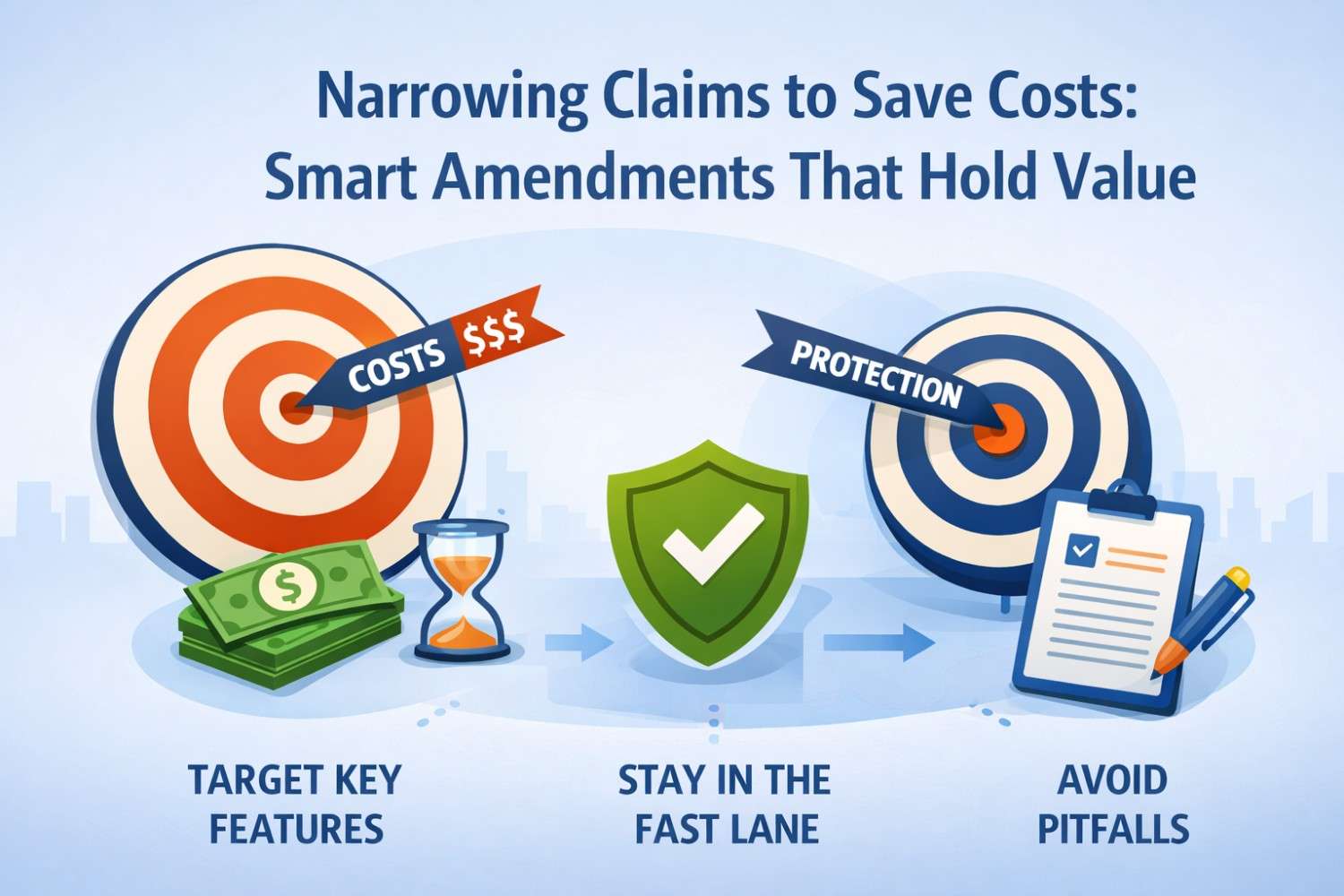
Narrowing Claims to Save Costs: Smart Amendments That Hold Value
You do not win a patent by asking for everything. You win by asking for the right thing. Most founders think broader claims mean stronger protection. It feels logical. Cast a wide net. Cover it all. Block everyone. But in the real world, broad claims often mean long delays, high legal bills, and endless back-and-forth…
-
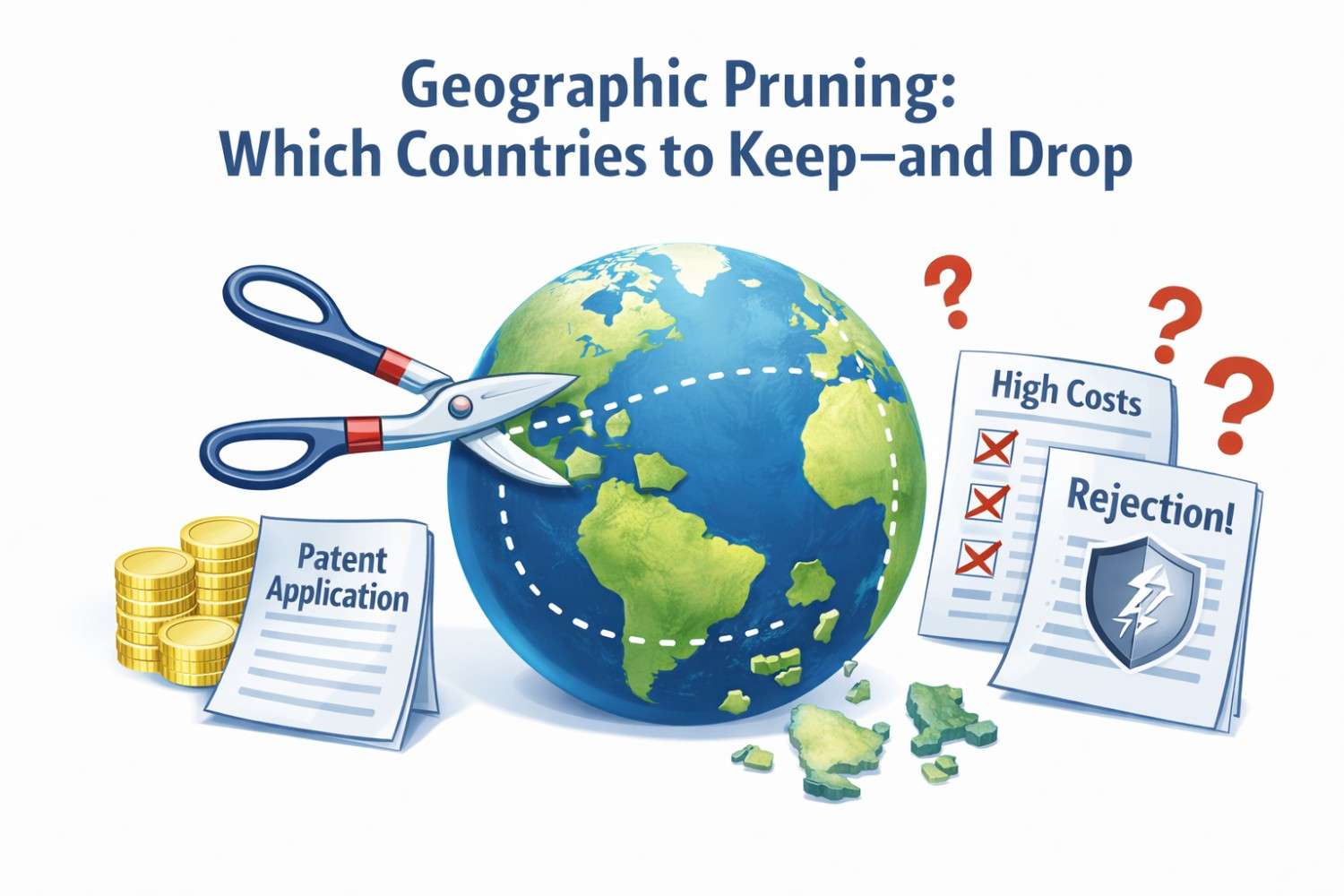
Geographic Pruning: Which Countries to Keep—and Drop
You worked hard to build something real. A new model. A new system. A new way of doing something better. Now you’re thinking about patents—and suddenly the world feels very big. Do you file in the U.S.? Europe? China? Everywhere? Filing in every country sounds safe. But it can also drain your cash fast. Geographic…
-
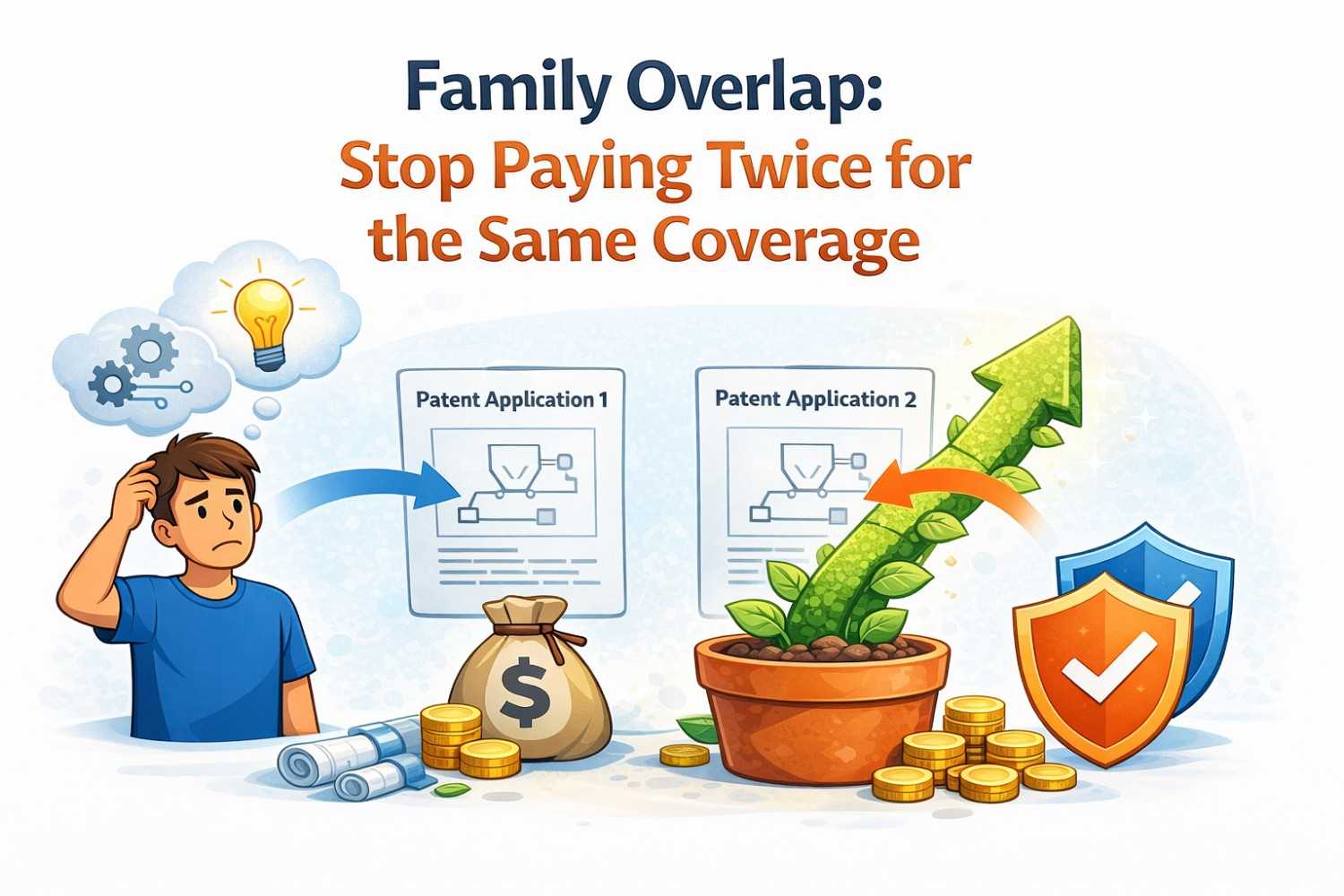
Family Overlap: Stop Paying Twice for the Same Coverage
You work too hard to pay twice for the same thing. Yet many founders do exactly that with their patents. They build something new, file one patent, then build the next version and file again—without checking what they already own. The result? Overlap. Duplicate filings. Extra legal bills. And weaker protection than they think. Let’s…
-
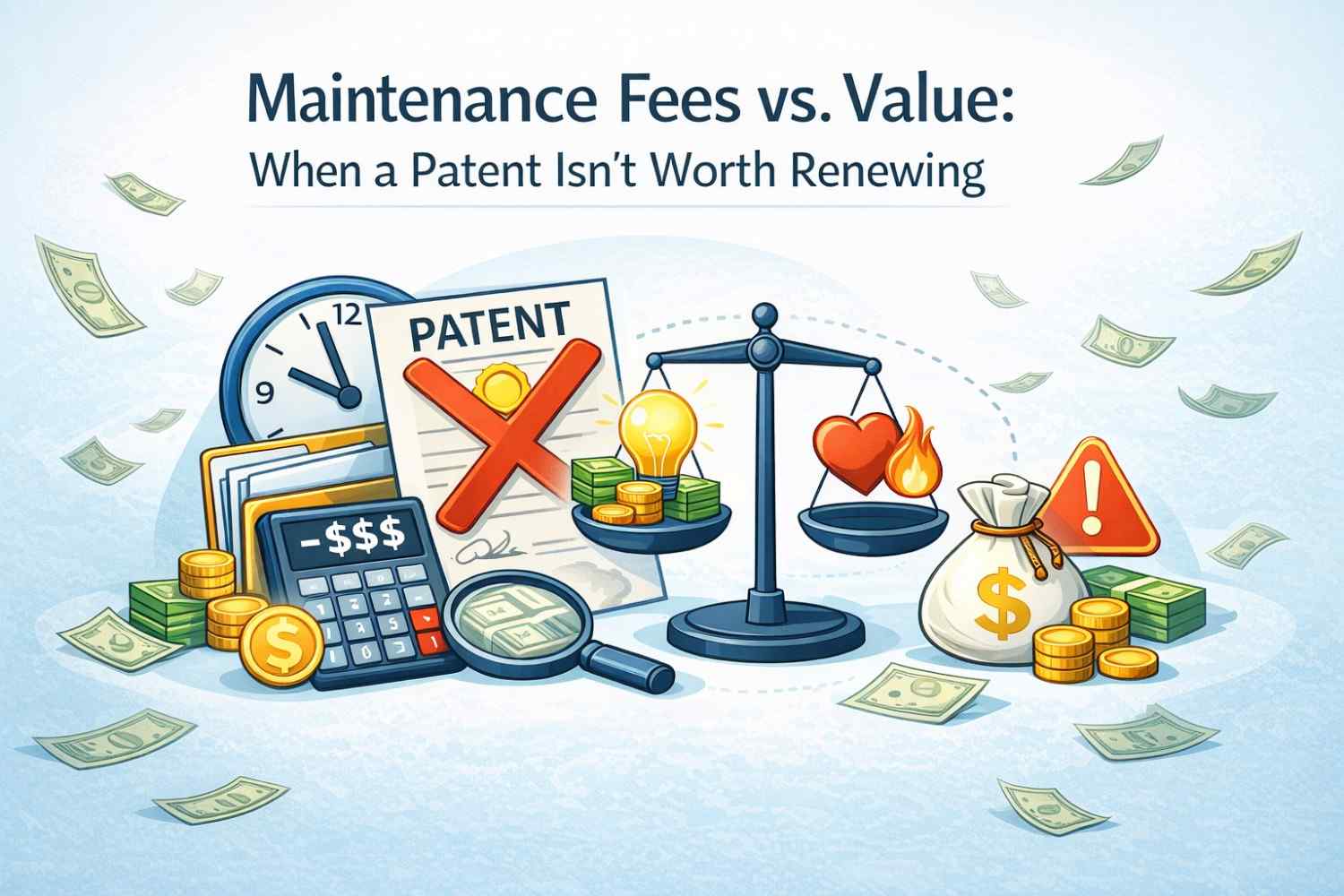
Maintenance Fees vs. Value: When a Patent Isn’t Worth Renewing
A patent is not a trophy. It is a tool. And like any tool, it only makes sense to keep it if it still does the job. Many founders believe once a patent is granted, the hard part is over. But that is not true. The real question comes later. Should you keep paying to…
-
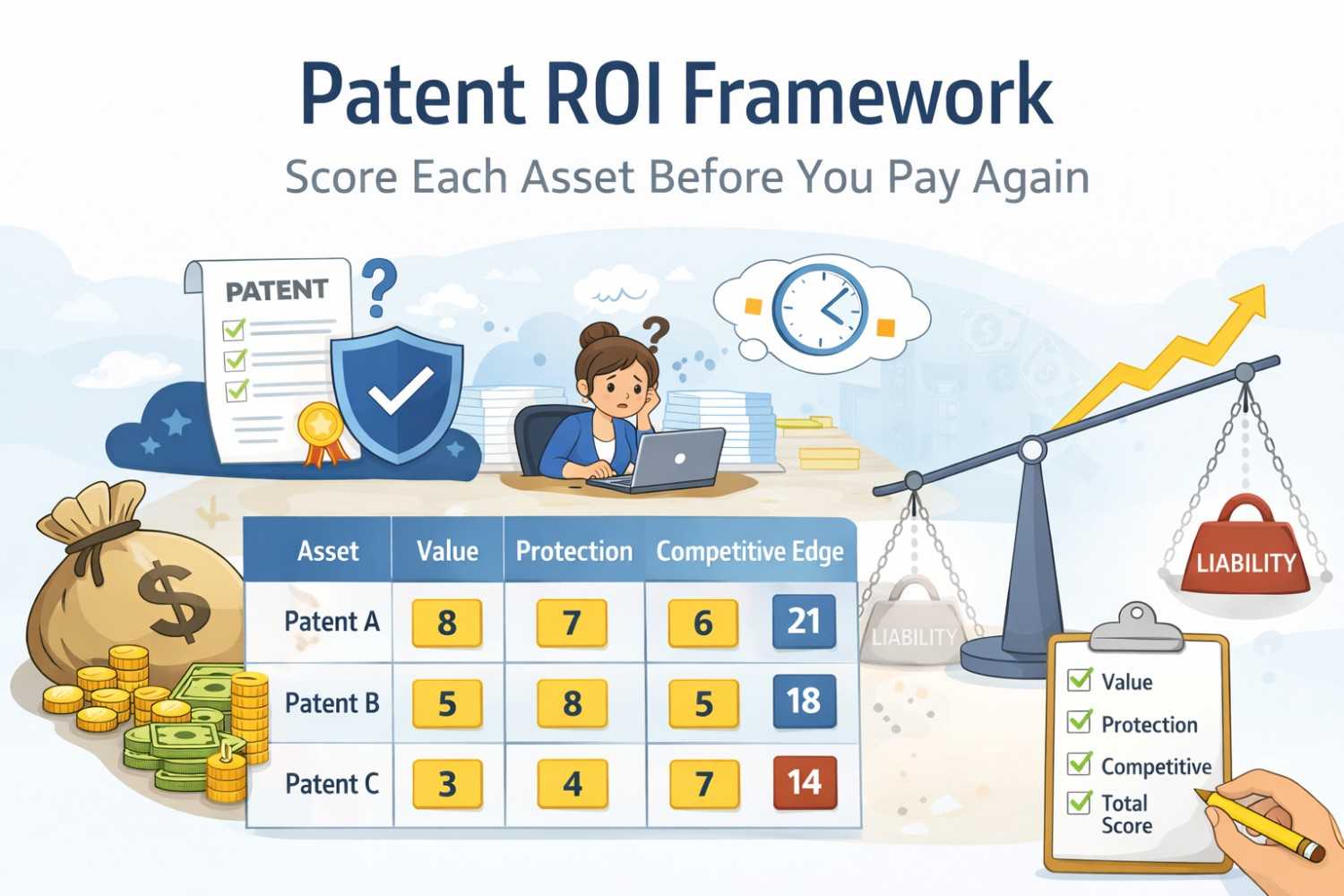
Patent ROI Framework: Score Each Asset Before You Pay Again
You should not pay another dollar on a patent until you know exactly what it is worth to your startup. Not what you hope it is worth. Not what your lawyer says. Not what feels impressive in a pitch deck. What it is actually worth. Every patent you file, every renewal fee you pay, every…
-
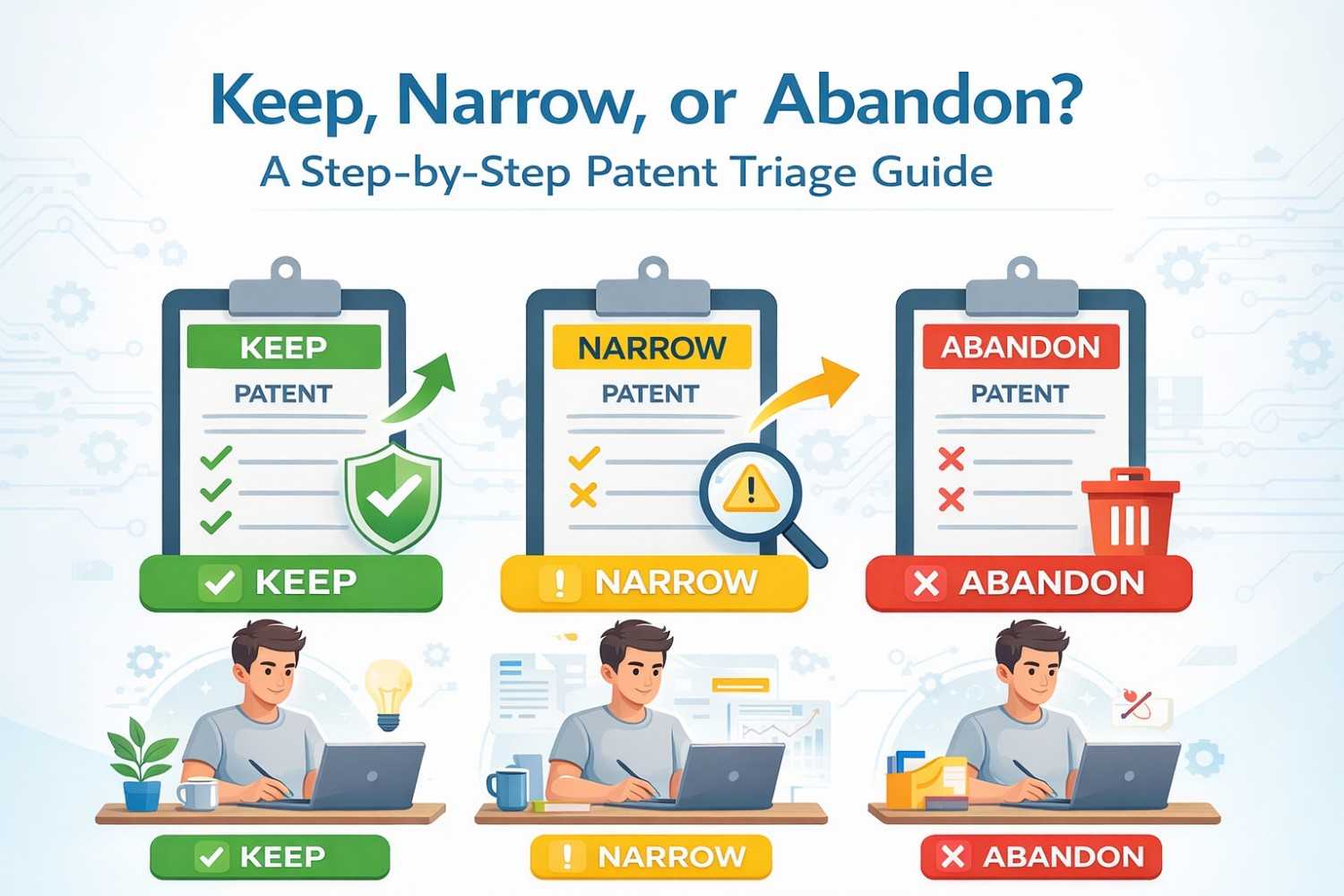
Keep, Narrow, or Abandon? A Step-by-Step Patent Triage Guide
You filed a patent. Or maybe you are thinking about filing one. Now you are staring at it and asking a hard question: should I keep pushing this forward, narrow it down, or walk away? This is not just a legal choice. It is a business move. It affects your runway, your leverage with investors,…
-
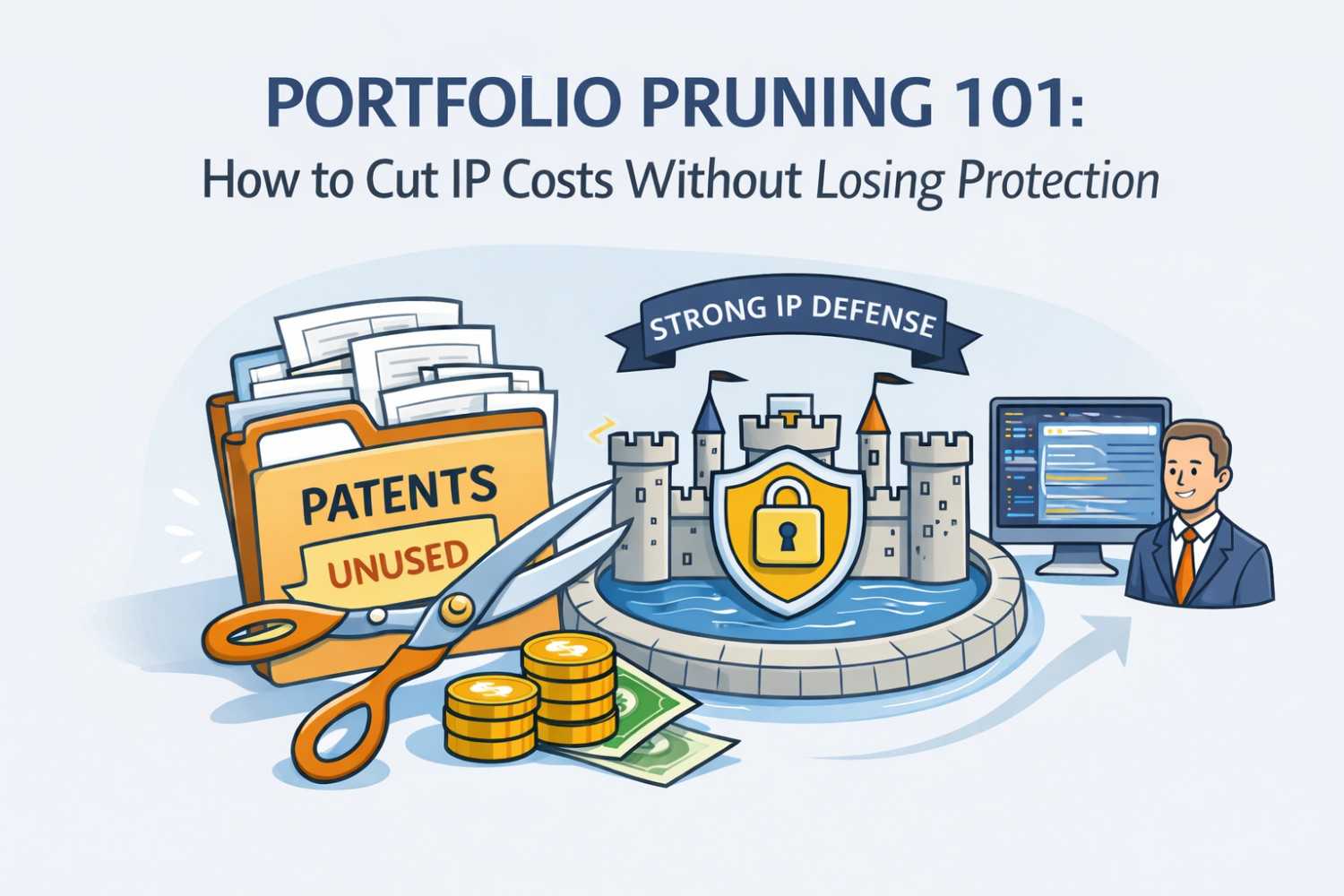
Portfolio Pruning 101: How to Cut IP Costs Without Losing Protection
Patents cost money. Sometimes a lot of it. Filing fees, lawyer time, office actions, renewals, foreign filings—it adds up fast. If you are building a startup, every dollar matters. But cutting patents the wrong way can hurt you later when investors ask hard questions or a big company copies your work. That is where portfolio…