Tag: AI Patent Review
-
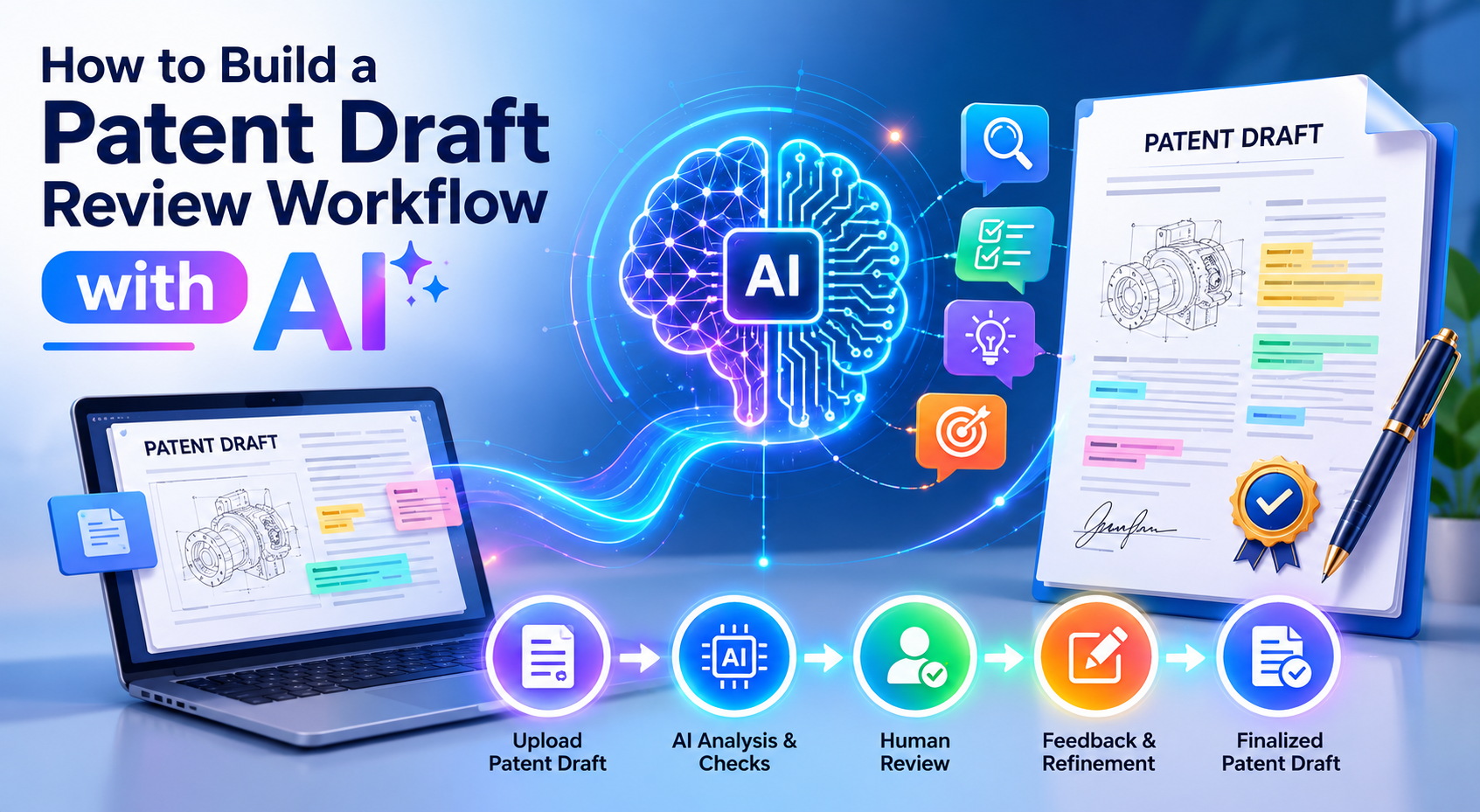
How to Build a Patent Draft Review Workflow with AI
A patent draft is not just a document. It is the first serious record of what your invention is, why it matters, and how it may protect your company later. That is where PowerPatent helps. It gives founders smart software plus real attorney oversight, so they can move faster without taking risky shortcuts. See how…
-
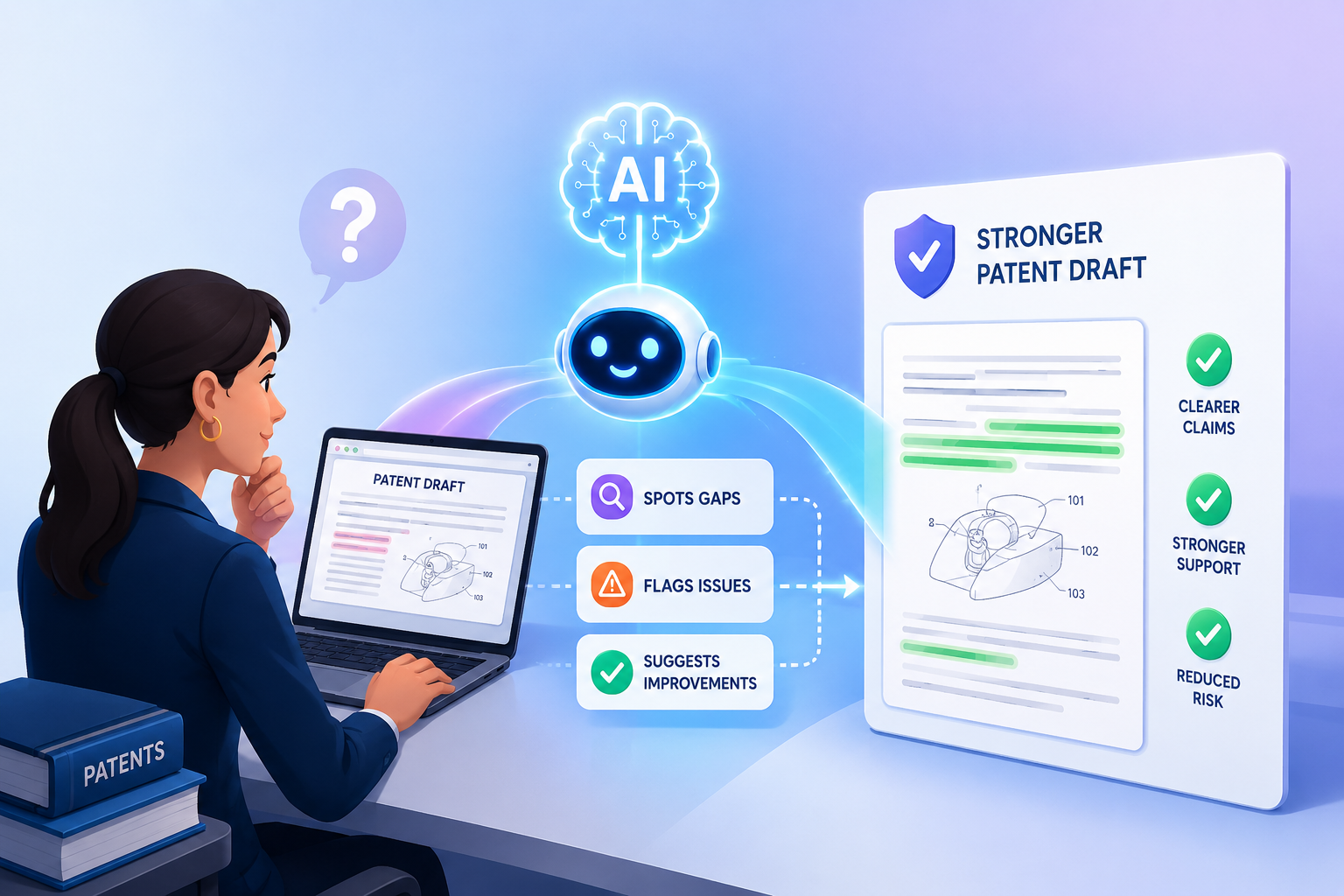
How AI Helps Junior Attorneys Review Patent Drafts Better
Junior patent attorneys carry a hard job. They must read dense invention notes, check claim language, spot missing details, compare the draft to the real product, and make sure the story of the invention is clear. One missed feature can weaken a patent. One vague sentence can create confusion later. One rushed review can lead…
-
Patent Draft Review for Software and AI Inventions
Software and AI inventions move fast. Your model changes. Your code improves. Your product shifts. But once a patent draft is filed, weak wording can follow you for years. That is why a patent draft review matters so much. A patent draft review should begin with the real product, not the patent form A patent…
-
Patent Draft Review for Biotech, Medtech, and Hardware Inventions
A patent draft can look finished and still be weak. That is the hard truth many founders learn too late. The idea may be brilliant. The science may be strong. The device may work. The prototype may turn heads. But if the patent draft misses the real invention, uses narrow wording, skips key versions, or…
-
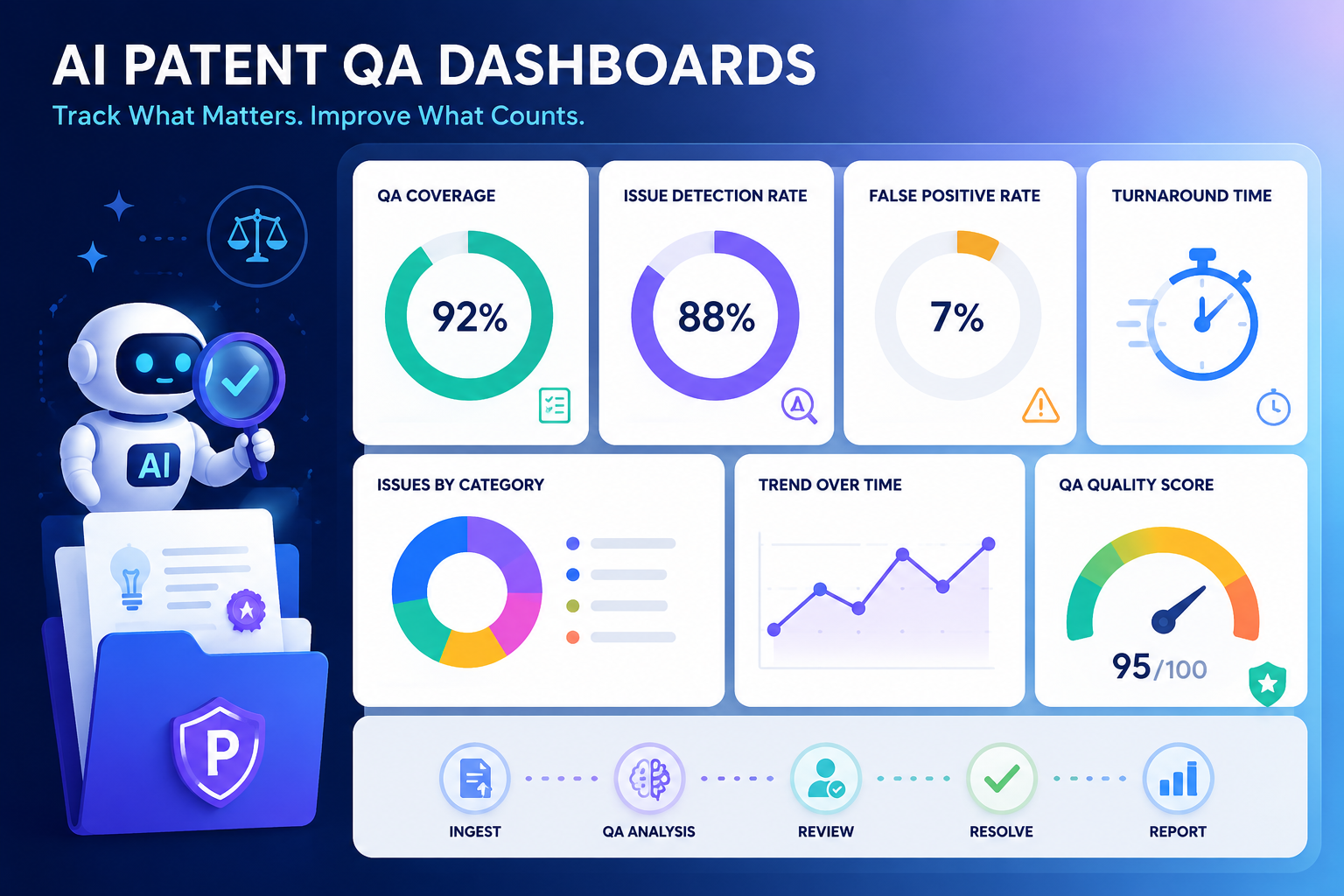
AI Patent QA Dashboards: What Metrics Should IP Teams Track?
AI can help IP teams move fast. But speed alone is not the win. A patent draft that is quick but weak can cost a company years of value. A review process that finds issues too late can slow product teams down. A dashboard that only tracks volume can make the team look busy while…
-
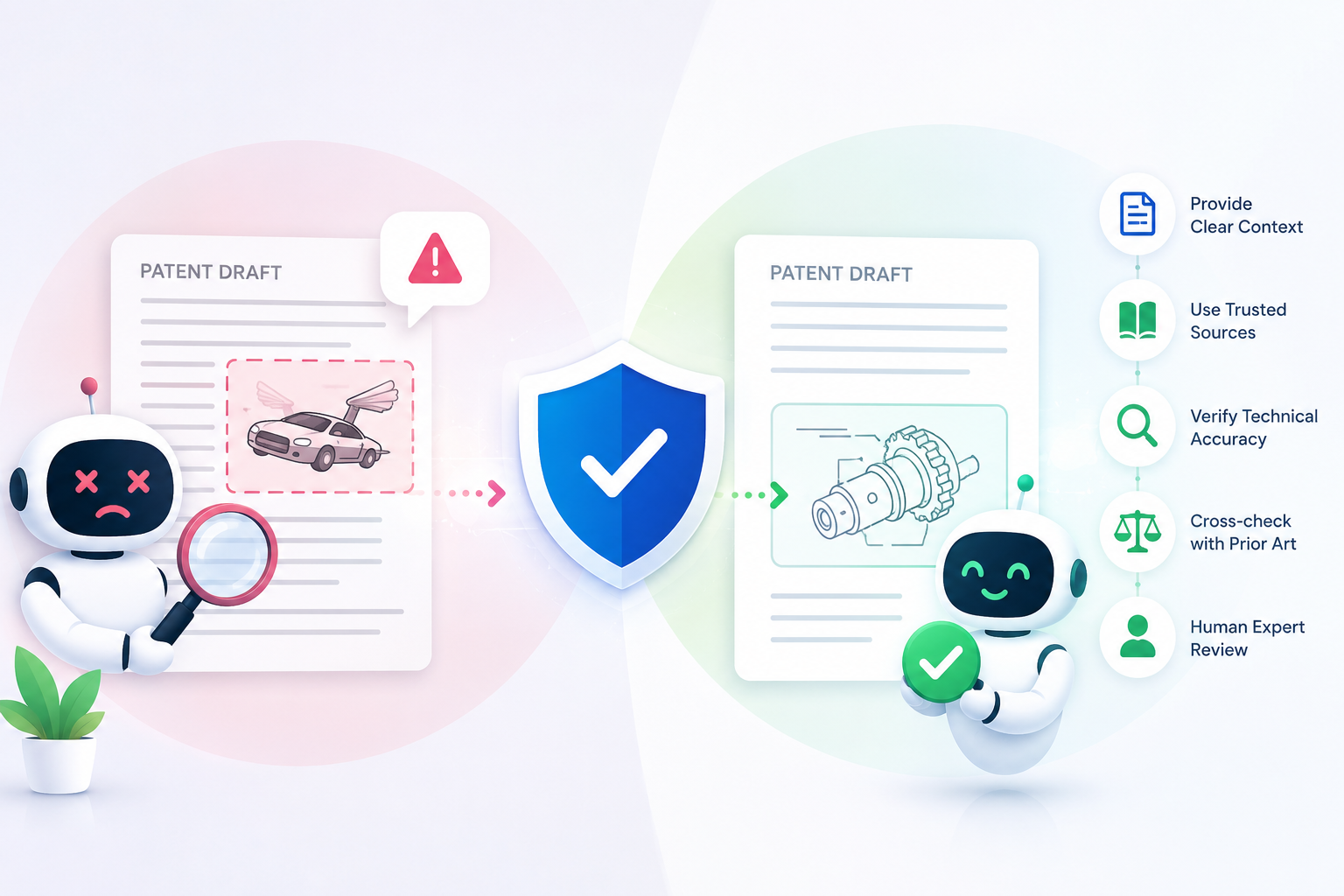
How to Avoid Hallucinations in AI-Reviewed Patent Drafts
AI can make patent drafting faster. It can spot missing details, compare claim words, check flow, and help your team move with more control. But AI can also make things up. You can see how PowerPatent helps founders protect inventions with more speed and confidence here: https://powerpatent.com/how-it-works Start by Treating AI as a Reviewer, Not…
-
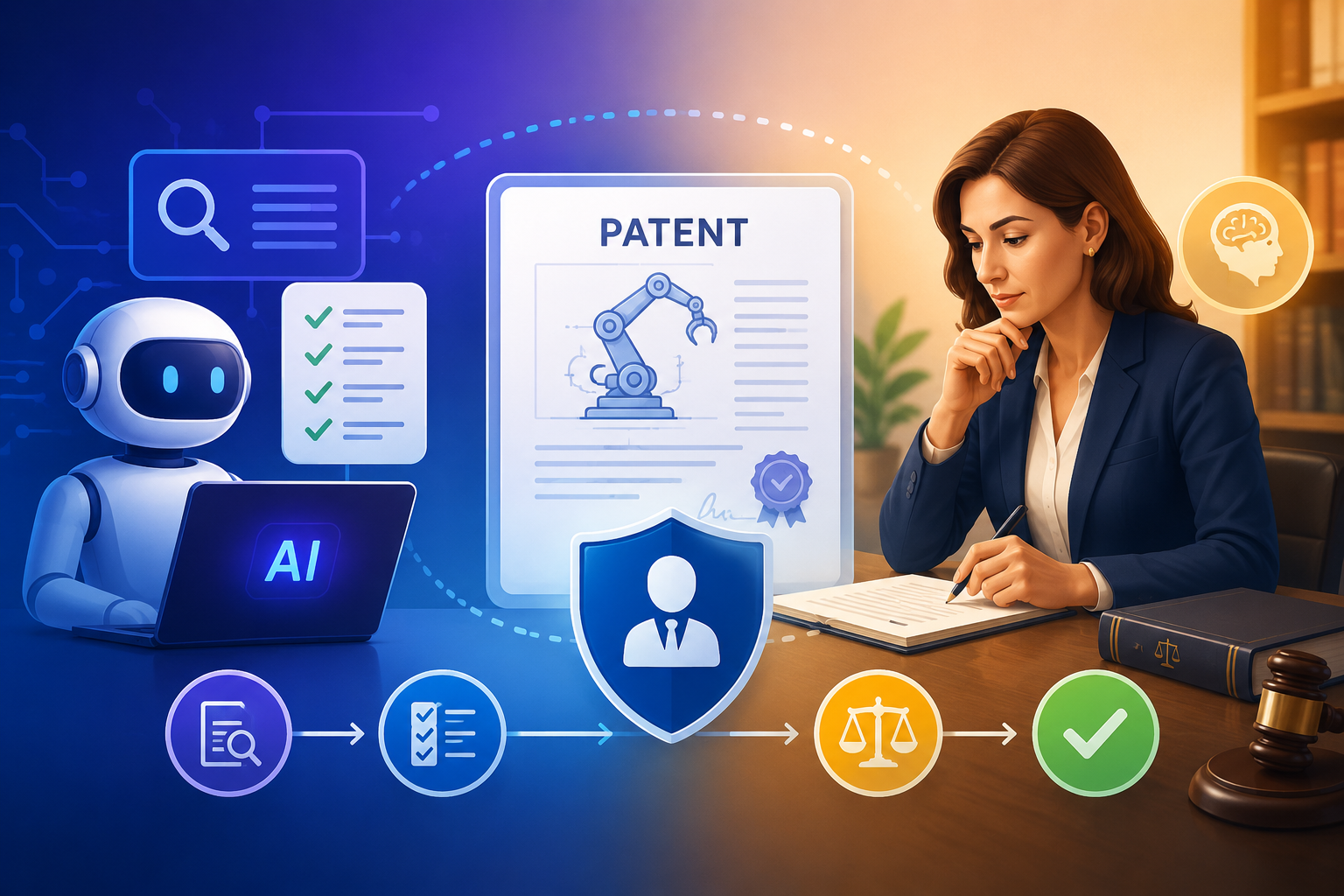
Attorney Oversight in AI Patent Review: What Must Stay Human
AI can move fast. It can read drafts, spot gaps, compare ideas, and help teams work with less friction. For founders, engineers, and inventors, that is a big win. Patent work has often felt slow, costly, and hard to understand. AI can change that. Attorney Oversight Matters Because a Patent Is a Business Asset, Not…
-
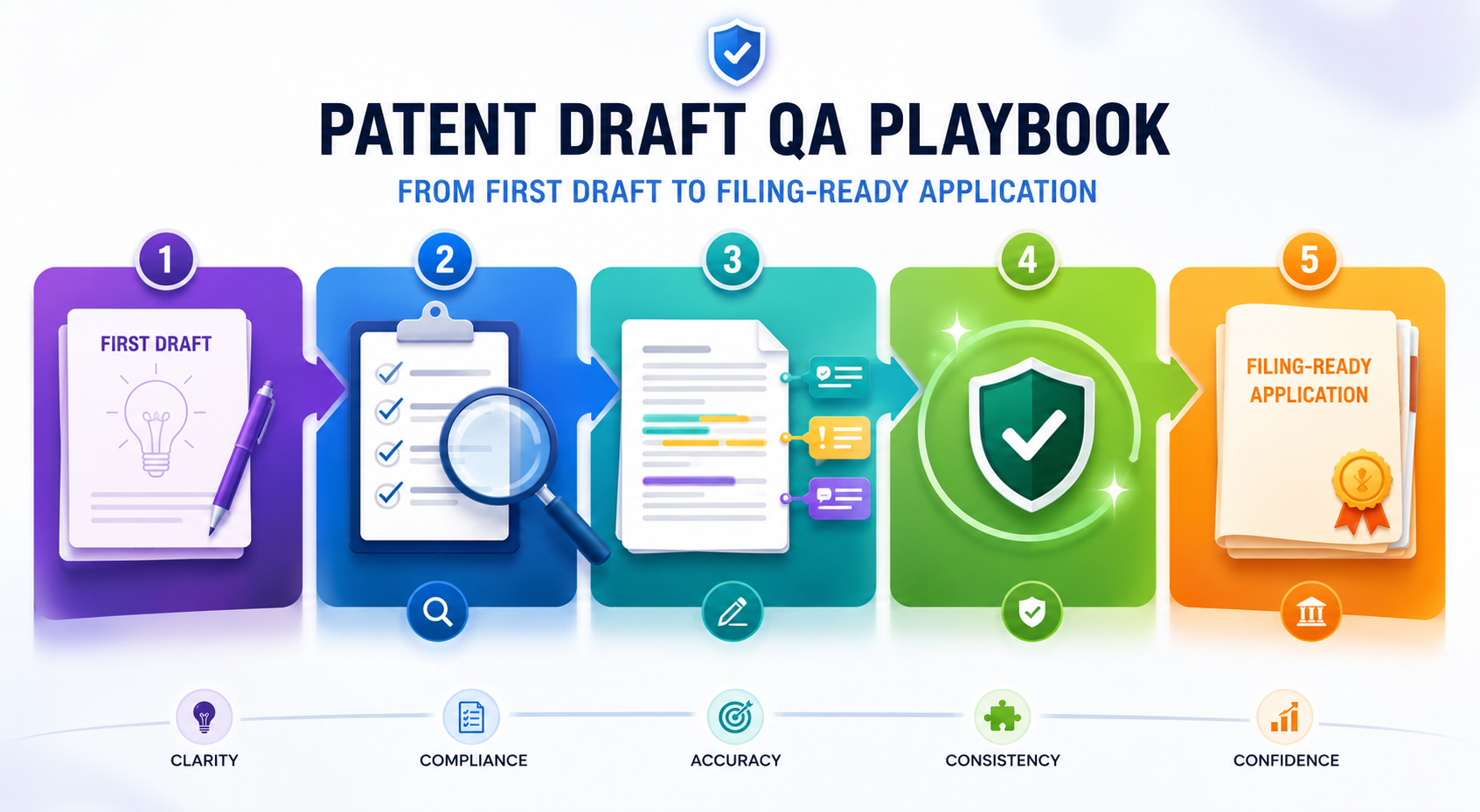
Patent Draft QA Playbook: From First Draft to Filing-Ready Application
A patent draft is not ready just because it is long. It is ready when it clearly shows what you built, why it matters, how it works, and what needs to be protected. PowerPatent helps founders do this faster with smart software and real attorney oversight, so your team can move with more confidence. You…
-
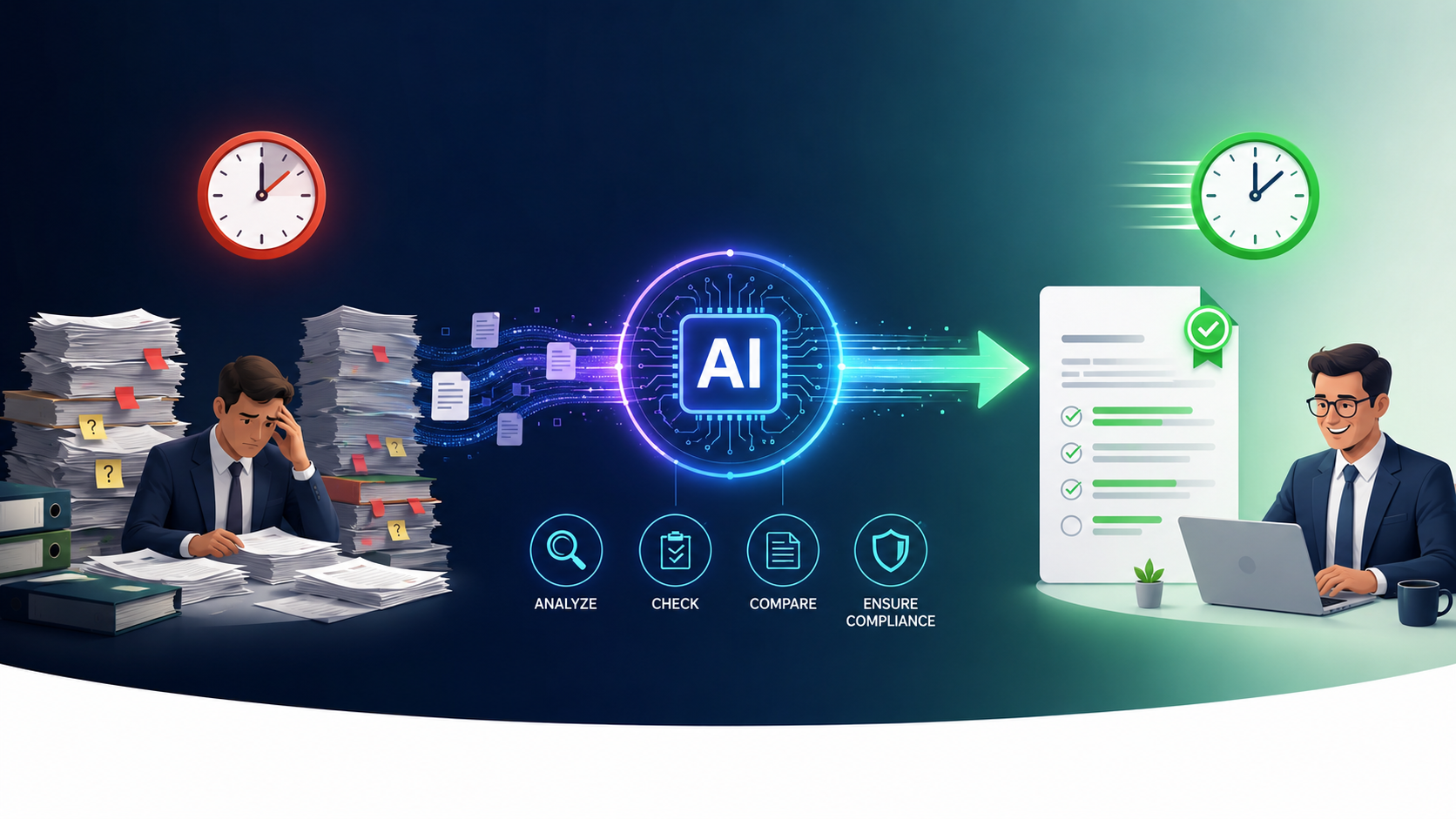
How AI Helps Patent Attorneys Reduce Draft Review Time
Patent attorneys do not lose time because they lack skill. They lose time because draft review is packed with tiny checks that demand deep focus. Every claim must line up with the spec. Every term must stay clear. Every figure must match the story. Every weak spot must be found before it becomes an expensive…
-
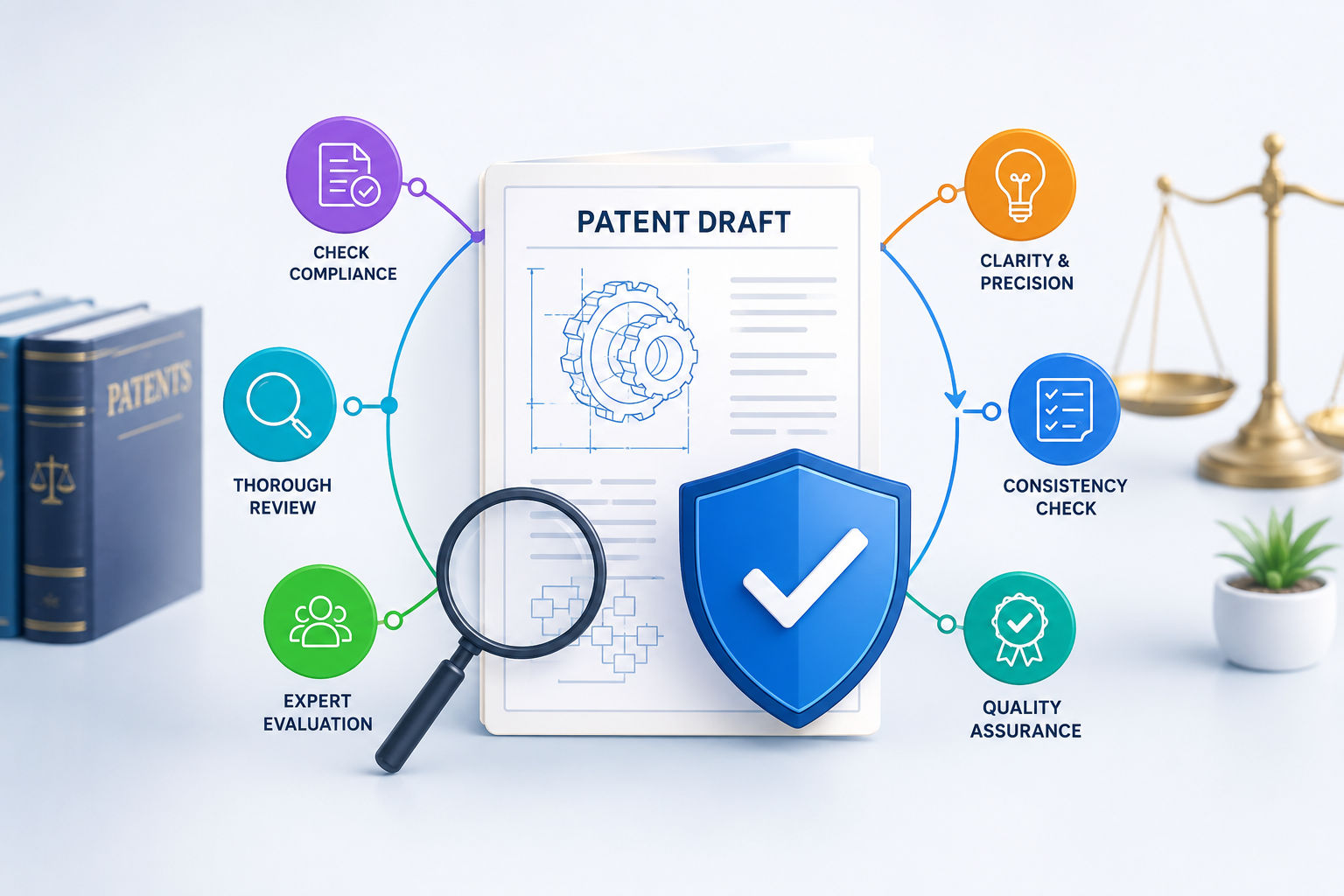
Patent Draft Quality Control for Law Firms: Best Practices
A patent draft is not just a document. It is the legal shield around a client’s idea. For a law firm, draft quality is where trust is won or lost. One weak claim, one missed detail, or one unclear line can turn a strong invention into a soft target. Quality control should begin before the…