Tag: Inventor-Attorney Collaboration
-
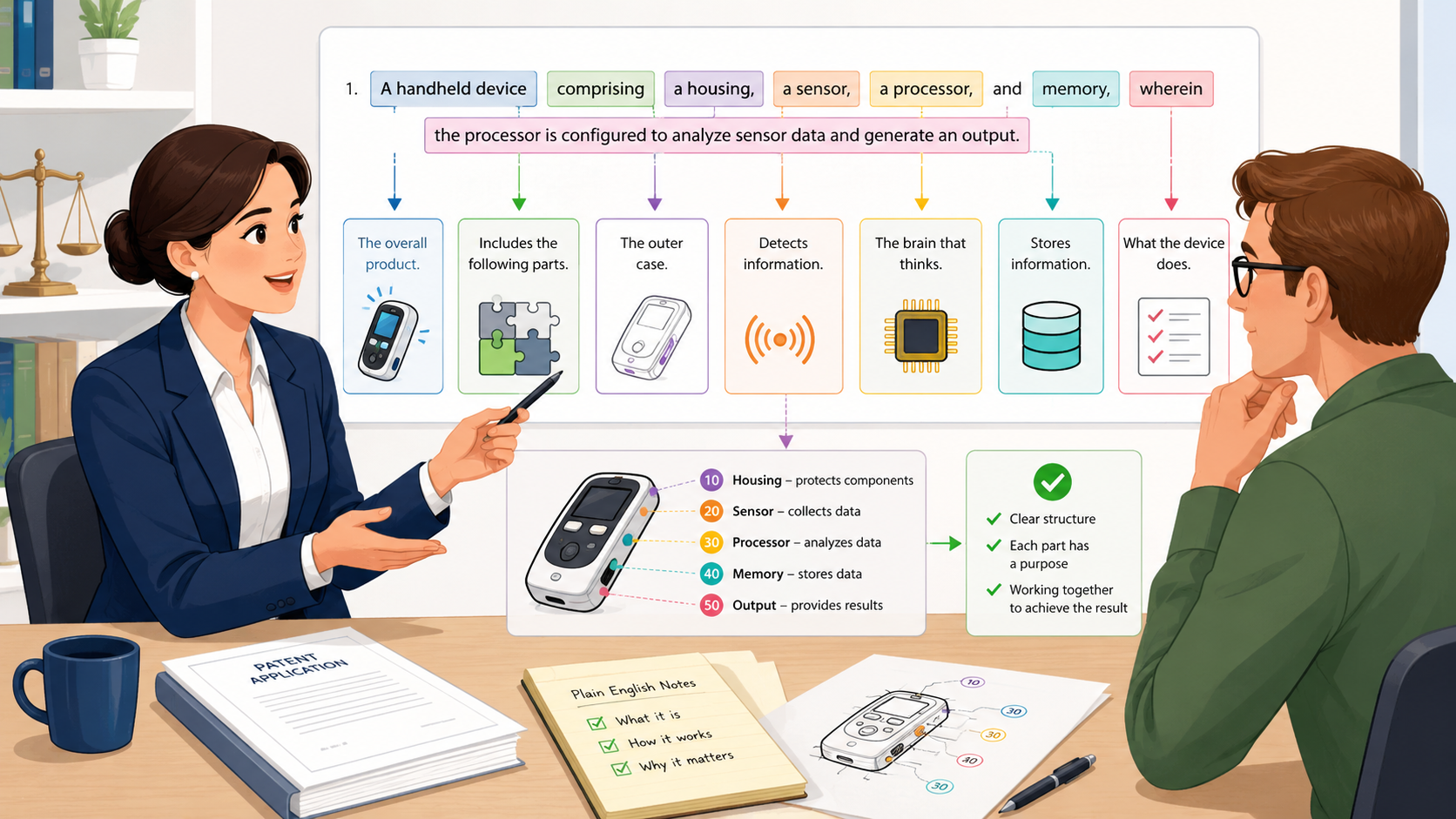
How to Explain Patent Claims to Inventors in Plain English
Patent claims are the most important part of a patent, but they are often the hardest part for inventors to understand. At PowerPatent, we help founders turn complex inventions into strong patent filings with smart software and real attorney oversight. See how it works here: https://powerpatent.com/how-it-works Patent Claims Are the Part of the Patent That…
-
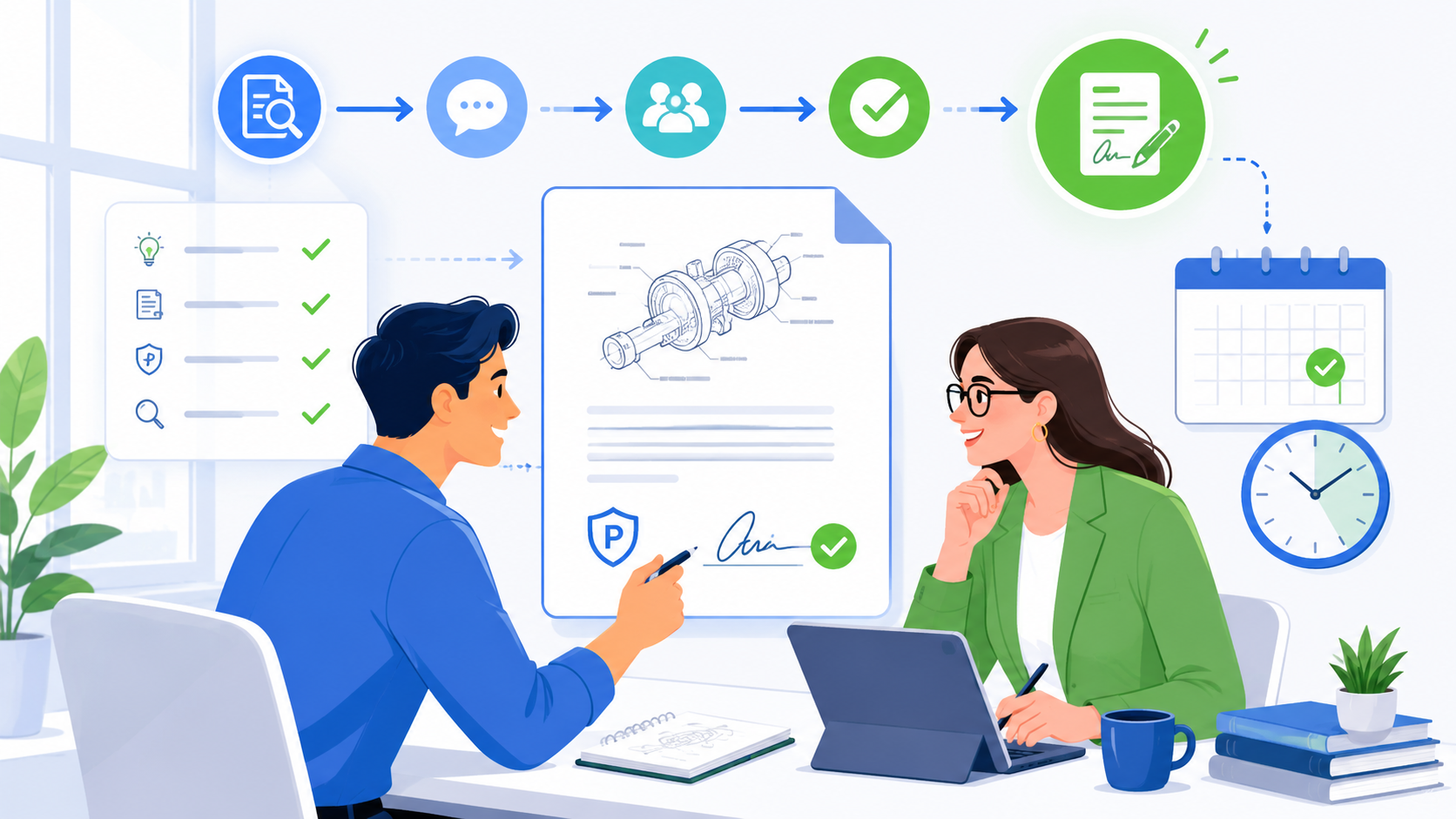
Inventor Sign-Off Workflow: Avoid Last-Minute Patent Filing Delays
Last-minute patent filing delays almost never come from the invention itself. PowerPatent helps teams do this with smart software and real attorney oversight, so founders can file with more control and less stress. Learn how it works here: https://powerpatent.com/how-it-works Why Inventor Sign-Off Becomes A Filing Bottleneck Inventor sign-off sounds simple from the outside. The patent…
-
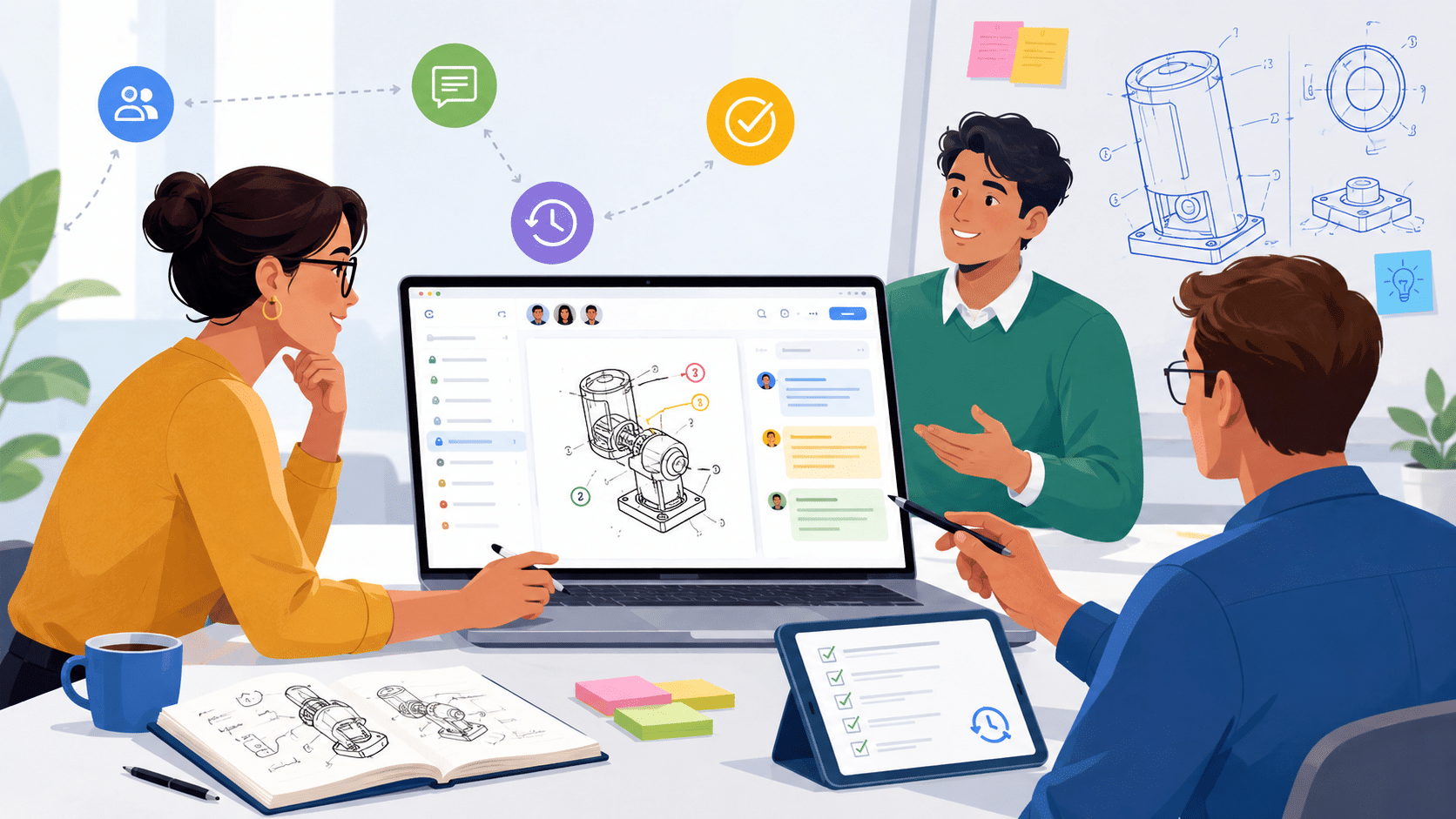
How to Use Shared Workspaces for Patent Draft Review
Patent drafts get messy fast when feedback lives in email, chat, notes, PDFs, and random file names like “final_v7_real_final.” That mess can slow your team down, hide key ideas, and lead to weak patent filings. PowerPatent helps teams do this with smart software and real attorney oversight, so you can protect your invention without losing…
-
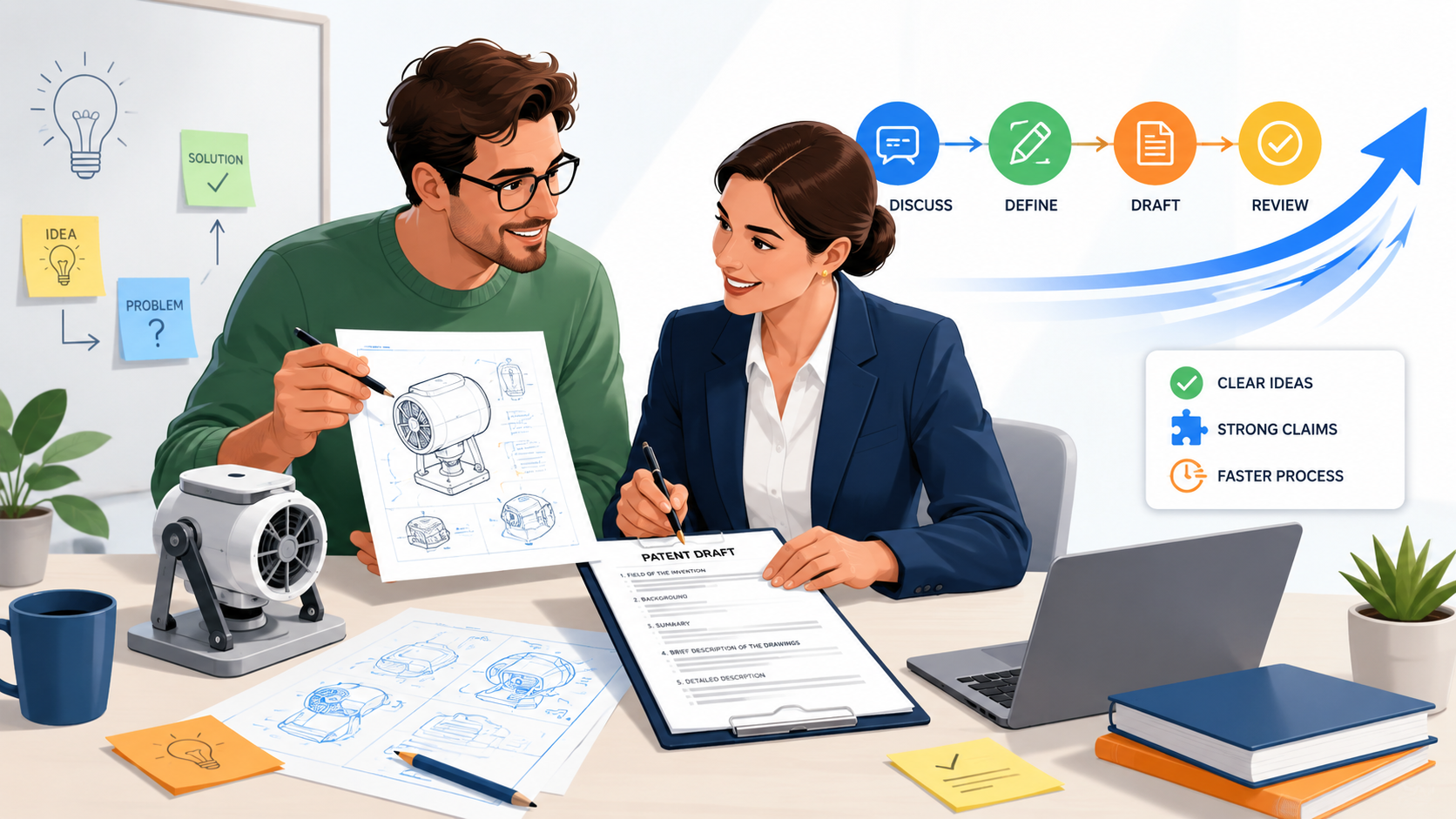
Inventor-Attorney Collaboration: How to Make Patent Drafting Faster
Patent drafting gets slow when inventors and attorneys work in separate worlds. The inventor knows the idea, the edge, the “why this matters,” and the small details that make the invention special. The attorney knows how to turn that into a strong patent that can hold up later. But when the handoff is messy, the…
-
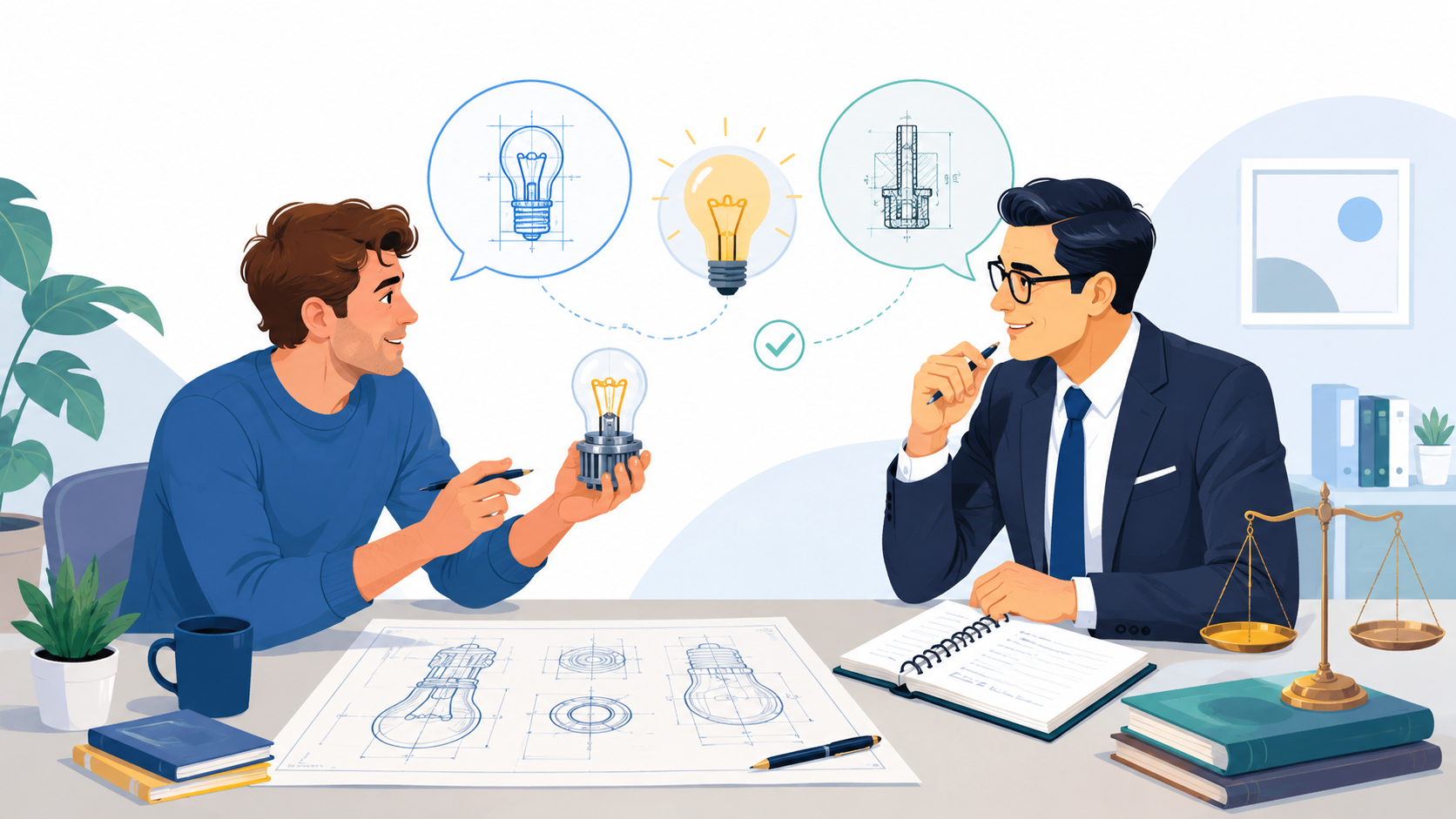
How to Improve Communication Between Inventors and Patent Attorneys
A strong patent does not start with legal words. It starts with clear talk. Most problems between inventors and patent attorneys happen for one simple reason: the inventor sees the invention in their head, but the attorney has to turn that idea into words that protect it. When the two sides do not fully understand…
-
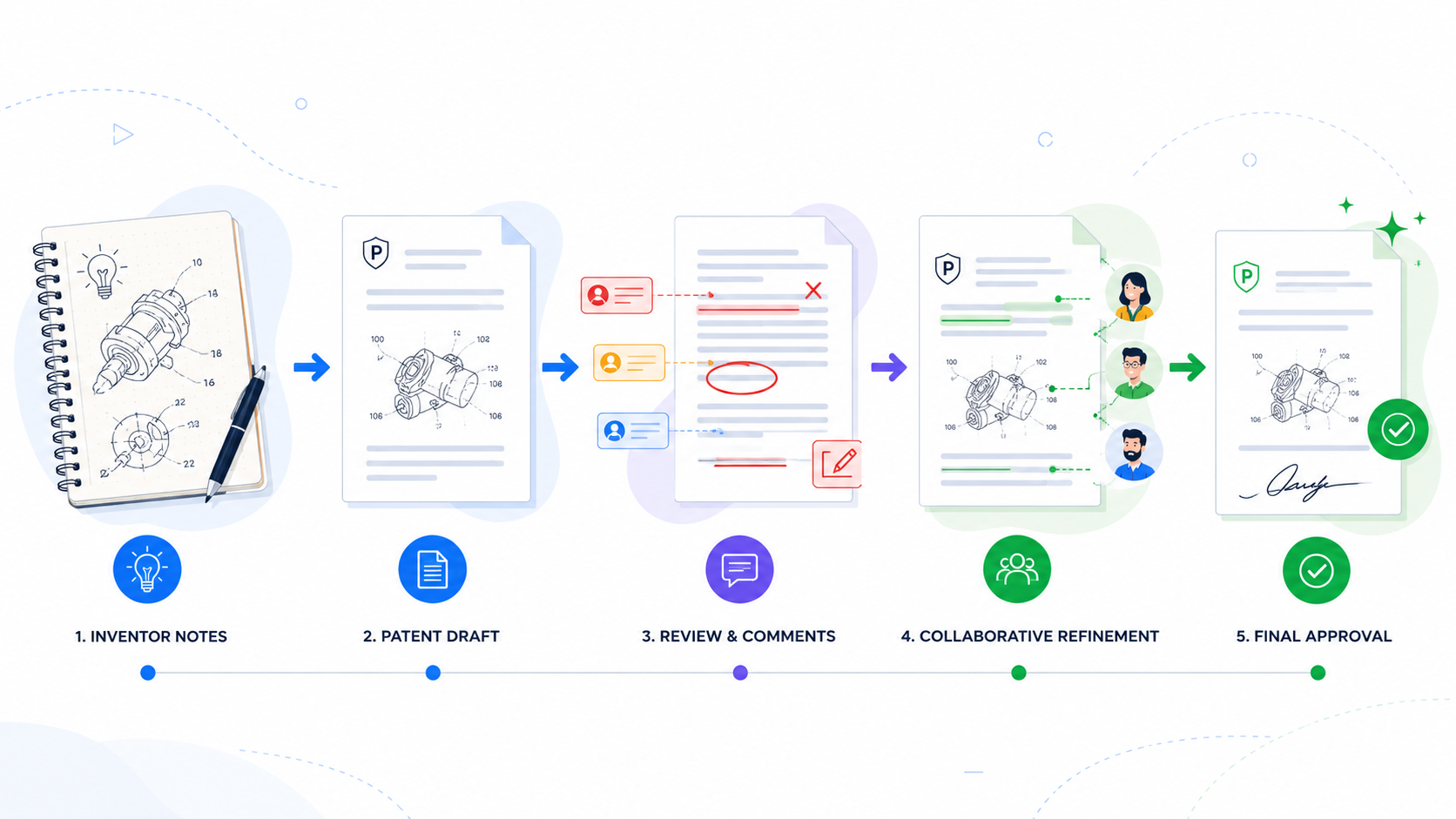
Patent Draft Review Workflow: From Inventor Notes to Final Approval
A strong patent does not start with perfect words. It starts with messy notes, quick drawings, code comments, lab results, voice memos, product sketches, and the founder saying, “I think this part is new.” The real work is turning that raw idea into a clear patent draft that protects the invention without slowing the team…
-
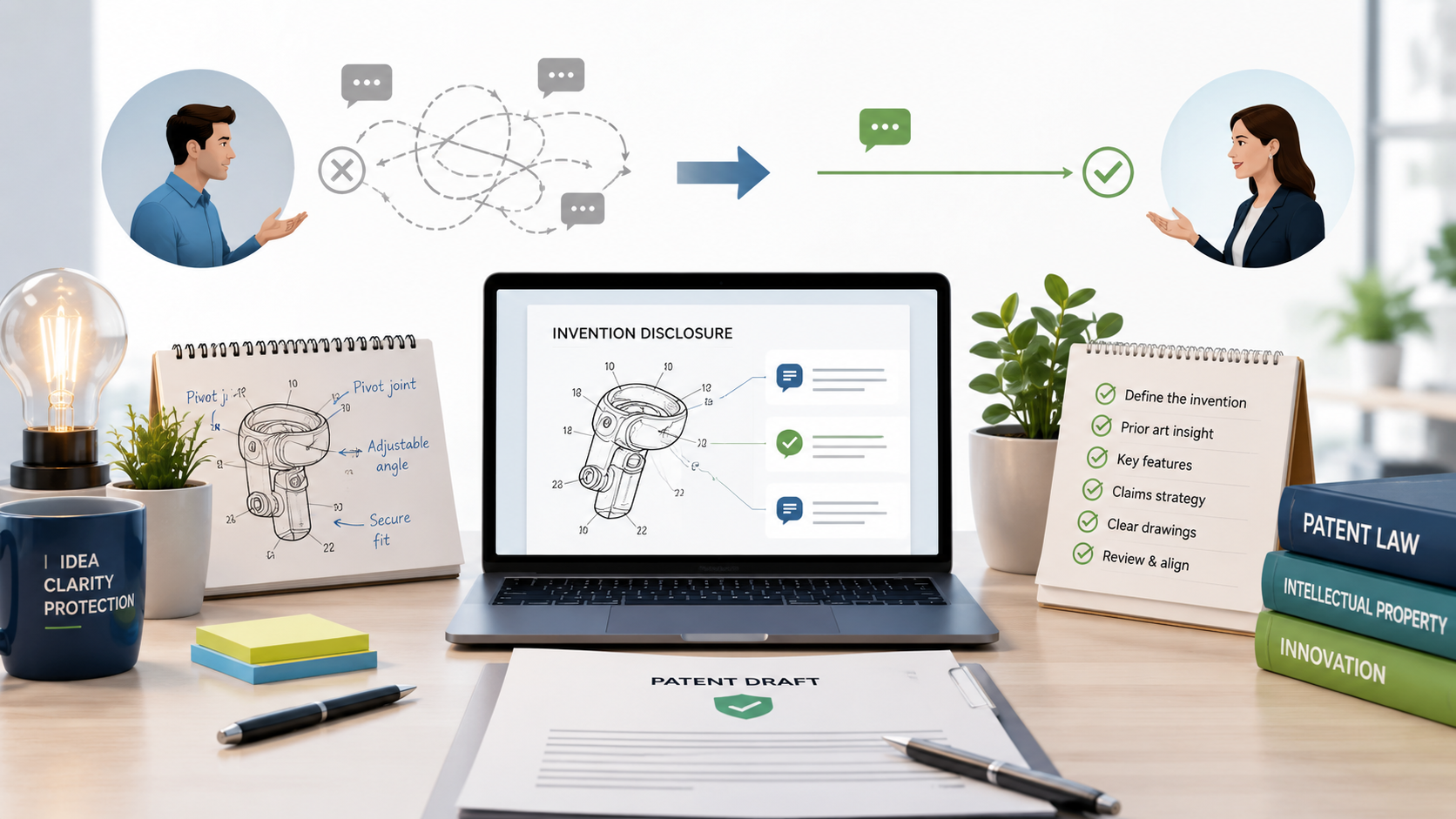
How to Reduce Back-and-Forth in Patent Drafting
Patent drafting should not feel like a long game of email ping-pong. Yet for many founders, engineers, and inventors, that is exactly what happens. The attorney asks for more details. The team sends notes. The attorney asks again. Someone shares a diagram. Someone else corrects it. A key feature gets missed. The draft comes back…
-
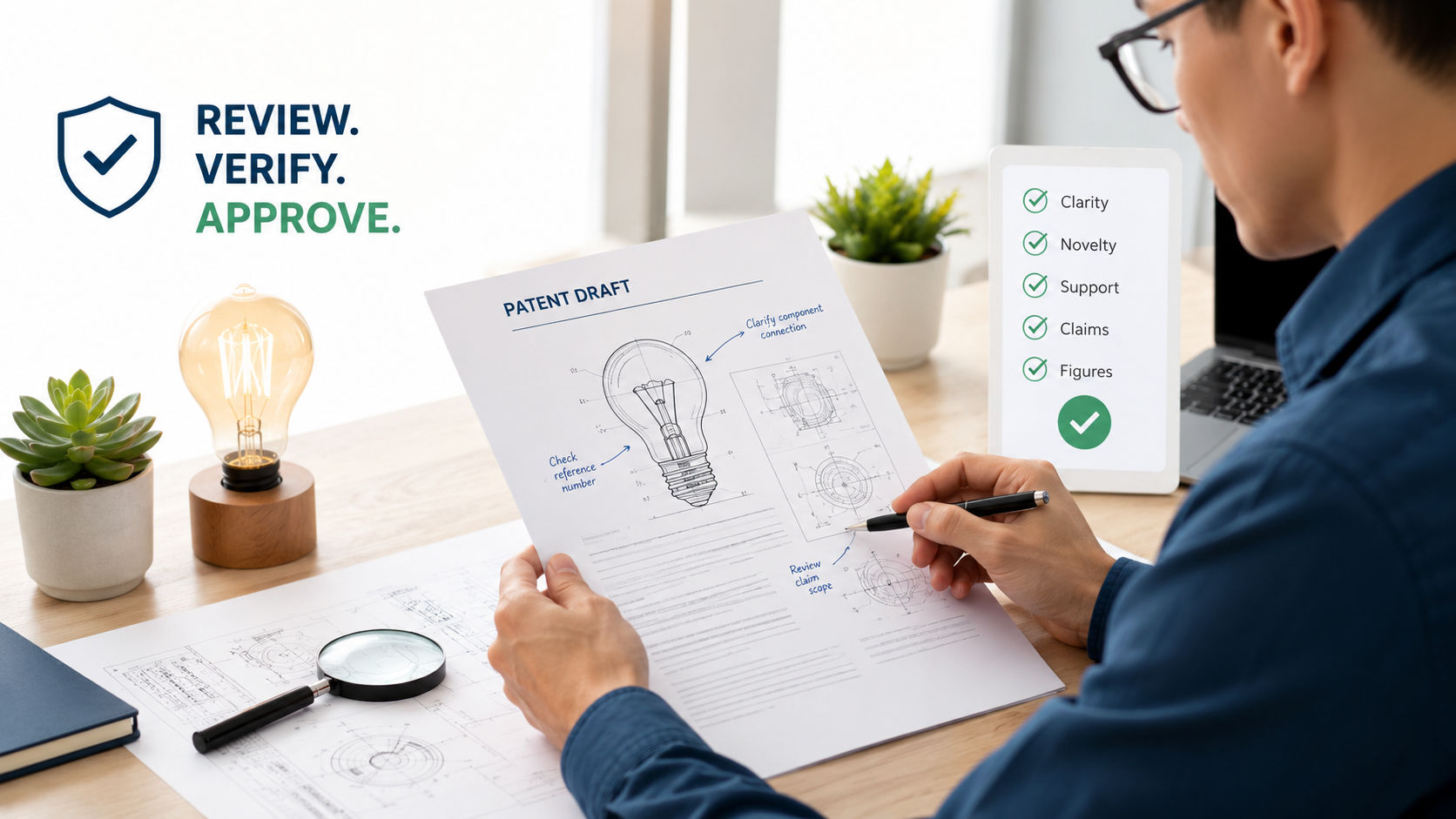
Inventor Review Checklist: What to Check Before Approving a Patent Draft
A patent draft is not just a document. It is the story of your invention, written in a way that can protect your company, your product, and the work your team has built. Before you approve it, you need to slow down and check the right things. Not just typos. Not just names and dates.…
-
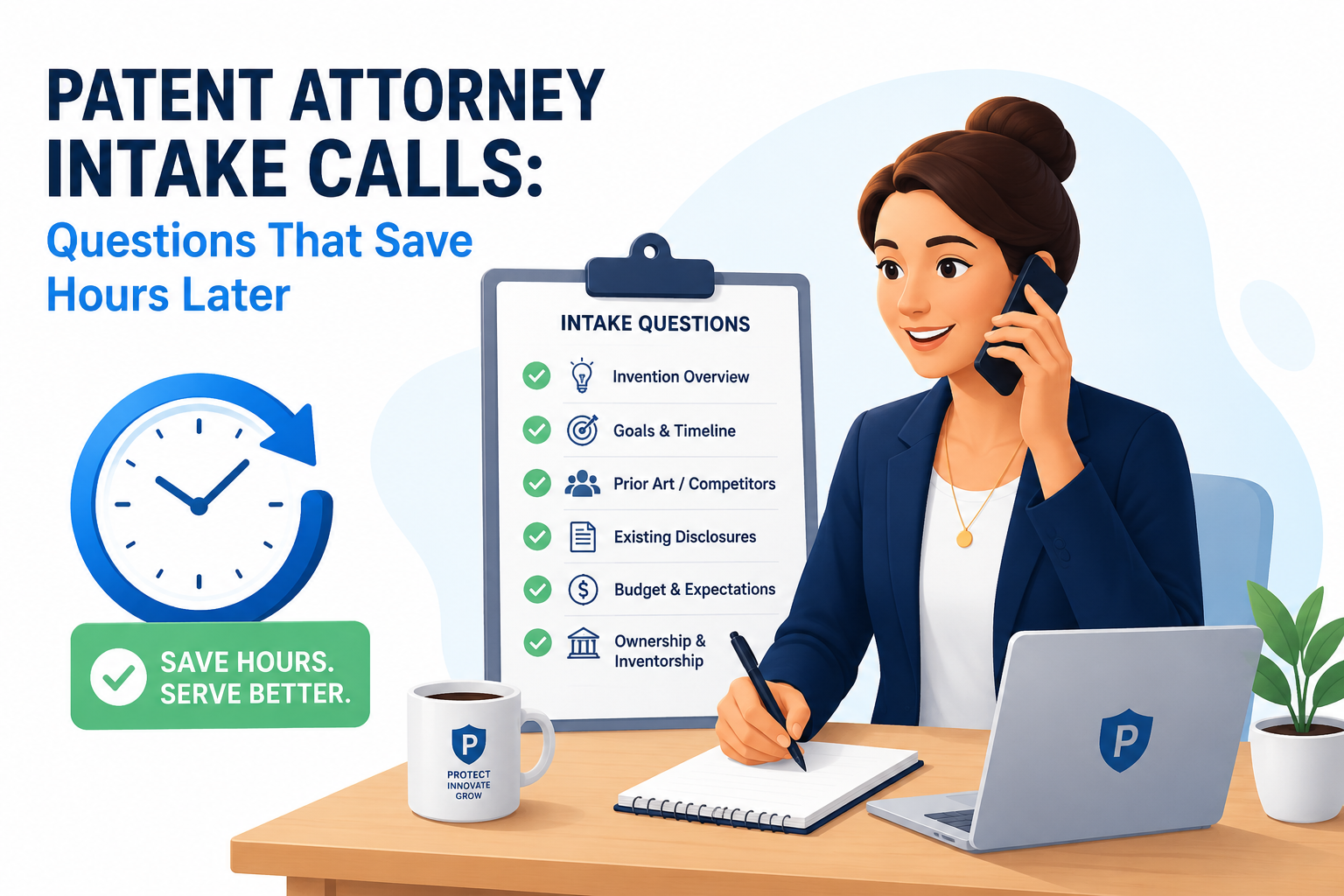
Patent Attorney Intake Calls: Questions That Save Hours Later
A patent attorney intake call can either save your team hours or create weeks of back-and-forth. The difference is simple: the right questions. In this guide, we will break down the questions that make patent intake calls sharper, faster, and more useful. We will show how founders can prepare, what attorneys should ask, and how…
-
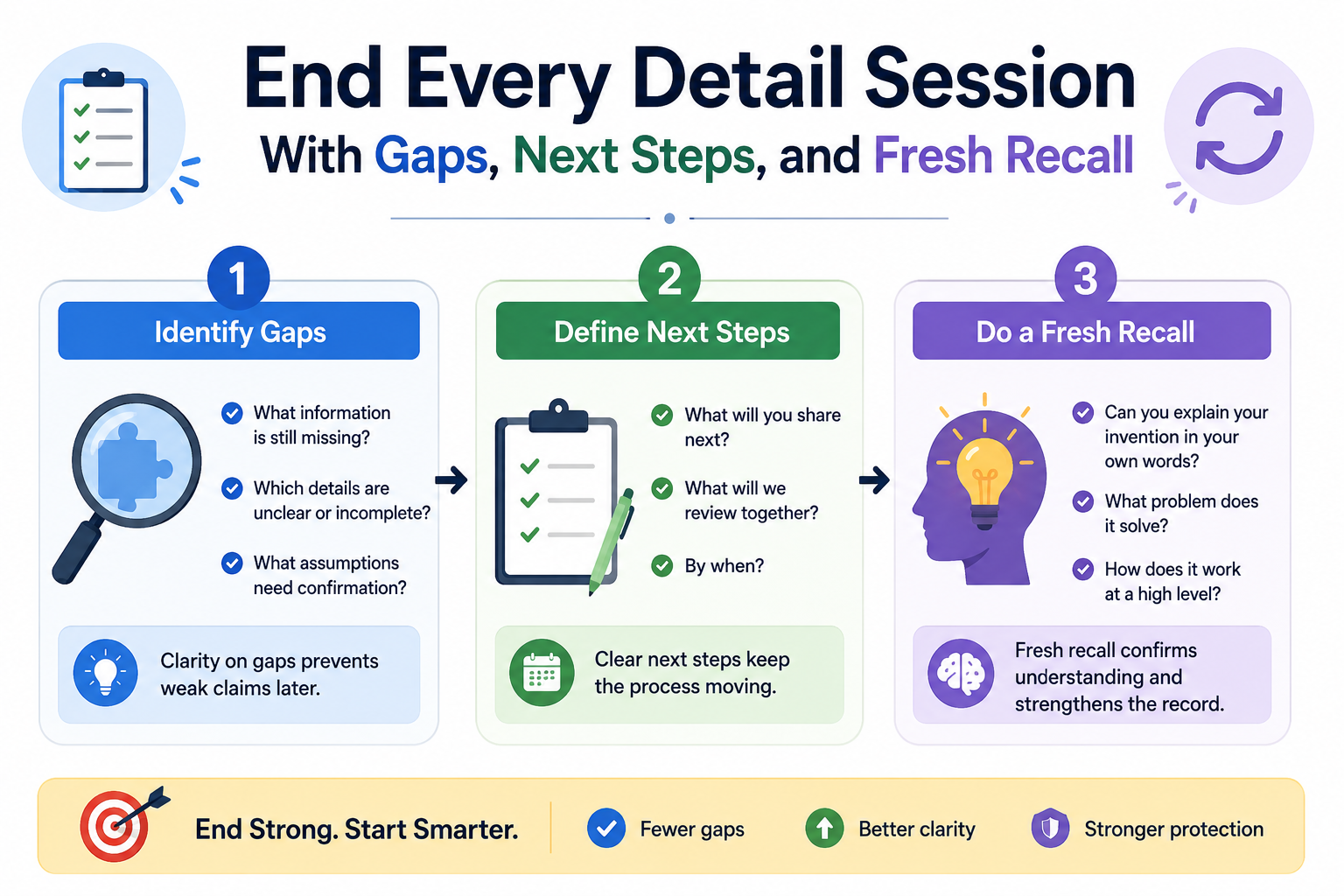
How to Collect Better Technical Details from Inventors
A strong patent starts with strong details. Not fancy words. Not long meetings. Not a rushed form full of thin answers. The real value comes from the small technical choices the inventor made while building the invention. What problem did they see? What did they try first? What failed? What changed? What makes the final…
