Tag: Patent Attorneys
-

Patentability Search Playbook: A Repeatable Workflow for IP Teams
Patentability search should not feel random. For busy IP teams, the goal is not to search harder every time. The goal is to build a repeatable workflow that helps the team find prior art, understand risk, and make better filing decisions without slowing the business down. This playbook gives you a clear process you can…
-
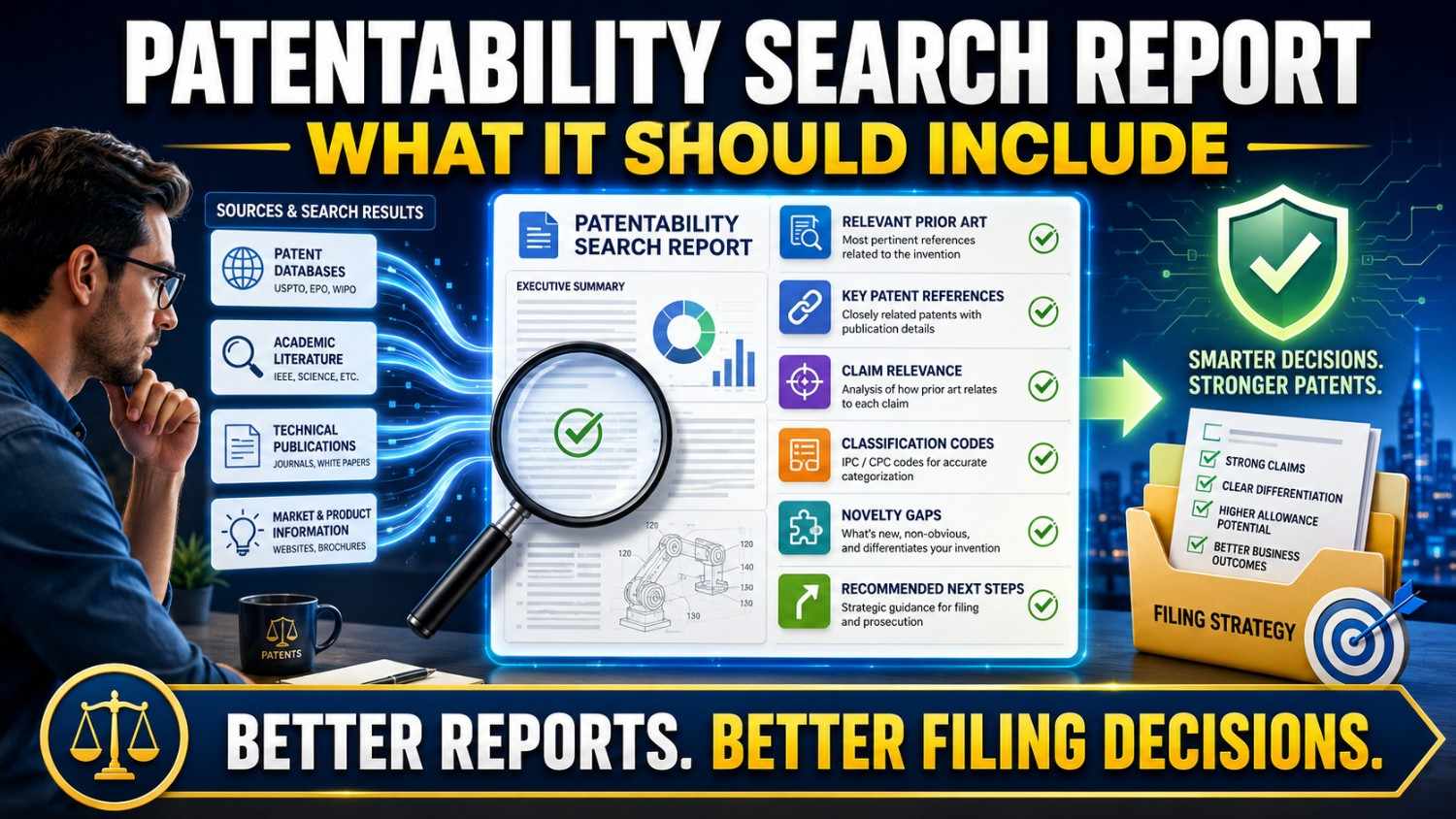
Patentability Search Report: What It Should Include
A patentability search report should not be a pile of links. It should help you make a decision. For a startup, that decision may be simple but important: file now, narrow the invention, search more, pivot to another feature, keep part of it secret, or drop the idea. A good report turns search results into…
-

How Patent Attorneys Review Novelty Search Results
A novelty search gives you a stack of references. A patent attorney turns that stack into a filing decision. That decision may be to file, narrow, pivot, search more, keep something secret, or walk away. For a startup, this is where patent work becomes strategy. PowerPatent helps founders, engineers, scientists, and inventors turn invention notes…
-
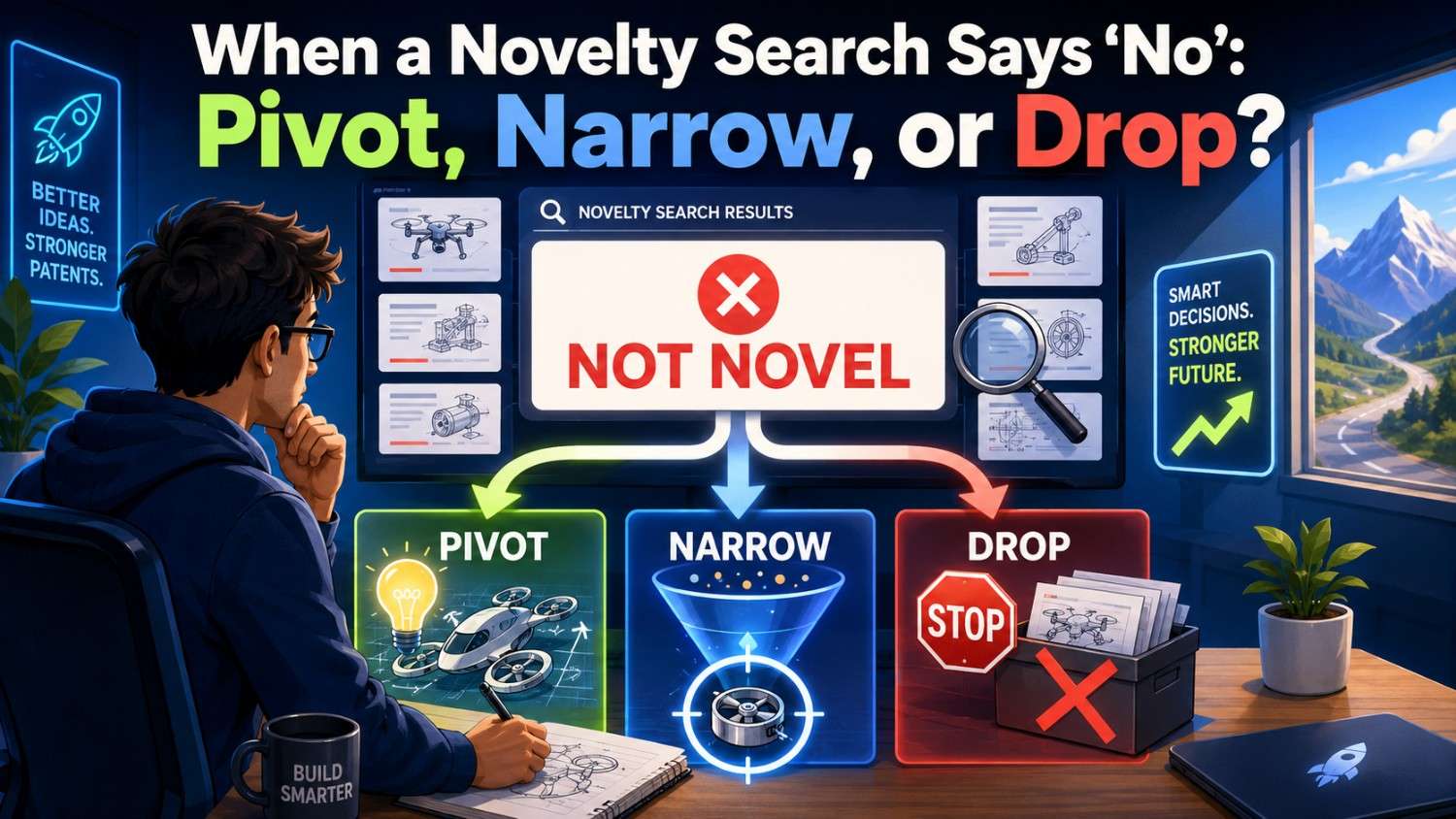
When a Novelty Search Says “No”: Pivot, Narrow, or Drop?
A novelty search can feel like a hard stop. You search your invention. You find prior art. The broad idea looks taken. The first reaction is often panic. But a “no” from a novelty search does not always mean the invention is worthless. It means the first version of the patent idea may not be…
-
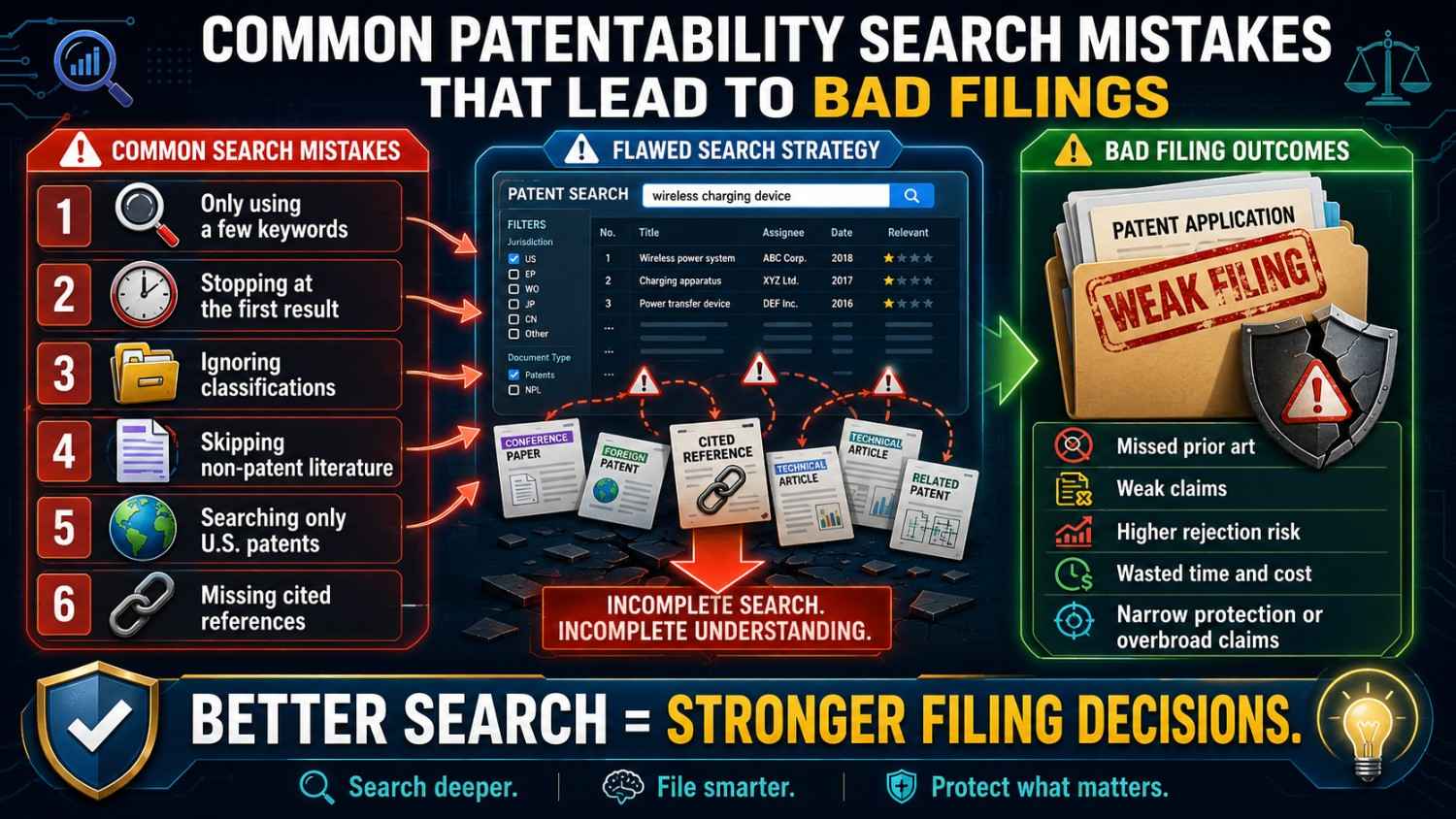
Common Patentability Search Mistakes That Lead to Bad Filings
A bad patent filing often starts before the patent is even written. It starts with a weak search. A patentability search is supposed to help you see what came before, find your real invention, and decide what to file. But when the search is too shallow, too broad, too late, or focused on the wrong…
-
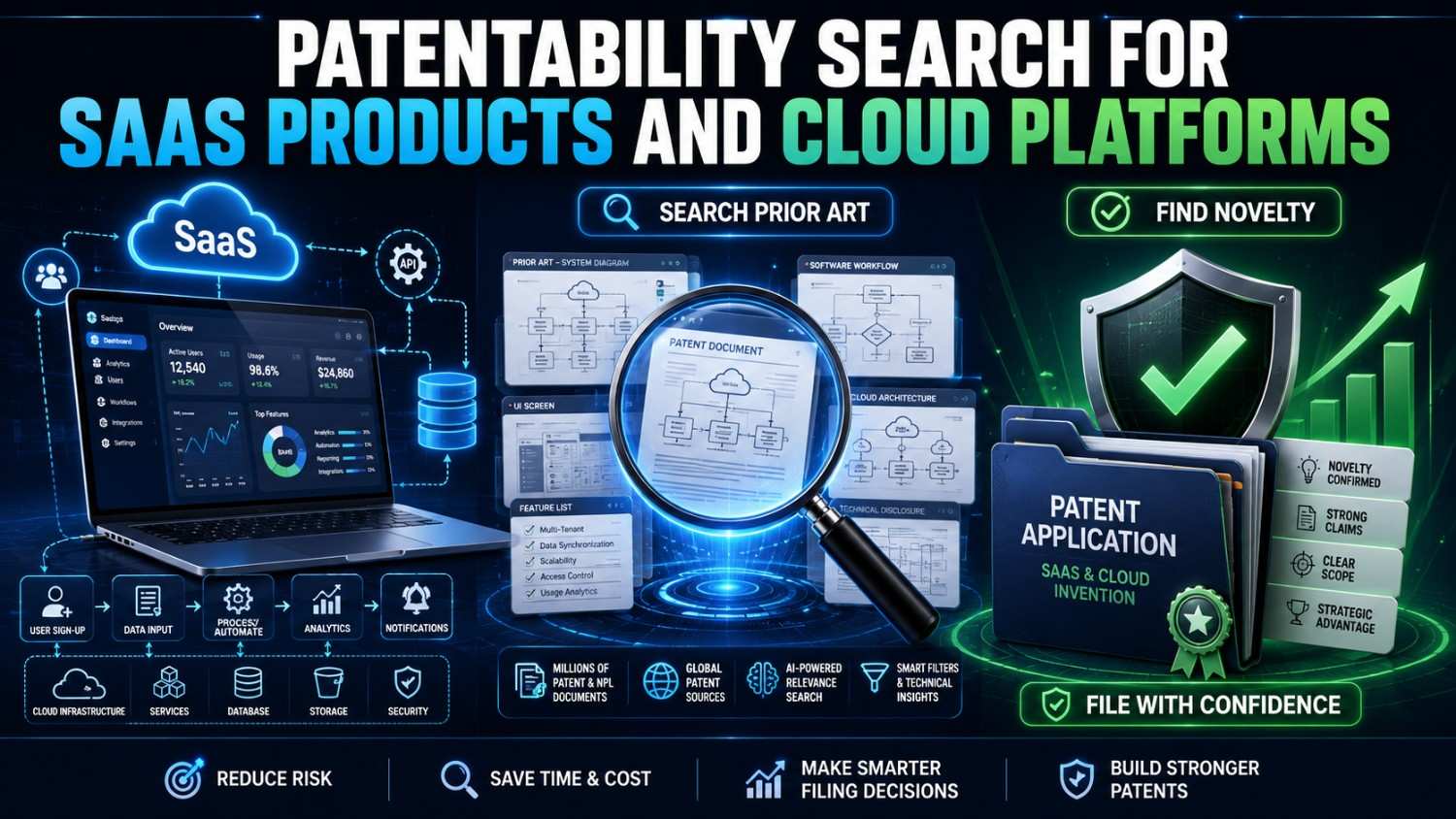
Patentability Search for SaaS Products and Cloud Platforms
SaaS products move fast. Cloud platforms change every week. But if your team has built something technically new, you should not wait until after launch to think about patents. A patentability search helps you find what came before, see where your real edge may be, and decide whether a filing makes sense. PowerPatent helps SaaS…
-
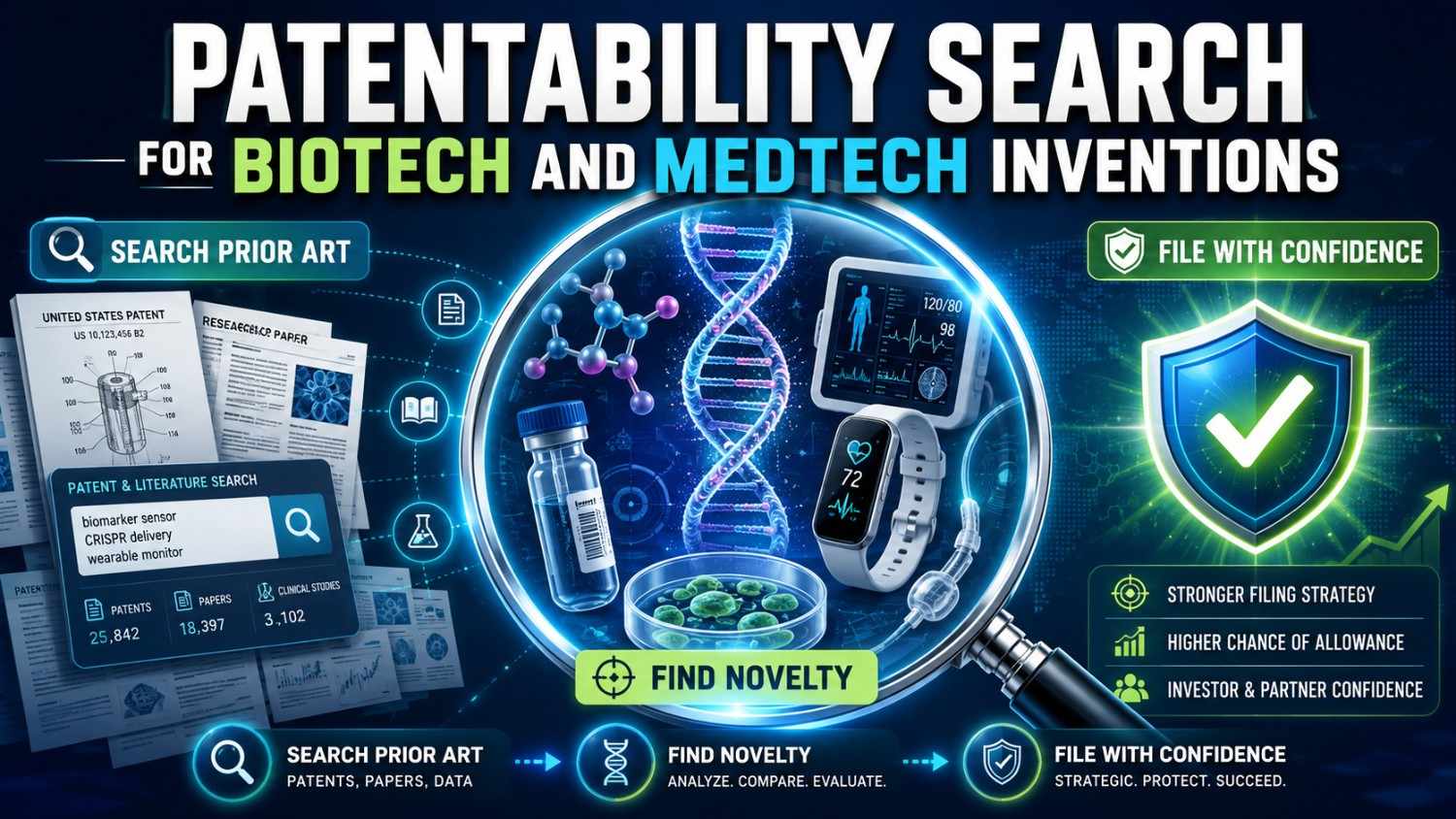
Patentability Search for Biotech and MedTech Inventions
Biotech and MedTech inventions can change lives. But before you file a patent, you need to know what came before. A patentability search helps you find the closest prior art, see what is truly different, and decide whether your invention is ready for a filing. PowerPatent helps founders, scientists, engineers, and inventors turn complex technical…
-
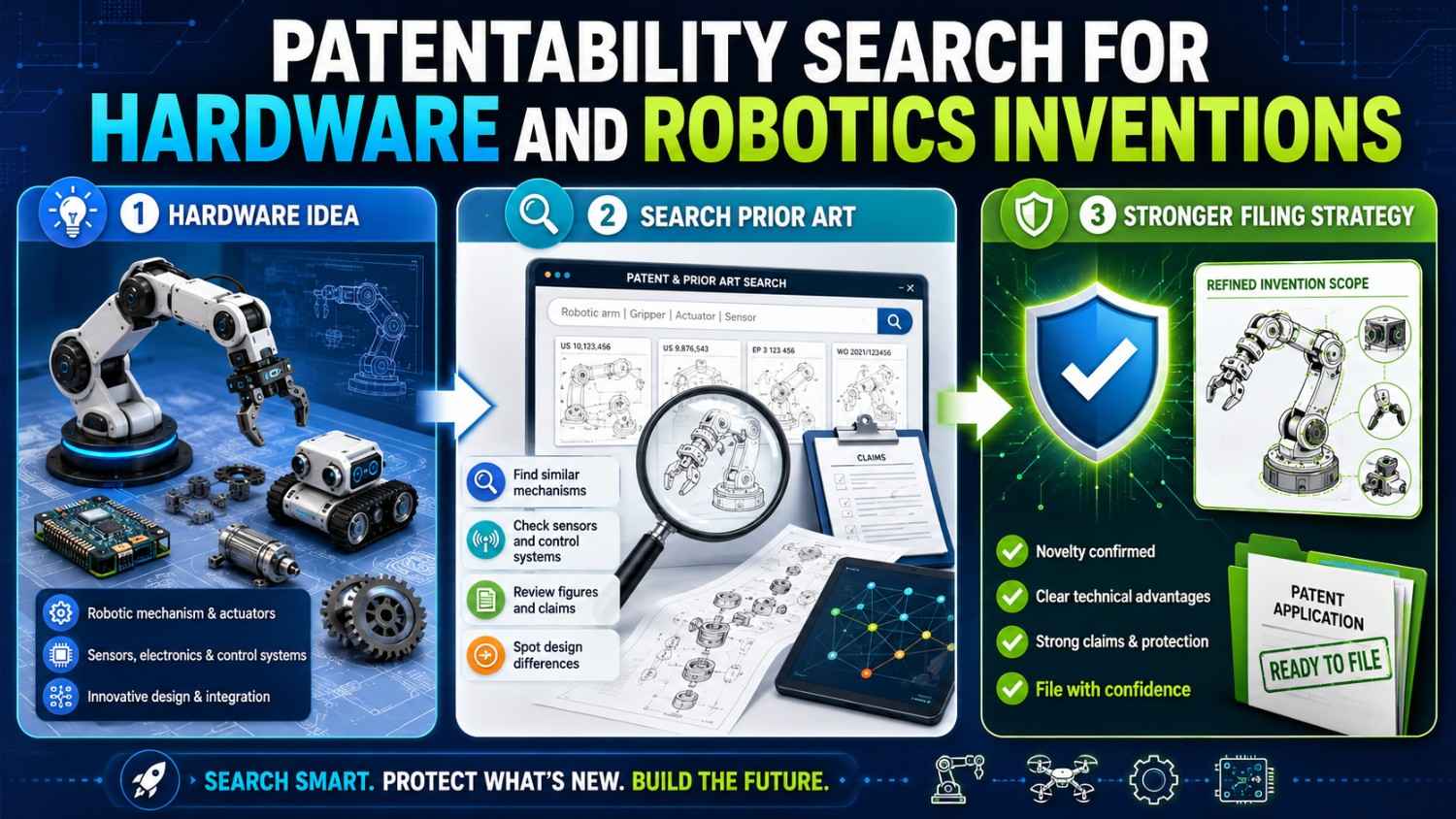
Patentability Search for Hardware and Robotics Inventions
Hardware and robotics inventions are different. You can touch them. Test them. Break them. Improve them. But when it is time to protect them, the hard question is the same: has someone already shown this before? A patentability search helps you answer that question before you spend time and money on a patent filing. It…
-

Patentability Search for Software and AI Inventions
Software and AI move fast. Patent work can feel slow. But a good patentability search does not have to slow you down. It helps you find out whether your invention may be new, what the closest prior art looks like, and where your strongest patent angle may be. For founders, engineers, and AI teams, this…
-
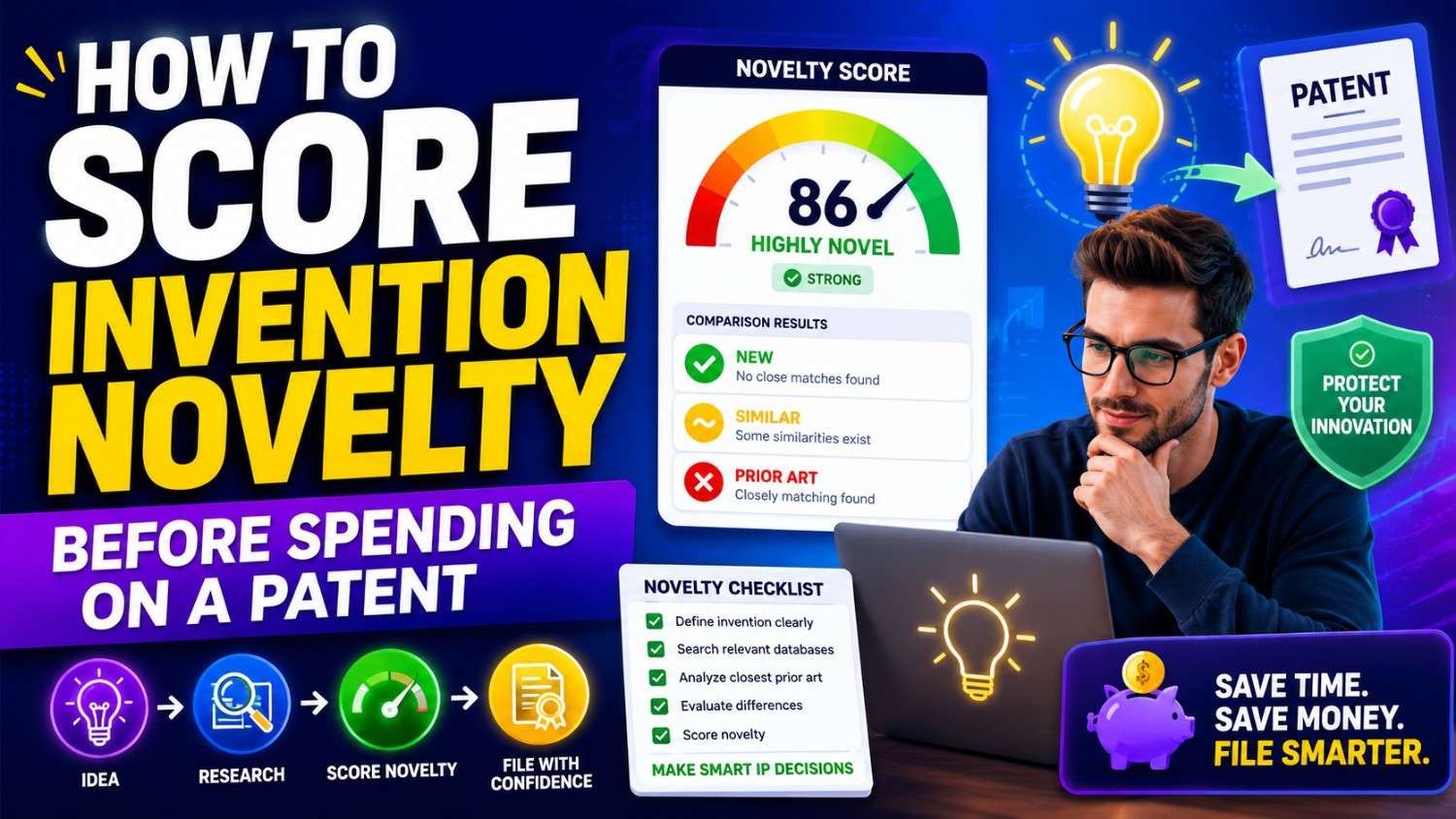
How to Score Invention Novelty Before Spending on a Patent
Patents cost money, time, and focus. Before you spend all three, you should know whether your invention has a real chance of being worth the effort. That is where novelty scoring helps. It gives founders and engineers a clear way to judge an invention before filing, so you can protect the ideas that matter and…
